Consonants Worksheets for Ages 3-9 - Page 2
34 filtered results
-
From - To
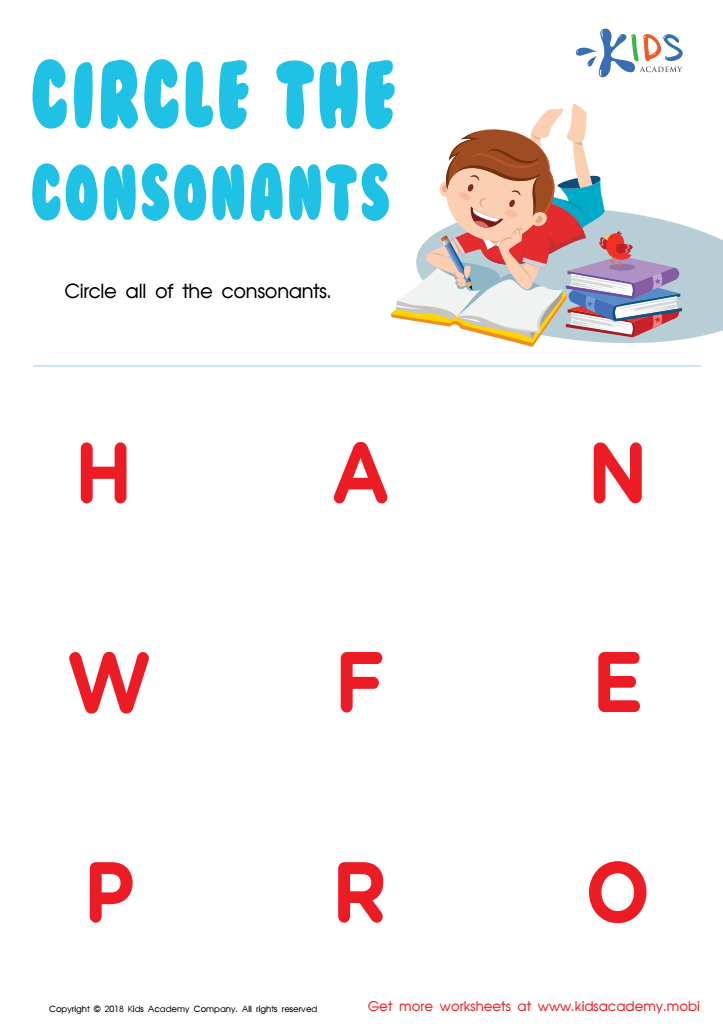
Circle the Consonants Worksheet
 Assign to My Students
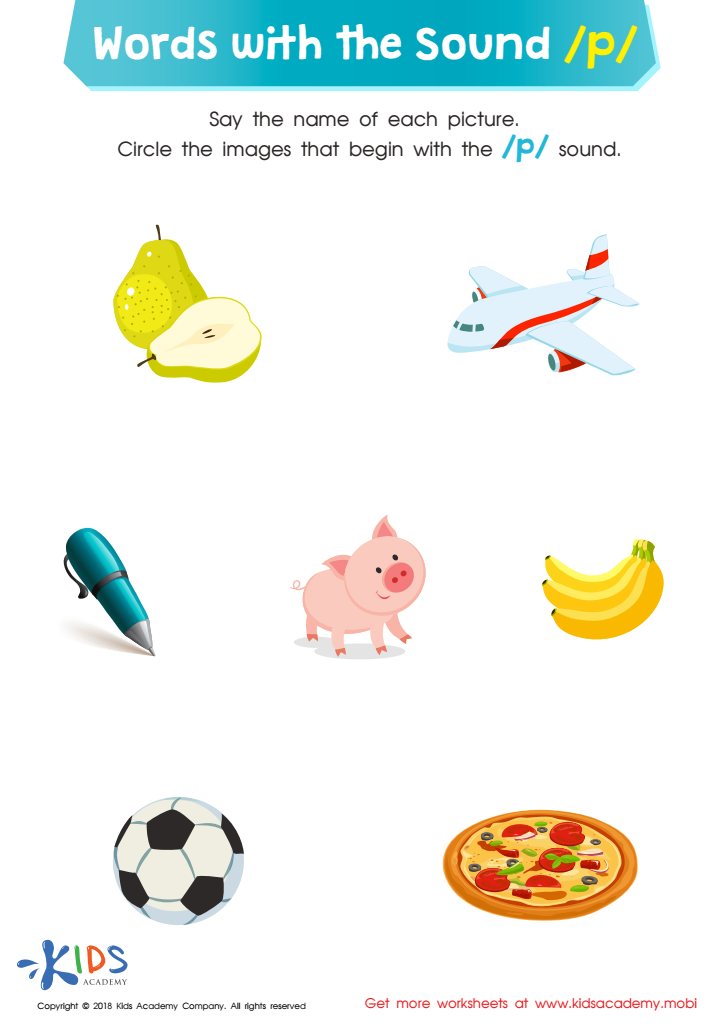
Words with sound p Reading Worksheet
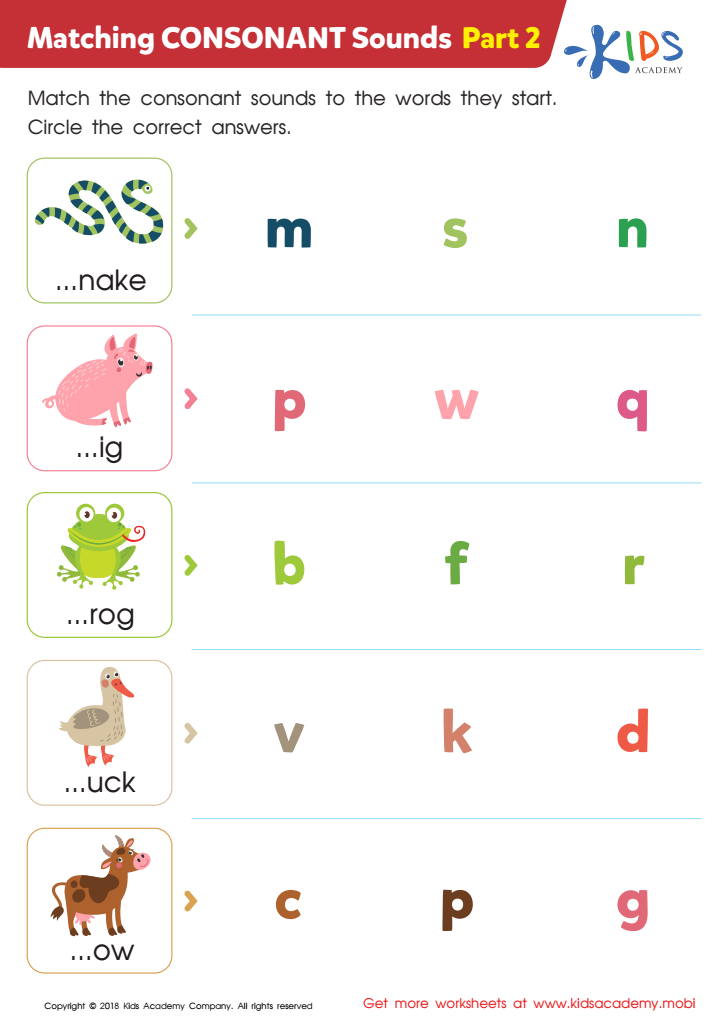
Matching Consonant Sounds: Part 2 Worksheet
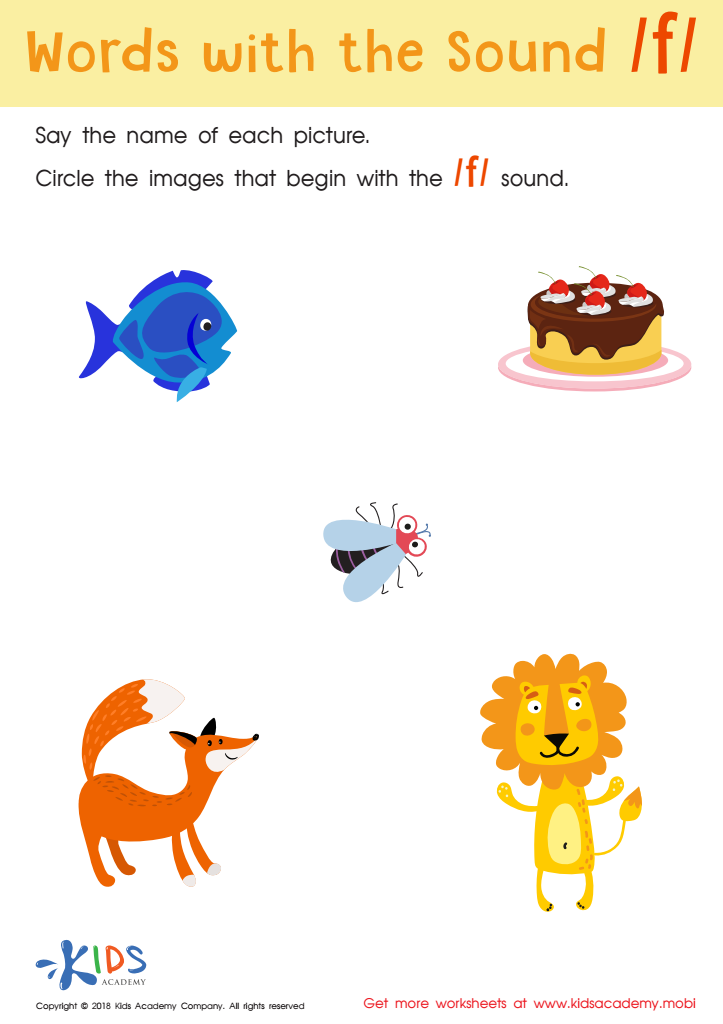
Words with sound f Reading Worksheet
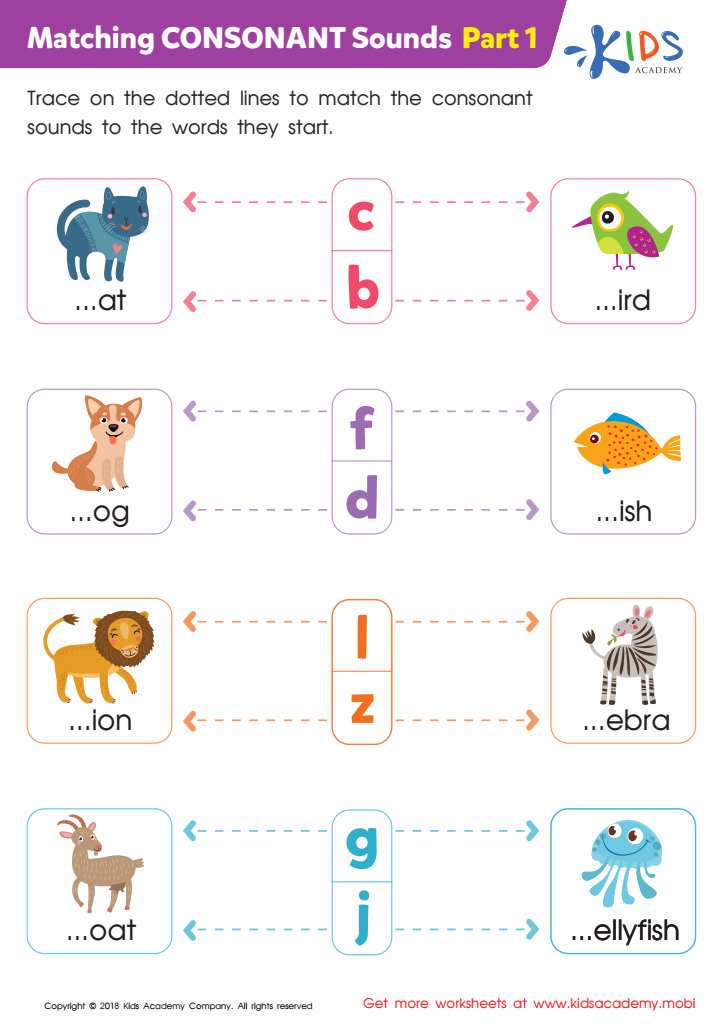
Matching Consonant Sounds: Part 1 Worksheet
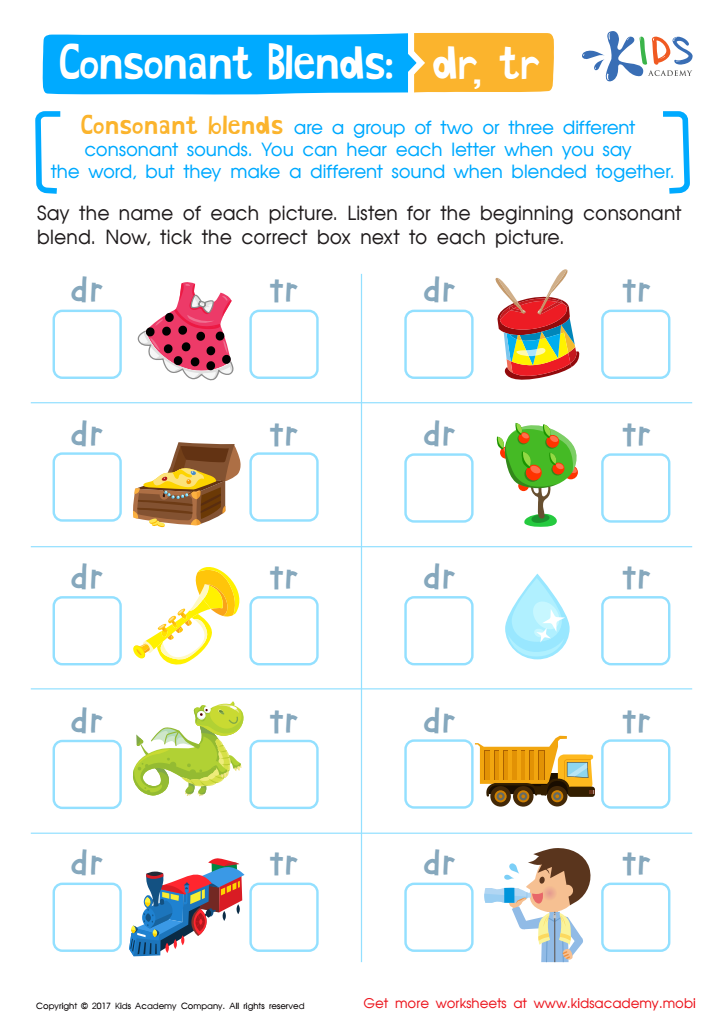
Consonant Blends: "Dr" and "Tr" Printable
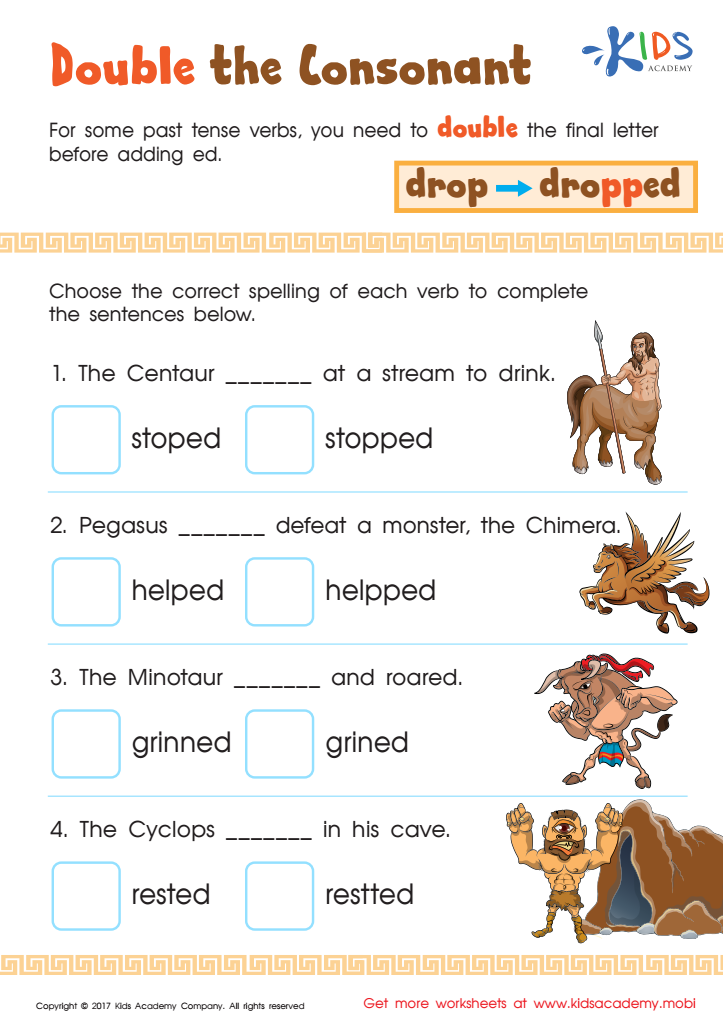
Double Consonant Spelling Worksheet
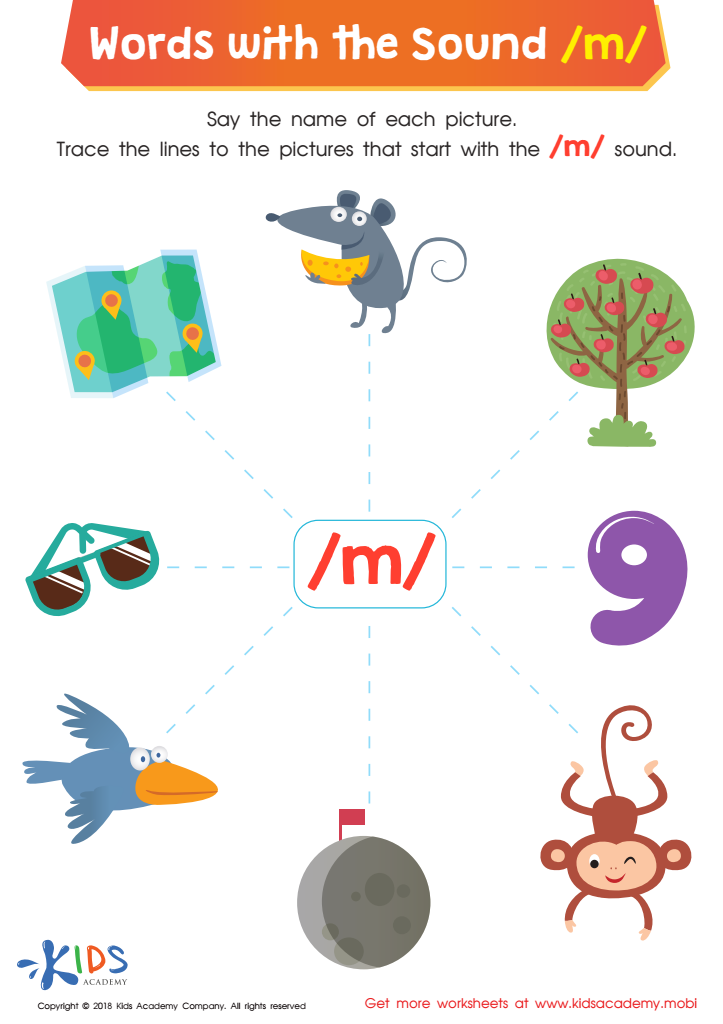
Words with Sound M Reading Worksheet
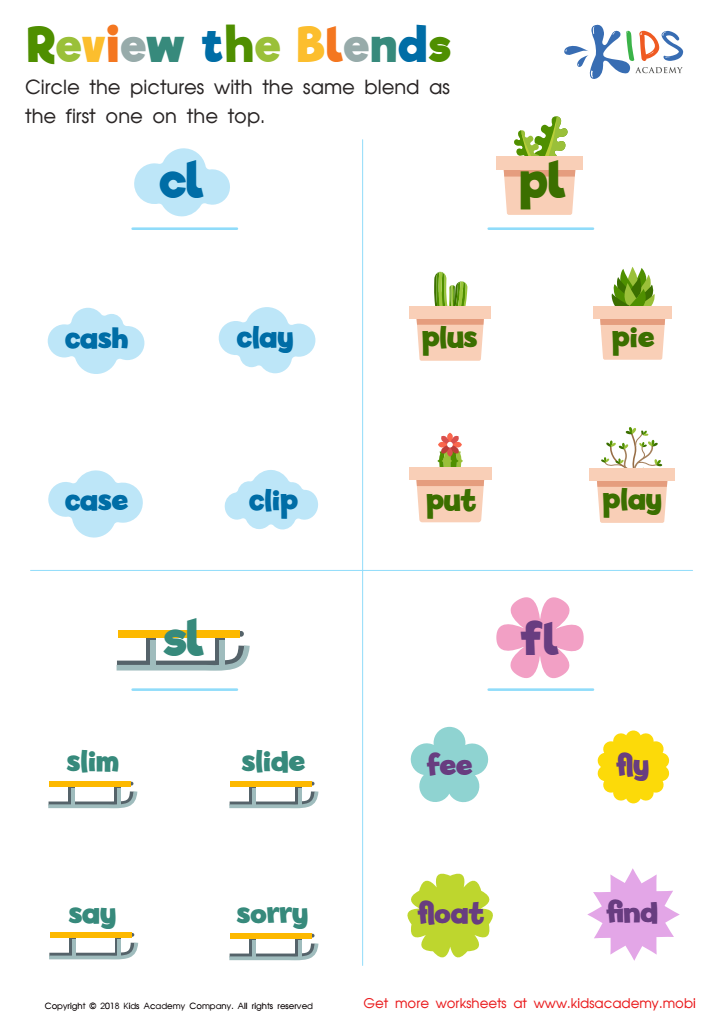
Review the Blends Worksheet
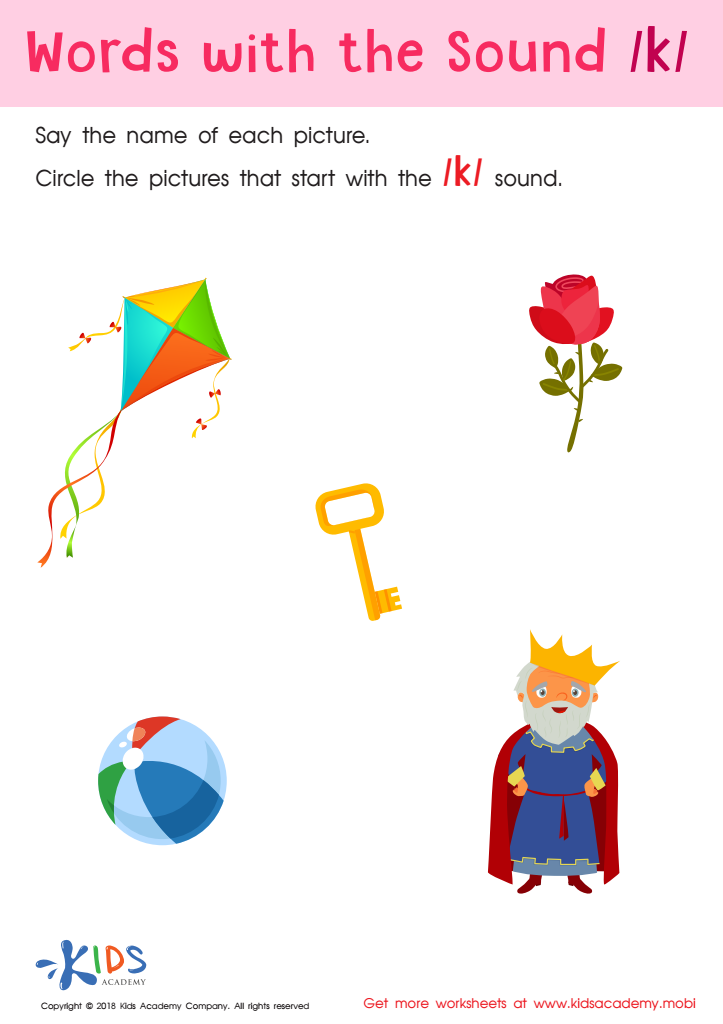
Words with sound k Reading Worksheet



Consonants play an essential role in early literacy development for children aged 3 to 9. Mastering consonants is fundamental for phonemic awareness, which is the ability to hear, identify, and manipulate sounds in spoken language. Parents and teachers should care about consonants because they are building blocks for reading and writing. When children learn consonants, they can blend sounds to form words, leading to improved decoding skills and fluent reading.
In the early years, exposure to consonants through play, singing, and interactive activities fosters a love for language and literacy. It also boosts vocabulary acquisition, as children who grasp consonant sounds can better seem to differentiate between words. This understanding lays the groundwork for children to grasp more complex linguistic concepts later on.
Additionally, focusing on consonants can support children with language delays, helping them improve articulation and communication skills. Engaging in activities that emphasize consonant recognition can build confidence in young learners, making them more willing to participate in reading and writing tasks.
Ultimately, while focusing on consonants might seem simple, it establishes a solid foundation for future academic success and lifelong literacy skills. Therefore, it is crucial for parents and teachers to prioritize consonant recognition in their educational practices.







