Animals Worksheets for Ages 3-9 - Page 3
66 filtered results
-
From - To
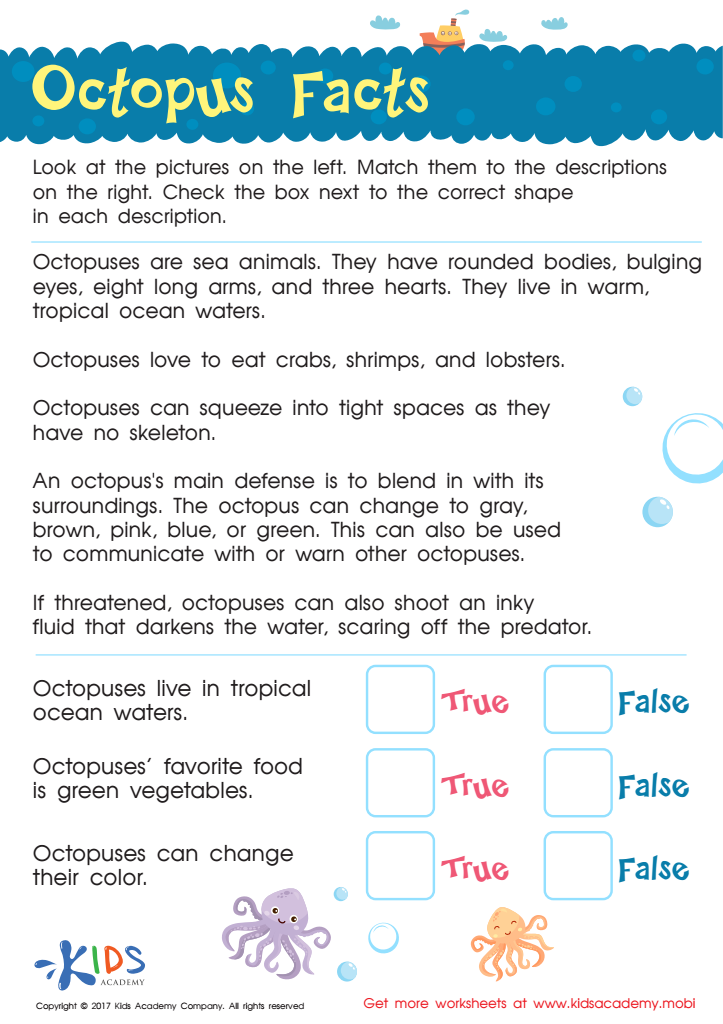
Octopus Facts Worksheet For Kids
 Assign to My Students
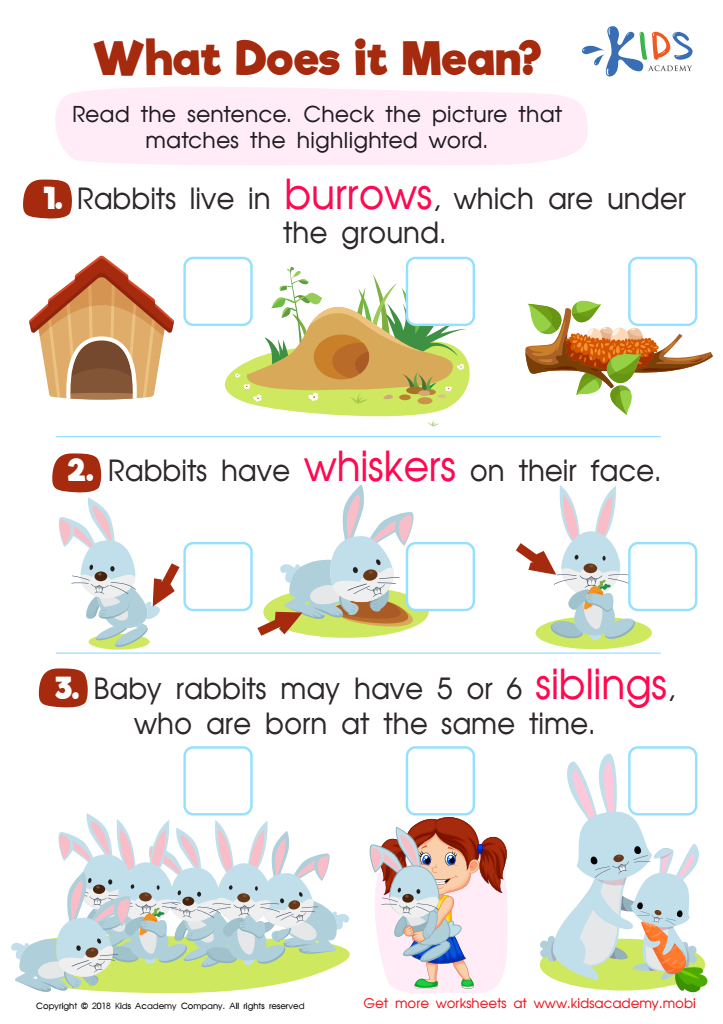
What Does It Mean? Worksheet
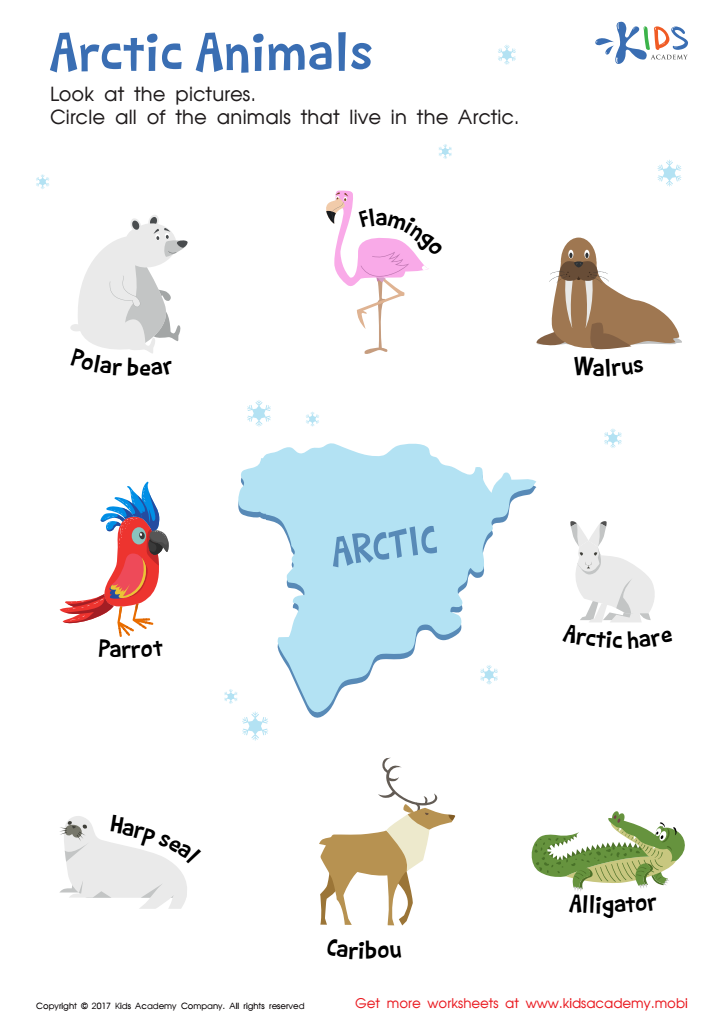
Arctic Animals Worksheet
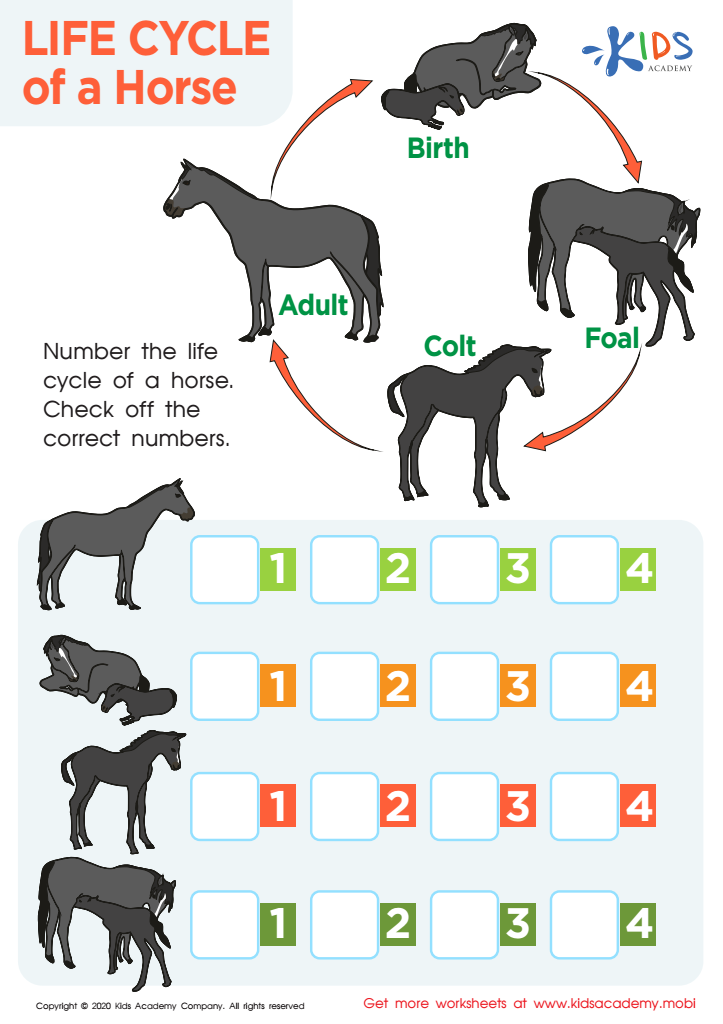
Life Cycle of a Horse Worksheet
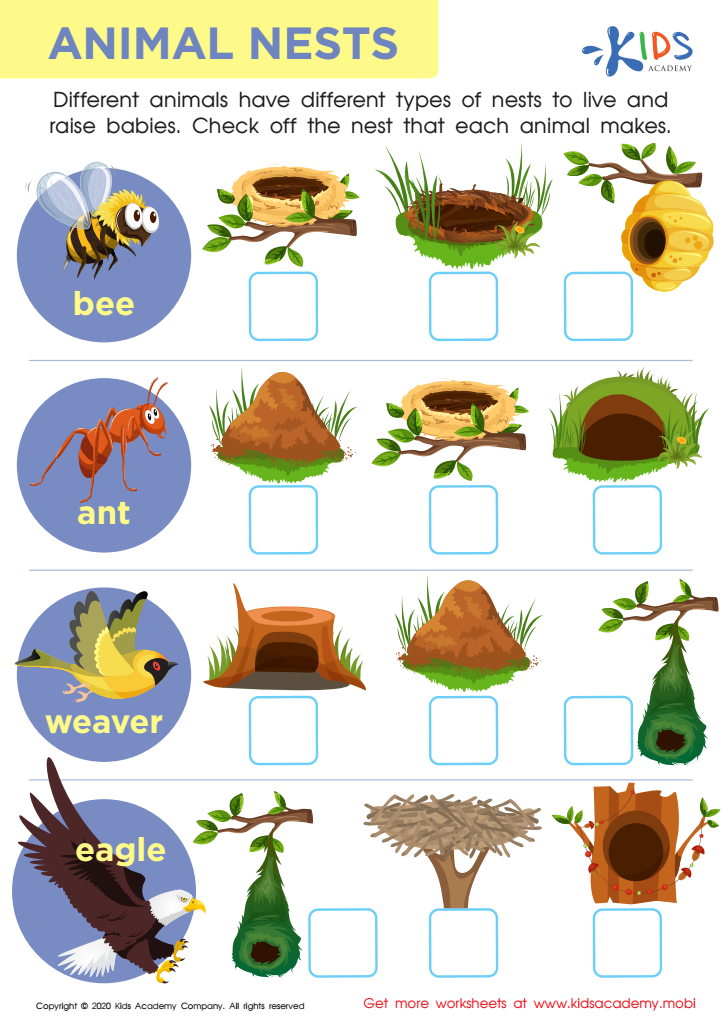
Animal Nests Worksheet
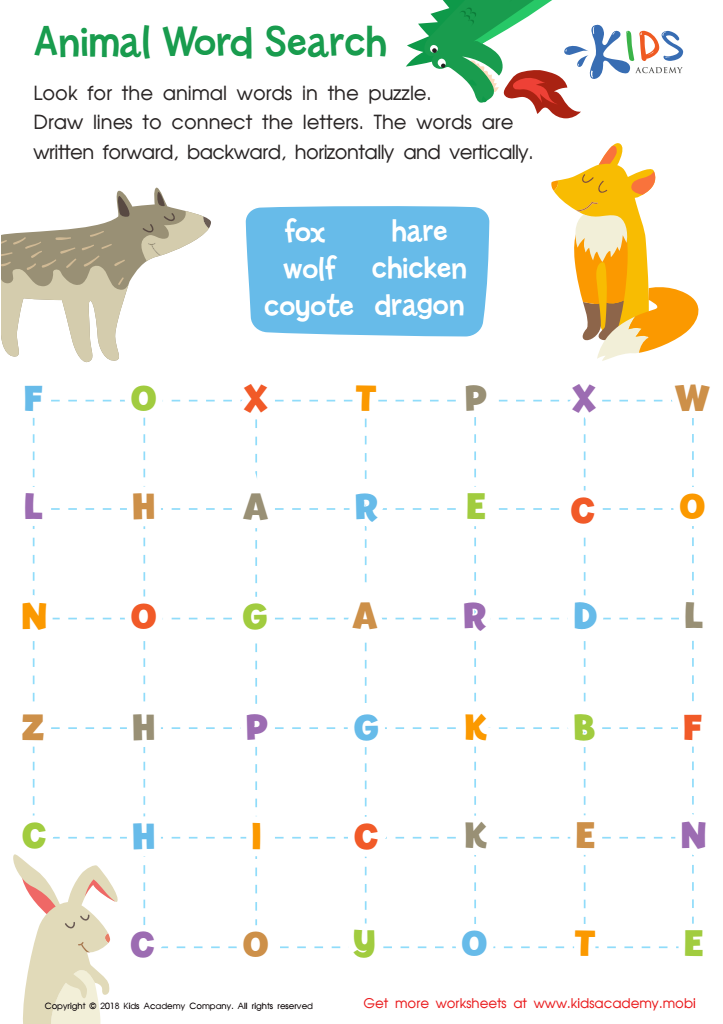
Animal Word Search Worksheet
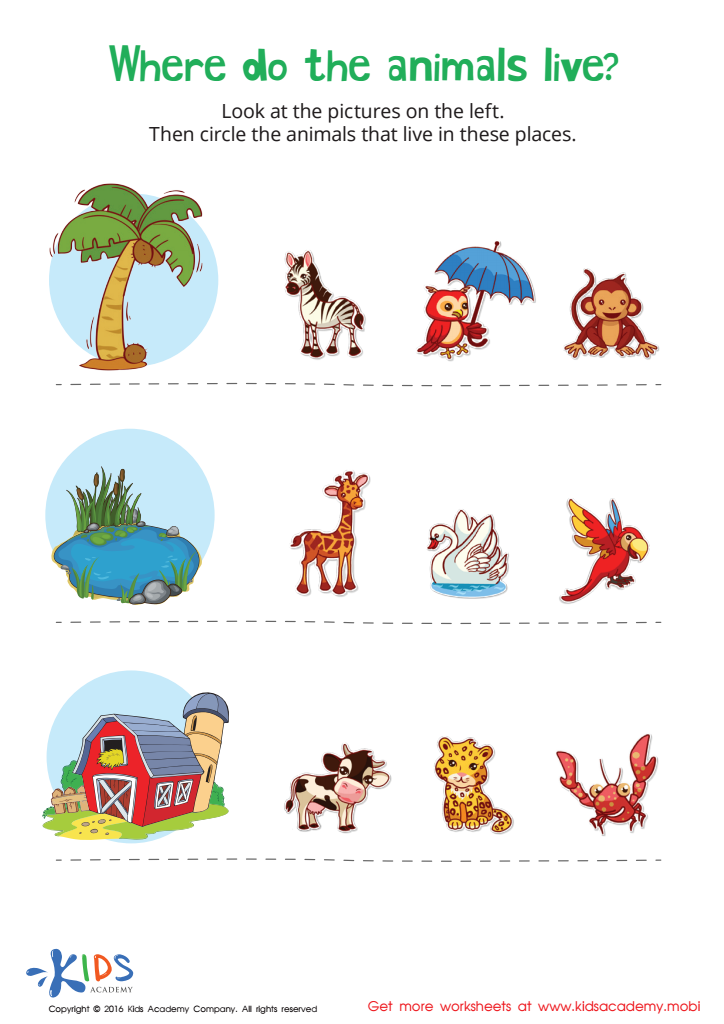
Where Animals Live Worksheet
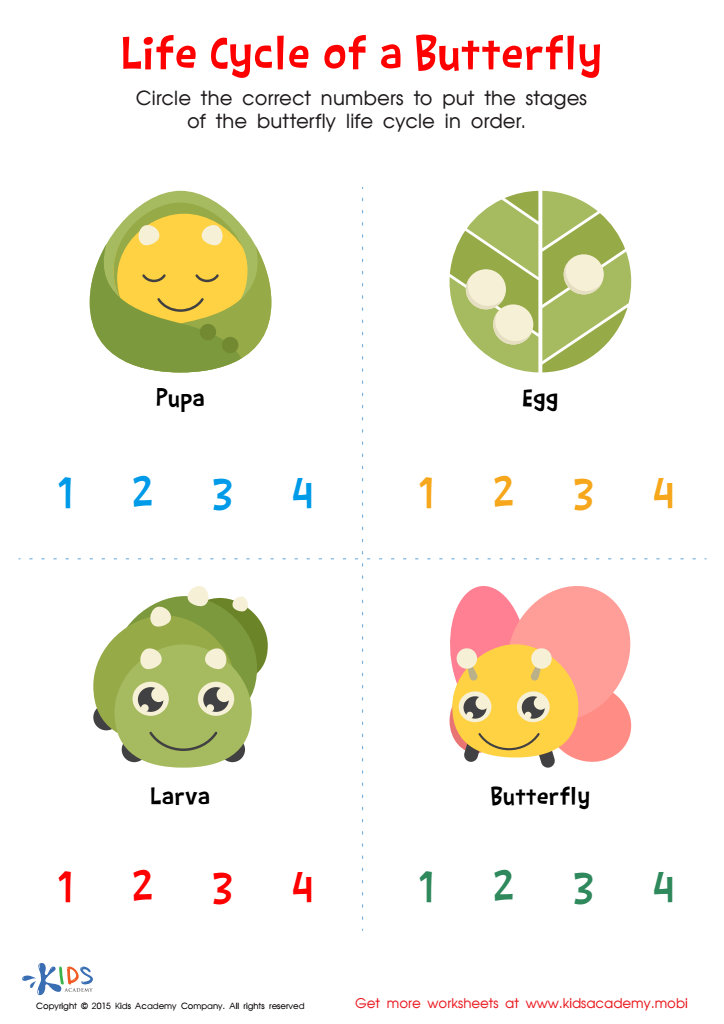
Life Cycle of Butterfly Printable
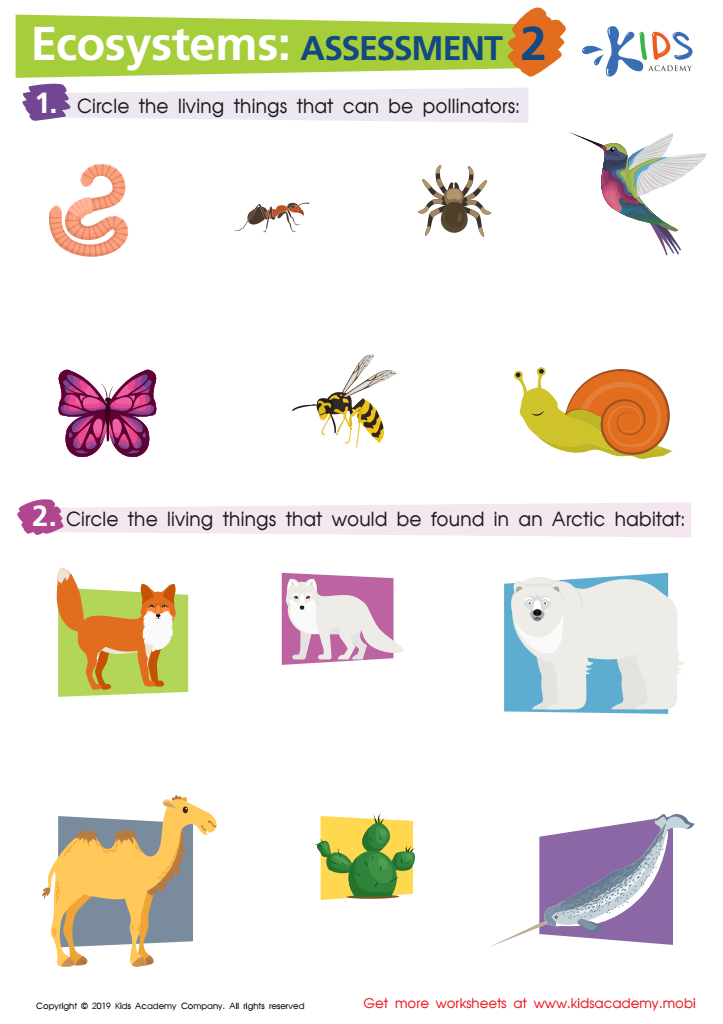
Ecosystems: Assessment 2 Worksheet
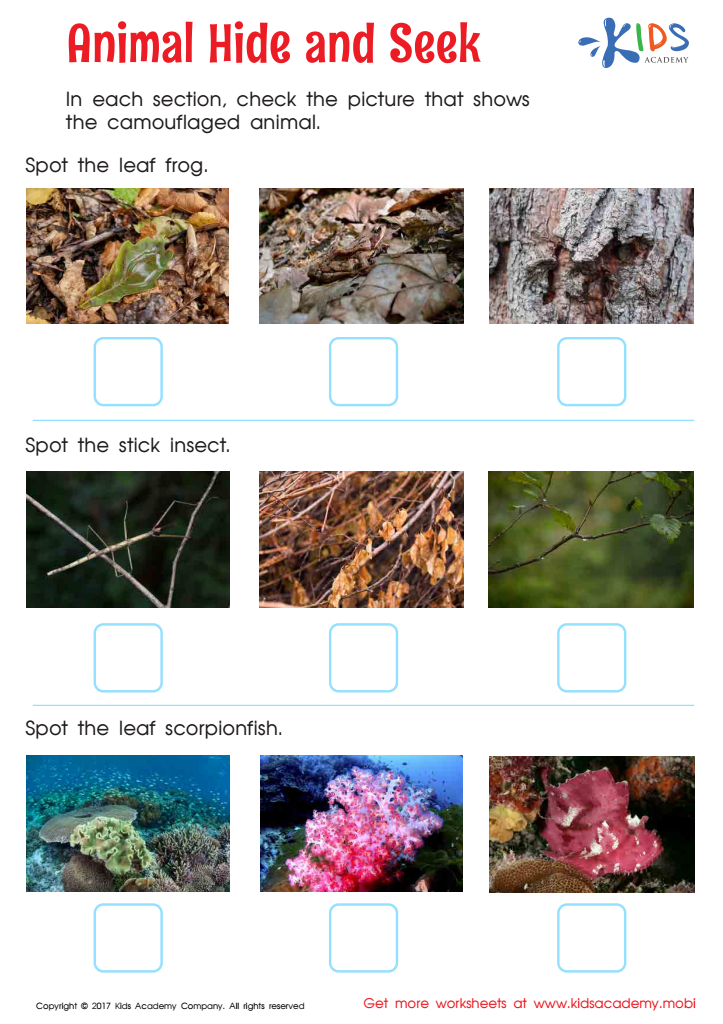
Animal Hide and Seek Worksheet
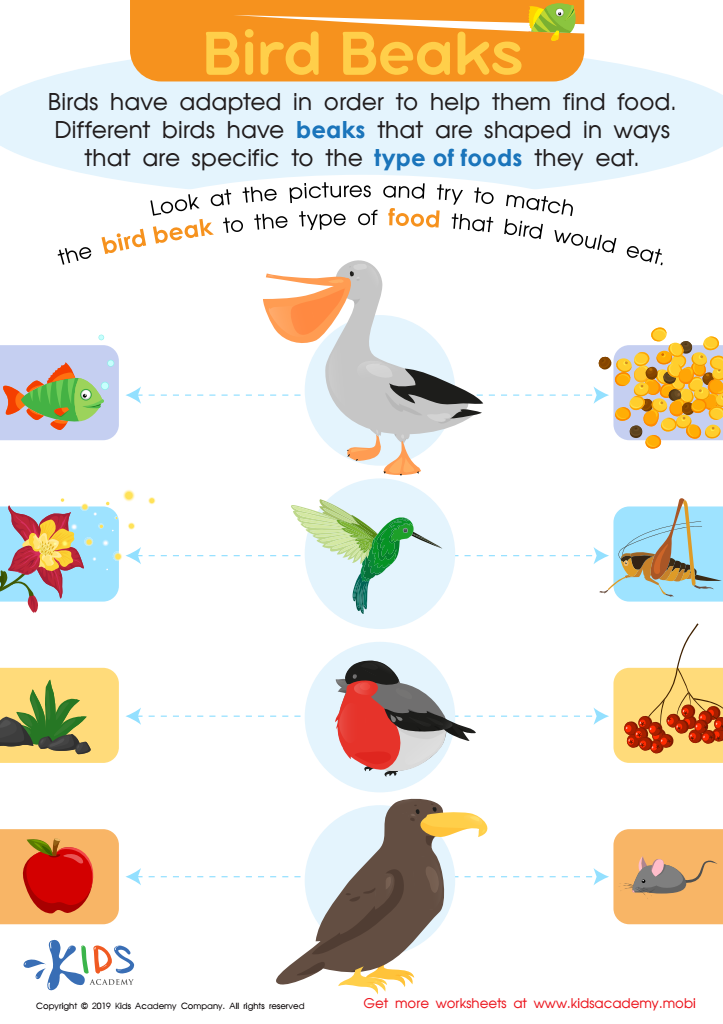
Bird Beaks Worksheet
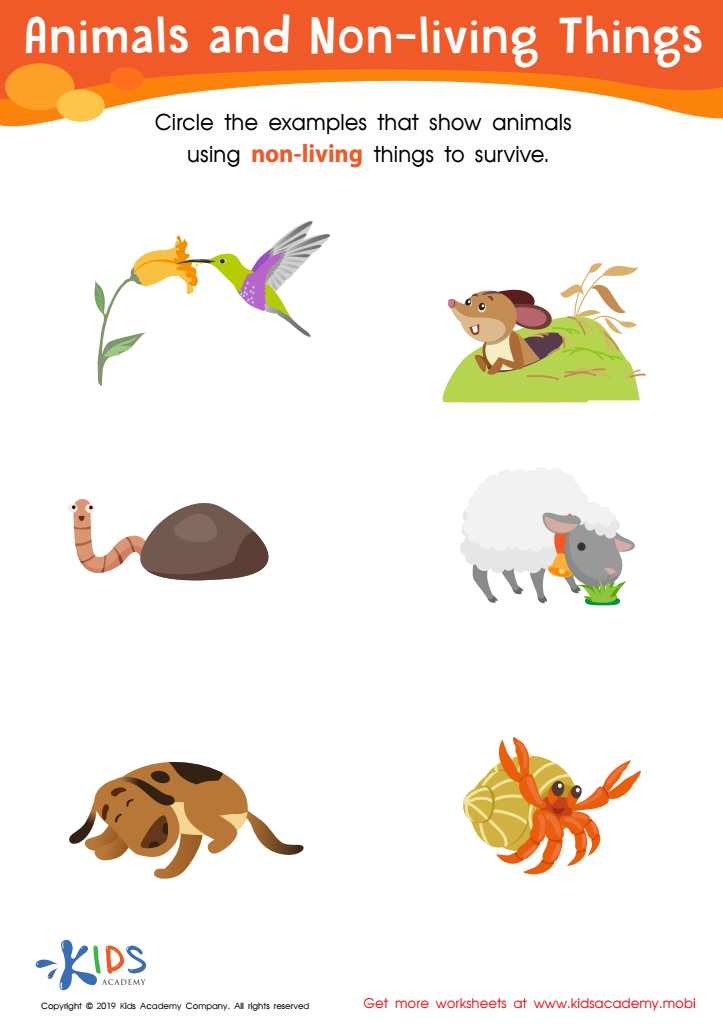
Animals and Non-Living Things Worksheet
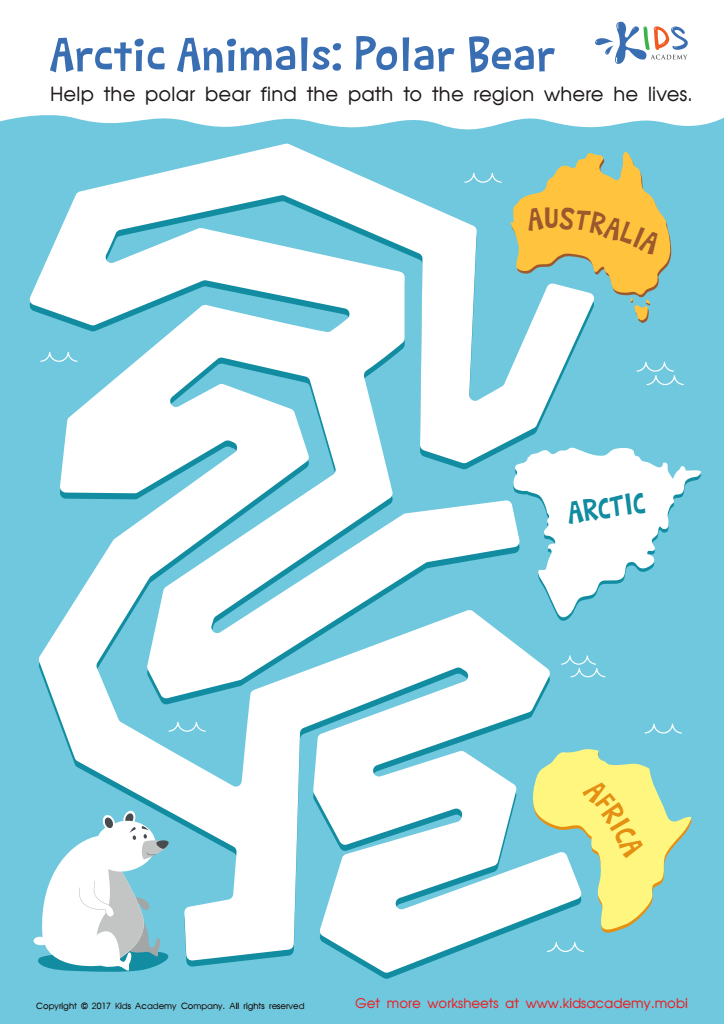
Arctic Animals: Polar Bear Worksheet
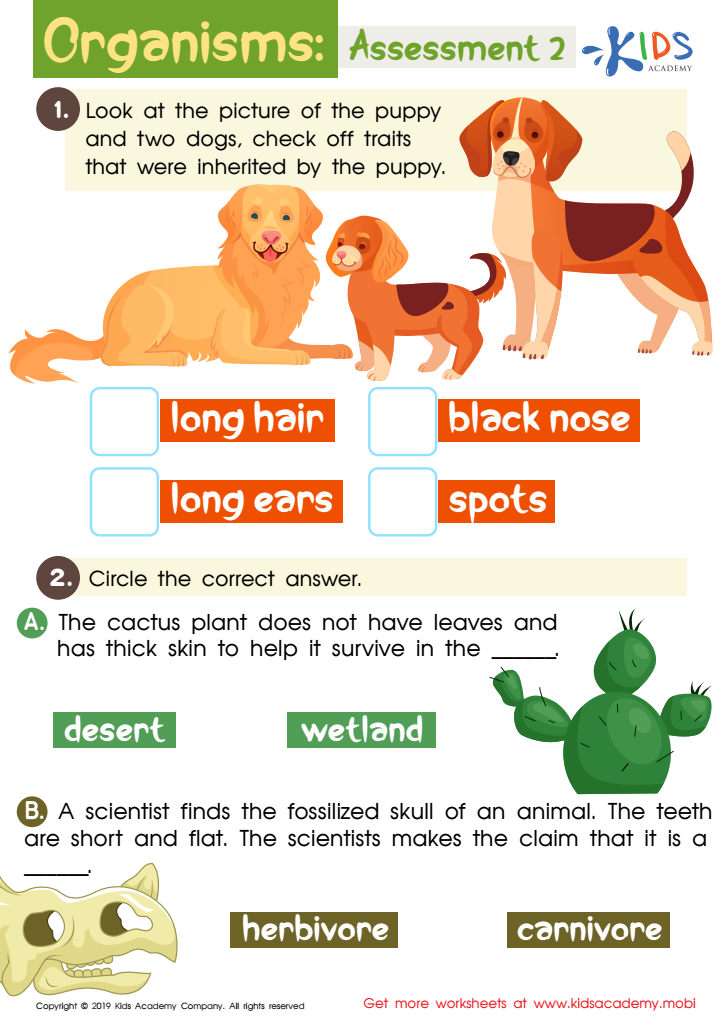
Organisms: Assessment 2 Worksheet
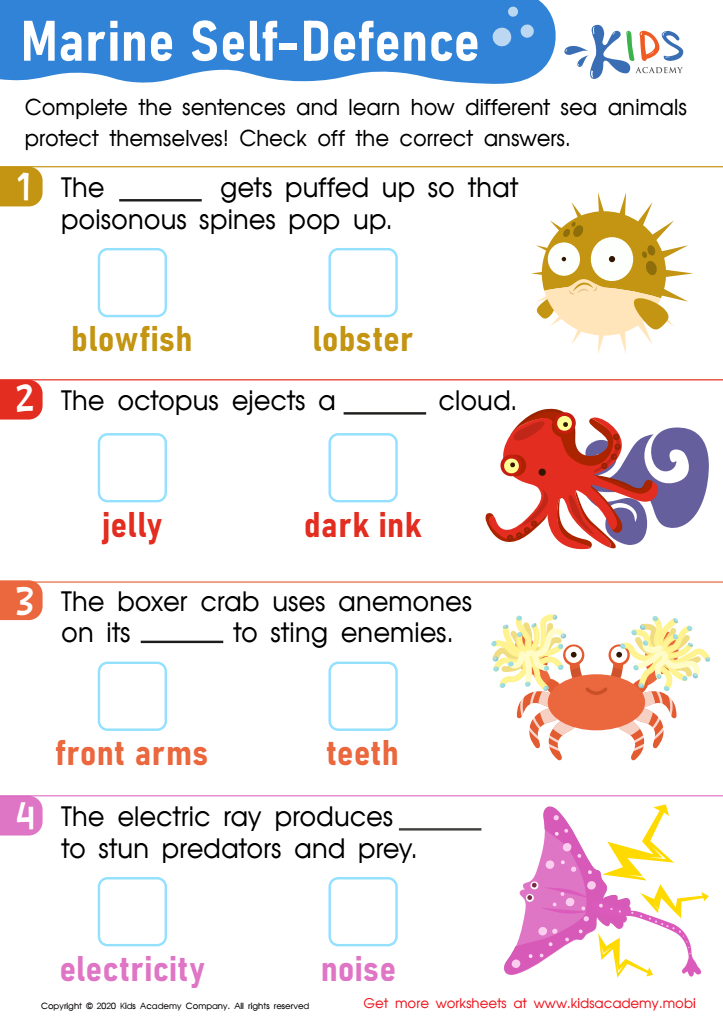
Marine Self-Defence Worksheet
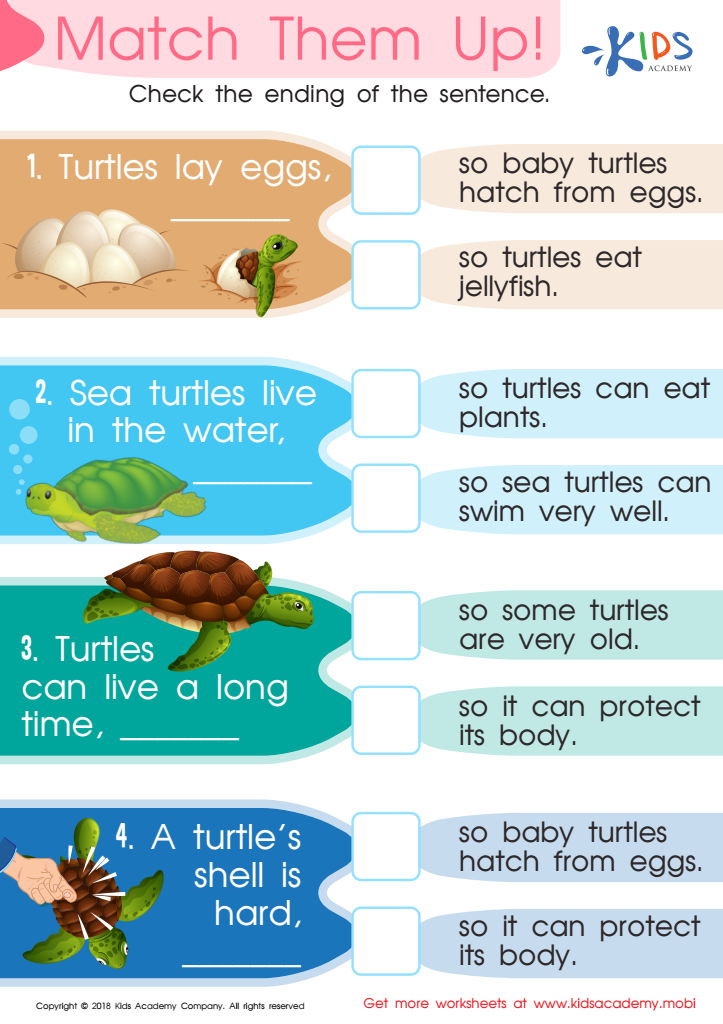
Match Them Up Worksheet
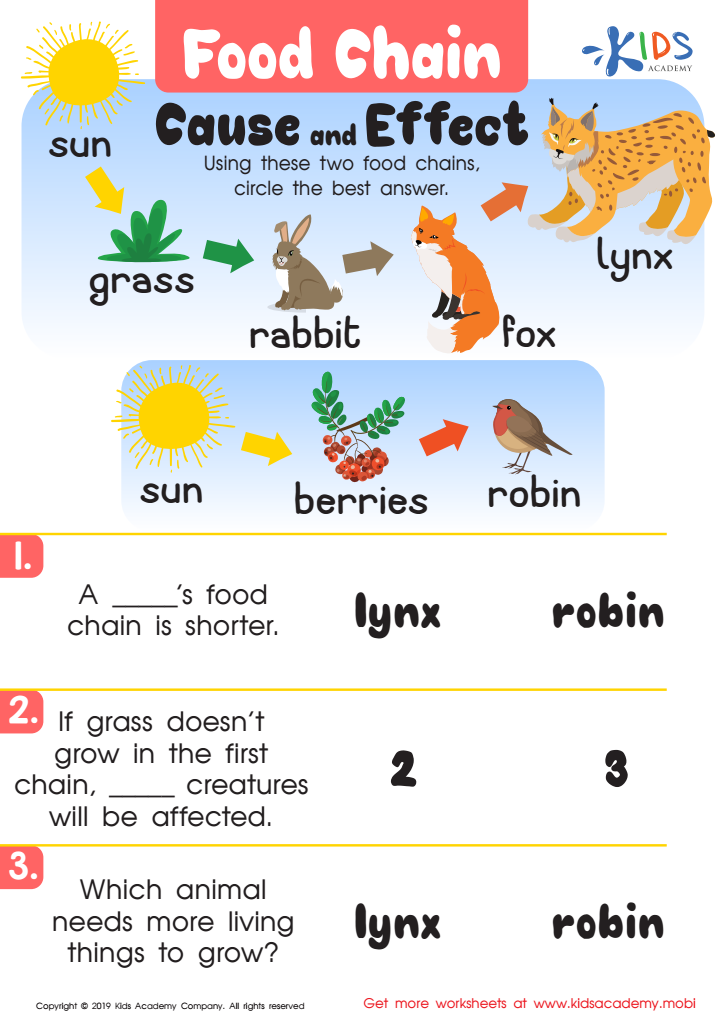
Food Chain Cause Worksheet
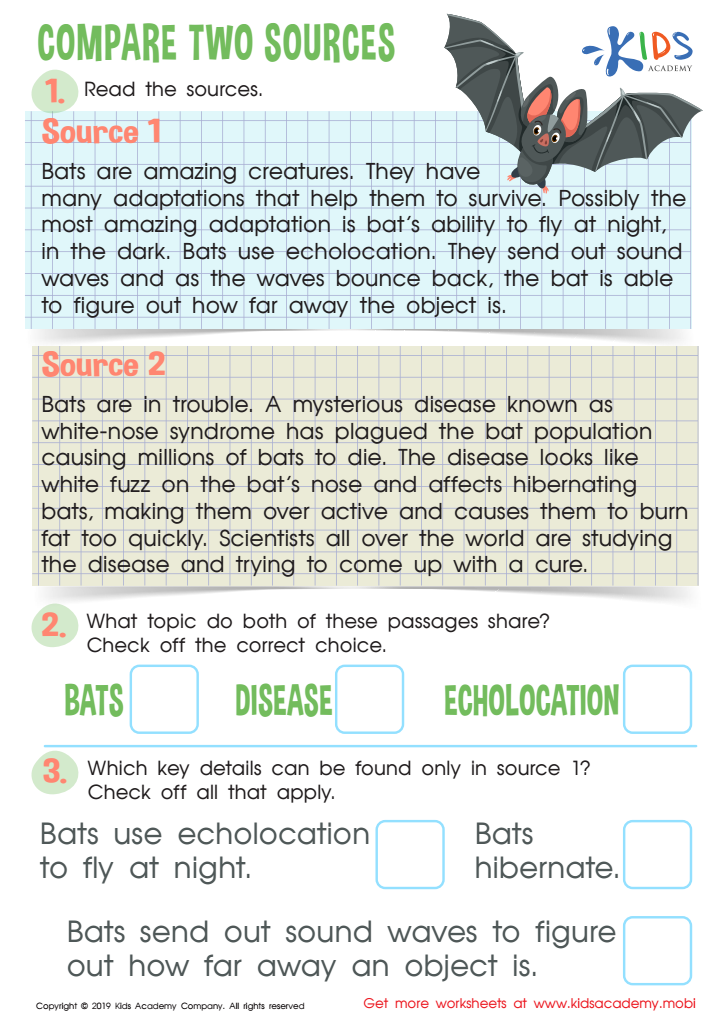
Compare Two Sources Worksheet








Parents and teachers should care about introducing animals to children aged 3-9 for several compelling reasons. Firstly, learning about animals fosters empathy and compassion. Kids who understand and appreciate living creatures are more likely to develop a sense of responsibility and kindness toward both animals and people.
Animals also spark curiosity and encourage exploration, which are integral to early learning. Children are naturally fascinated by the diversity of animal life, and this interest can lead to increased engagement in reading, storytelling, and scientific inquiry. This can enhance cognitive skills like observing, classifying, and reasoning.
Moreover, lessons involving animals can be interdisciplinary, linking to subjects such as biology, geography, and environmental science, making learning more holistic. For instance, studying animal habitats can seamlessly integrate lessons about different ecosystems and the importance of conservation.
Additionally, spending time with pets or visiting animals in settings like zoos or farms can offer practical experiences that enhance social skills and emotional well-being. Interactive activities, such as feeding or grooming, teach responsibility and routine care.
In sum, fostering a child's interest in animals offers a multitude of educational and emotional benefits. It promotes a compassionate worldview while enriching their understanding of the natural world and enhancing cognitive and social development.