Vowels Worksheets for 3-Year-Olds
9 filtered results
-
From - To
Vowels for 3-Year-Olds Worksheets
Dive into the world of letters with our engaging Vowels for 3-Year-Olds Worksheets! Specially designed for young learners, these worksheets provide a fun and interactive way to introduce the concept of vowels. Through a variety of activities such as coloring, tracing, and matching, your 3-year-old will begin to recognize and differentiate vowel sounds in a playful environment. Perfect for preschoolers, our worksheets are created by educational experts to ensure a joyful learning experience that sparks curiosity and fosters early literacy skills. Let your child embark on their educational journey with confidence and excitement. Start exploring vowels today!
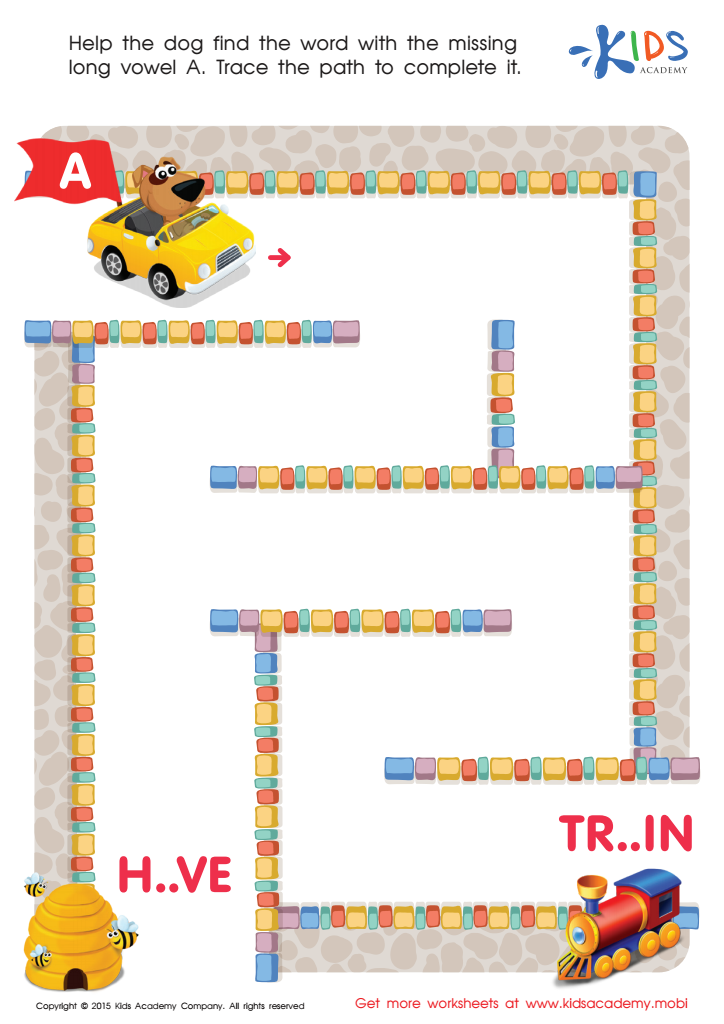
Long Vowel Sound A Worksheet
 Assign to My Students
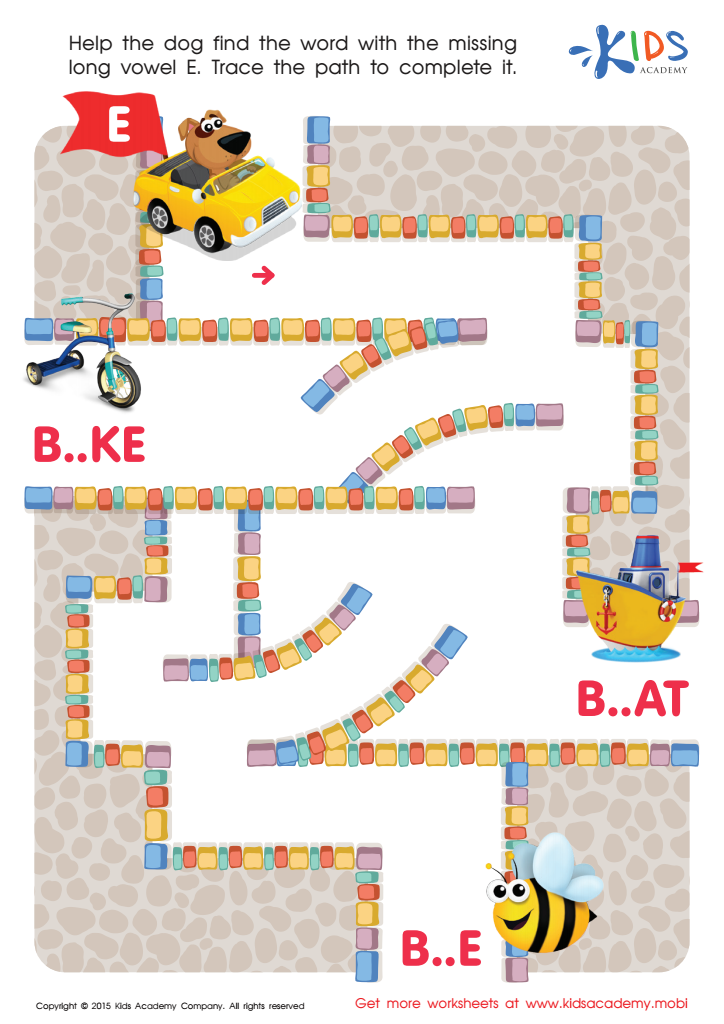
Long Vowel Sound E Worksheet
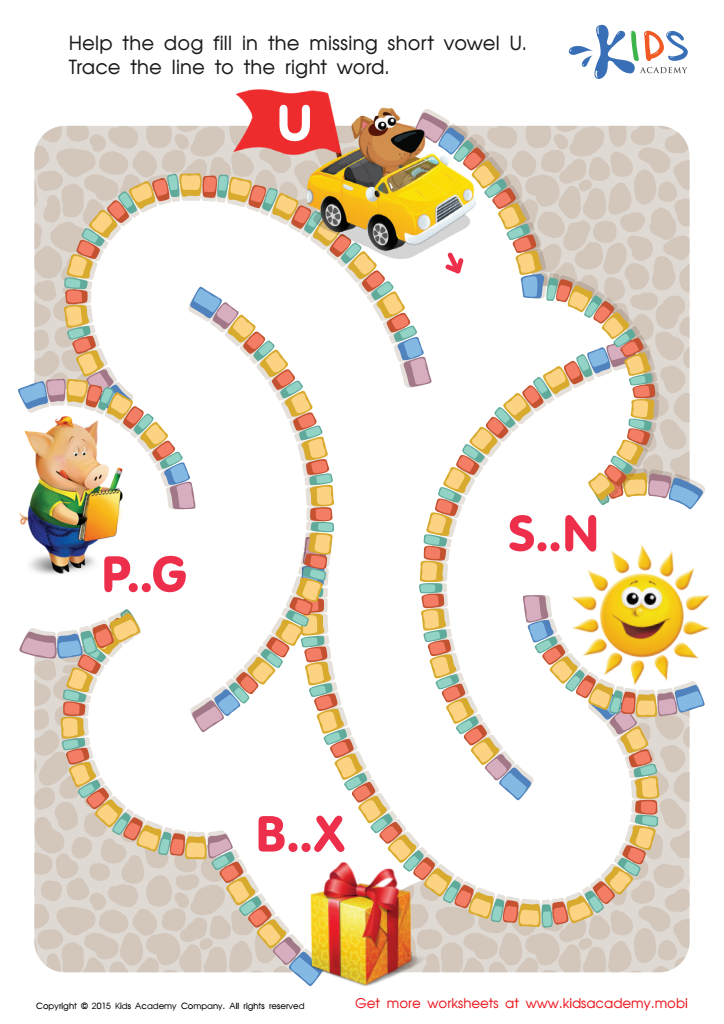
Short Vowel Sound U Worksheet
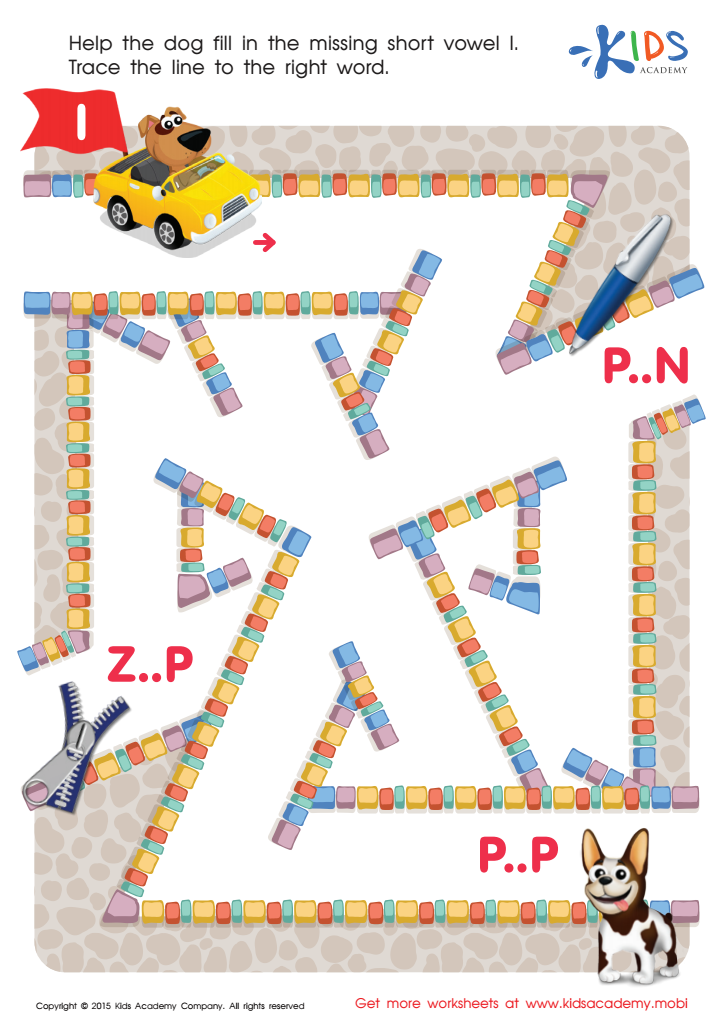
Short Vowel Sound I Worksheet
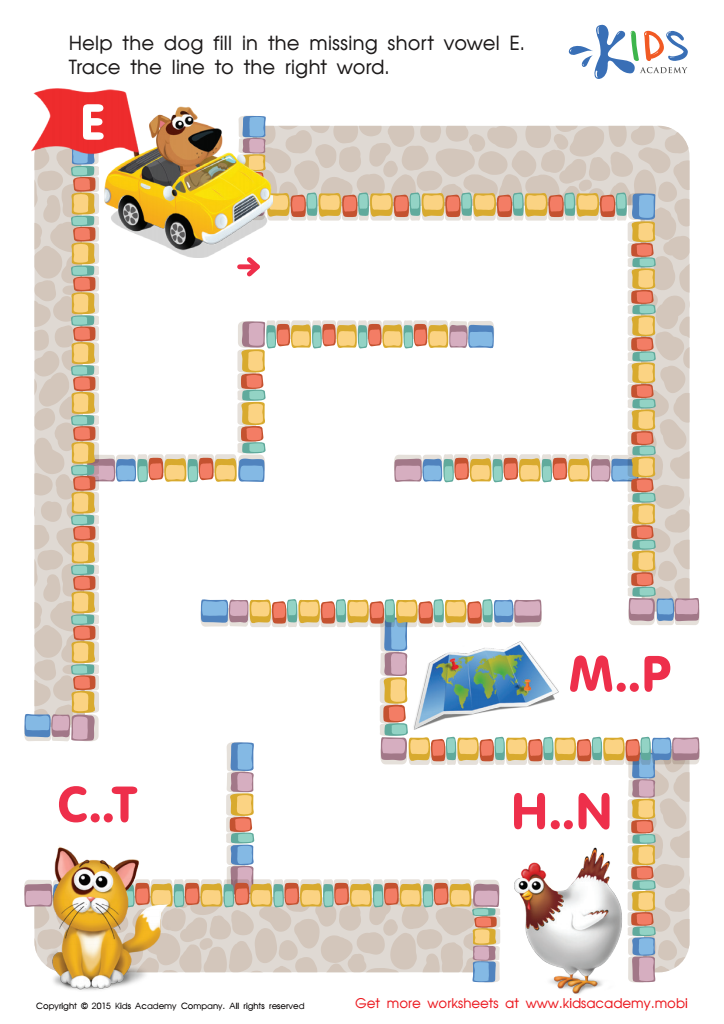
Short Vowel Sound E Worksheet
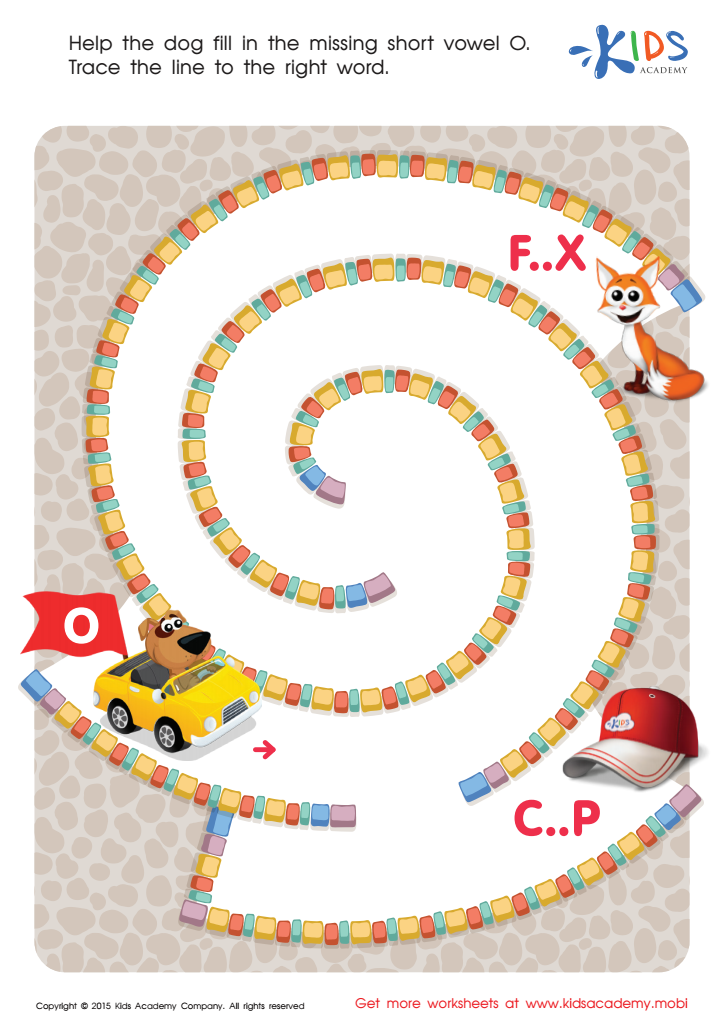
Short Vowel Sound O Worksheet
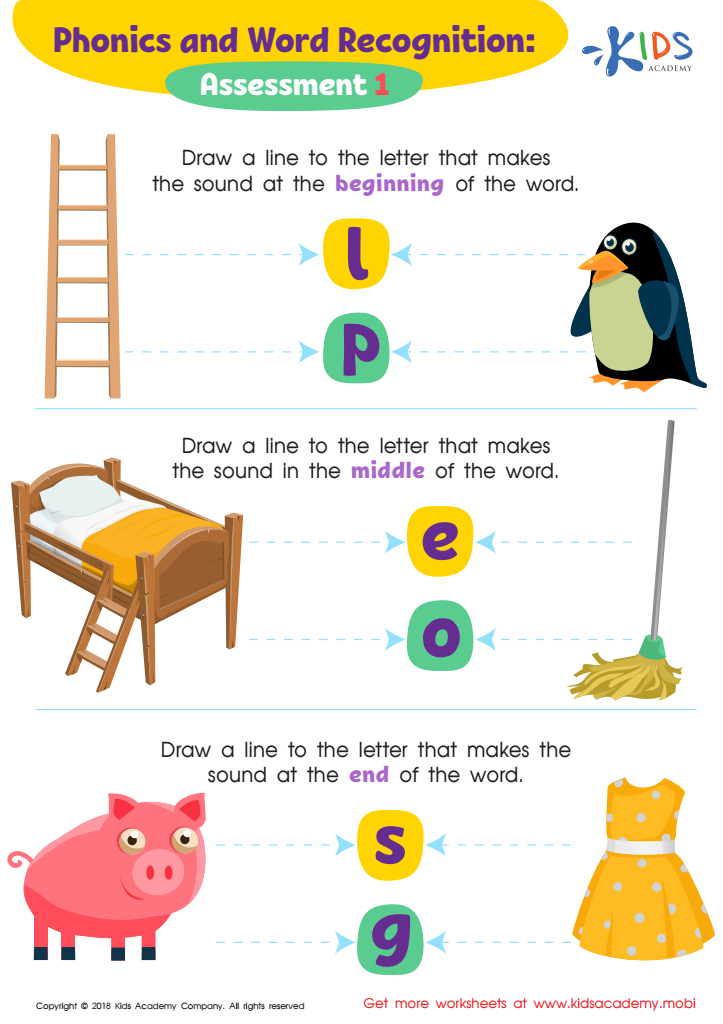
Phonics and Word Recognition: Assessment 1 ELA Worksheet
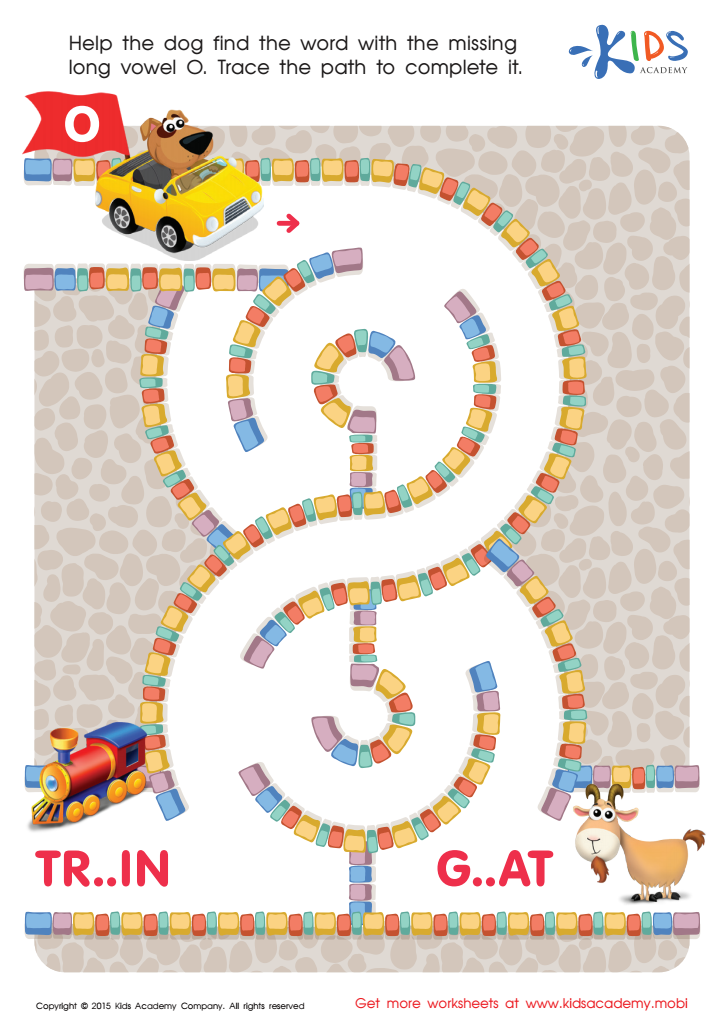
Long Vowel Sound O Worksheet
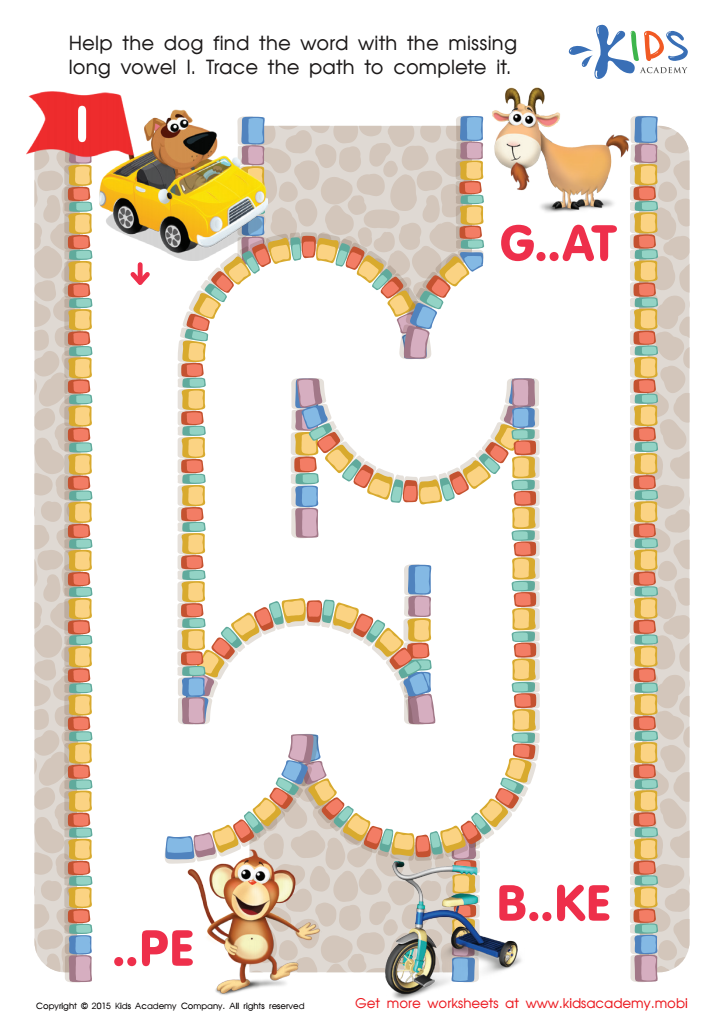
Long Vowel Sound I Worksheet





Vowels are the cornerstone of the English language, and introducing them to young learners through worksheets specifically designed for 3-year-olds can be incredibly beneficial. These worksheets are tailored to the developmental needs and learning capabilities of toddlers, making the process of understanding and using vowels enjoyable and effective.
Firstly, worksheets on vowels for 3-year-olds are crafted to capture the attention of young minds with colorful illustrations and engaging activities. This visual and interactive approach helps to reinforce recognition and memorization of vowels, which are fundamental in forming words and enhancing early reading skills.
Moreover, these worksheets introduce 3-year-olds to the concept of vowels in a simplified and accessible manner. By breaking down complex linguistic concepts into manageable chunks, children can gradually build a solid foundation in phonics, which is essential for their future academic success.
Additionally, the hands-on experience provided by filling out worksheets helps in fine-tuning motor skills. As 3-year-olds trace, write, and color, they develop the coordination and control needed for effective writing, further bolstering their language acquisition.
In conclusion, worksheets on vowels for 3-year-olds offer a multifaceted approach to learning. They not only lay the groundwork for literacy and phonetic skills but also stimulate cognitive development and fine motor skills, making them an invaluable tool in early childhood education.







