Letter Sounds Worksheets for Ages 4-8 - Page 2
33 filtered results
-
From - To
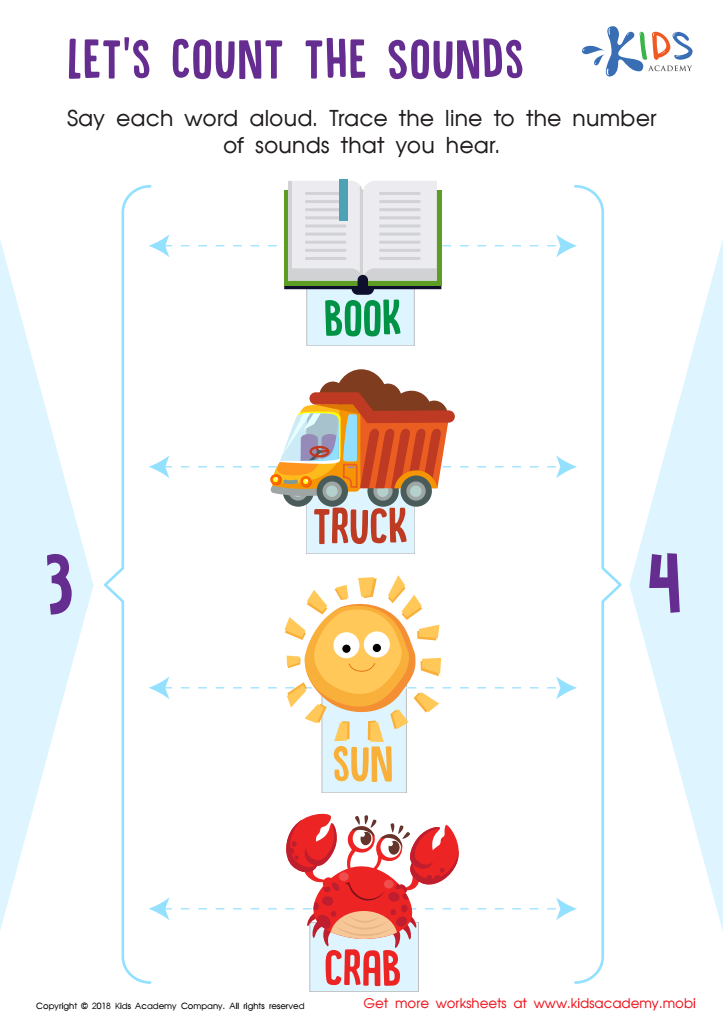
Let's Count the Sounds Worksheet
 Assign to My Students
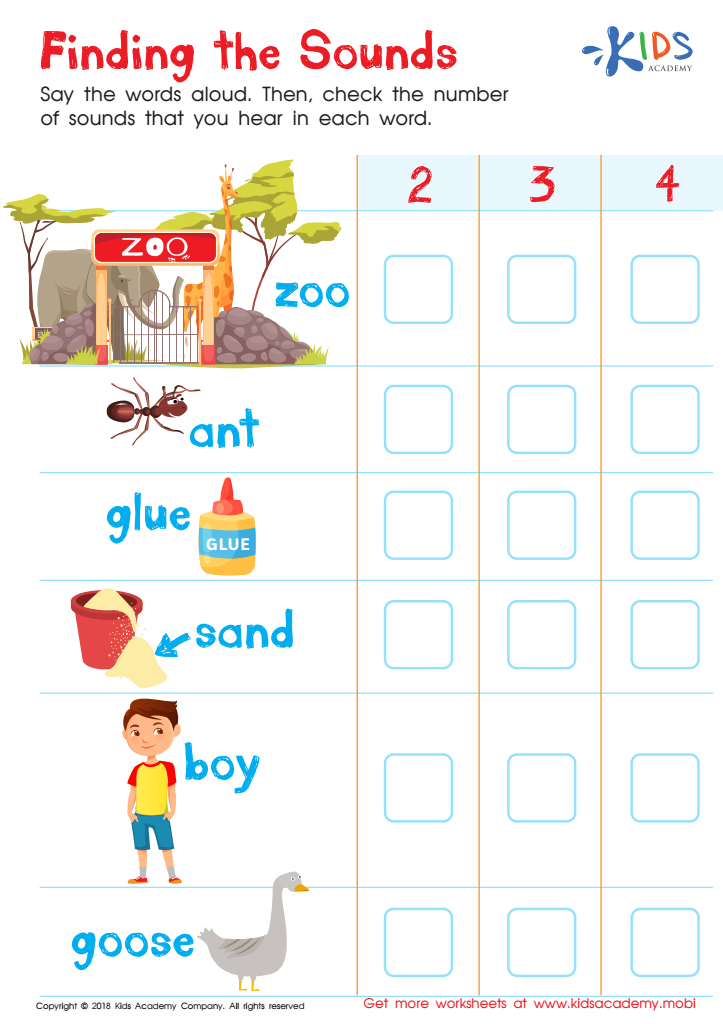
Finding the Sounds Worksheet
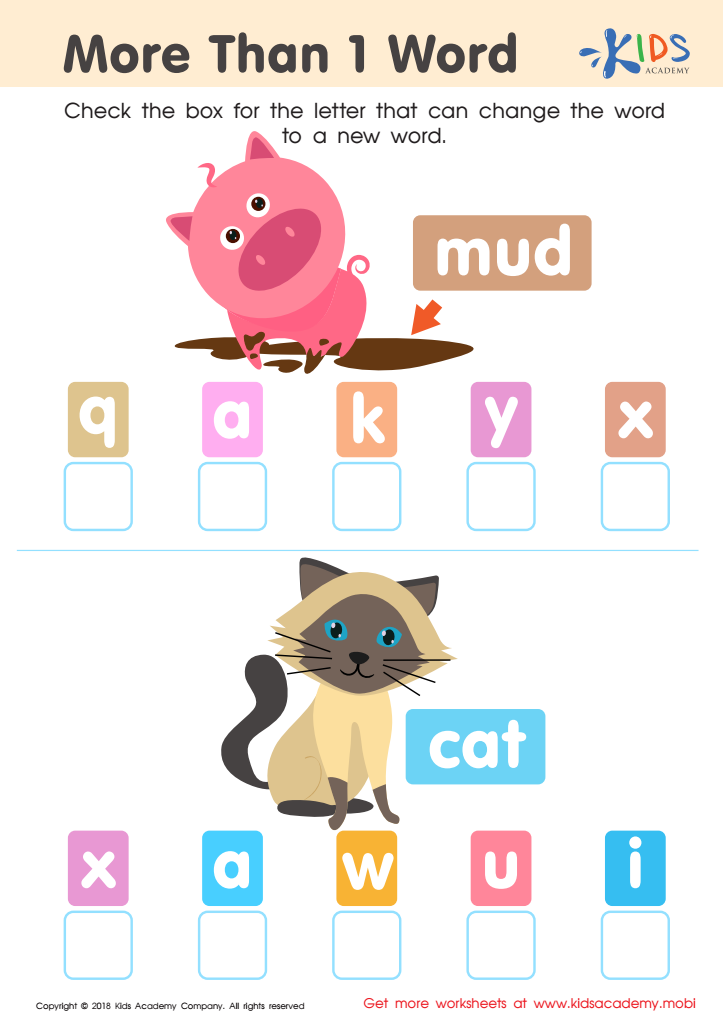
More than 1 word Worksheet
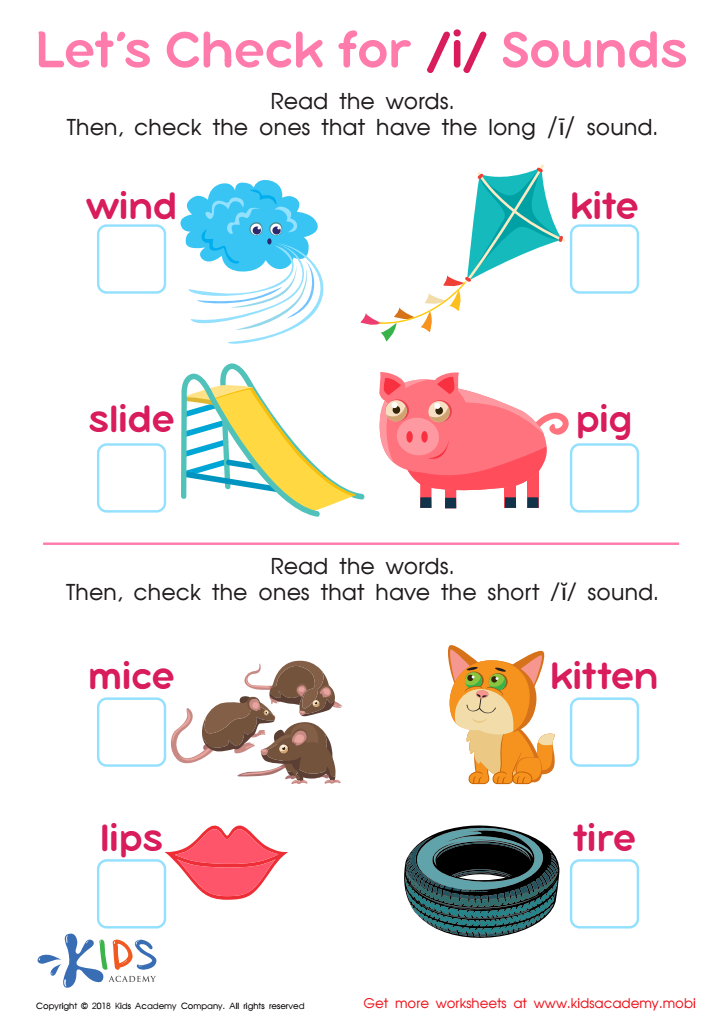
Let's Check for «i» Sounds Worksheet
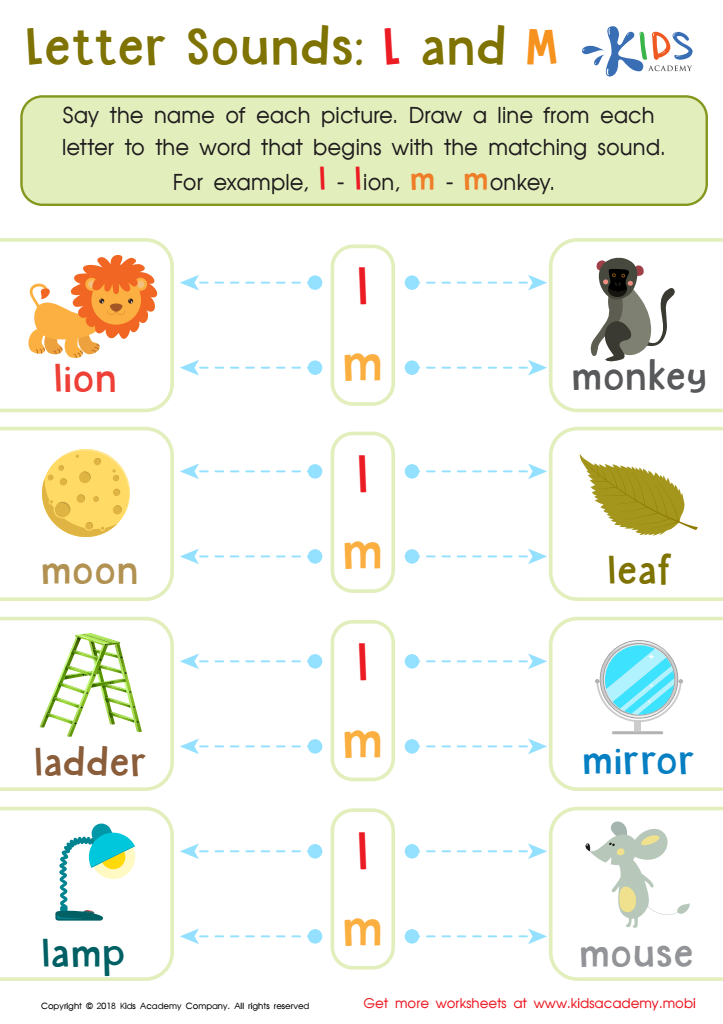
Letter l and M Sounds Worksheet
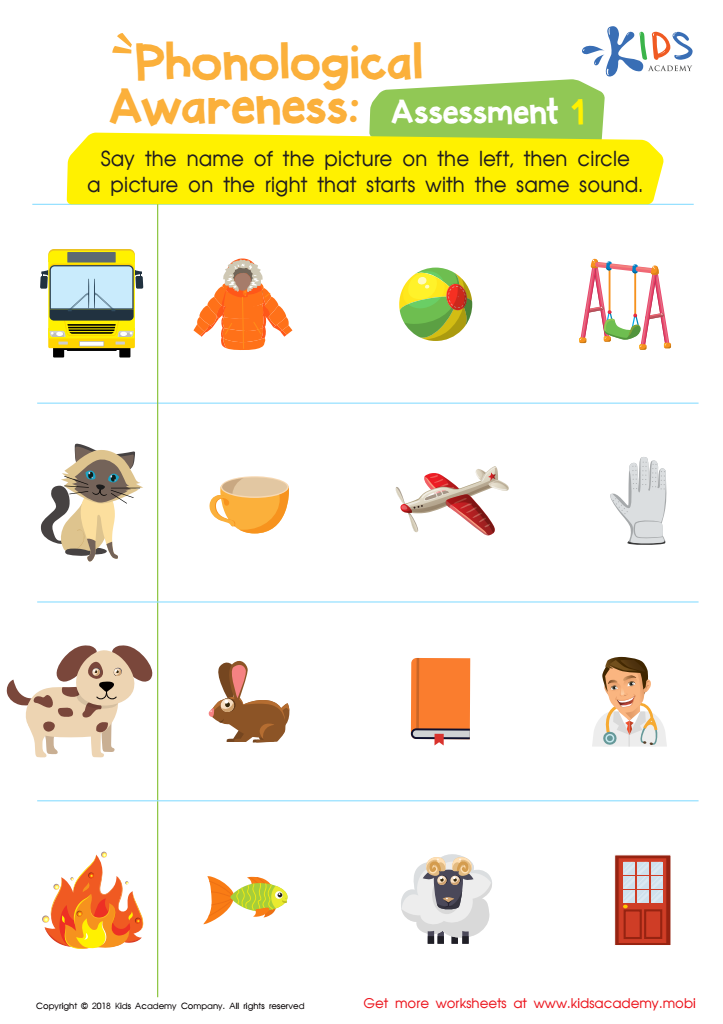
Phonological Awareness: Assessment 1 Worksheet
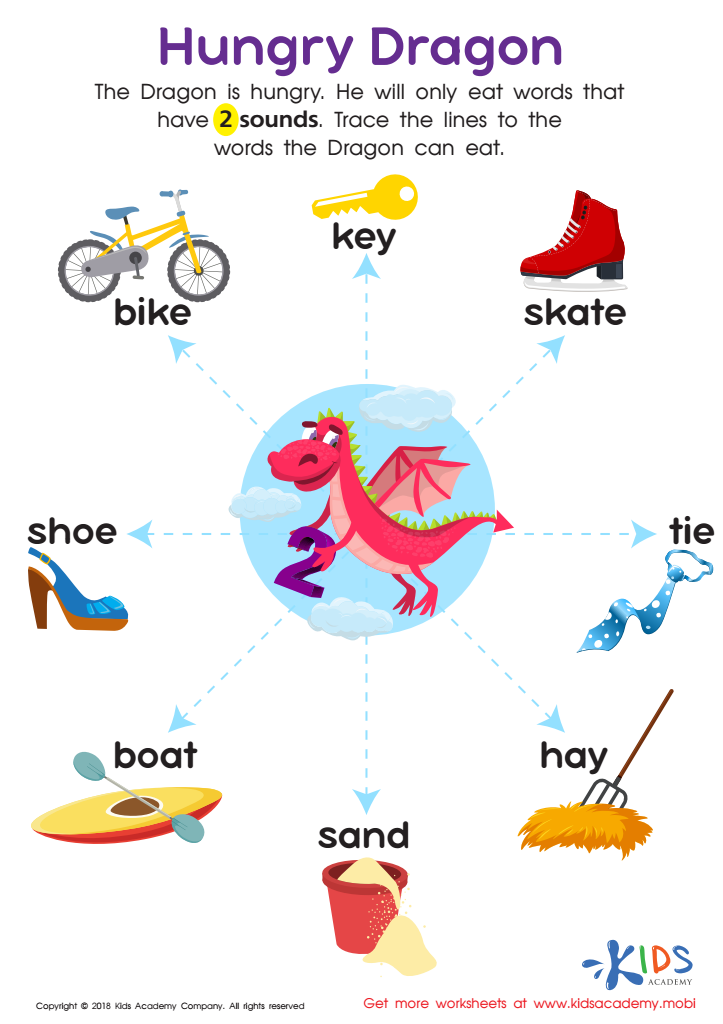
Hungry Dragon Worksheet
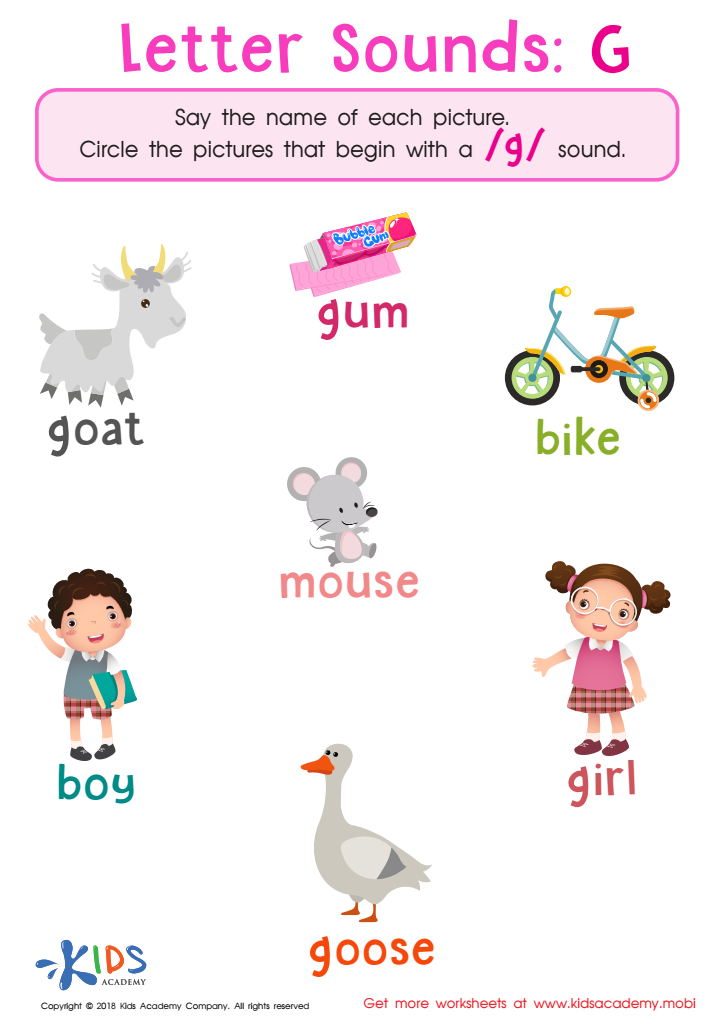
Letter G Sounds Worksheet
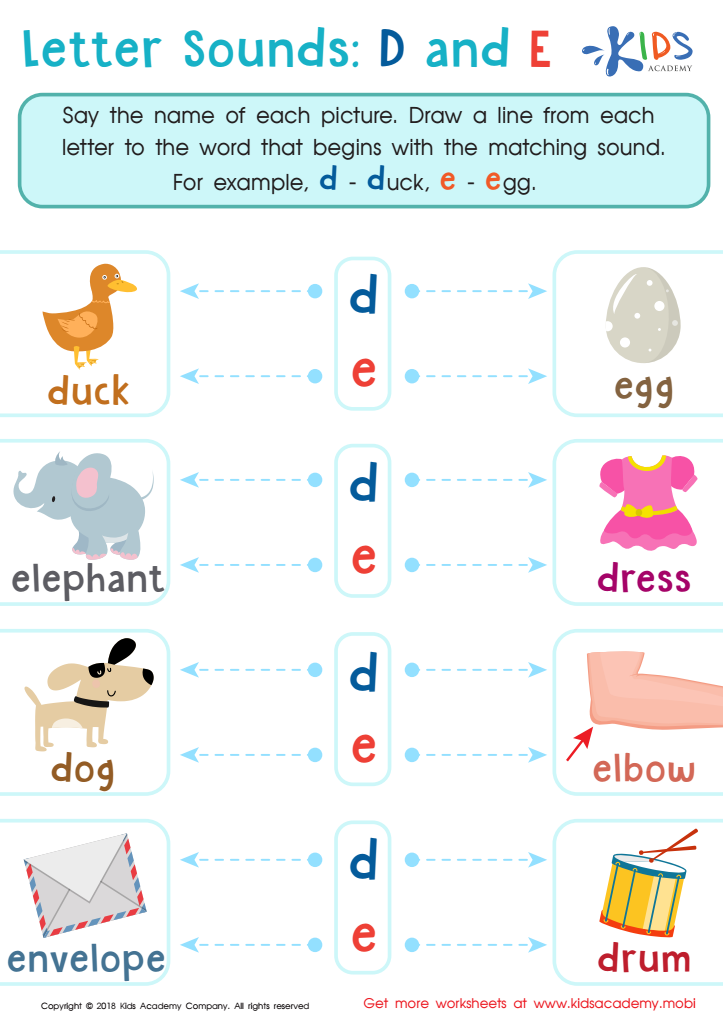
Letter D and E Sounds Worksheet








Parents and teachers should prioritize teaching letter sounds to children ages 4-8 because it lays a crucial foundation for reading and writing skills. During these formative years, cognitive development is at a stage where children are particularly responsive to phonetic learning. Understanding letter sounds, or phonemic awareness, is the first step in decoding words—a fundamental skill for reading fluency. Research consistently shows that early literacy skills are strongly linked to later academic success.
When children grasp the relationship between letters and their corresponding sounds, they develop the ability to sound out new words independently. This promotes confidence and fosters a love for reading. Furthermore, familiarity with letter sounds aids in spelling and writing, enabling children to better articulate their thoughts.
Early mastery of letter sounds also helps bridge potential learning gaps, reducing future reading difficulties and fostering an inclusive learning environment where every child has the opportunity to thrive. Therefore, by emphasizing letter sounds, parents and teachers are not just teaching an academic skill; they are investing in a child’s long-term educational journey. This investment can lead to better outcomes in literacy, enhancing overall academic and lifelong success.







