Community Worksheets for Ages 4-8 - Page 2
30 filtered results
-
From - To
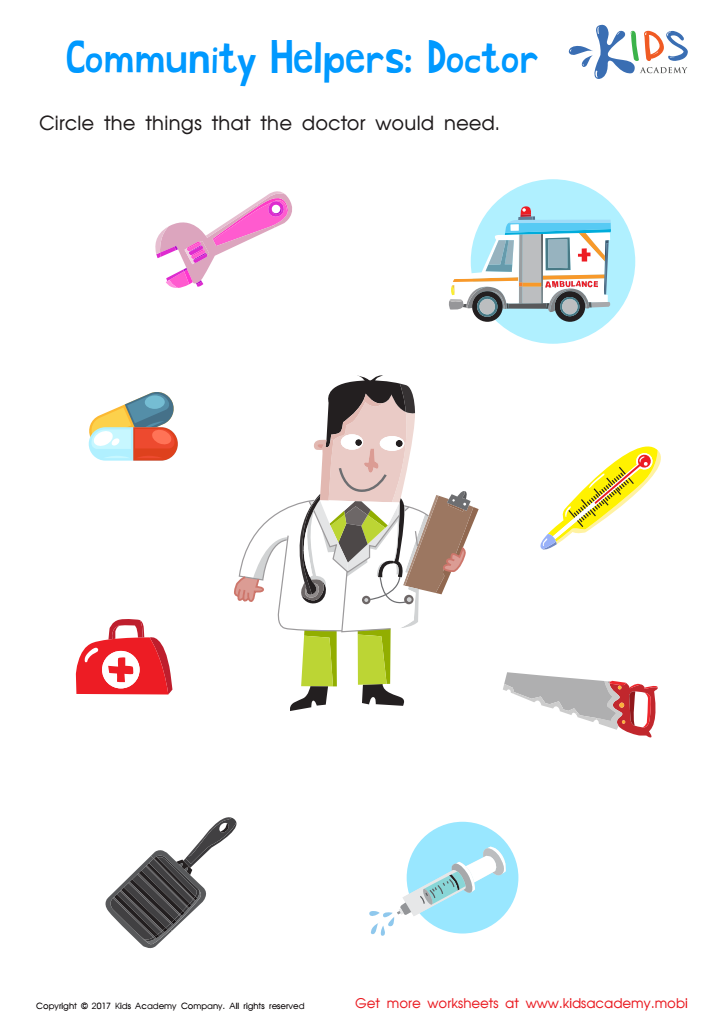
 Assign to My Students
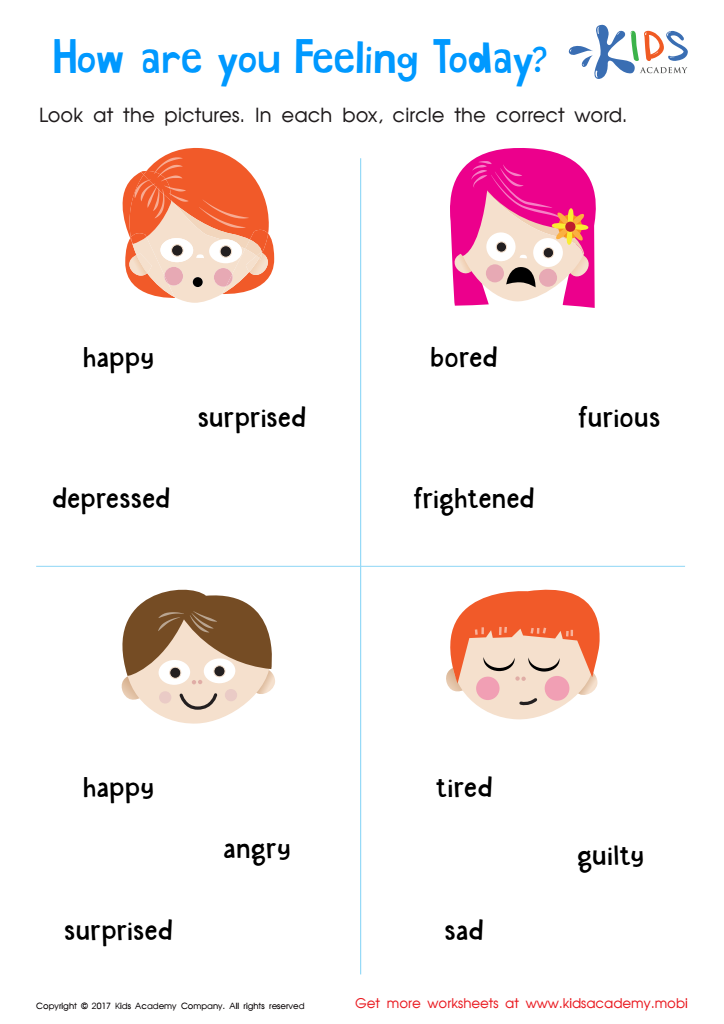
Understanding Feelings Worksheet
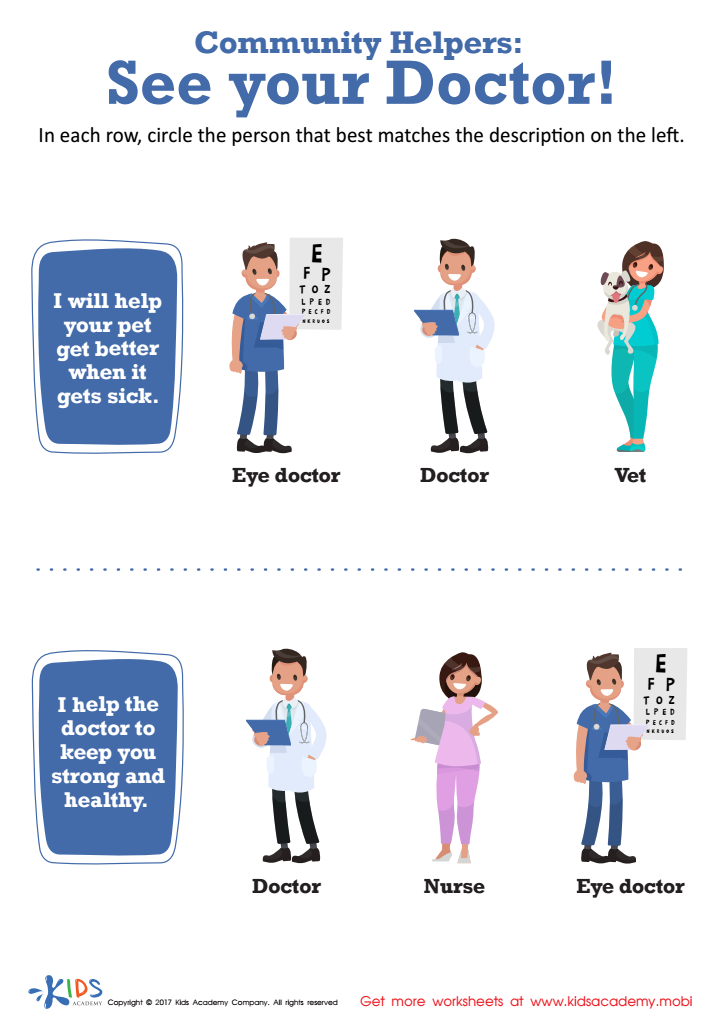
See Your Doctor (Part 2) Printable
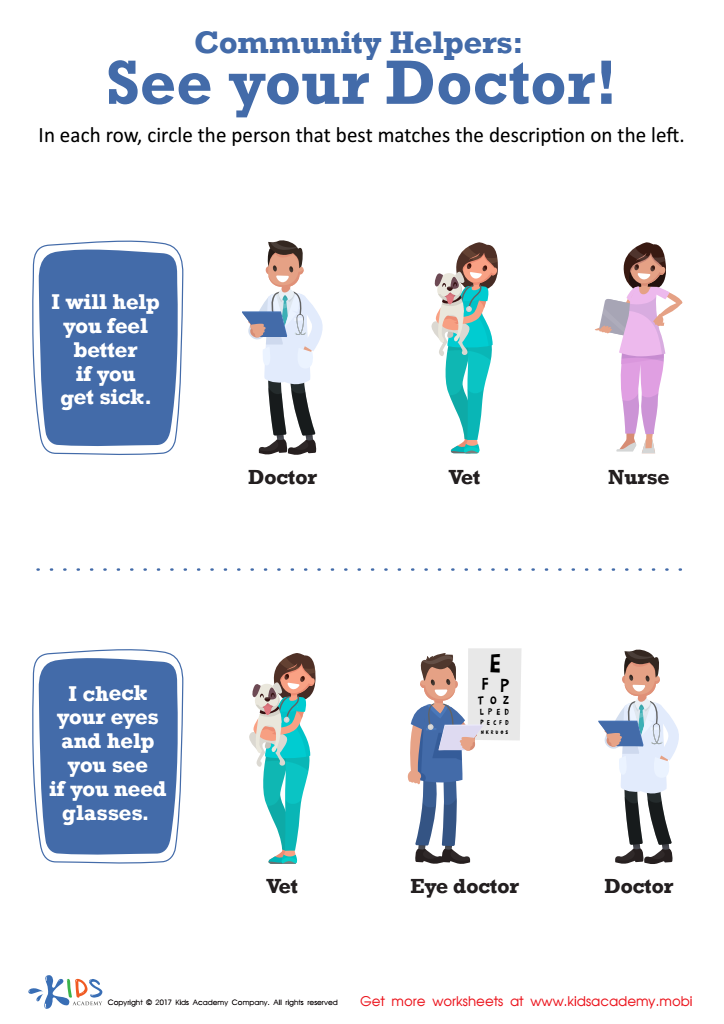
See Your Doctor (Part 1) Printable
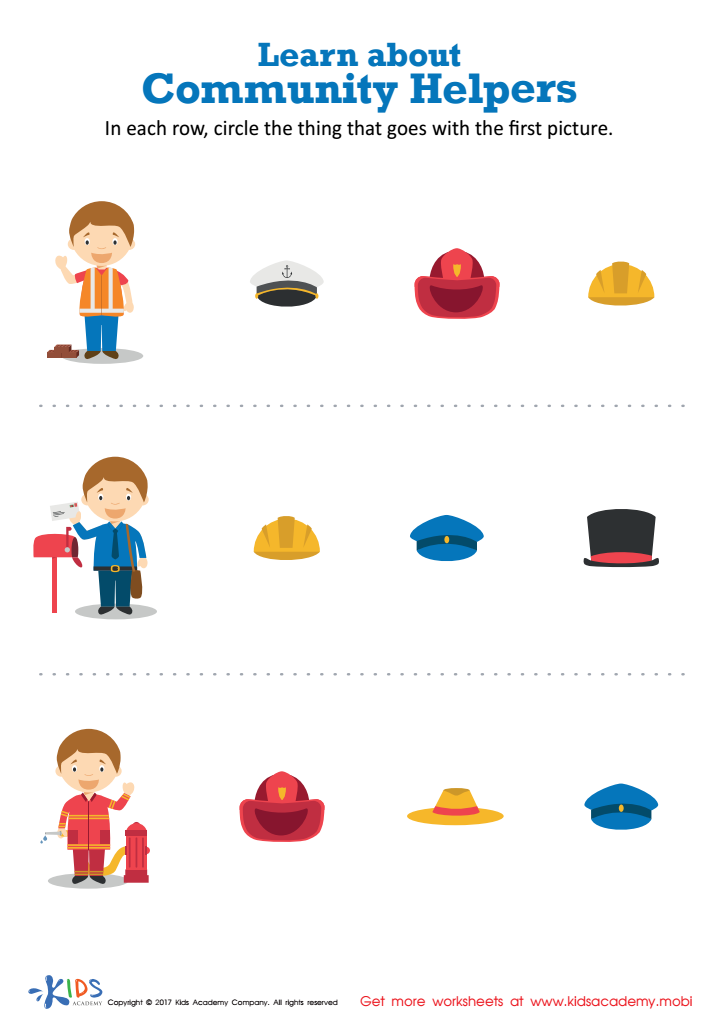
Learn about Community Helpers Printable
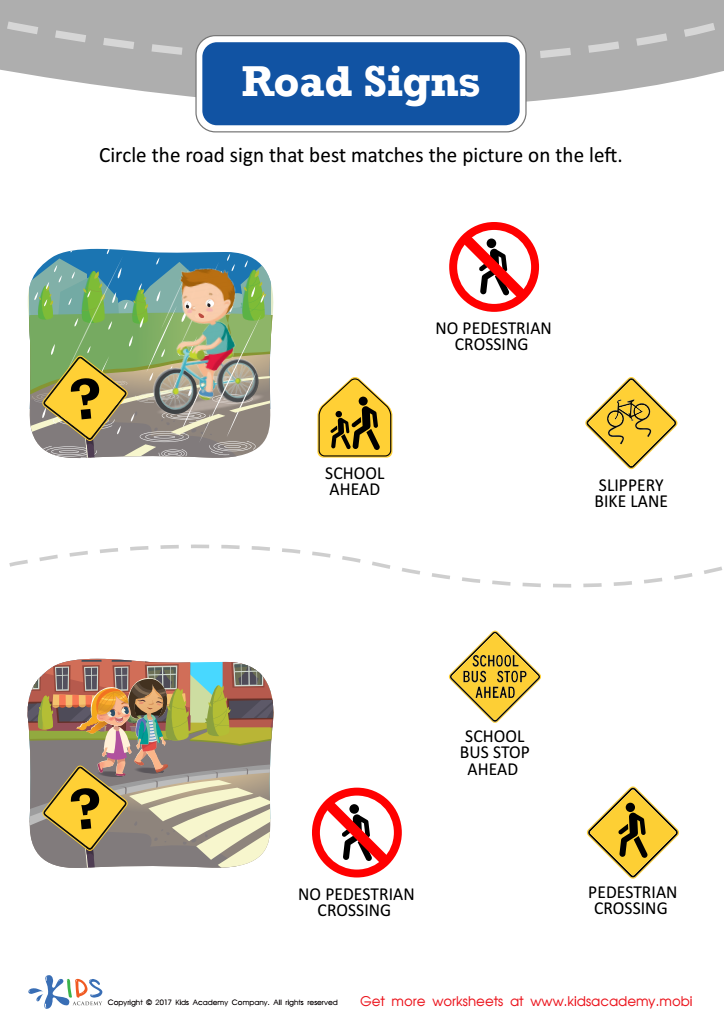
Road Signs (Part 2) Printable


.jpg)





Caring about the community for children ages 4-8 is crucial for several formative reasons. At this early stage, children's cognitive, social, and emotional development is rapidly evolving, and a strong, supportive community can have a profound impact on their growth. Communities provide opportunities for young children to learn important social skills such as sharing, empathy, and teamwork by interacting with peers and adults outside their immediate family.
Furthermore, early community engagement fosters a sense of belonging and security. When children see their parents and teachers participating actively in a community, they understand the value of collaboration, trust, and mutual support. This helps them develop a positive self-concept and confidence in navigating social interactions.
Additionally, communities often provide resources and programs that enhance educational outcomes. Libraries, recreational centers, and community events open doors to learning experiences beyond the classroom. These enrich a child’s curiosity and creativity by exposing them to diverse viewpoints and activities.
Parental and teacher involvement in nurturing community ties also plants the seeds for future civic engagement. Children learn the importance of contributing to the greater good, laying the foundation for them to grow into responsible and compassionate adults.
In essence, fostering a strong community benefits children's development, builds skills, and helps establish a compassionate, engaged generation.