Tracing Letters Worksheets for Ages 5-7 - Page 2
58 filtered results
-
From - To
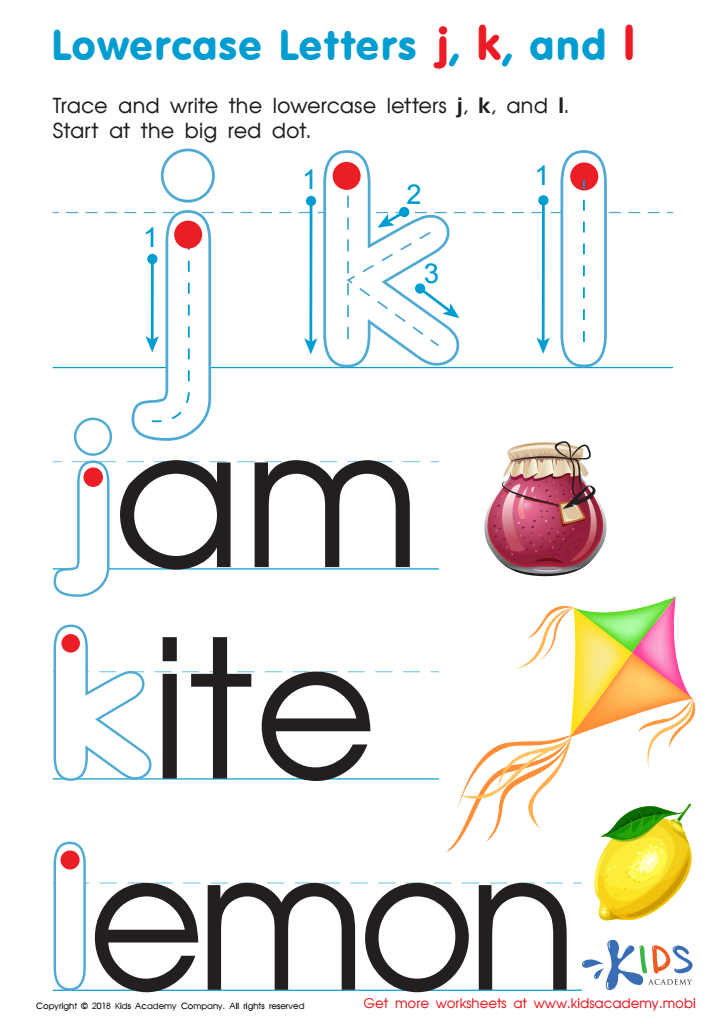
Lowercase Letters j k l Worksheet
 Assign to My Students
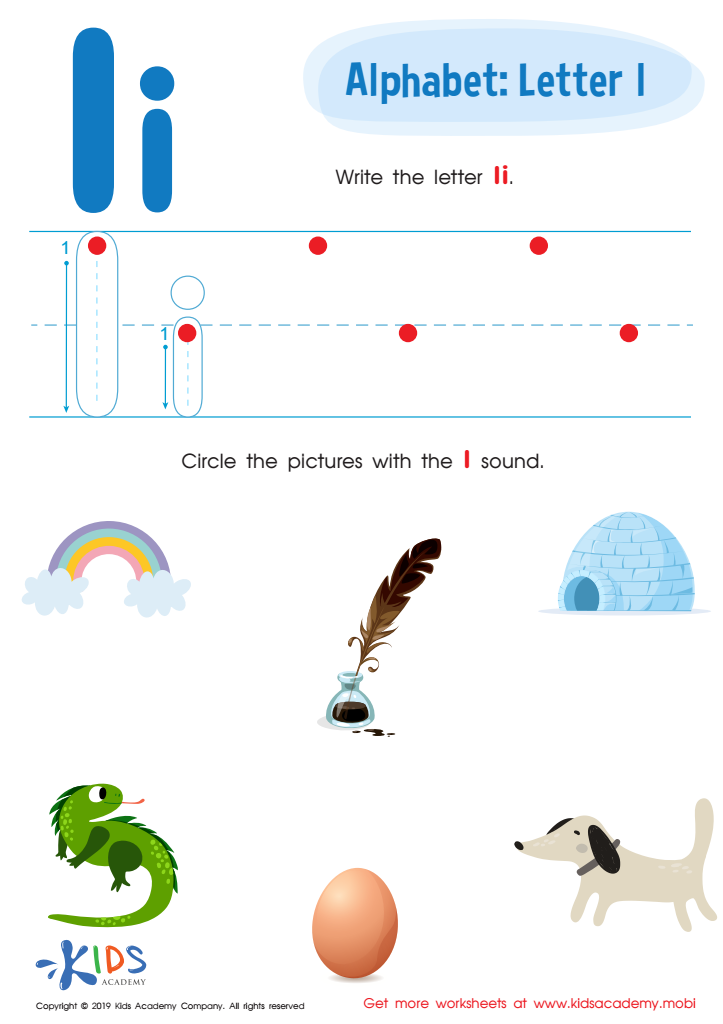
Letter I Tracing Worksheet
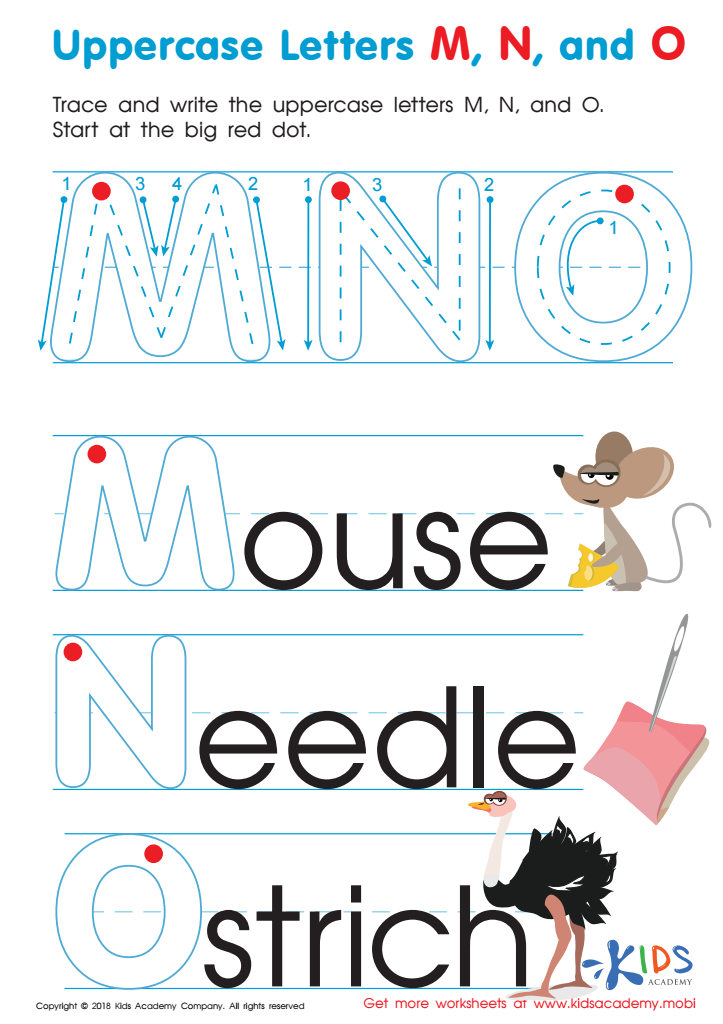
Uppercase Letters M, N, and O Worksheet
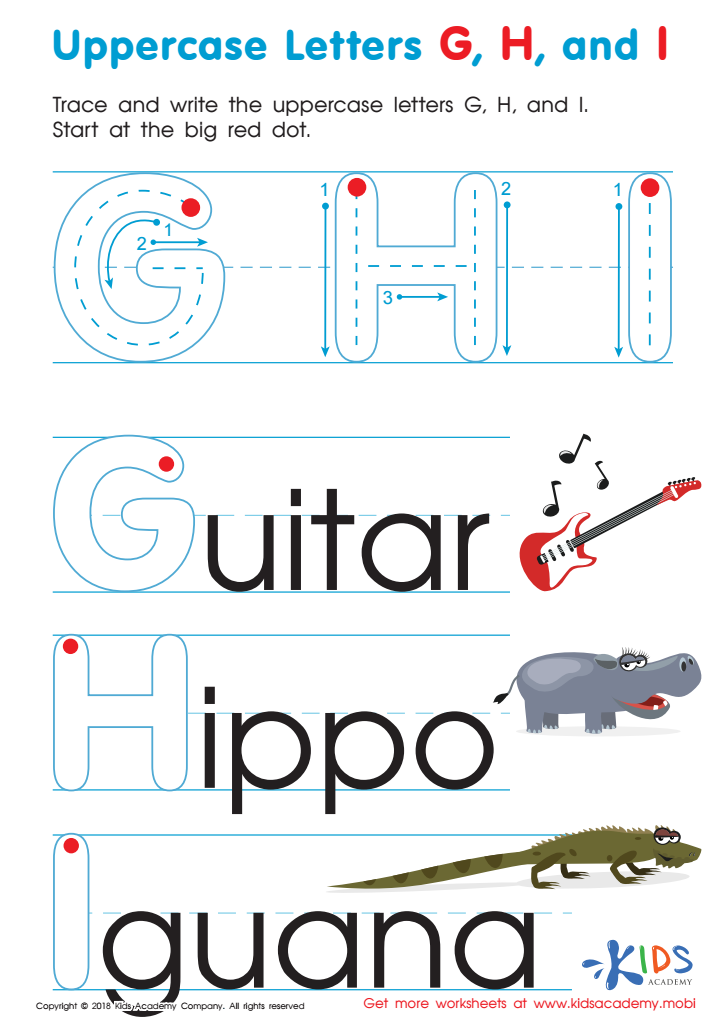
Uppercase Letters G, H, and I Worksheet
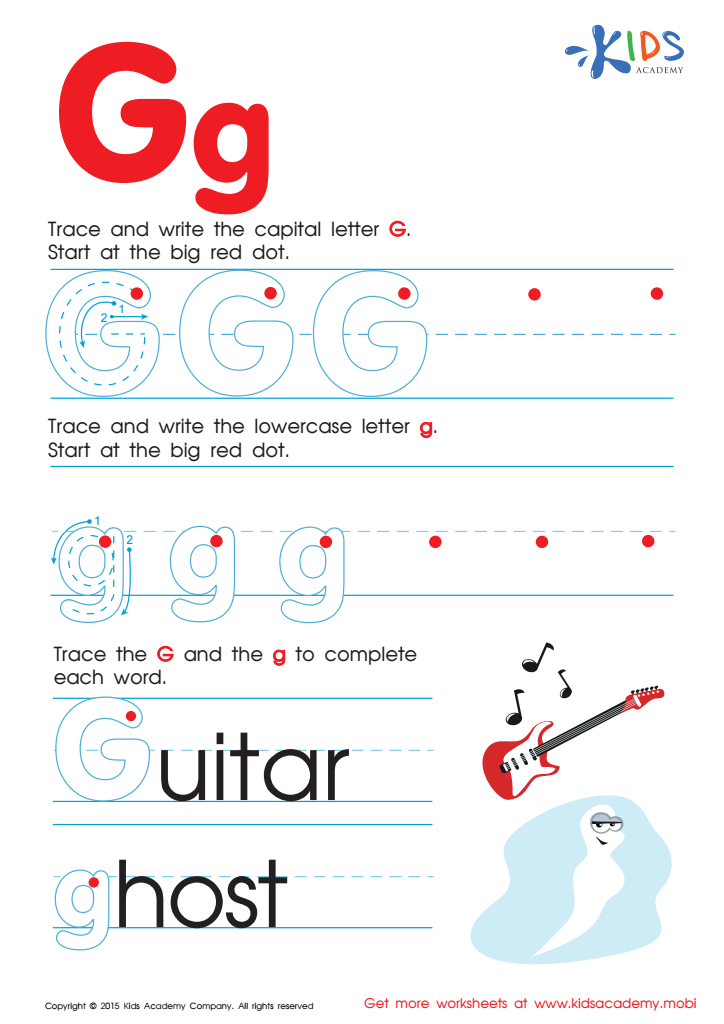
Letter G Tracing Page
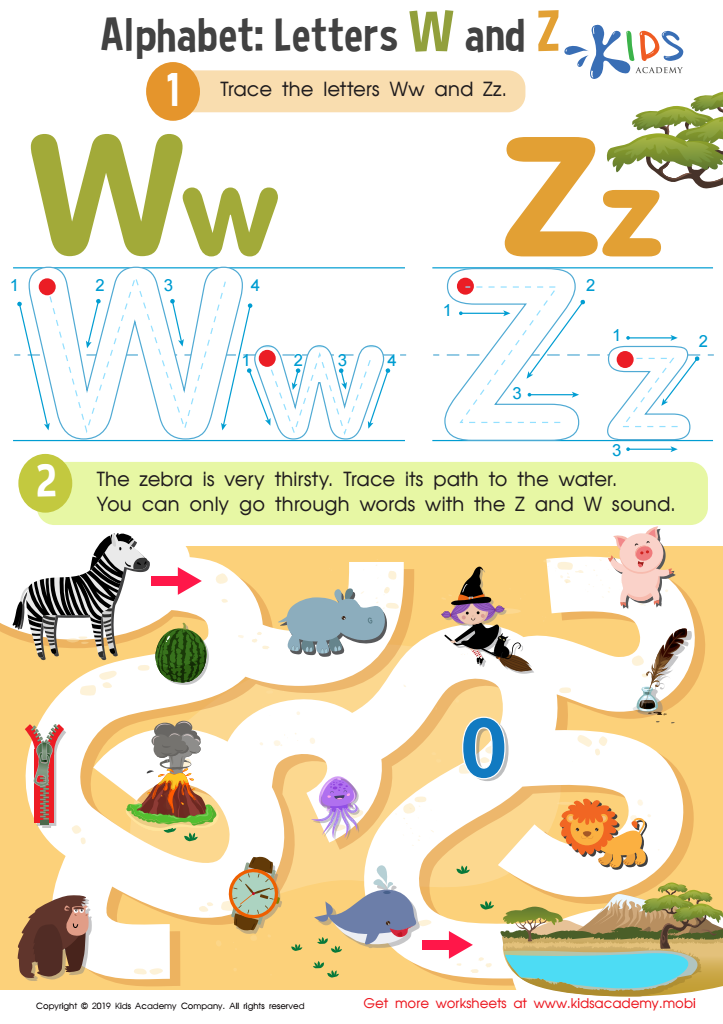
Letters W and Z Tracing Worksheet
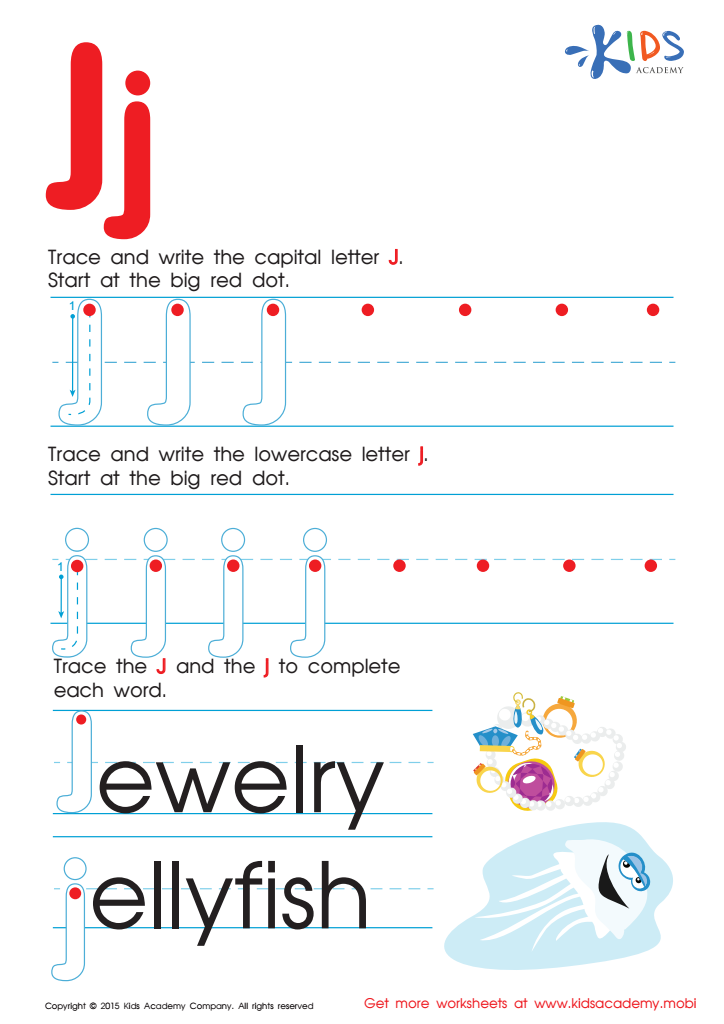
Letter J Tracing Page
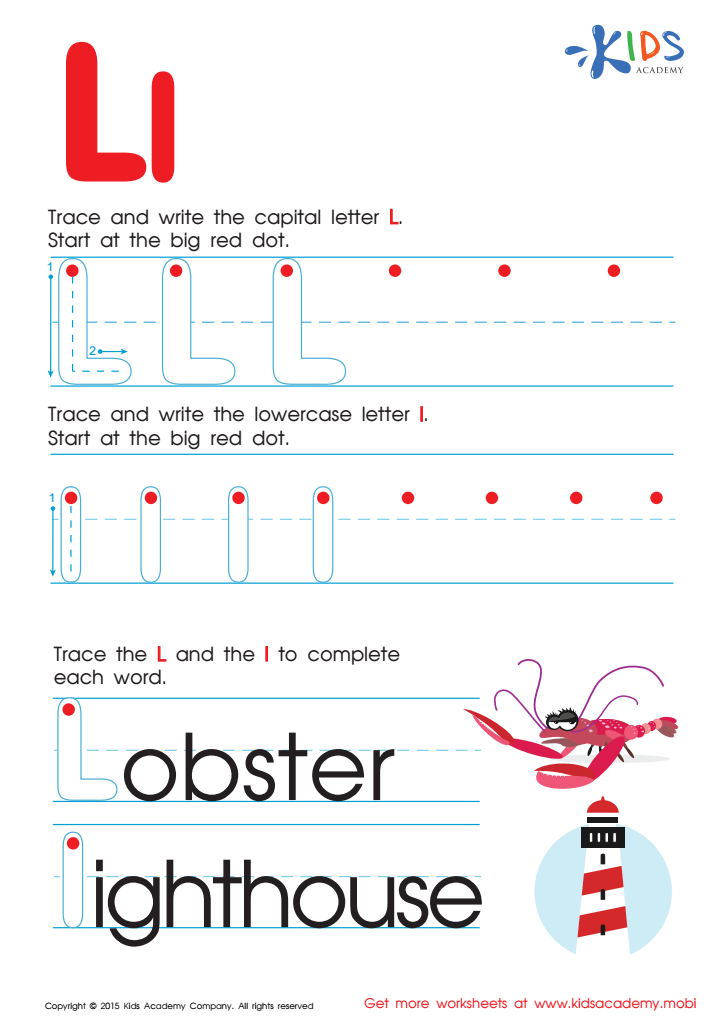
Letter L Tracing Page
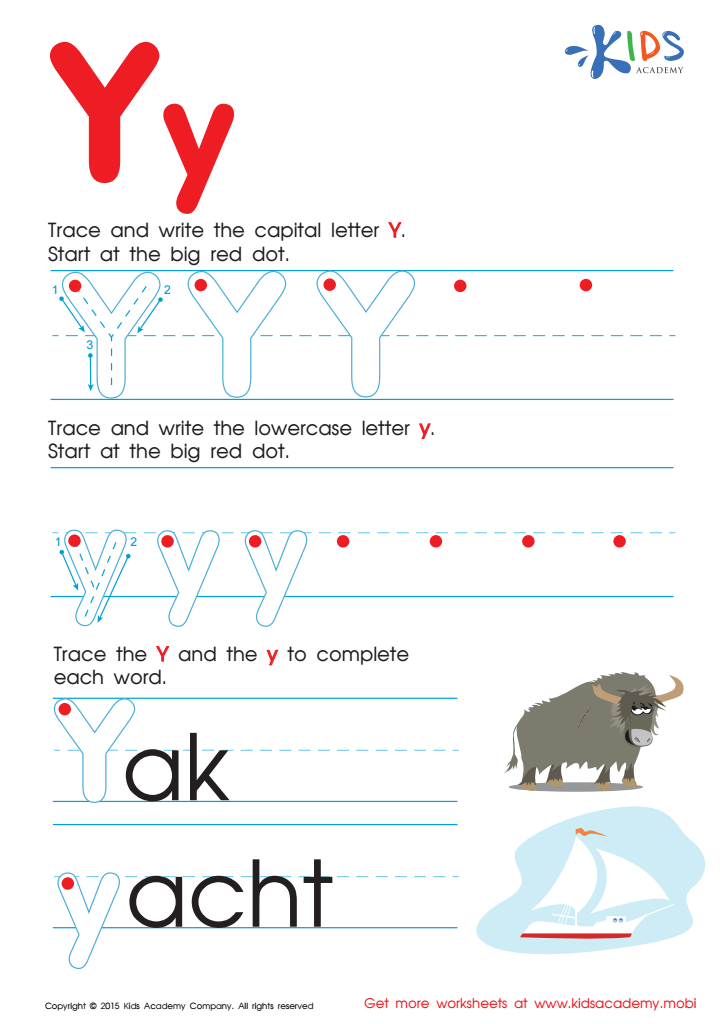
Letter Y Tracing Page
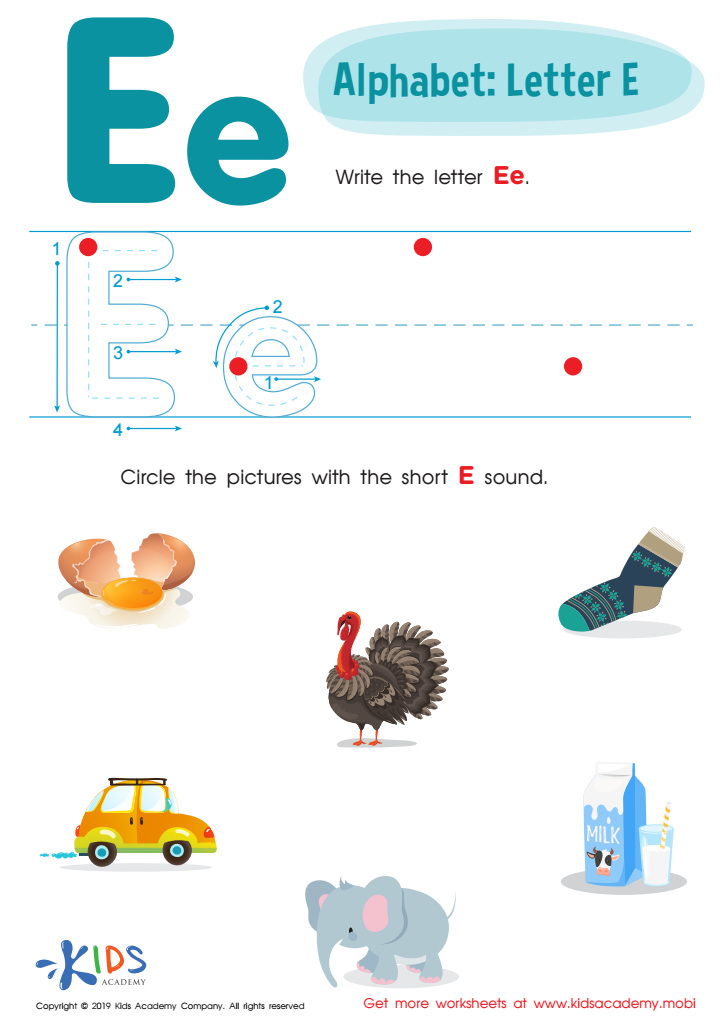
Letter E Tracing Worksheet
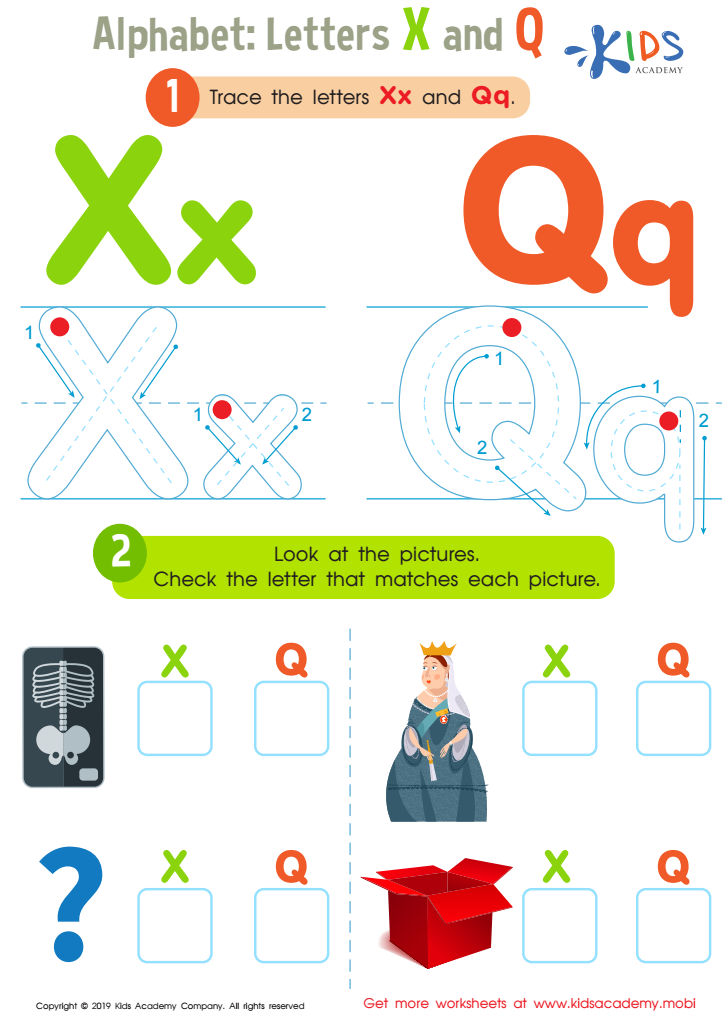
Letters X and Q Tracing Worksheet
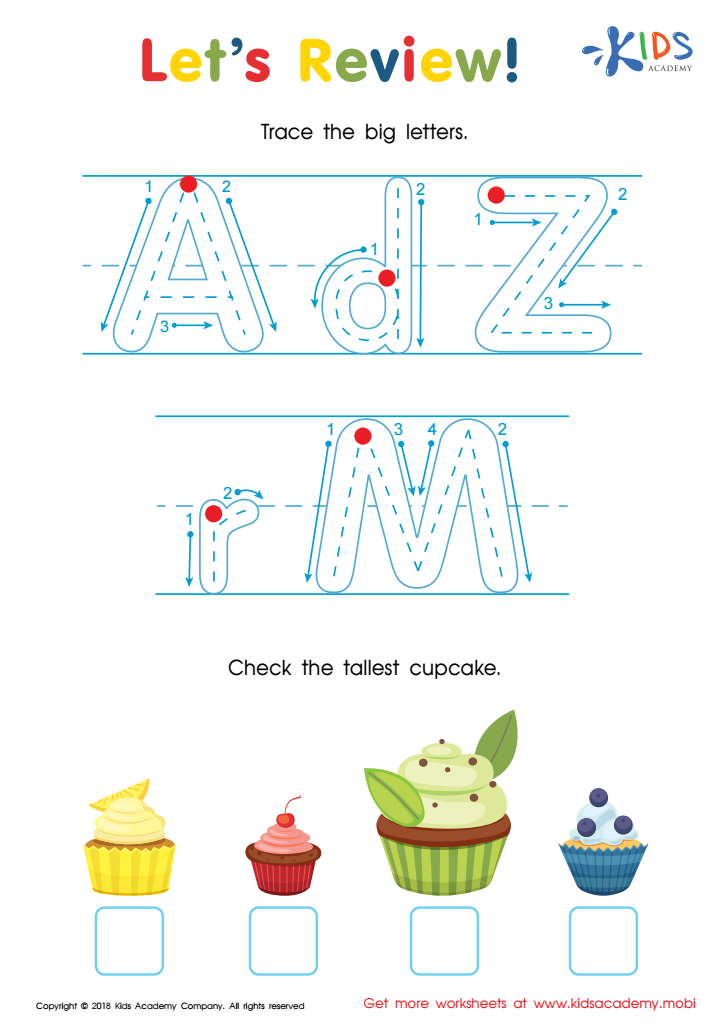
Let's Review! Big Letters Worksheet
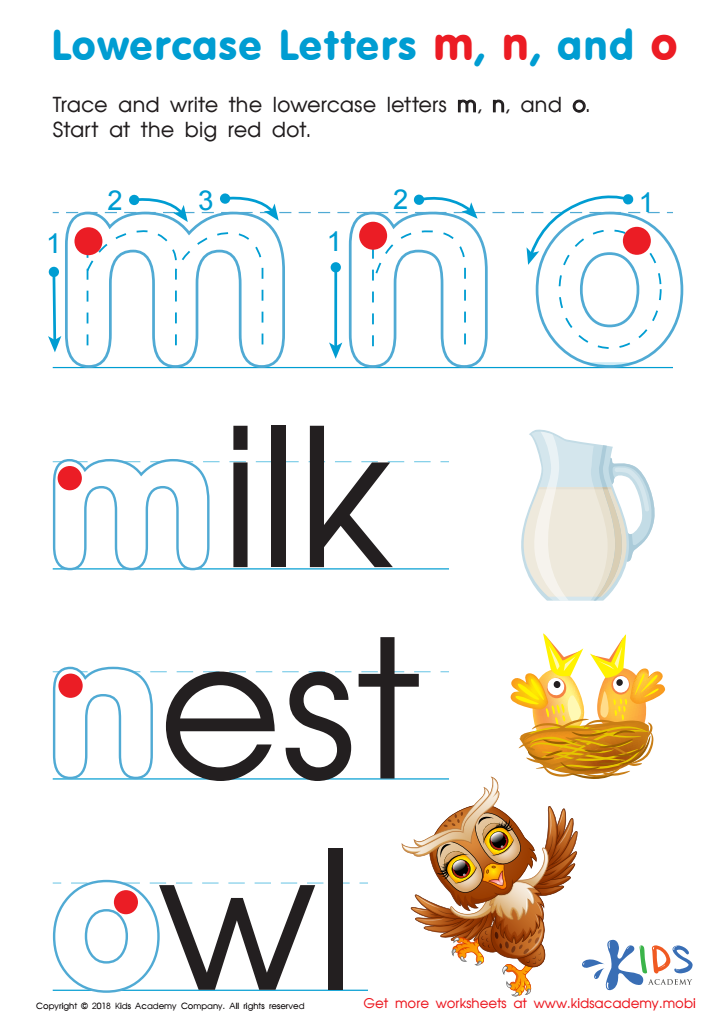
Lowercase Letters m n o Worksheet
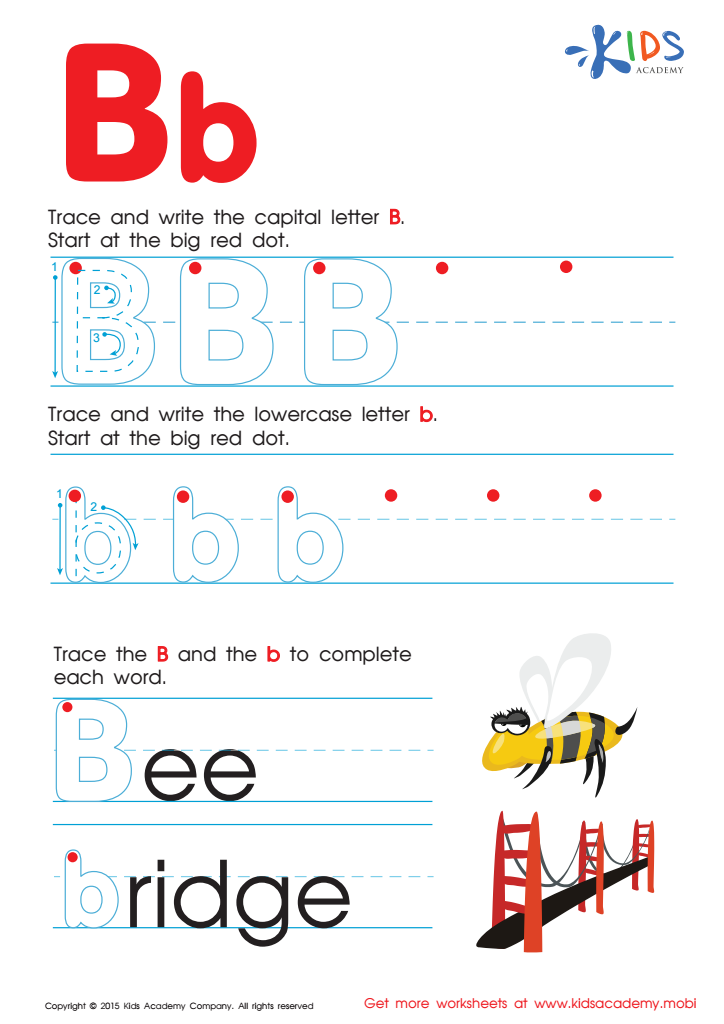
Letter B Tracing Page
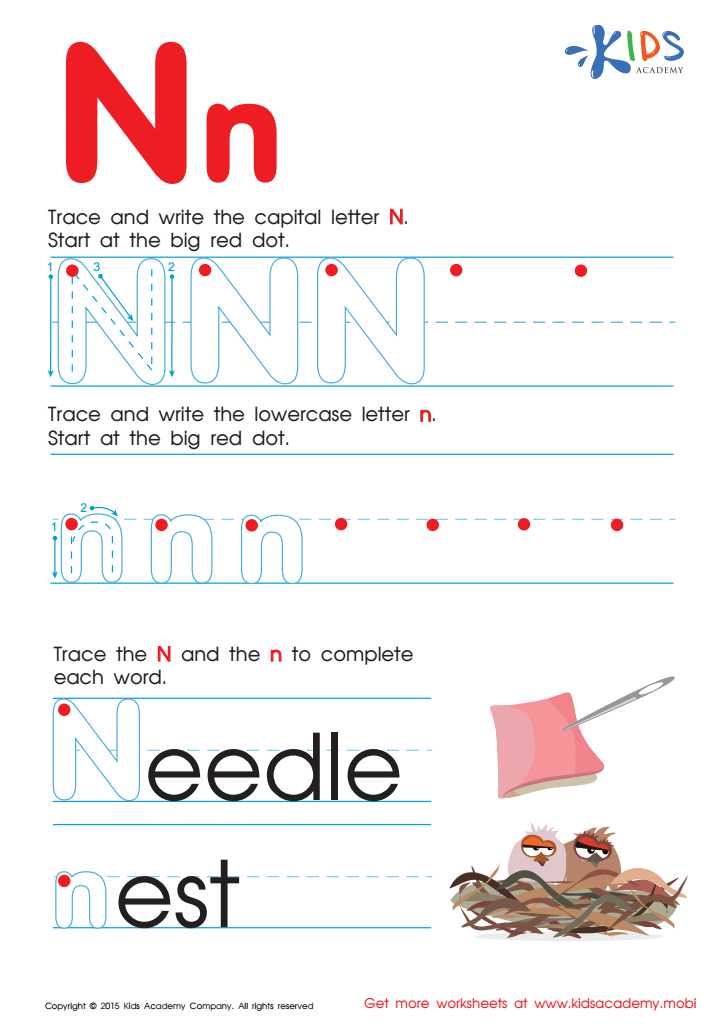
Letter N Tracing Page
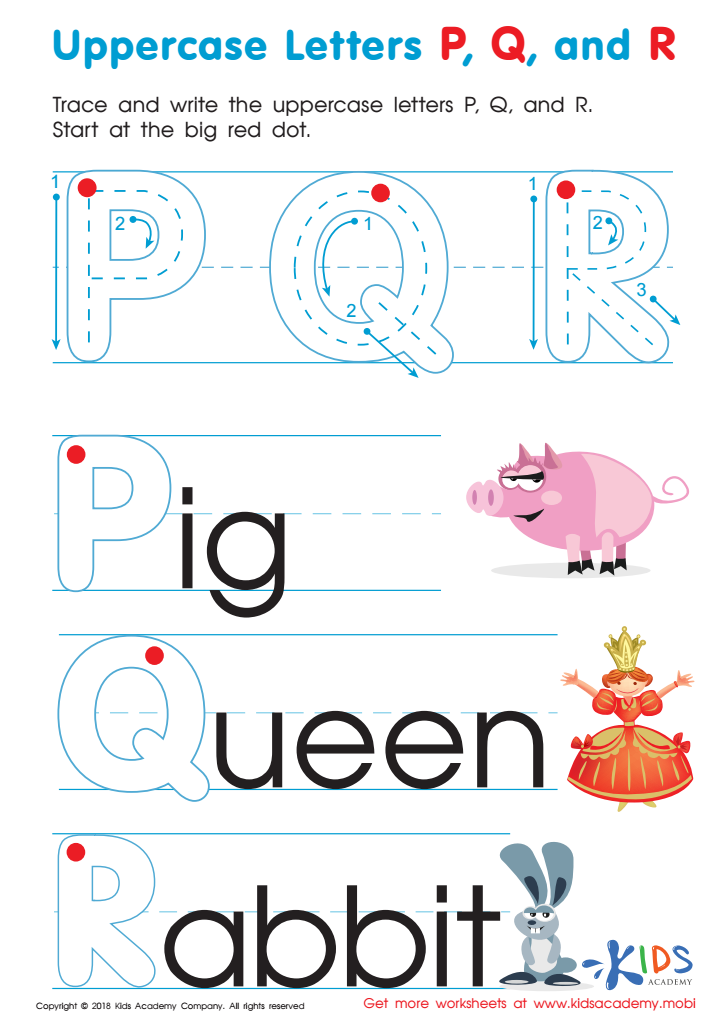
Uppercase Letters P, Q, and R Worksheet
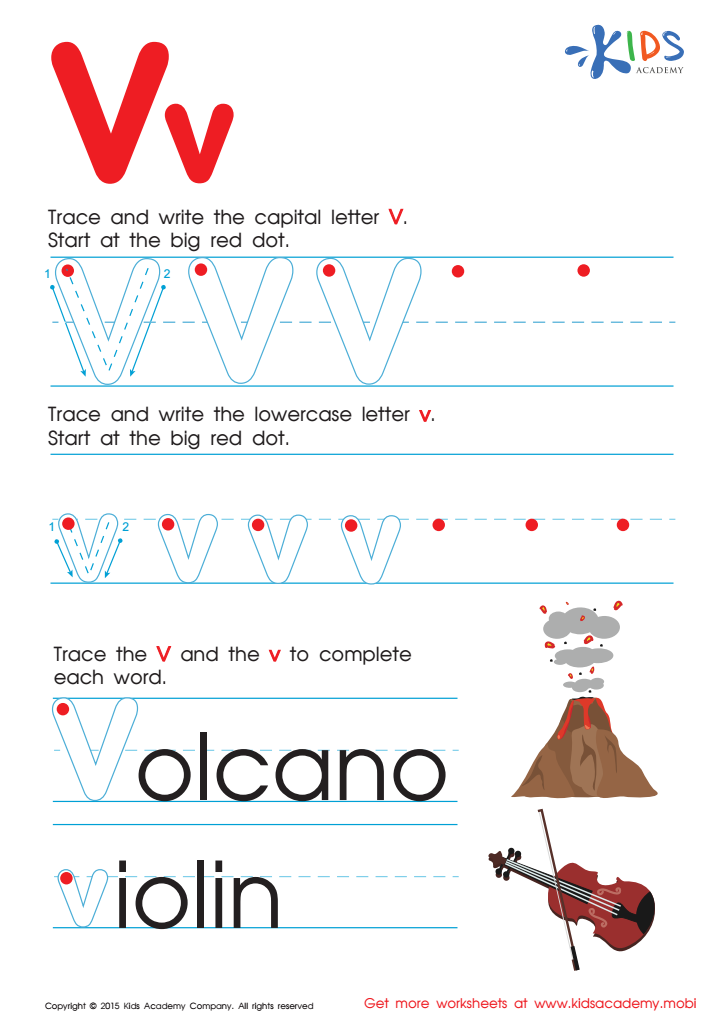
Letter V Tracing Page
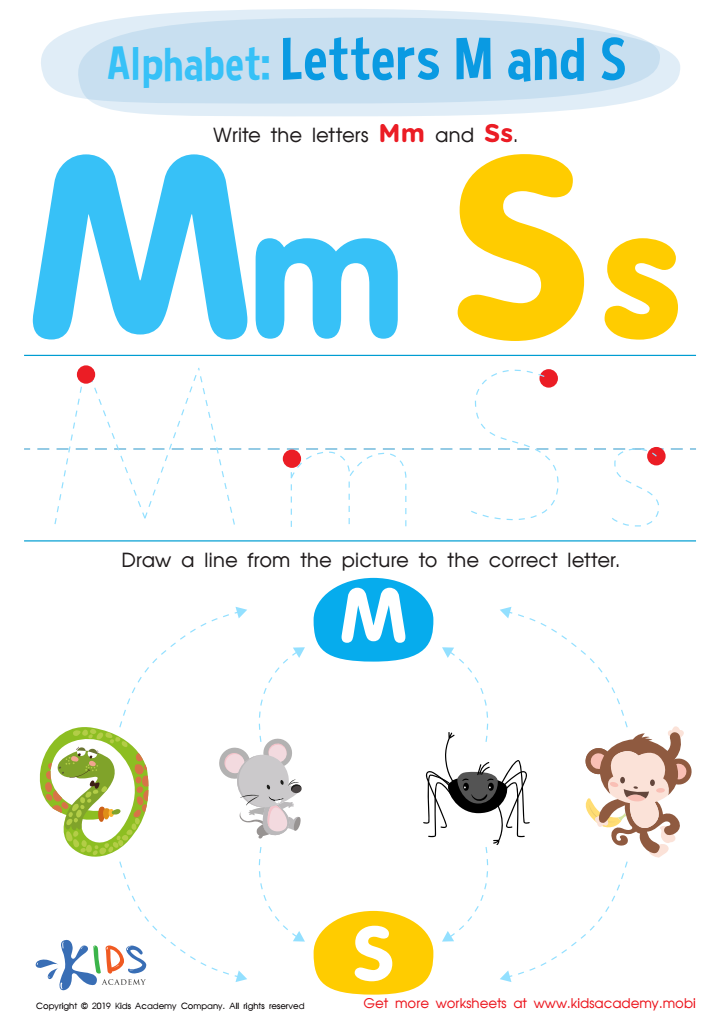
Letters M and S Tracing Worksheet
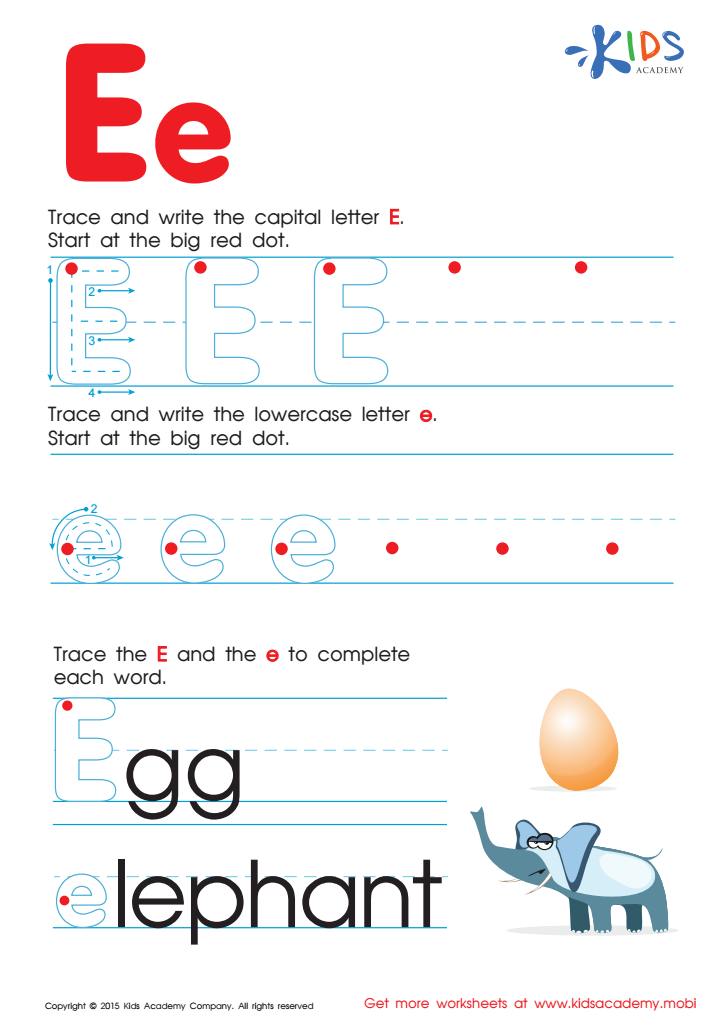
Letter E Tracing Page
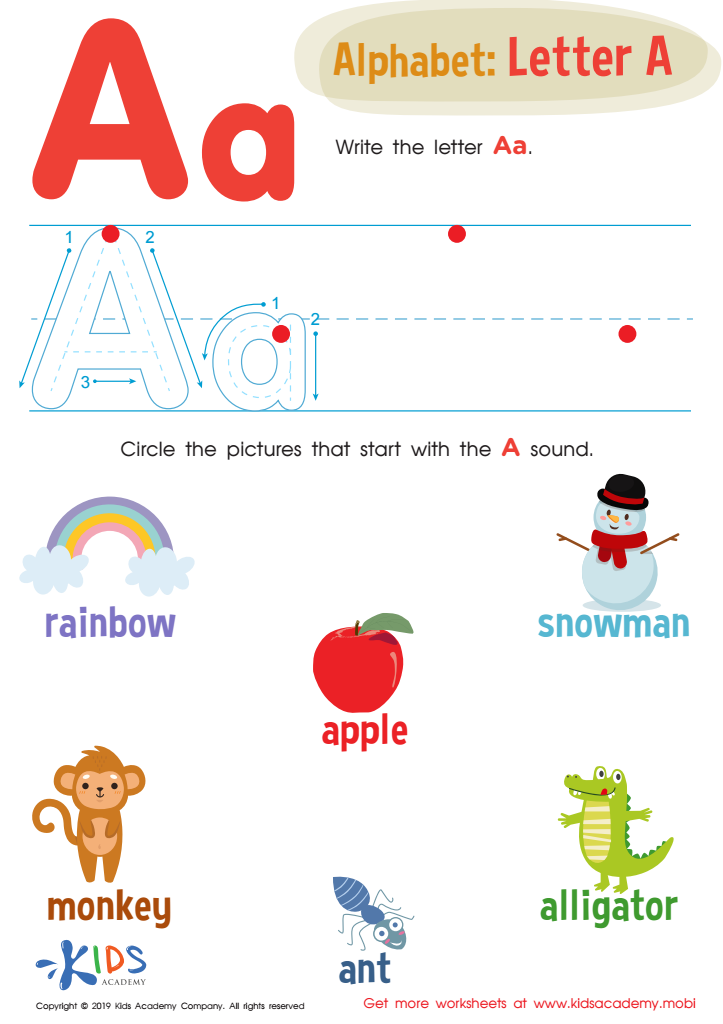
Letter A Tracing Worksheet
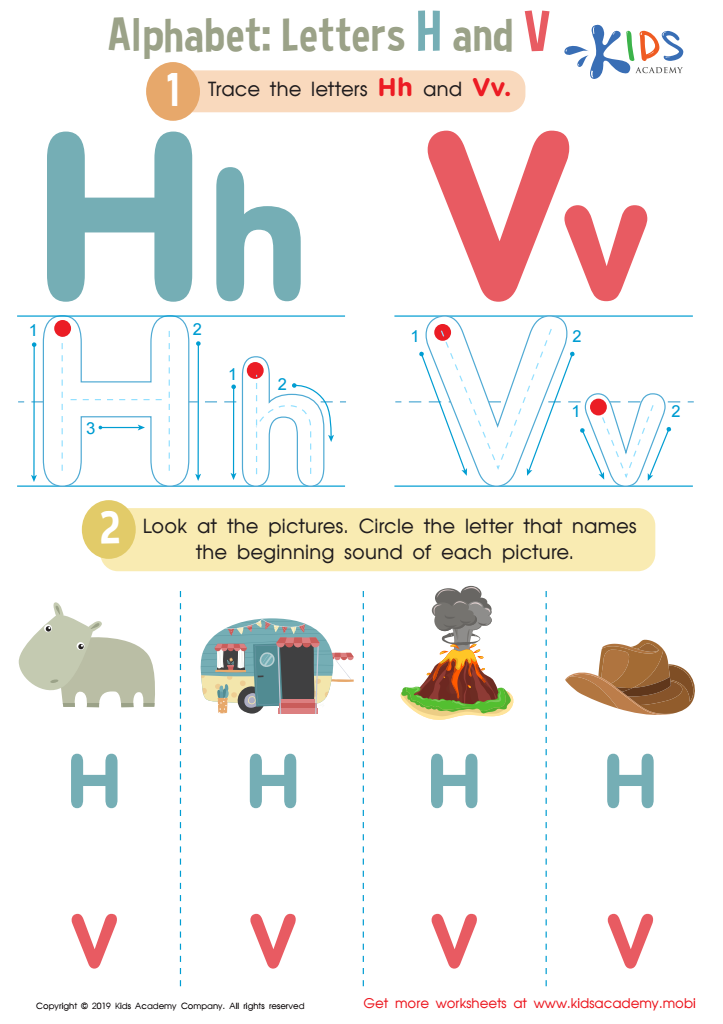
Letters H and V Tracing Worksheet
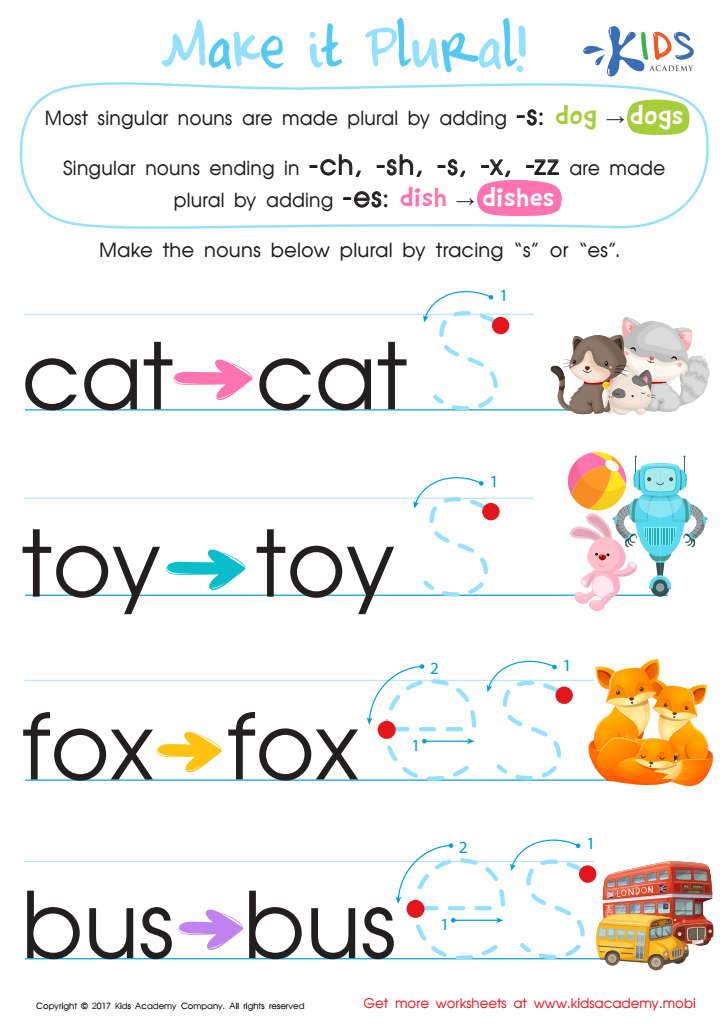
Make it Plural Worksheet
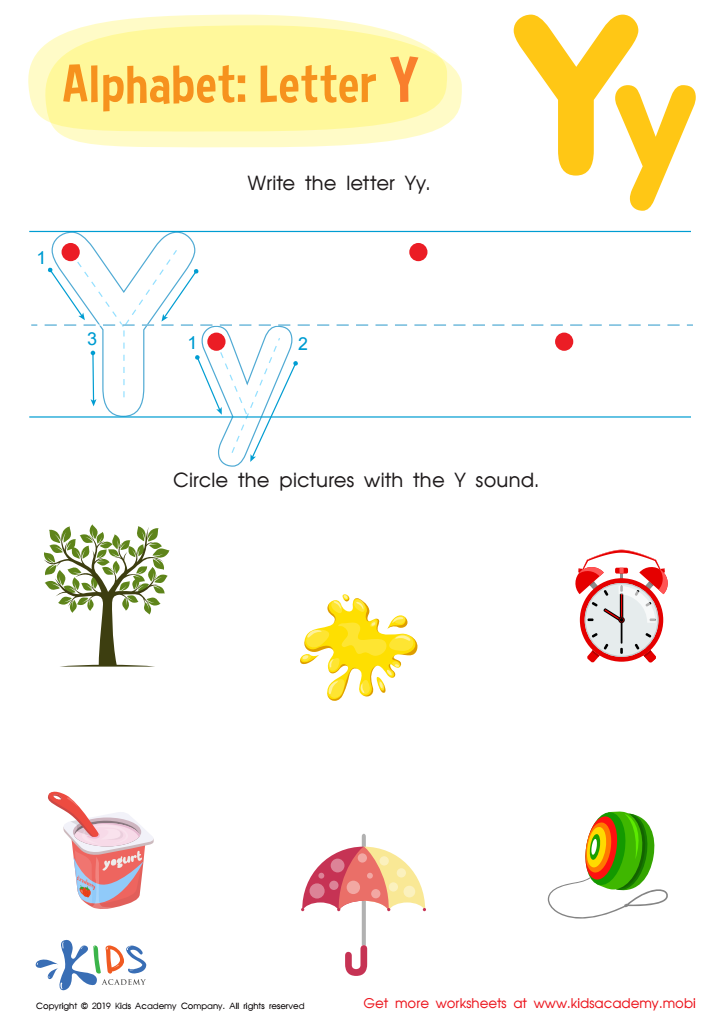
Letter Y Tracing Worksheet
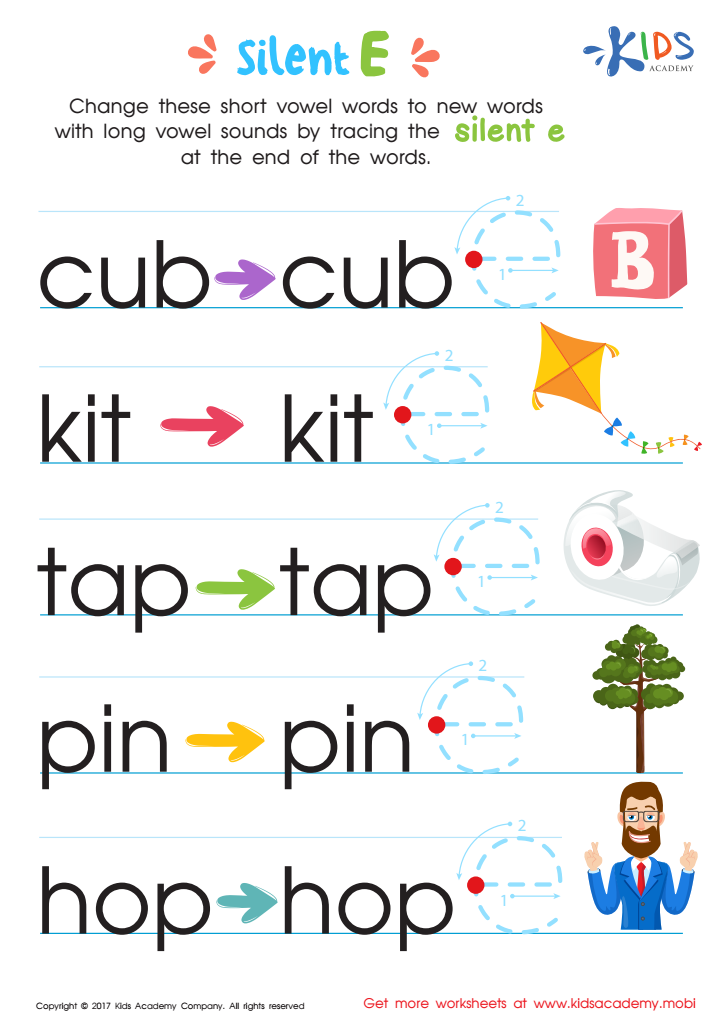
Silent E Words Worksheet







Tracing letters is a crucial activity for children aged 5-7, as it serves several fundamental developmental purposes. Firstly, it promotes fine motor skills essential for writing. As children trace letters, they enhance their hand-eye coordination, control over writing instruments, and overall dexterity, which are key components in mastering writing techniques.
Secondly, tracing letters helps solidify letter recognition and phonemic awareness. When children engage with letters through tracing, they not only learn about their shapes but also begin to associate each character with sounds. This lays the groundwork for more advanced literacy skills and reading readiness, critical during these formative years.
Additionally, the repetitive nature of tracing can boost a child's confidence. As they successfully complete each traced letter, they gain a sense of accomplishment, which encourages a positive attitude towards learning and literacy. This self-confidence can translate into greater willingness to participate in classroom activities, paving the way for life-long learners.
In summary, teachers and parents should value tracing letters because it is a multi-faceted educational tool that supports motor skill development, enhances literacy, and fosters confidence in young learners. Investing time in this simple activity has long-lasting benefits for children's academic journeys.








