Geometry Worksheets for Ages 5-7 - Page 7
163 filtered results
-
From - To
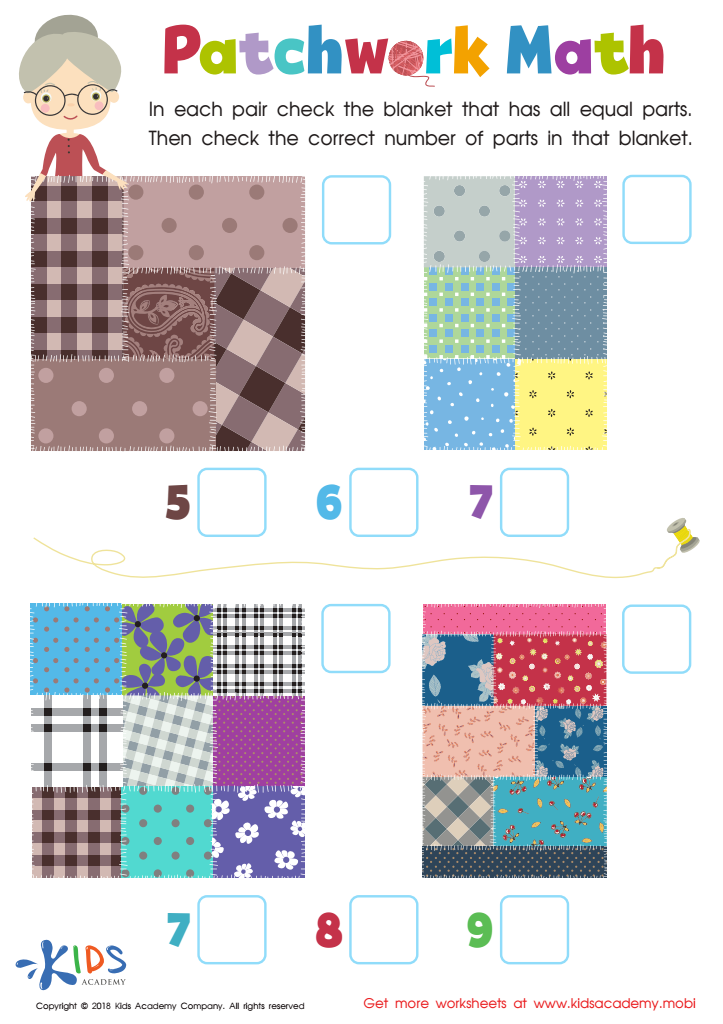
Patchwork Math Worksheet
 Assign to My Students











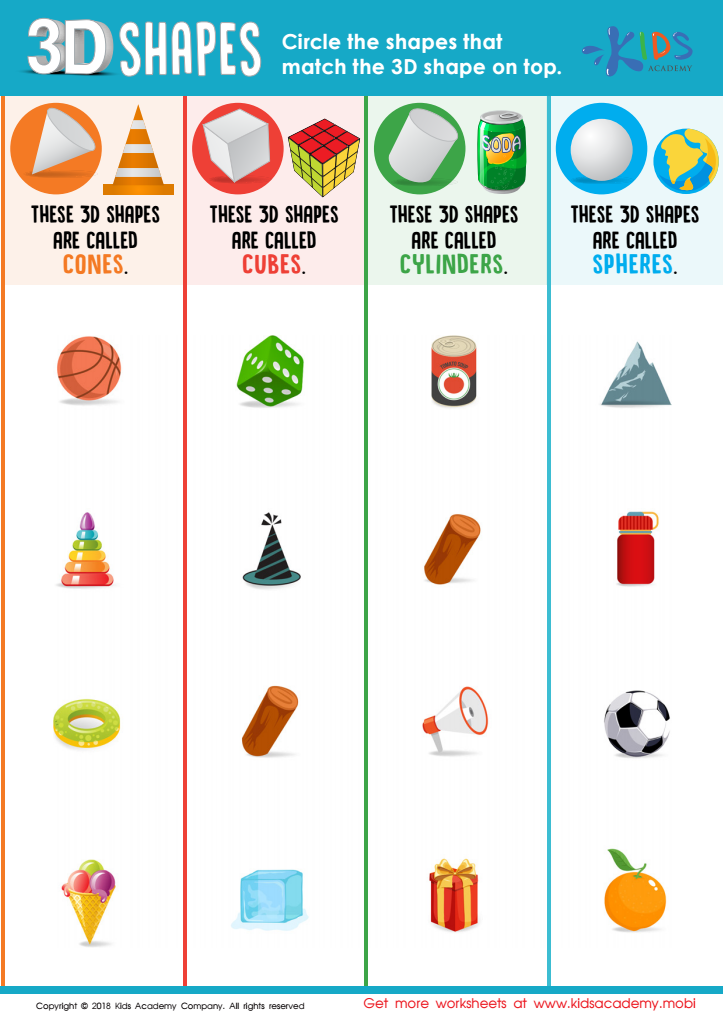
3D Shapes Worksheet
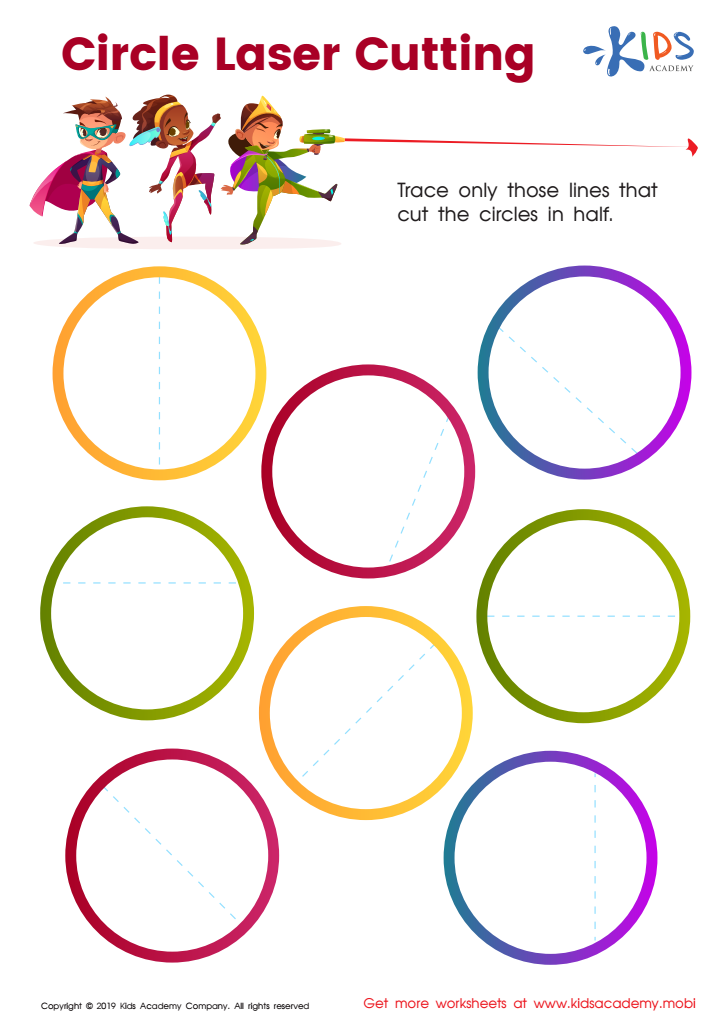
Circle Laser Cutting Worksheet
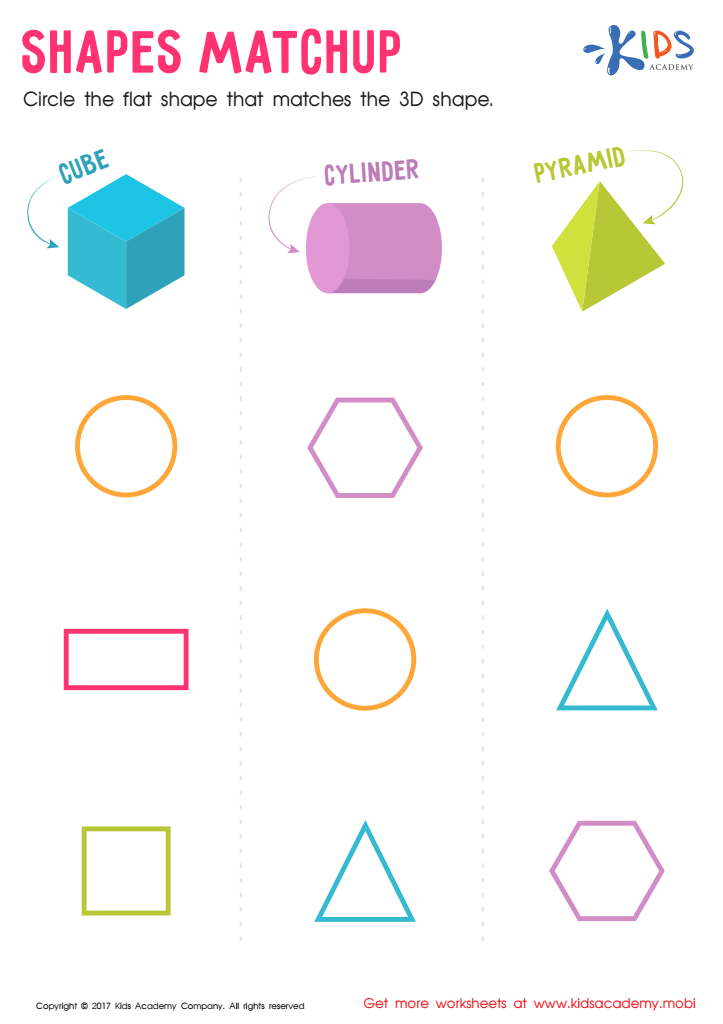
Shapes Matchup Worksheet
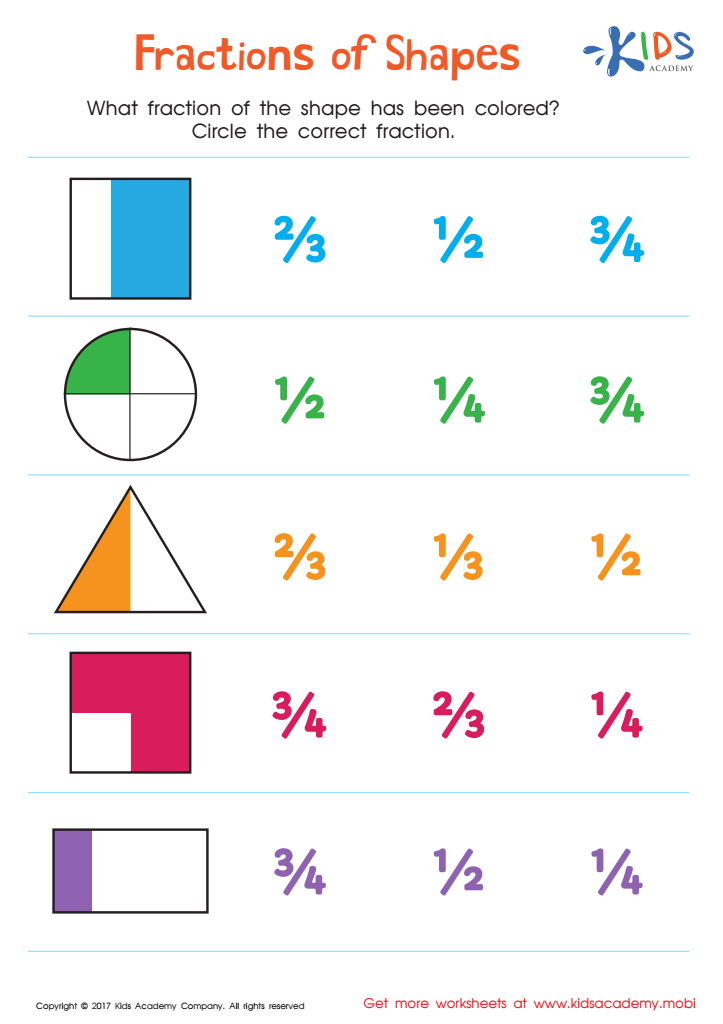
Fractions of Shapes: Math Concept Worksheet
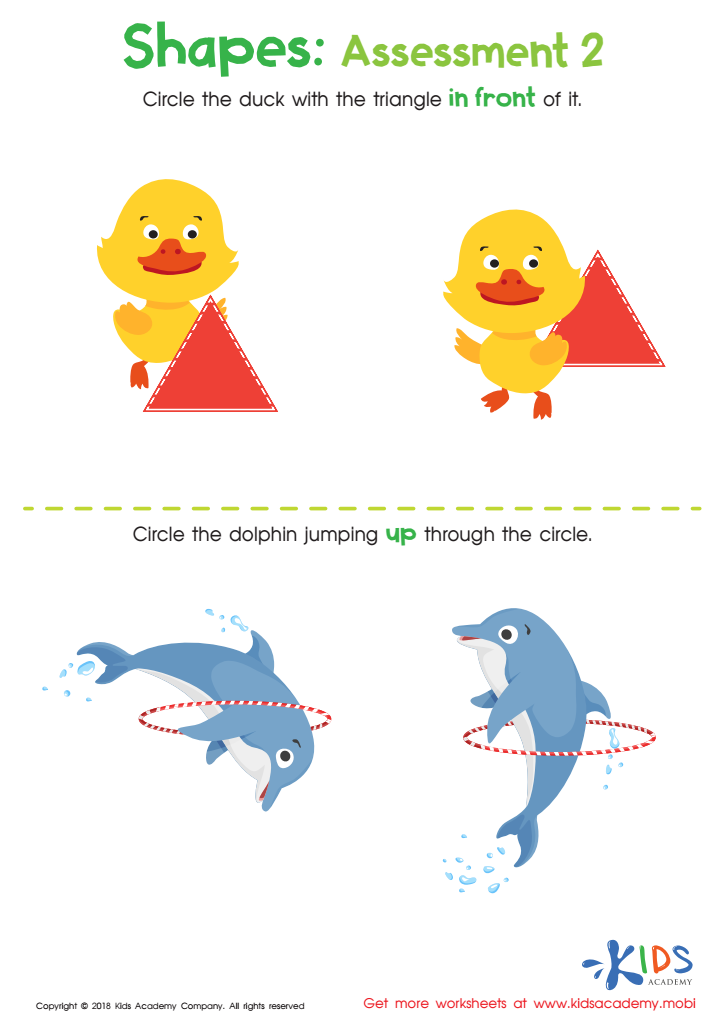
Geometry – Assessment 2 Worksheet
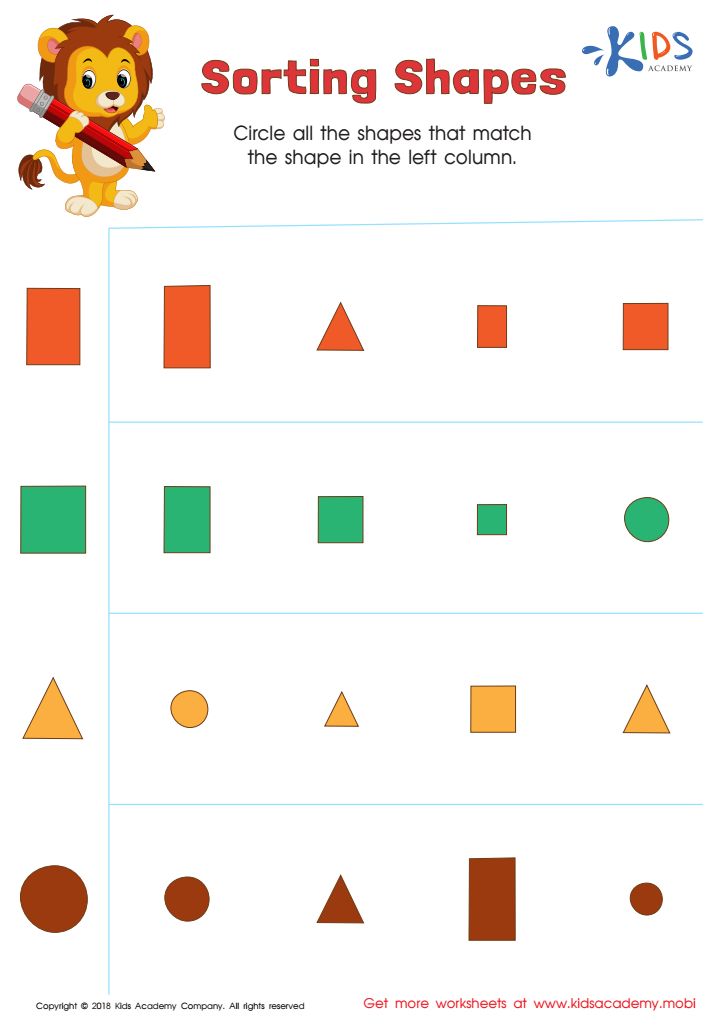
Sorting Shapes - Part 2 Worksheet
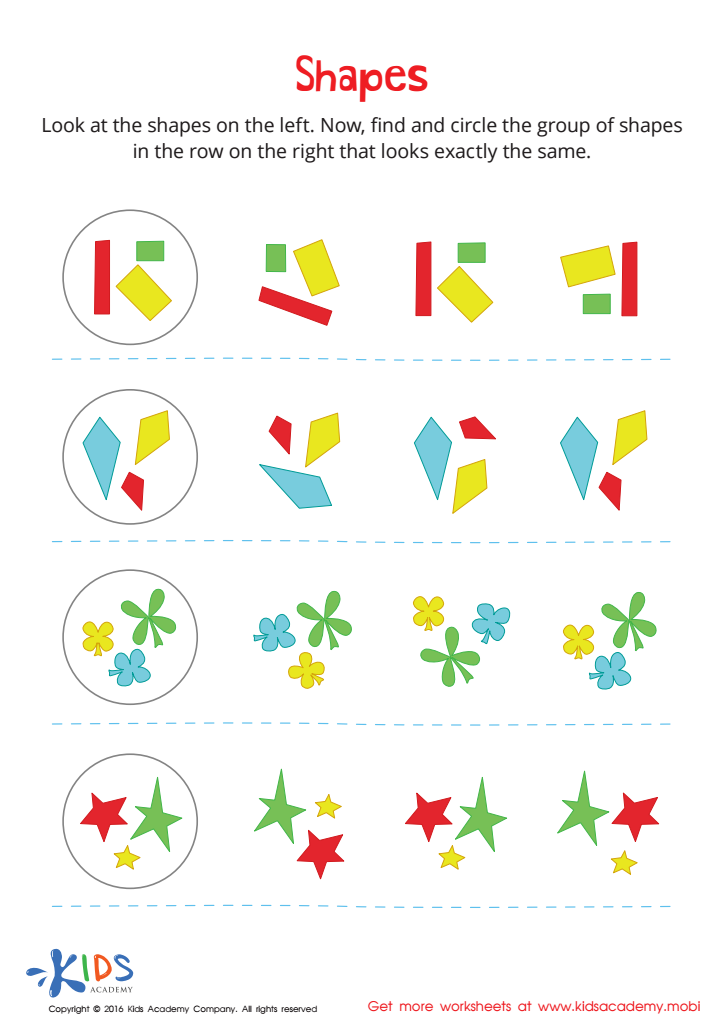
Shapes Worksheet
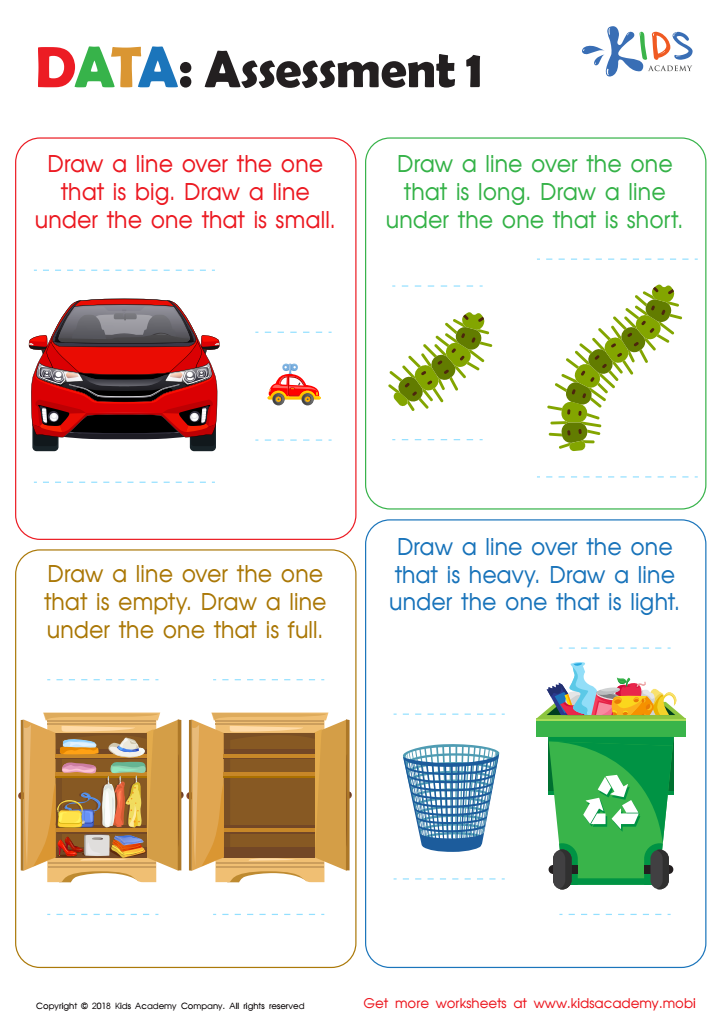
Data: Assessment 1 Worksheet
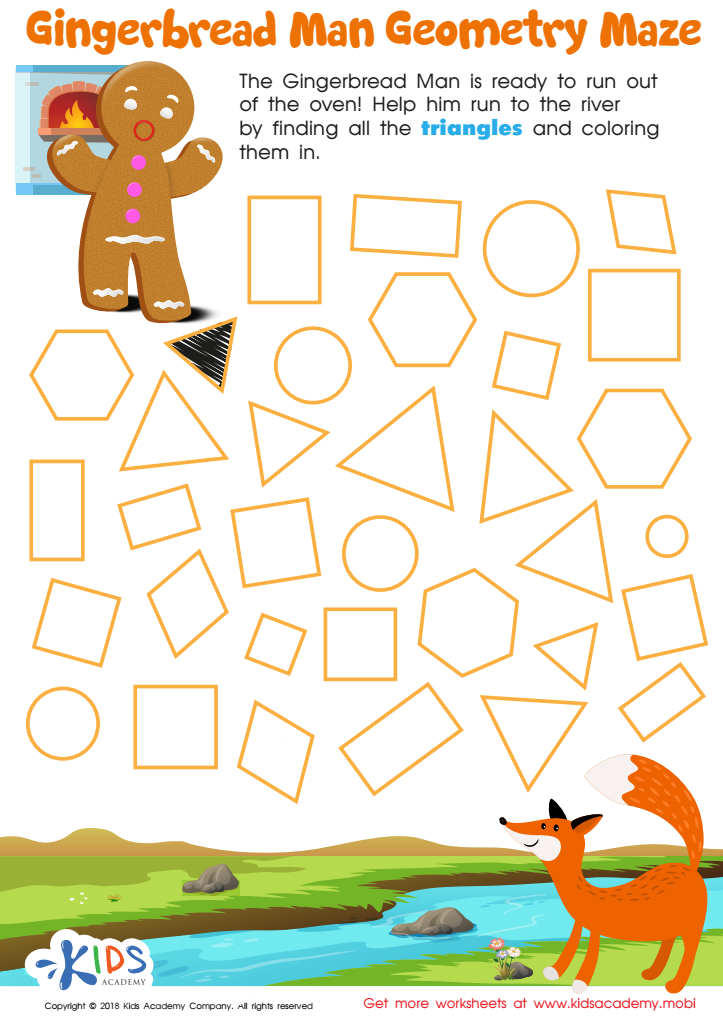
Gingerbread Man Geometry Maze Worksheet
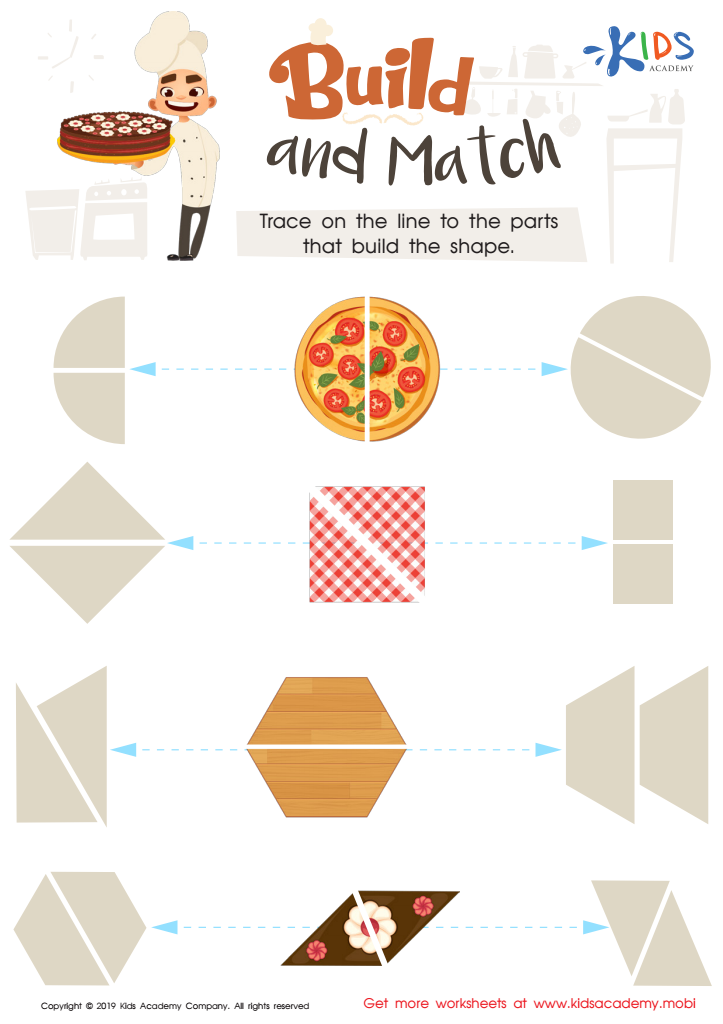
Build and Match Worksheet
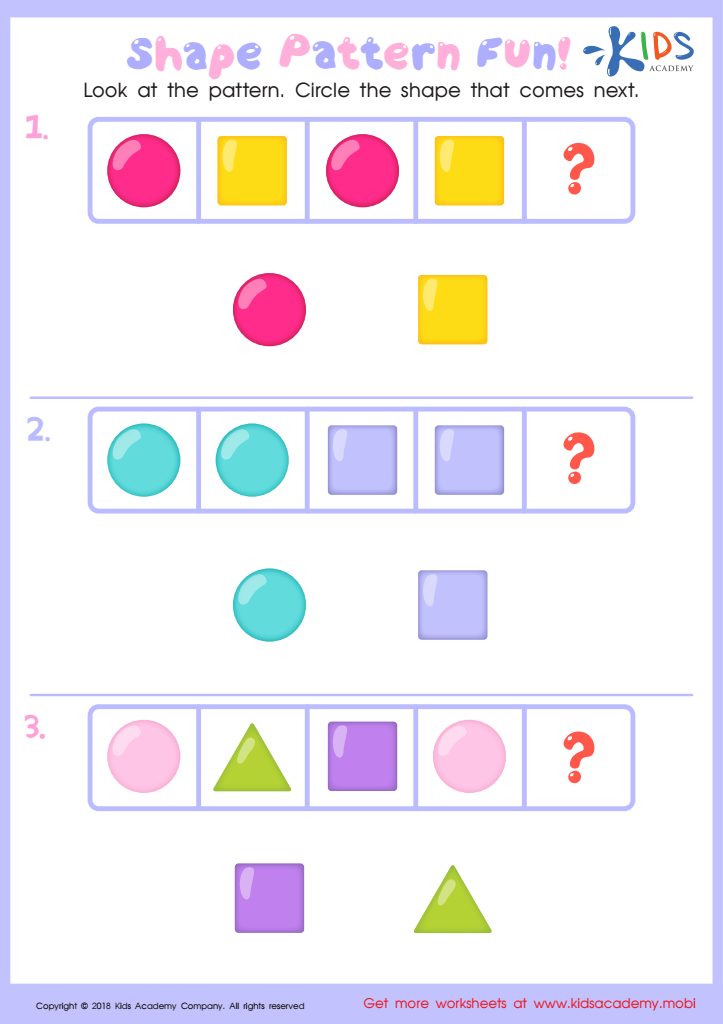
Shape Pattern Fun Worksheet
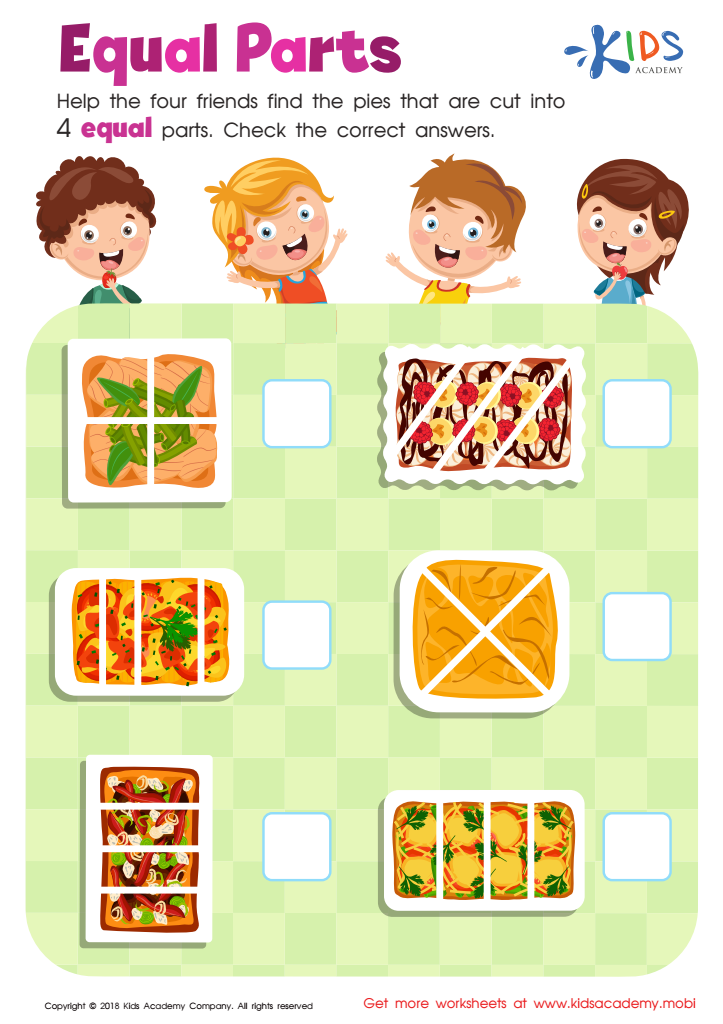
Equal Parts: Food Worksheet
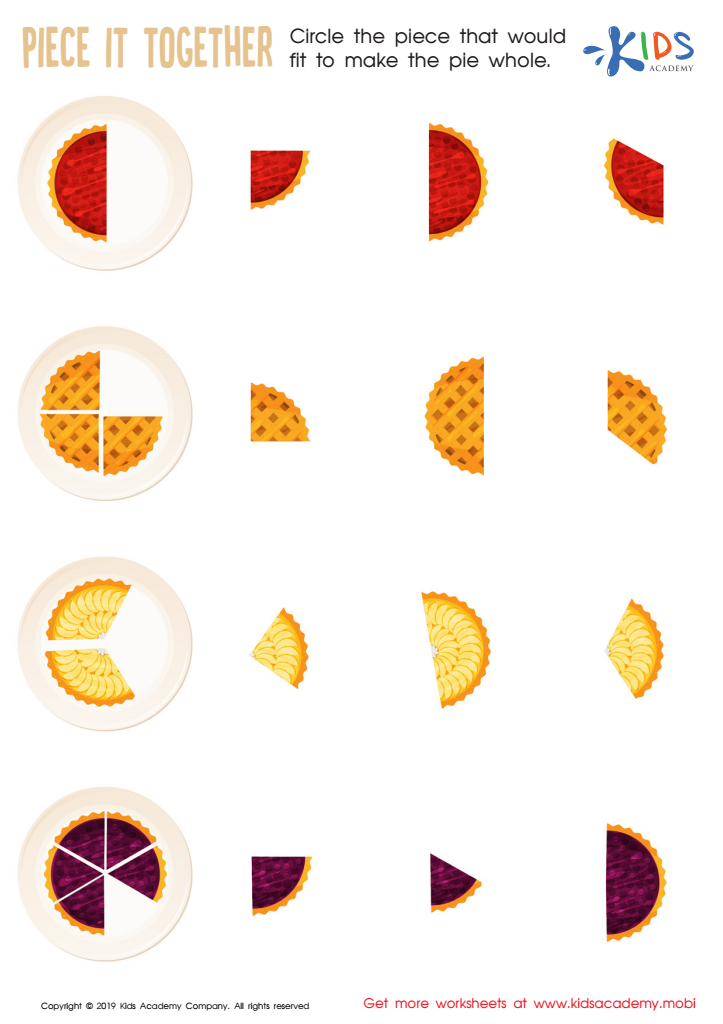
Piece it together Worksheet
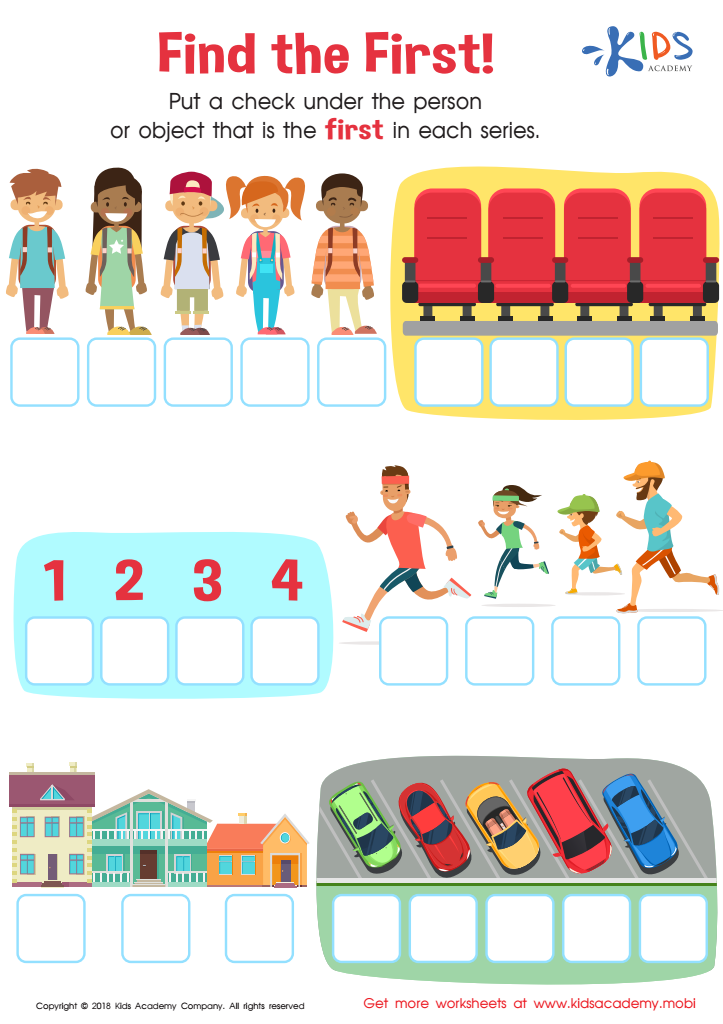
Find the First! Worksheet
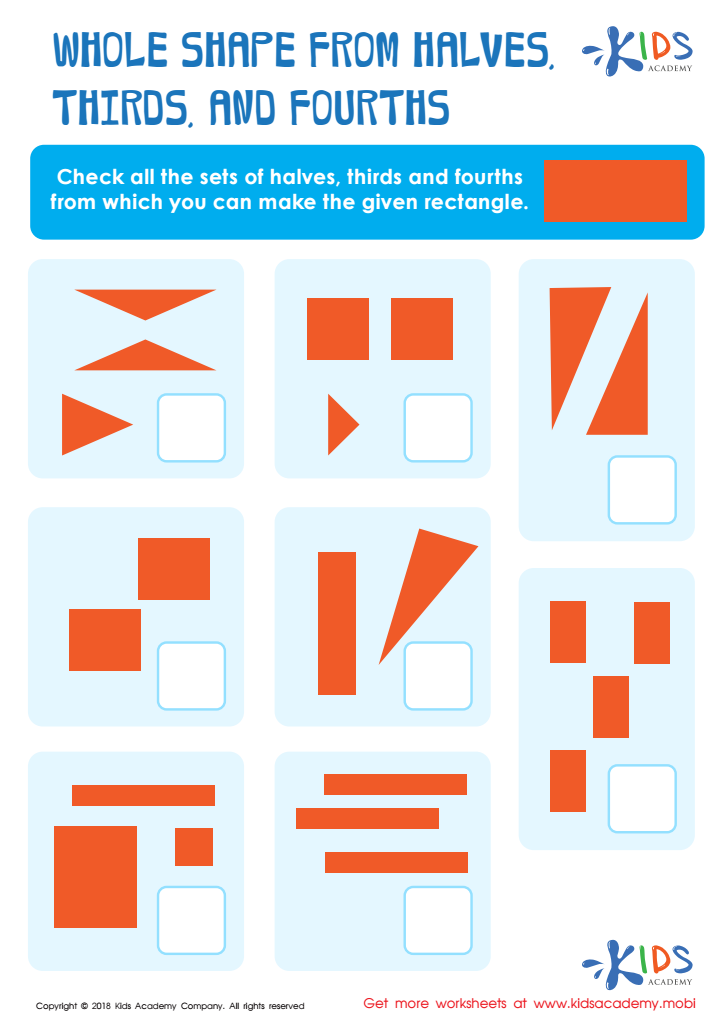
Whole Shape from Halves, Thirds and Fourths Worksheet
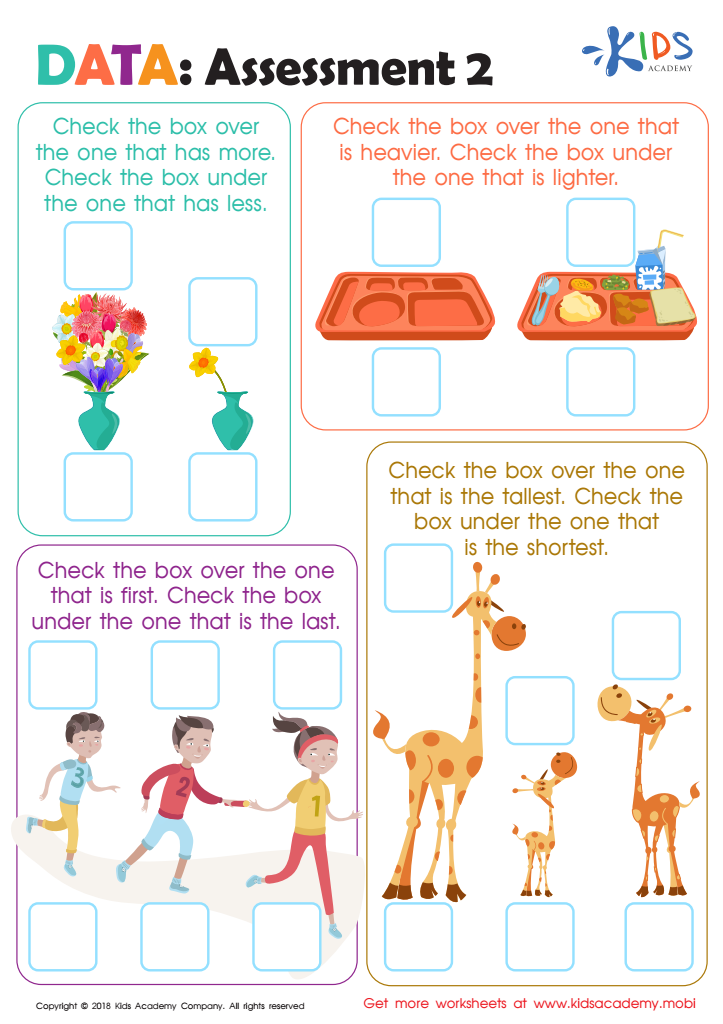
Data: Assessment 2 Worksheet
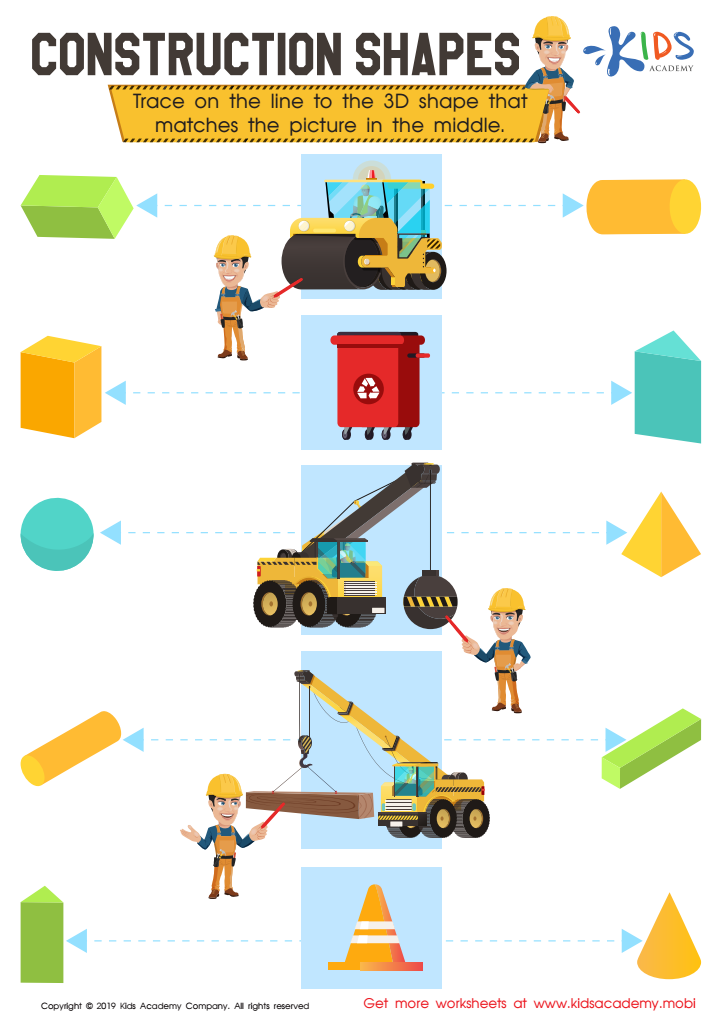
Construction Shapes Worksheet
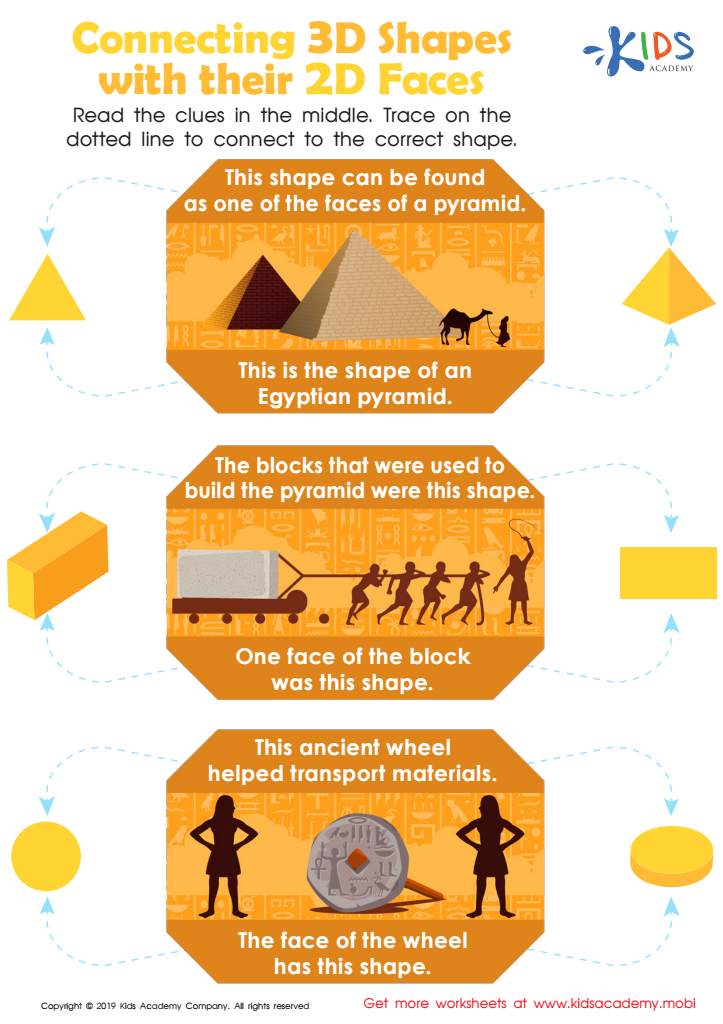
Connecting 3D Shapes with Their 2d Faces Worksheet








Understanding geometry is essential for young learners (ages 5-7) because it lays the foundation for advanced mathematical concepts and enhances critical thinking and problem-solving skills. Engaging with shapes, sizes, patterns, and spatial awareness helps children develop the ability to visualize and manipulate objects in their minds, which is crucial for many daily tasks and future academic subjects, such as science, engineering, and technology.
At this early age, children are highly receptive to learning through play and hands-on activities. Introducing geometry through fun activities—like building blocks, drawing shapes, and recognizing patterns in the environment—makes learning enjoyable and memorable. These activities not only cater to the natural curiosity of young minds but also help in developing fine motor skills and hand-eye coordination.
Furthermore, geometry helps in language development and enhances communication skills. Describing shapes, sizes, and spatial relationships encourages children to use descriptive language, enriching their vocabulary. It lays an early groundwork for logical thinking as children learn to differentiate, categorize, and relate different geometric forms.
In essence, exposing children to geometry at an early age empowers them with essential cognitive skills, fosters creativity, and paves the way for academic success. It's a vital stepping stone that blends learning with play, preparing them for a well-rounded educational journey.








