Community Worksheets for Ages 5-7 - Page 5
120 filtered results
-
From - To
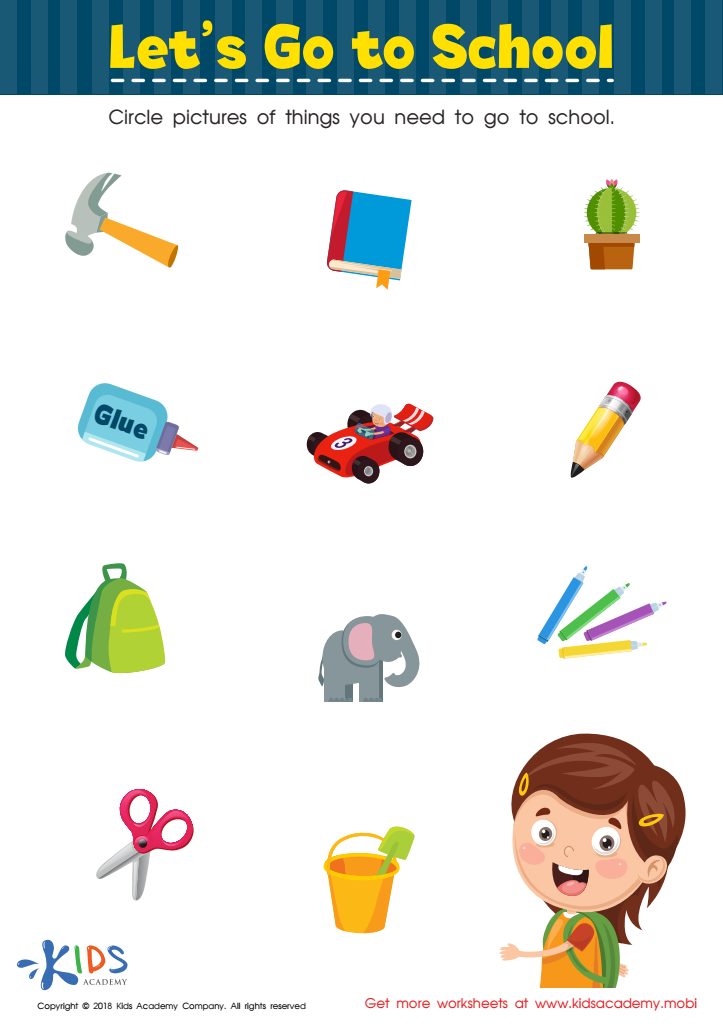
Let's Go to School! Worksheet
 Assign to My Students
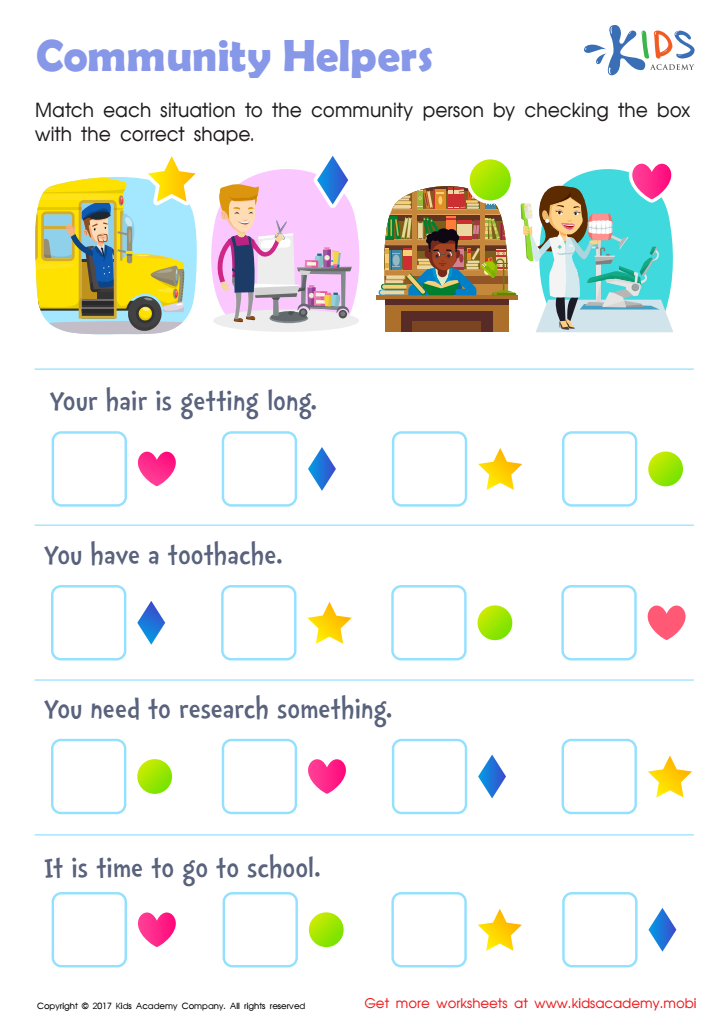

Towns Worksheet
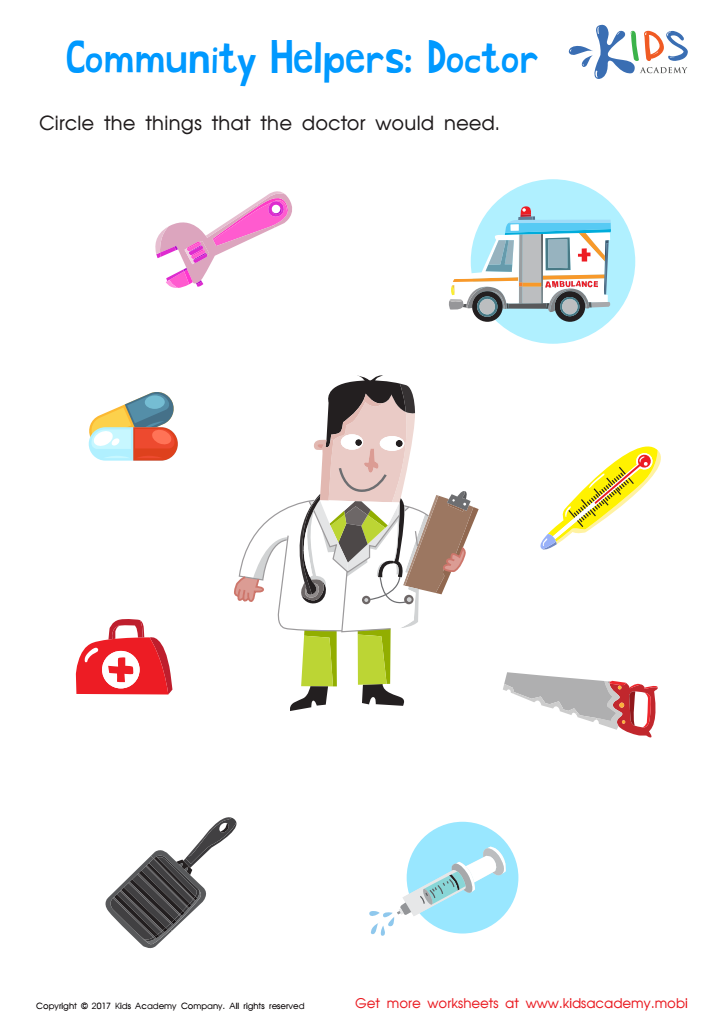

Take a Look - Part 1 Worksheet
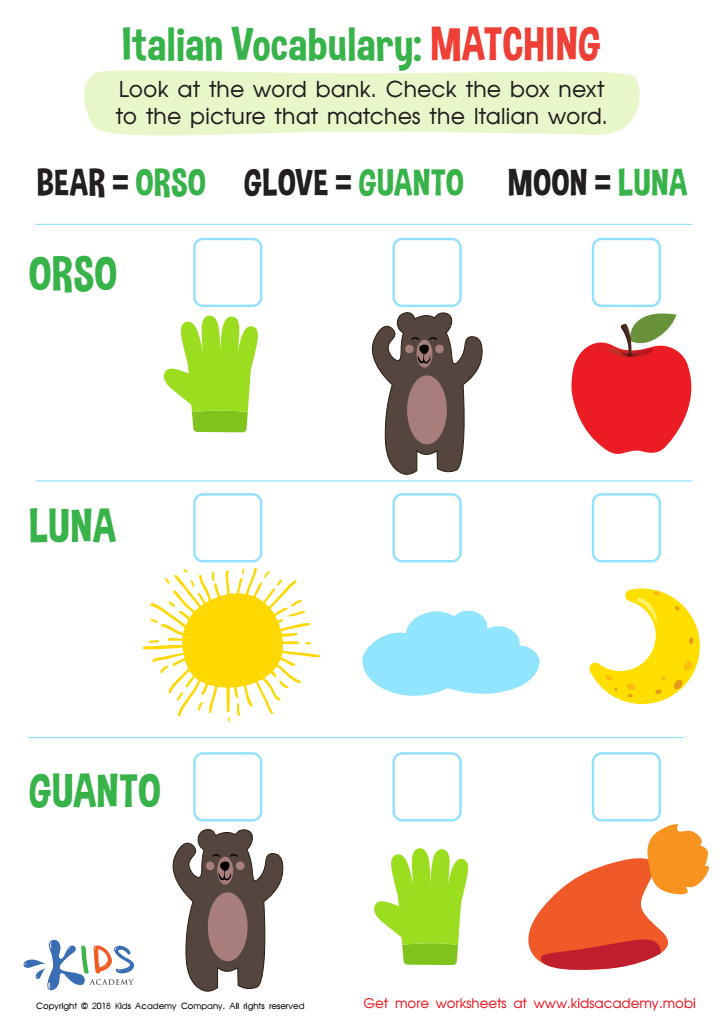
Italian Vocabulary Matching Worksheet
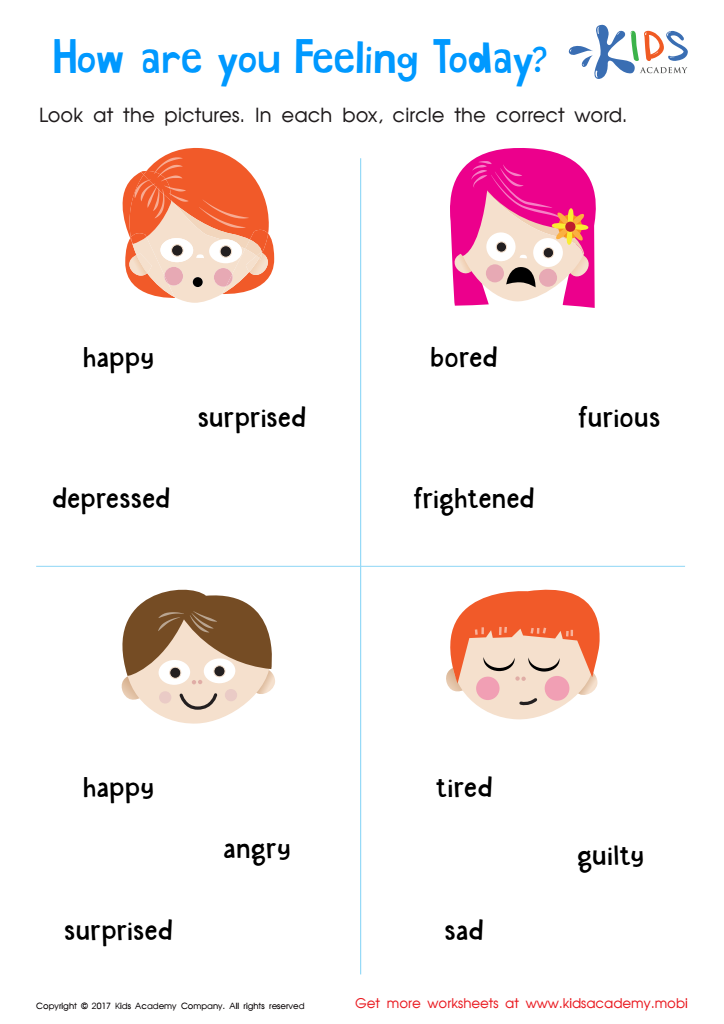
Understanding Feelings Worksheet
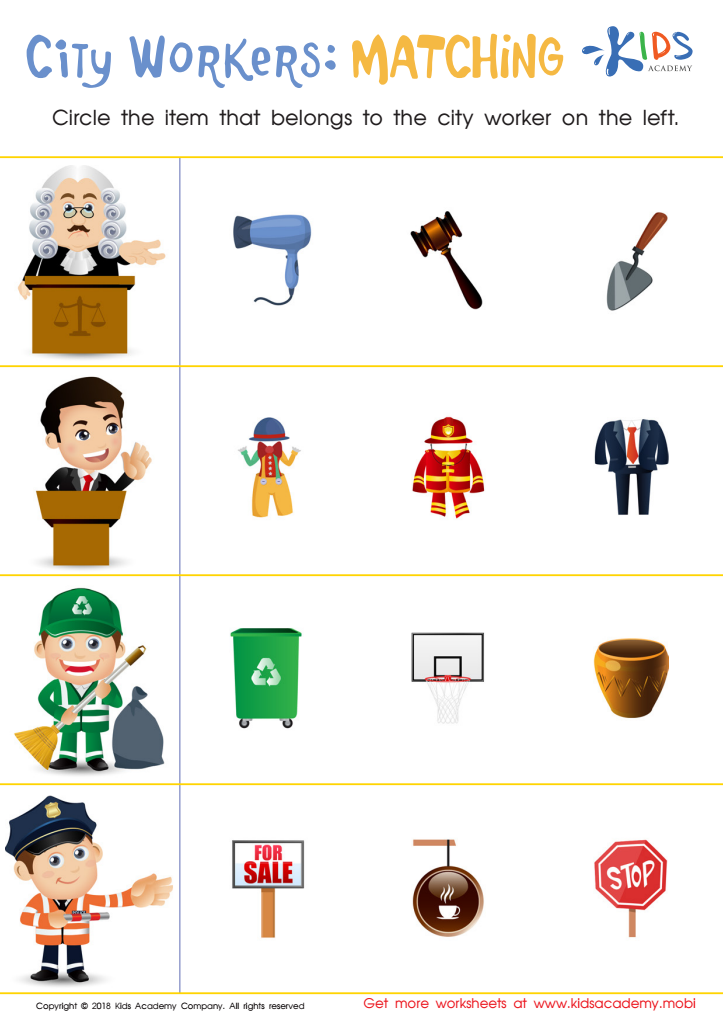
City Workers: Matching Worksheet
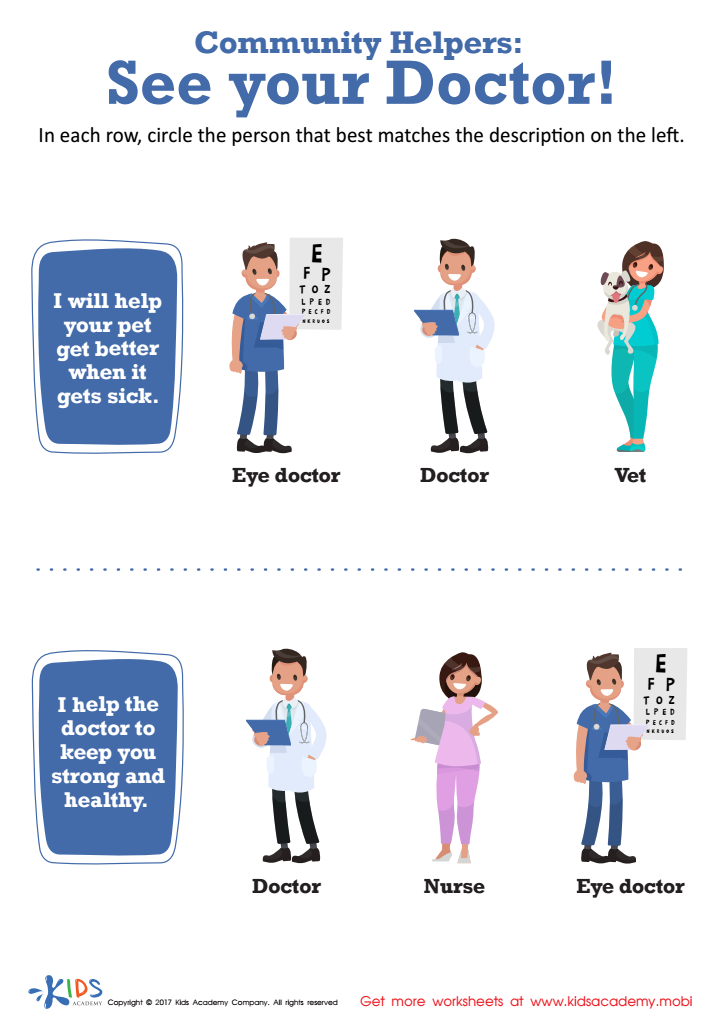
See Your Doctor (Part 2) Printable
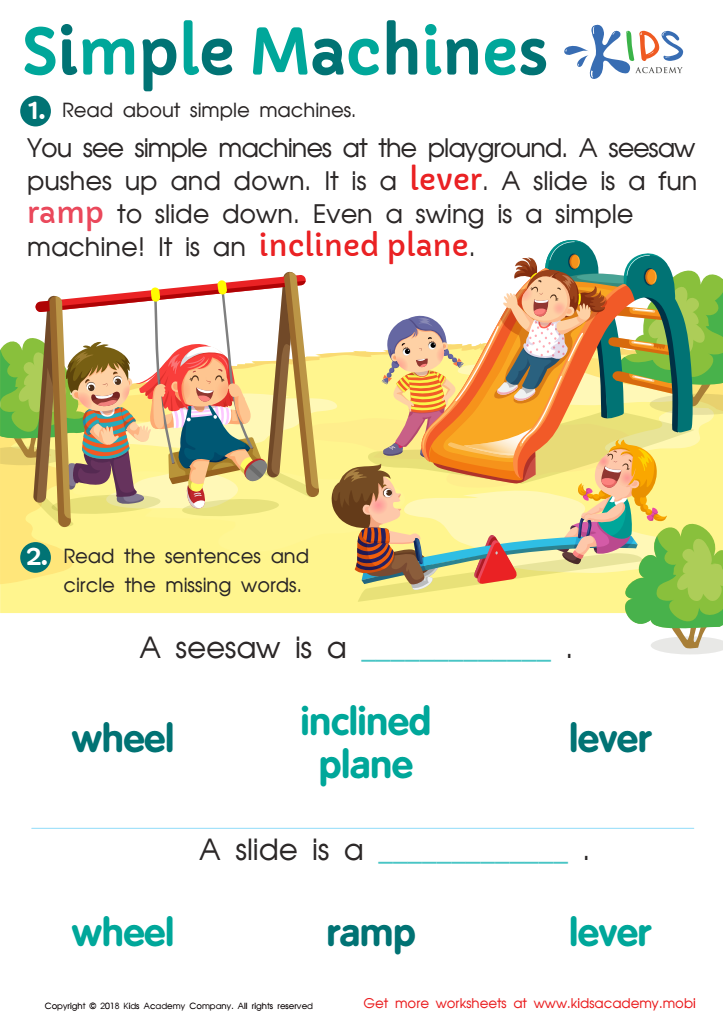
Simple Machines Worksheet
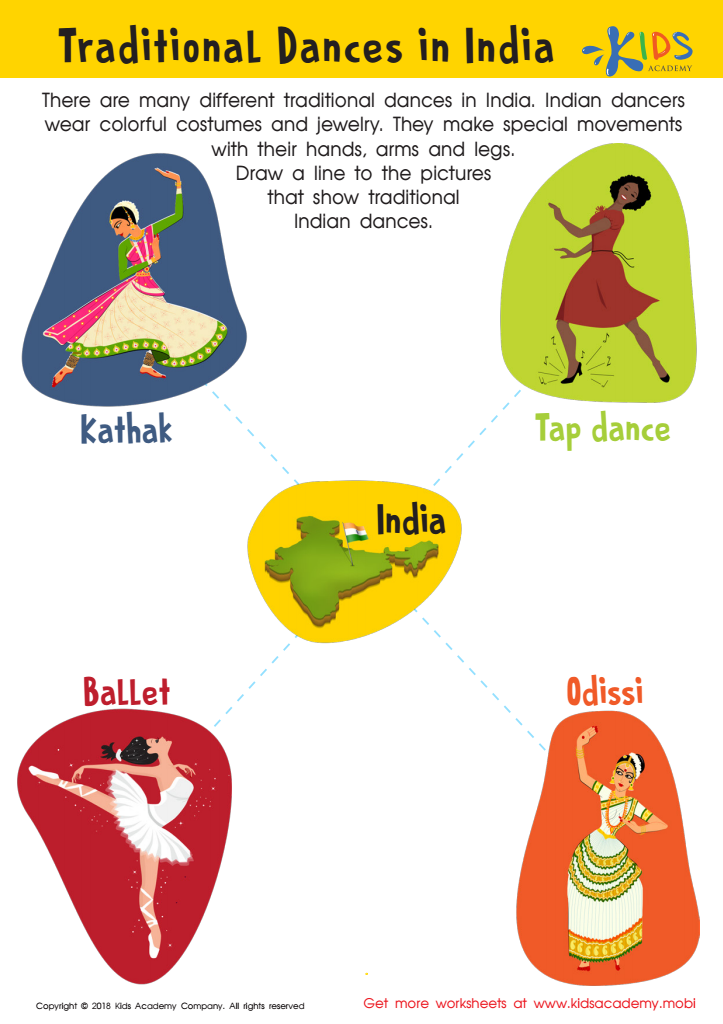
Traditional Dances in India Worksheet
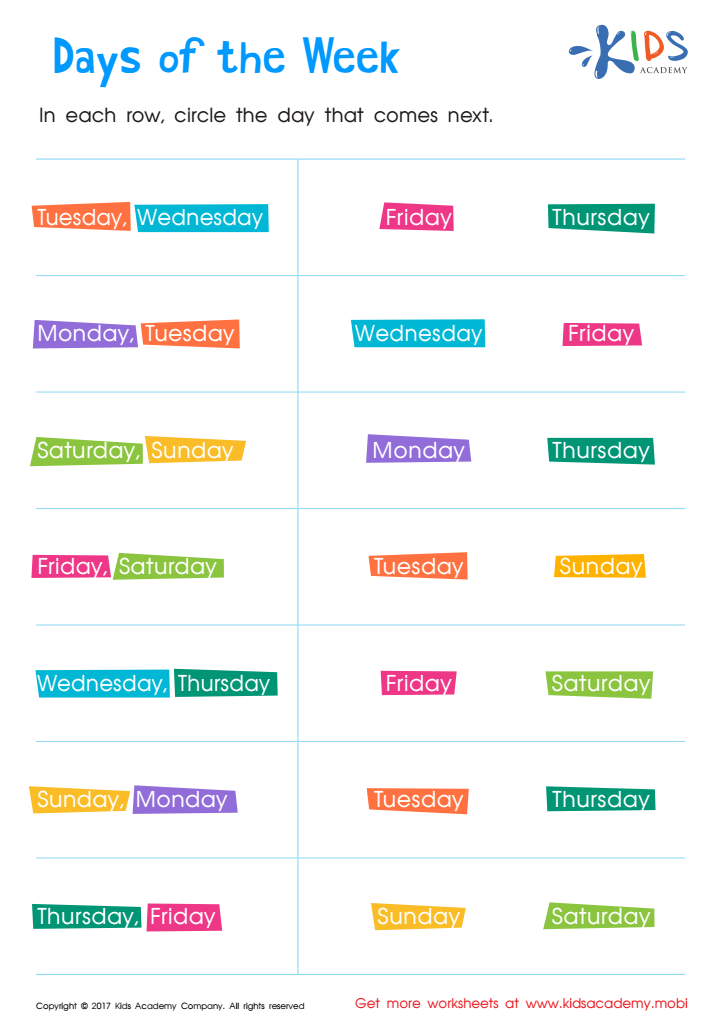
Days of the Week Worksheet
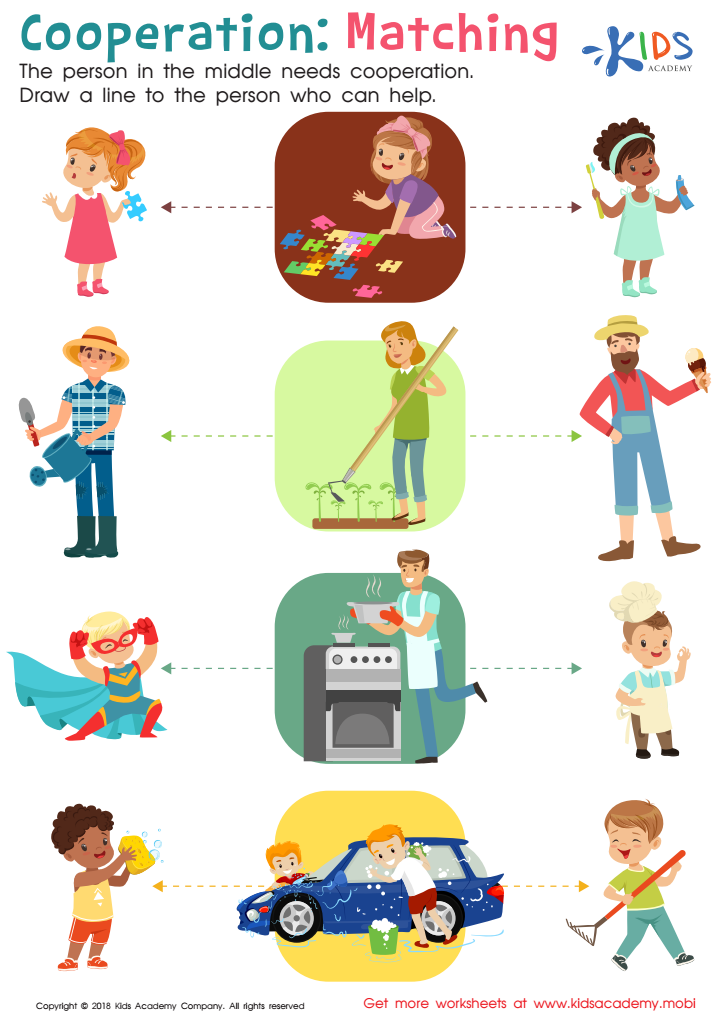
Cooperation: Matching Worksheet
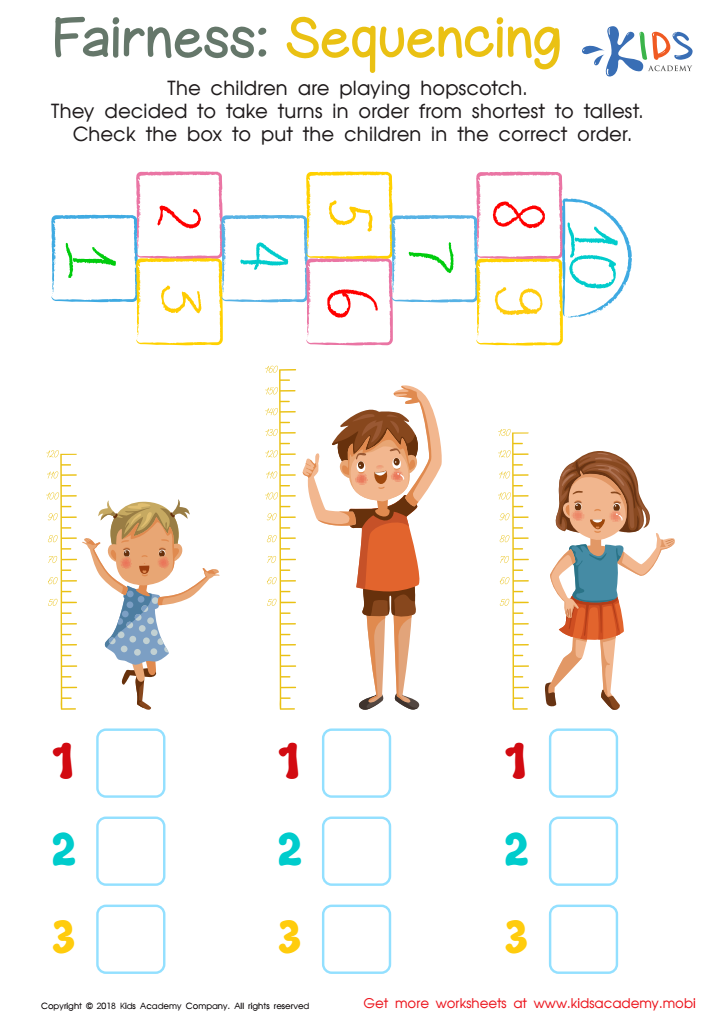
Fairness: Sequencing Worksheet
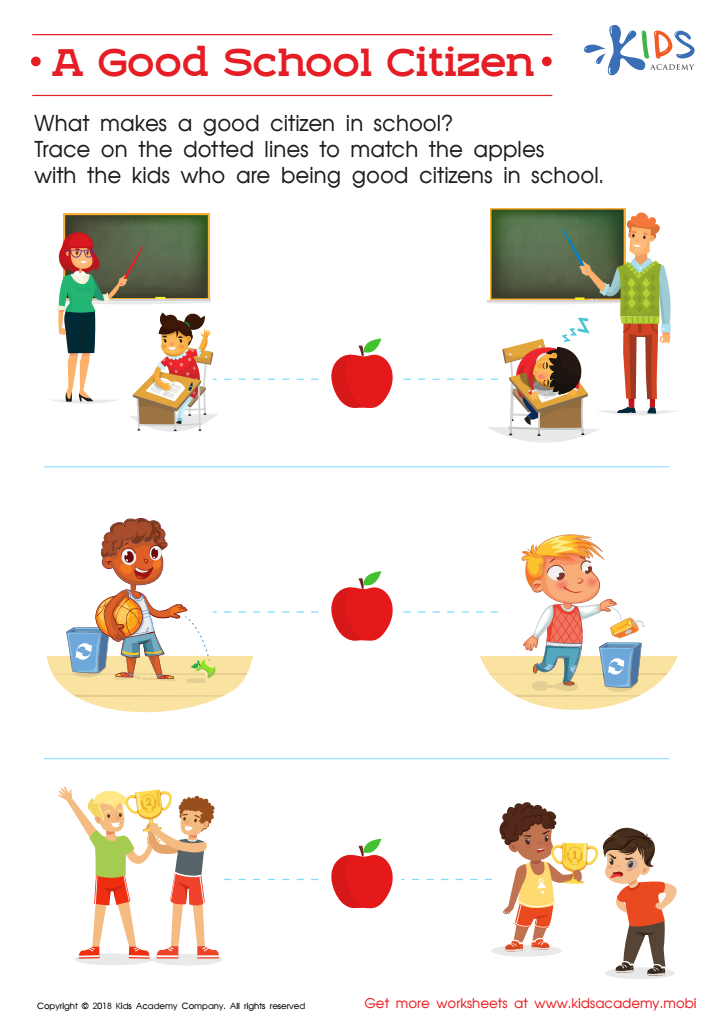
A Good School Citizen Worksheet
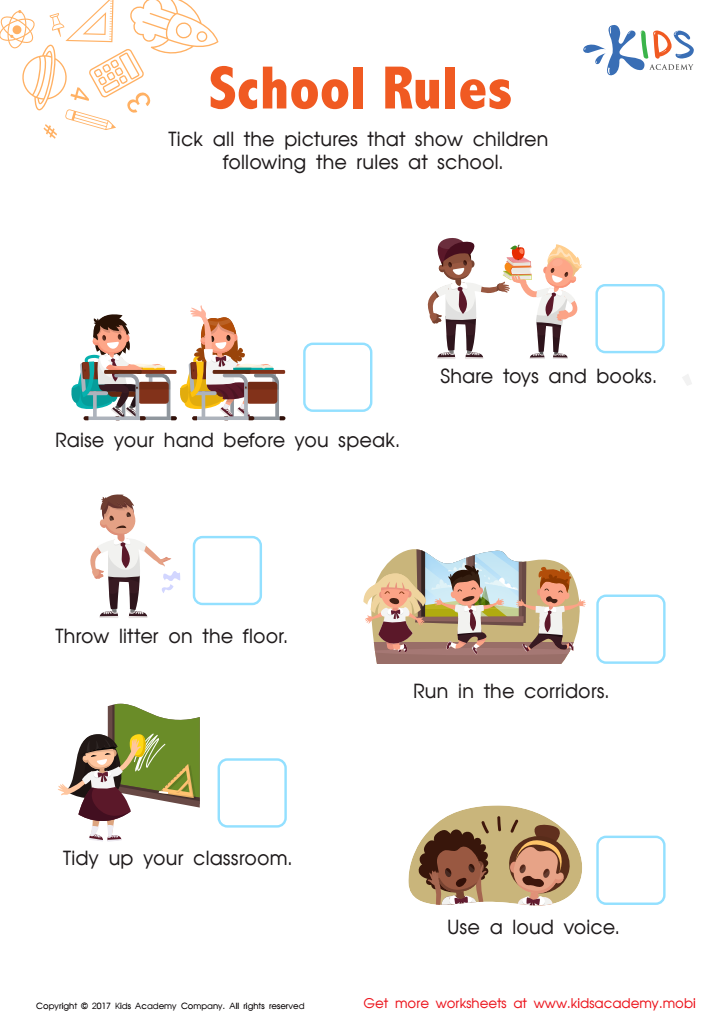
School Rules Worksheet
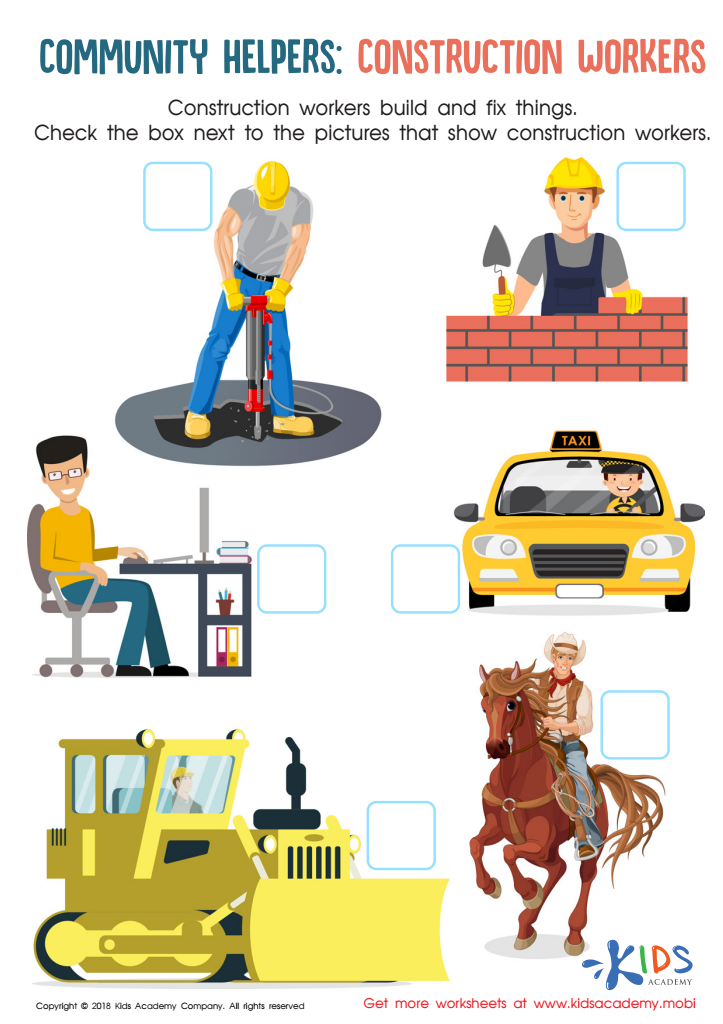
Construction Workers Community Helpers Worksheet
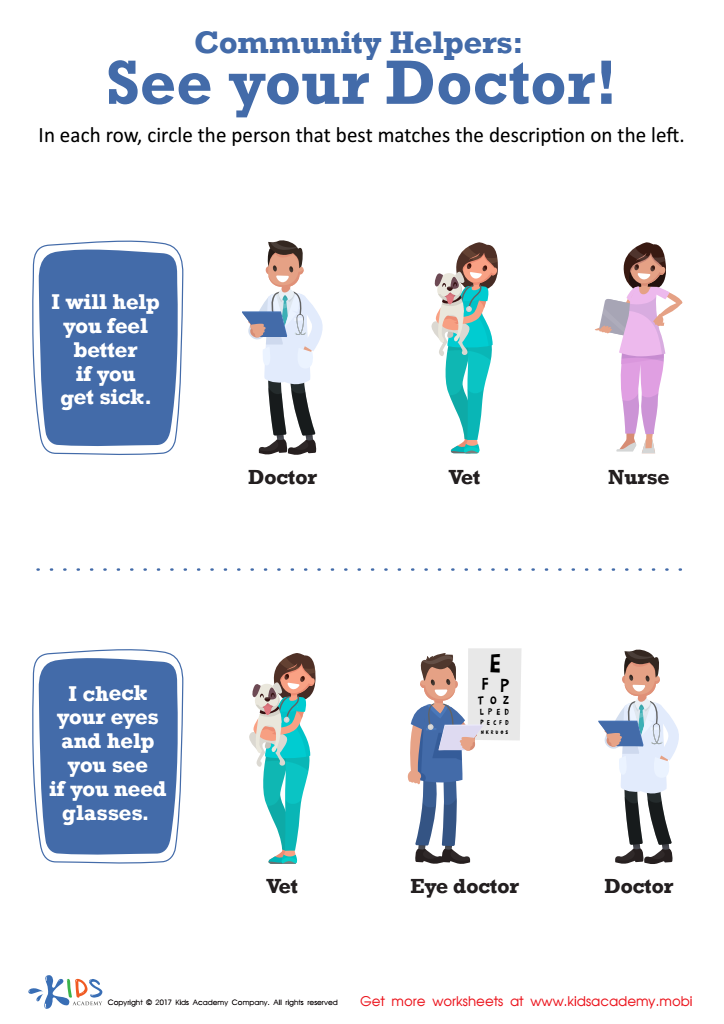
See Your Doctor (Part 1) Printable
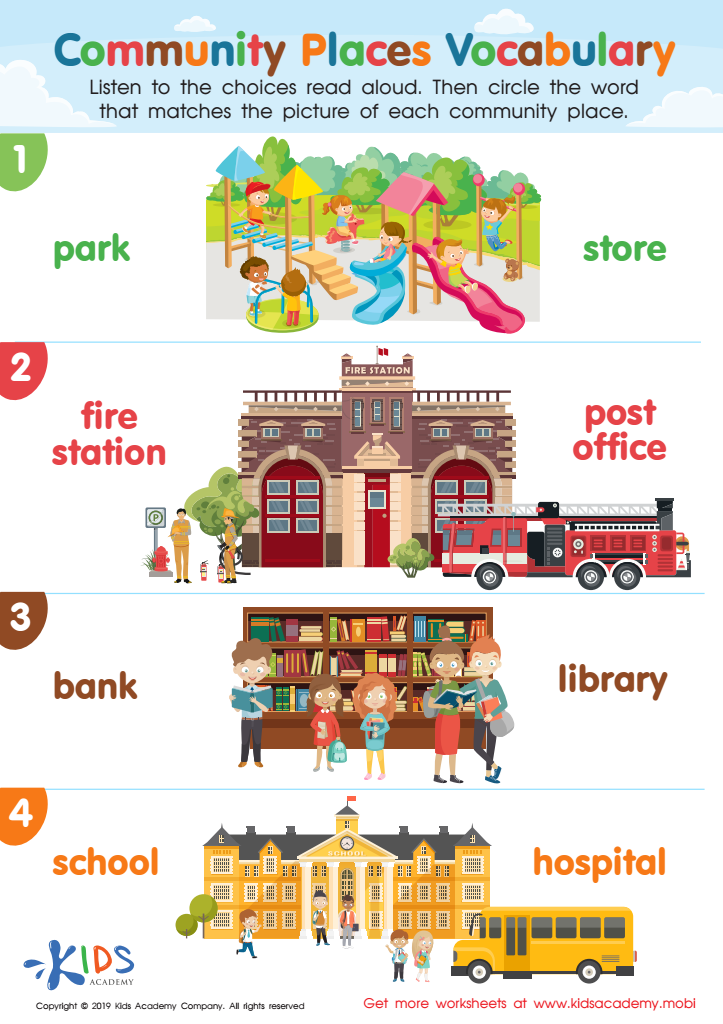
Community Places Vocabulary Worksheet
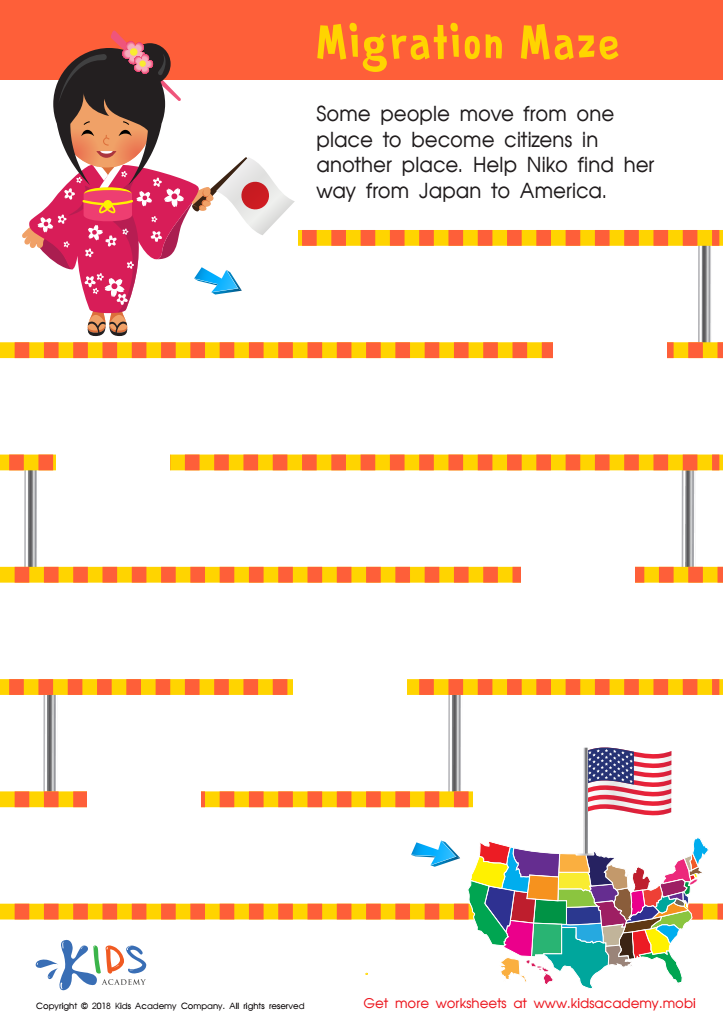
Migration Maze Worksheet
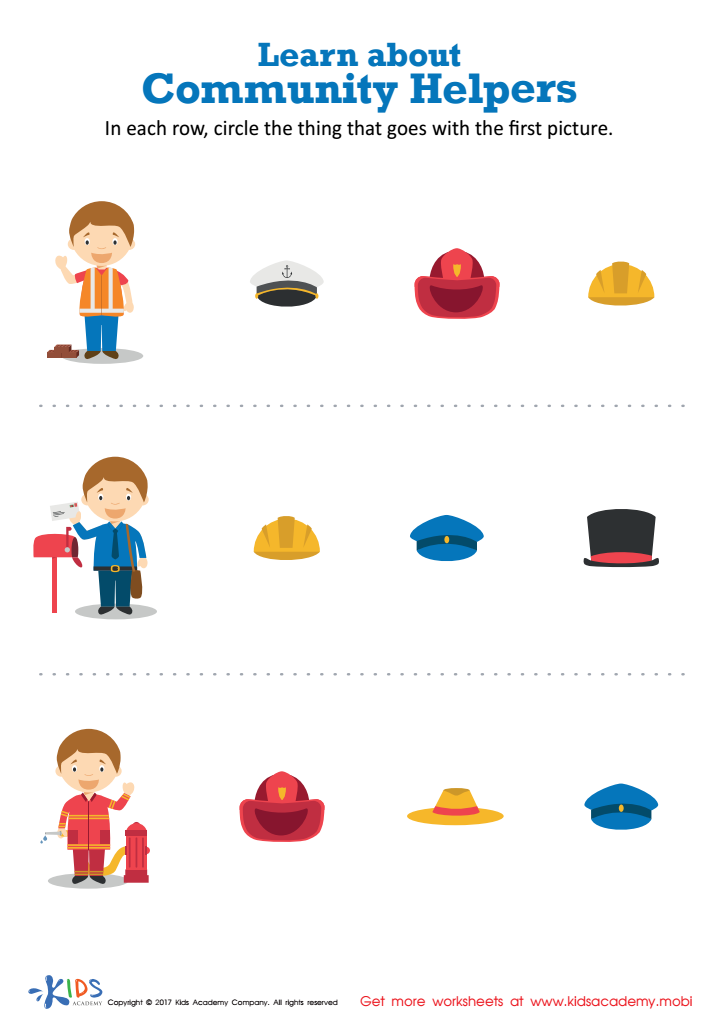
Learn about Community Helpers Printable
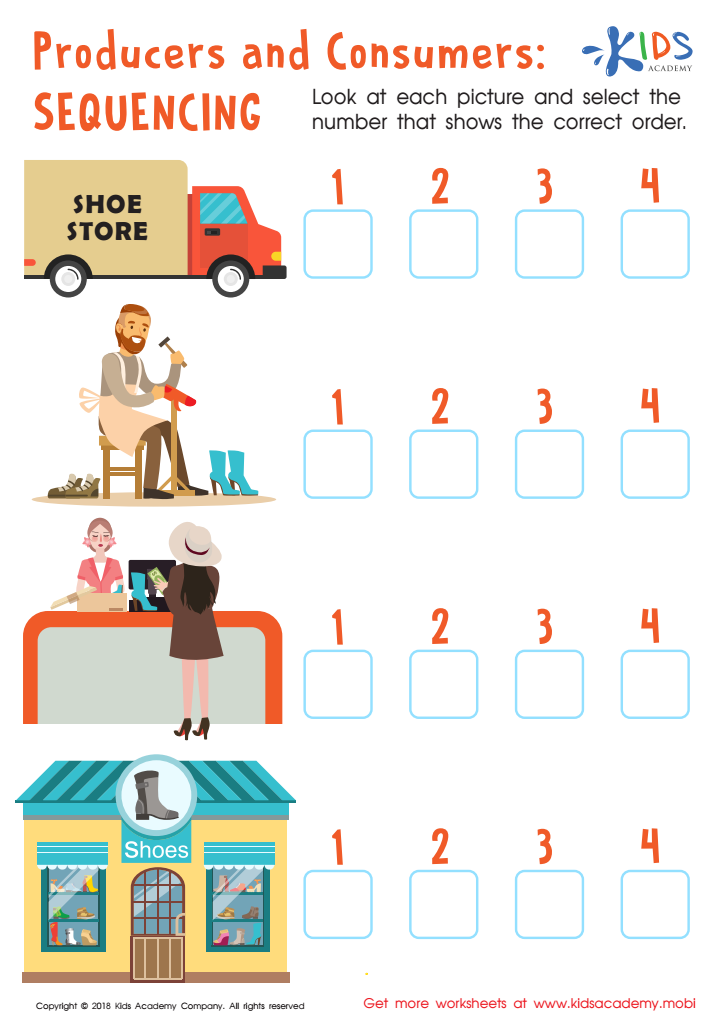
Producers and Consumers: Sequencing Worksheet
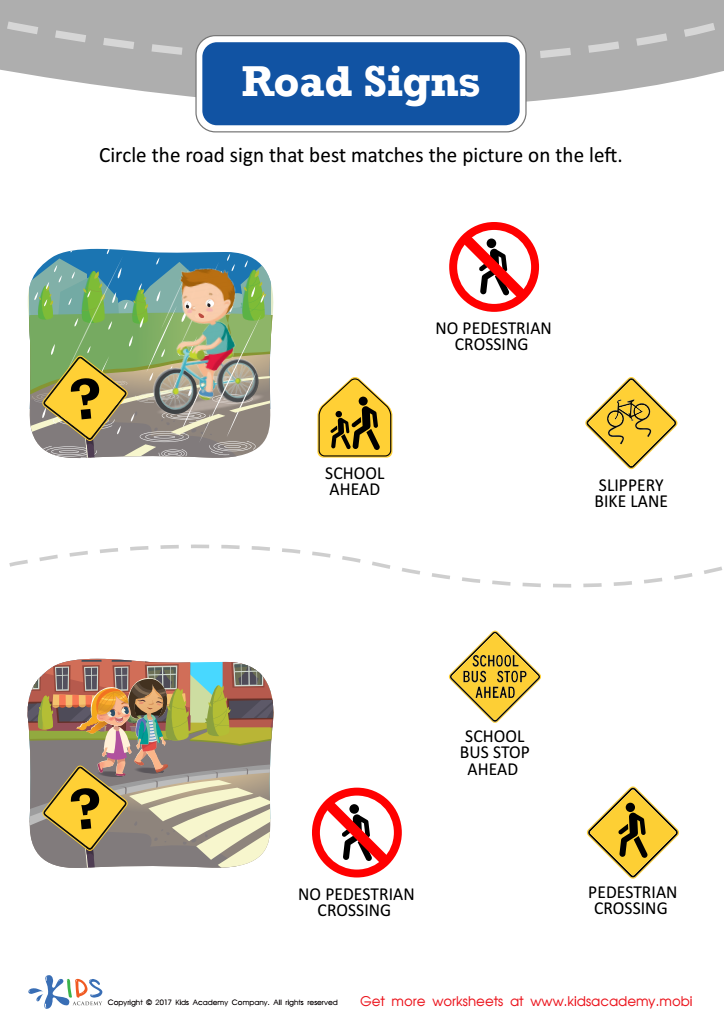
Road Signs (Part 2) Printable
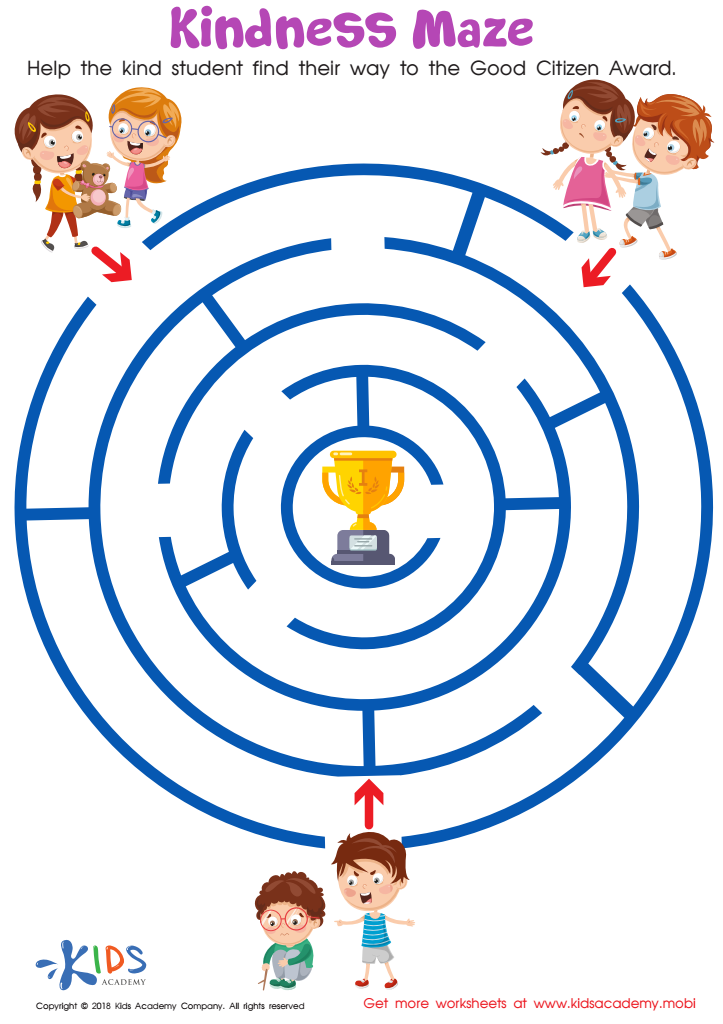
Kindness Maze Worksheet








Parents and teachers should care about community for children aged 5-7 because it plays a crucial role in their social, emotional, and cognitive development. At this age, children are forming relationships and learning to navigate social interactions. A strong community provides a supportive environment where they can practice essential skills such as sharing, cooperation, and communication. These early interactions shape their self-esteem, empathy, and sense of belonging.
Community involvement also enriches the learning experience. It offers children opportunities to engage in diverse activities that enhance creativity, problem-solving, and critical thinking. Exposure to various perspectives within a community fosters cultural awareness and acceptance, helping children appreciate differences from an early age.
Furthermore, positive community interactions lay the foundation for lifelong social skills. Children who engage with their community are more likely to develop a strong moral compass and sense of responsibility. Lastly, an involved and supportive community promotes well-being and resilience, crucial traits for facing future challenges. By prioritizing community, parents and teachers help cultivate well-rounded, socially competent individuals, preparing them for success both in and outside of school. This investment in community ultimately strengthens the fabric of society as a whole.








