Sorting Worksheets for Ages 5-8 - Page 2
27 filtered results
-
From - To
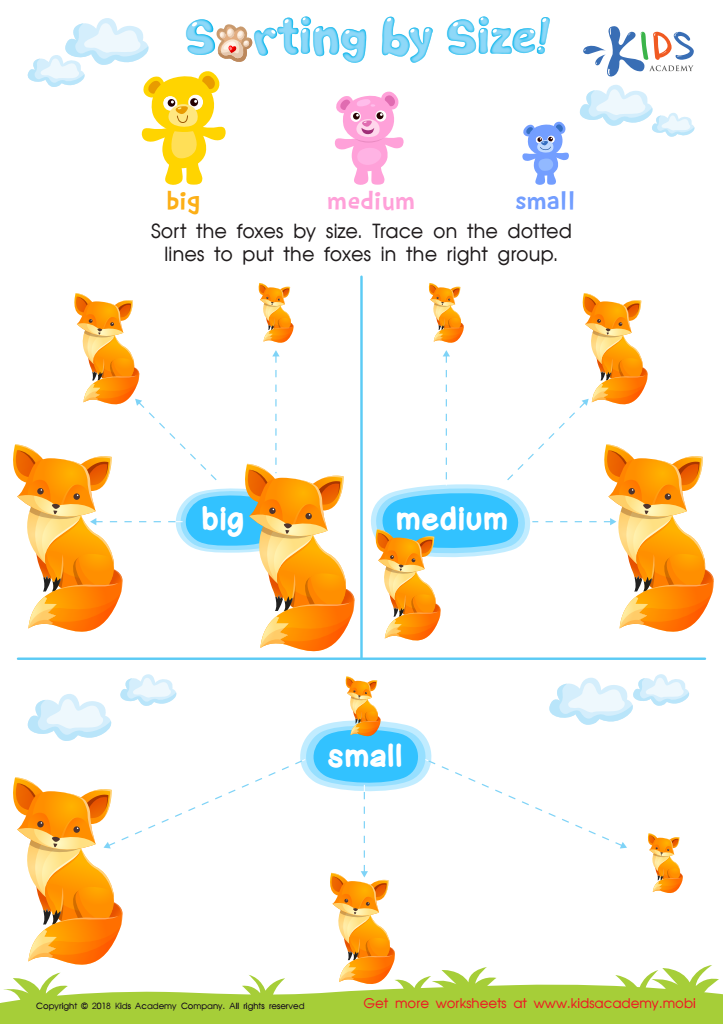
Sorting by Size Worksheet
 Assign to My Students
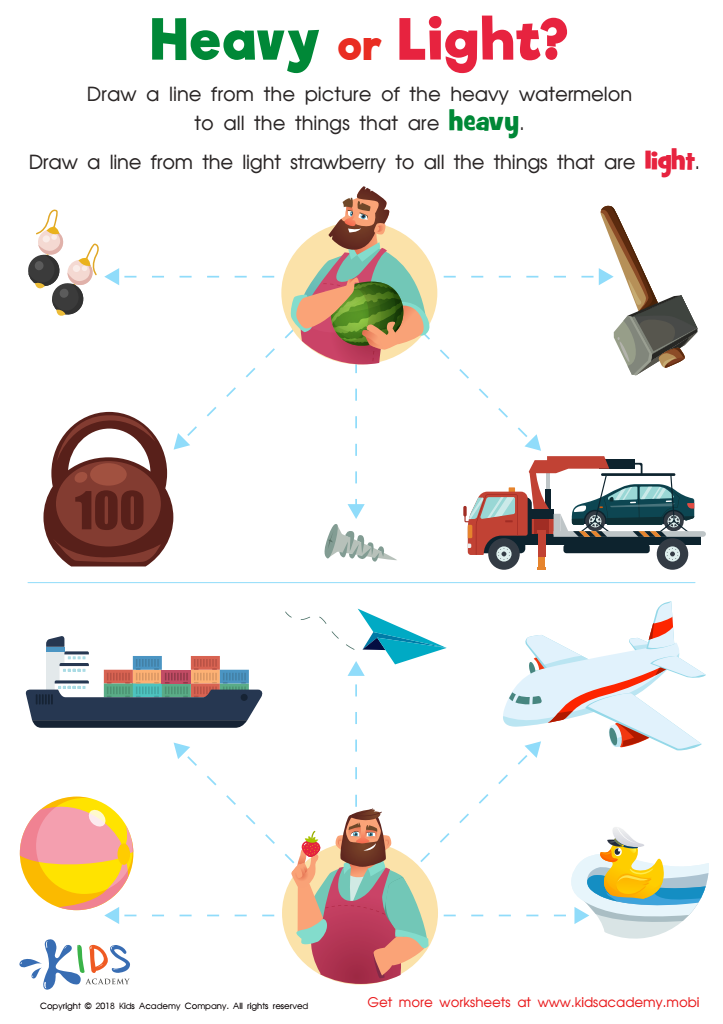
Heavy or Light? Worksheet
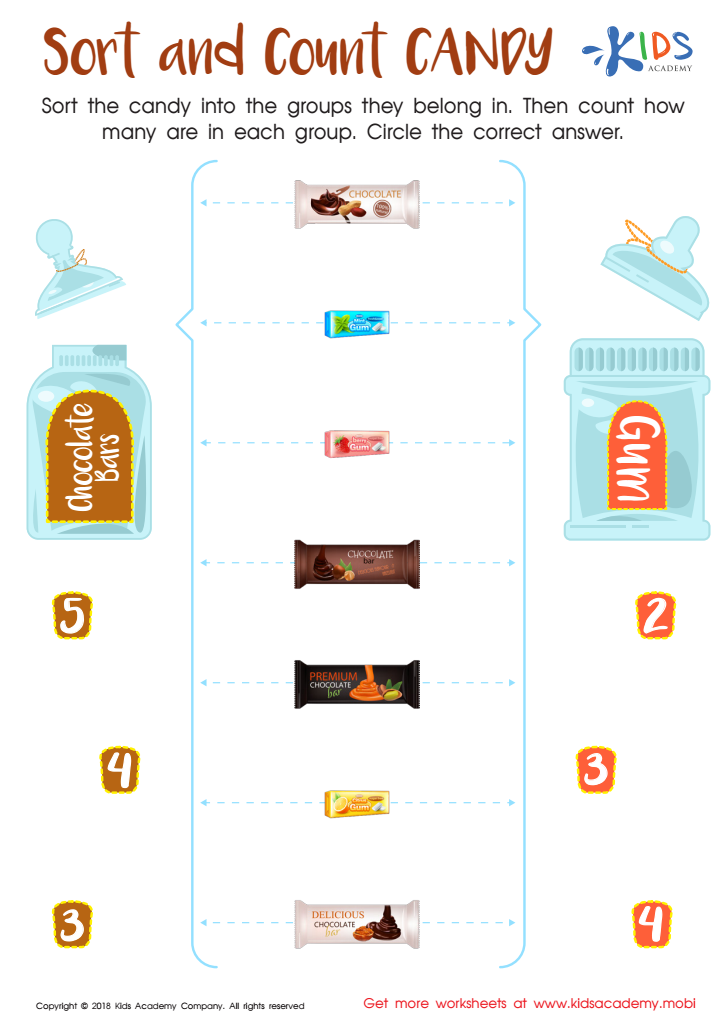
Sort and Count Candy Worksheet








Sorting is a fundamental skill that plays a crucial role in early childhood development, particularly for children ages 5-8. It involves organizing objects based on specific attributes such as size, shape, color, or function. Parents and teachers should care about sorting for several reasons.
Firstly, sorting enhances cognitive development. When children categorize items, they engage in critical thinking and problem-solving, aiding their understanding of patterns and relationships in the world around them. This foundational skill supports future mathematical concepts such as classifying and organizing data.
Secondly, sorting promotes language development. As children describe their sorting criteria, they expand their vocabulary and improve their communication skills, which are vital for expressing their thoughts and ideas.
Furthermore, sorting fosters fine motor skills through hands-on activities. Manipulating objects promotes dexterity and coordination, essential for writing and other intricate tasks.
Additionally, sorting encourages social skills when done in group settings. Collaborating with peers on sorting tasks helps children learn to share, negotiate, and respect differing opinions.
Finally, fostering sorting skills can pave the way for lifelong learning, curiosity, and independence, making it an important area of focus for parents and teachers alike in nurturing well-rounded individuals.








