Reading Non-Fiction Worksheets for Ages 5-8 - Page 3
97 filtered results
-
From - To
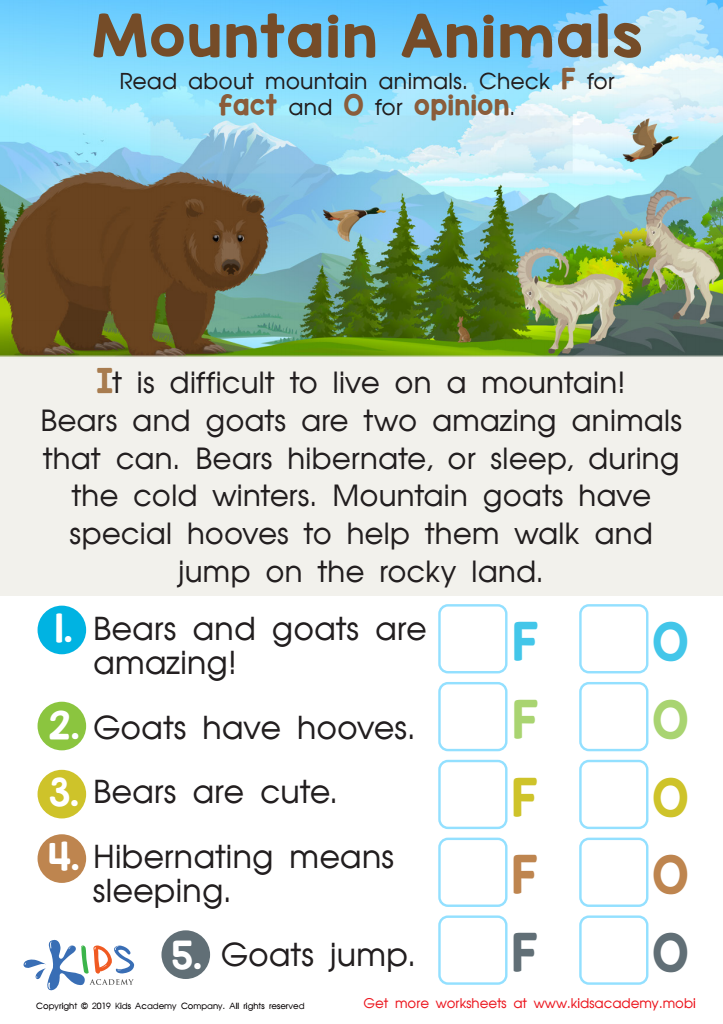
Mountain Animals Worksheet
 Assign to My Students
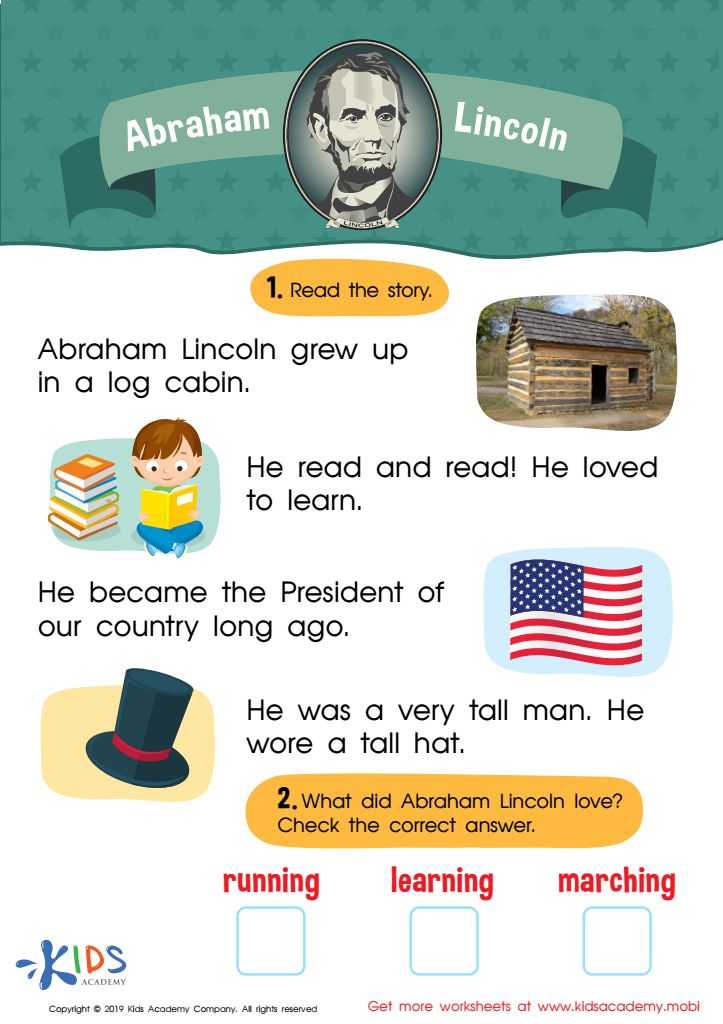
Abraham Lincoln Worksheet
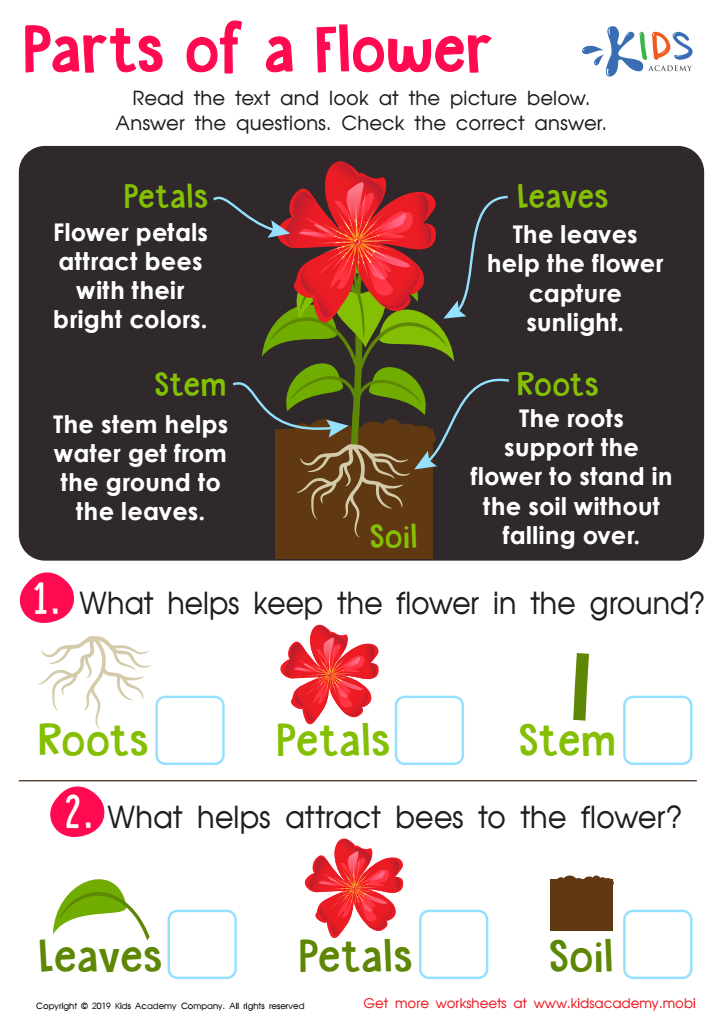
Parts of Flower Worksheet
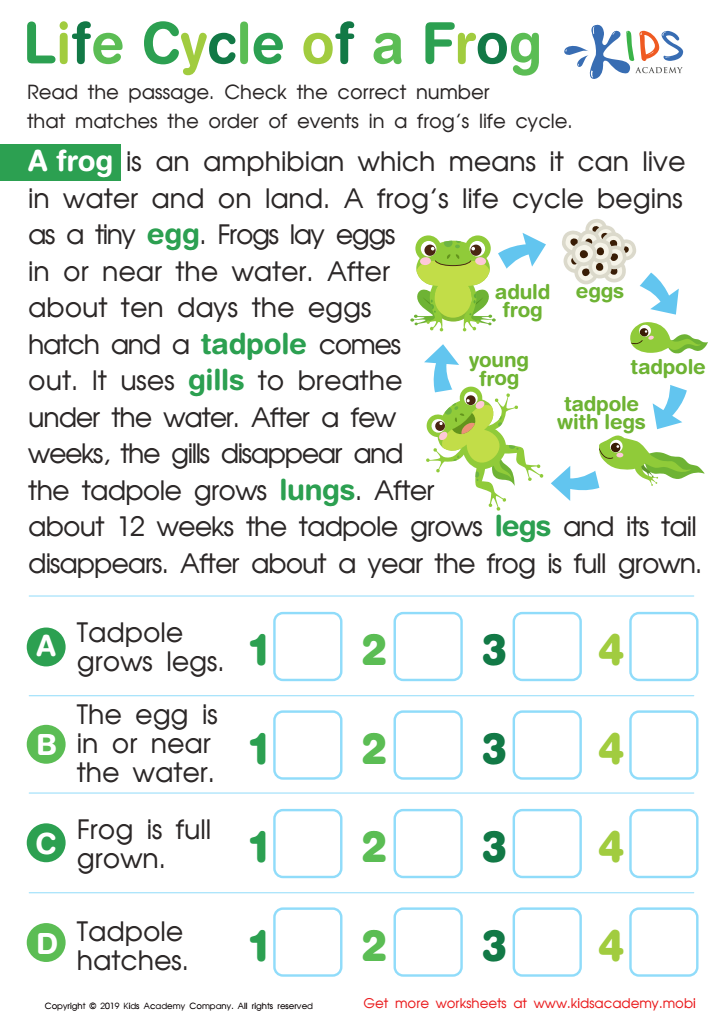
Life Cycle of a Frog Worksheet
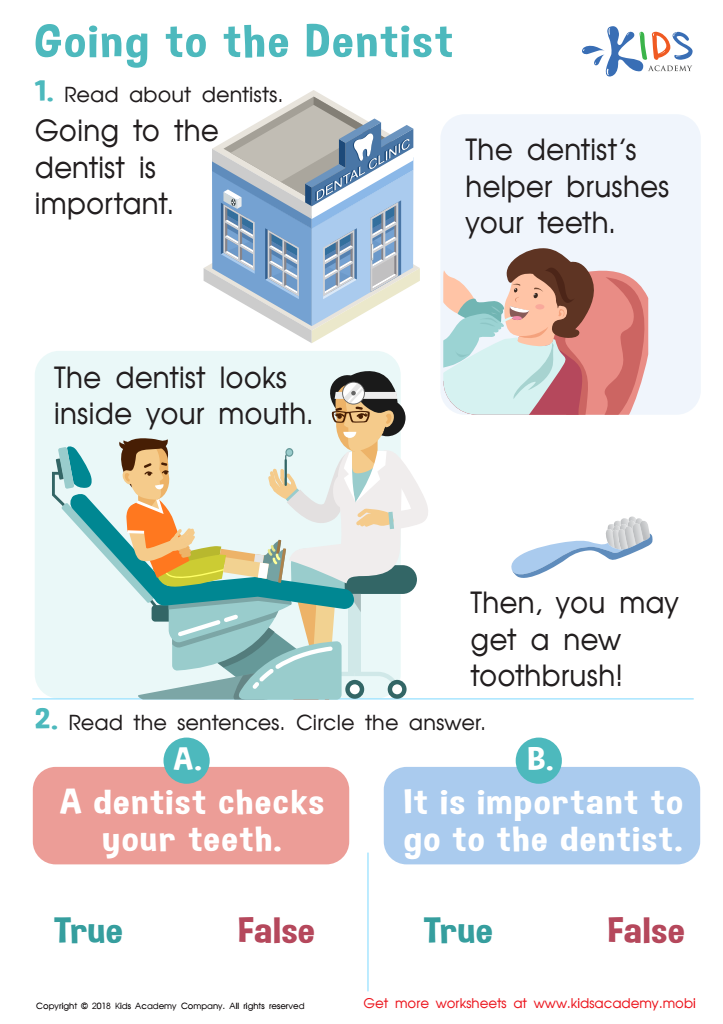
Going to the Dentist Part 2 Worksheet
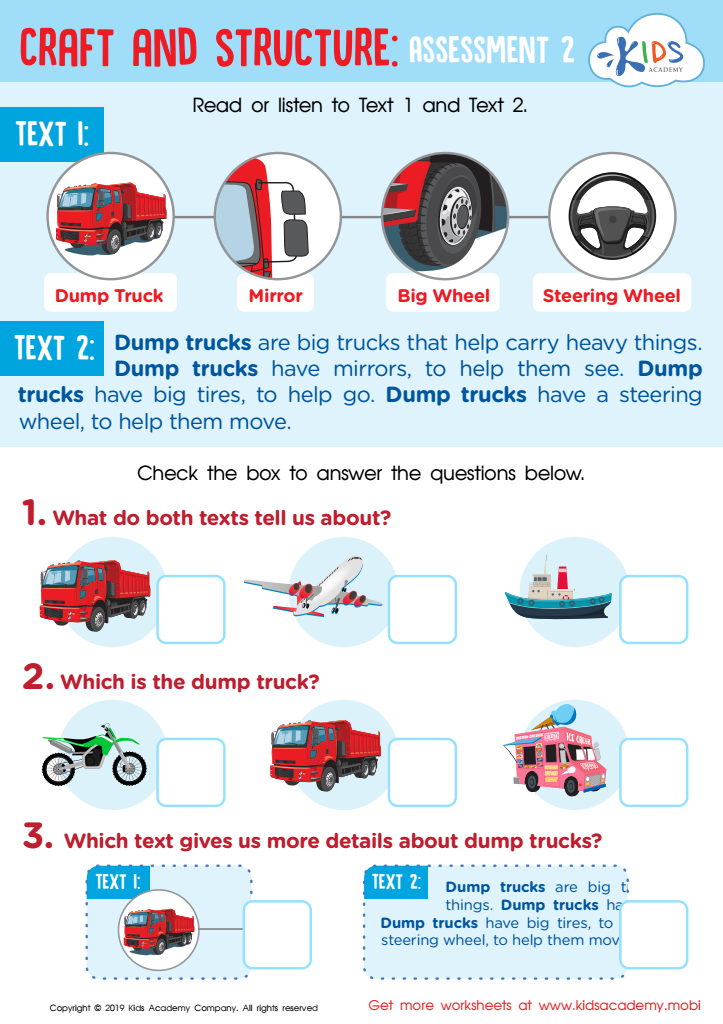
Craft and Structure: Assessment 2 Worksheet
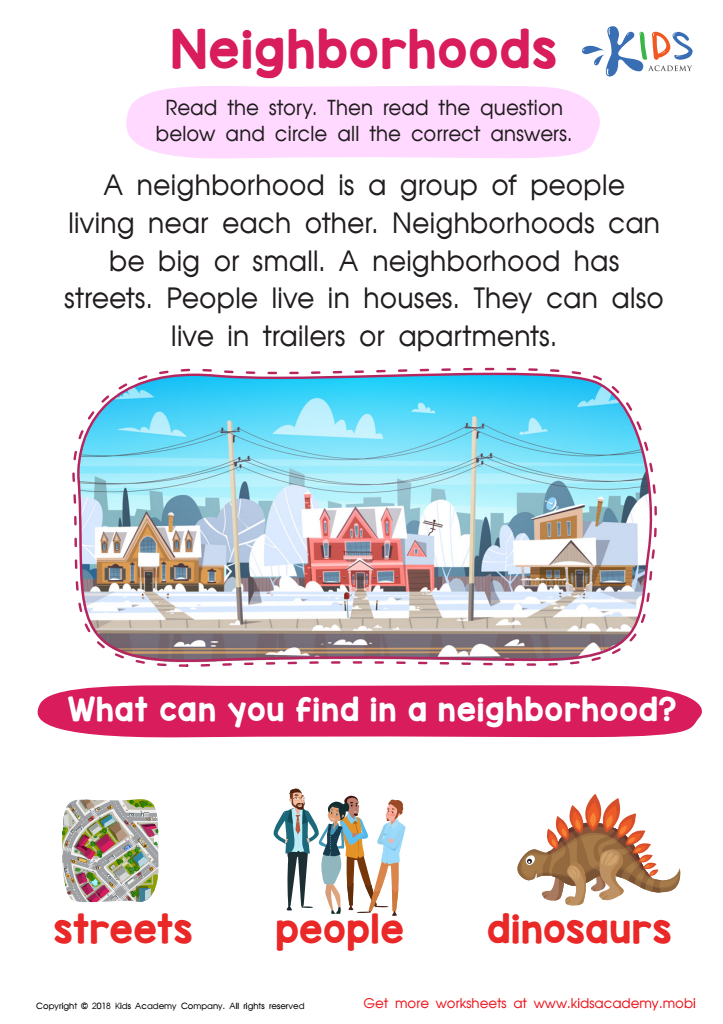
Neighborhoods Worksheet
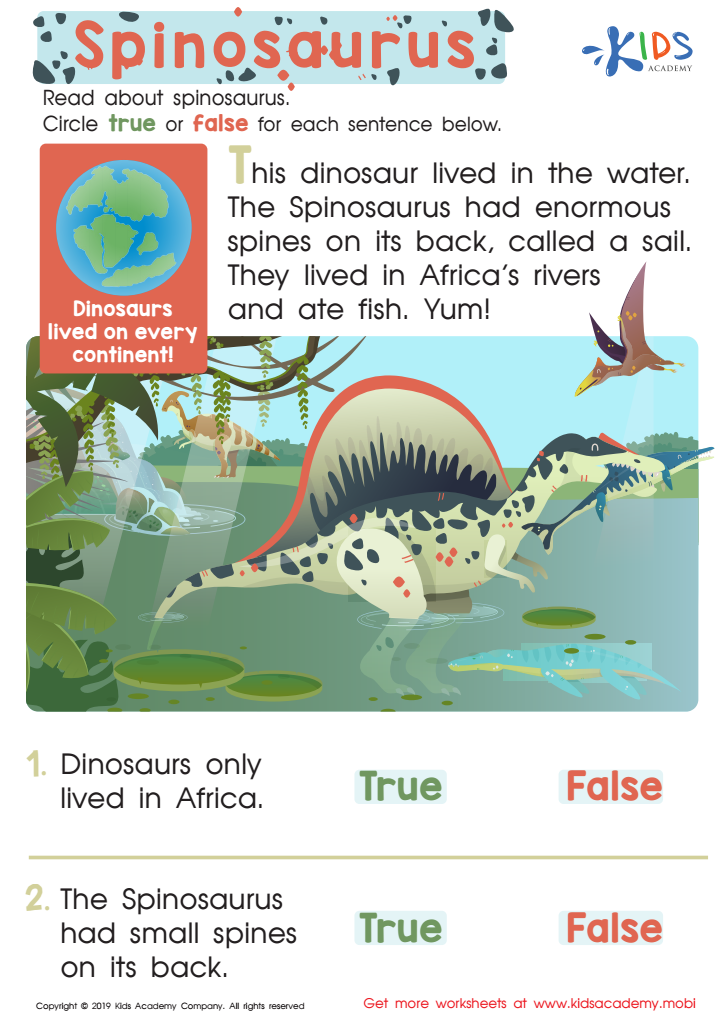
Spinosaurus Assessment Worksheet
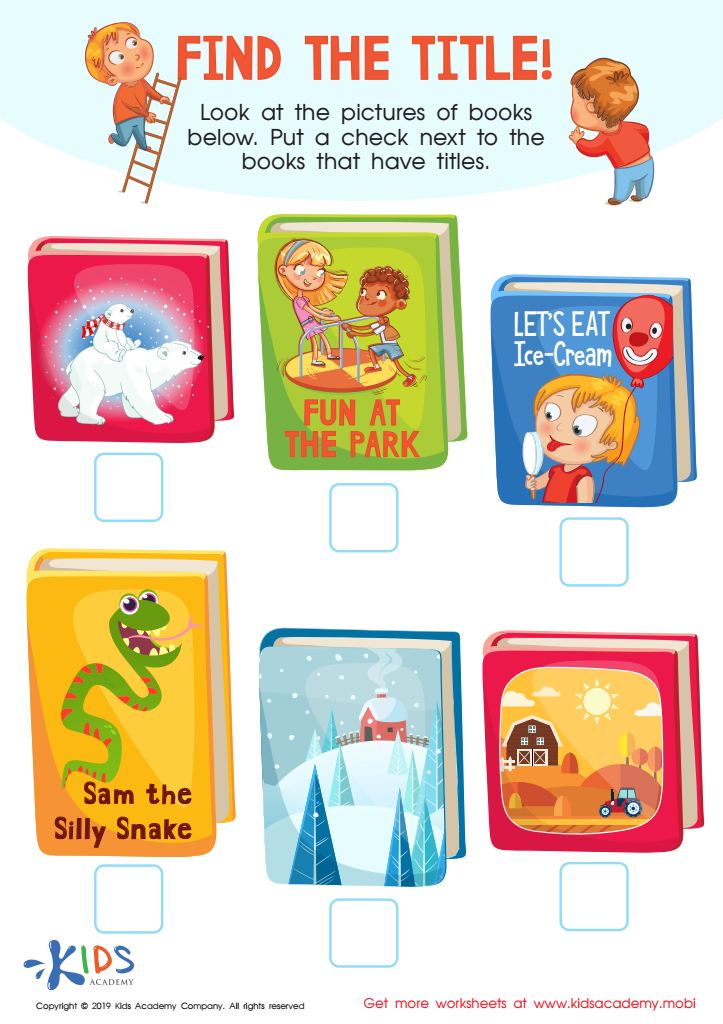
Find the Title Worksheet
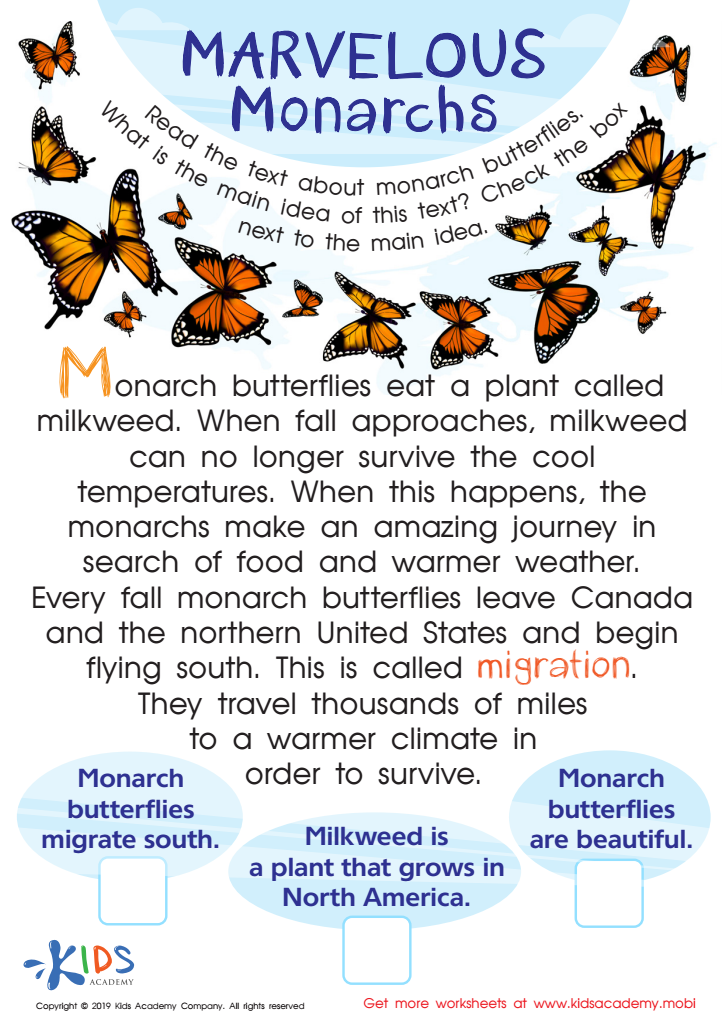
Marvelous Monarchs Worksheet
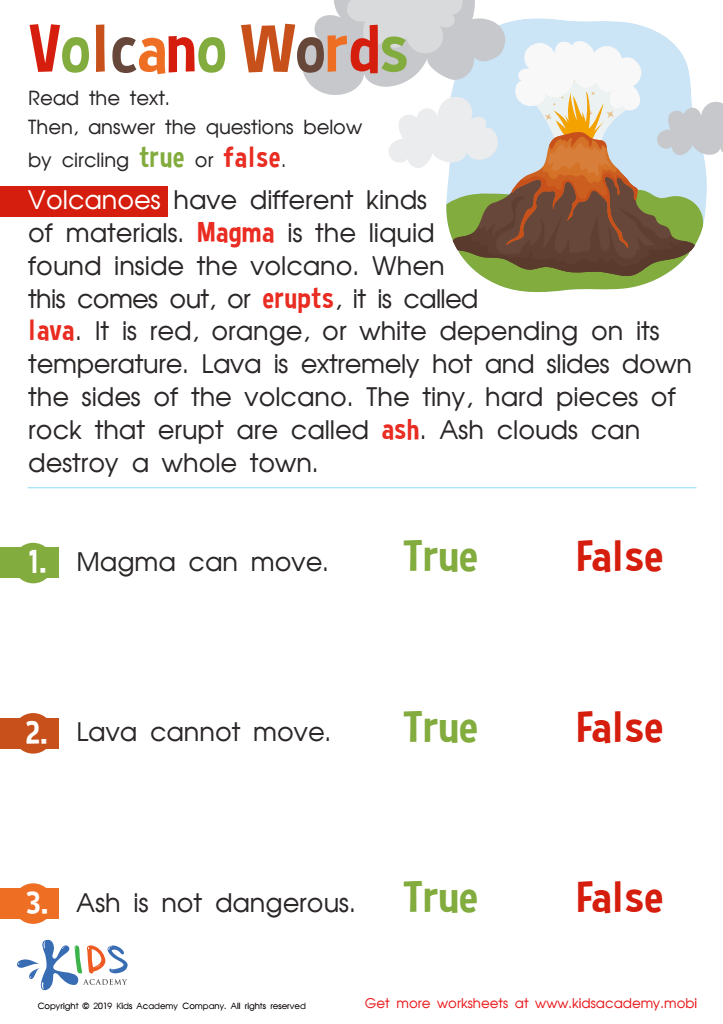
Volcano Words Worksheet
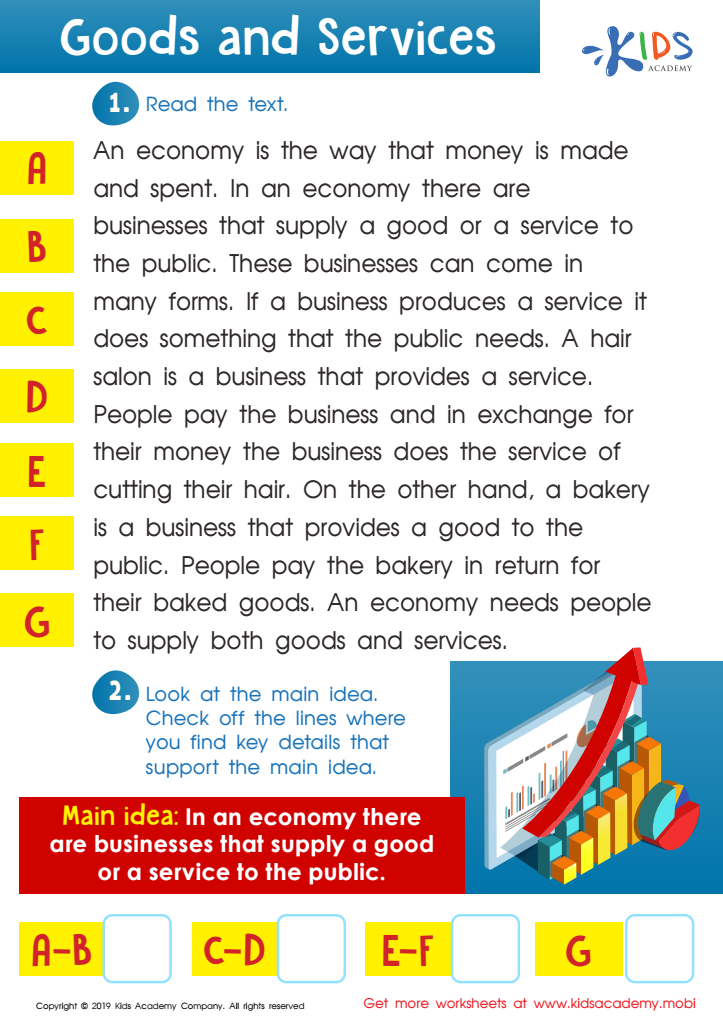
Goods and Services Worksheet
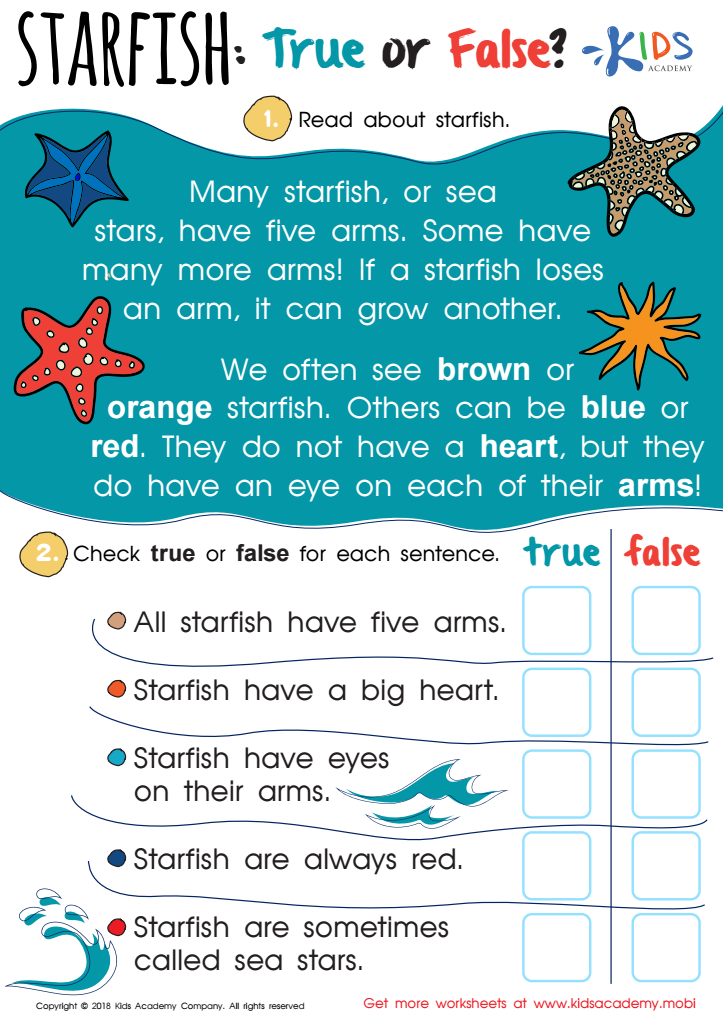
Starfish: True or False Worksheet
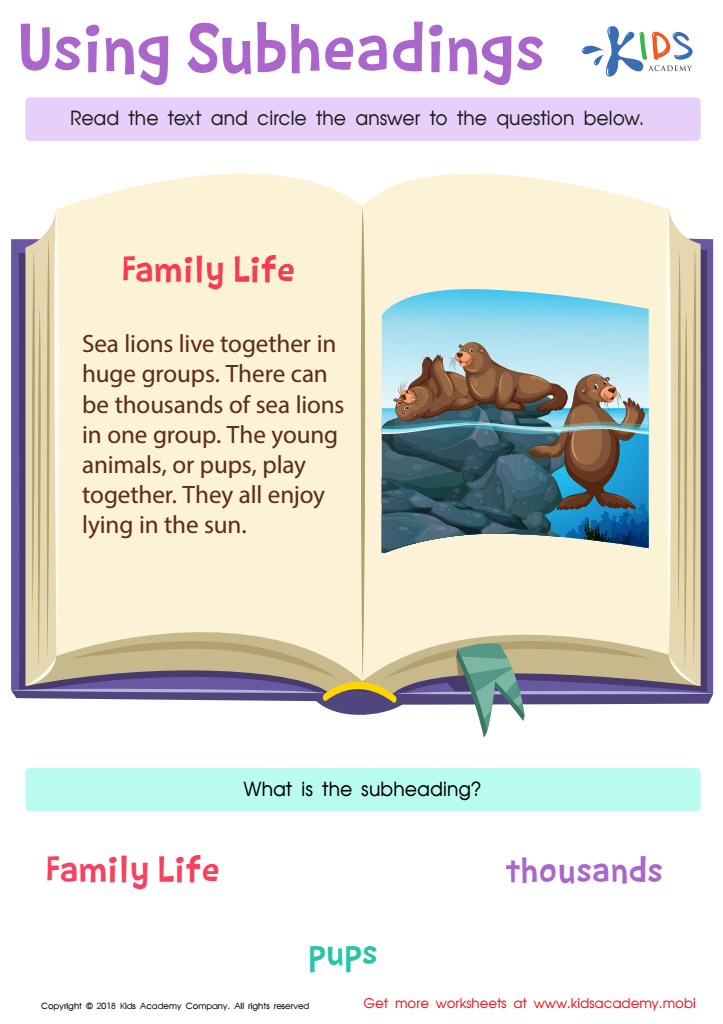
Using Subheadings Worksheet
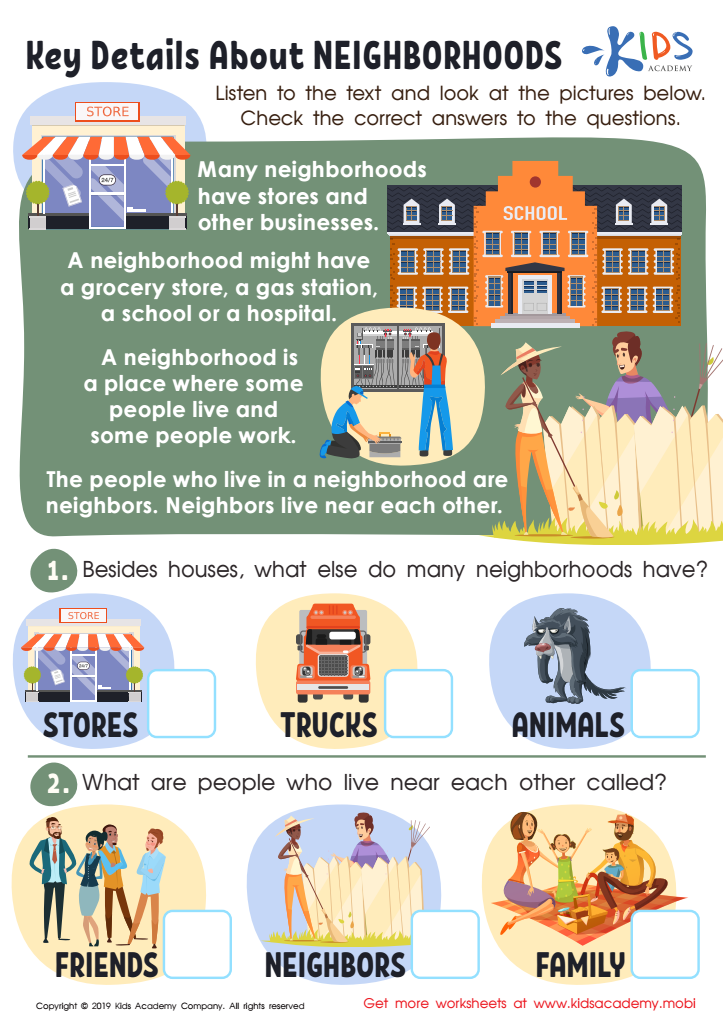
Key Details Neighborhoods Worksheet
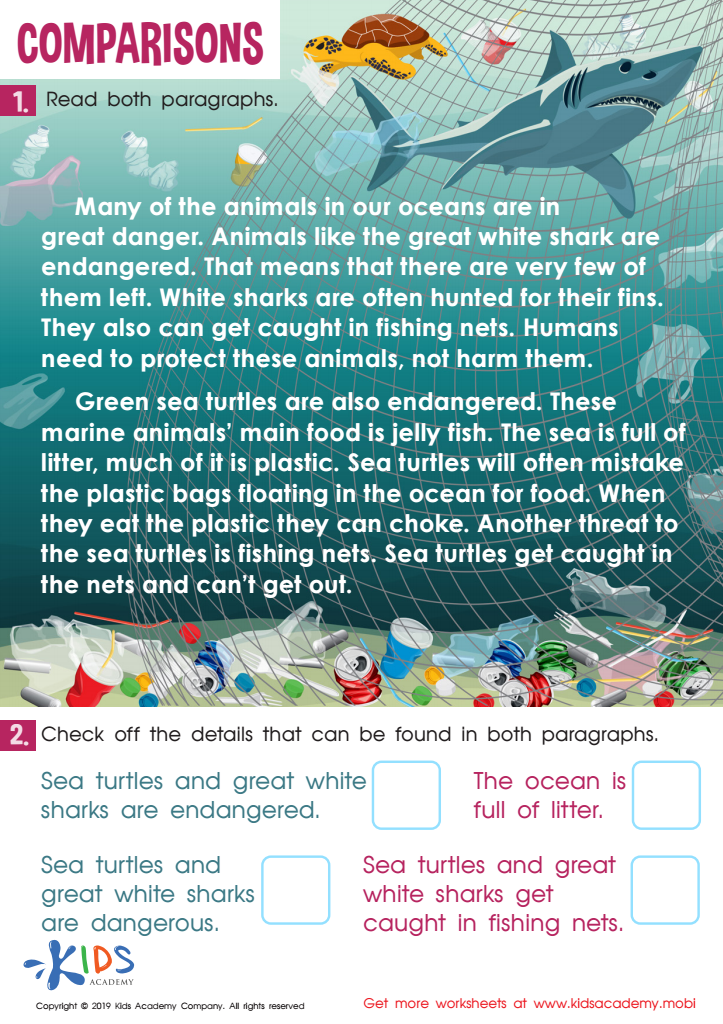
Comparisons Worksheet
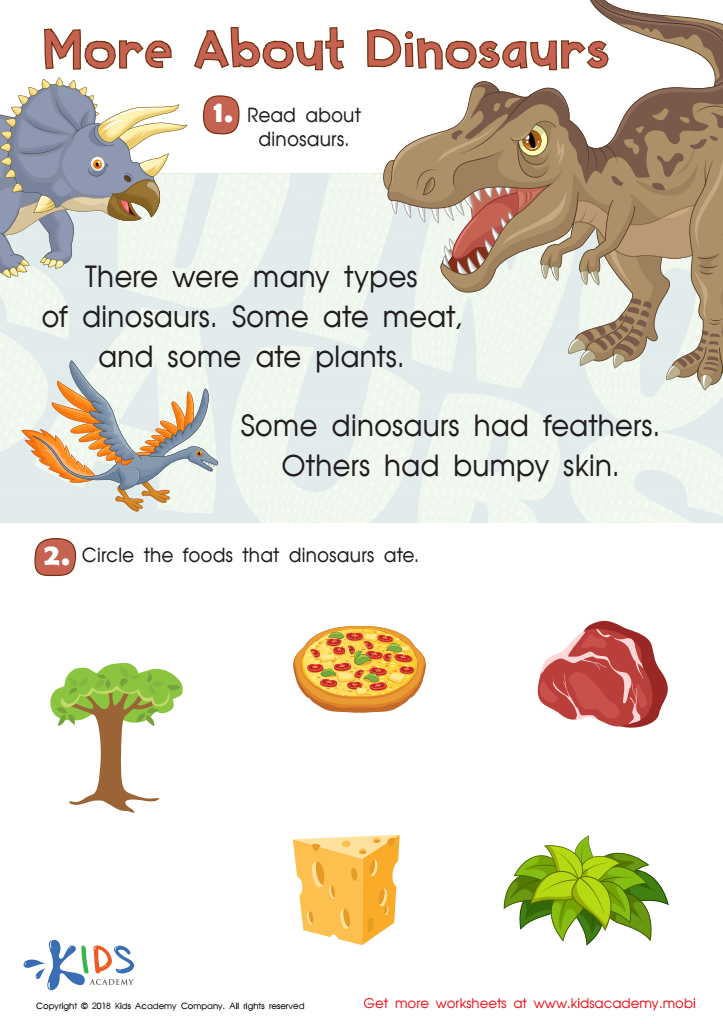
More About Dinosaurs Worksheet
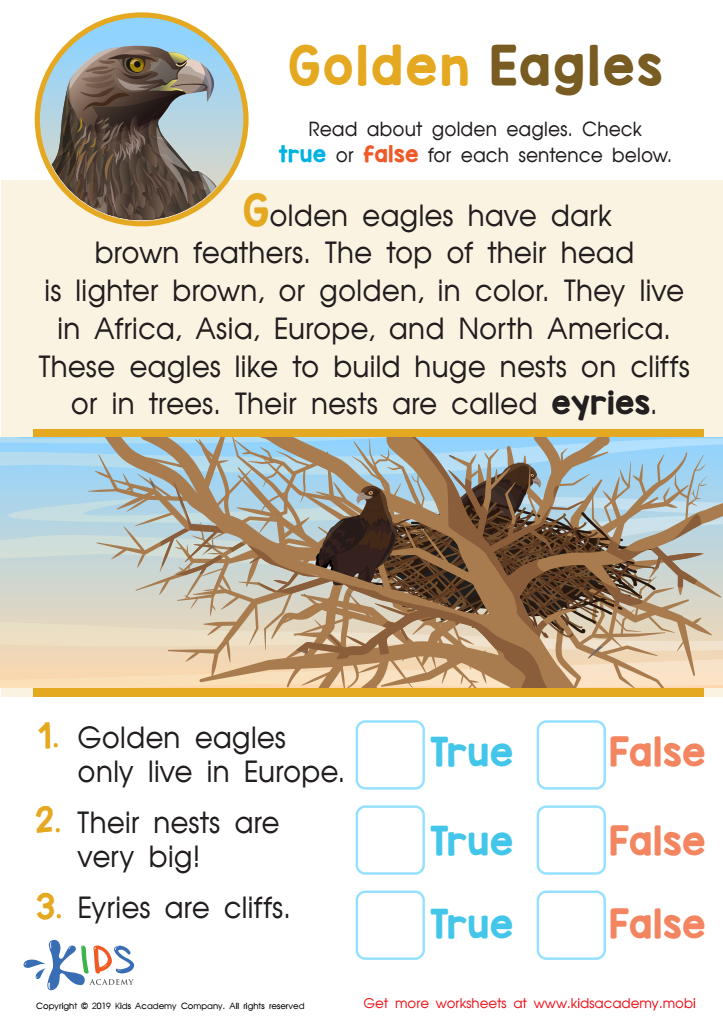
Golden Eagles Worksheet
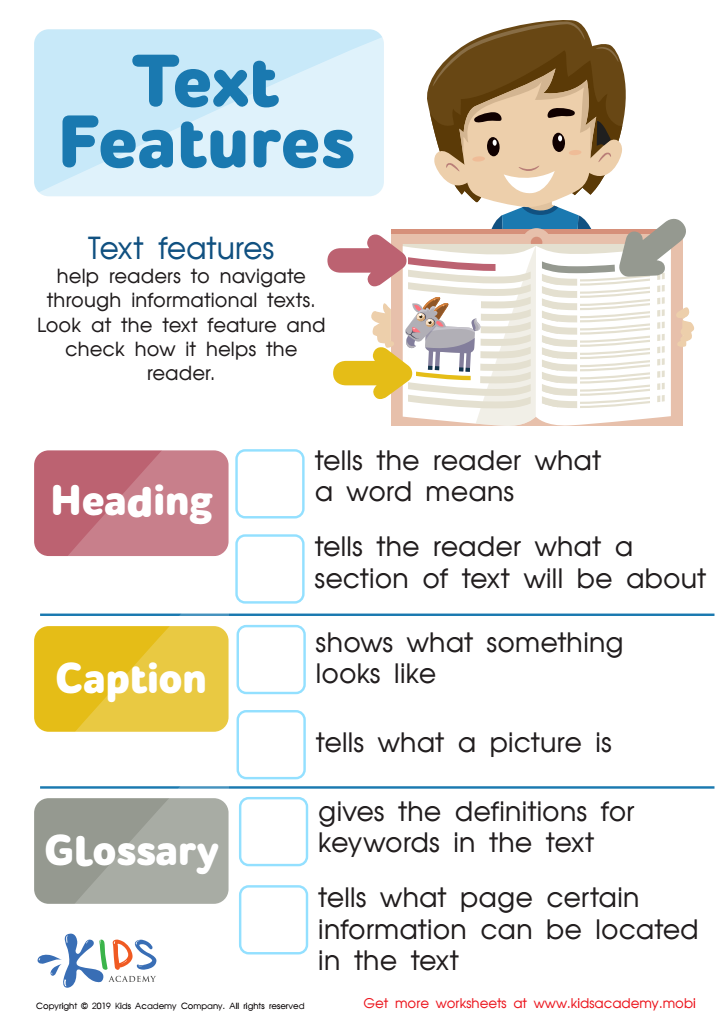
Text Features Worksheet
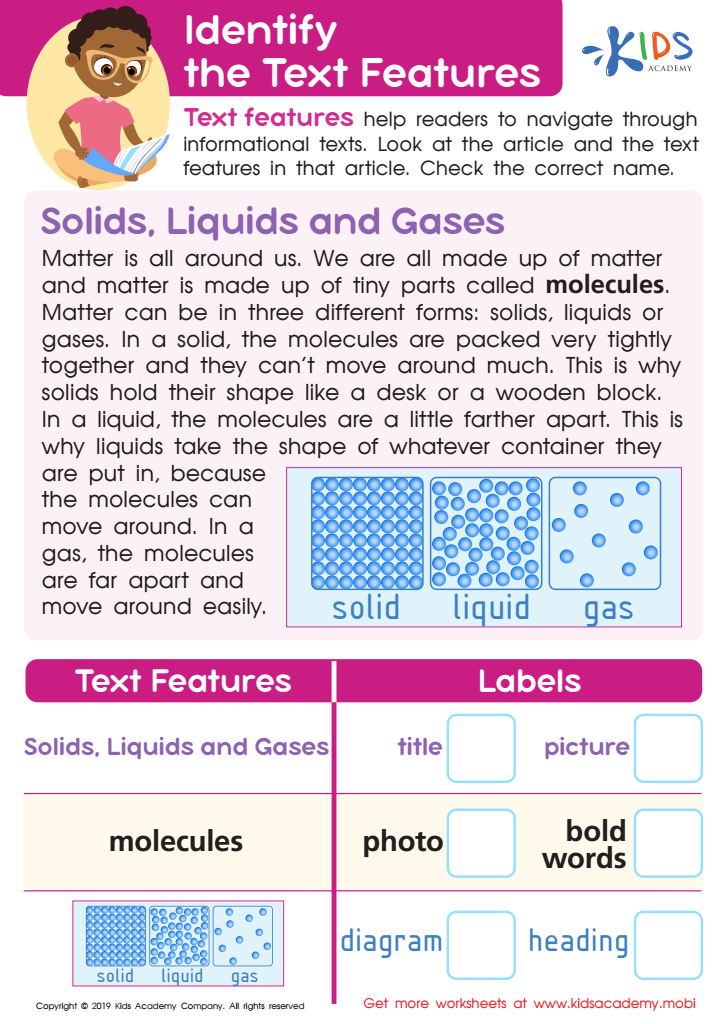
Identify the Text Features Worksheet
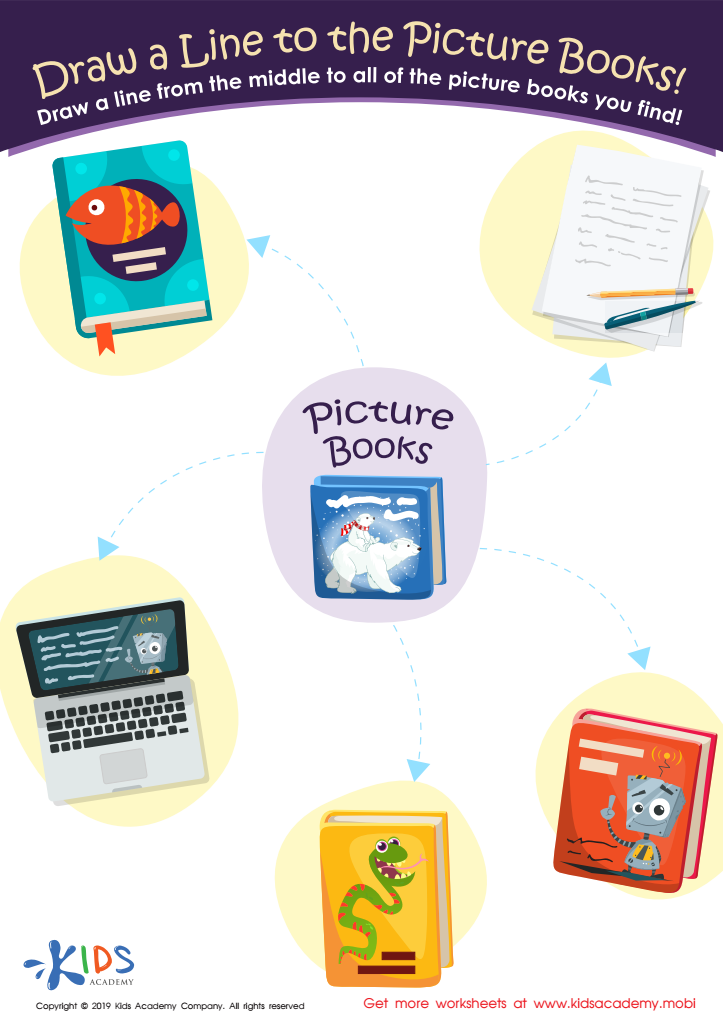
Draw a Line to the Picture Books Worksheet
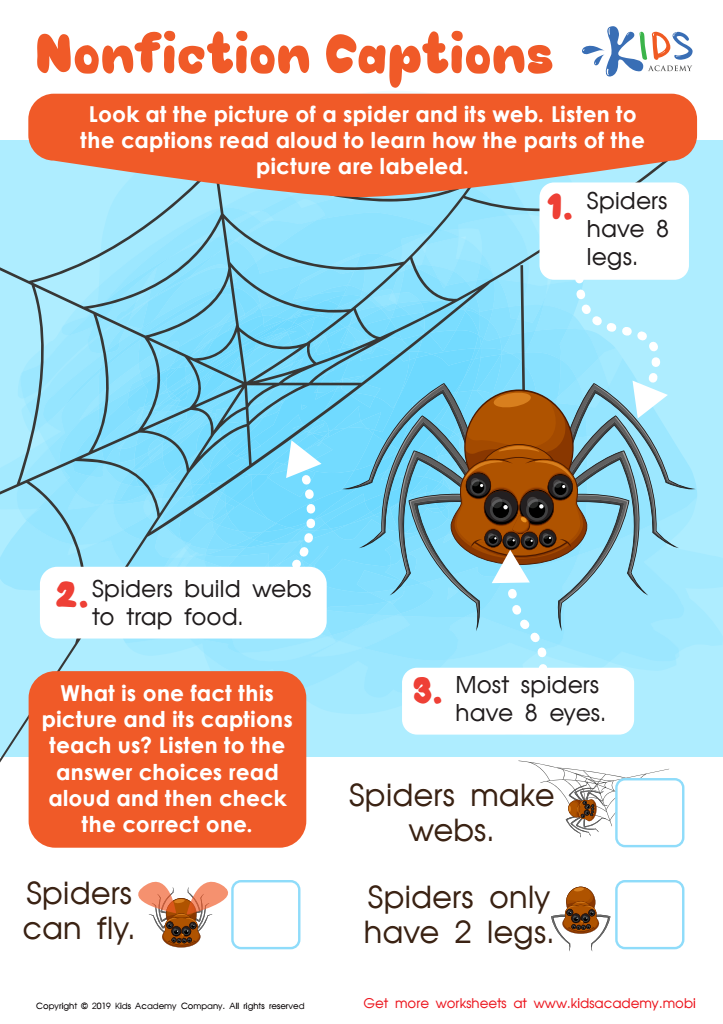
Nonfiction Captions Worksheet
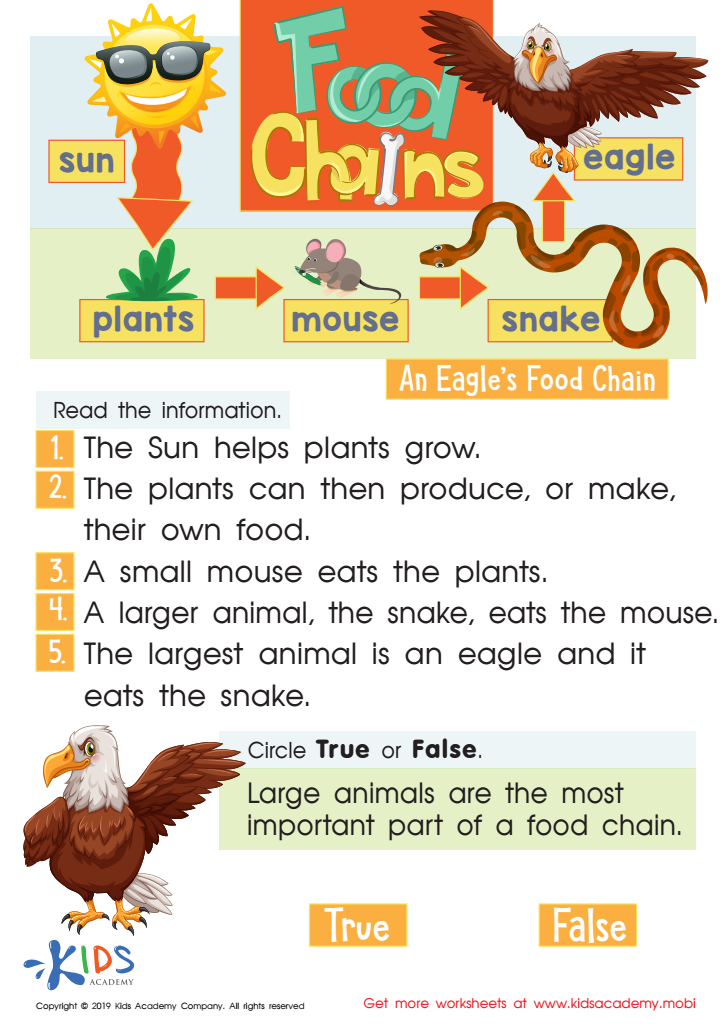
Food Chains Worksheet
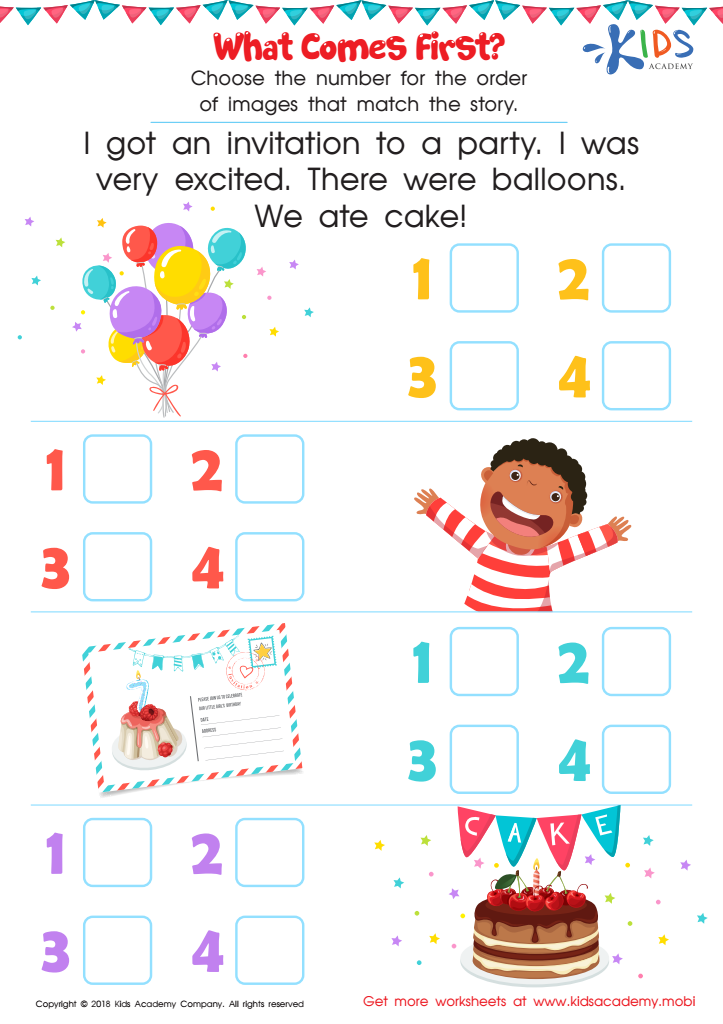
What Comes First Worksheet








Parents and teachers should recognize the importance of incorporating non-fiction into the reading habits of children ages 5-8 for several pivotal reasons. Firstly, non-fiction texts provide young readers with factual information about the world around them, which supports their growing curiosity and builds a foundational knowledge base. Engaging with real-world topics such as animals, weather, and different cultures broadens their understanding and stimulates critical thinking skills.
Secondly, non-fiction reading enhances vocabulary development. Through exposure to specific terminologies and varied sentence structures, children expand their lexicon in both familiar and novel subject matters. This growing vocabulary aids in academic communication and comprehension across disciplines.
Furthermore, non-fiction encourages the growth of analytical skills. Children learn to identify facts, gather information, and understand different viewpoints, cultivating an inquisitive mindset essential for lifelong learning. The structure of non-fiction texts, such as headings, captions, and indexes, also teaches them how to navigate and utilize text features effectively.
Finally, fostering an interest in non-fiction reading helps balance students’ literacy experiences. While fictional stories ignite imagination and empathy, non-fiction grounds their understanding in reality. This duality supports a well-rounded educational framework that equips children with both creative and critical skills necessary for overall development. Prioritizing non-fiction is thus an investment in comprehensive, practical, and versatile learning.








