Letter O Worksheets for Ages 5-9
4 filtered results
-
From - To
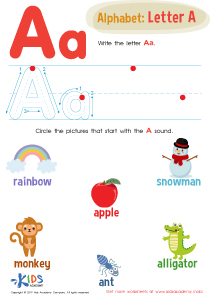
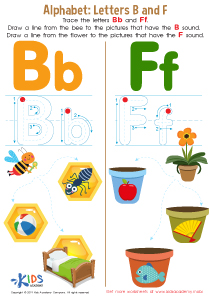
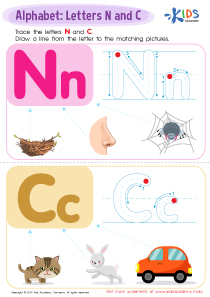
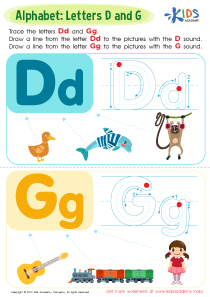
Discover our engaging Letter O Worksheets designed specifically for children ages 5 to 9! These worksheets offer a variety of fun activities that help young learners identify, write, and understand the letter O through interactive exercises such as tracing, coloring, and sorting pictures. Ideal for classroom or home use, our resources enhance phonetic awareness and fine motor skills while making learning enjoyable. Each worksheet aligns with early literacy goals, encouraging creativity and self-expression. Download our Letter O Worksheets today and watch your child's reading and writing skills flourish as they explore the wonderful world of the alphabet!
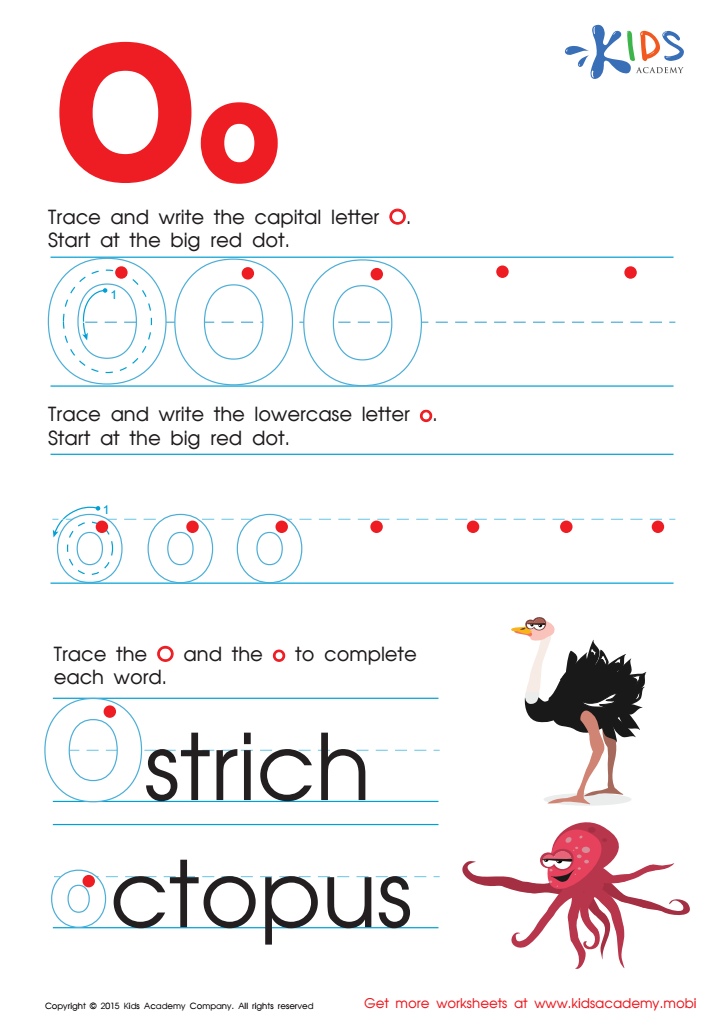
Letter O Tracing Page
 Assign to My Students
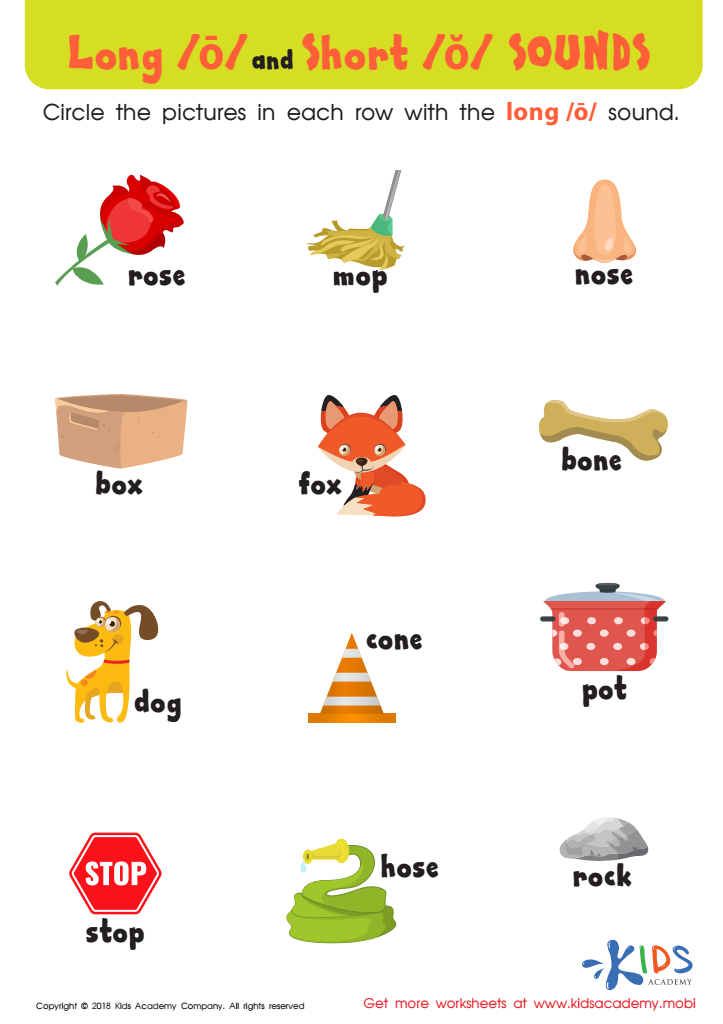
Reading: Long O and Short O Sounds Worksheet
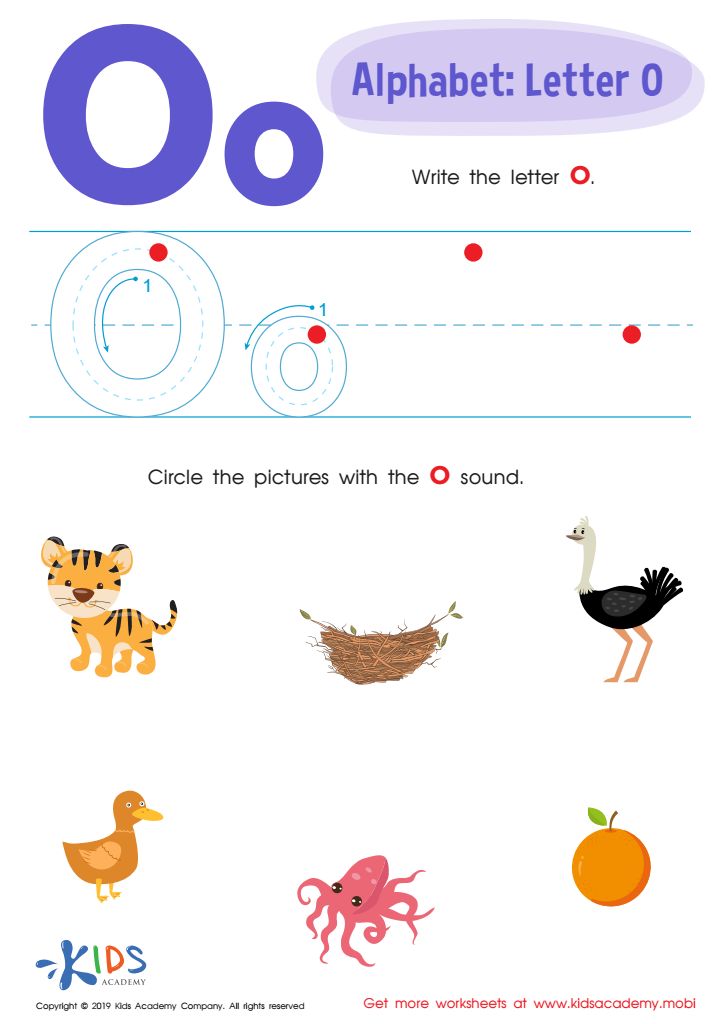
Letter O Tracing Worksheet
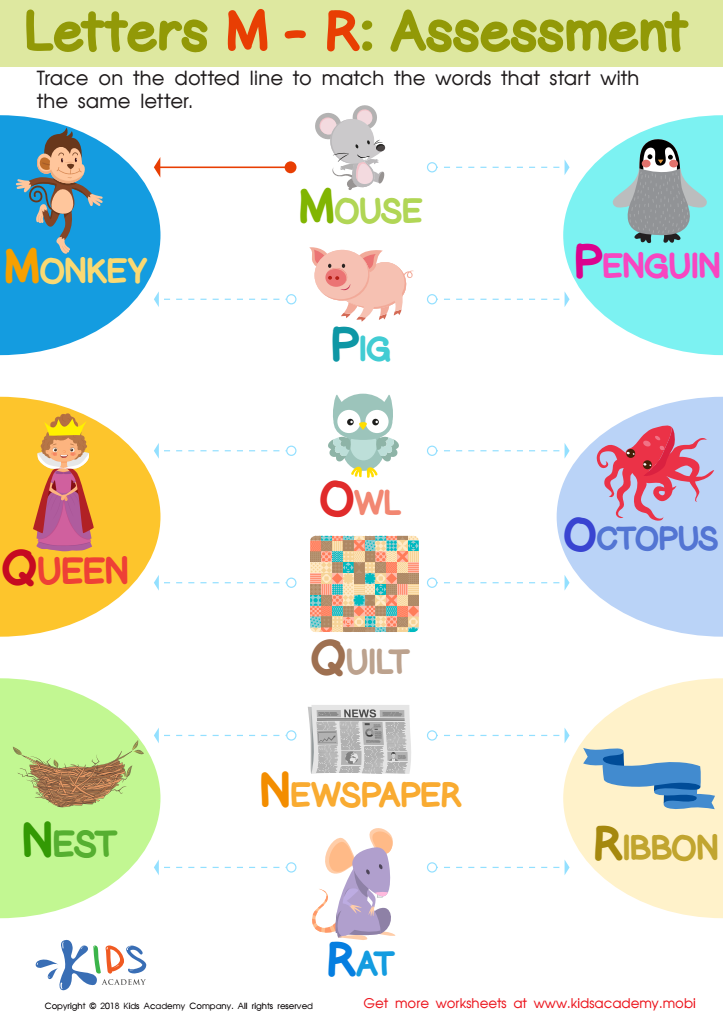
Letters M-R Tracing Worksheet






The letter "O" occupies a vital position in early literacy development for children aged 5-9. As a vowel, it plays a foundational role in phonics, supporting the understanding of sounds that form words. Recognizing and pronouncing "O" correctly enhances children's reading skills and contributes to their overall language proficiency. Its distinctive rounded shape provides a visual cue for younger learners, helping to reinforce letter recognition in various contexts.
In addition to phonetic importance, the letter "O" appears in numerous high-frequency words such as "on," "of," "for," and "to," which children encounter often. Highlighting these words promotes fluency and helps boost reading confidence. Moreover, teaching the letter "O" encourages creative expression, as it can be associated with various thematic activities, such as “O” for octopus, owl, or orange, making learning enjoyable.
By focusing on the letter "O," parents and teachers can instill a strong foundation in reading and writing, fostering curiosity and a love of language. Engaging children with fun games and activities centered around this letter can enrich their learning experience, promoting lifelong literacy skills and communication capabilities. Overall, understanding the importance of this letter is crucial in shaping young learners’ academic journeys.