Vowels and Consonants Worksheets for Ages 5-9 - Page 2
29 filtered results
-
From - To
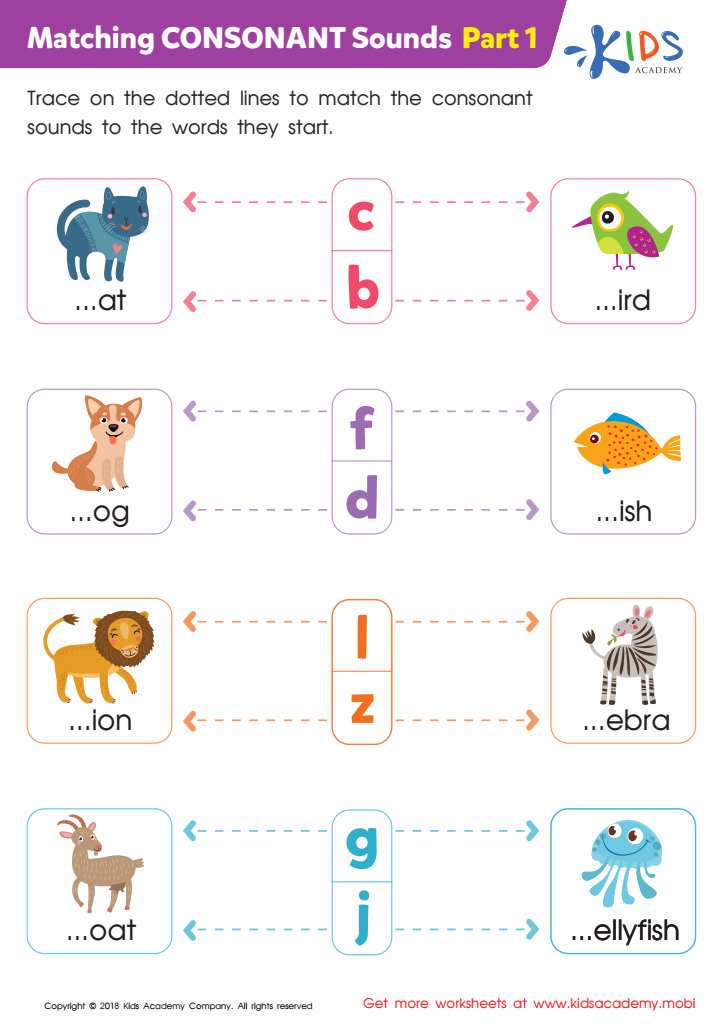
Matching Consonant Sounds: Part 1 Worksheet
 Assign to My Students
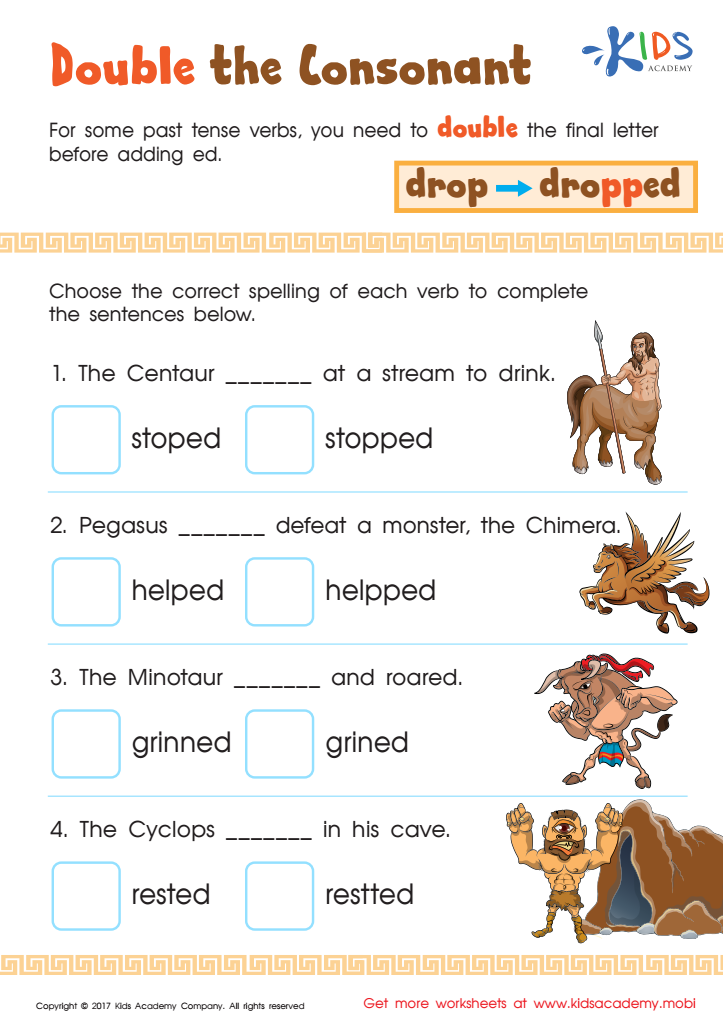
Double Consonant Spelling Worksheet
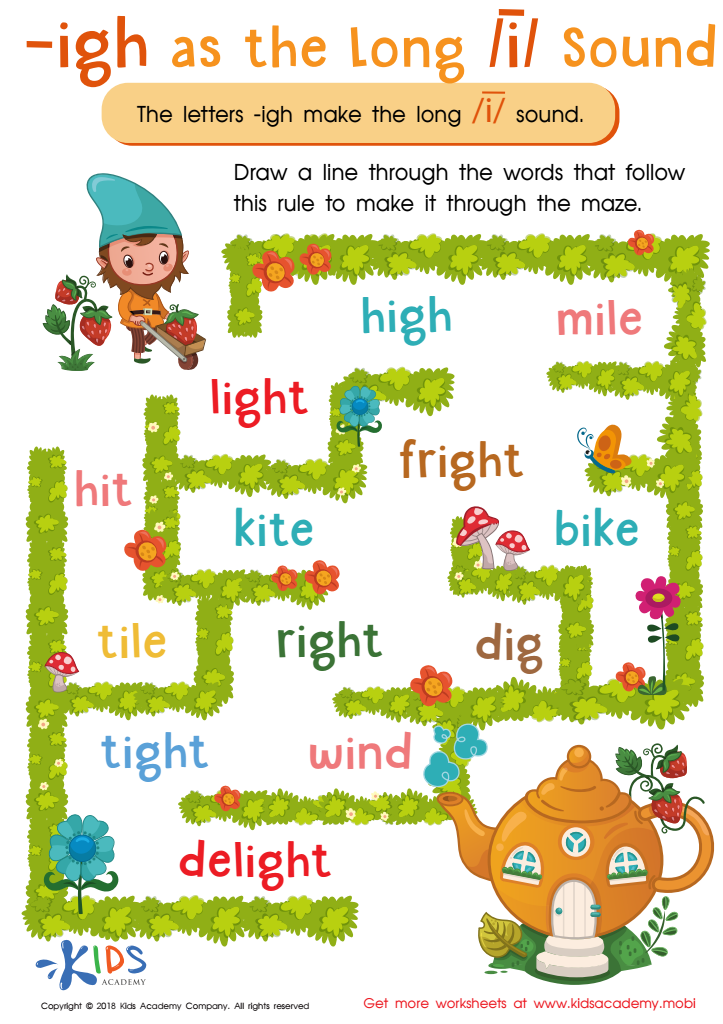
Reading: IGH as Long I Worksheet
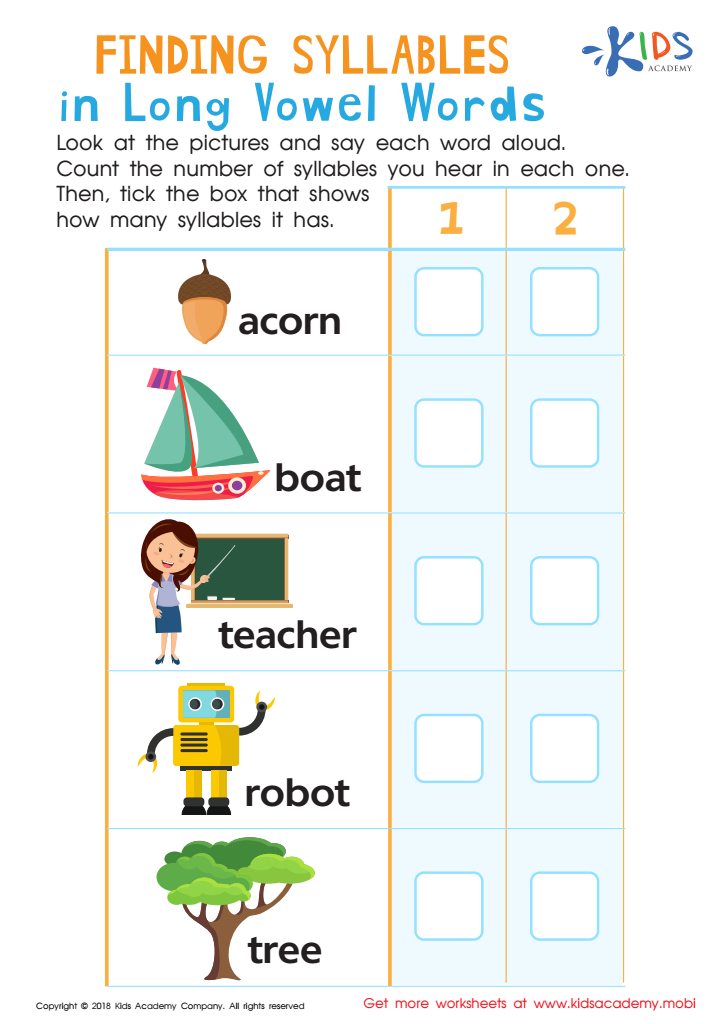
Finding Syllables in Long Vowel Words Worksheet
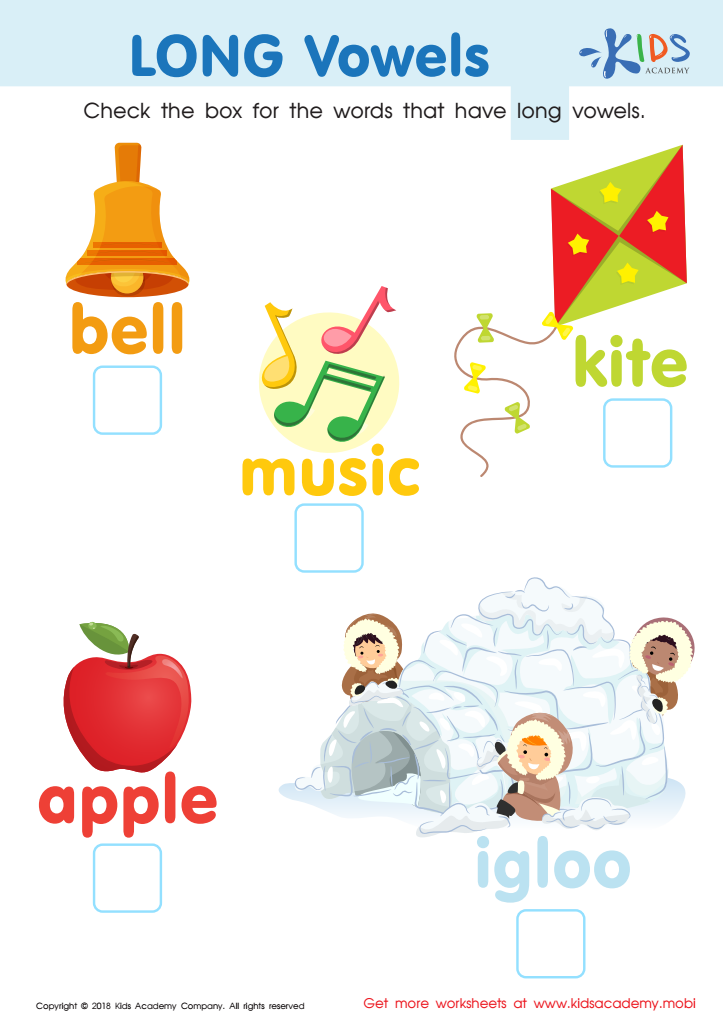
long vowels Worksheet



Vowels and consonants are the building blocks of language and literacy, making them essential educational elements for children ages 5-9. Understanding these fundamental components equips young learners with the skills necessary for reading, writing, and effective communication. Vowels (A, E, I, O, U) and consonants (all other letters) each play a unique role in forming words, allowing children to decode and construct language fluently.
For parents and teachers, nurturing an early grasp of vowels and consonants fosters phonemic awareness, which is critical for reading success. This understanding helps children to sound out words, recognize word patterns, and improve their spelling. Furthermore, a solid foundation in vowel and consonant recognition sets the stage for more complex literacy skills, including comprehension and vocabulary development.
Engaging children in fun activities—such as rhymes, songs, and games that focus on these letters—can stimulate their interest in language, making learning enjoyable. Ultimately, fostering an early appreciation for vowels and consonants can instill a lifelong love for reading and learning, thus enhancing children's academic and personal growth. By prioritizing this fundamental knowledge, parents and teachers play a pivotal role in shaping confident, capable learners.







