Geography Worksheets for Ages 5-9 - Page 3
60 filtered results
-
From - To
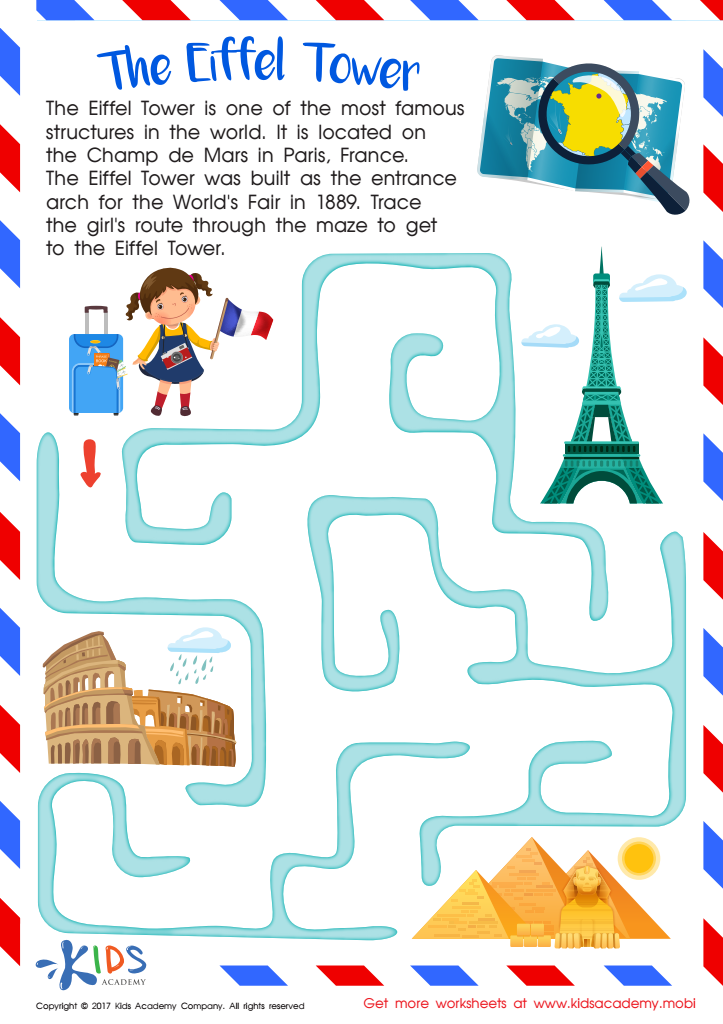
The Eiffel Tower Printable
 Assign to My Students
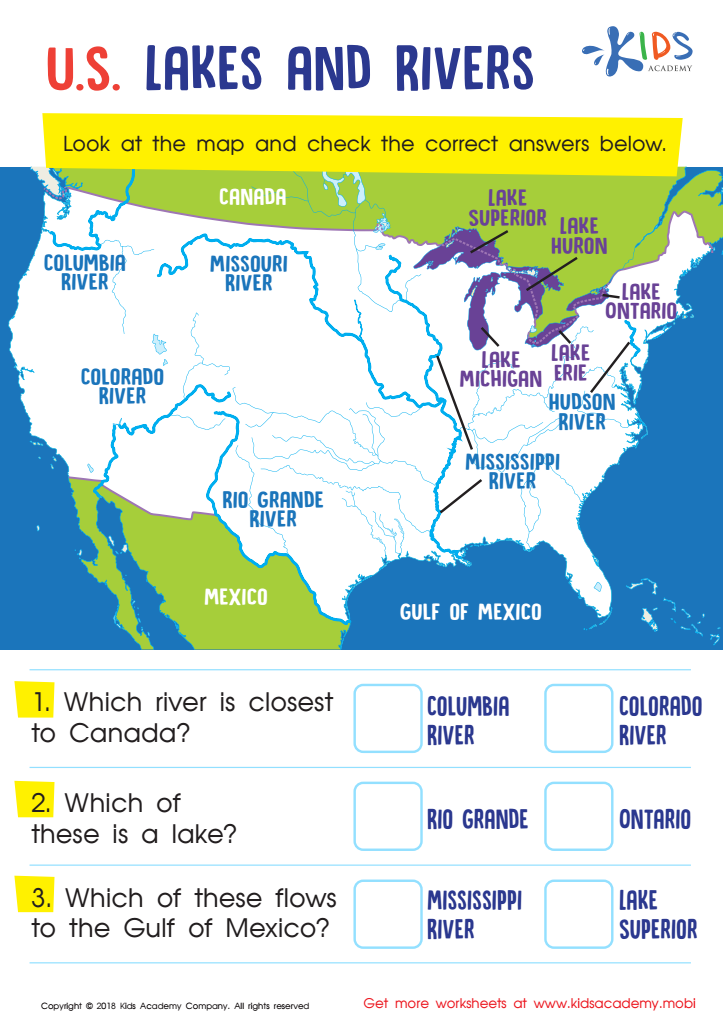
U.S. Lakes and Rivers Worksheet
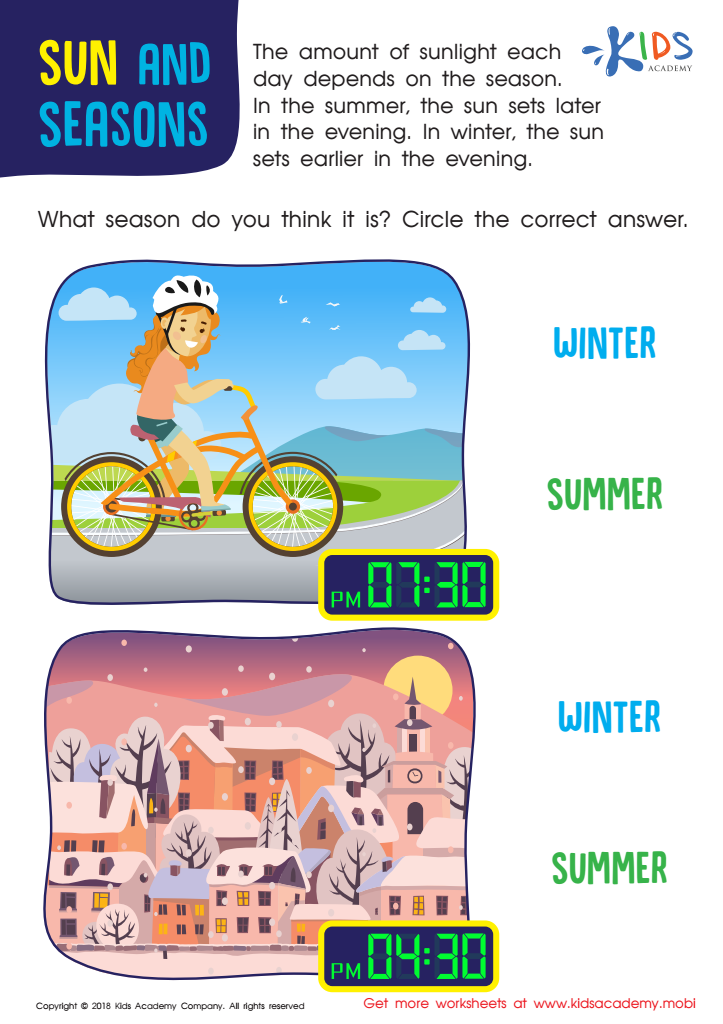
Sun and Seasons Worksheet
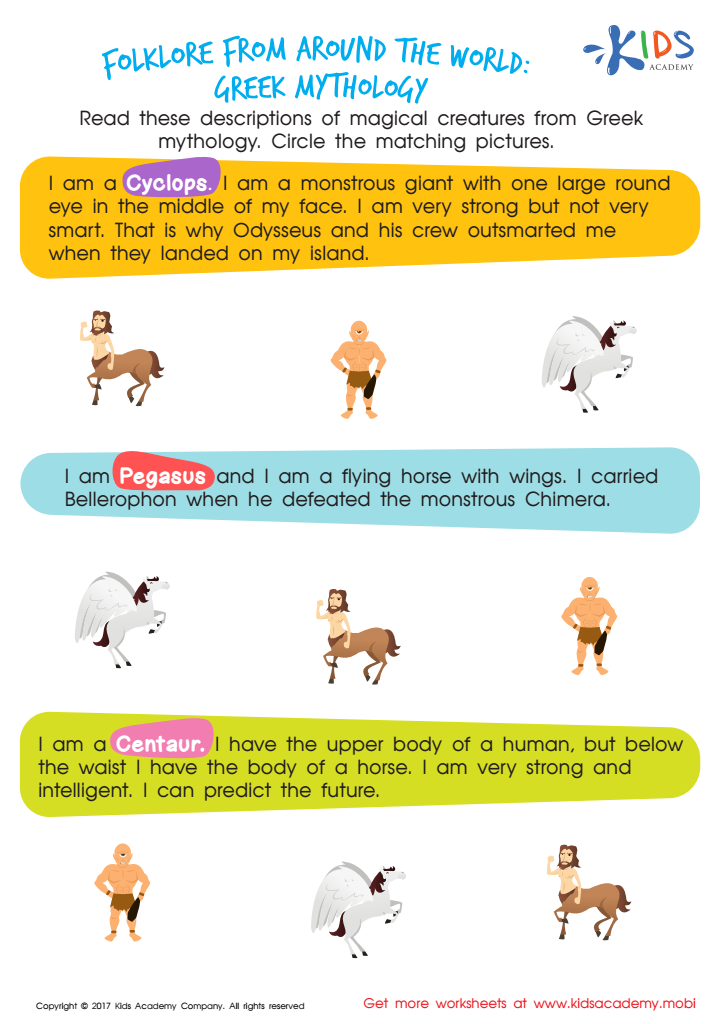
Greek Mythology Worksheet
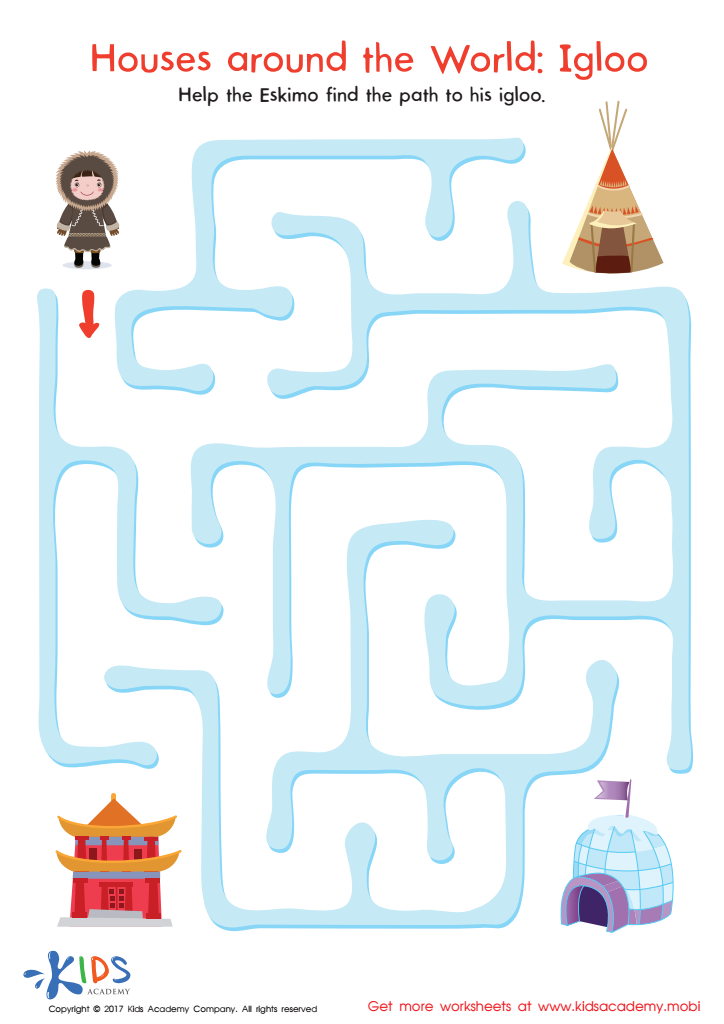
Houses Around the World: Igloo Printable
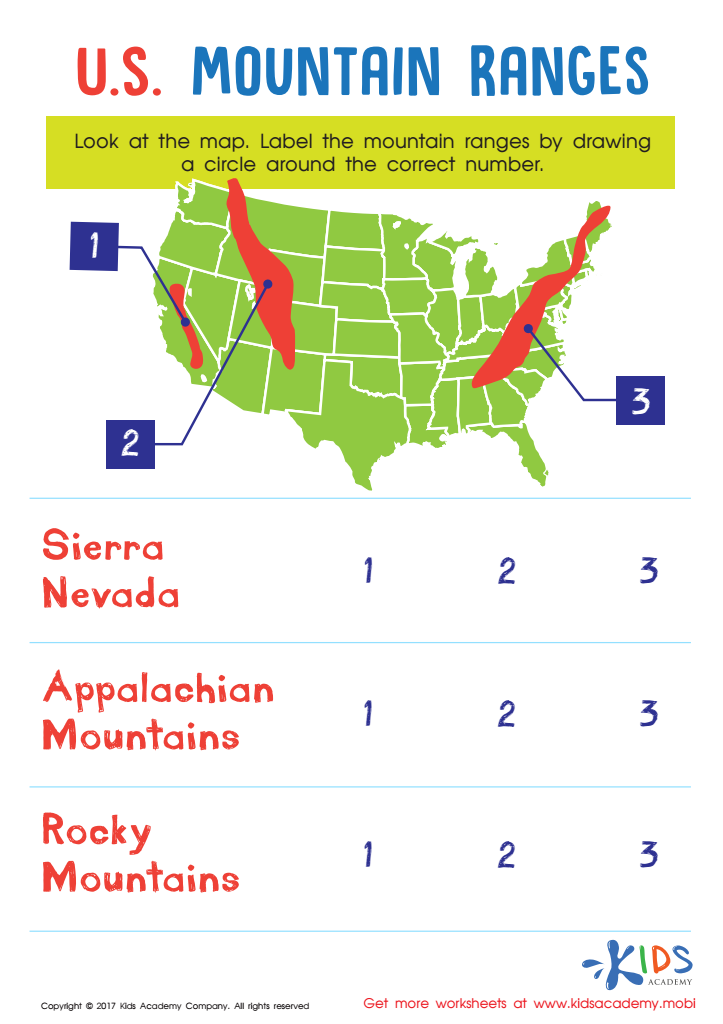
US Mountain Ranges Worksheet
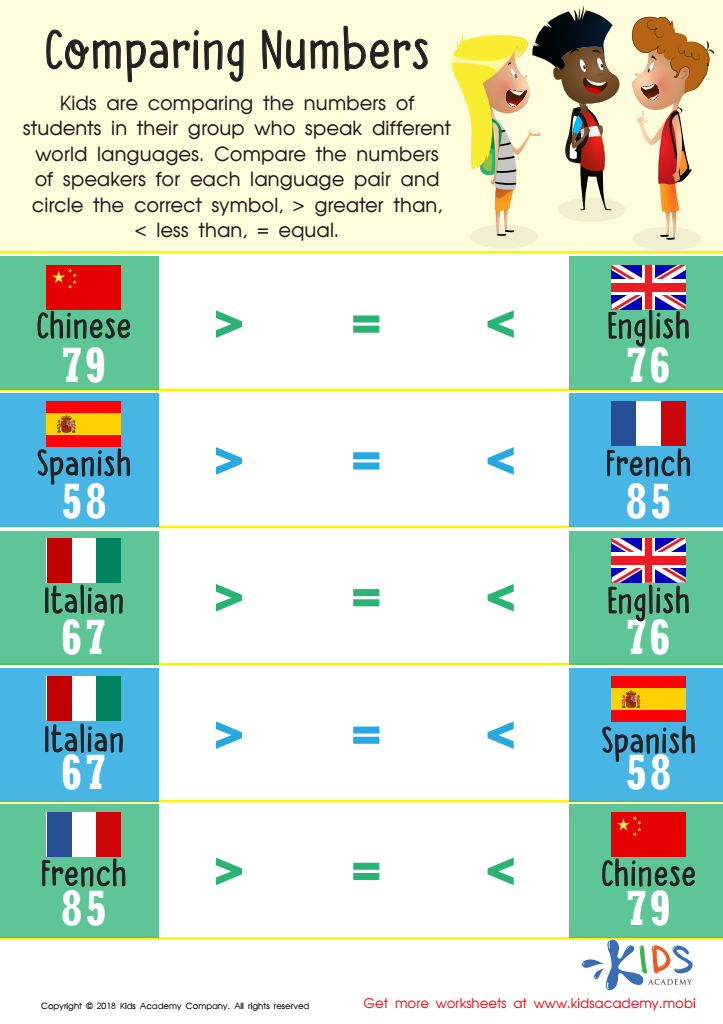
Comparing Numbers Worksheet for 1st Grade
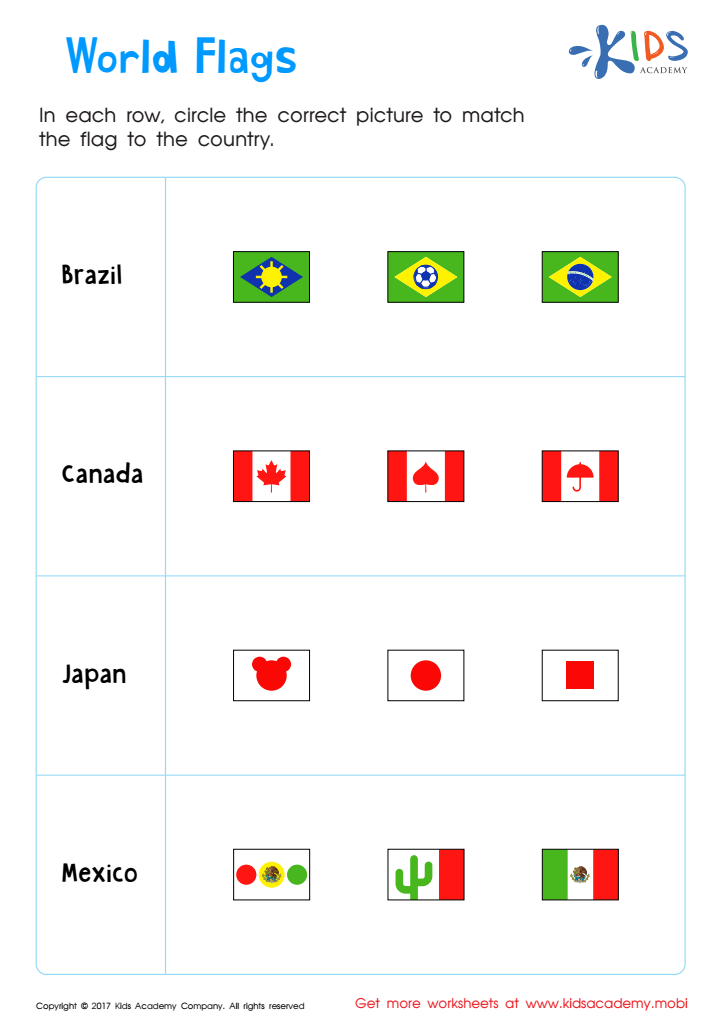
World Flags Printable
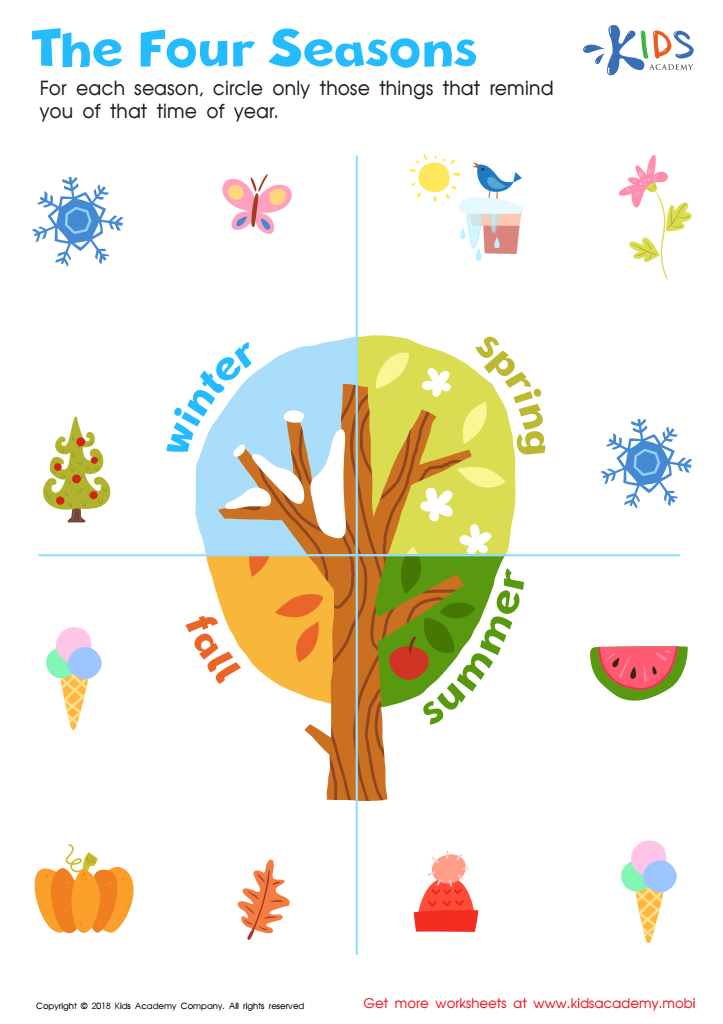
The Four Seasons Worksheet
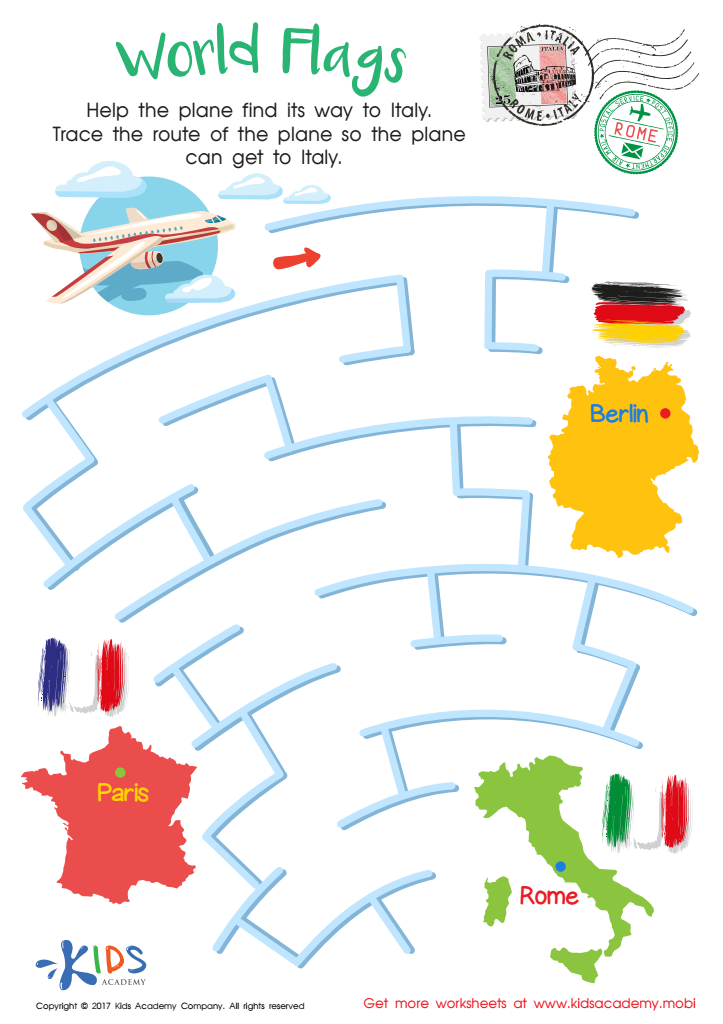
World Flags Maze Worksheet
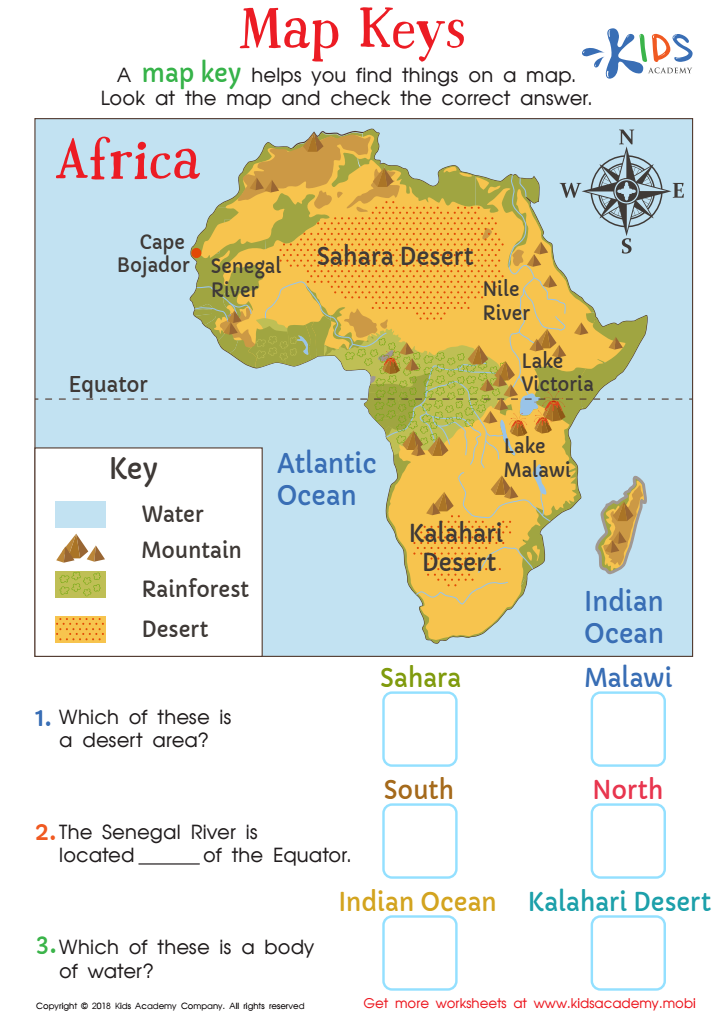
Map Keys Worksheet
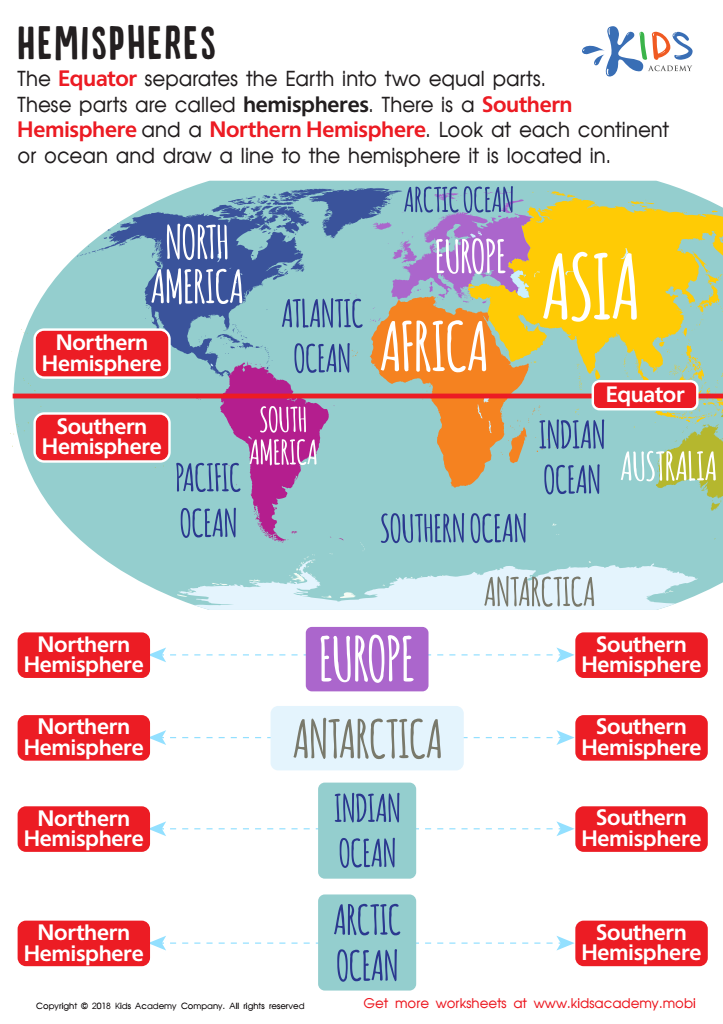
Hemispheres Worksheet






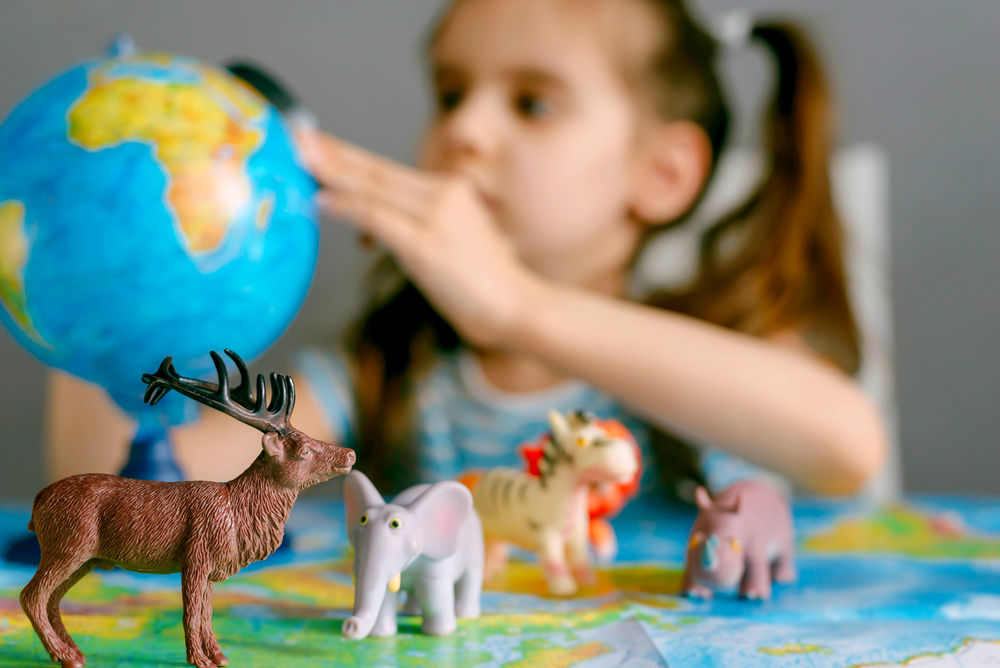
Geography is essential for children aged 5-9, as it helps them understand the world around them and fosters curiosity about diverse cultures, environments, and societies. At this age, children are naturally inquisitive, and engaging with geography can satiate their curiosity while laying a solid foundation for lifelong learning.
Learning about geography nurtures critical thinking and spatial skills. As children explore maps, globes, and different landscapes, they develop the ability to think critically about their surroundings. This understanding helps them make connections between different places and peoples, encouraging empathy and global awareness.
Moreover, geography encourages outdoor exploration and observation, promoting physical activity while simultaneously bonding children with nature. Recognizing the importance of ecosystems and habitats nurtures environmental stewardship from a young age.
Engaging with geography also supports core areas of the curriculum, such as math and literacy, as children interpret data, understand symbols, and learn geography-related vocabulary.
By prioritizing geography education, parents and teachers equip children with essential knowledge and skills, cultivating informed global citizens with the ability to navigate and appreciate the world's complexities as they grow. Ultimately, geographical literacy shapes a broader worldview that is vital in today’s interconnected society.