Matching Worksheets for Ages 6-8 - Page 3
62 filtered results
-
From - To
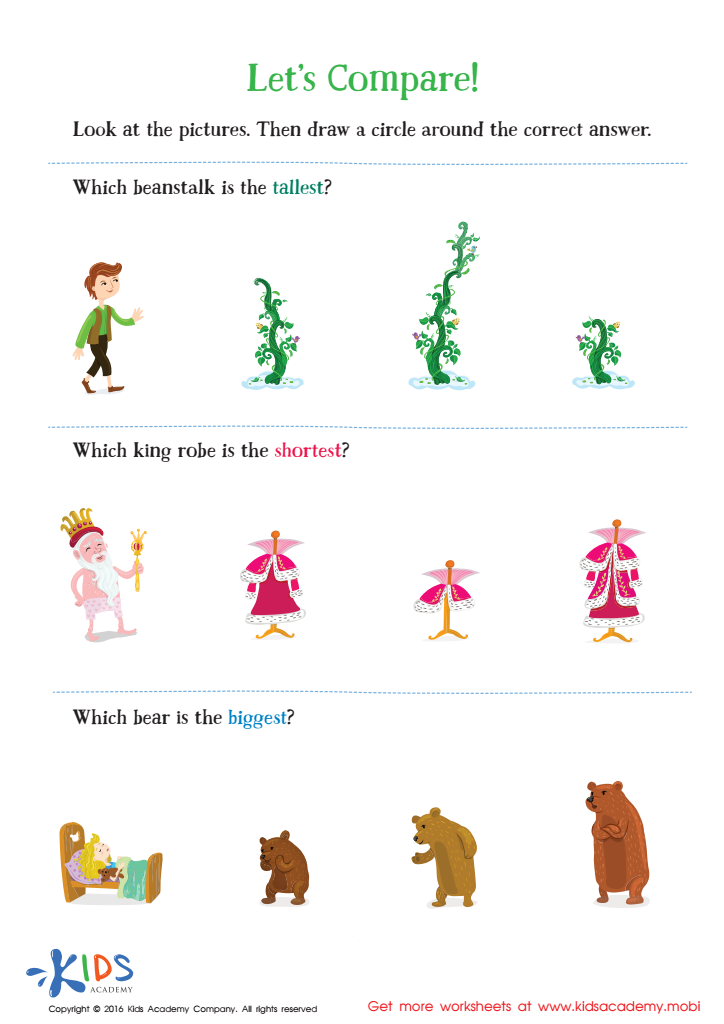
Fairy Tale Worksheet: Let's Compare
 Assign to My Students
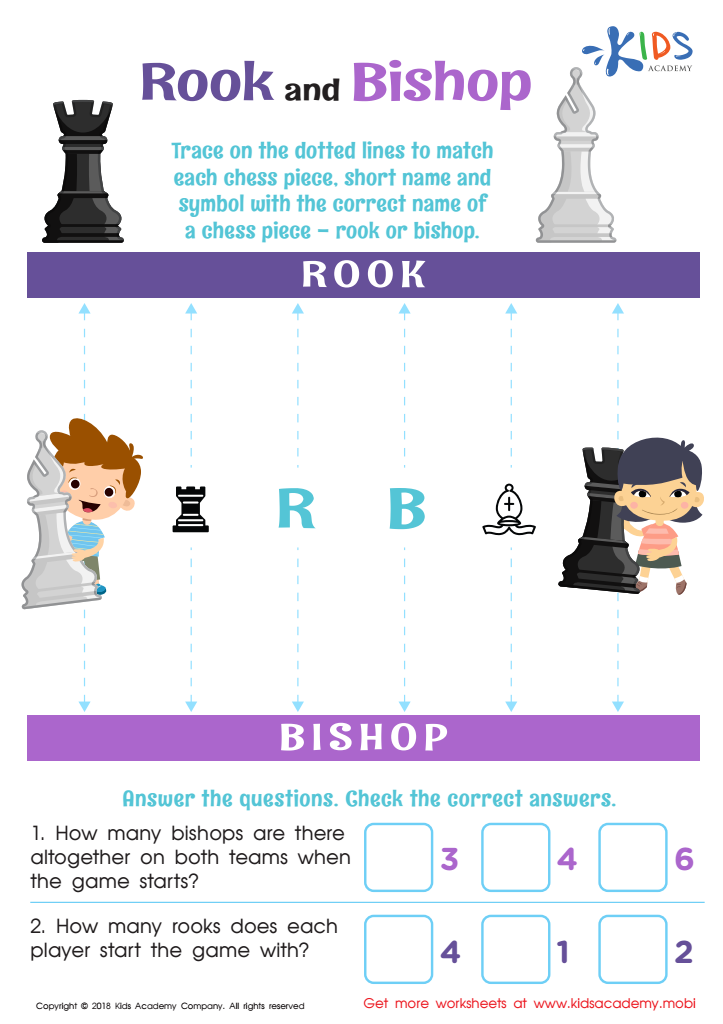
Rook and Bishop Worksheet
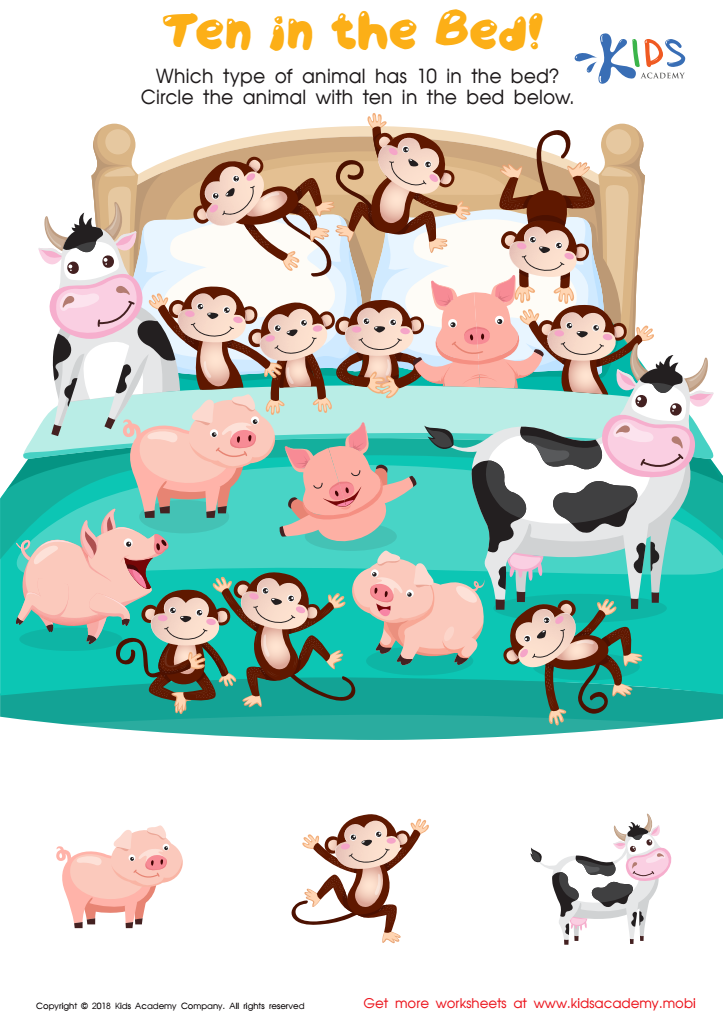
Ten in the Bed Worksheet
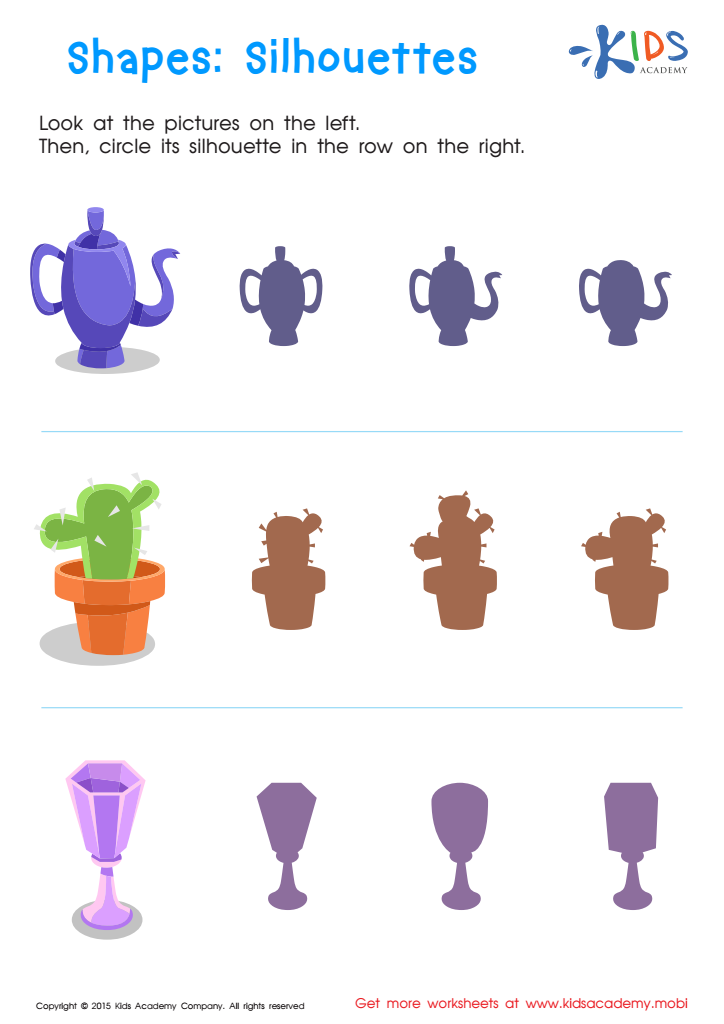
Silhouettes – Shapes Worksheet
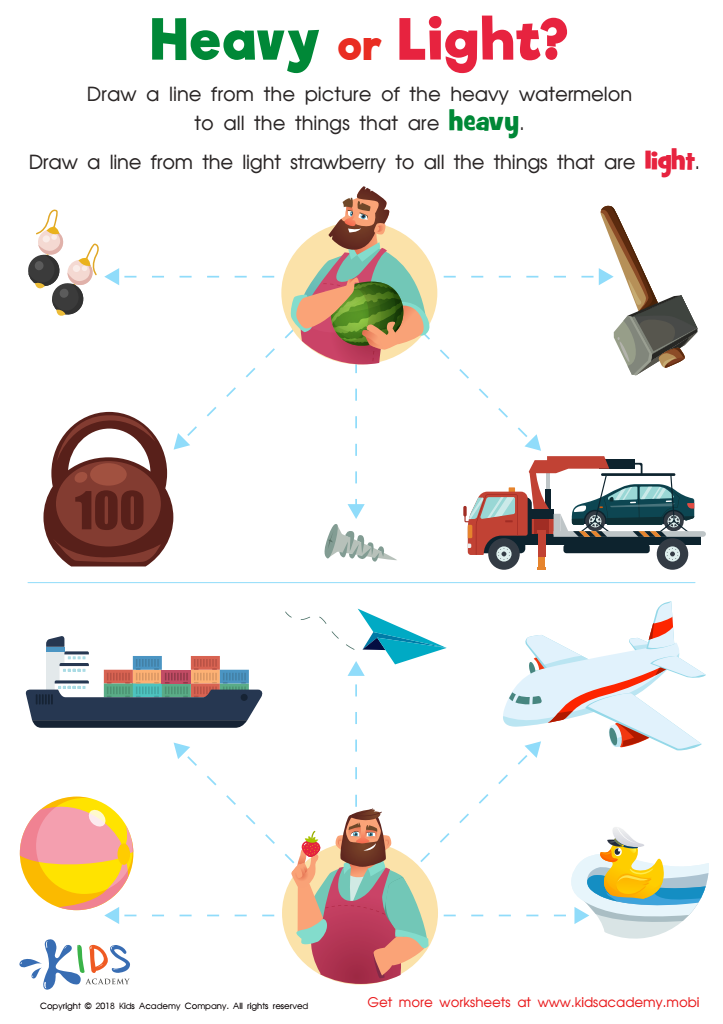
Heavy or Light? Worksheet
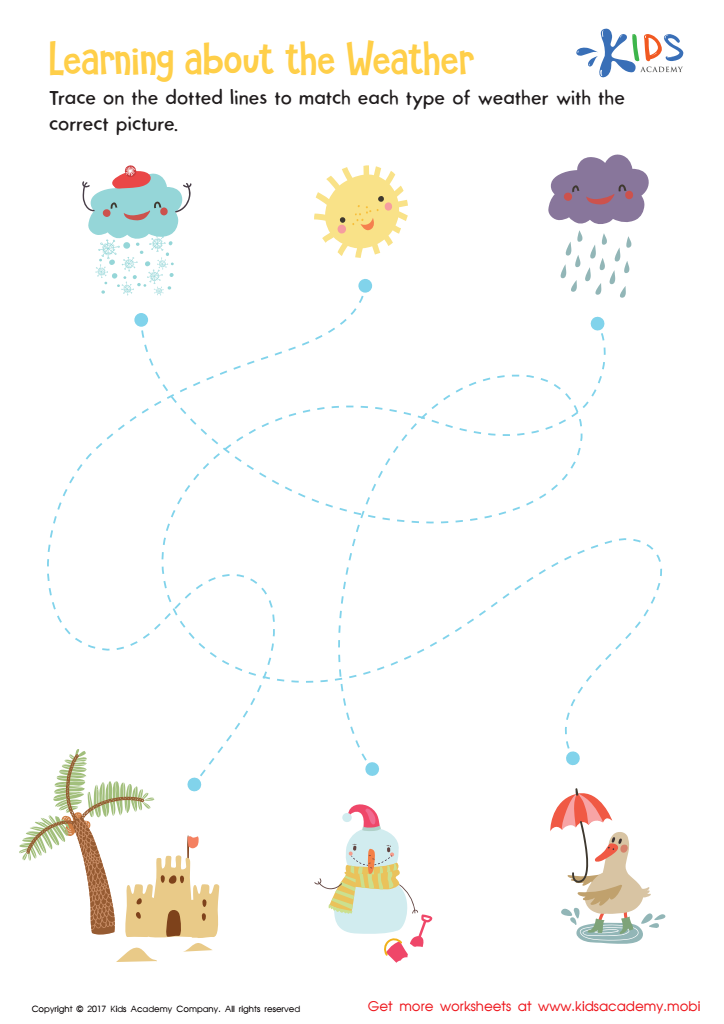
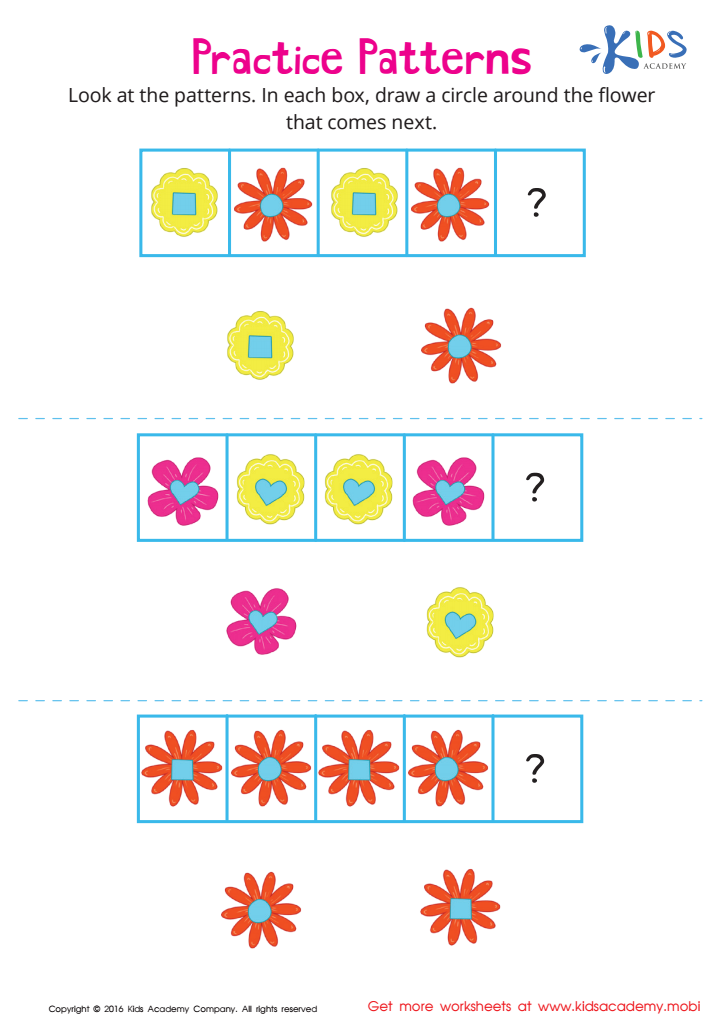
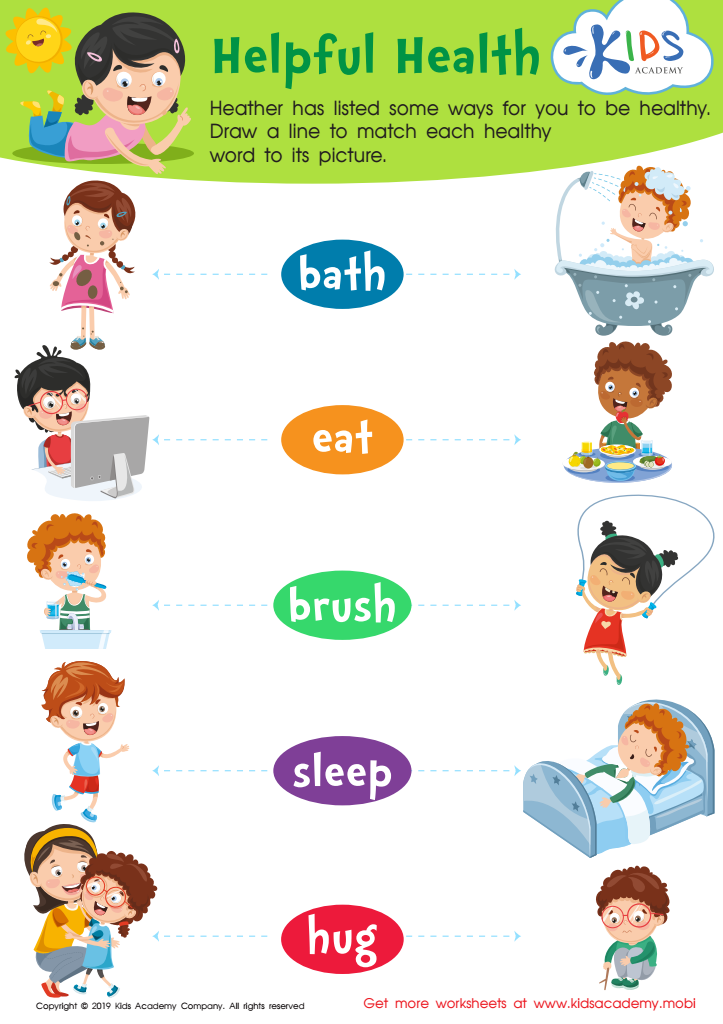
Helpful Health Worksheet
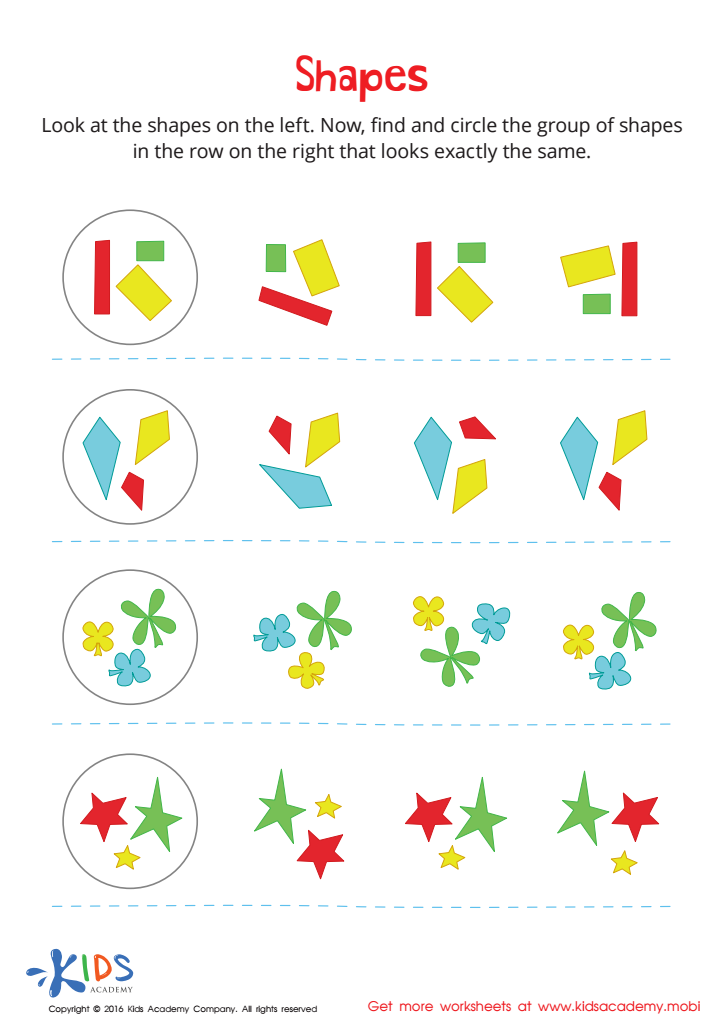
Shapes Worksheet
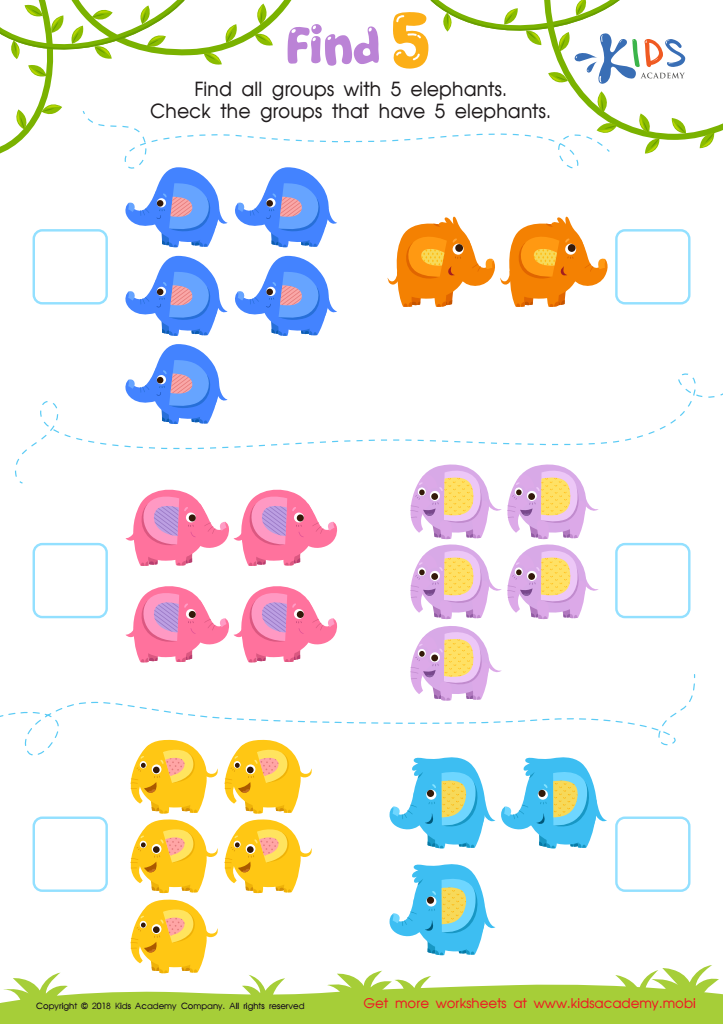
Find 5 Worksheet
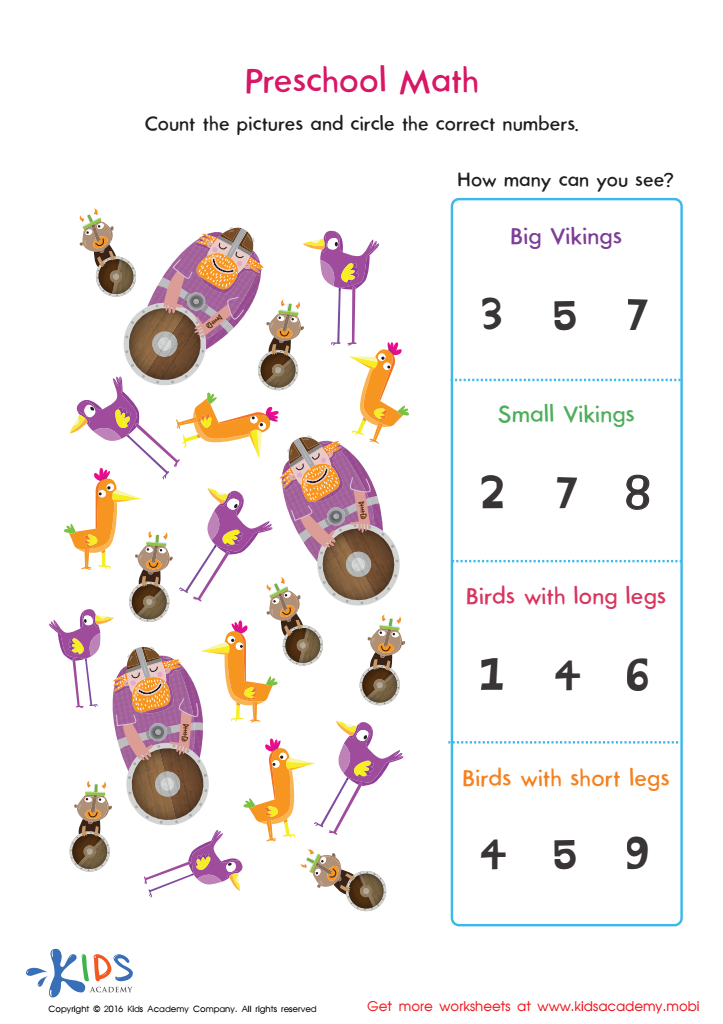
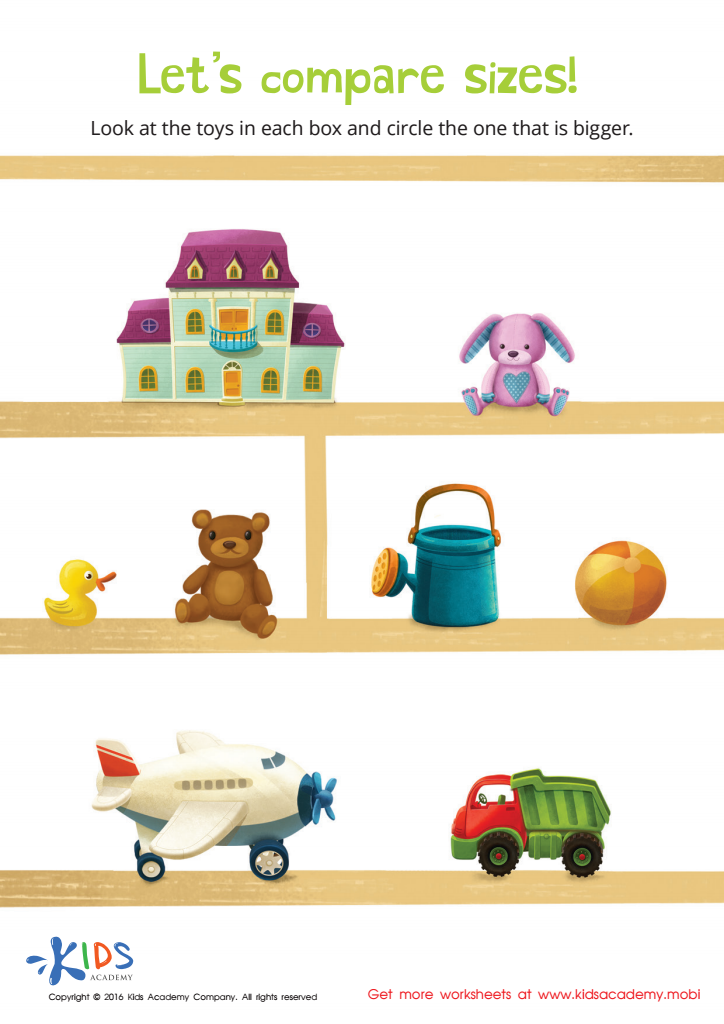
Classifying by Size Sorting Worksheet
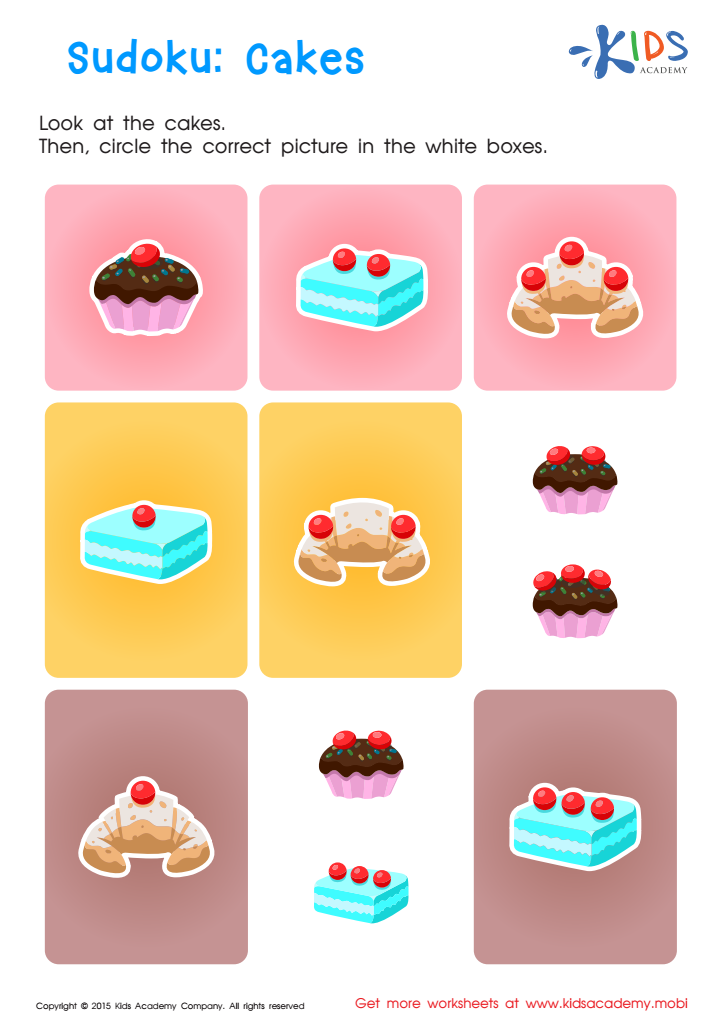
Sudoku Worksheet
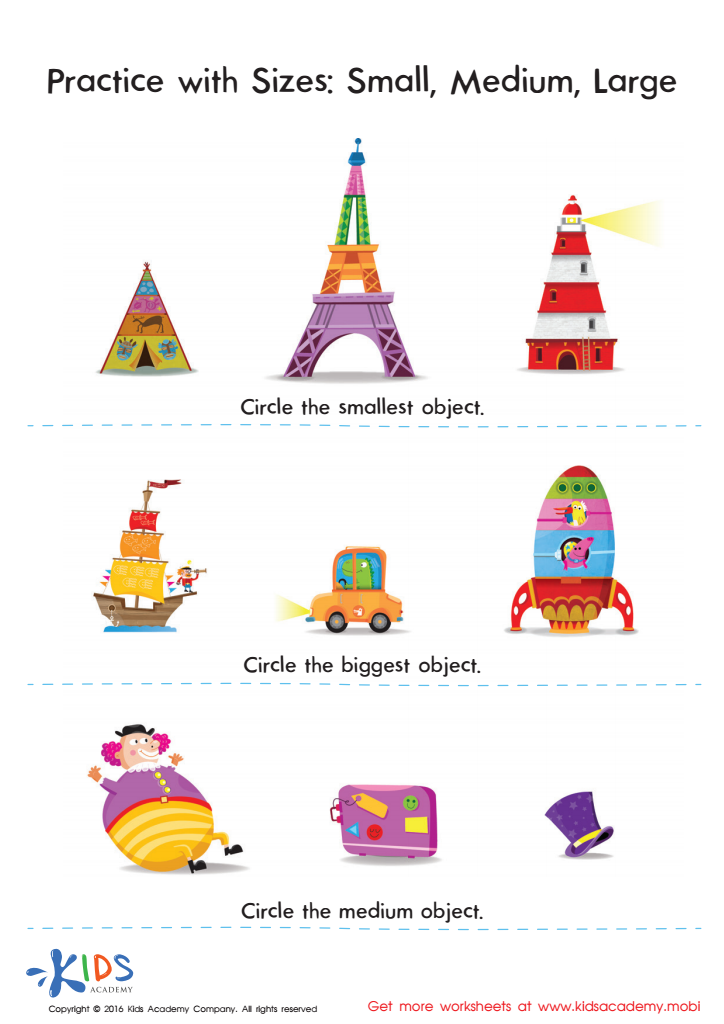








Matching activities for ages 6-8 are crucial in early childhood education as they foster cognitive and social development. At this age, children are naturally curious and eager to explore their world, making it an opportune time to enhance their learning through interactive play.
Firstly, matching games can support essential cognitive skills such as memory, attention, and pattern recognition. These activities encourage children to observe and make connections between objects or concepts, which lays a foundation for critical thinking and problem-solving abilities.
Secondly, matching tasks are excellent for enhancing language development. When parents and teachers engage children in discussions about the items being matched, they introduce new vocabulary and concepts, promoting verbal skills and comprehension.
Moreover, engaging in matching games encourages social interaction and cooperation. When children play these games together or take turns, they learn important social skills such as sharing, patience, and empathy.
Ultimately, teachers and parents should care about matching activities as they provide a playful, effective way to develop essential cognitive and social skills that will benefit children academically and personally throughout their lives. These early experiences inspire a lifelong love for learning and readiness for future educational challenges.








