Filters

79 filtered results

Clear all filters
Favorites
With answer key
Interactive

79 filtered results

Difficulty Level

Grade


Check out this FREE Trial Lesson on Our Planet and Environment for age 6-8!

One Step Multiplication Word Problems

Favorites
With answer key
Interactive
  • 6-8
  • With answer key
  • Our Planet and Environment
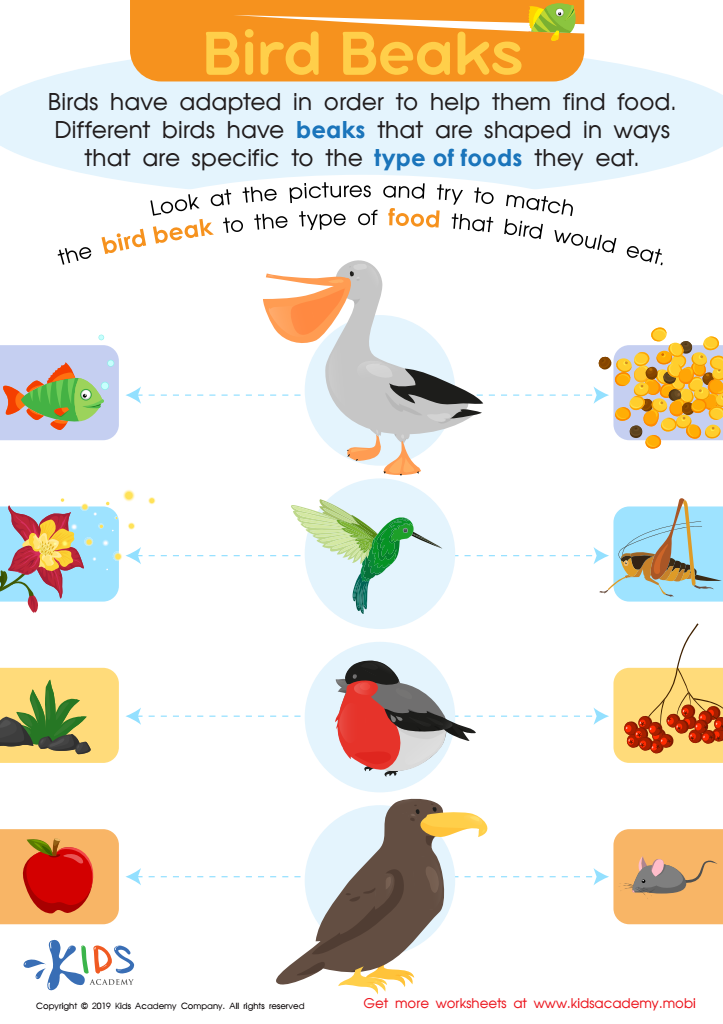
Bird Beaks Worksheet

Bird Beaks Worksheet

Birds' beak shapes and sizes are adapted to help them find food. This worksheet teaches kids how to identify different beak types by matching each to the type of food they eat. They'll use traceable lines to practice connecting the beaks to the food they would eat, understanding how each beak shape is perfectly suited to its purpose.
Bird Beaks Worksheet
Worksheet
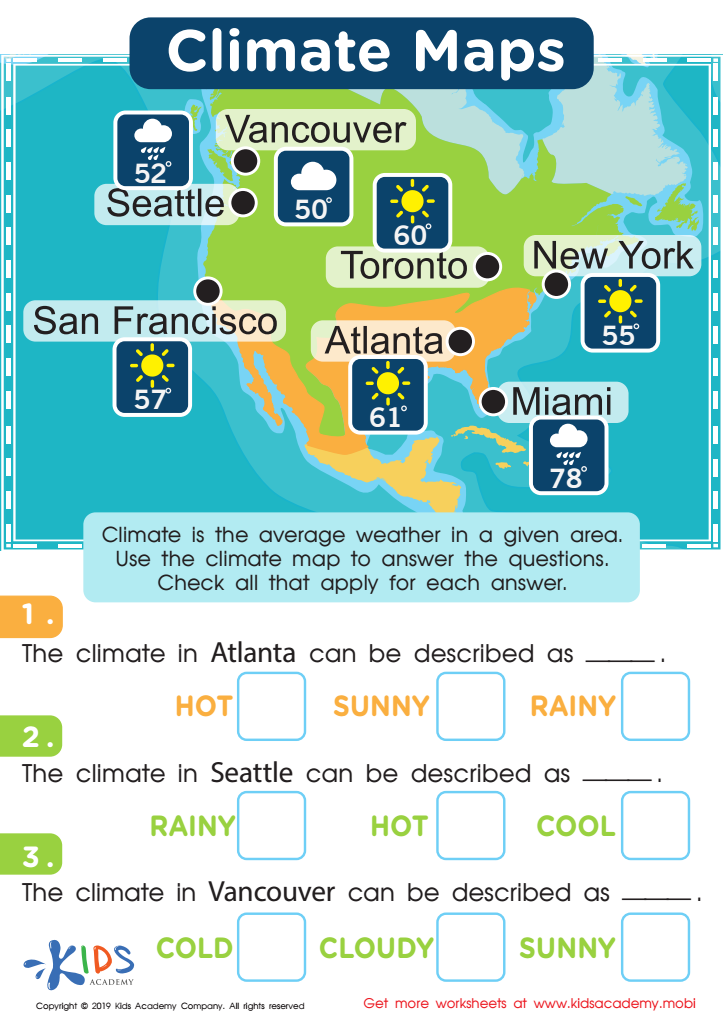
Climate Maps Worksheet

Climate Maps Worksheet

This map offers a fun way to teach kids about the varying climates across North America. They'll learn that Seattle and Miami have different temperatures, yet the same amount of rainfall. Plus other weather facts. This prepares them to answer reading comprehension questions with success!
Climate Maps Worksheet
Worksheet
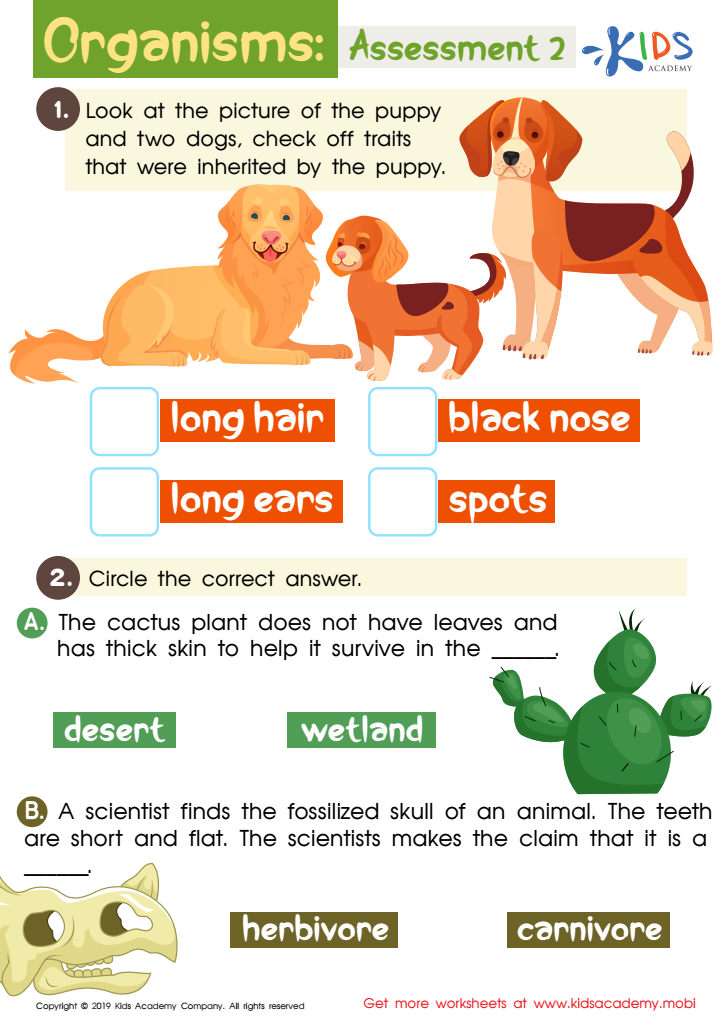
Organisms: Assessment 2 Worksheet

Organisms: Assessment 2 Worksheet

This free assessment helps you measure your child's science knowledge. They can check off traits a puppy inherited, identify a cactus's habitat, and review a dinosaur's diet. It's an efficient way to assess their skills.
Organisms: Assessment 2 Worksheet
Worksheet
Archeology Word Problems Worksheet

Archeology Word Problems Worksheet

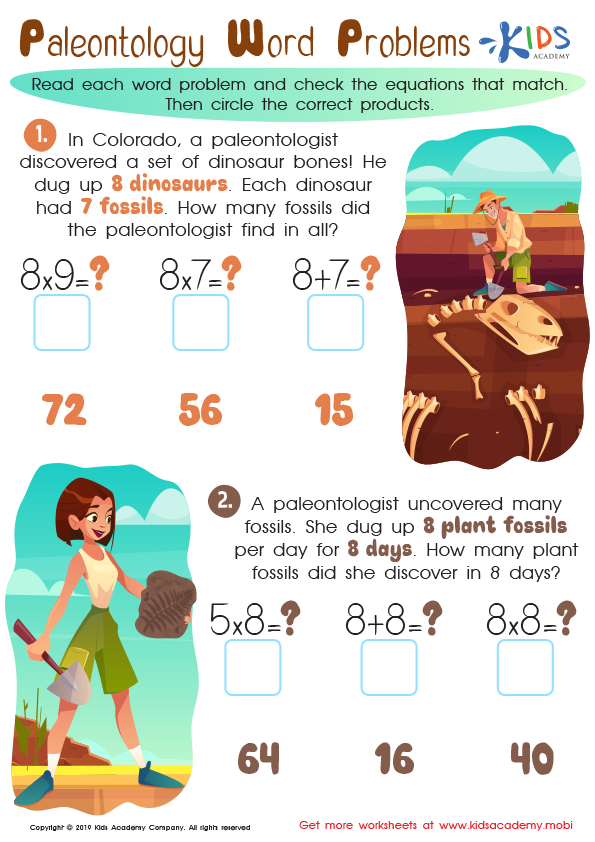
Encourage your child to explore their career options! Show them an archeologist's job with this worksheet - featuring a picture of a dinosaur bone discovery. Read the accompanying text, then solve the word problems. Help your kids circle the correct answers to better understand this profession.
Archeology Word Problems Worksheet
Worksheet
Fossil Skulls Worksheet

Fossil Skulls Worksheet

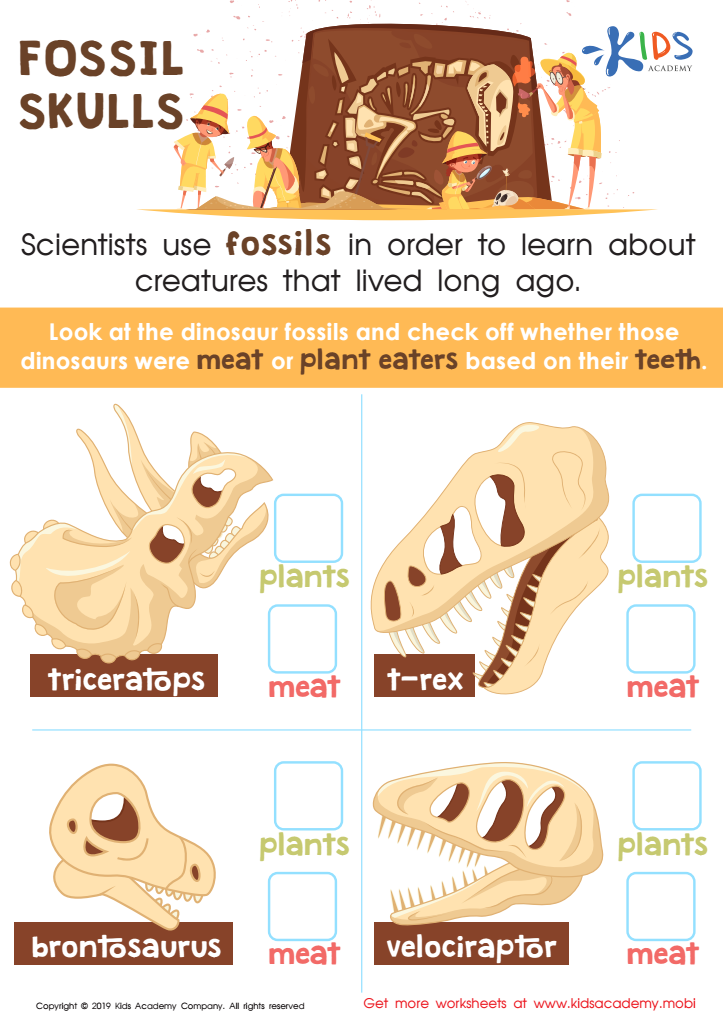
Your child is invited to join us on a fossil dig! With this free worksheet, they'll learn how paleontologists use fossils to discover what creatures ate long ago. Kids will examine dinosaur teeth to find out if the dinos were plant or meat eaters. It's a fun way to explore adaptation and how dinosaurs fed themselves.
Fossil Skulls Worksheet
Worksheet
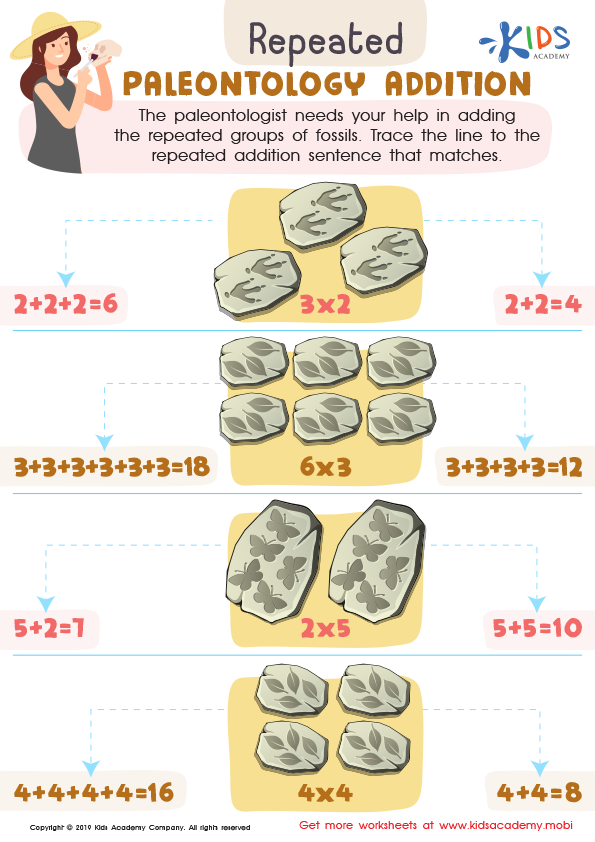
Repeated Archaeology Addition Worksheet

Repeated Archaeology Addition Worksheet

Does your child have dreams for the future? Help them explore the different professions available to them and what each entails. This traceable sheet, featuring an archaeologist completing their work, will show your kid how to find the repeated addition sentence that matches the line. Hold their hand as they complete the activity, inspiring them to pursue their big dreams!
Repeated Archaeology Addition Worksheet
Worksheet
Animals and Plants: Assesment 1 Worksheet

Animals and Plants: Assessment 1 Worksheet

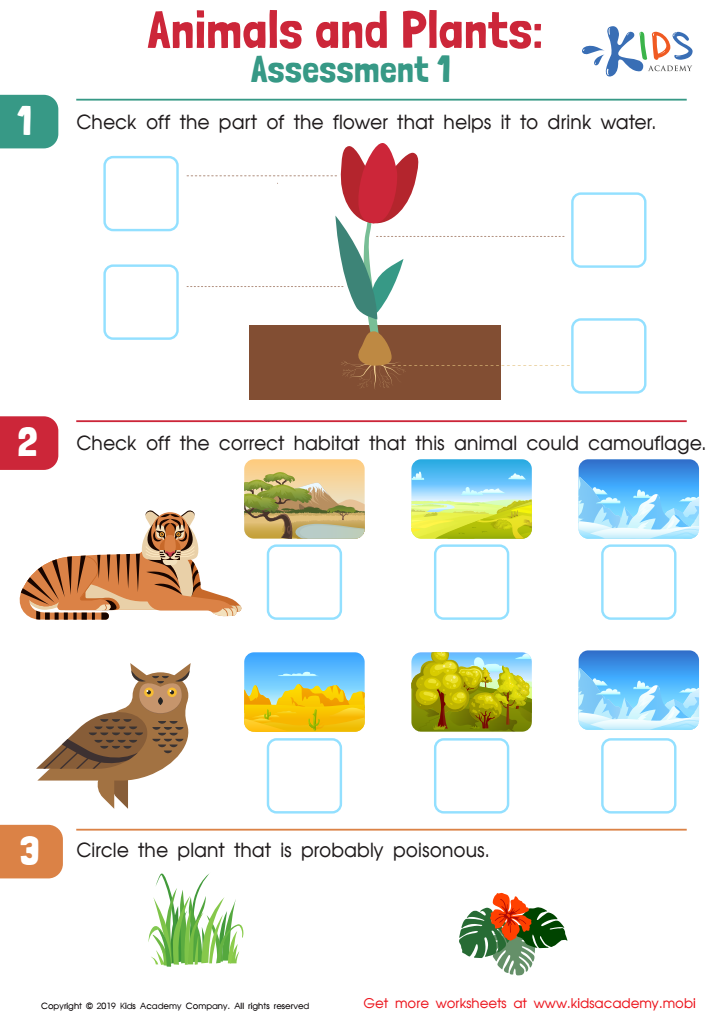
Do you want to easily assess your child's understanding of basic science concepts? This colorful PDF offers a free opportunity for them to test their knowledge about parts of a flower, poisonous plants, animal habitats and more! Bright pictures make it fun and easy for you to see what they know.
Animals and Plants: Assessment 1 Worksheet

Worksheet


... 3 4

Caring for our planet and environment is really important, especially for kids aged 6-8! First, children are natural explorers, and the outdoors offers so much to discover, from trees to bugs to rivers. If we take care of our environment, these wonders will still be here for kids to enjoy now and in the future.

When parents and teachers emphasize the importance of a healthy planet, children learn to respect nature. This helps them understand that everything is connected—time spent outside leads to happier, healthier lives. Learning about nature fosters curiosity and helps children develop critical thinking skills as they explore and ask questions about the world around them.

Additionally, teaching kids about our environment encourages them to be responsible. Simple actions like recycling, conserving water, and planting trees can make a big difference. When children participate in caretaking activities, they feel empowered and proud, knowing they contribute to a better world.

Lastly, a clean, healthy environment means everyone can thrive. Let’s inspire the next generation to be stewards of the earth—they have the power to make positive changes today for a brighter tomorrow! By nurturing this caring attitude, parents and teachers help shape environmentally conscious, responsible adults.