Addition Facts Worksheets for Ages 6-9
42 filtered results
-
From - To
Discover a fun and engaging way for your child to master addition with our expertly designed Addition Facts Worksheets for ages 6-9! These worksheets provide a variety of exercises that cater to different learning styles, helping young learners reinforce their addition skills through practice. From simple addition problems to more challenging exercises, each worksheet is filled with colorful visuals and interactive elements to inspire a love for math. Ideal for home or classroom use, our resources are perfect for enhancing comprehension and building confidence. Start your child's journey to mathematical fluency today with our comprehensive collection of addition facts worksheets!
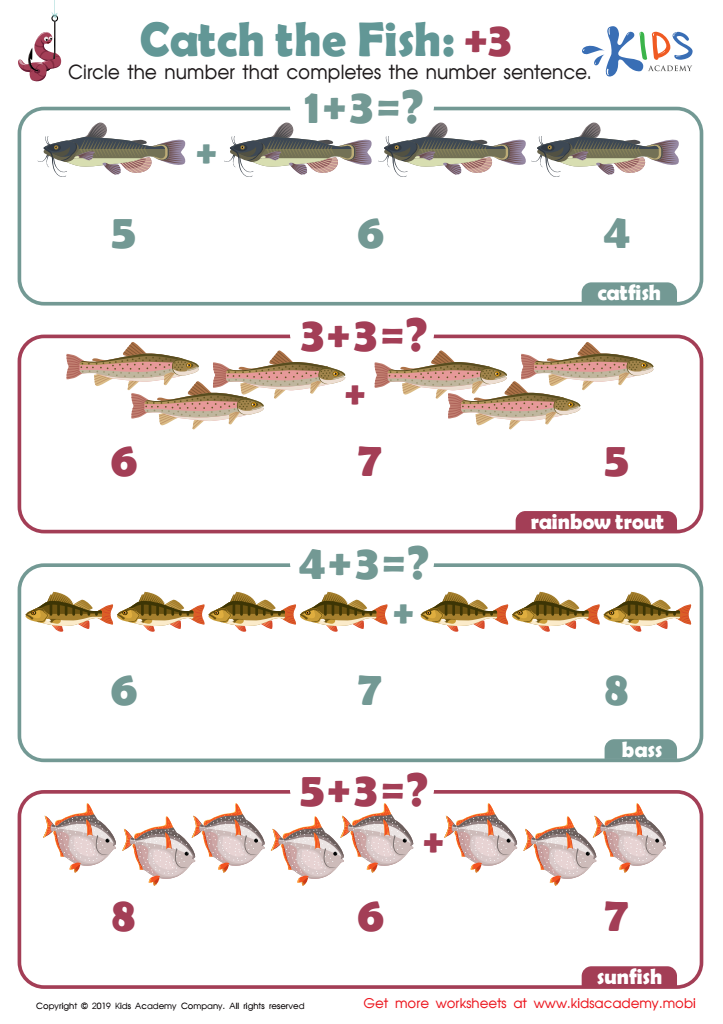
Catch the Fish: +3 Worksheet
 Assign to My Students
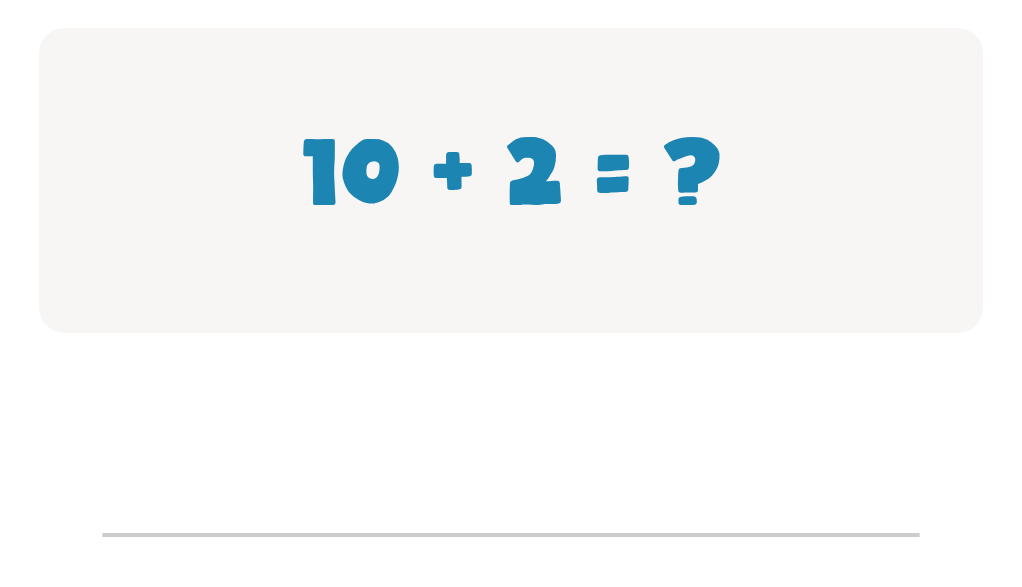

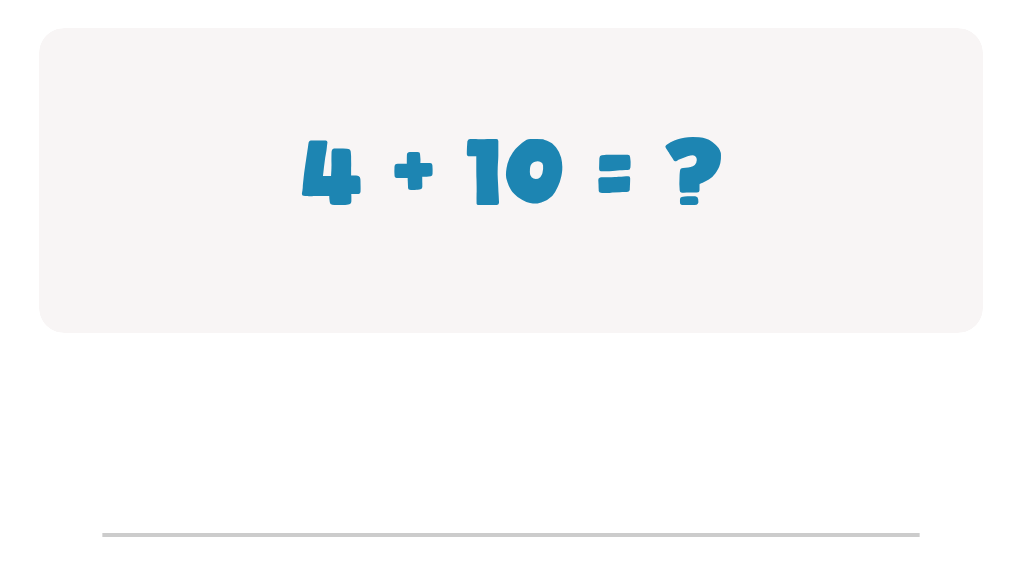
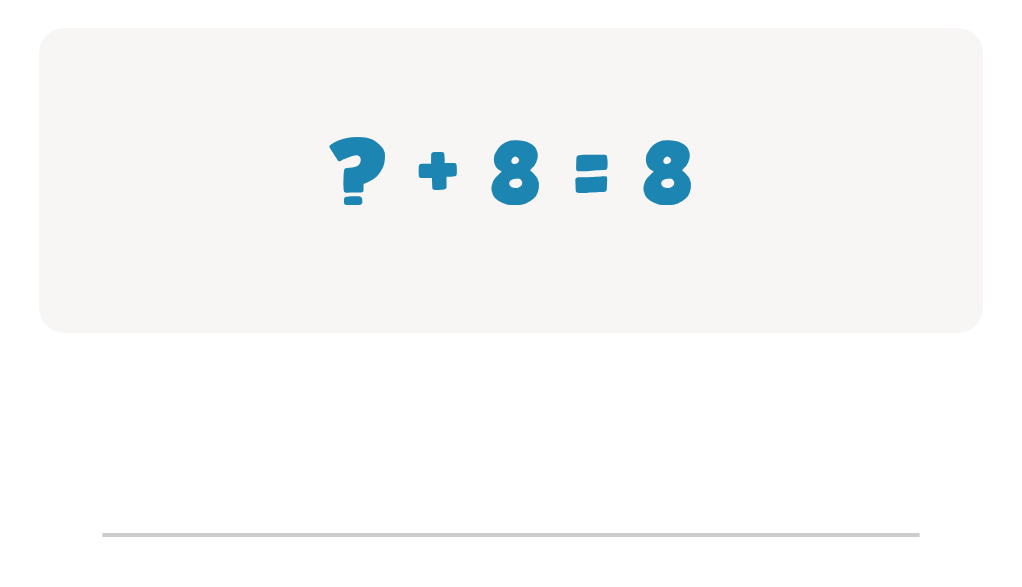
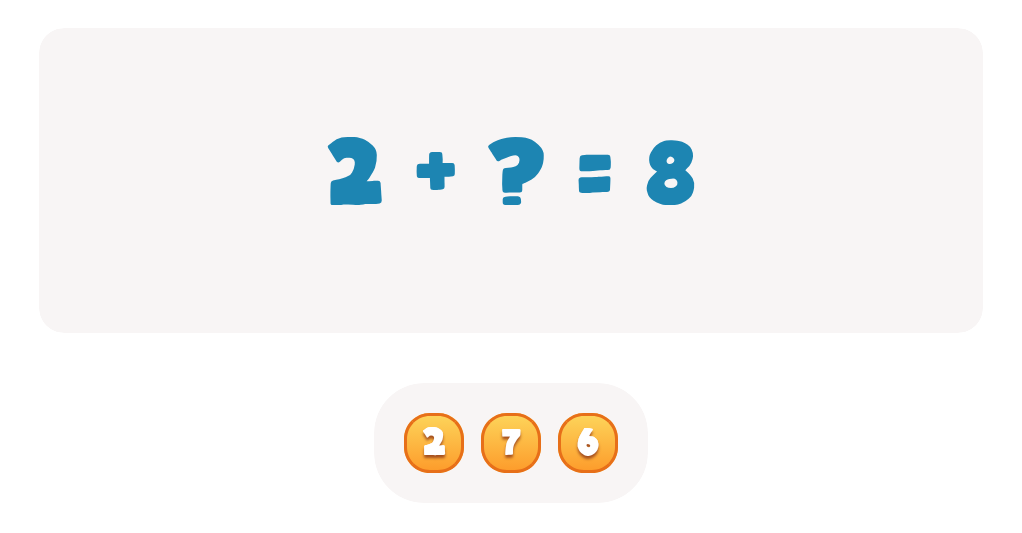
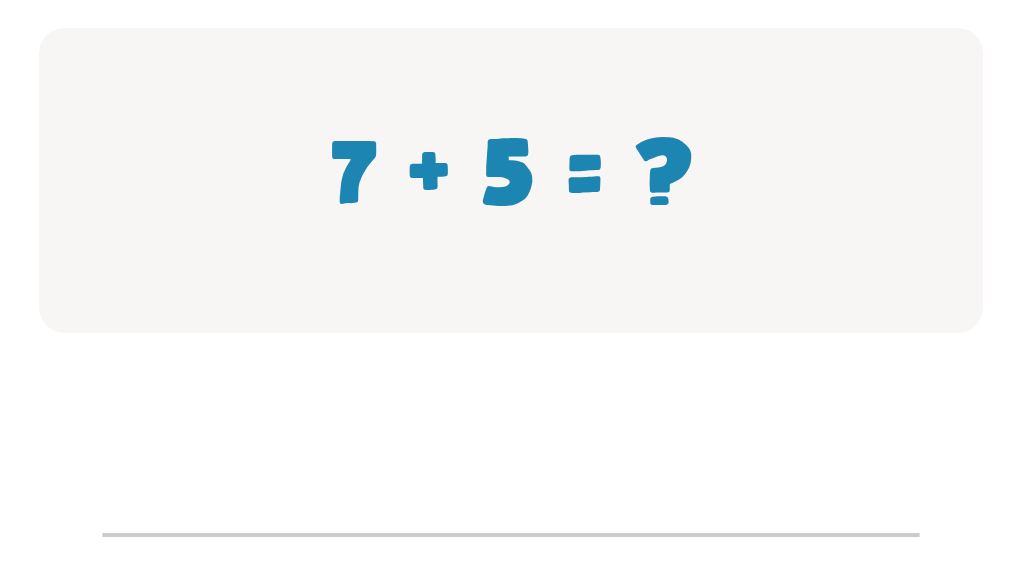
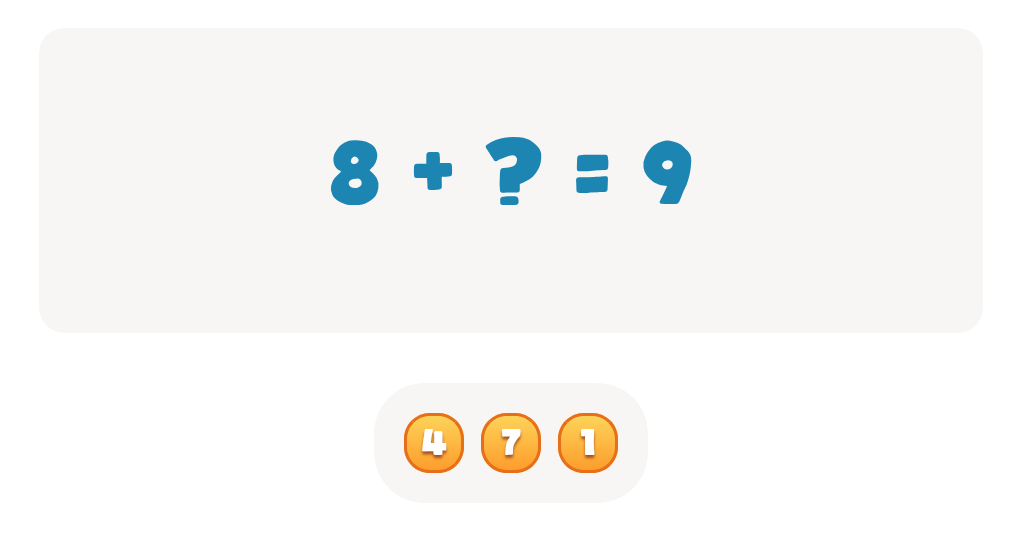

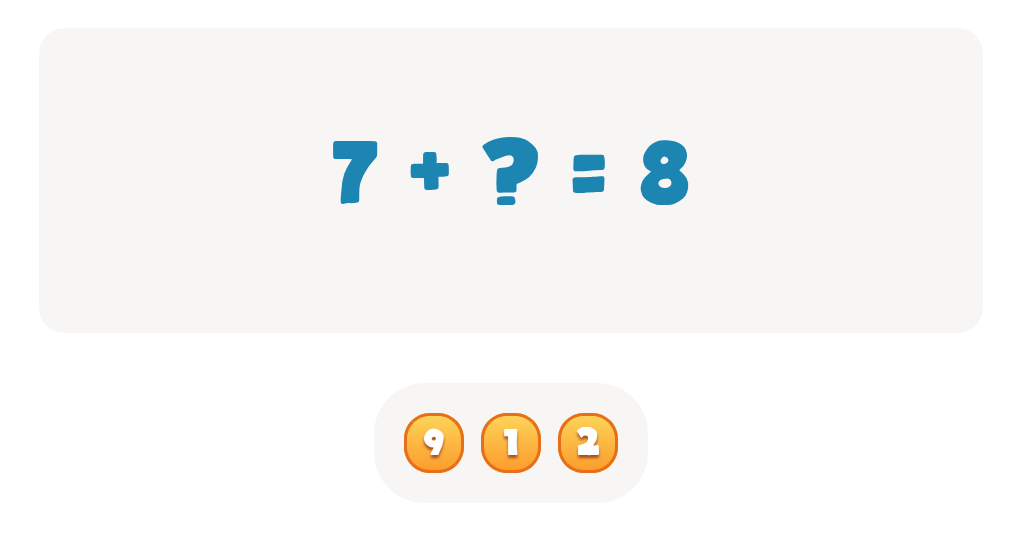
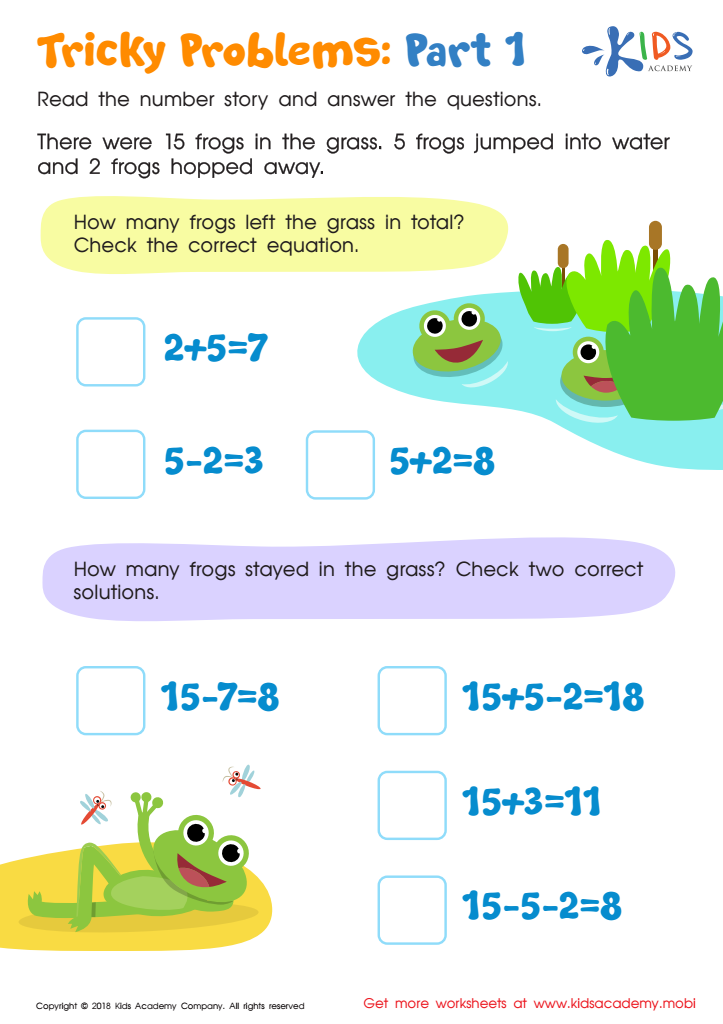
Tricky Problems Worksheet: Part 1
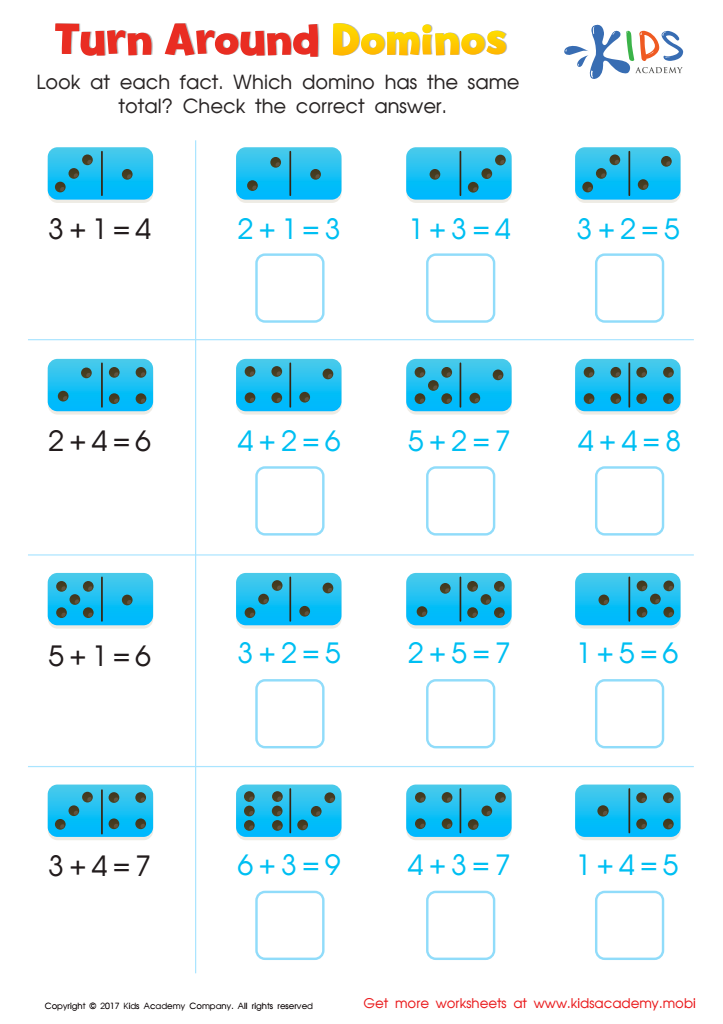
Turn Around Dominos Worksheet
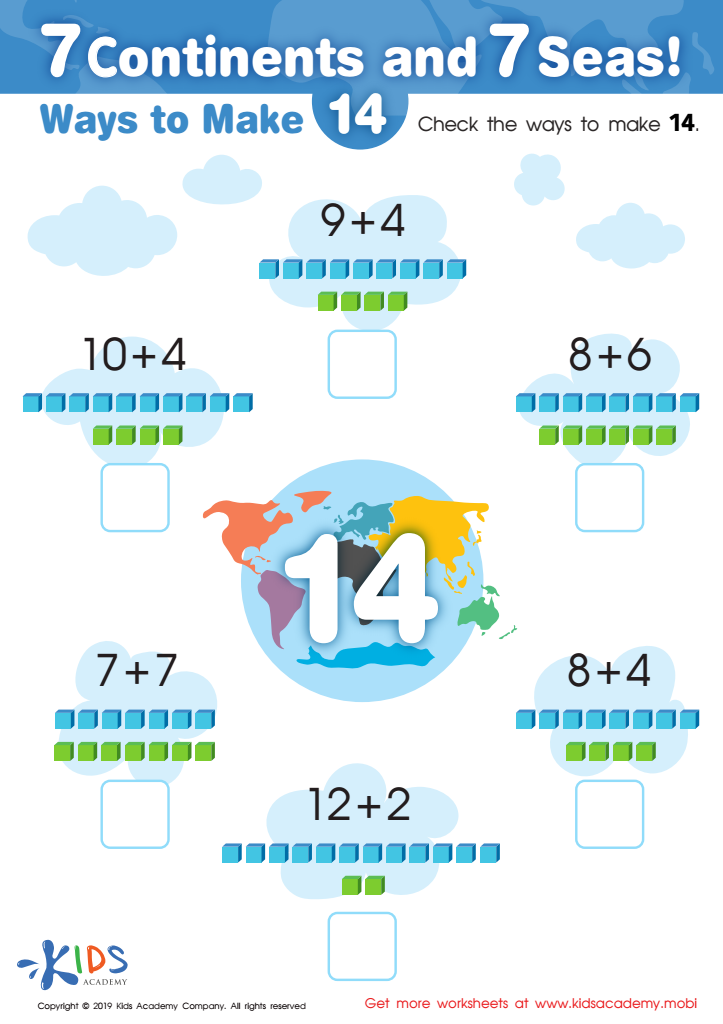
7 Continents and 7 Seas Worksheet
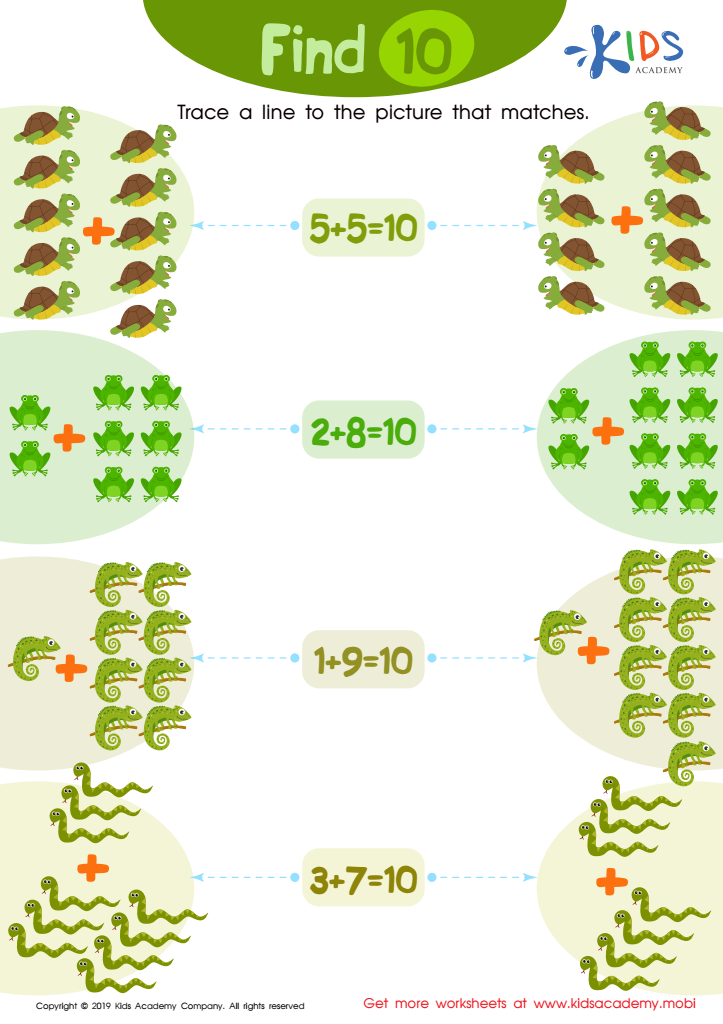
Find 10 Worksheet
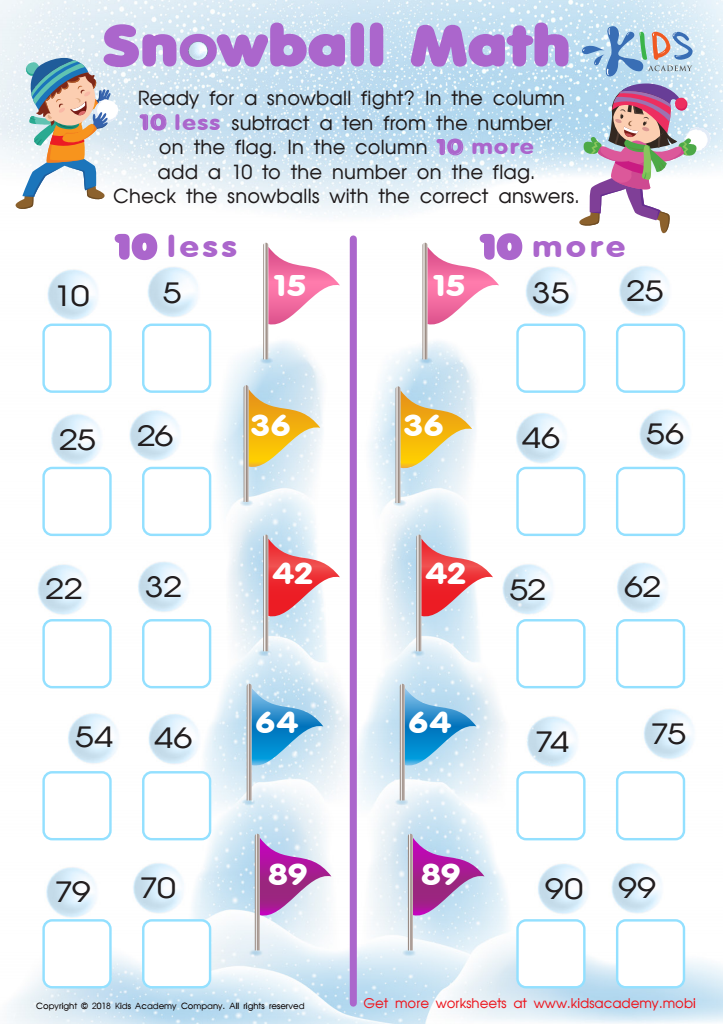
Snowball Math Worksheet
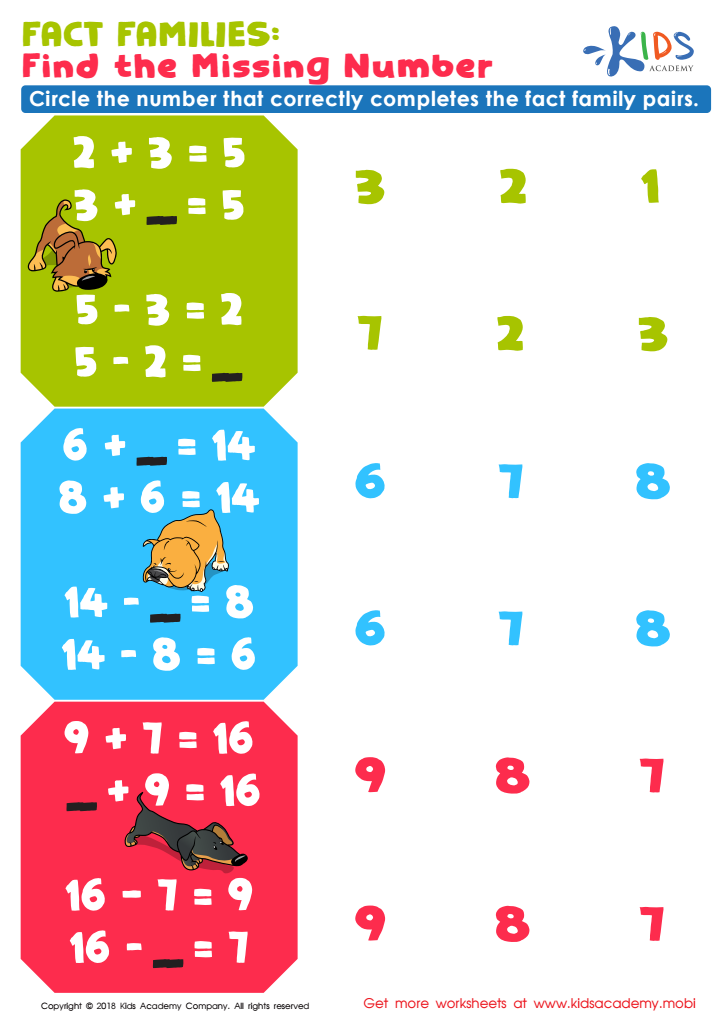
Fact Families: Find Missing Number Worksheet
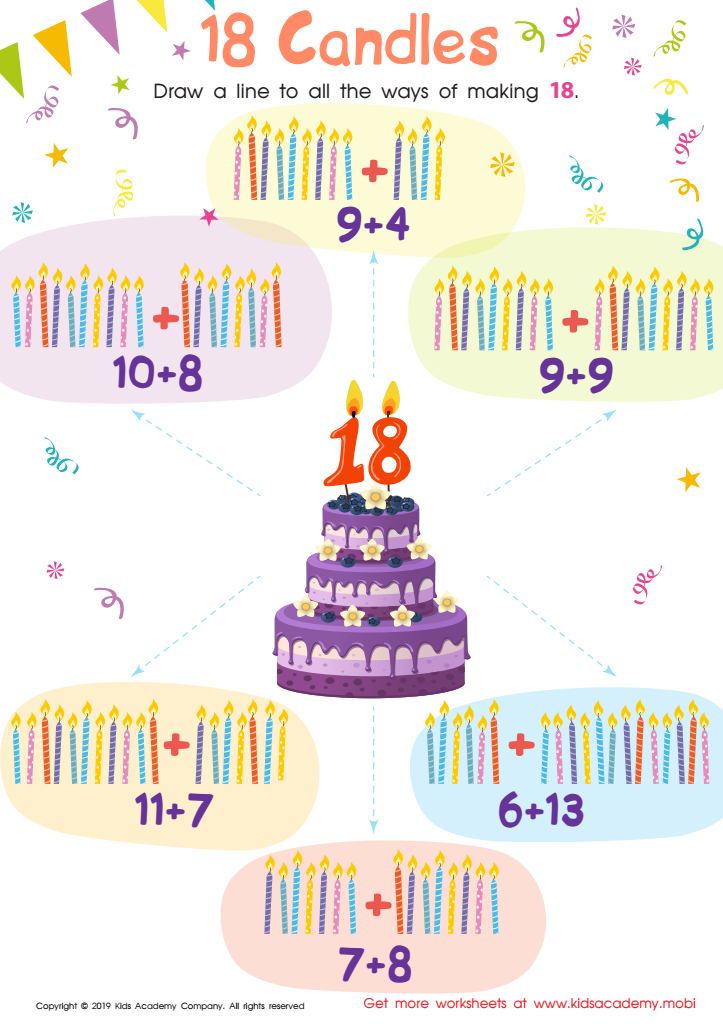
18 Candles Worksheet
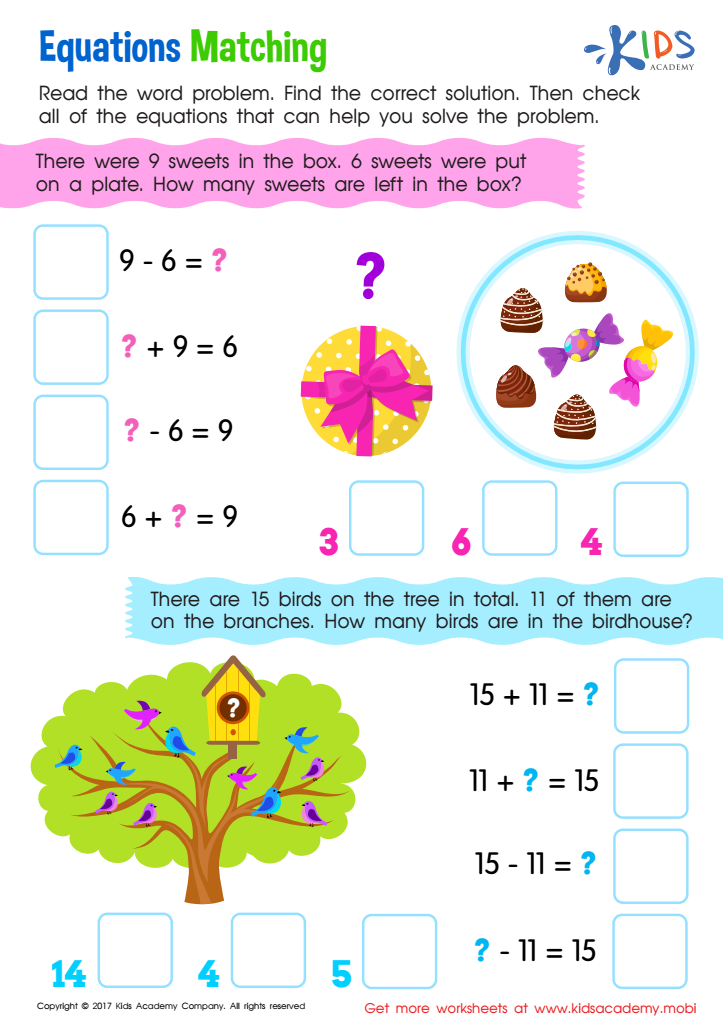
Equations Matching Word Problems Worksheet
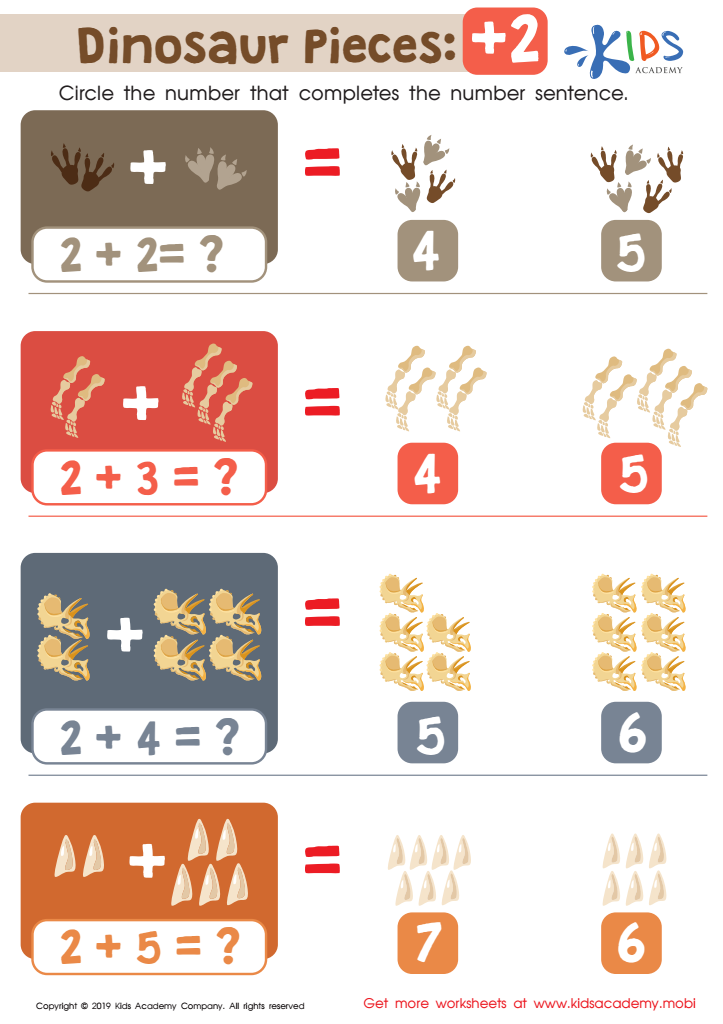
Dinosaur Pieces: +2 Worksheet
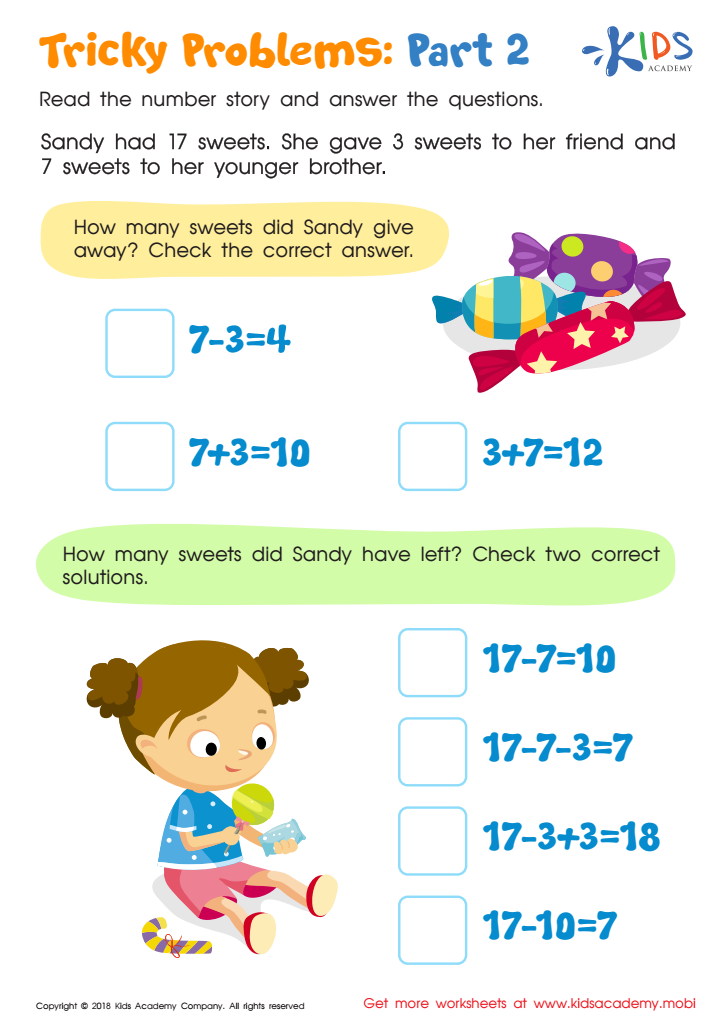
Tricky Problems Worksheet: Part 2
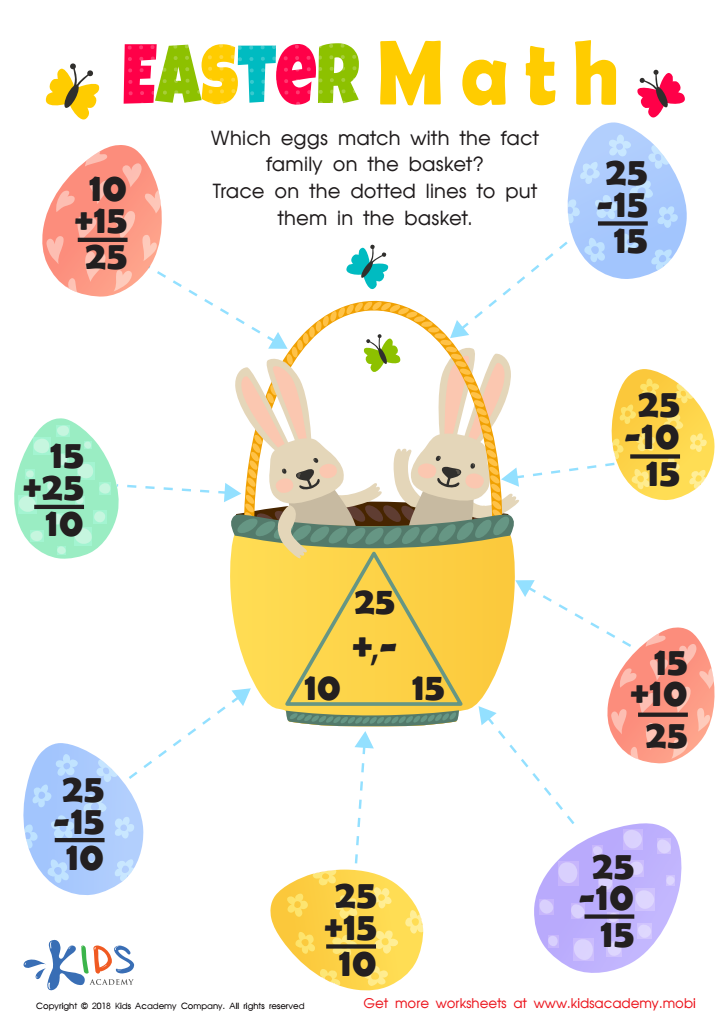
Fact Families: Easter Math Worksheet
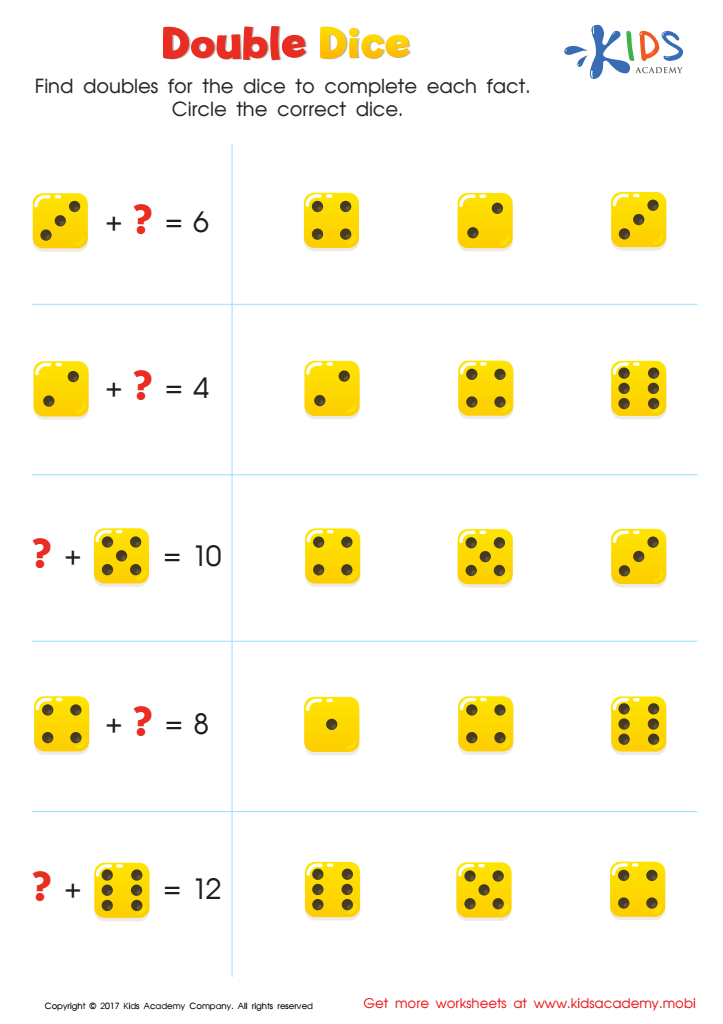
Addition Facts: Double Dice Worksheet
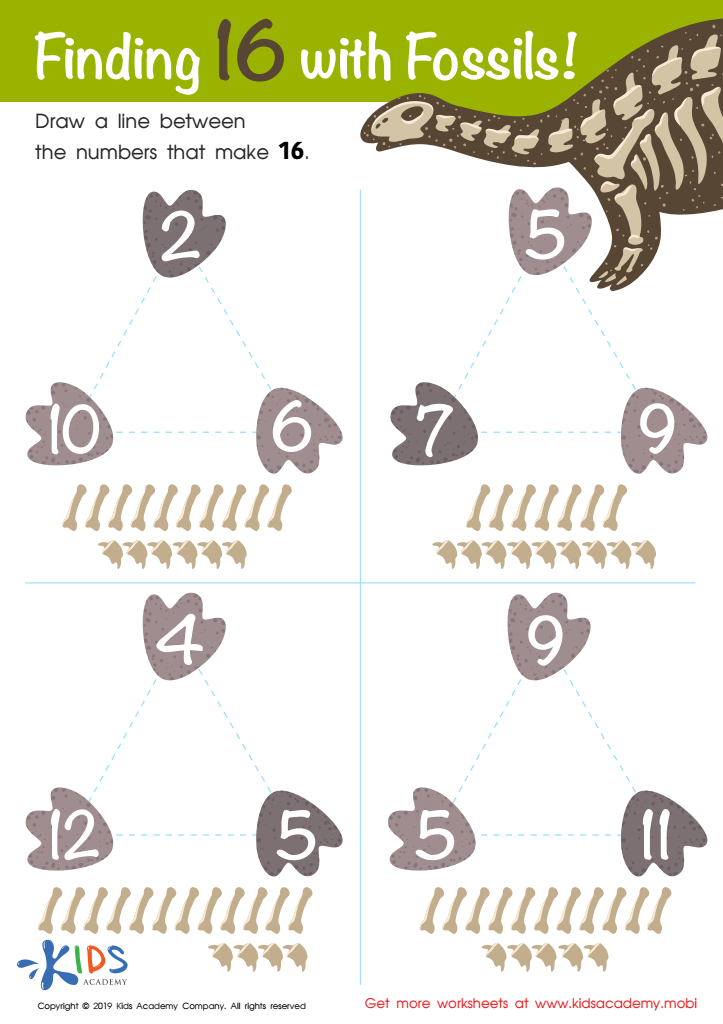
Finding 16 With Fossils Worksheet
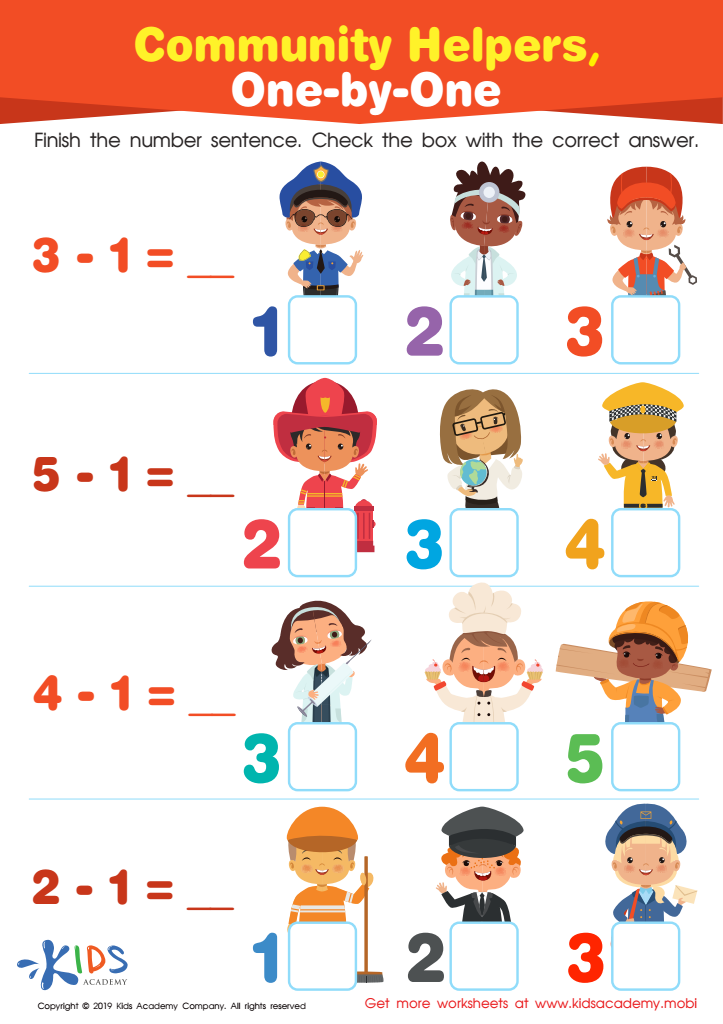
Community Helpers, One-by-One Worksheet
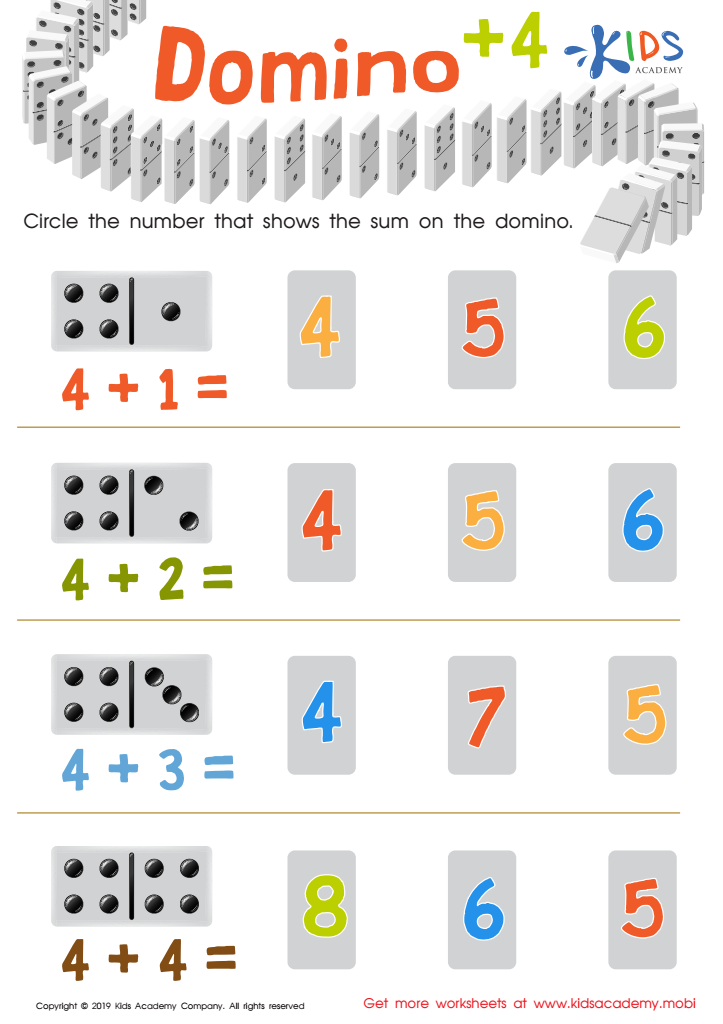
Domino +4 Worksheet
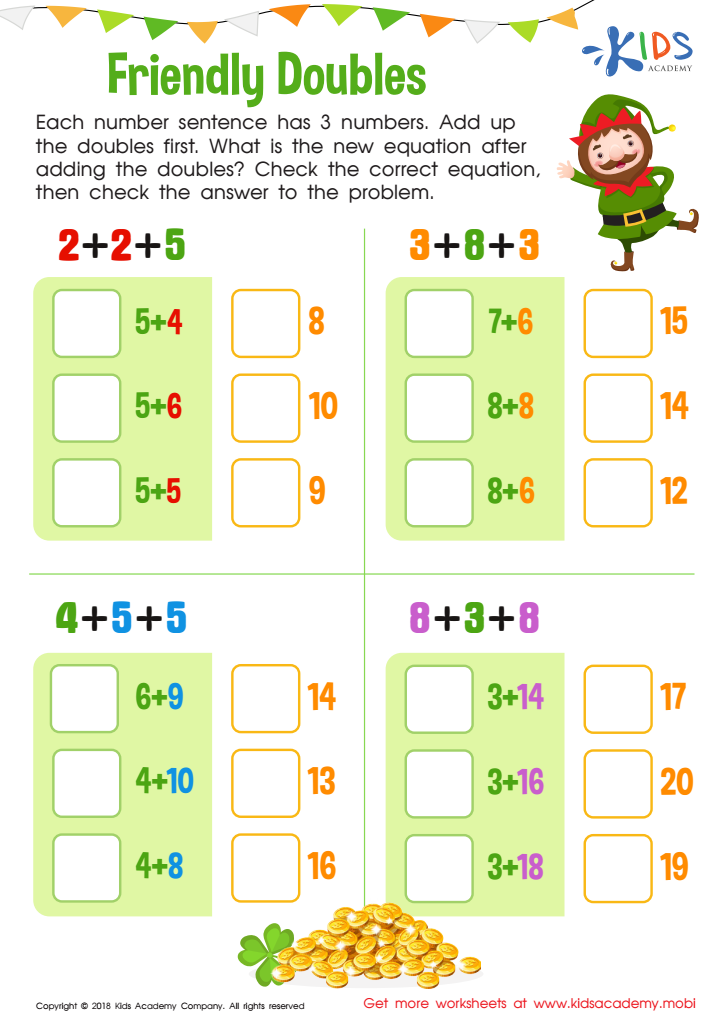
Friendly Doubles Worksheet
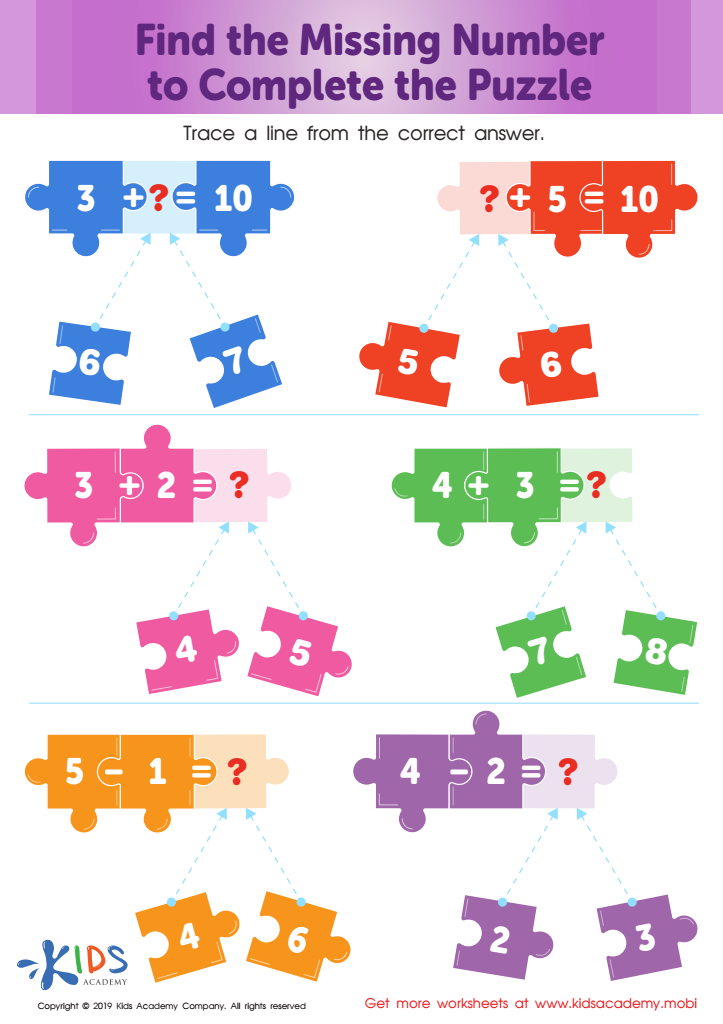
Find the Missing Number to Complete the Puzzle Worksheet
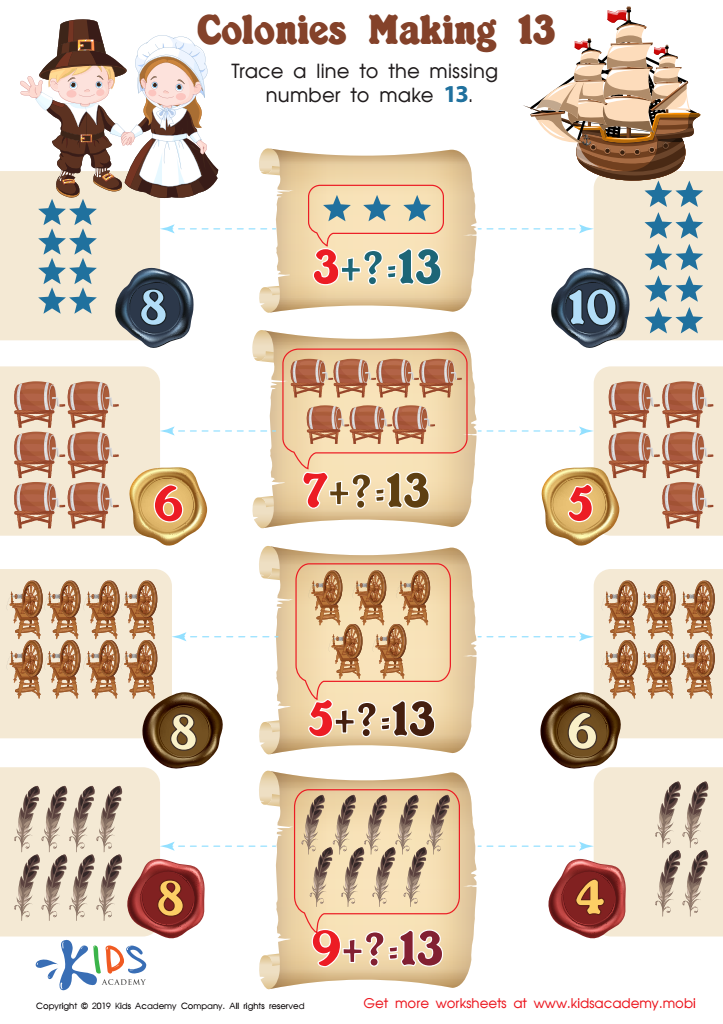
Colonies Making 13 Worksheet
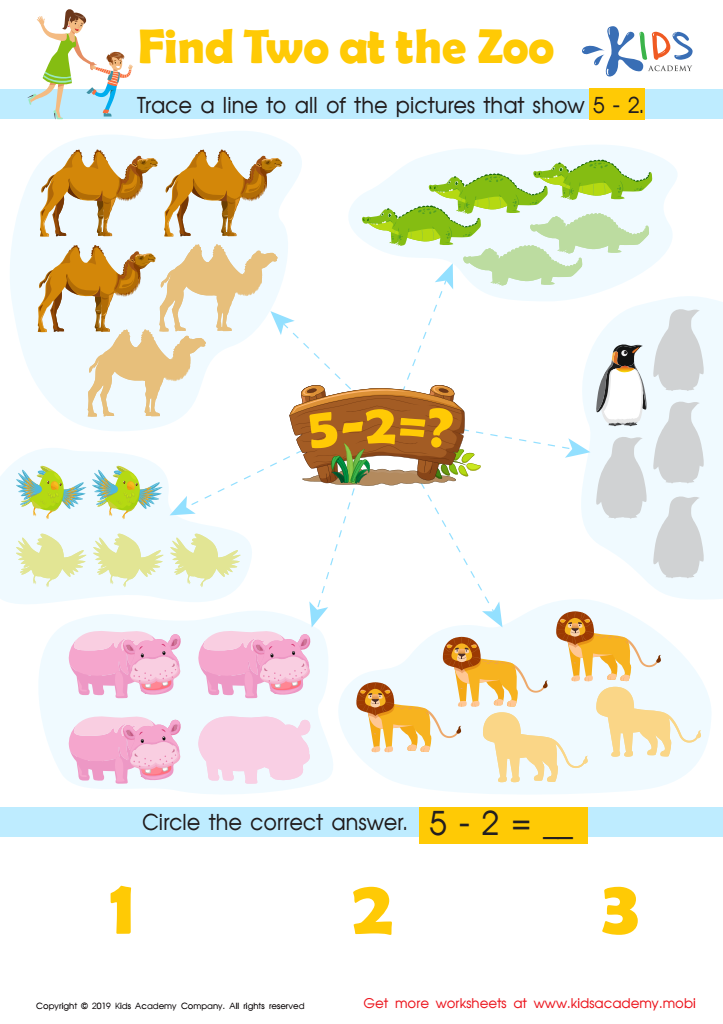
Find Two at the Zoo Worksheet
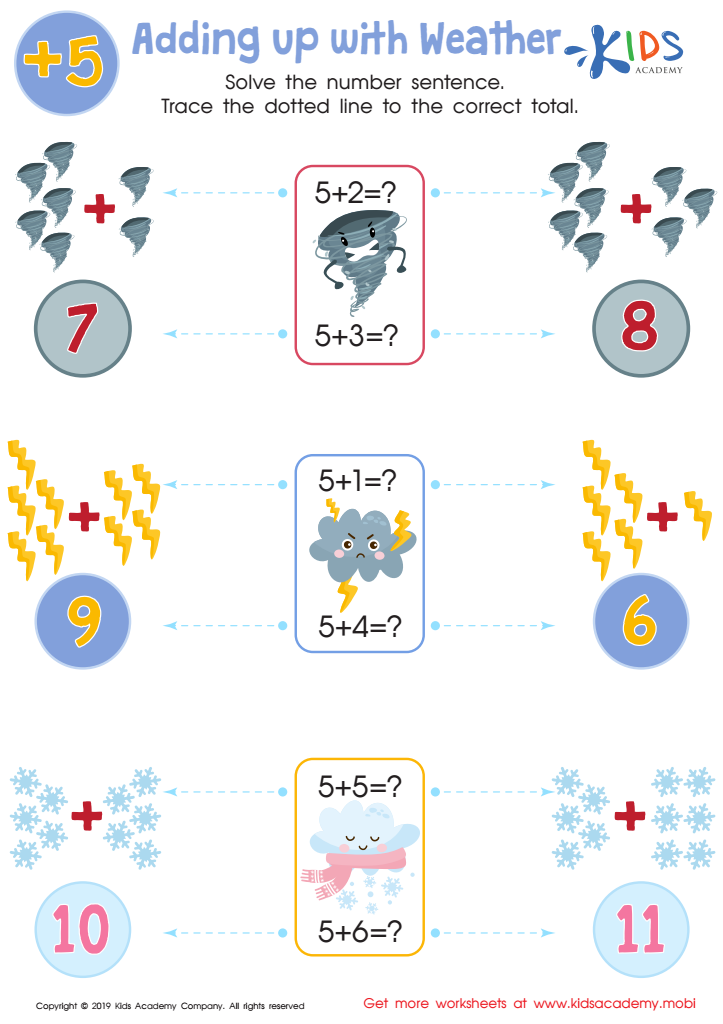
Adding up With Water Worksheet
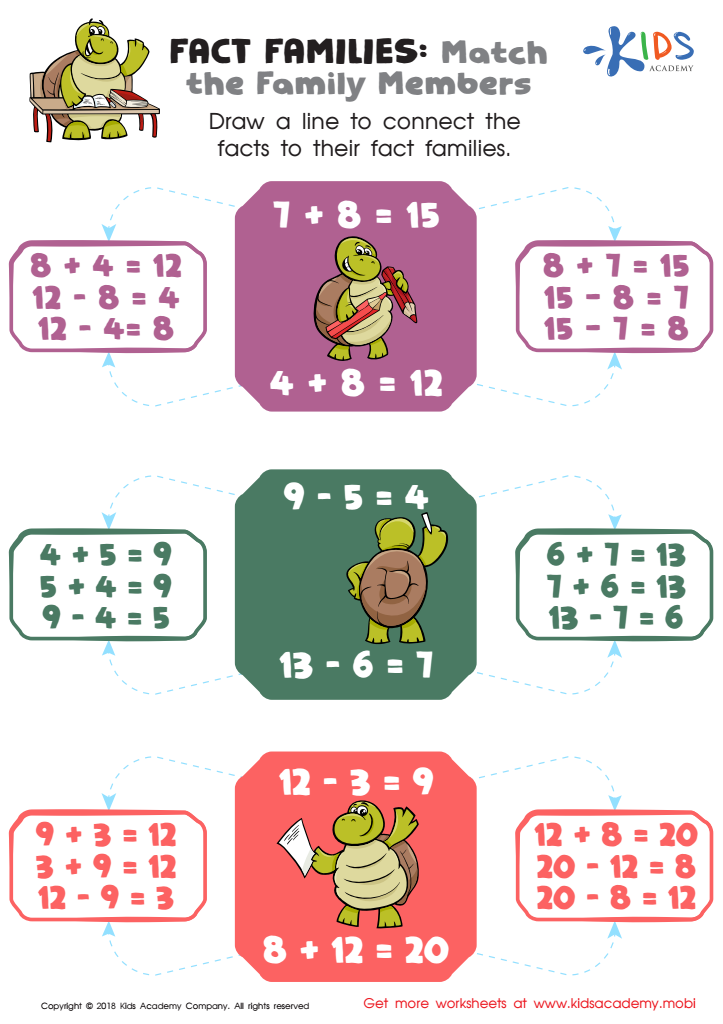
Fact Families: Match Family Members Worksheet
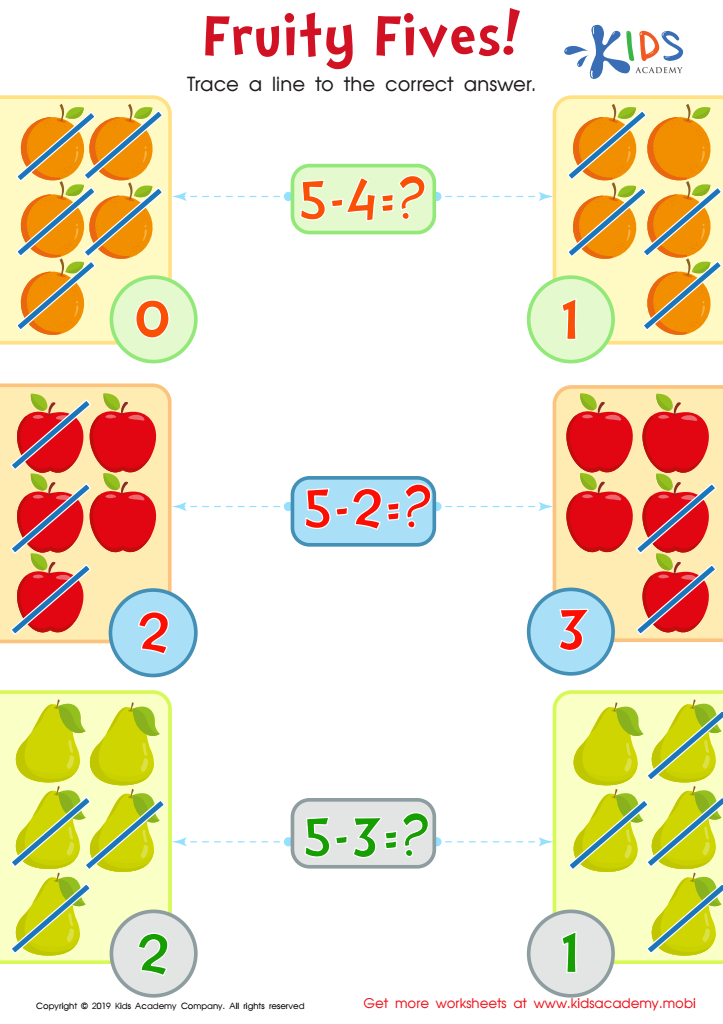
Fruity Fives! Worksheet
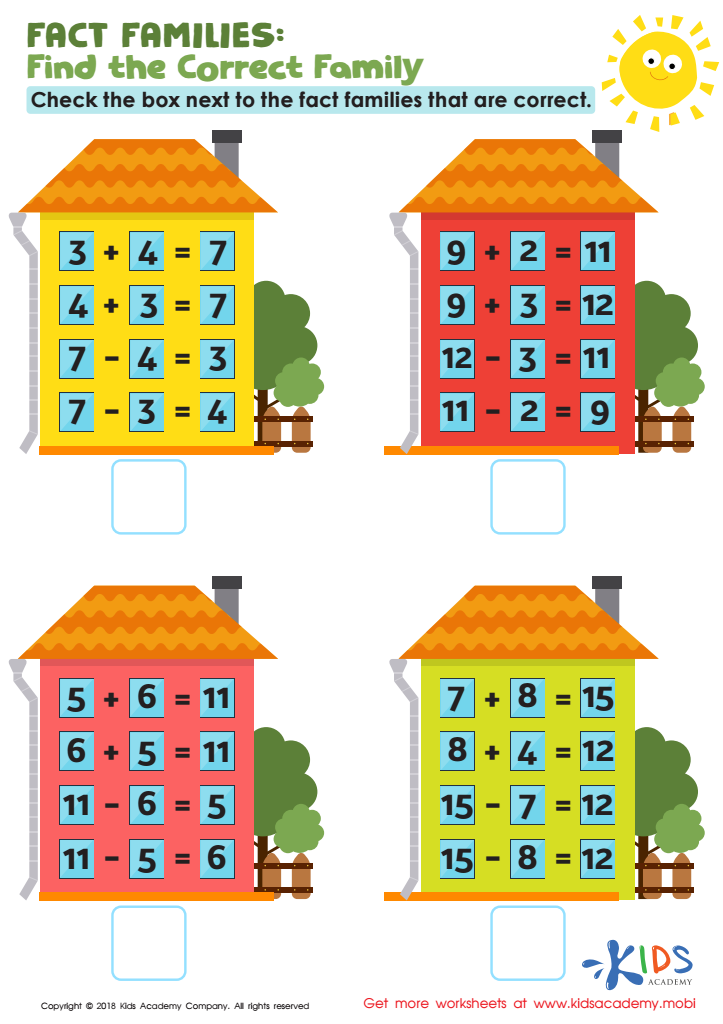
Fact Families: Find Correct Family Worksheet








Parents and teachers should care about addition facts for children aged 6-9 because this foundational skill is crucial for their overall mathematical development. Mastery of addition facts—often referred to as "automaticity"—enables children to perform calculations quickly and accurately, which is essential as they progress to more complex mathematical concepts like subtraction, multiplication, and even division.
Furthermore, a solid grasp of addition facts fosters confidence in students. When children can quickly recall sums, they are less likely to feel overwhelmed by math lessons, allowing for a more engaging learning experience. This swift recall also aids in problem-solving, as children can focus on understanding and applying concepts instead of becoming caught up in basic arithmetic.
Additionally, learning these facts encourages cognitive development and strengthens memory skills. The practice and repetition involved help solidify neural pathways associated with mathematical thinking. Parents and teachers can support this growth through fun games, songs, and daily practice routines.
Ultimately, regular engagement with addition facts not only bolsters computational skills but also helps cultivate a positive attitude toward math, equipping children with the tools they need for lifelong learning success. With strong early math skills, students are more likely to embrace future challenges enthusiastically.








