Word Problems Worksheets for Ages 6-9 - Page 6
123 filtered results
-
From - To
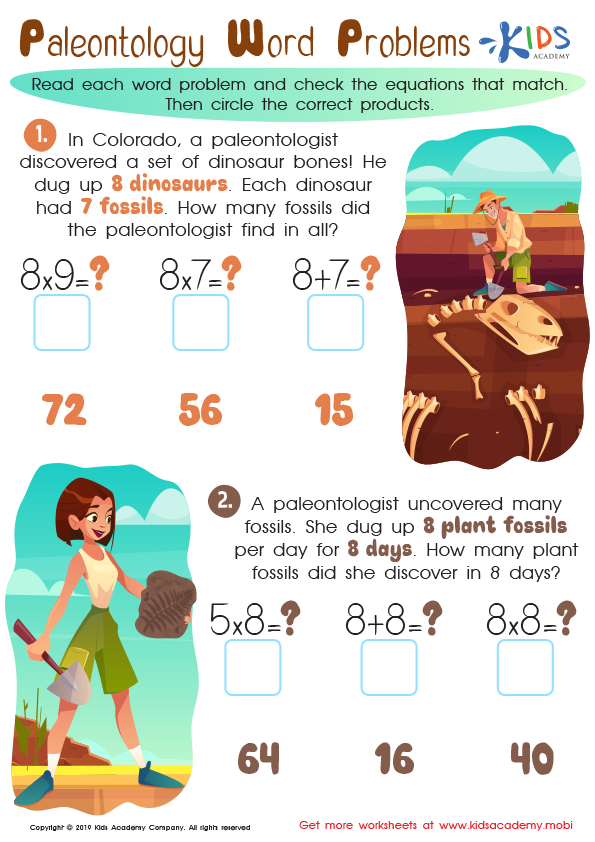
Archeology Word Problems Worksheet
 Assign to My Students
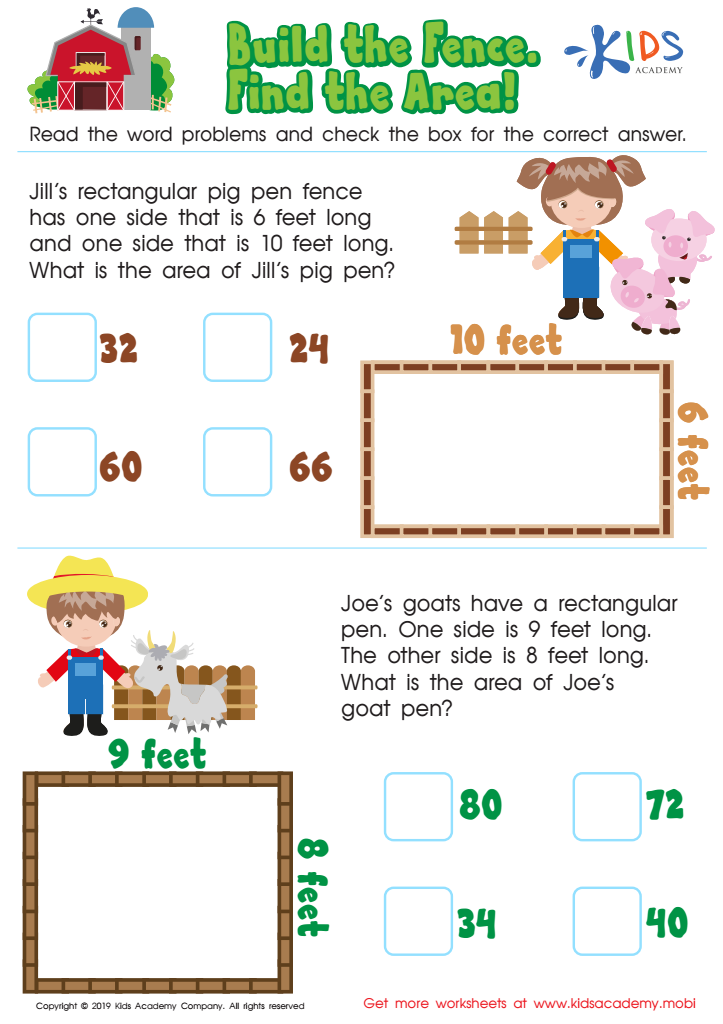
Build the Fence, Find the Area Worksheet
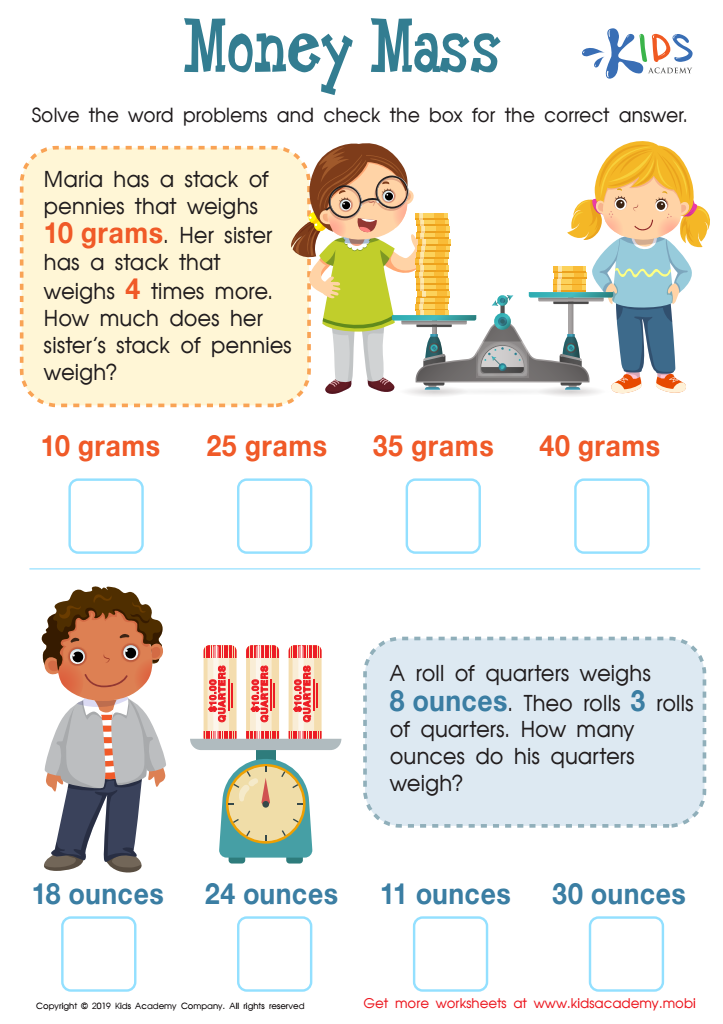
Money Mass Worksheet








Word problems are an essential part of learning mathematics for children ages 6 to 9, and both parents and teachers should care about them for several reasons. First, word problems foster critical thinking and problem-solving skills by requiring students to translate a real-world scenario into a mathematical equation. This skill is crucial not just in math but across all subjects and life situations.
Second, engaging with word problems helps students improve their reading comprehension. Young learners must decipher language, identify relevant information, and apply it to find a solution, enhancing their ability to understand context and gather details.
Additionally, word problems can make mathematics more relatable and fun, as they often involve stories or scenarios that resonate with children's experiences. This connection can foster a positive attitude toward math, reducing anxiety, and building confidence.
Lastly, mastering word problems sets a strong foundation for more complex math concepts they'll encounter later. By emphasizing these skills in the early grades, parents and teachers can cultivate a generation of learners who are not just proficient in math, but also creative and analytical thinkers. The benefits extend beyond academics, empowering children to tackle everyday challenges with confidence and creativity.








