Science Worksheets for Ages 6-9 - Page 16
383 filtered results
-
From - To
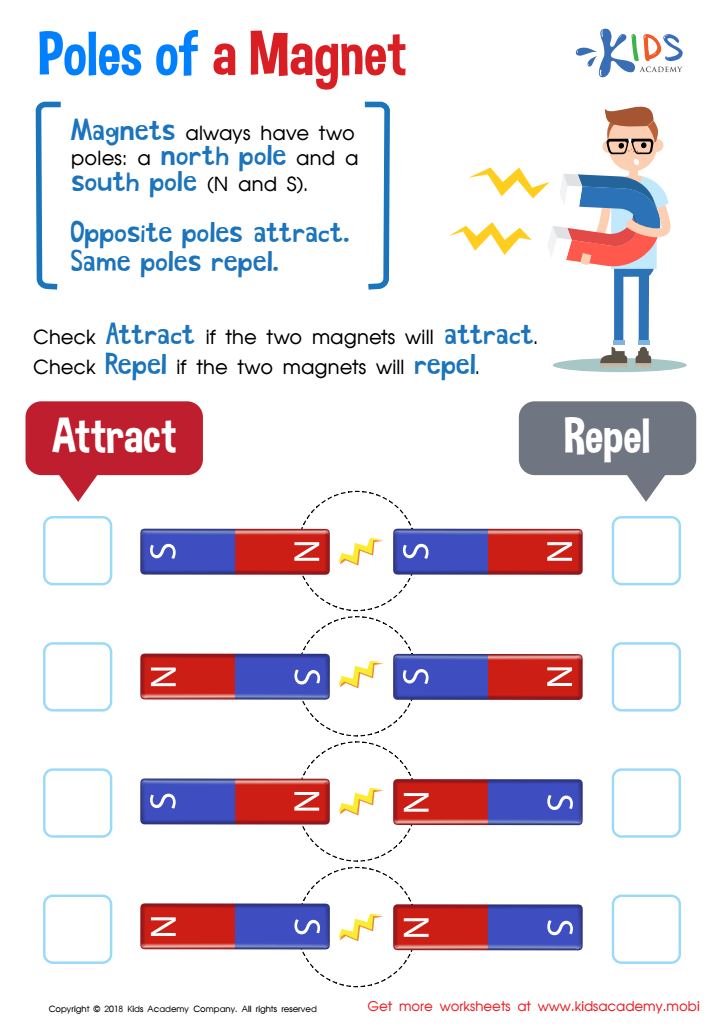
Magnet Poles Attract or Repel Worksheet
 Assign to My Students
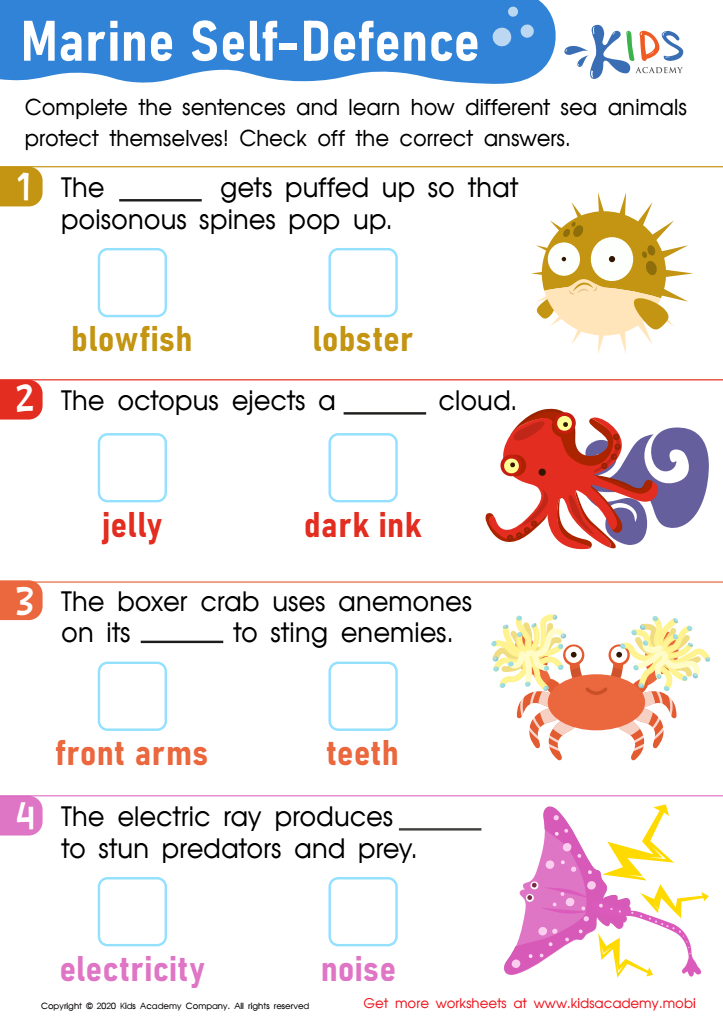
Marine Self-Defence Worksheet
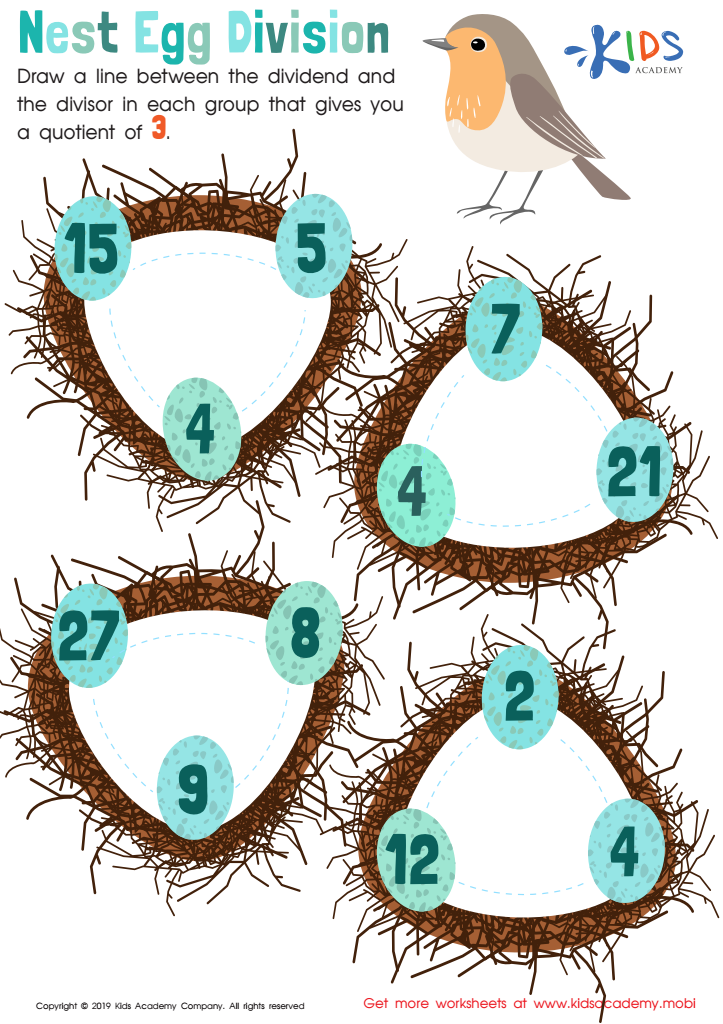
Nest Egg Division Worksheet
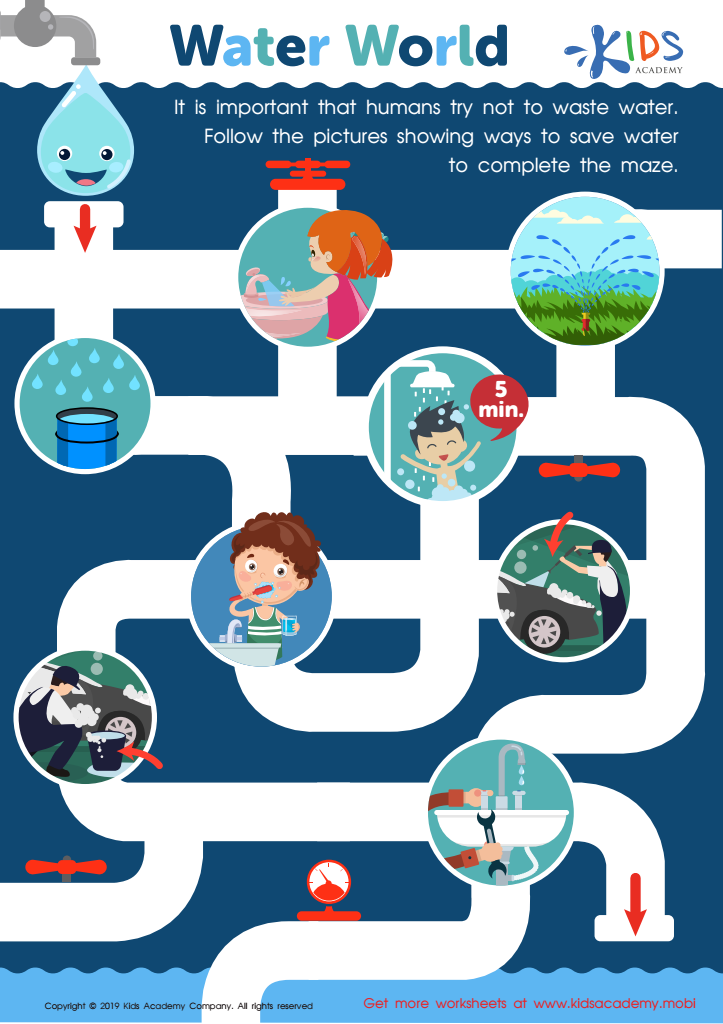
Water World Worksheet
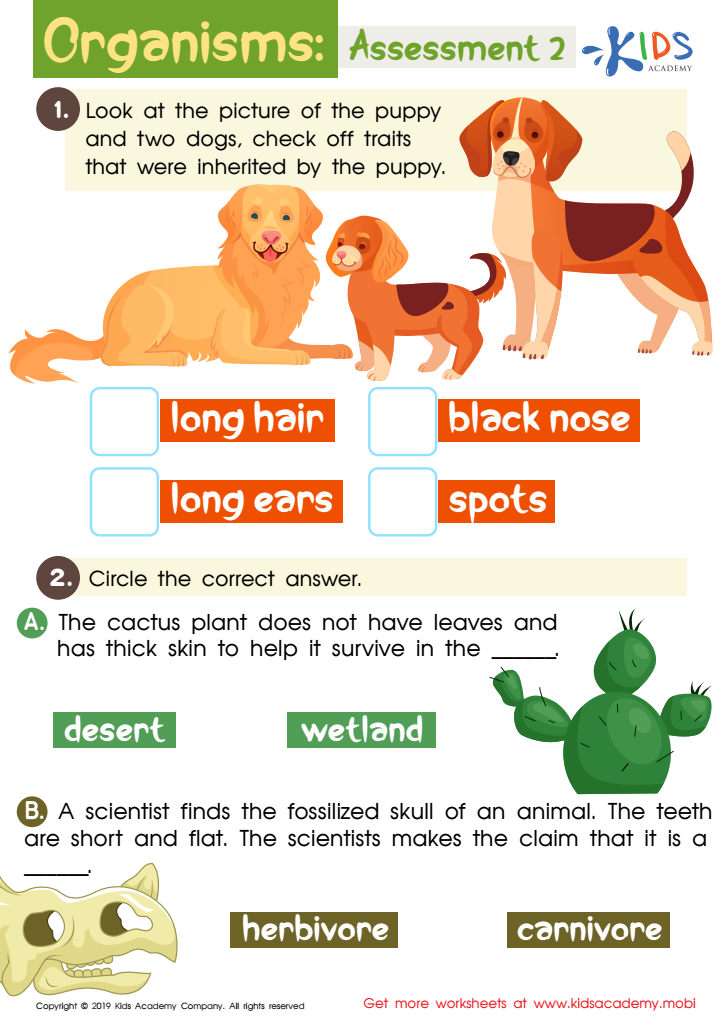
Organisms: Assessment 2 Worksheet
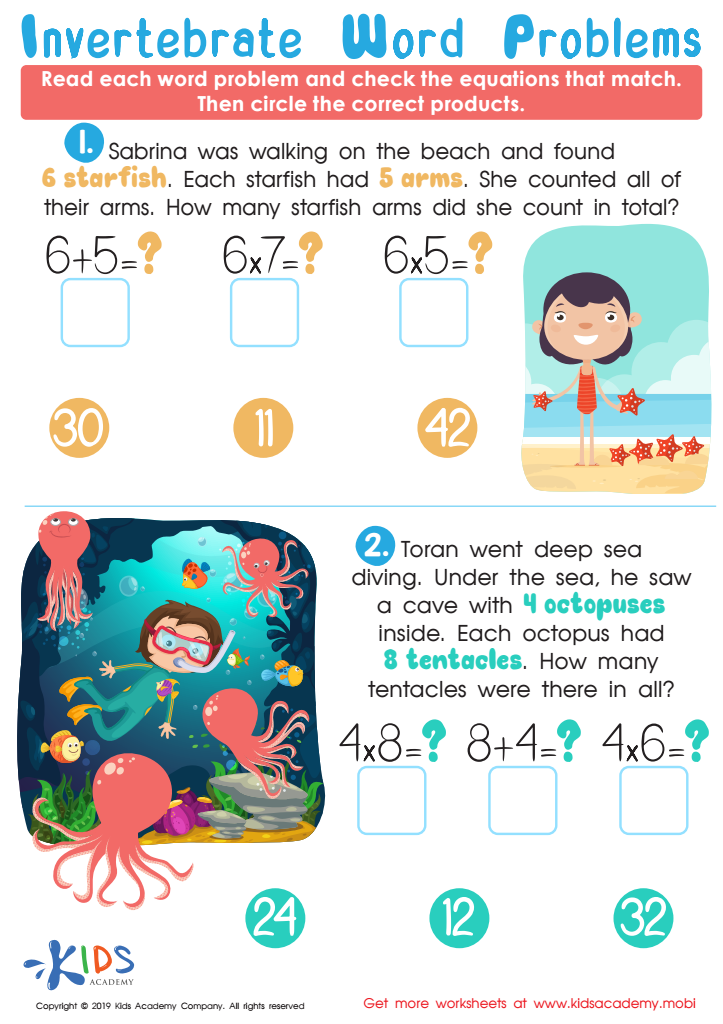
Invertebrate Problems Worksheet
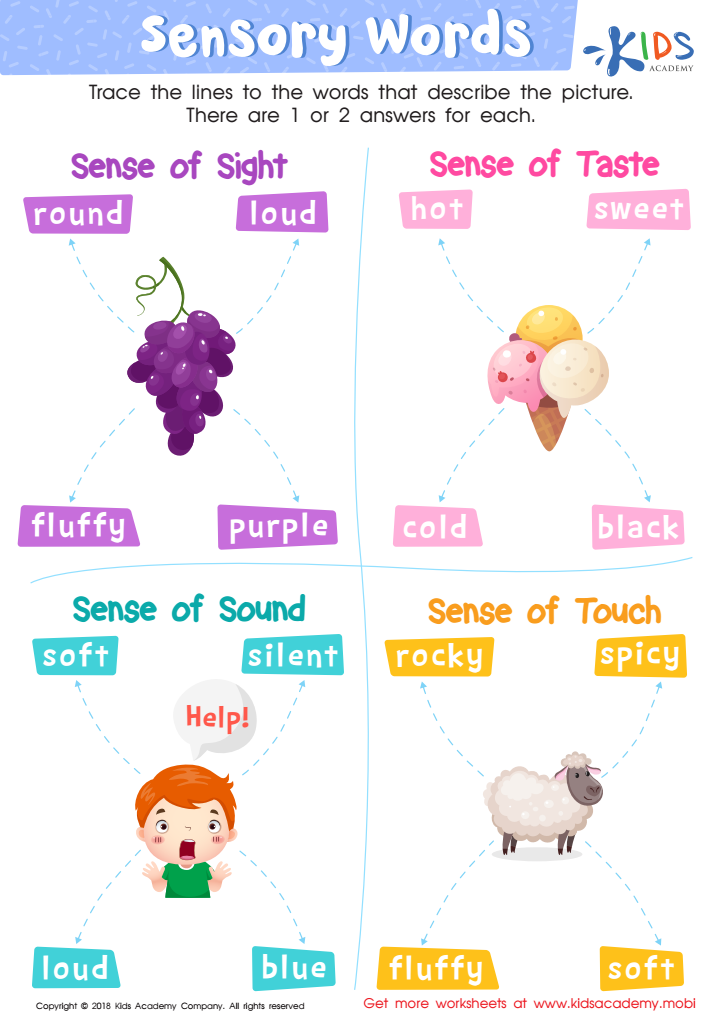
Sensory Words Worksheet
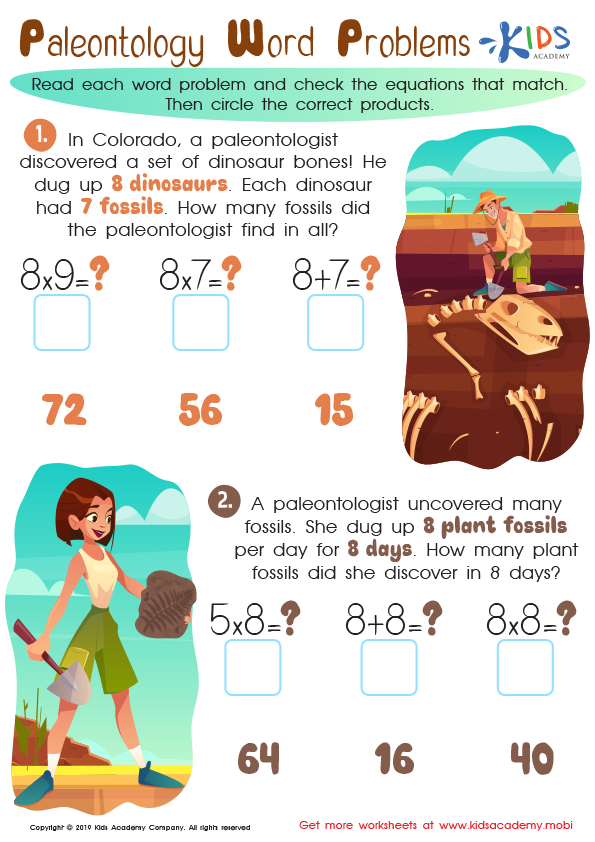
Archeology Word Problems Worksheet
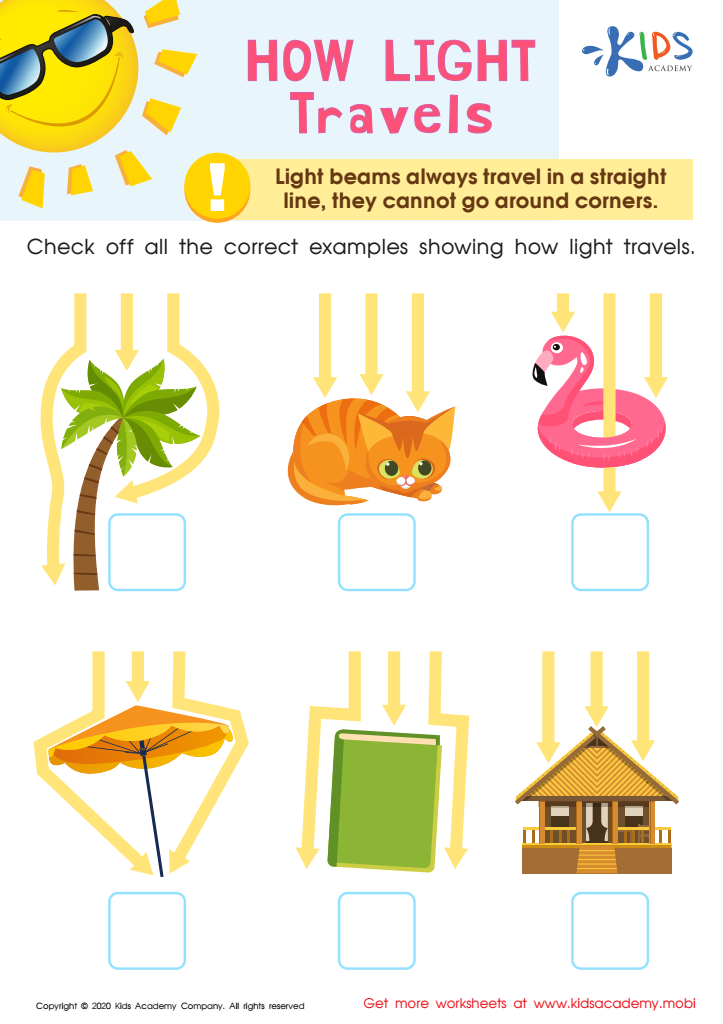
How Light Travels Worksheet
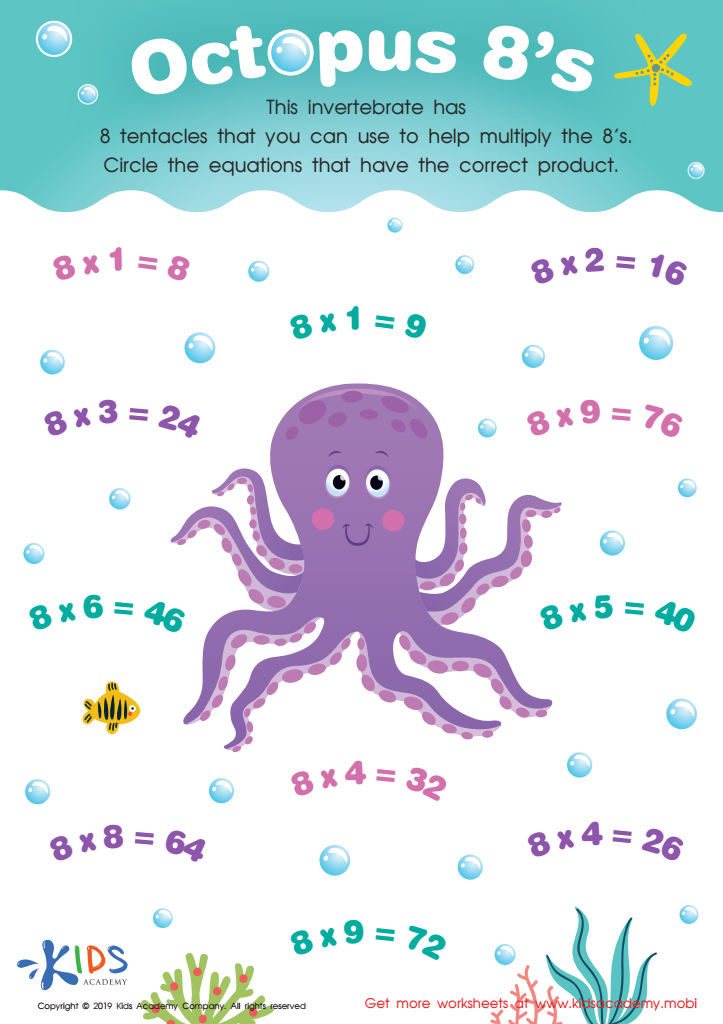
Octopus 8’s Worksheet
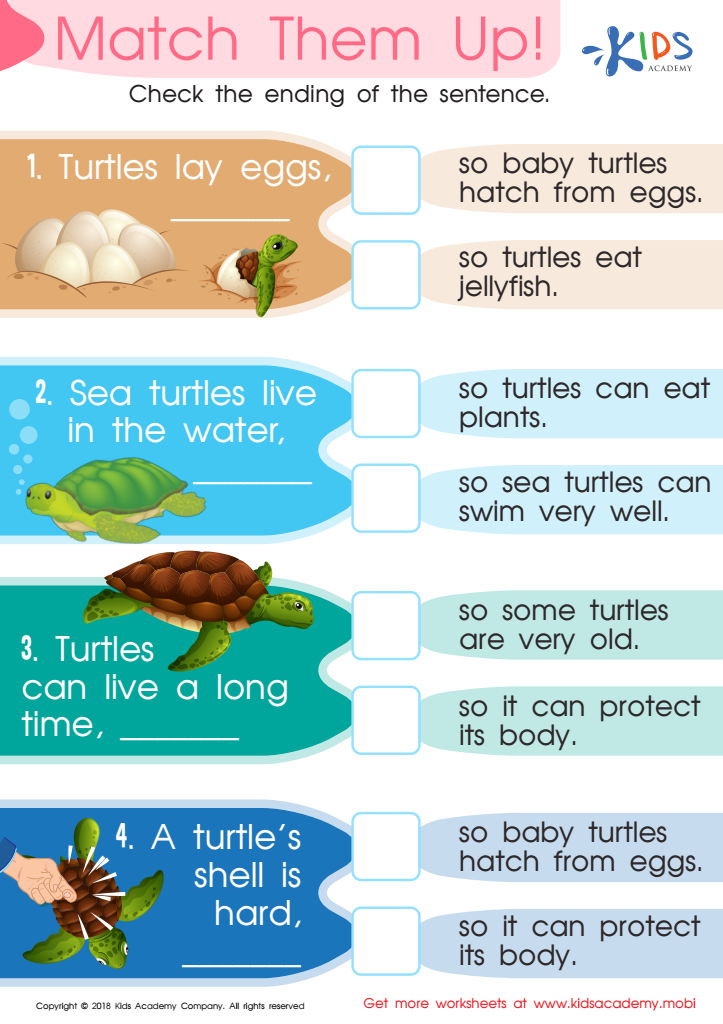
Match Them Up Worksheet
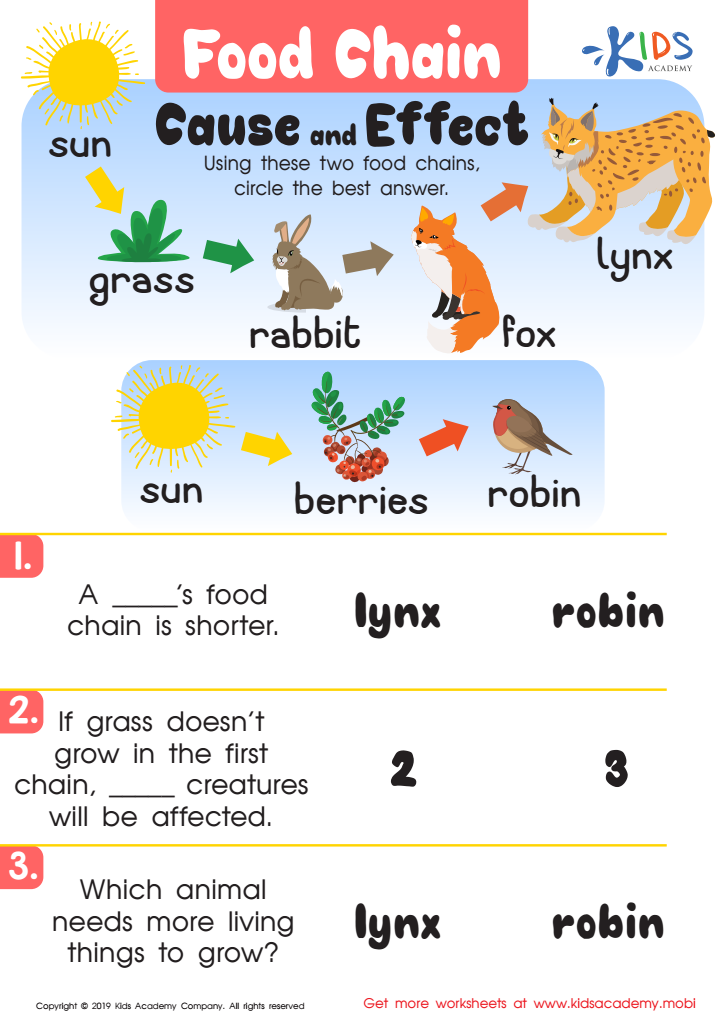
Food Chain Cause Worksheet
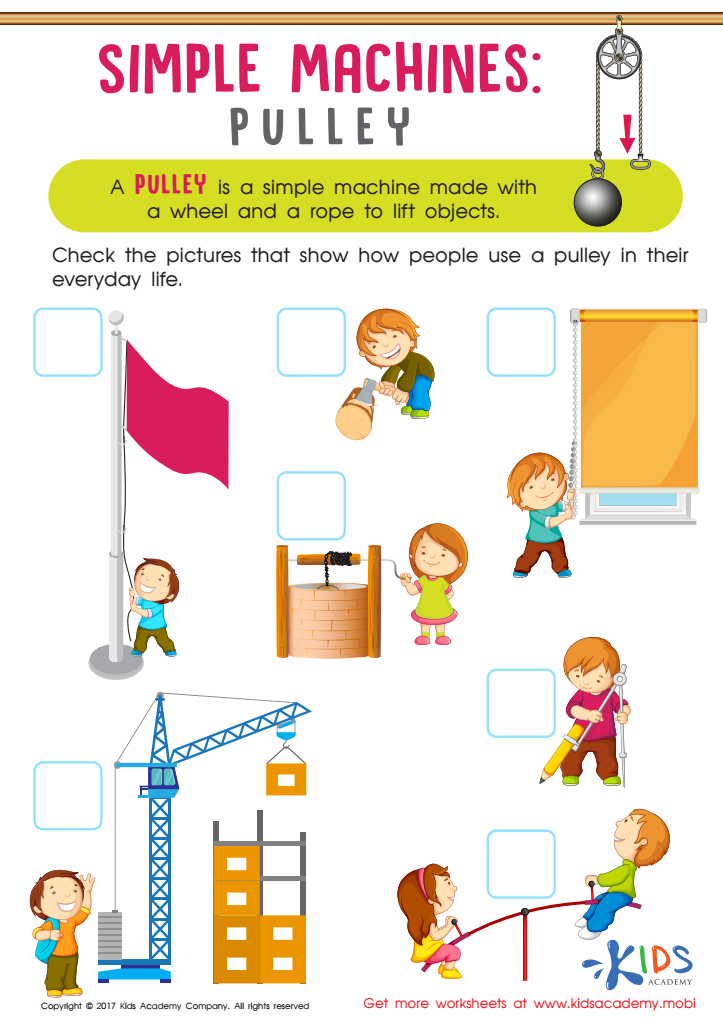
Simple Machines Pulley Worksheet
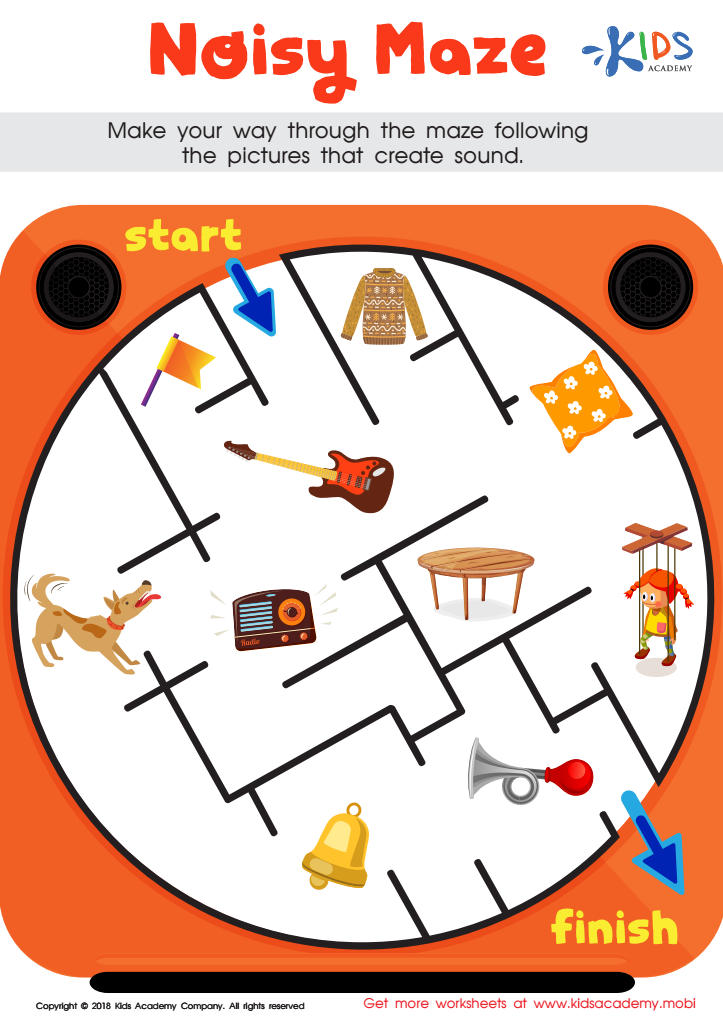
Noisy Maze Worksheet
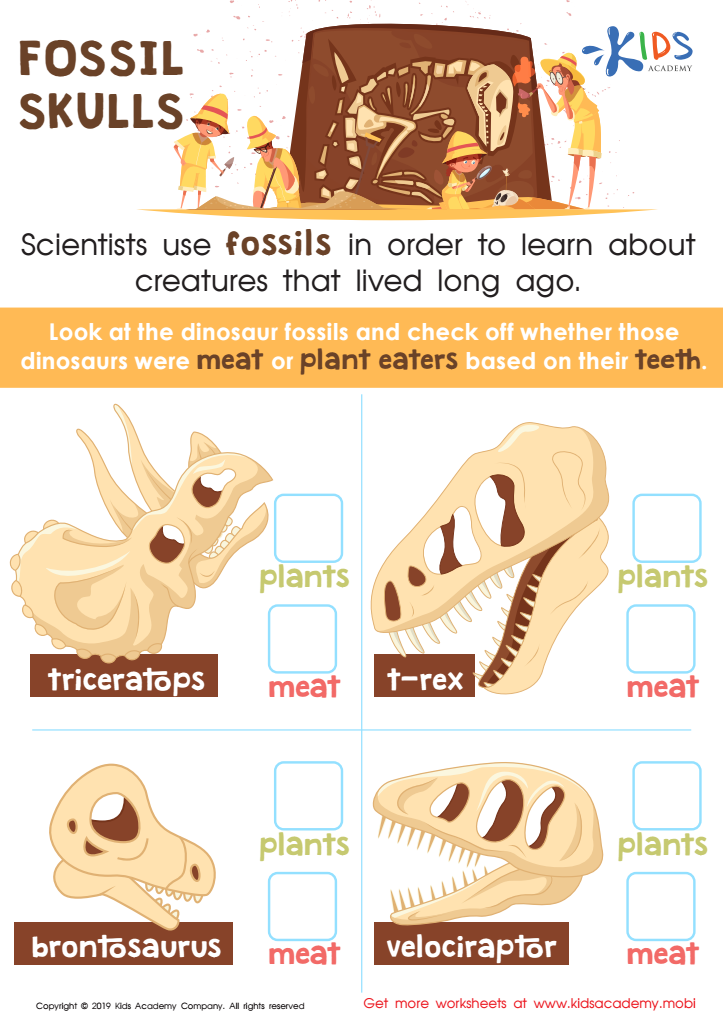
Fossil Skulls Worksheet
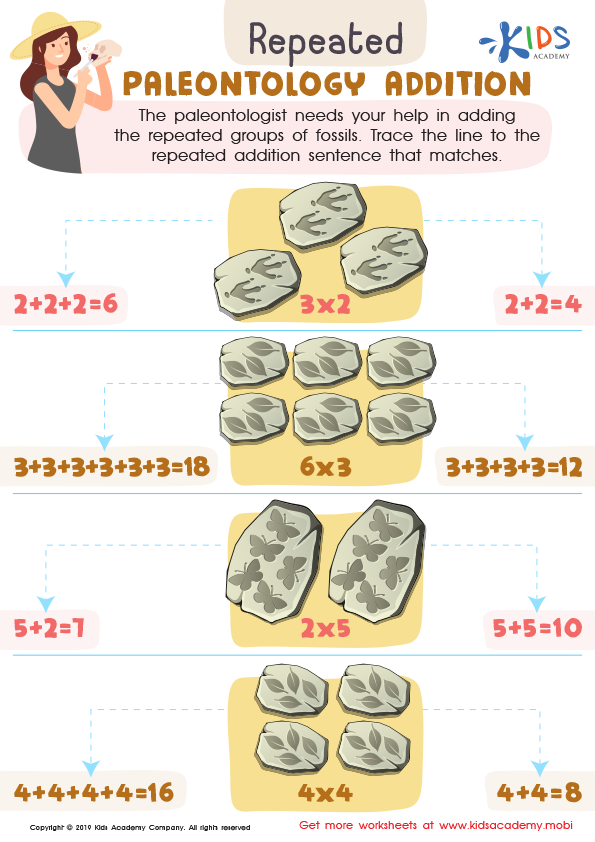
Repeated Archaeology Addition Worksheet
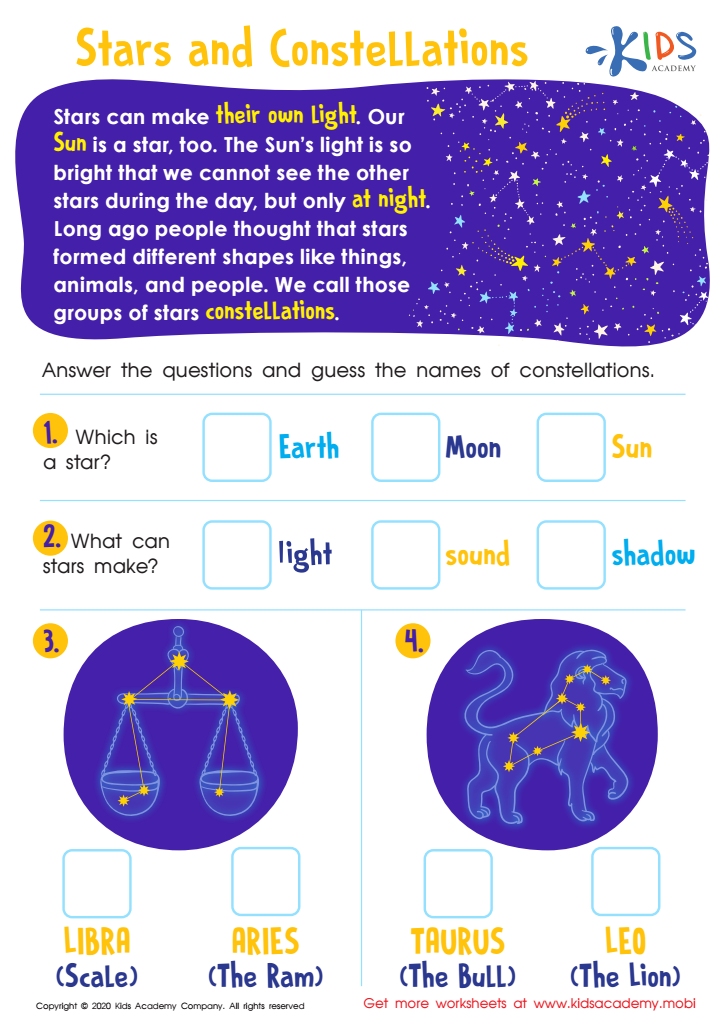
Stars and Constellations Worksheet
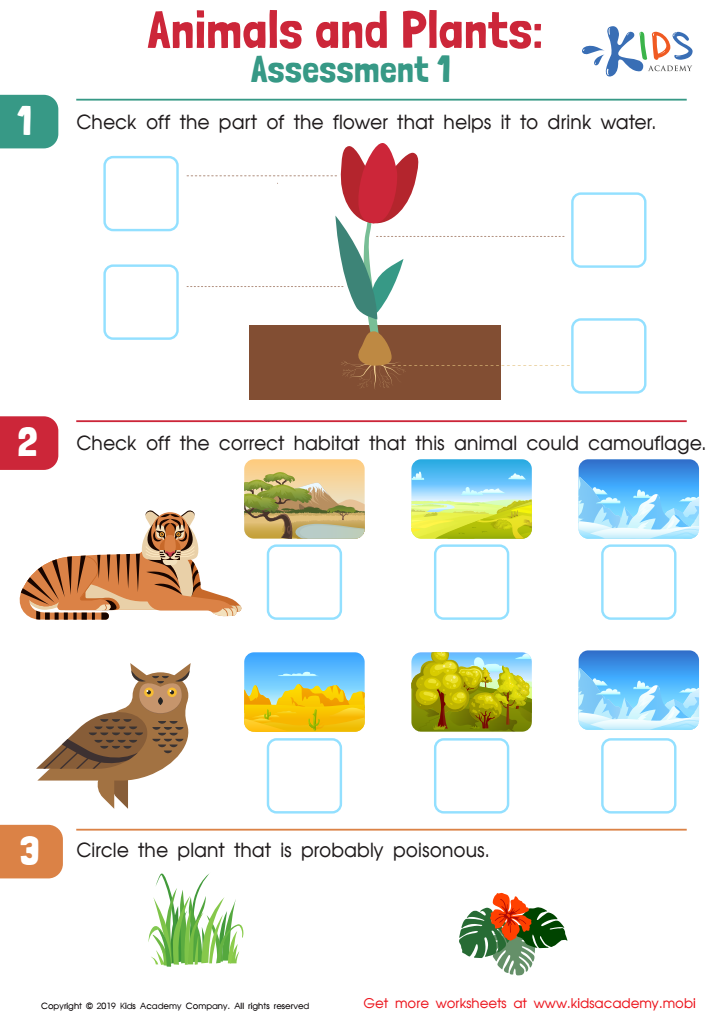
Animals and Plants: Assessment 1 Worksheet
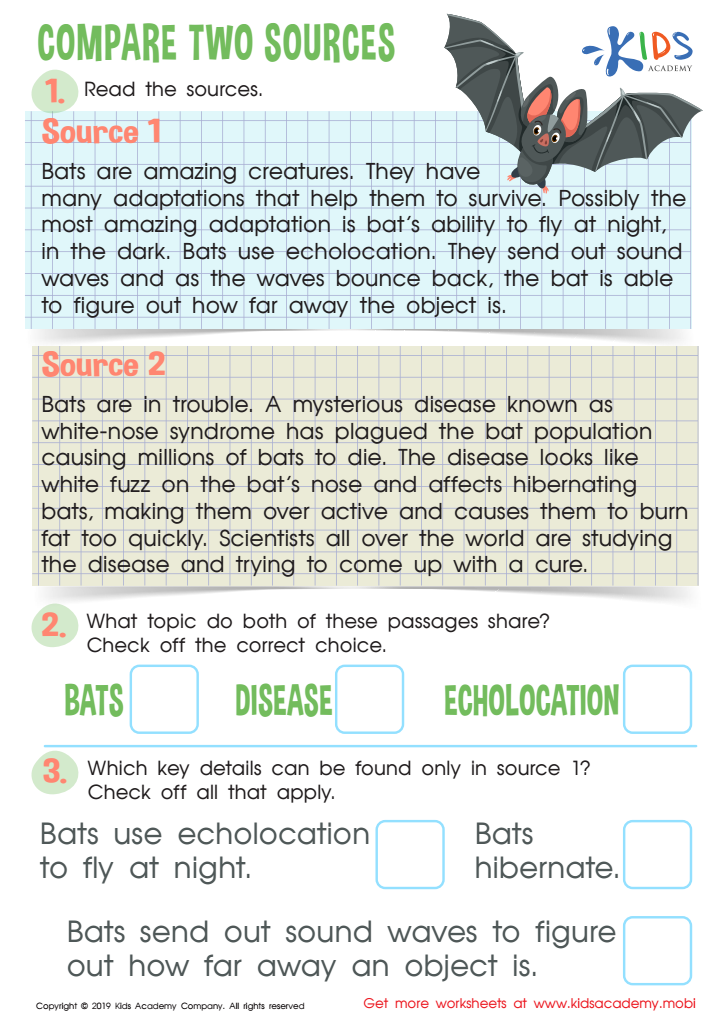
Compare Two Sources Worksheet
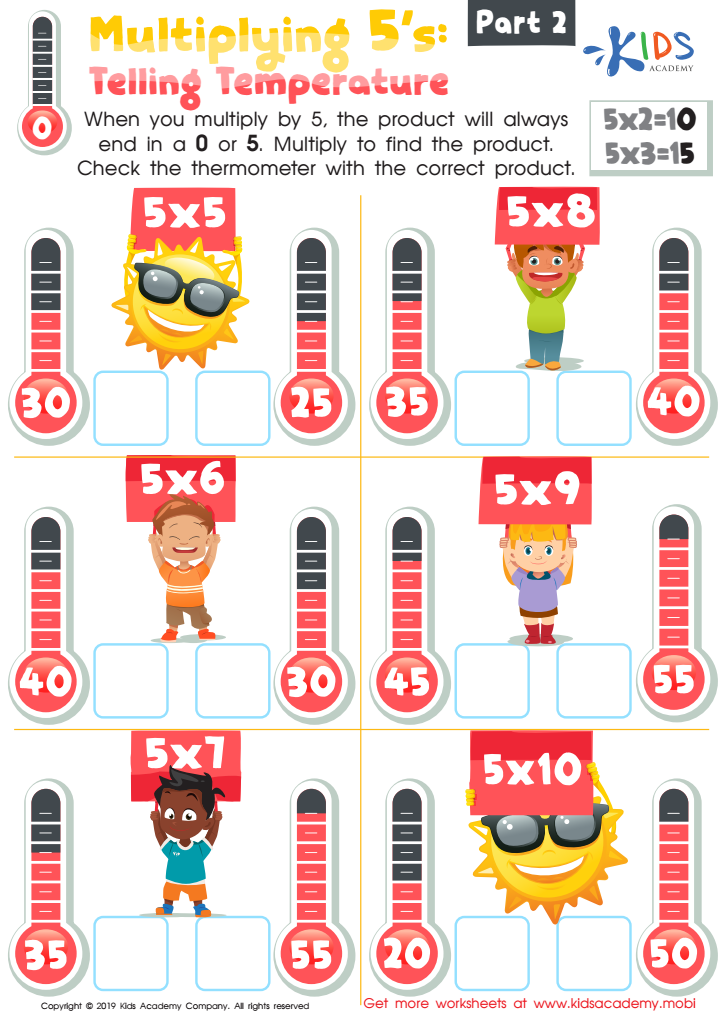
Multiplying 5’s: Telling Temperature Part 2 Worksheet
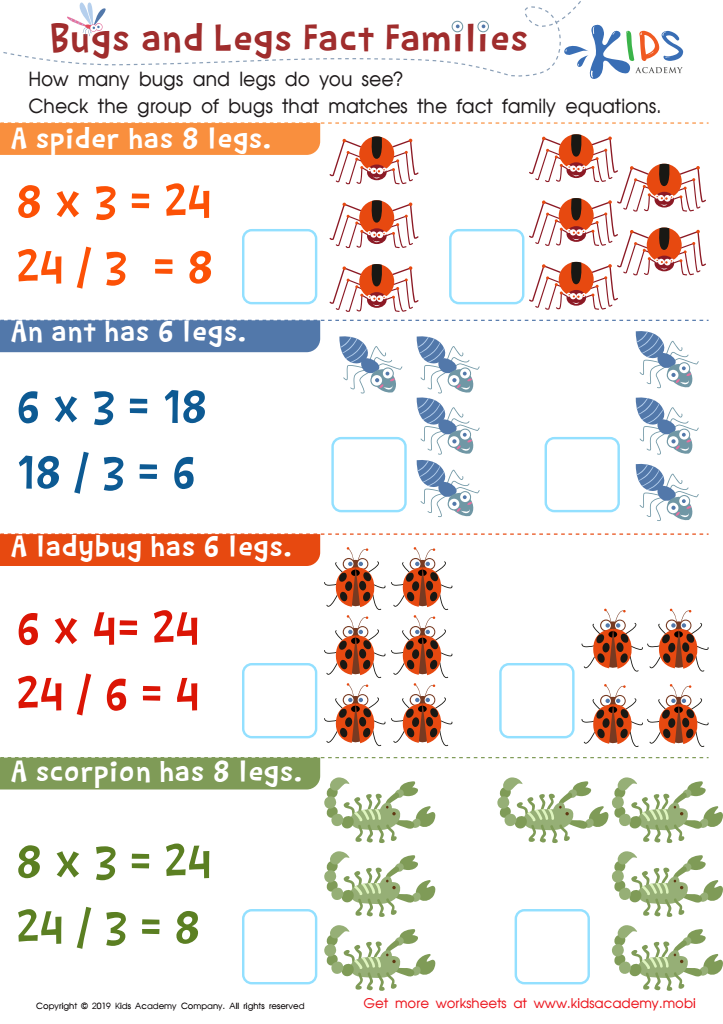
Bugs and Legs Fact Families Worksheet
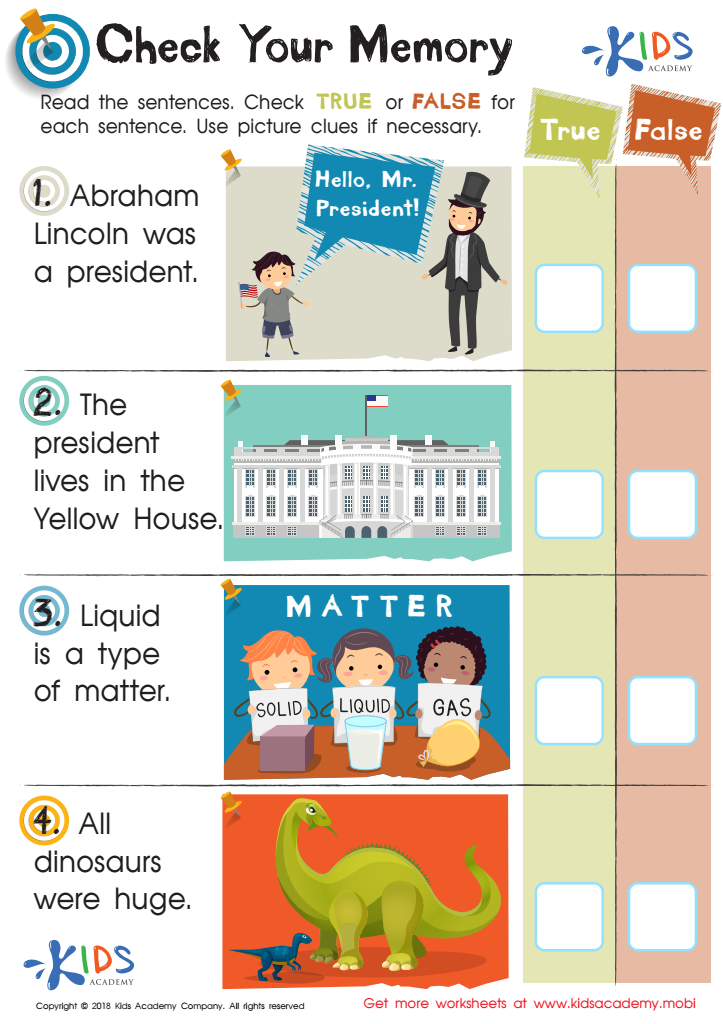
Check Memory Worksheet



.jpg)



Parents and teachers should prioritize science education for children aged 6-9 because this developmental stage is crucial for building a strong foundation in critical thinking and problem-solving skills. Science fosters curiosity, encouraging children to explore the world around them, ask questions, and seek answers. Engaging in scientific activities cultivates a love for learning and promotes creativity, which are essential traits for future success.
At this age, children's cognitive abilities are rapidly developing, making it an ideal time to introduce fundamental scientific concepts. Hands-on experiments and outdoor exploration complement classroom learning, helping children grasp abstract ideas through tangible experiences. This experiential learning nurtures a growth mindset, teaching children that failure is a part of the learning process.
Additionally, science education supports the development of literacy and numeracy skills, as children learn to read instructions, measure, and analyze data. Fluency in science also lays the groundwork for future STEM careers, which are increasingly vital in our technology-driven world. Ultimately, providing meaningful science experiences from an early age empowers children to become informed citizens who can think critically about the challenges facing our planet, fostering both individual growth and a sense of responsibility for their community.







