History Worksheets for Ages 6-9 - Page 4
88 filtered results
-
From - To
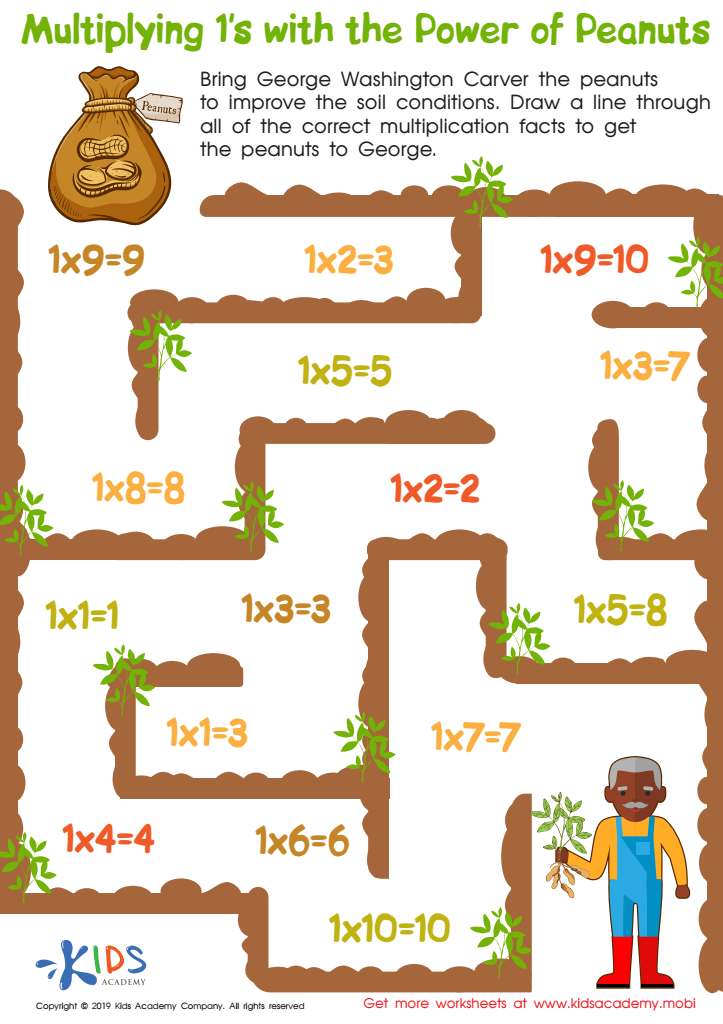
Multiplying 1’s With the Power of Peanuts Worksheet
 Assign to My Students
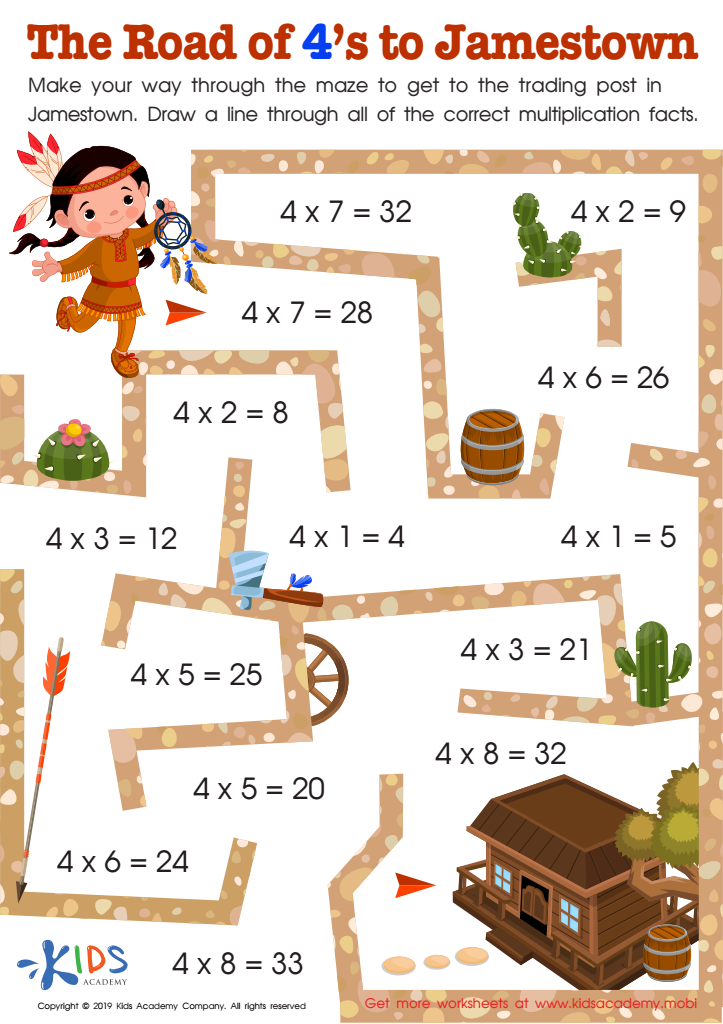
The Road of 4’s to Jamestown Worksheet
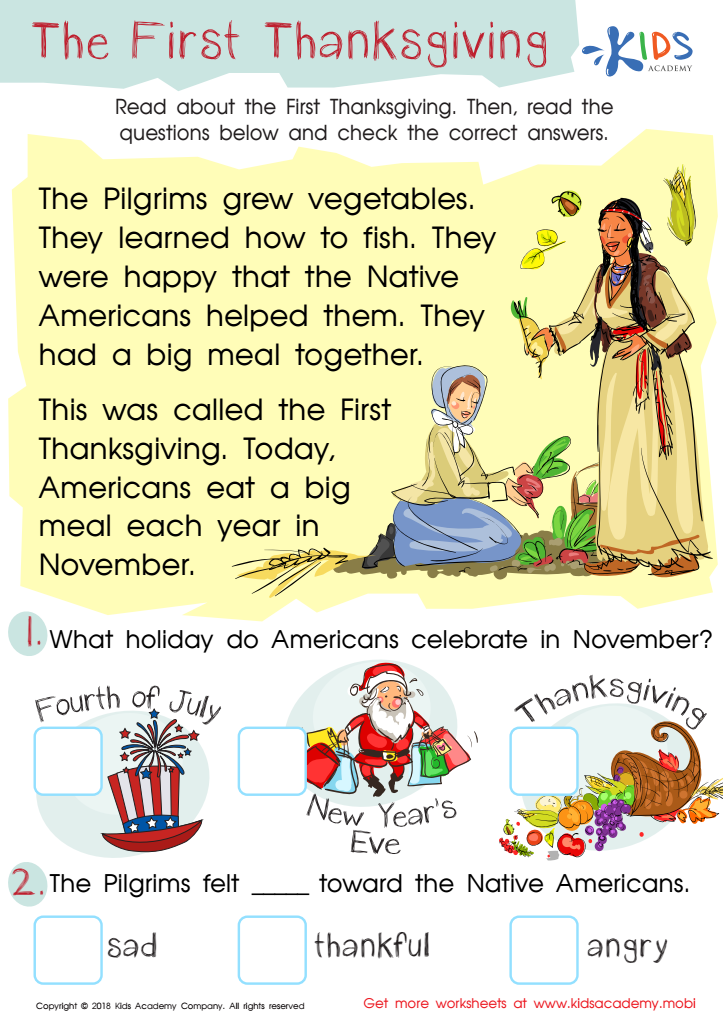
Assessment: First Thanksgiving Worksheet
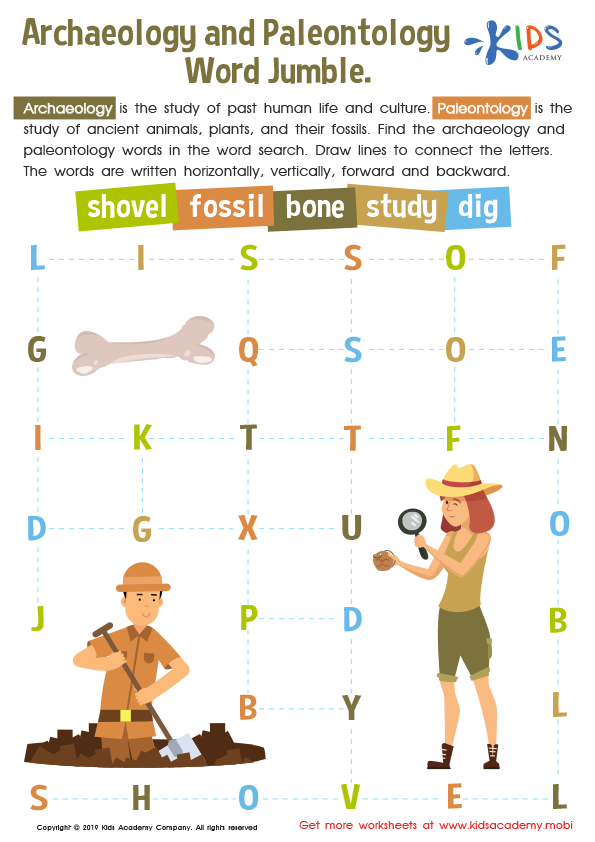
Archaeology and Paleontology Word Jumble Worksheet
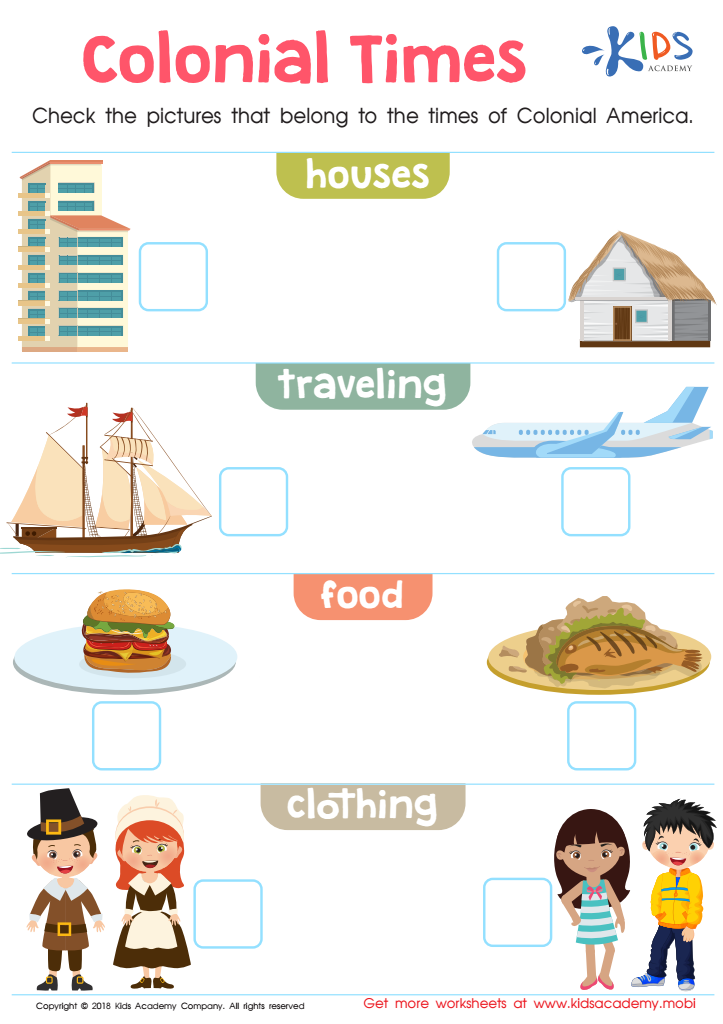
Colonial Times Worksheet
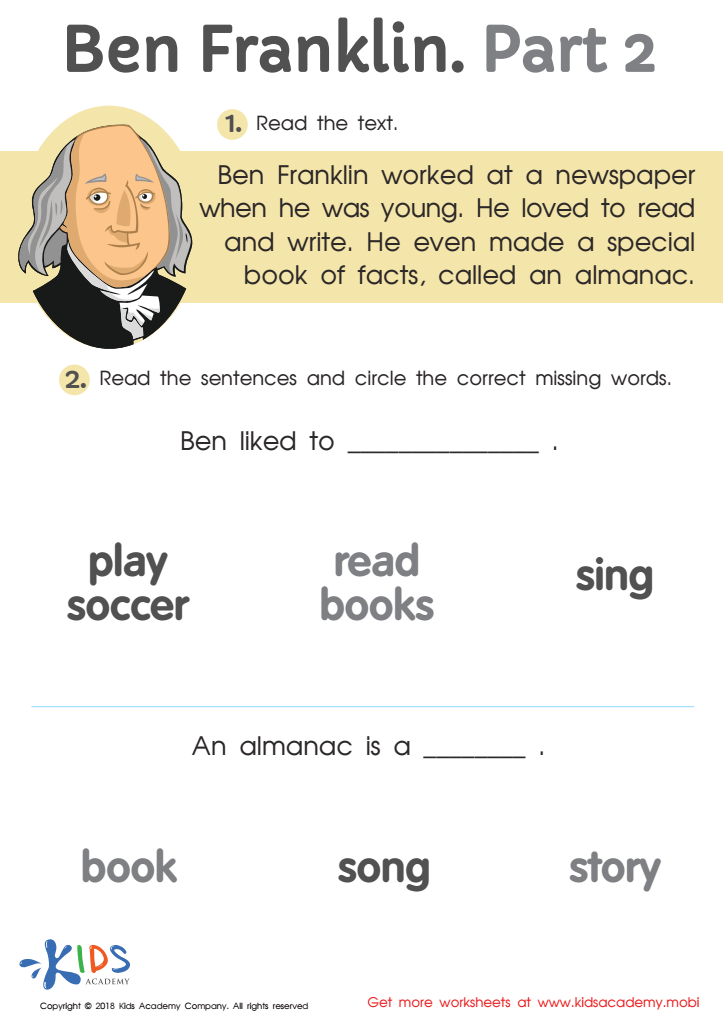
Ben Franklin Part 2 Worksheet
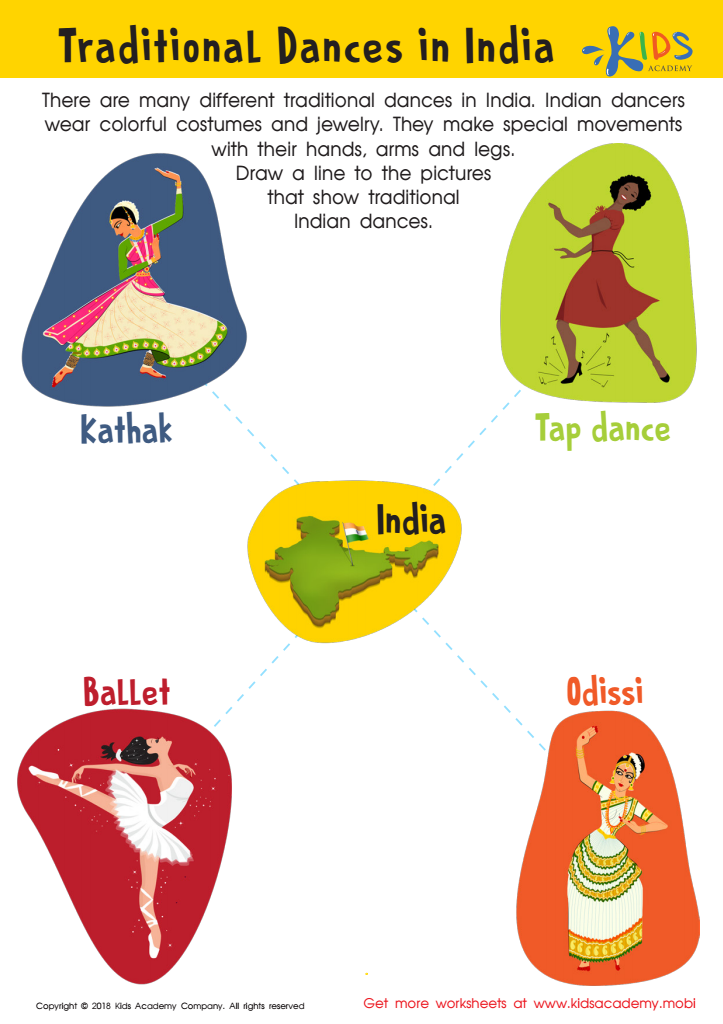
Traditional Dances in India Worksheet
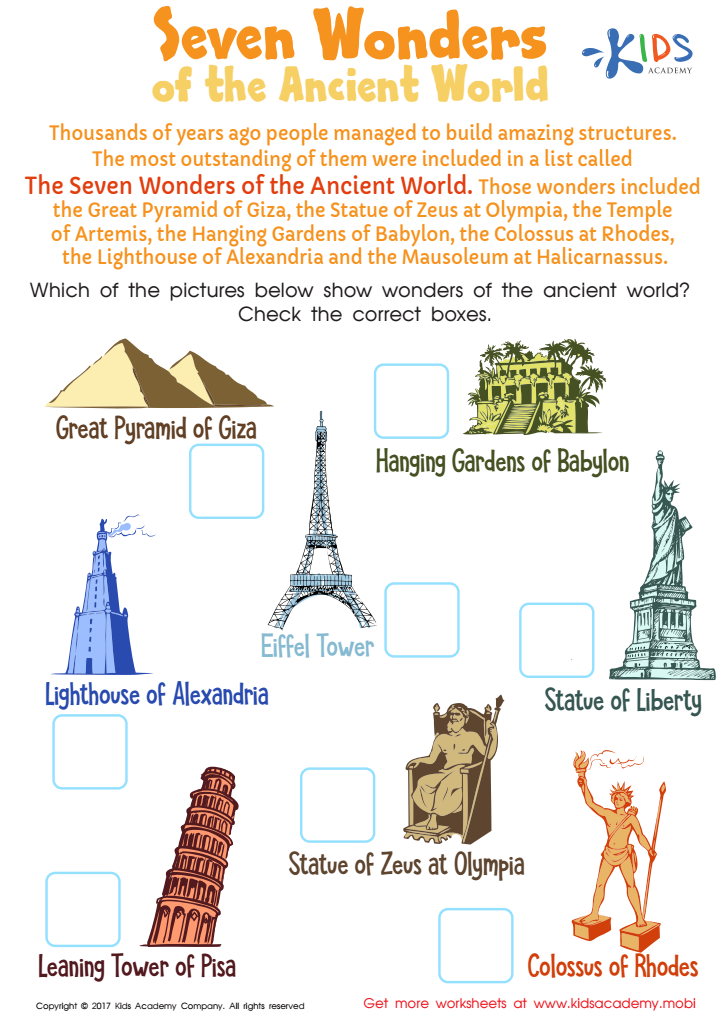
Seven Wonders of the Ancient World Worksheet
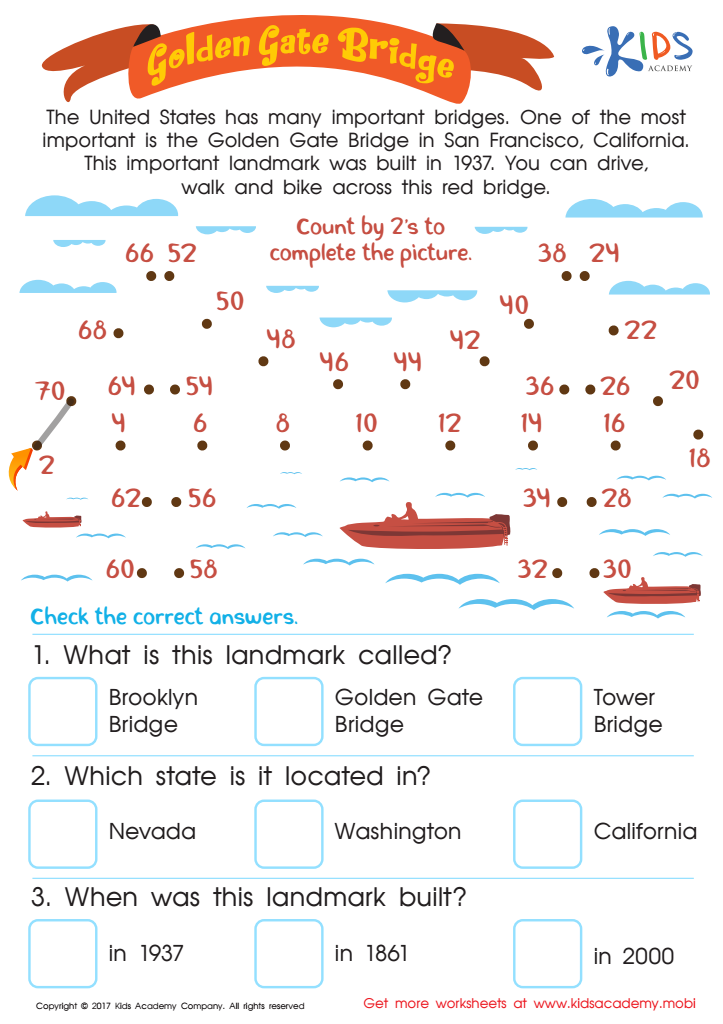
Golden Gate Bridge Worksheet
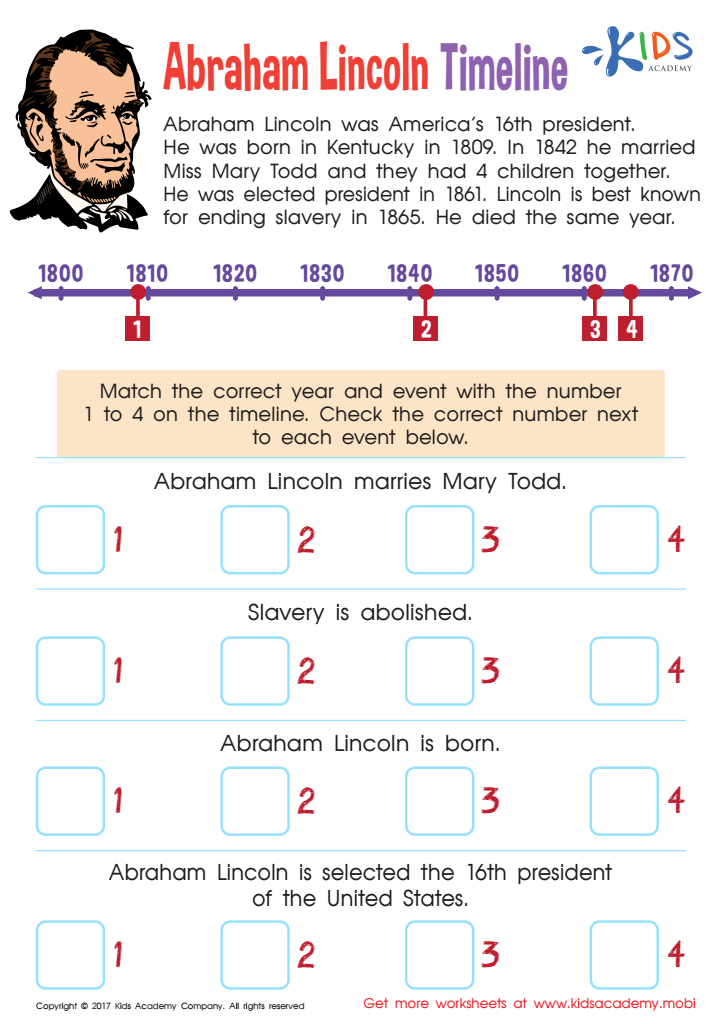
Abraham Lincoln Timeline Worksheet
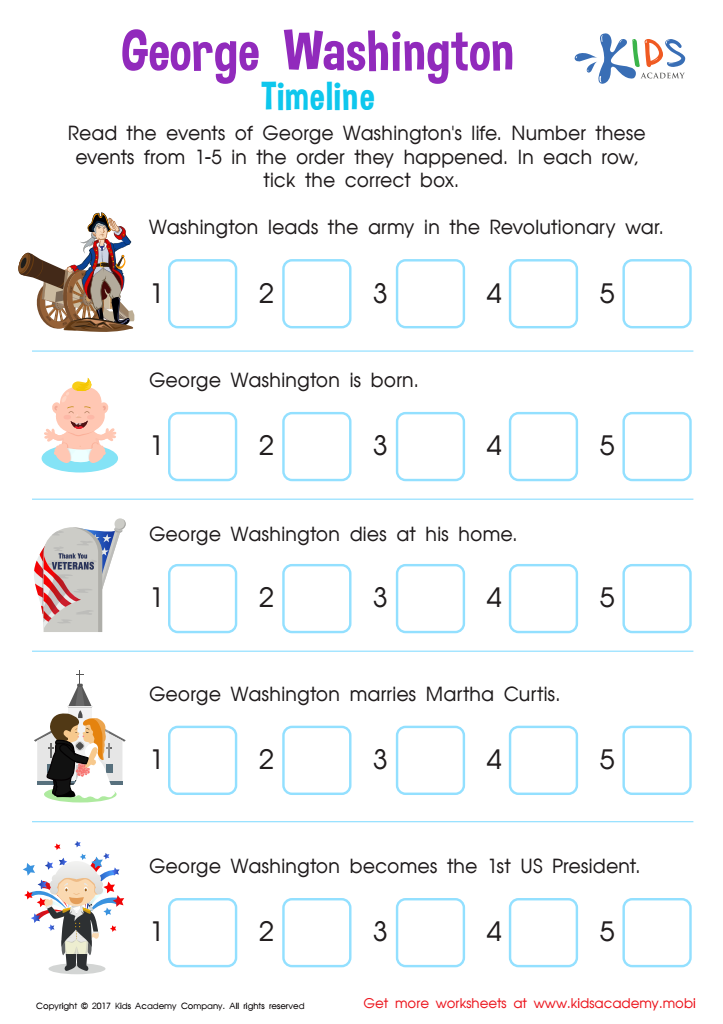
George Washington Timeline Worksheet
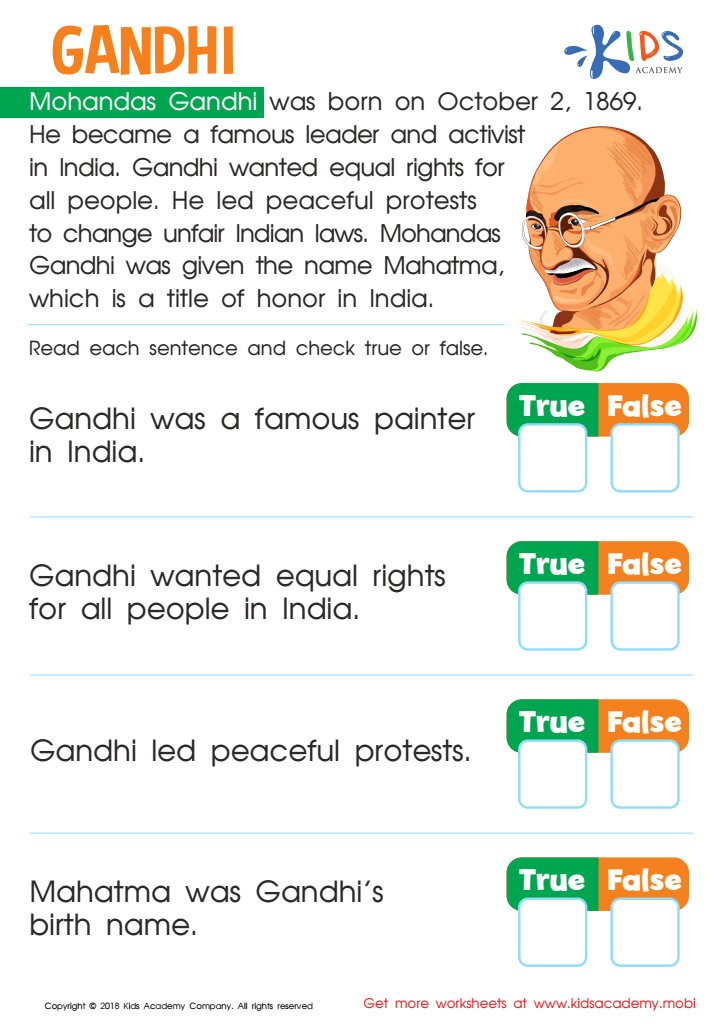
Gandhi Worksheet
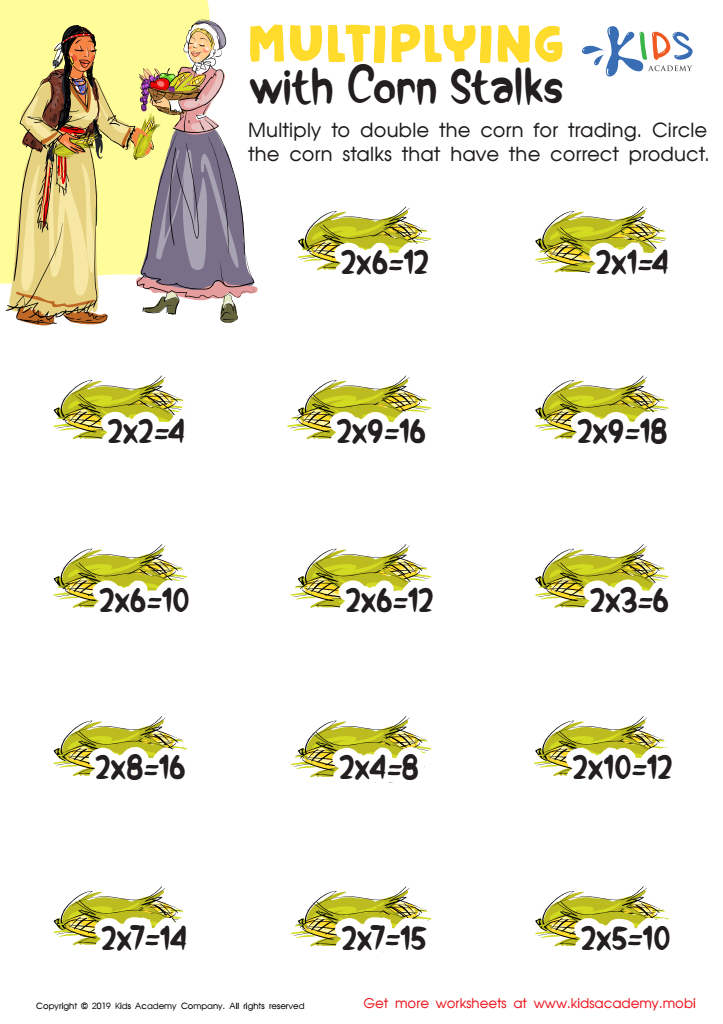
Multiplying With Corn Stalks Worksheet
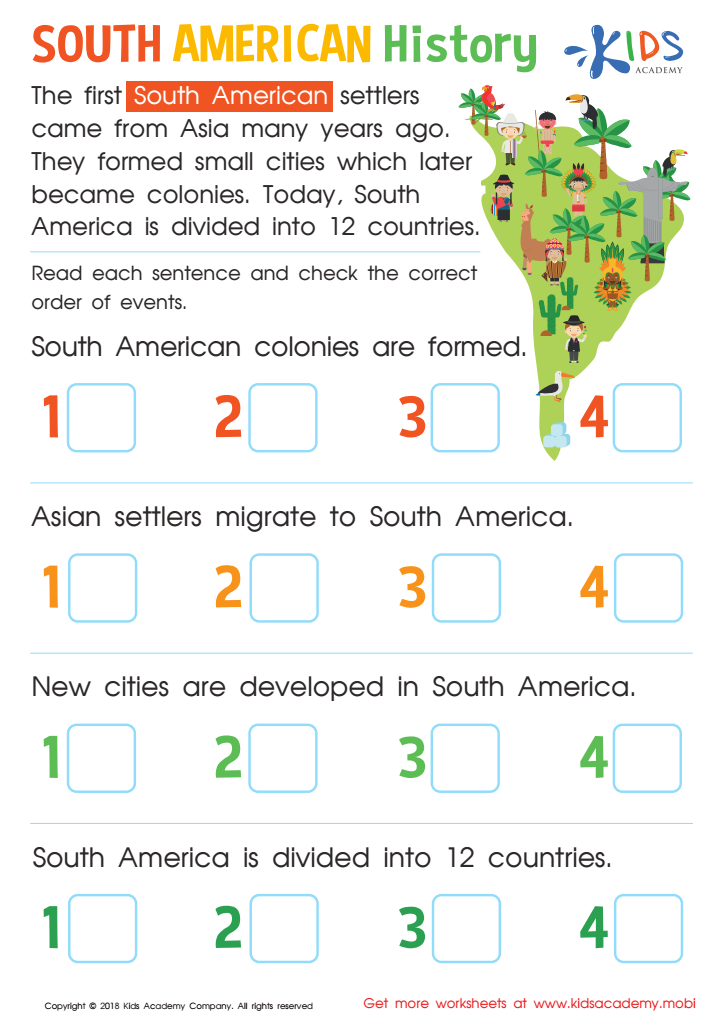
South American History Worksheet
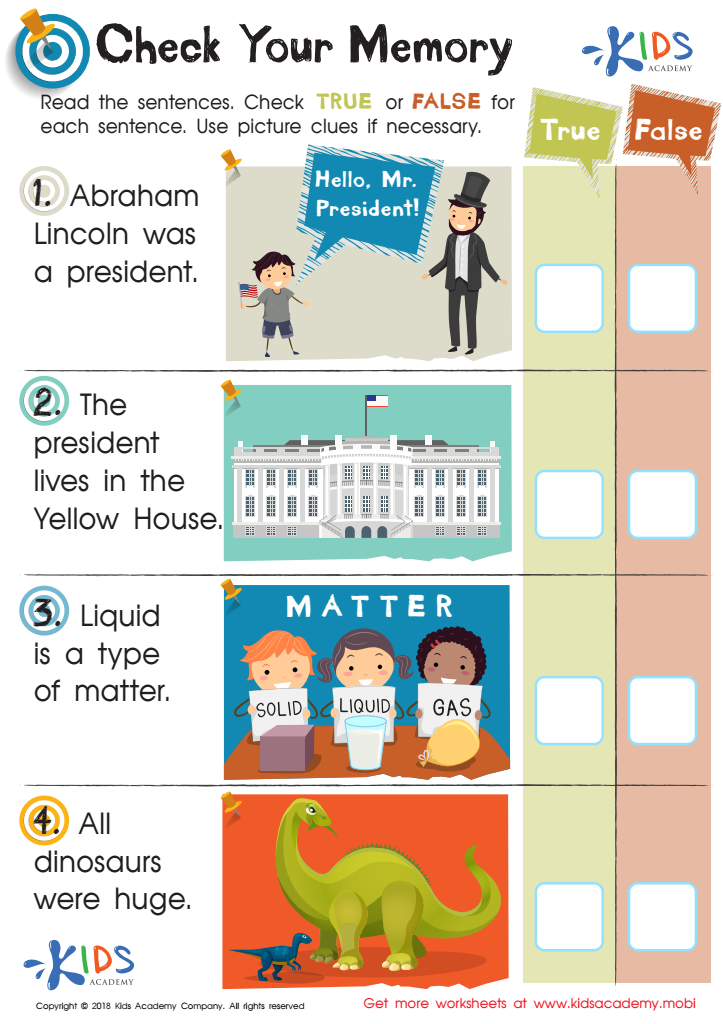
Check Memory Worksheet
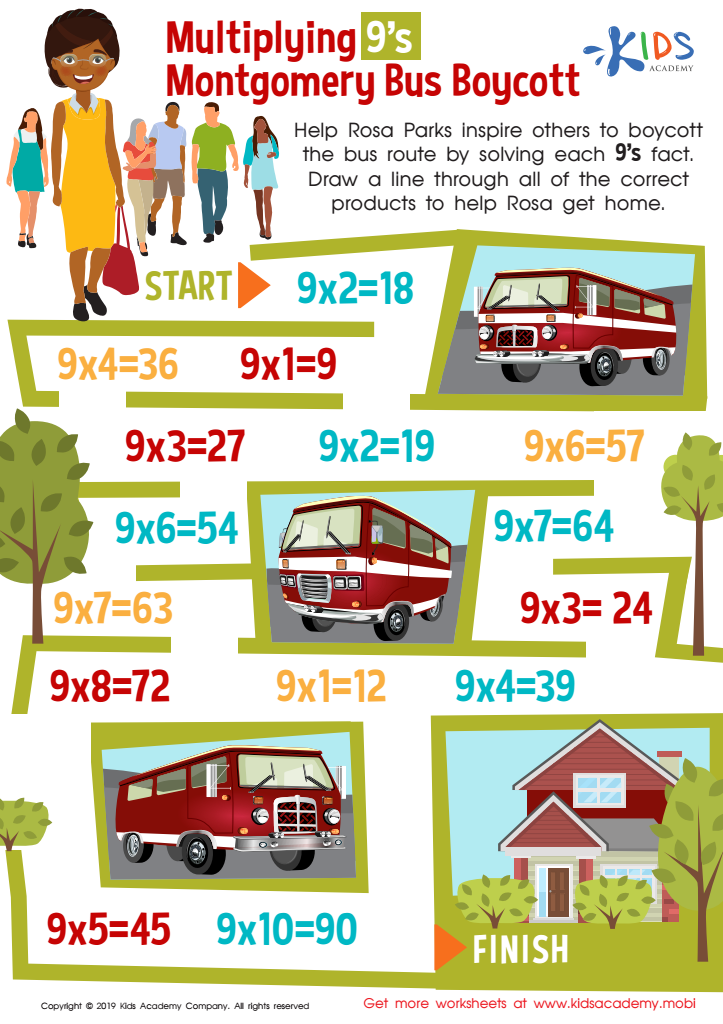
Multiplying 9’s Montgomery Bus Boycott Worksheet







Caring about history for ages 6-9 is crucial because it lays the foundation for a well-rounded education. During these formative years, children are curious and absorb knowledge like sponges. Introducing them to history nurtures a sense of curiosity about the world and helps them understand how past events shape the present and future. History helps build critical thinking skills as children learn to analyze causes and effects, understand different perspectives, and differentiate between fact and opinion.
Moreover, history fosters empathy and respect for others by exposing children to diverse cultures, traditions, and experiences. Learning about people from different times and places broadens their worldview and encourages inclusivity.
In practical terms, history enhances literacy by expanding vocabulary and comprehension as children encounter new terms and concepts. It also supports cross-disciplinary learning, intersecting with subjects like geography, social studies, and even science.
For parents and teachers, instilling an interest in history ignites a lifelong love of learning. It helps children develop identity, community ties, and a sense of citizenship. By caring about history, we equip our young learners with the tools they need to become informed, thoughtful, and engaged members of society. Ultimately, an early appreciation of history empowers children to contribute mindfully to the world.