Vowel Blends Worksheets for Ages 7-8
11 filtered results
-
From - To
Introducing our Vowel Blends Worksheets, meticulously crafted for Ages 7-8! These engaging worksheets are designed to master the intricacies of vowel blends, paving the way for improved reading and pronunciation skills. Ideal for young learners, this collection encourages understanding through a variety of fun and interactive exercises. From matching games to fill-in-the-blank challenges, our worksheets offer a comprehensive approach to learning vowel blends, ensuring your child gains confidence in their reading abilities. Perfect for both classroom use and at-home practice, our Vowel Blends Worksheets for Ages 7-8 are your go-to resource for fostering a solid foundation in phonics and early reading skills.
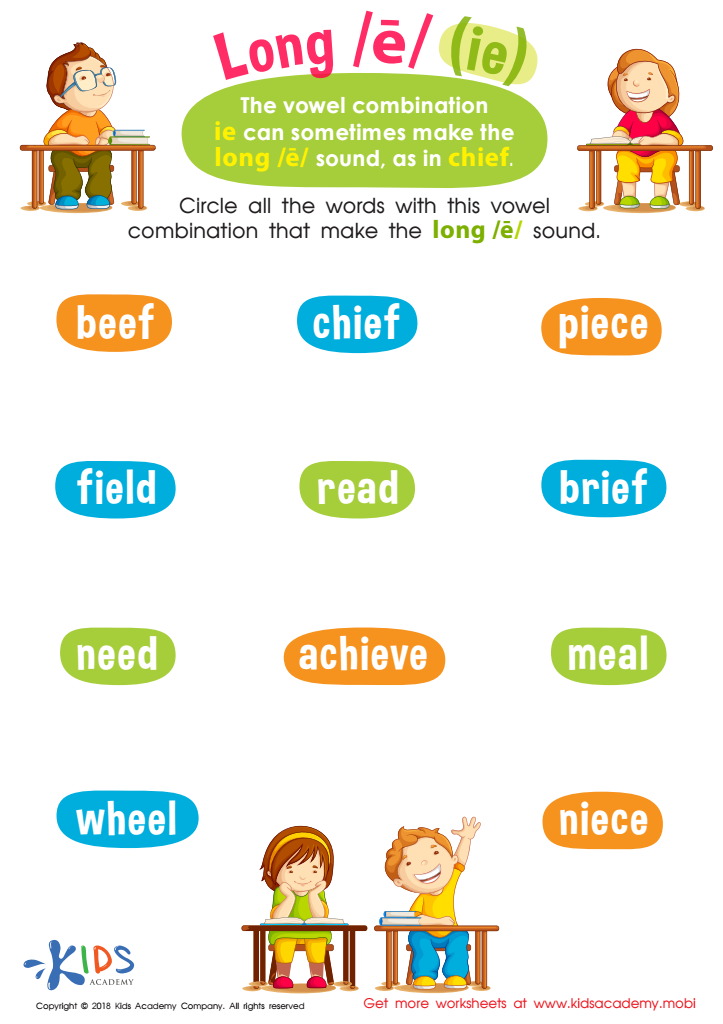
Reading: Long E and IE Worksheet
 Assign to My Students
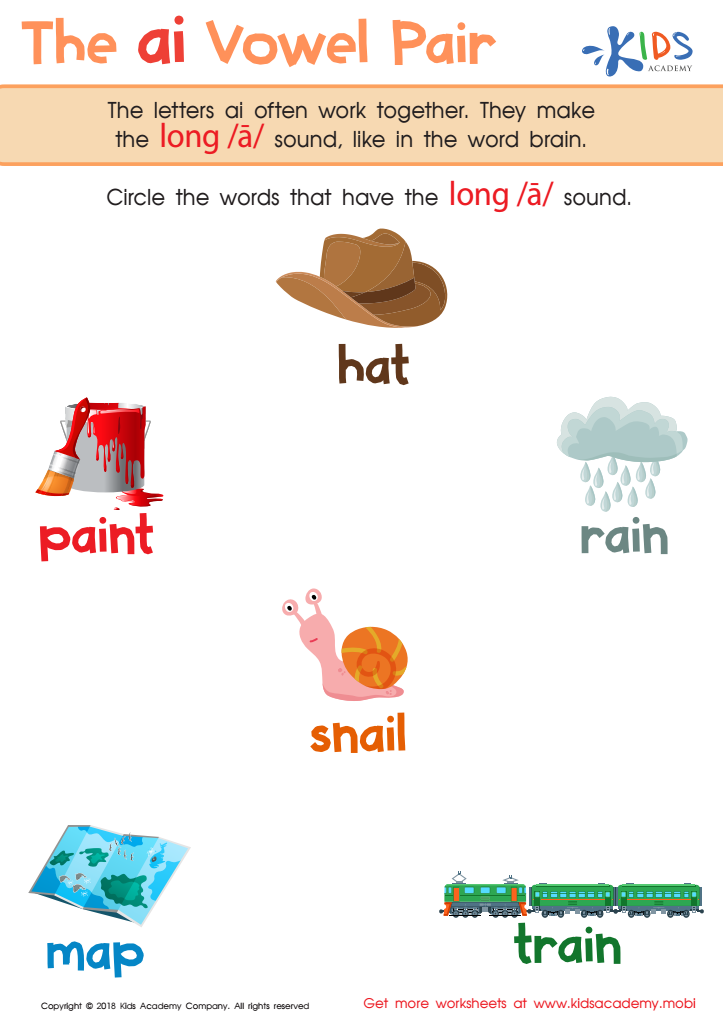
The AI Vowel Pair Worksheet
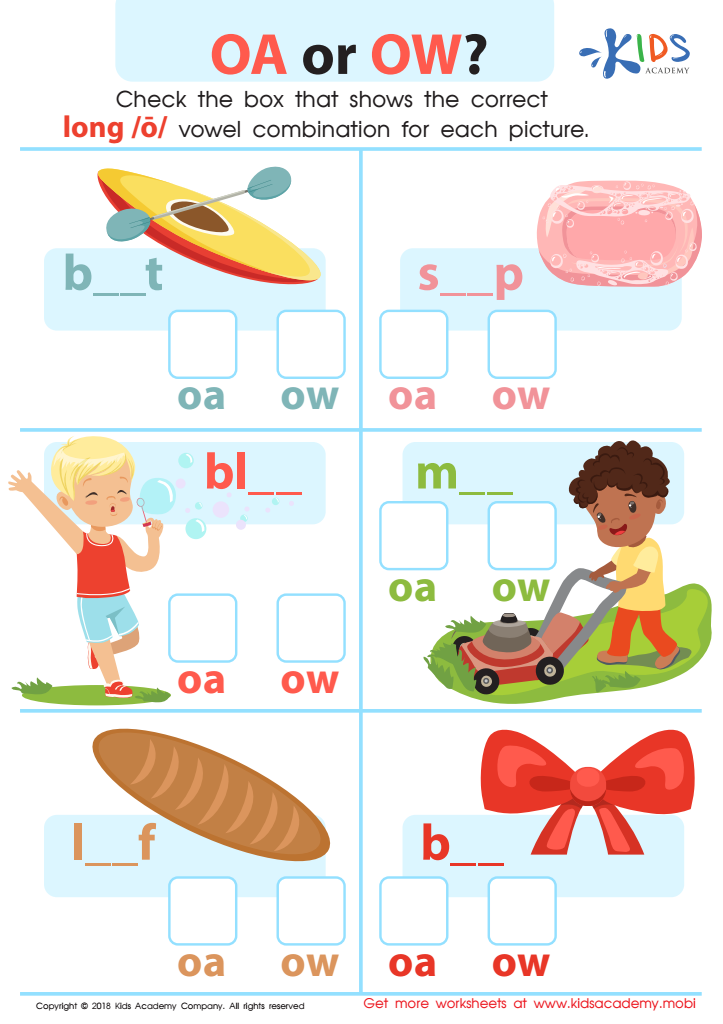
Reading: OA or OW Worksheet
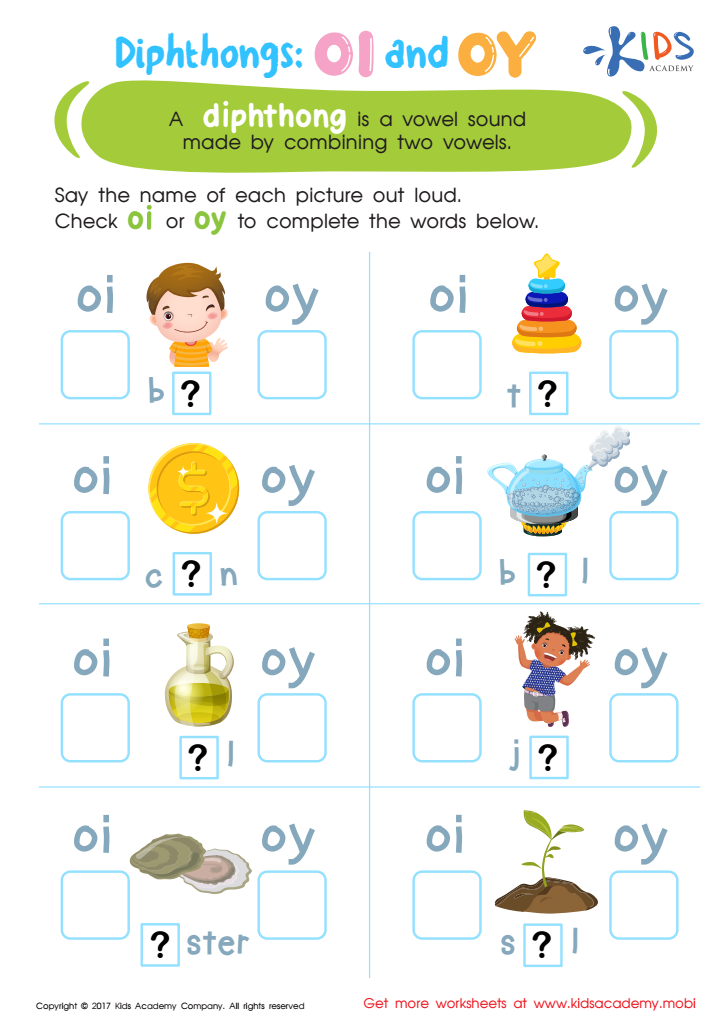
Vowel Diphthongs OI OY Worksheet
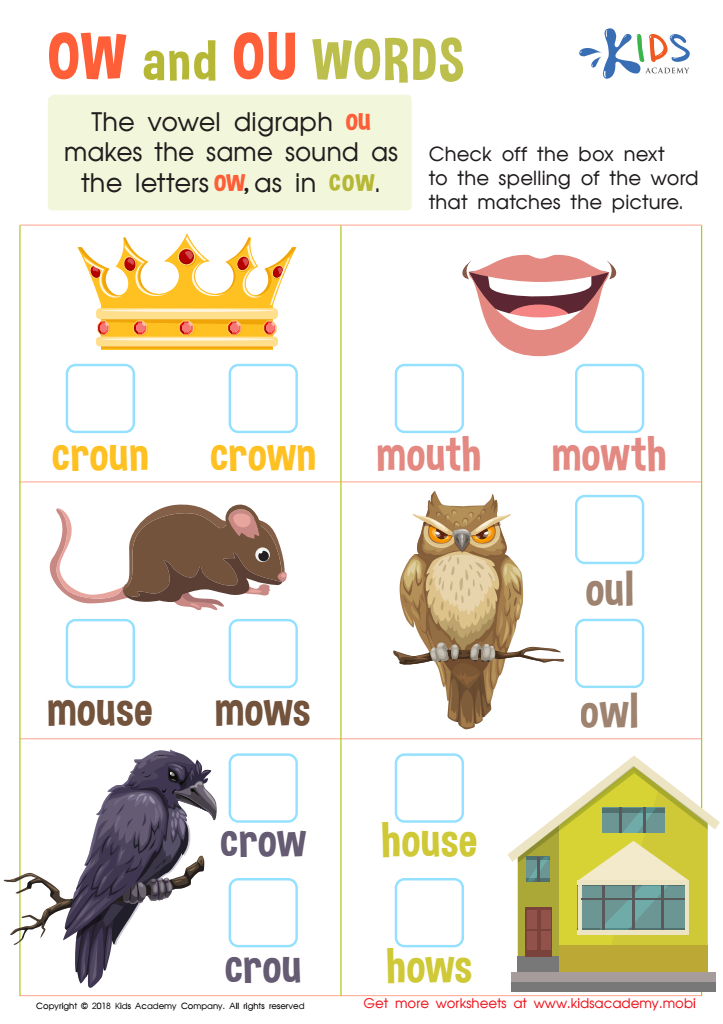
Reading: OW and OU Words Worksheet
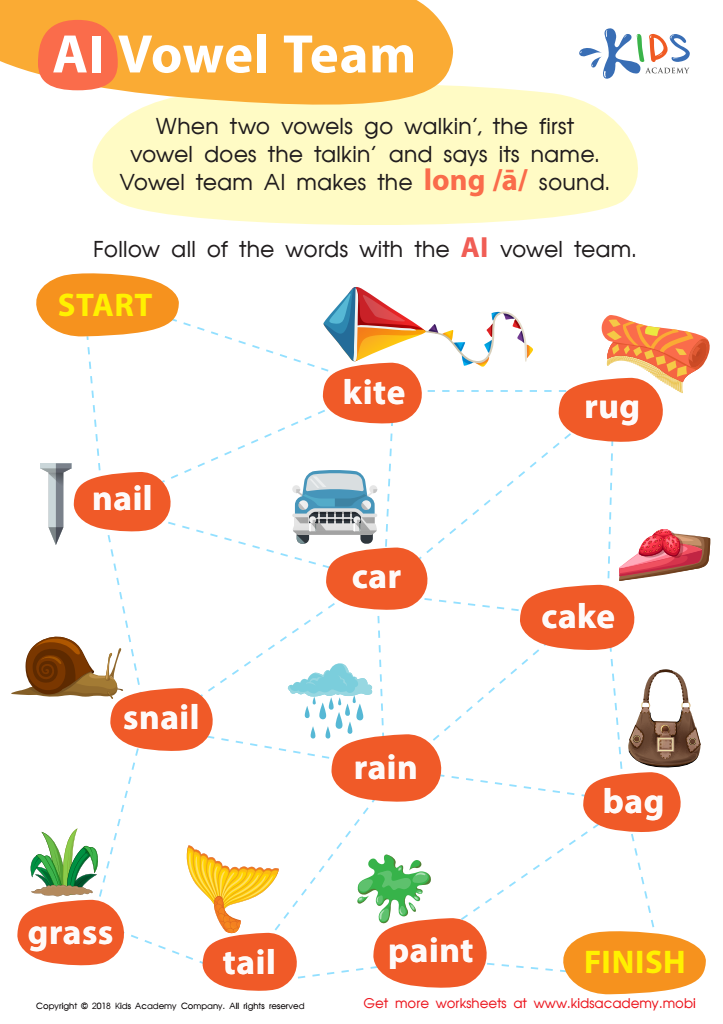
Reading: AI Vowel Team Worksheet
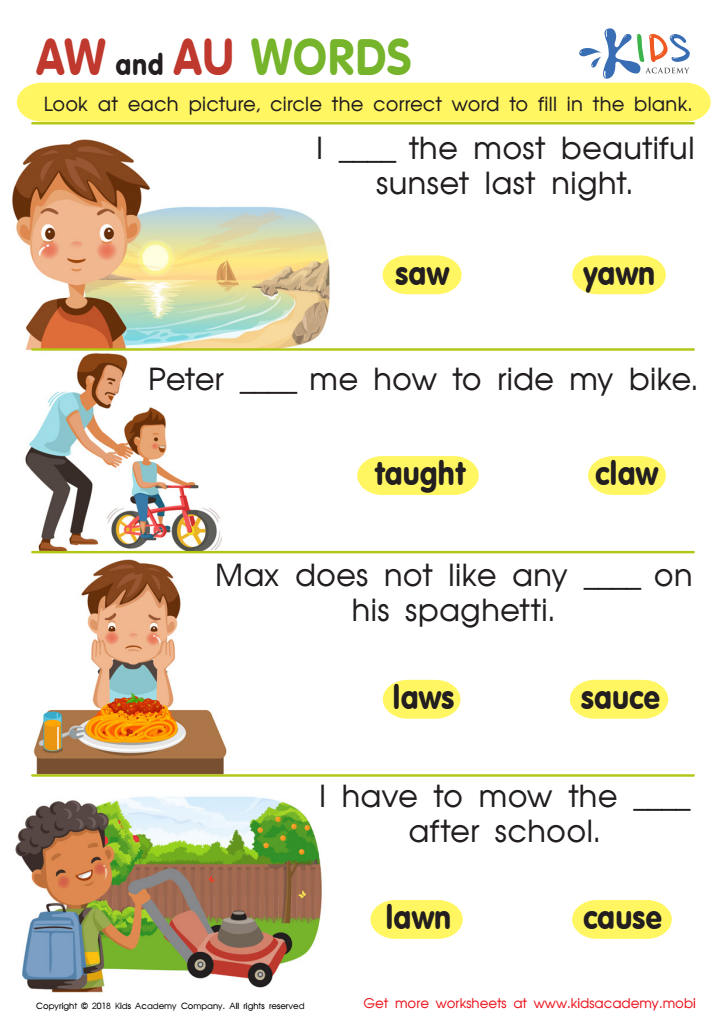
Reading: AW and AU Words Worksheet
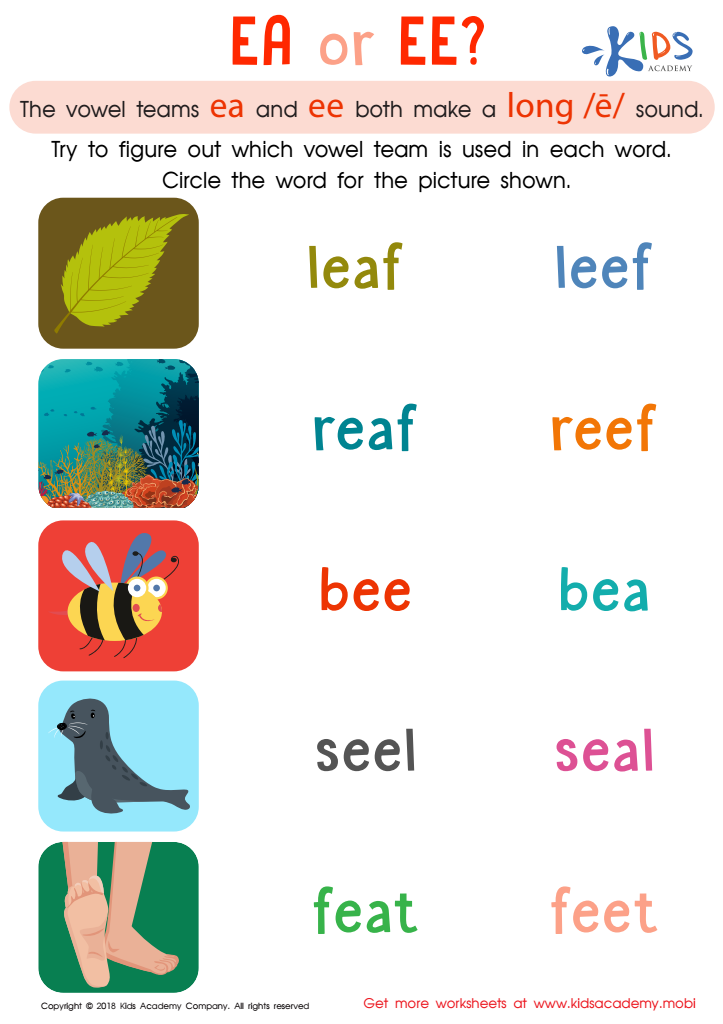
Reading: EA and EE Worksheet
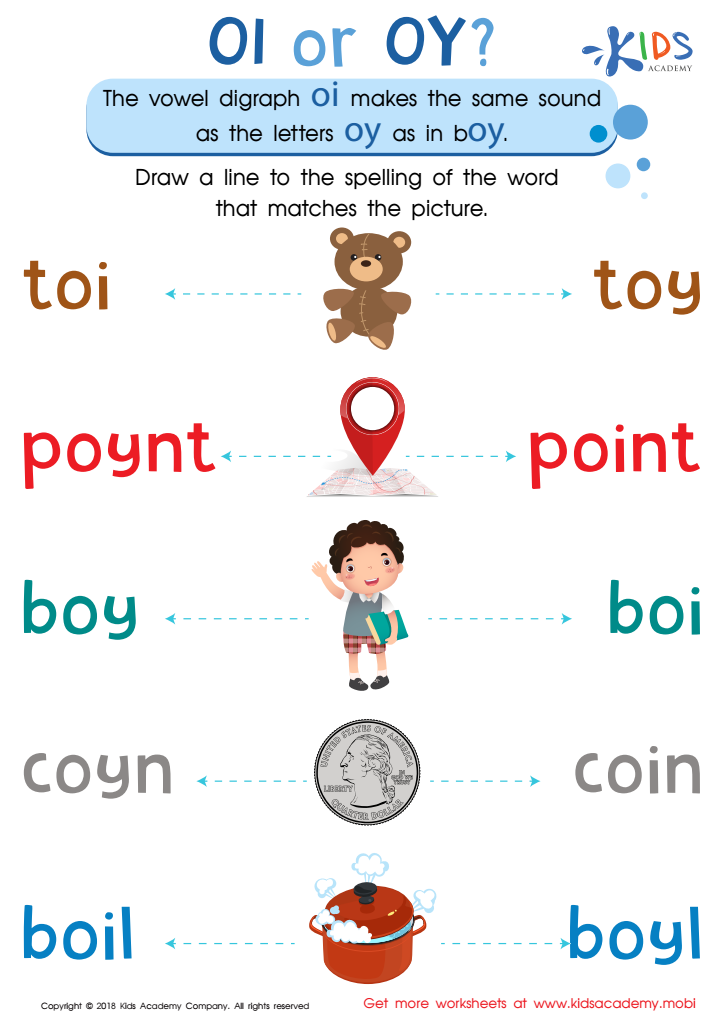
Reading: OI and OY Worksheet
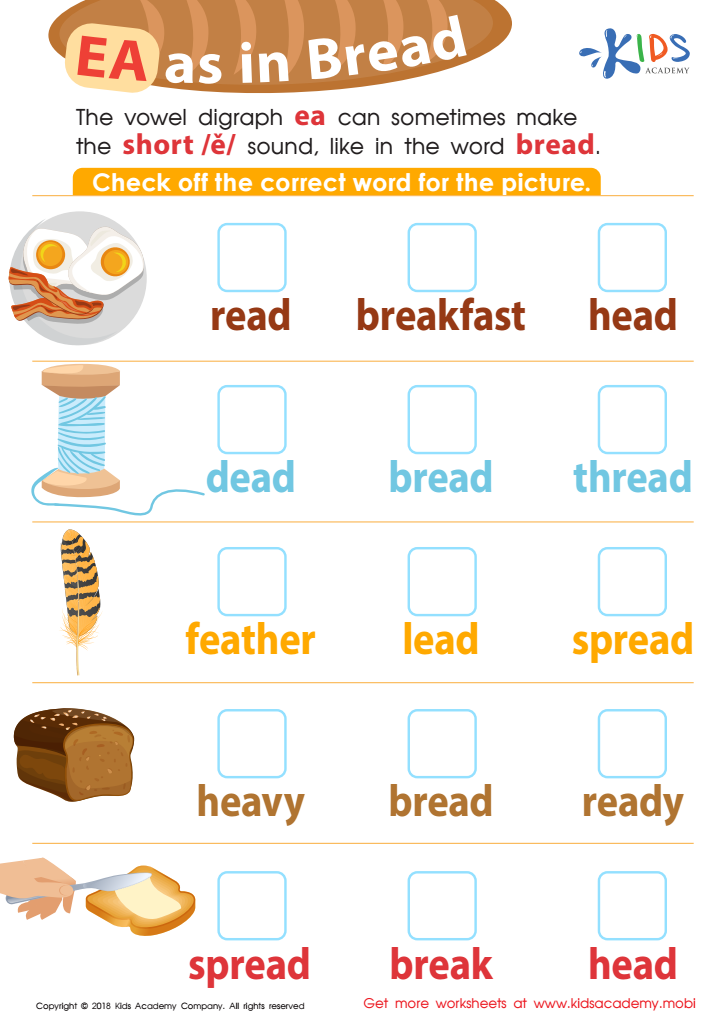
Reading: EA as in Bread Worksheet
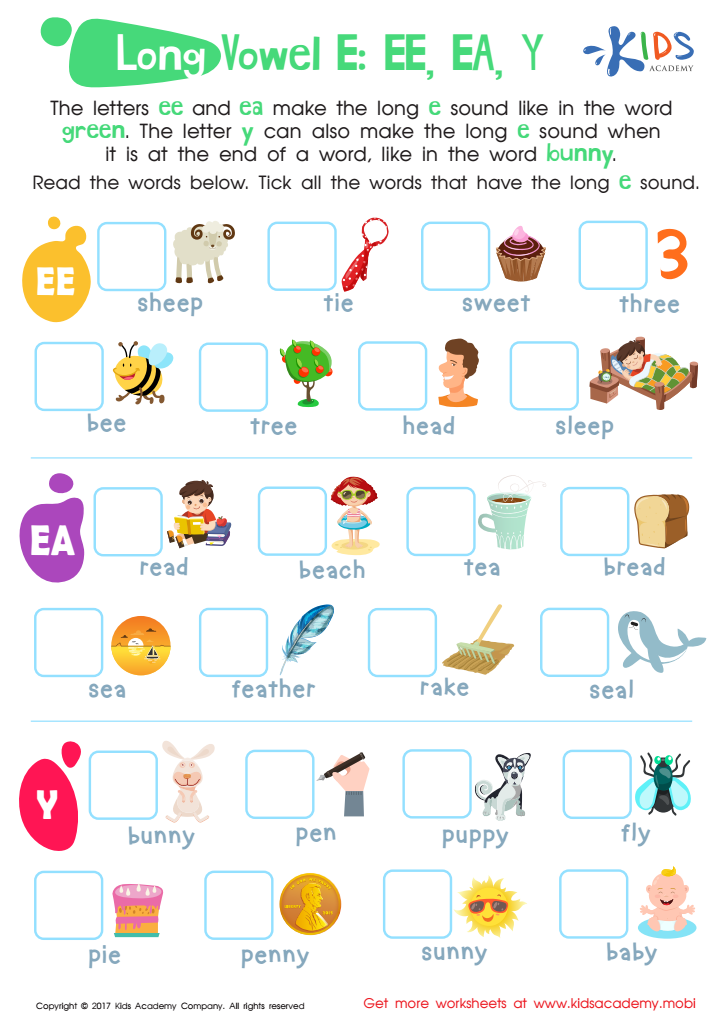
Long Vowel E Printable





Vowel Blends worksheets, especially designed for Ages 7-8, are an indispensable tool in the journey of mastering reading and spelling. At this critical age, children are refining their reading skills, transitioning from simple phonics to more complex sound combinations. Vowel Blends worksheets for Ages 7-8 offer a structured and engaging way for children to explore and practice these essential building blocks of the English language.
One of the primary reasons these worksheets are so beneficial is that they target a crucial learning period. Around ages 7 and 8, children’s cognitive abilities are ripe for grasping the subtleties of vowel blends – combinations of vowels that produce specific sounds. These worksheets provide a variety of exercises that help solidify understanding, improve phonemic awareness, and enhance reading fluency.
Furthermore, Vowel Blends worksheets for Ages 7-8 are crafted to capture the interest of young learners. They often include colorful illustrations, engaging tasks, and interactive elements that transform learning into an enjoyable activity. This not only reinforces the lesson at hand but also fosters a positive attitude towards learning.
In conclusion, Vowel Blends worksheets are a key resource in developing literacy skills in children aged 7-8. Through targeted practice, they help young learners decode words more efficiently, setting a solid foundation for reading proficiency and academic success in the years to come.