Measurement and Data worksheets With Answers for Grade 1 - Page 2
46 filtered results
-
From - To
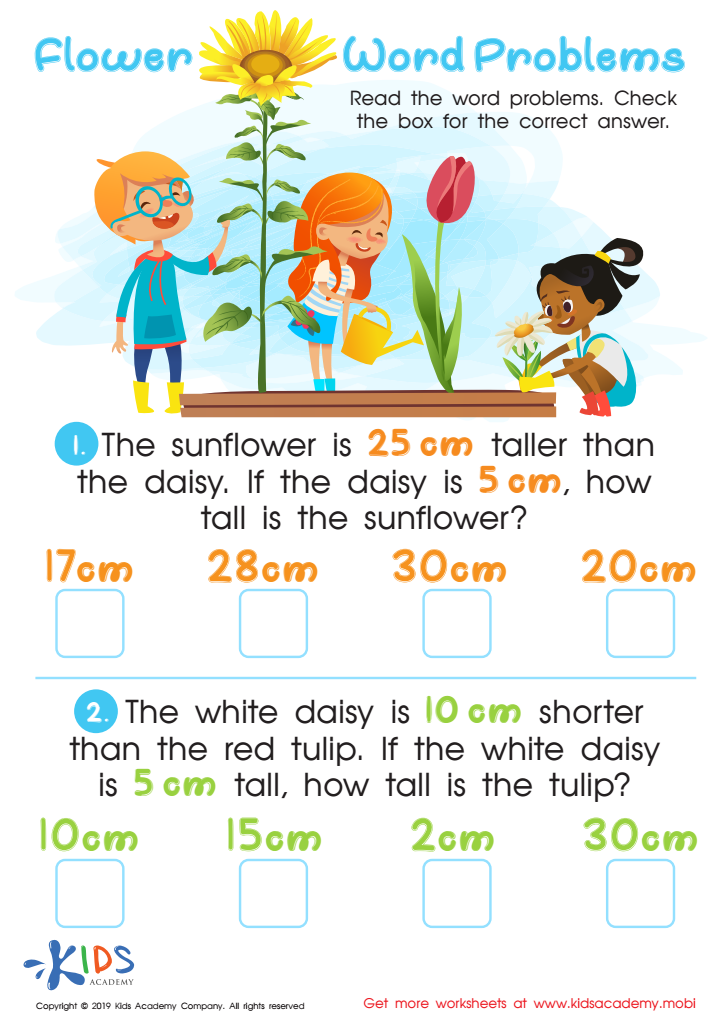
Flower Word Problems Worksheet
 Assign to My Students
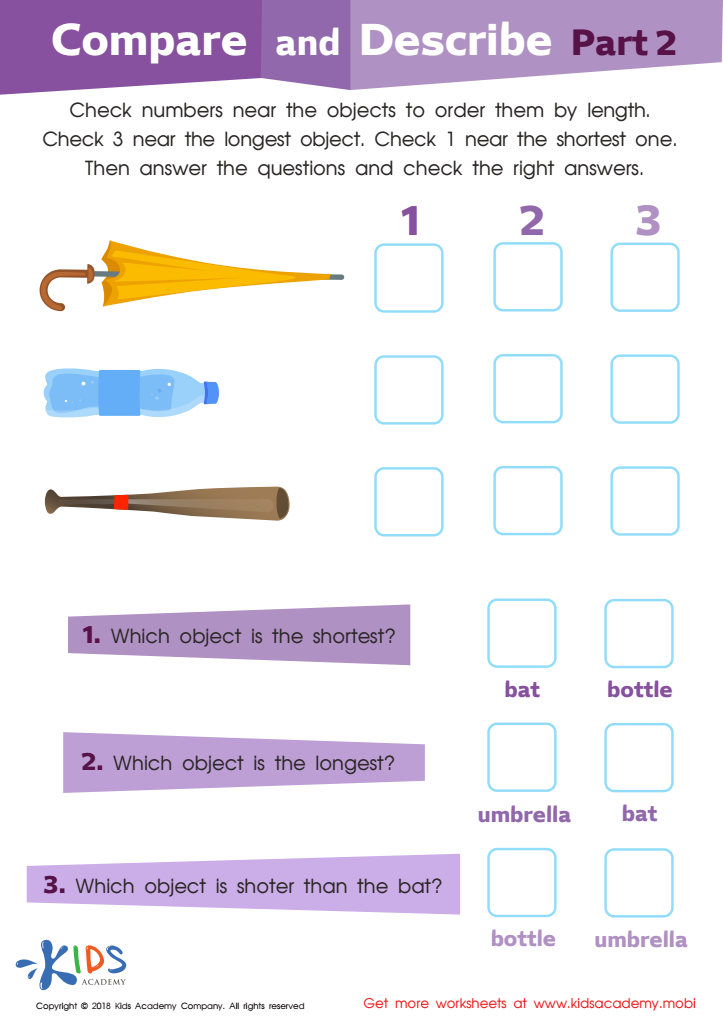
Compare and Describe: Part 2 Worksheet
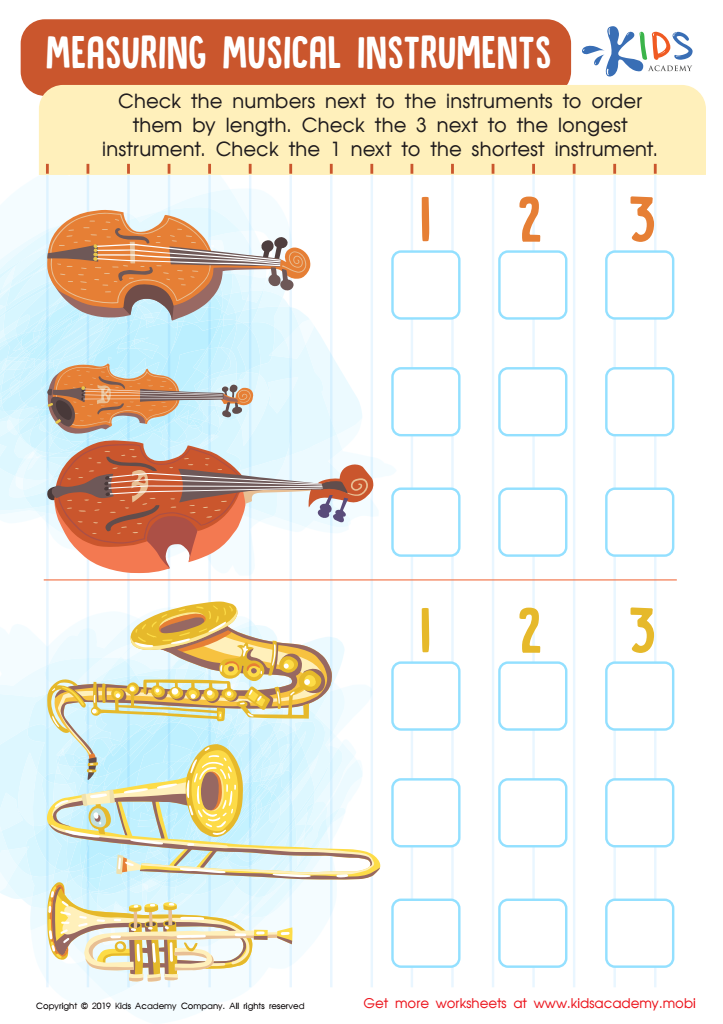
Measuring Musical Instruments Worksheet
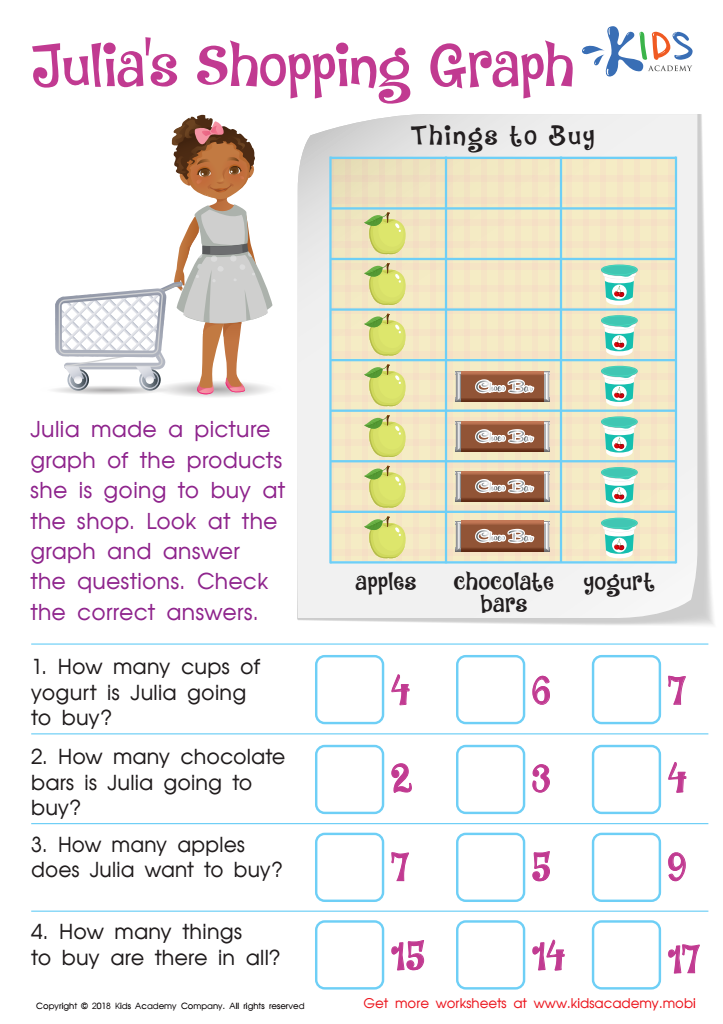
Julia's Shopping Graph Worksheet
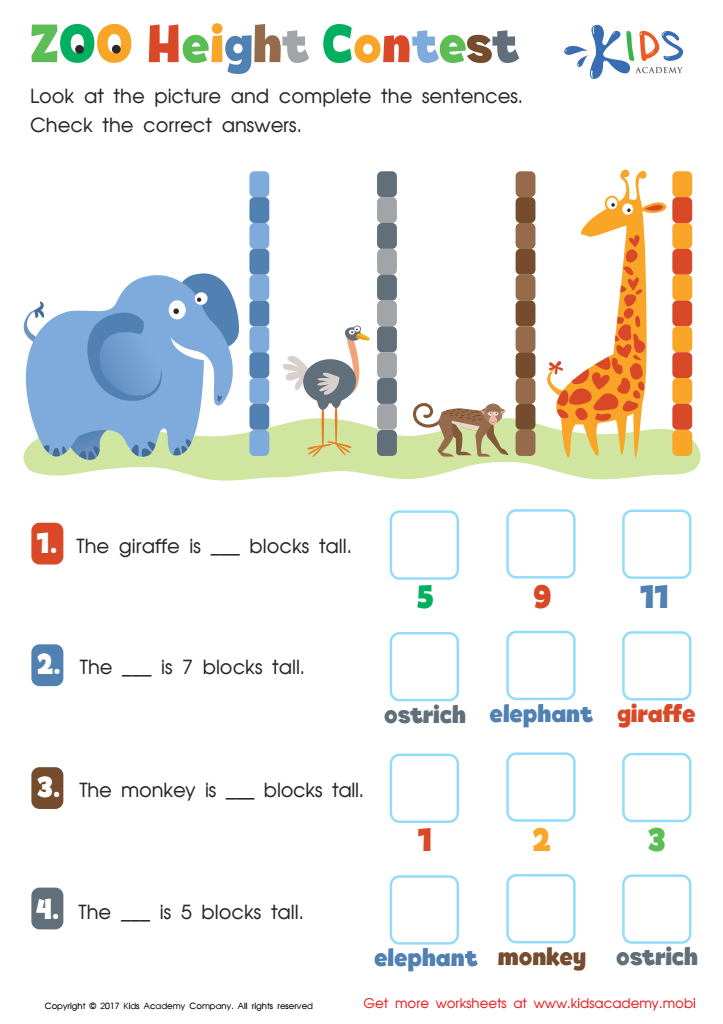
Zoo Height Contest Worksheet
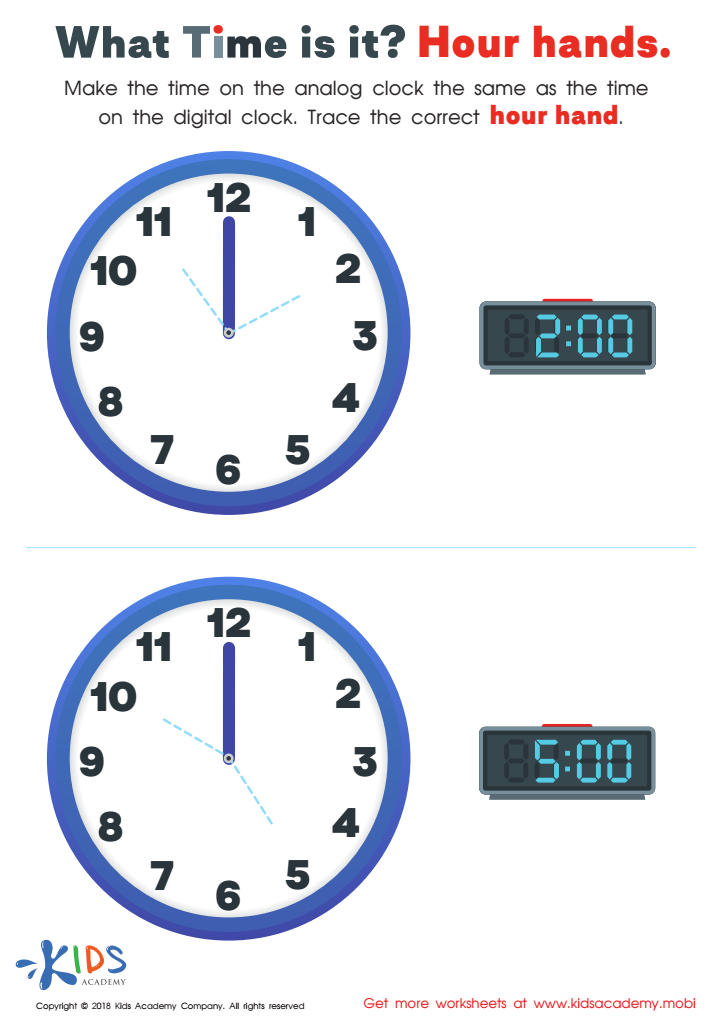
What Time Is it? Hour Hands Worksheet
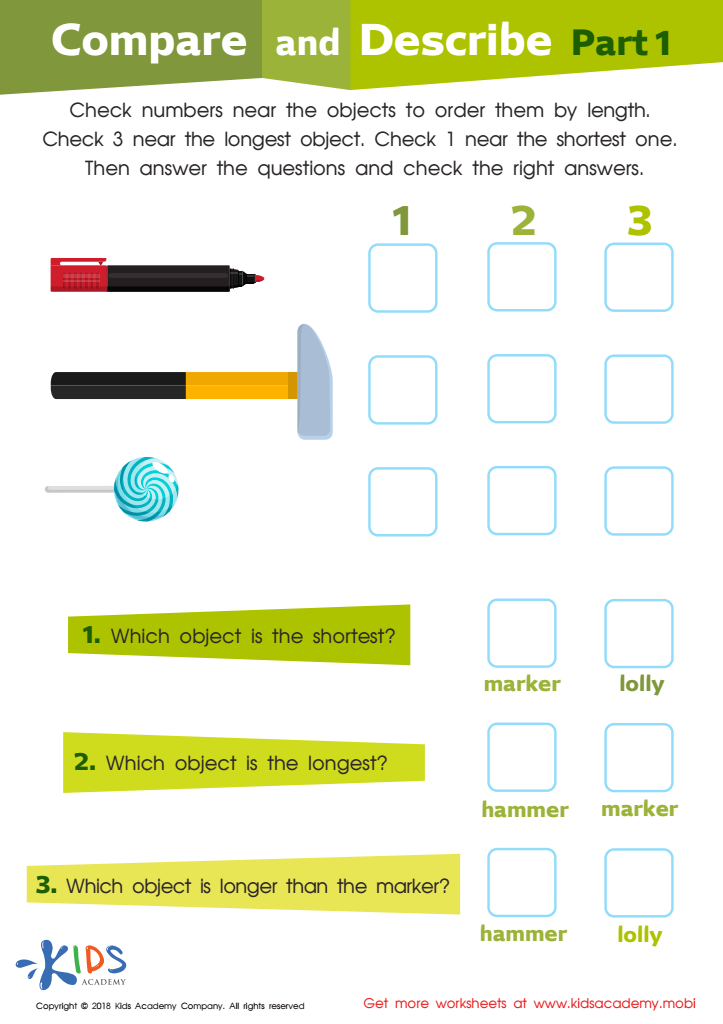
Compare and Describe: Part 1 Worksheet
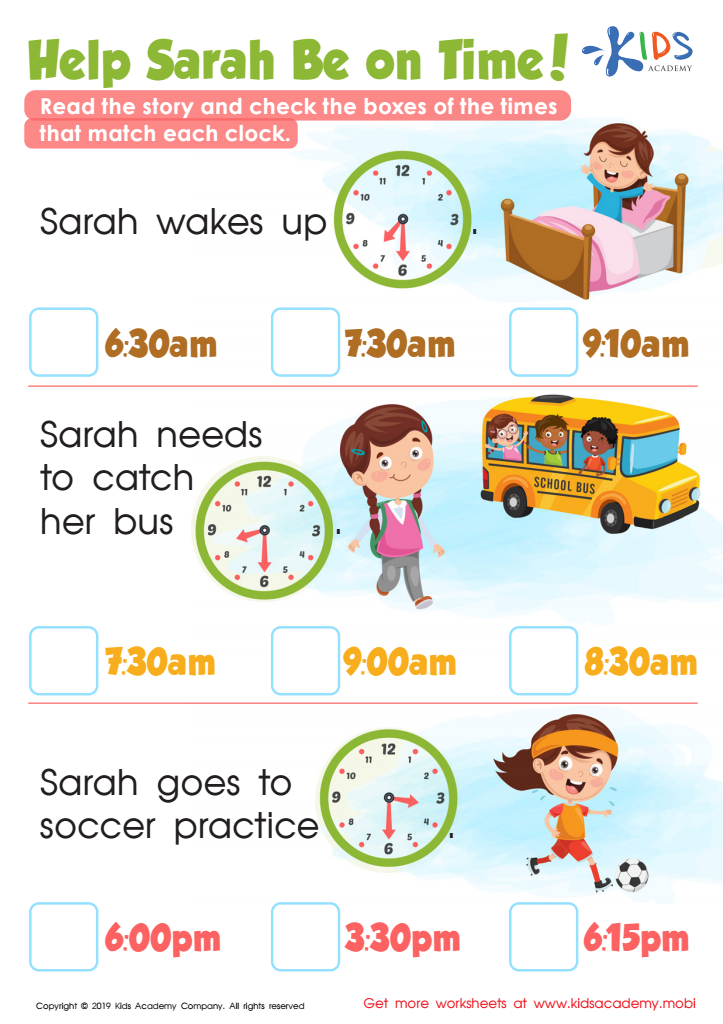
Help Sarah Be on Time! Worksheet
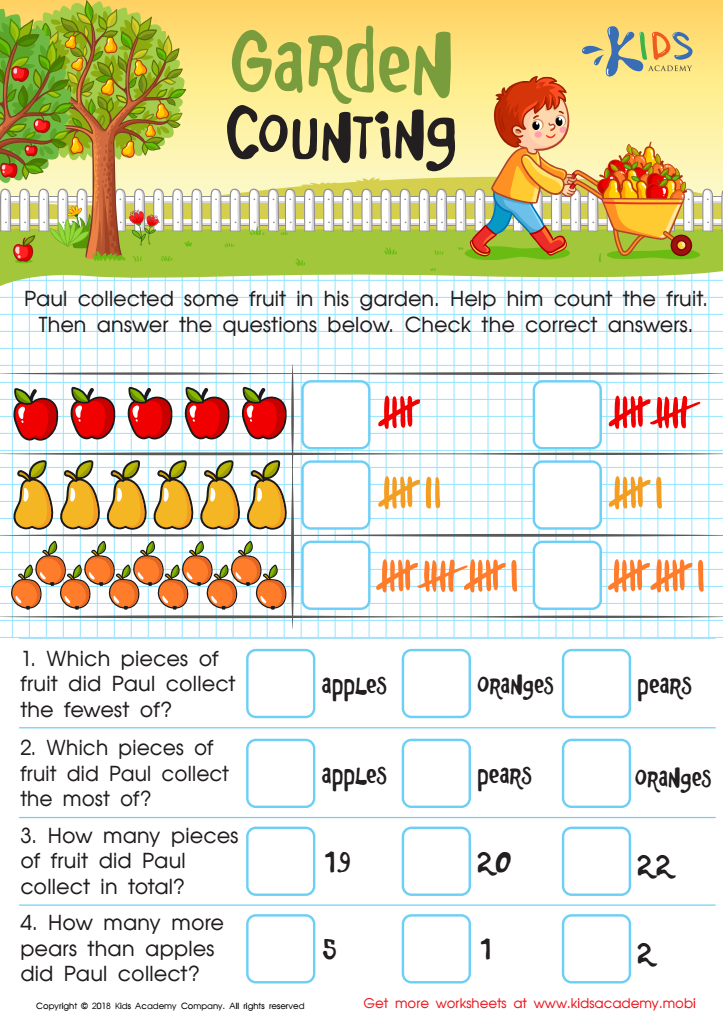
Garden Counting Worksheet
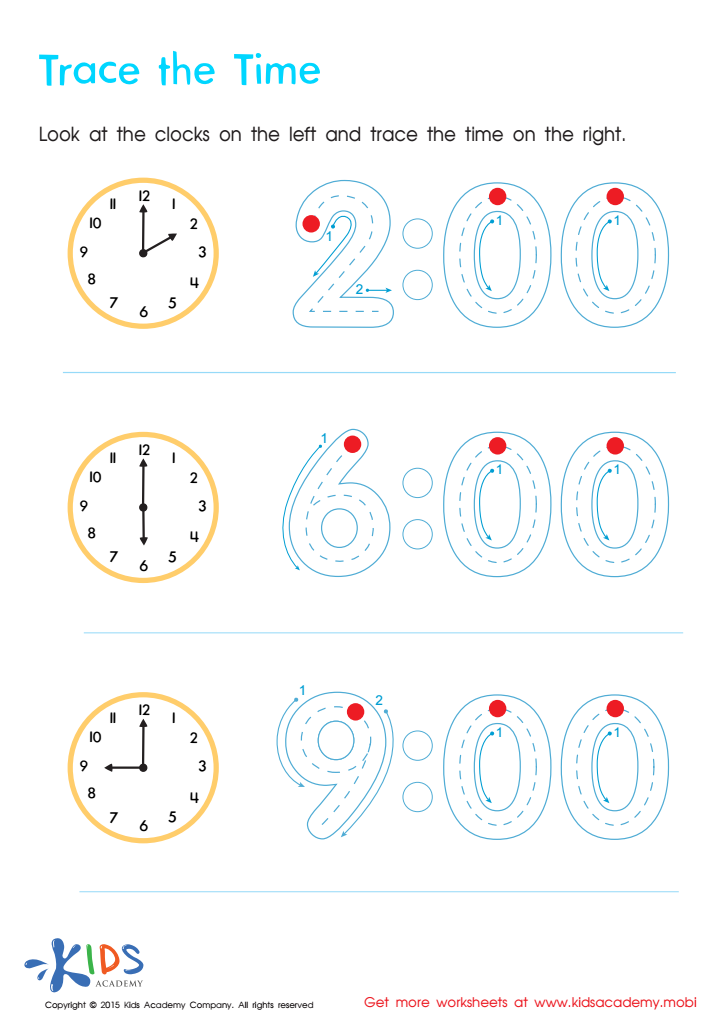
Telling The Time Worksheet: Part 2
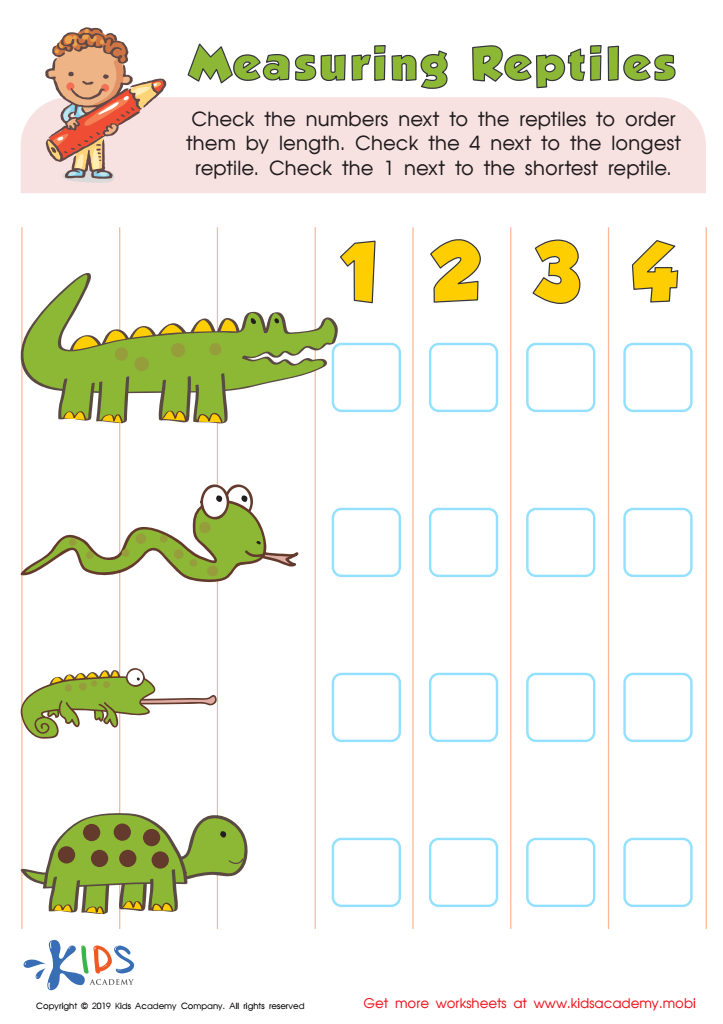
Measuring Reptiles Worksheet
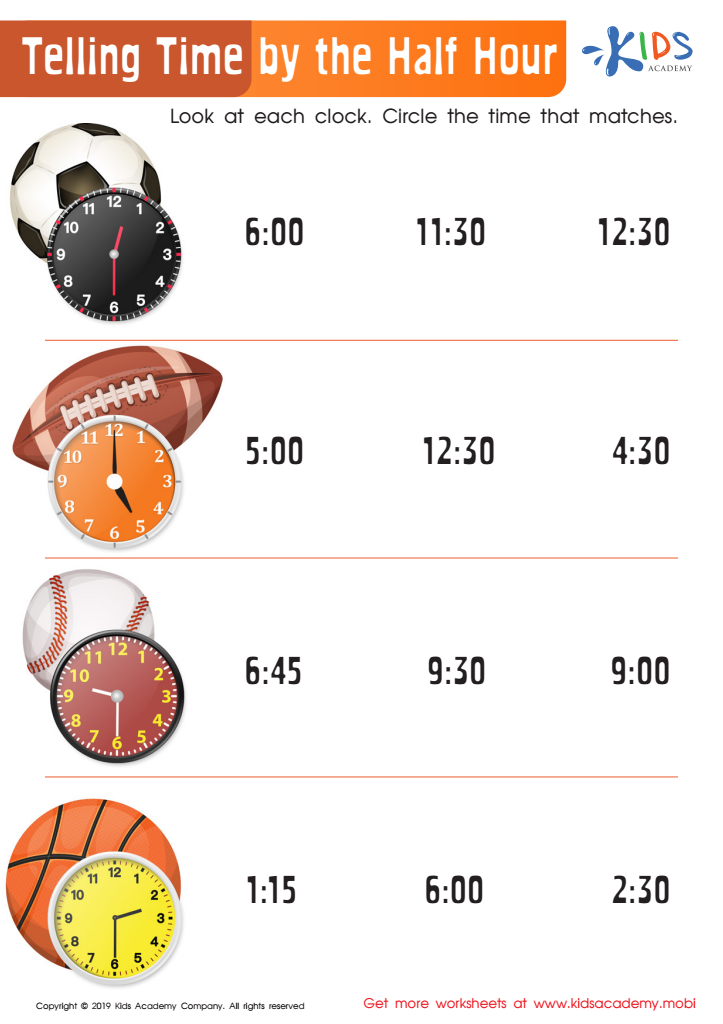
Telling Time by the Half Hour Worksheet
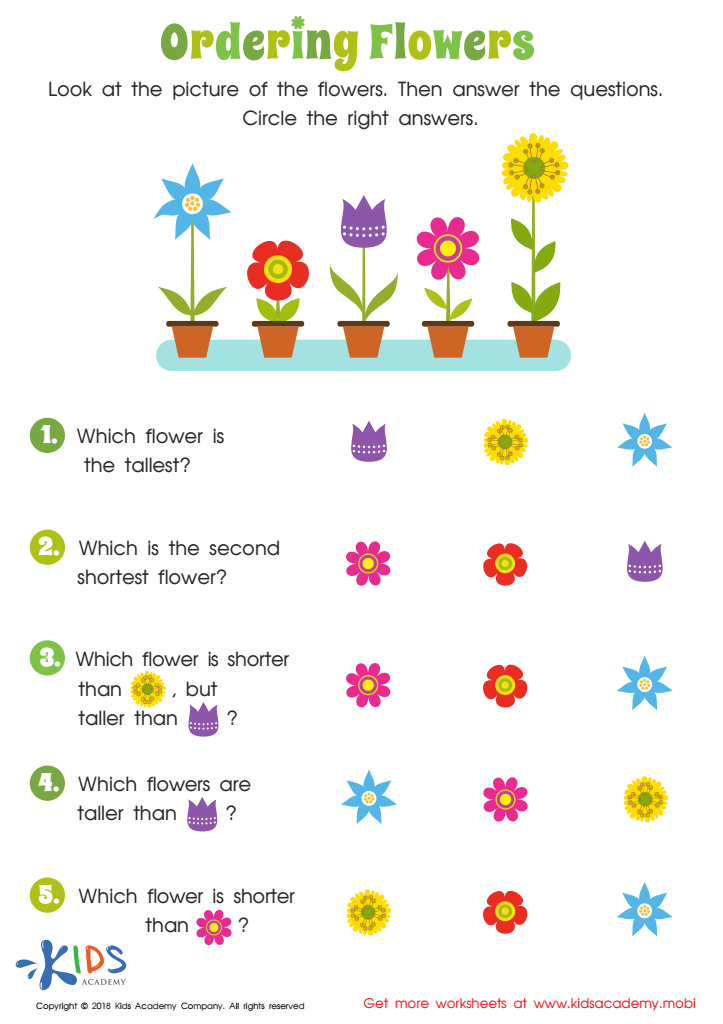
Ordering Flowers Worksheet
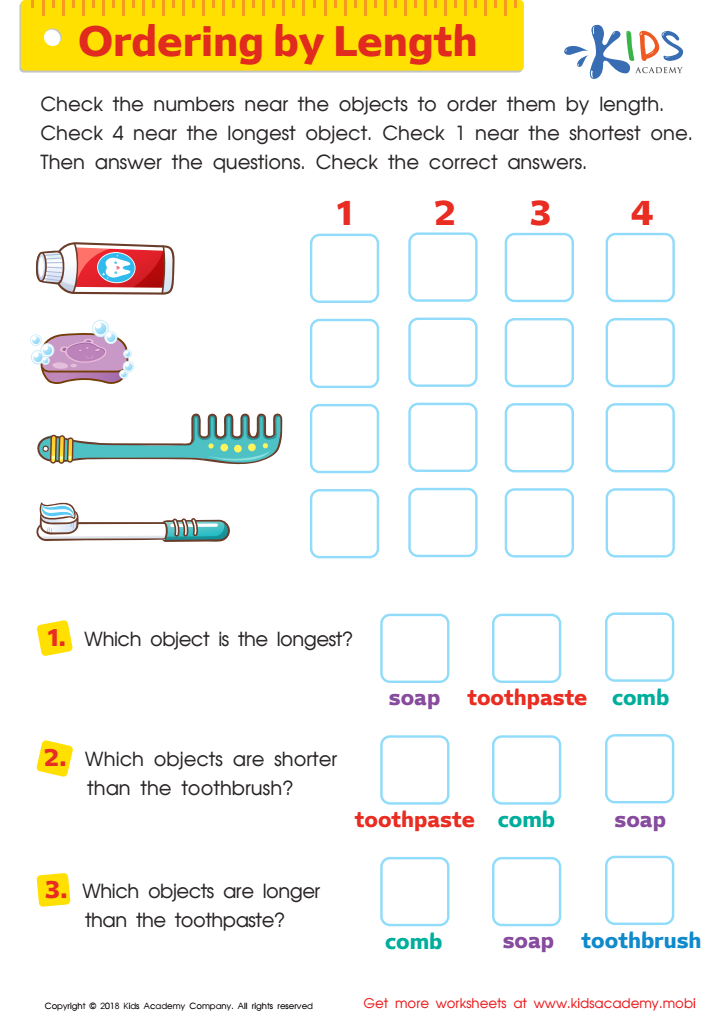
Ordering by Length Worksheet
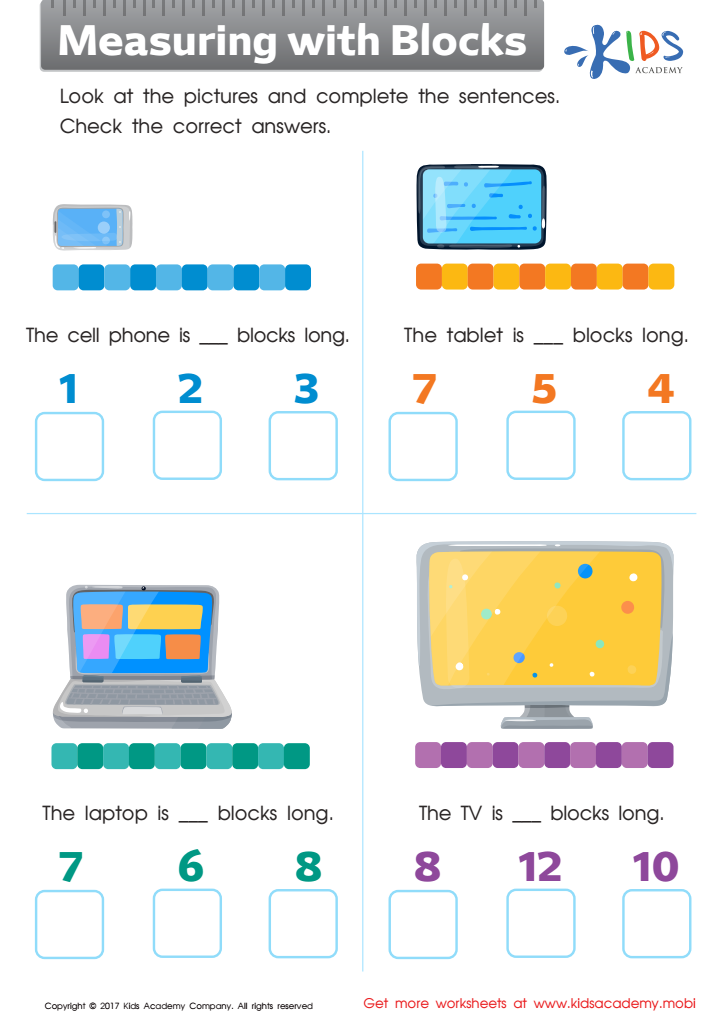
Measuring with Blocks Worksheet
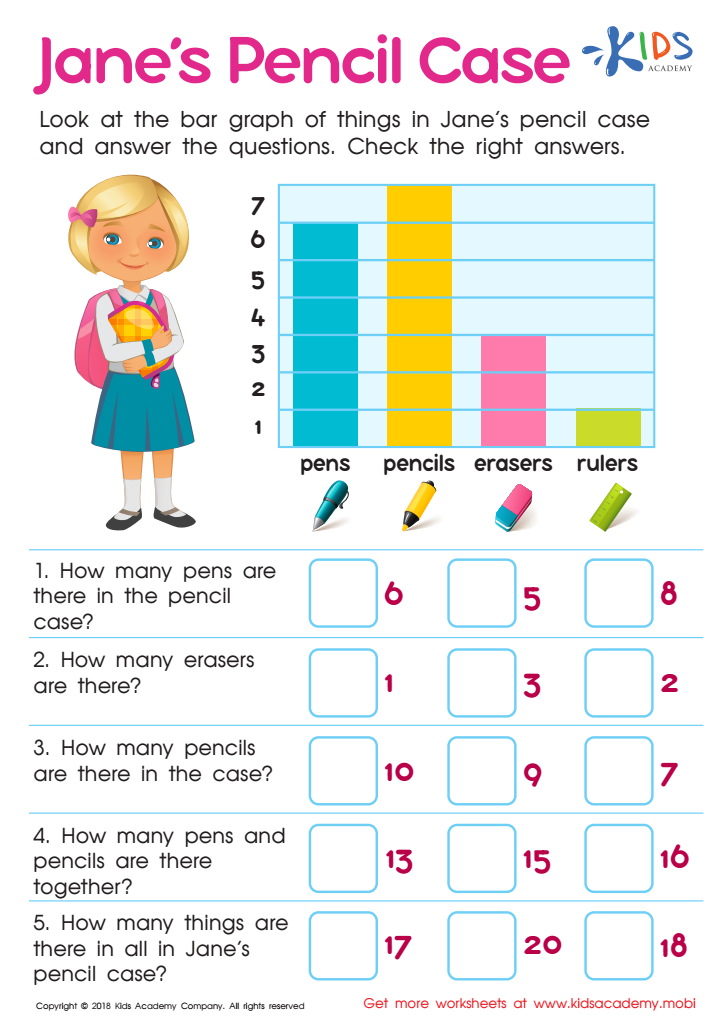
Jane's Pencil Case Worksheet
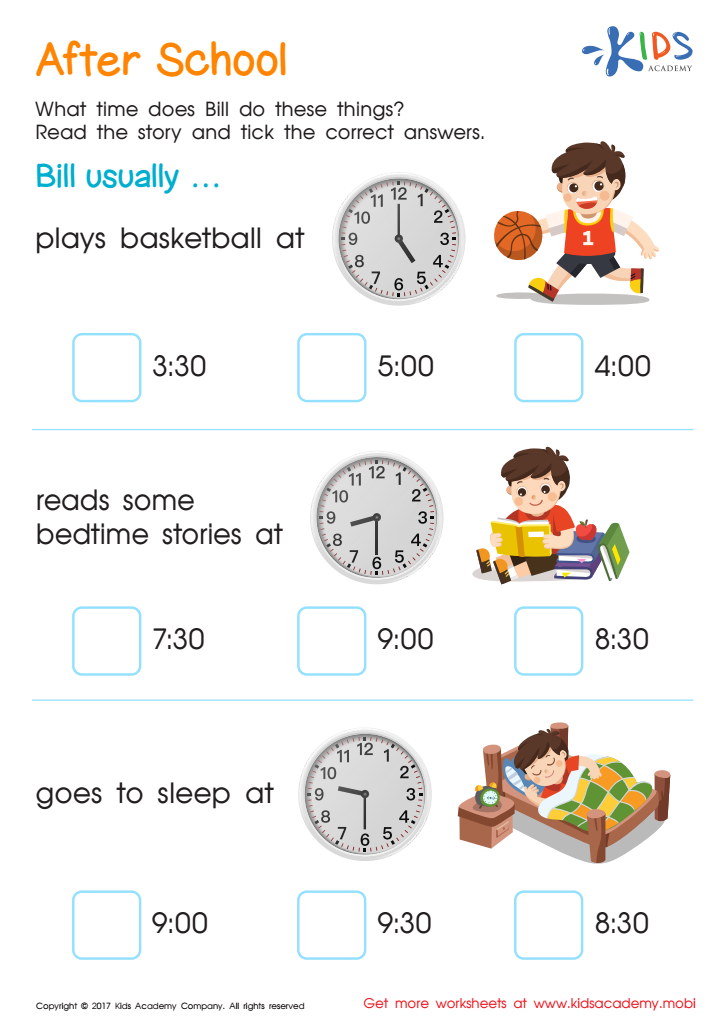
After School Time Printable
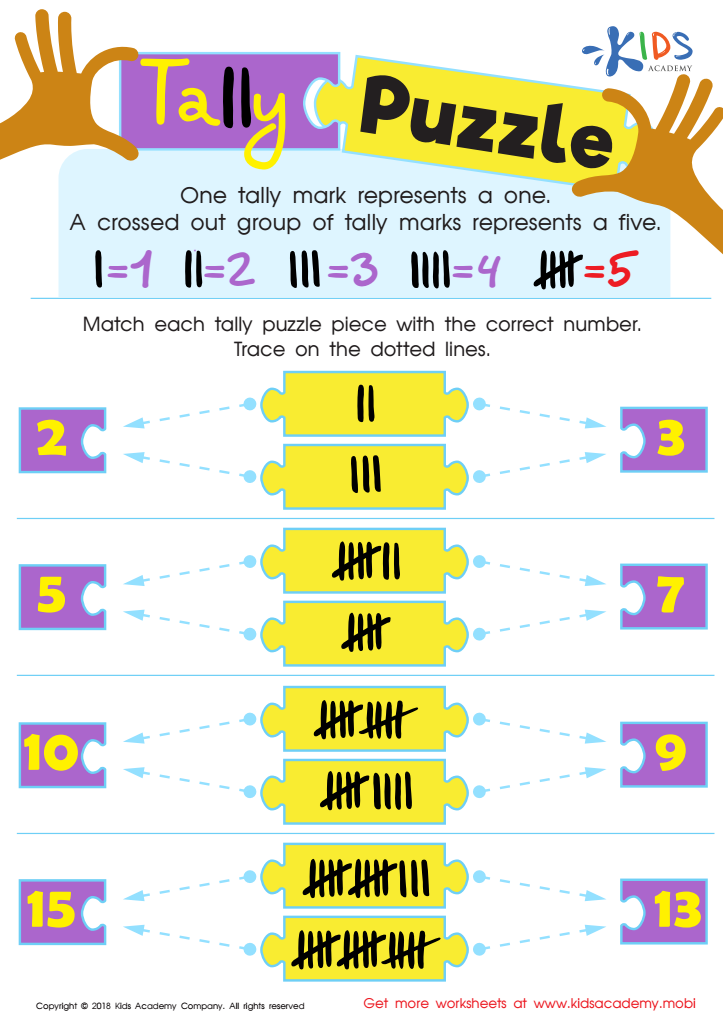
Tally Puzzle Worksheet
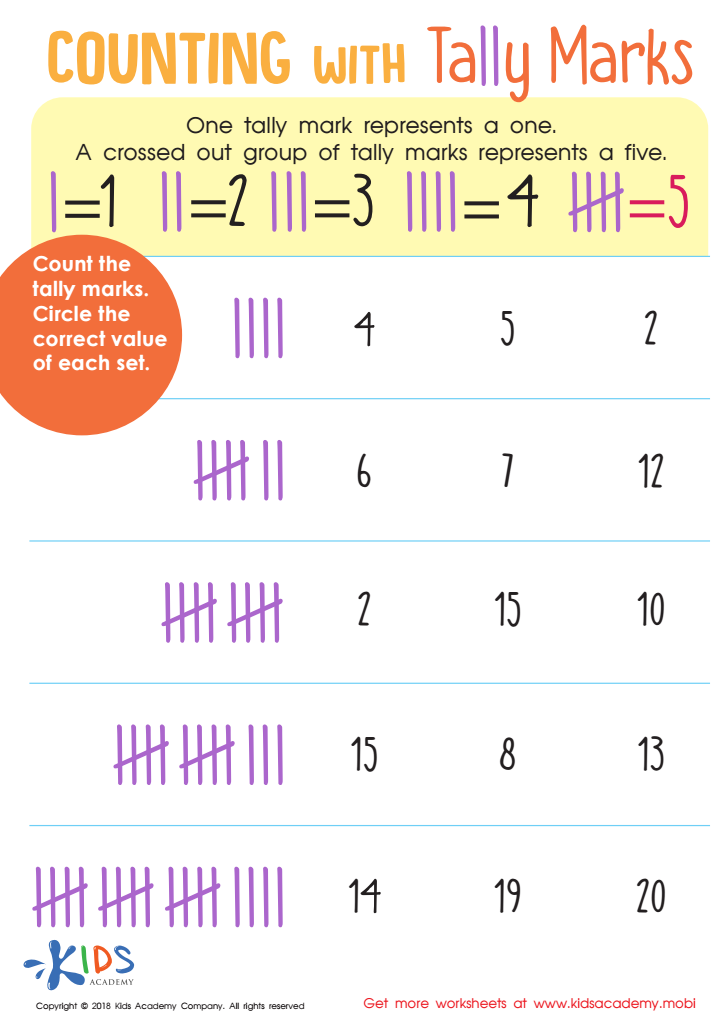
Counting with Tally Marks Worksheet
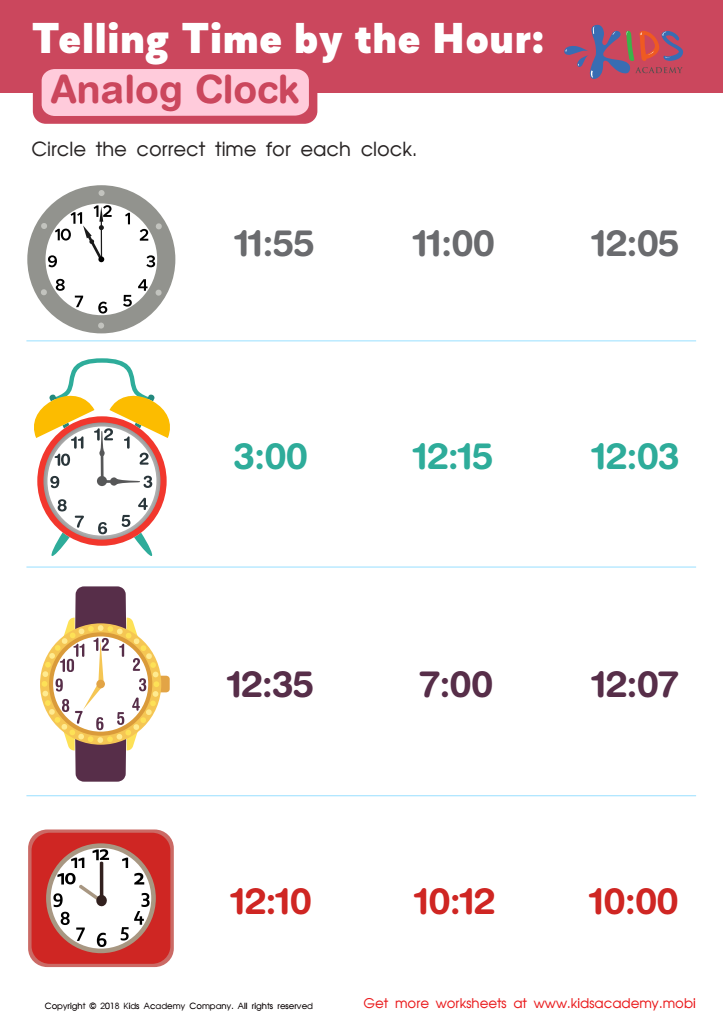
Telling Time by the Hour: Analog Clock Worksheet
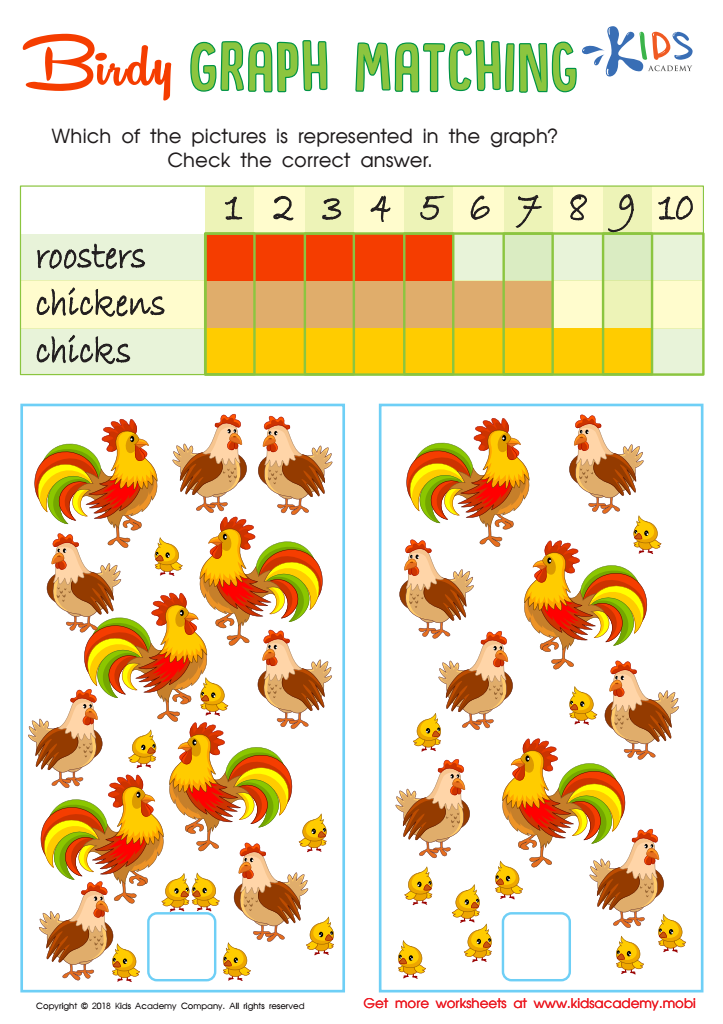
Birdy Graph Matching Worksheet
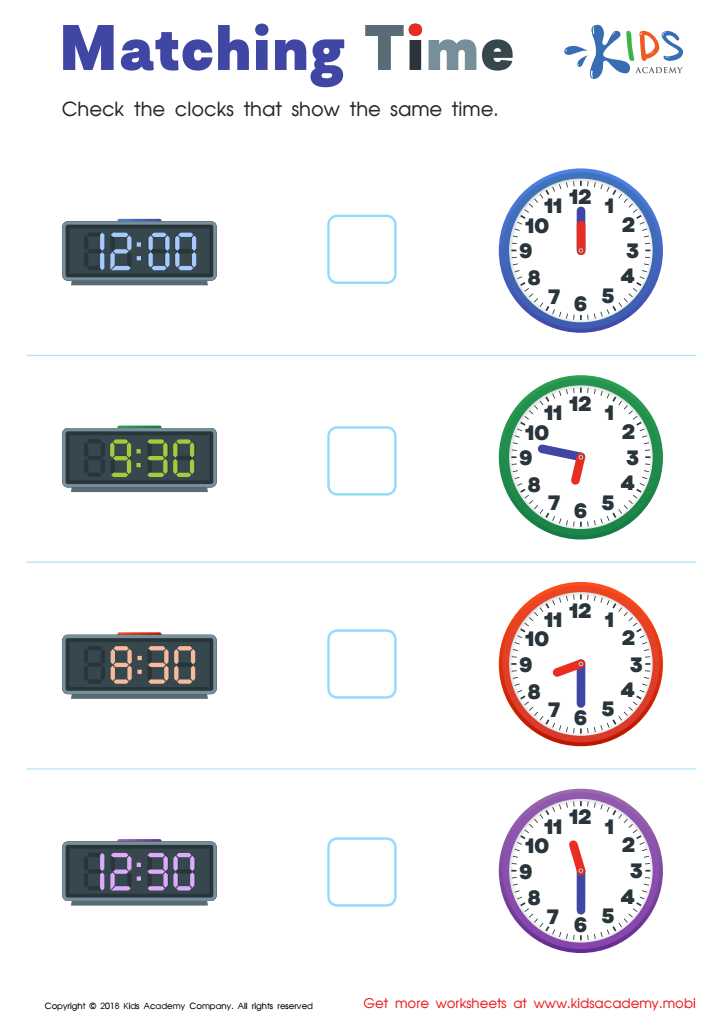
Matching Time Worksheet



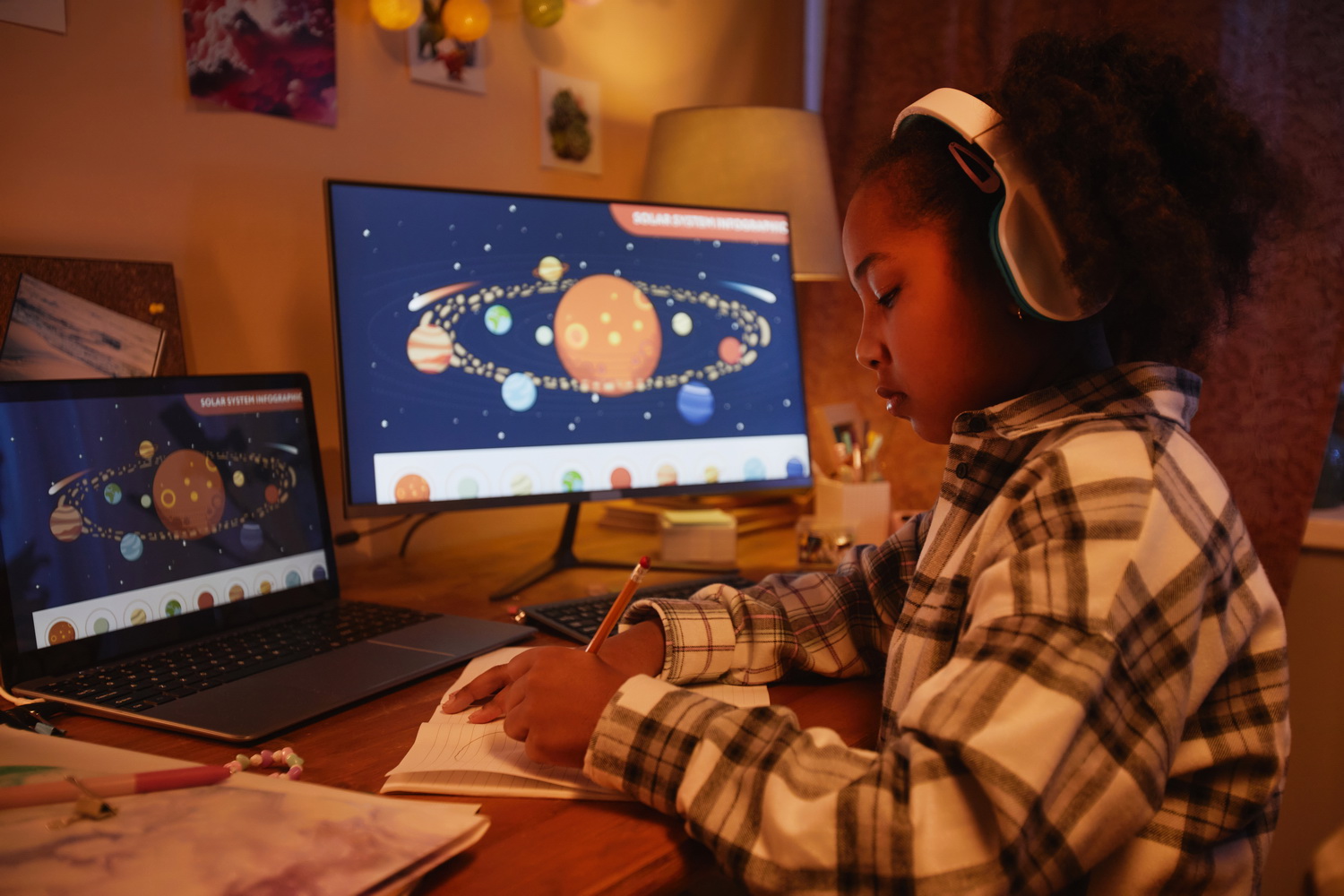

Measurement and data are essential skills that help young learners make sense of the world around them. For first graders, these concepts provide the foundation for critical thinking and problem-solving.
When parents and teachers prioritize measurement, they encourage children to engage with real-world situations. For instance, children learn to measure length using rulers or compare weight using scales, helping them understand size, distance, and quantity. This hands-on experience makes math tangible and relatable.
Data, on the other hand, involves collecting, organizing, and interpreting information. At this level, students can gather simple data through surveys or by counting objects. They learn to create basic charts or graphs, which enhance their ability to analyze information. This fosters a sense of curiosity and encourages them to ask questions.
Parents and teachers who focus on these skills help create a solid foundation for future math learning. Understanding measurement and data not only boosts children's academic skills but also builds confidence in their ability to interact with the world, making it easier for them to tackle more complex subjects as they progress in their education. Ultimately, supporting these skills helps shape critical thinkers who are ready to take on challenges in and out of the classroom.