Easy Word Problems Worksheets for Ages 3-6 - Page 2
41 filtered results
-
From - To
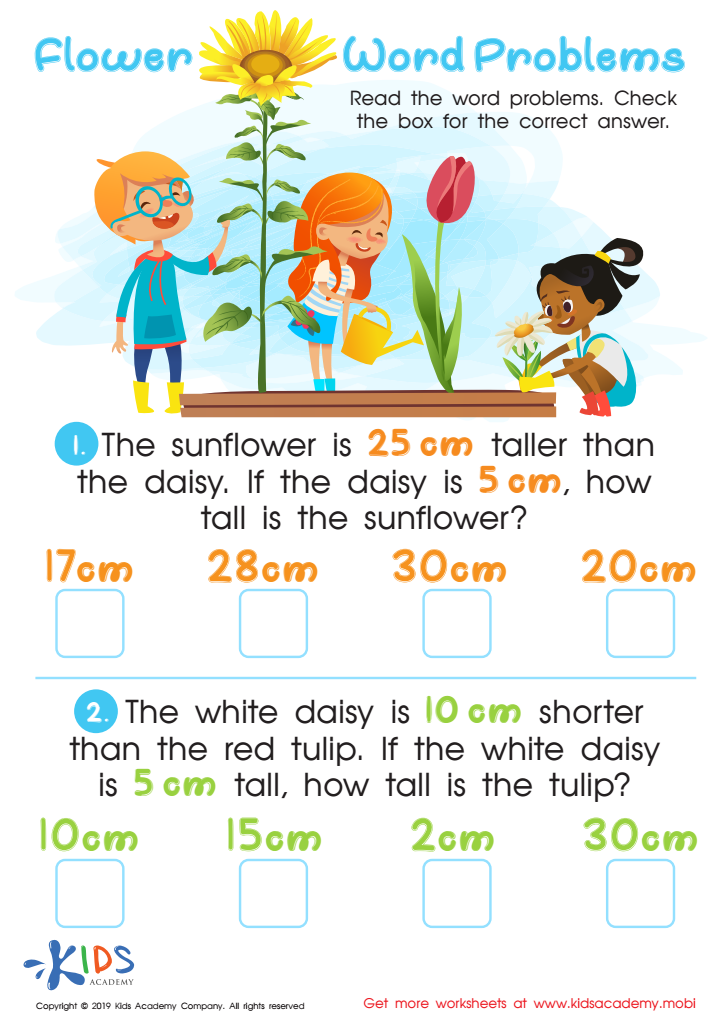
Flower Word Problems Worksheet
 Assign to My Students
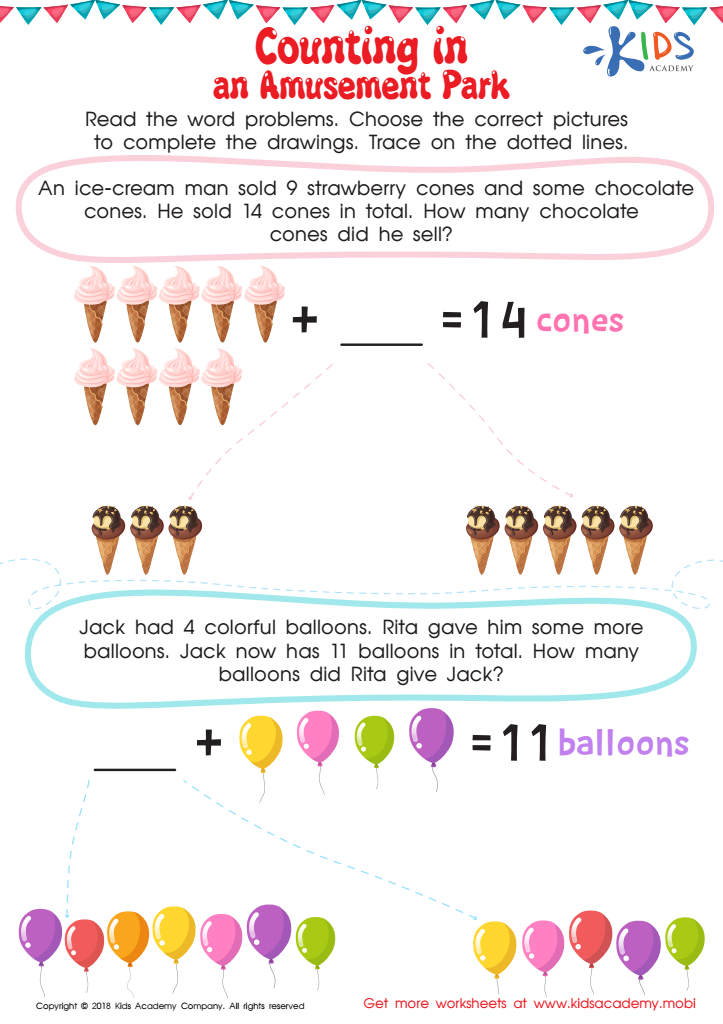
Counting in an Amusement Park Worksheet
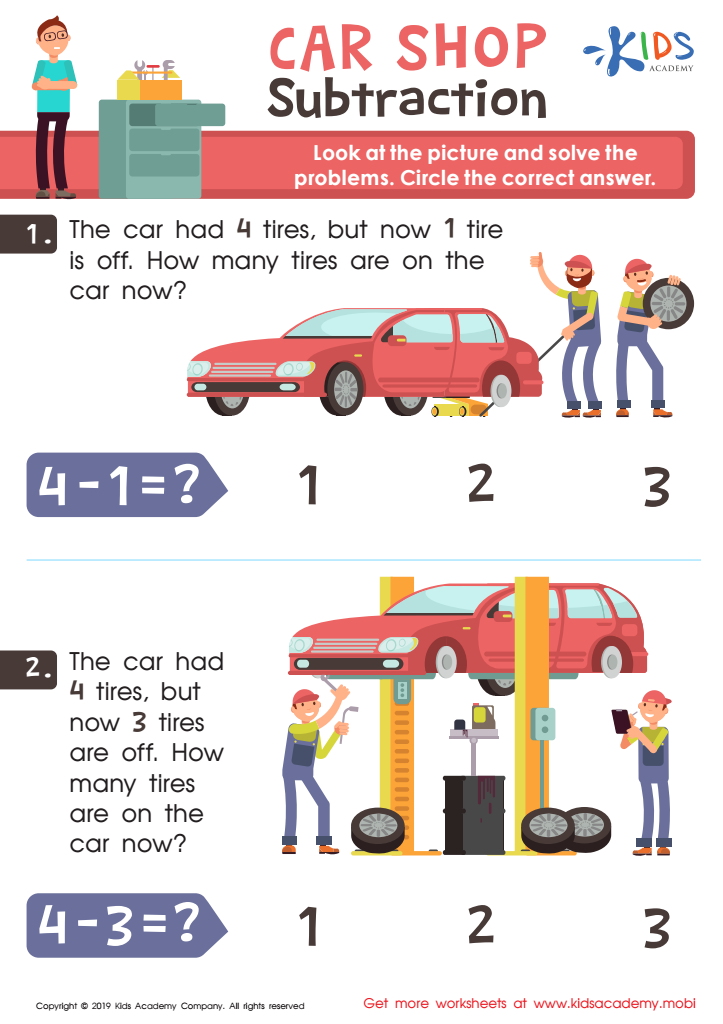
Car Shop Subtraction Worksheet
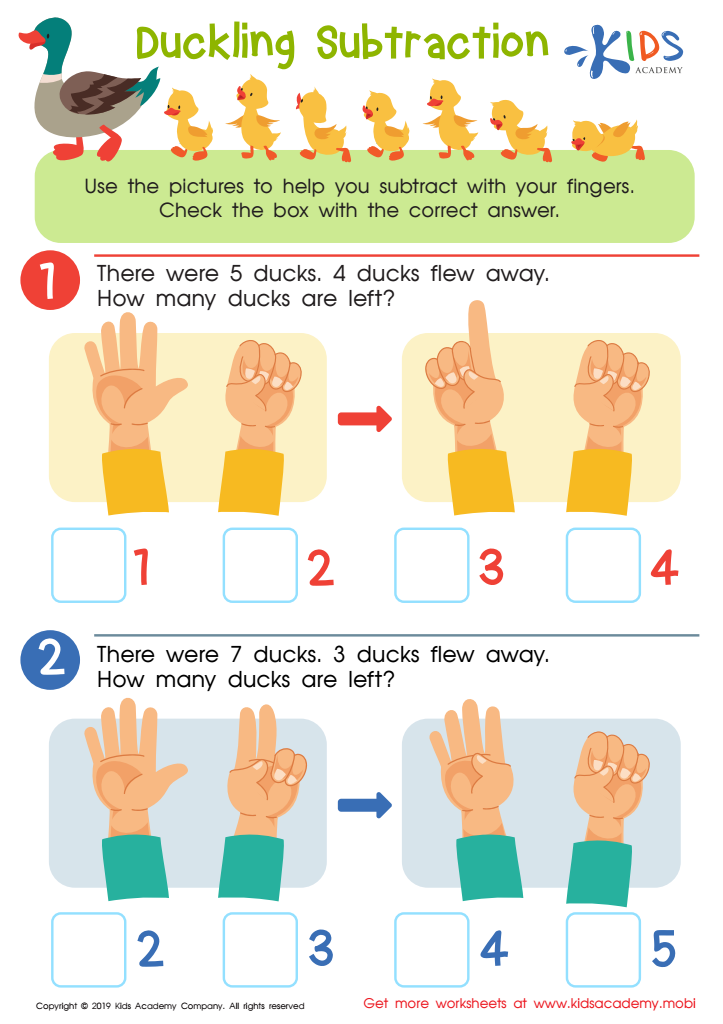
Duckling Subtraction Worksheet
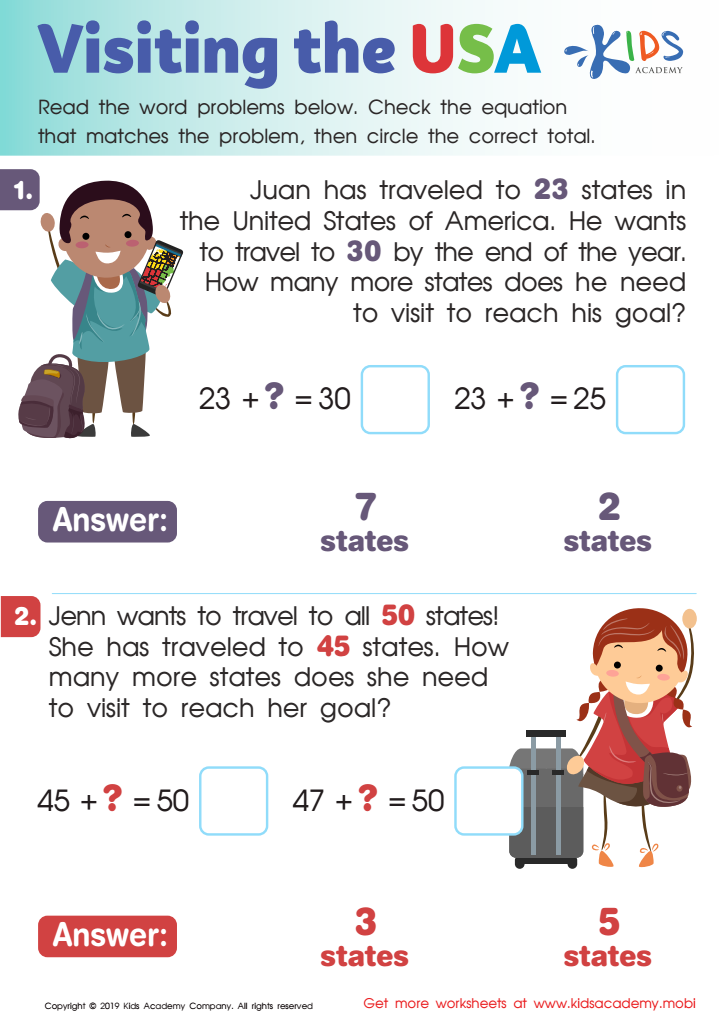
Visiting the USA Worksheet
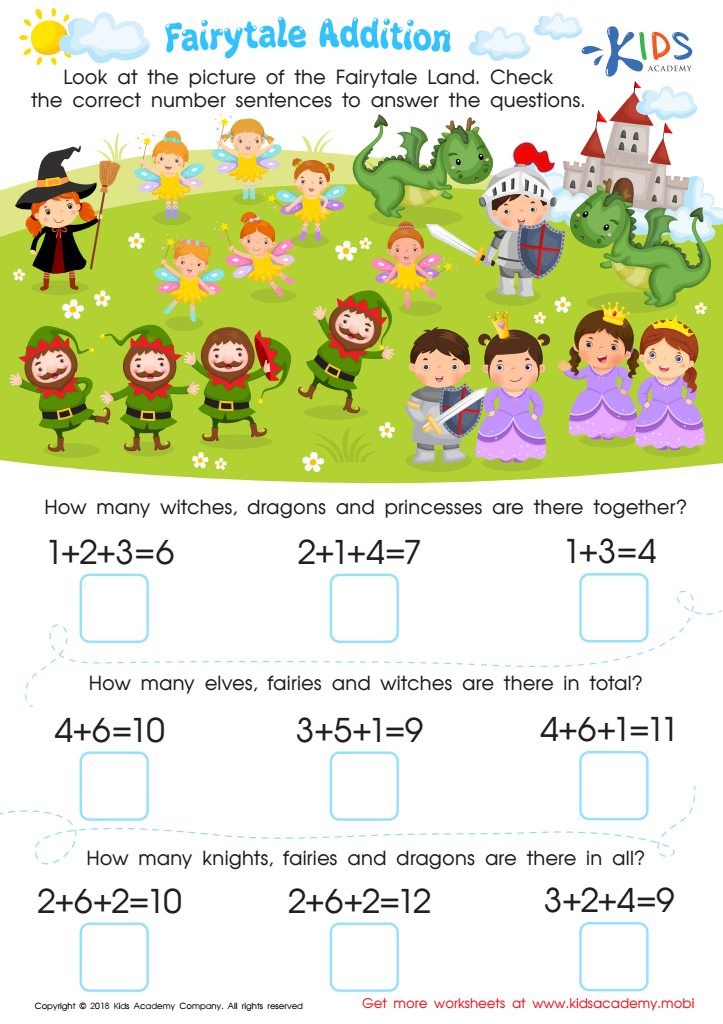
Fairytale Addition Worksheet
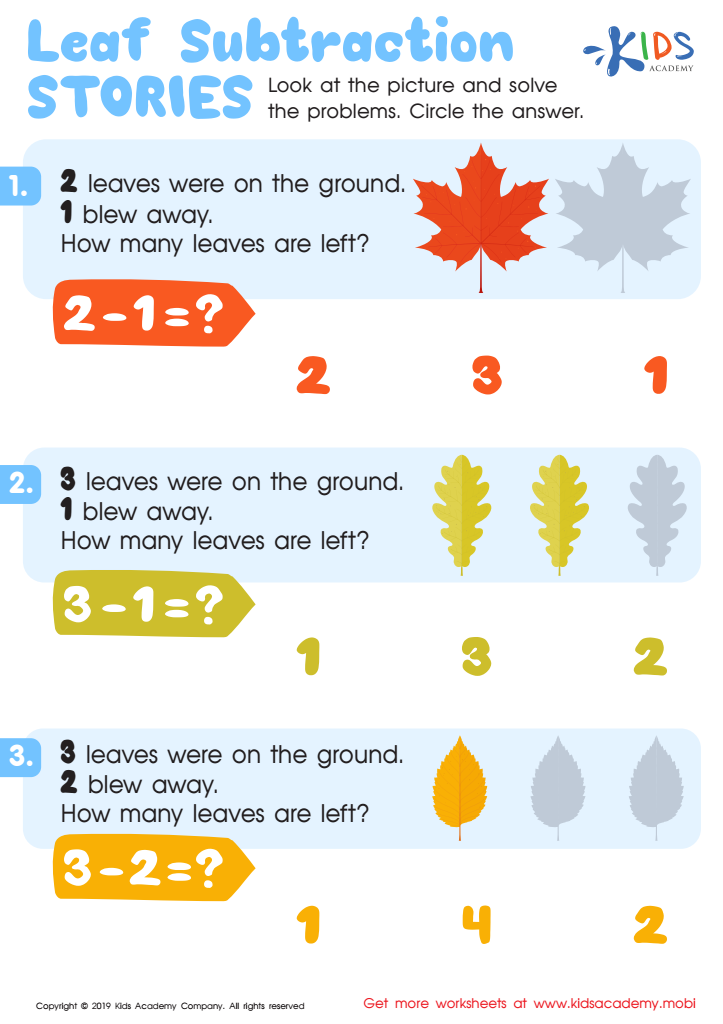
Leaf Subtraction Stories Worksheet
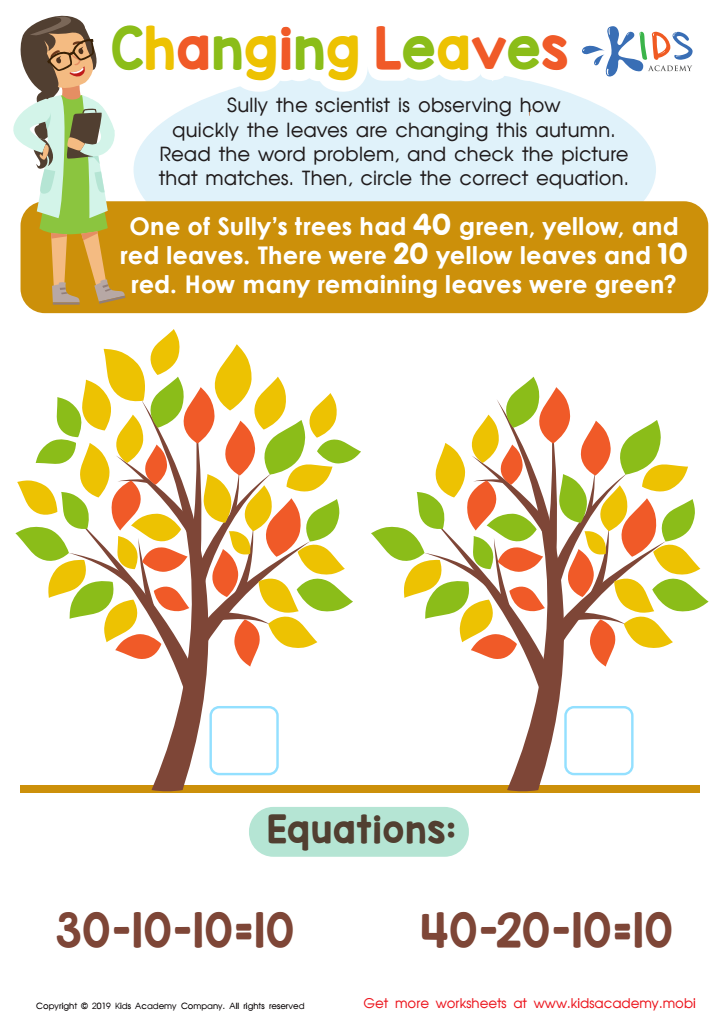
Changing Leaves Worksheet
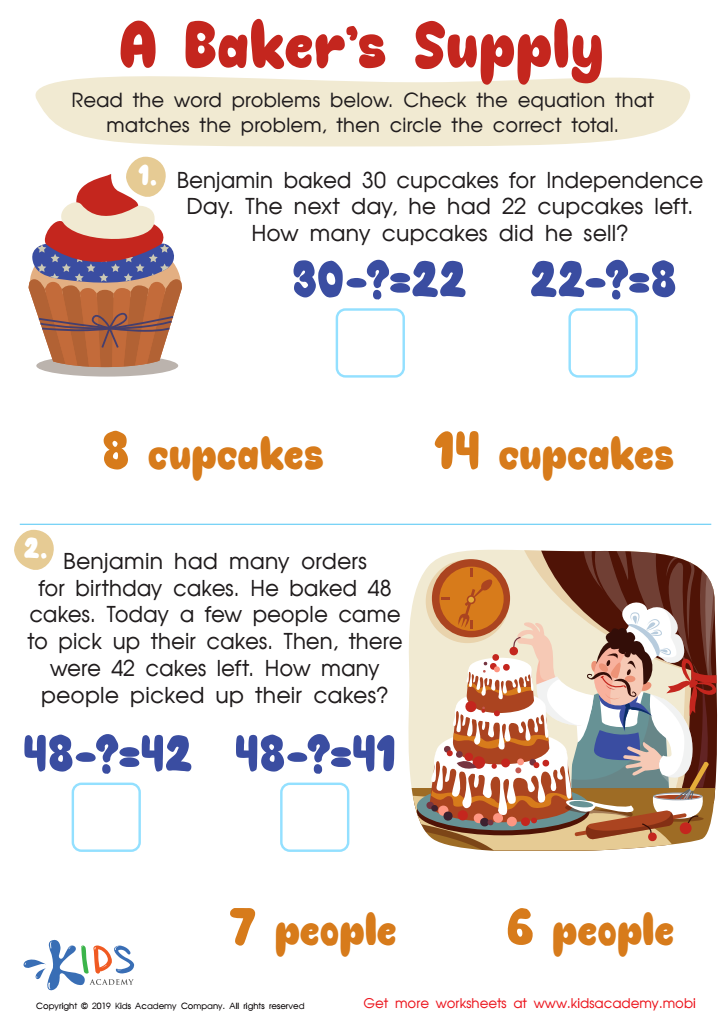
A Baker's Supply Worksheet
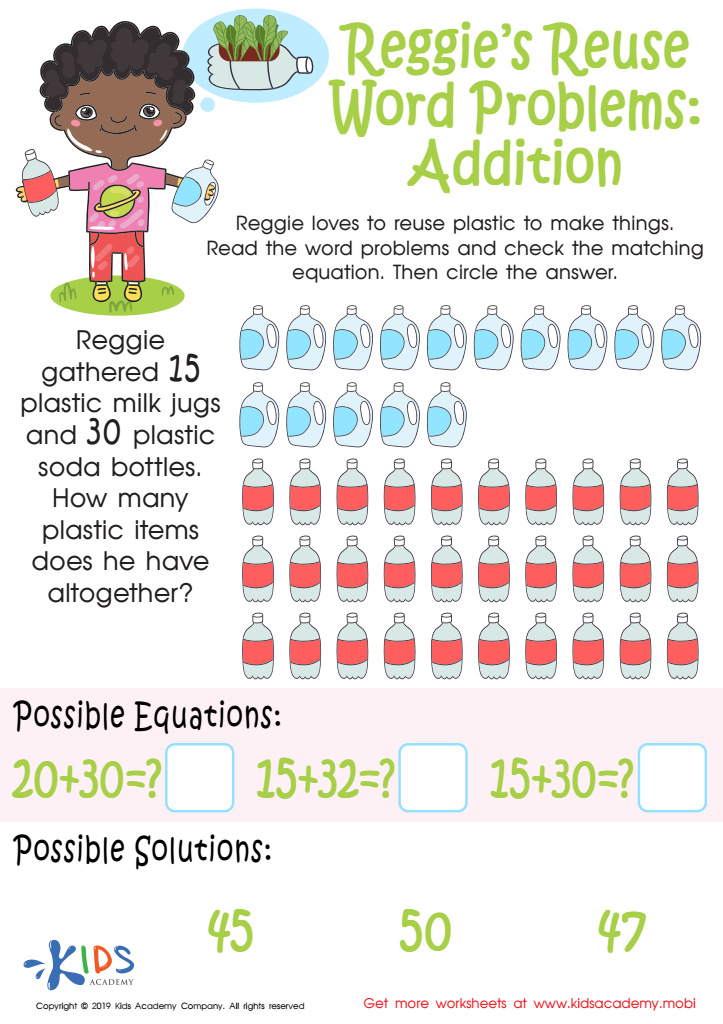
Reggie's Reuse Word Problems: Addition Worksheet
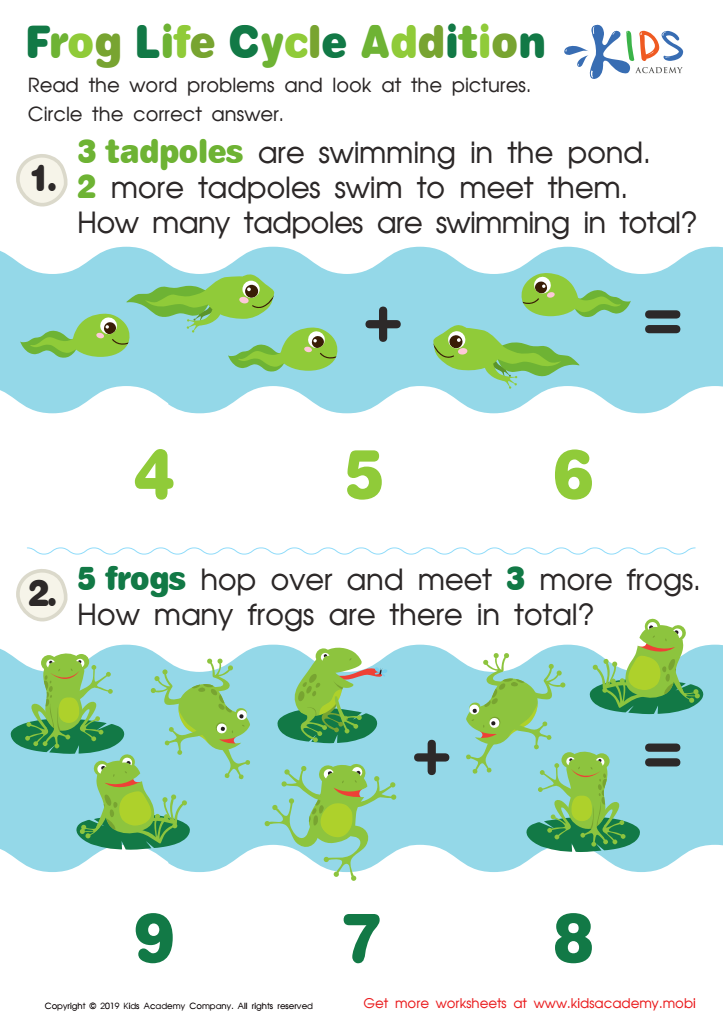
Frog Life Cycle Addition Worksheet
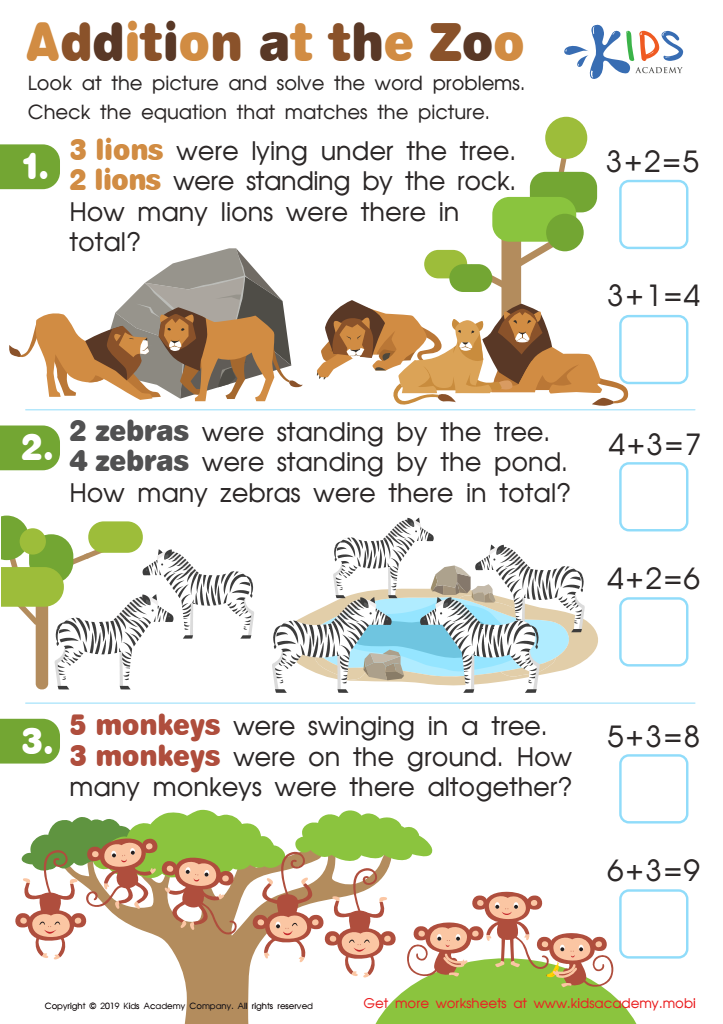
Addition at the Zoo Worksheet
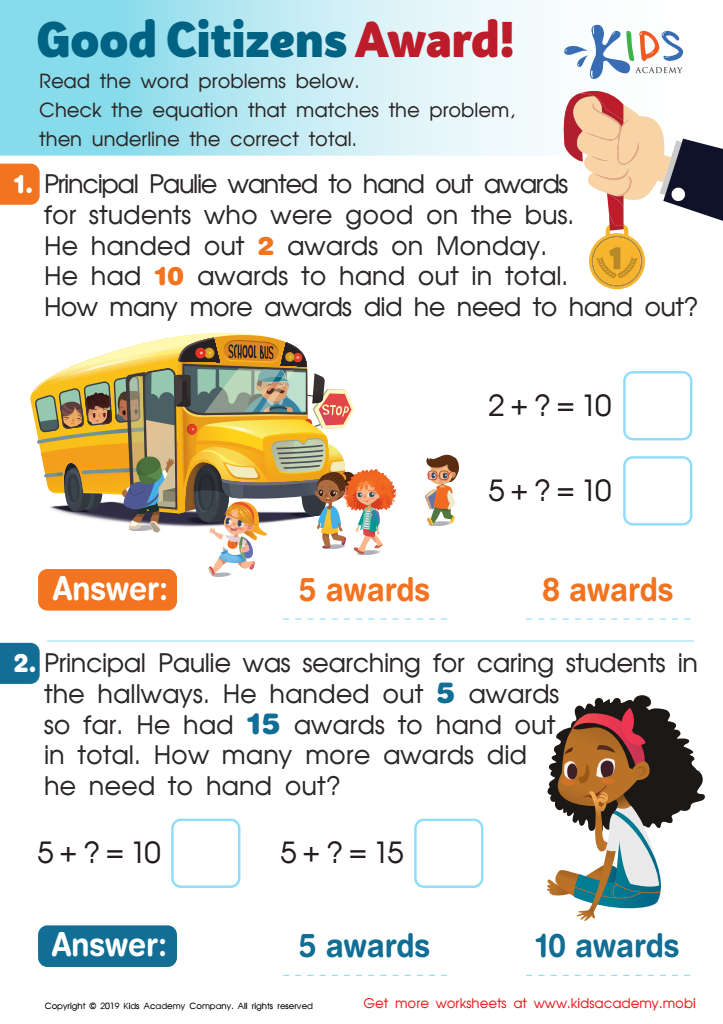
Good Citizens Award! Worksheet
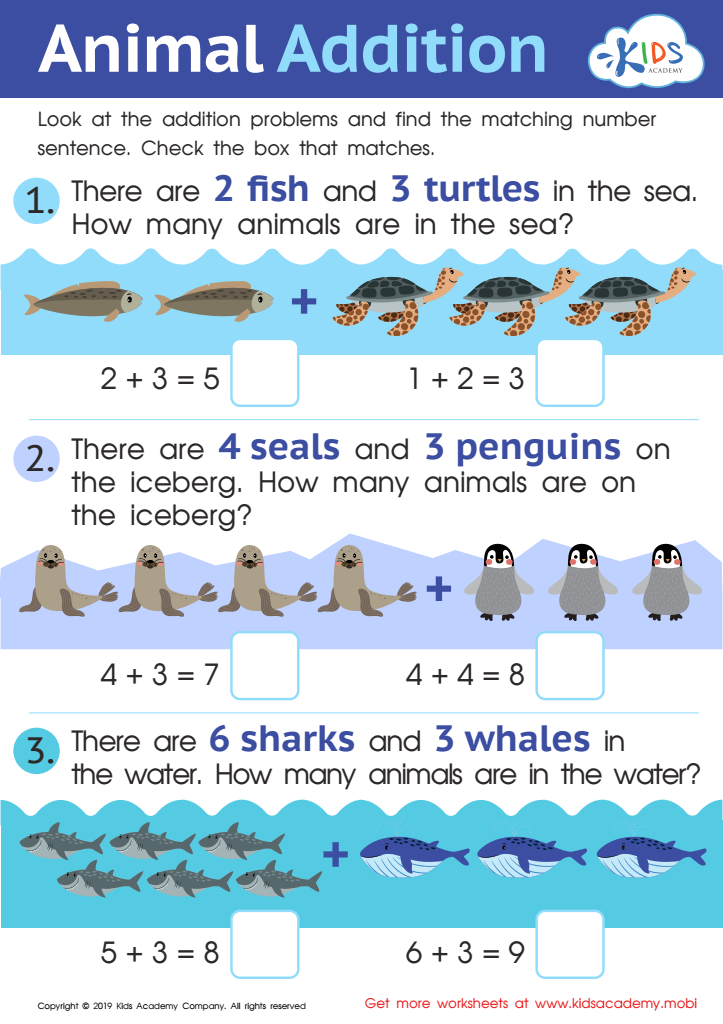
Animal Addition Worksheet
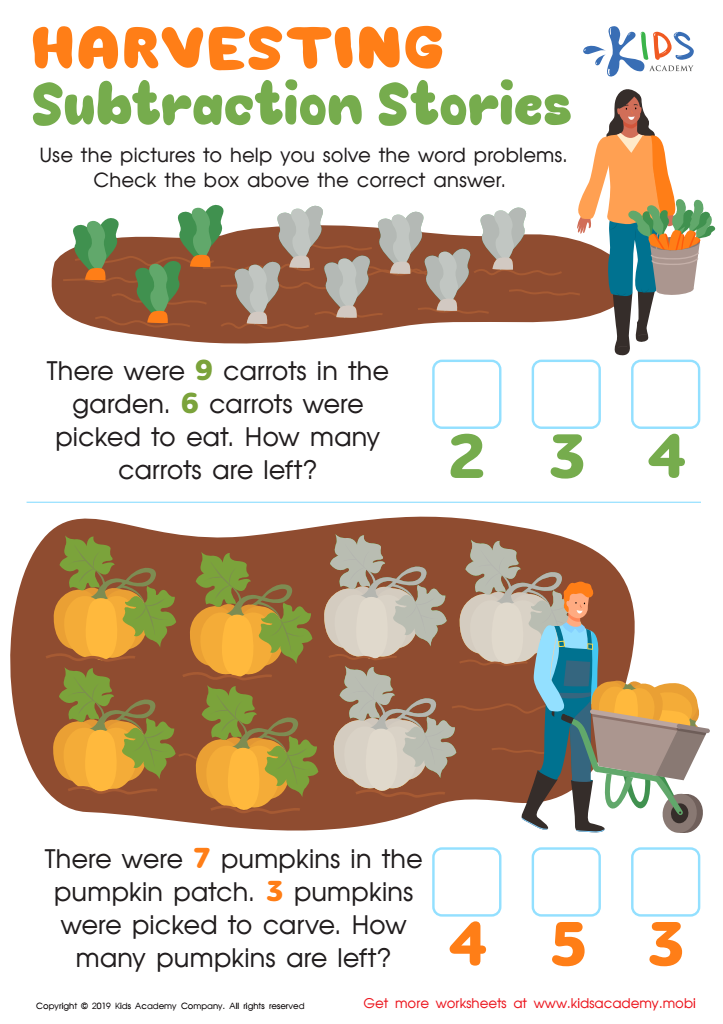
Harvesting Subtraction Stories Worksheet
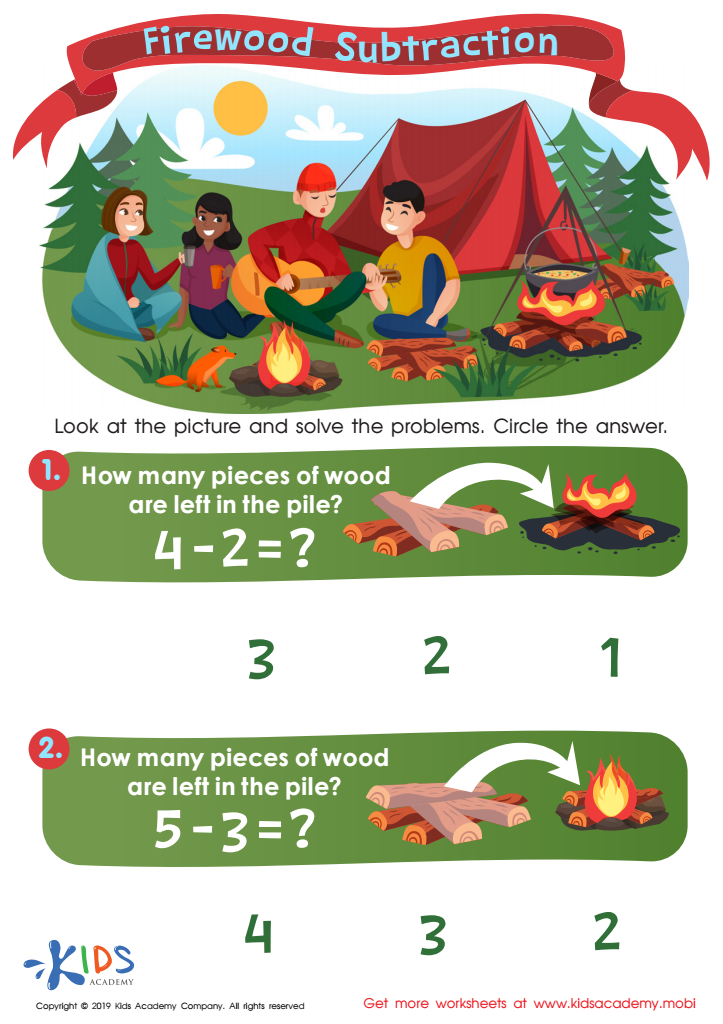
Firewood Subtraction Worksheet
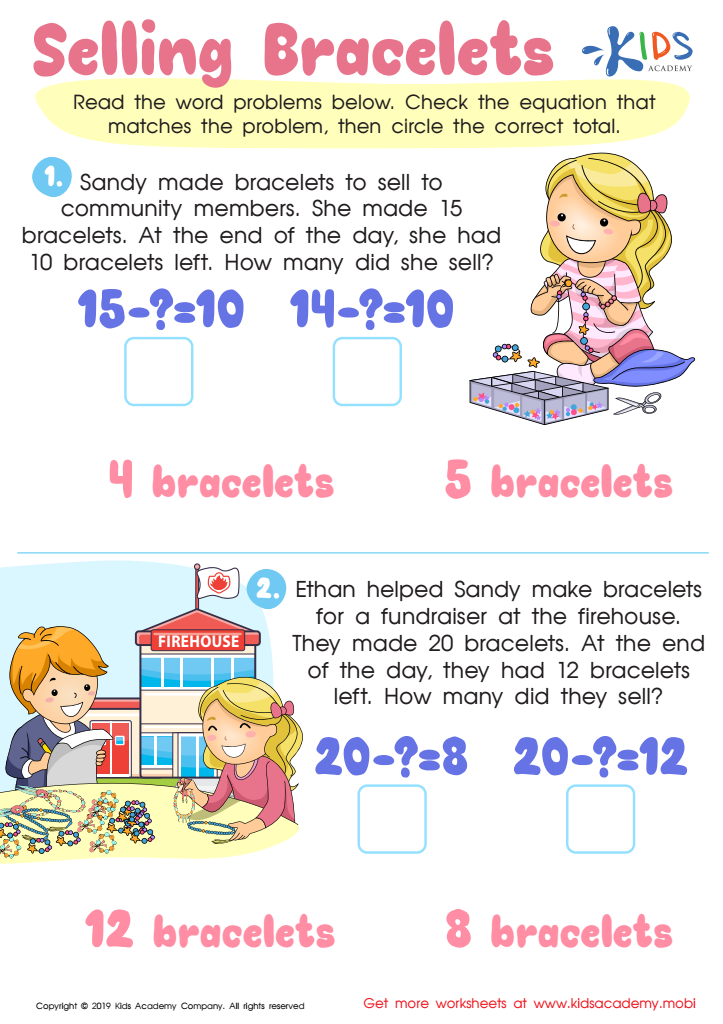
Selling the Bracelets Worksheet








Parents and teachers should prioritize easy word problems for children aged 3-6 because they play a crucial role in foundational learning. At this age, children are naturally curious and eager to explore their environment, making it an optimal time to introduce early problem-solving skills. Easy word problems help develop critical thinking abilities by encouraging kids to analyze scenarios and come up with solutions.
These simple problems enhance language skills, as young learners engage with vocabulary and sentence structure. Through the process of reading and interpreting word problems, children are exposed to various concepts such as numbers, comparisons, and operations, which are essential for mathematical understanding. Additionally, word problems often involve relatable contexts, making learning more engaging and meaningful for children.
Moreover, solving easy word problems cultivates resilience and persistence. When children encounter challenges in finding answers, they learn important lessons about perseverance and critical reasoning. Lastly, they build confidence as they accomplish these tasks, setting a positive tone for more complex problem-solving in the future. Overall, incorporating easy word problems into early education fosters both mathematical and language skills, preparing children for a successful learning journey.








