Easy Comparing Numbers Worksheets for Ages 3-7
5 filtered results
-
From - To
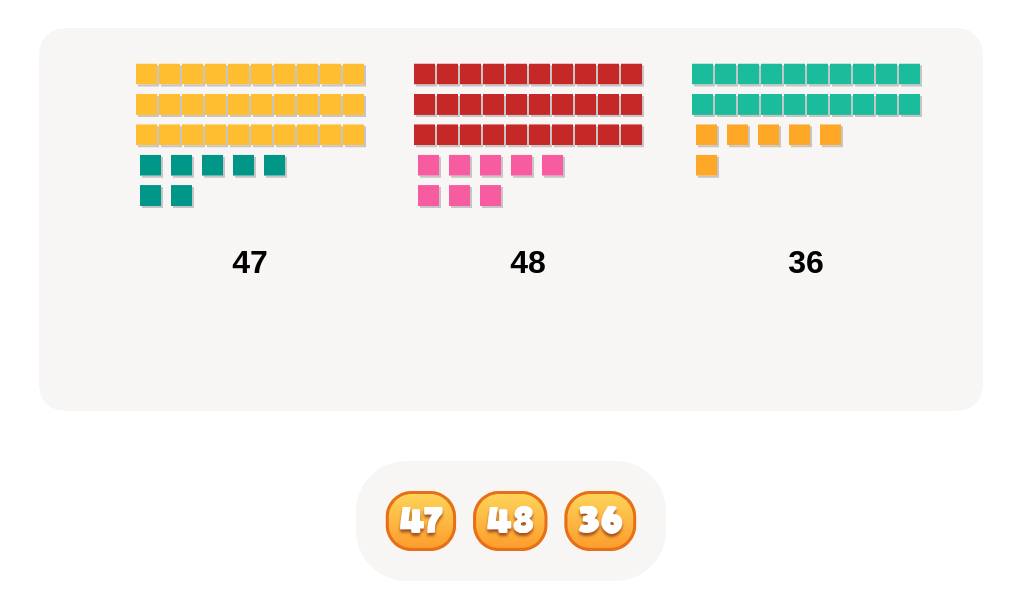
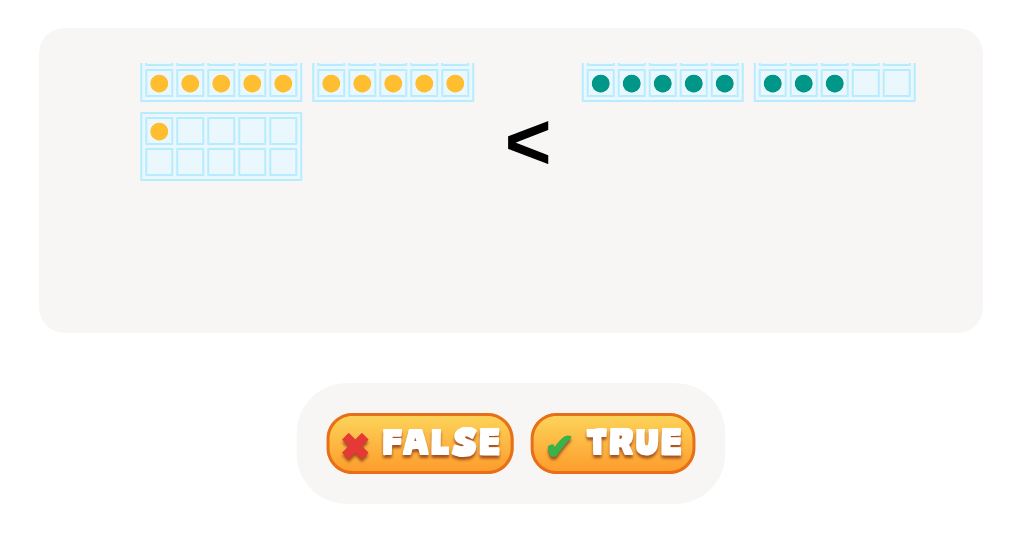
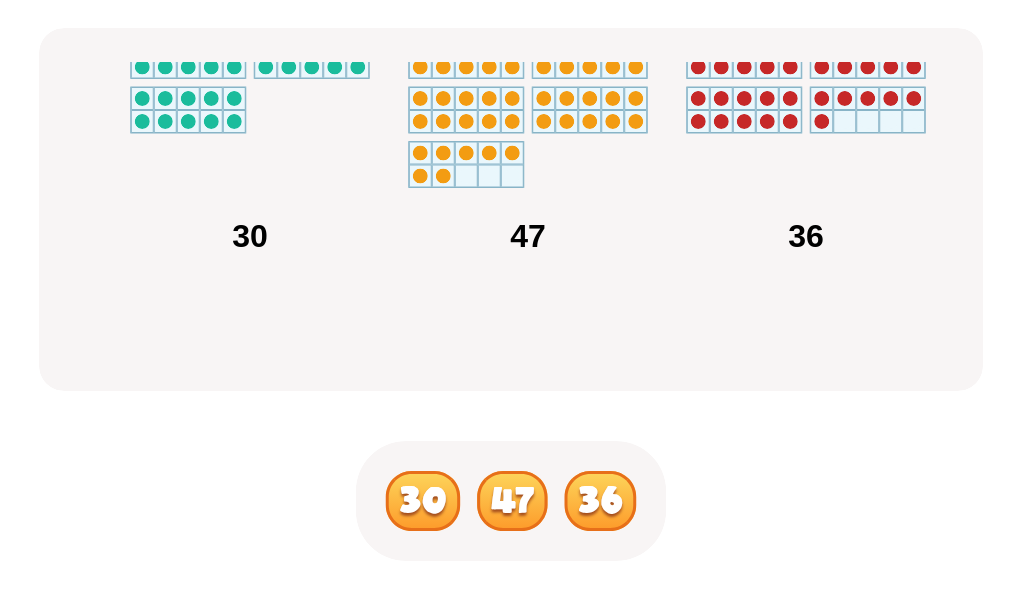
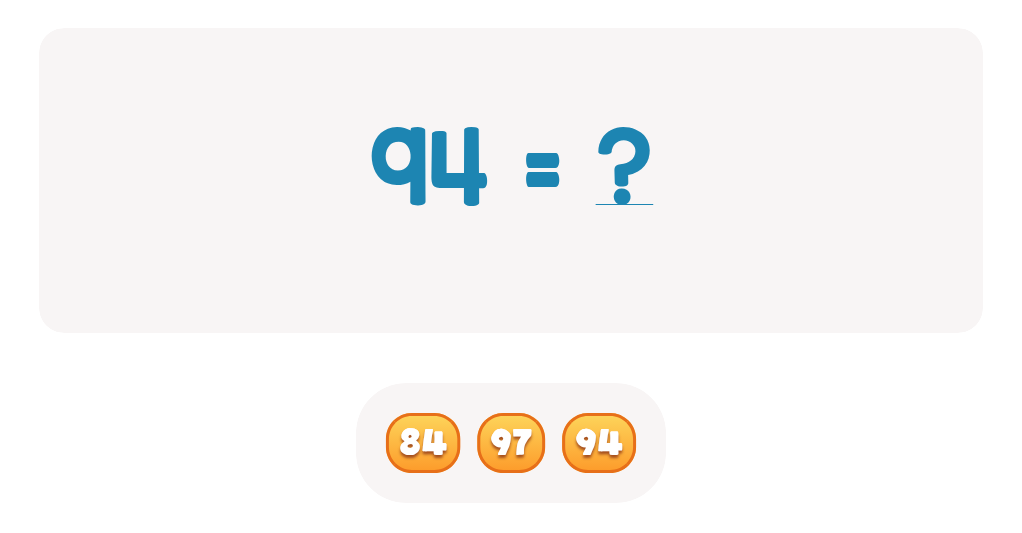
Engage your children in the joy of learning with our Easy Comparing Numbers Worksheets for Ages 3-7. Specifically designed for early learners, these worksheets make understanding numerical relationships fun and interactive. Featuring colorful images and simple exercises, they help kids master comparing, contrasting, and ordering numbers with ease. Perfect for classroom or at-home practice, our worksheets cater to varying skill levels and learning paces, ensuring every child can succeed. Download, print, and watch your child's confidence and proficiency in math grow. A playful path to foundational math skills starts here!
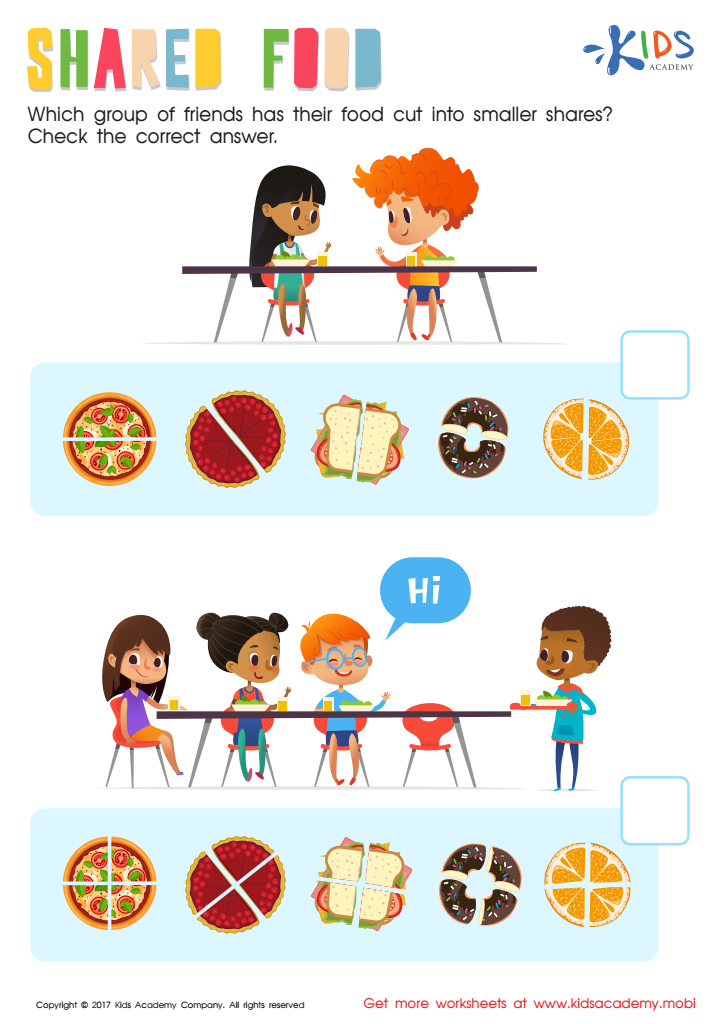
Shared Food Worksheet
 Assign to My Students
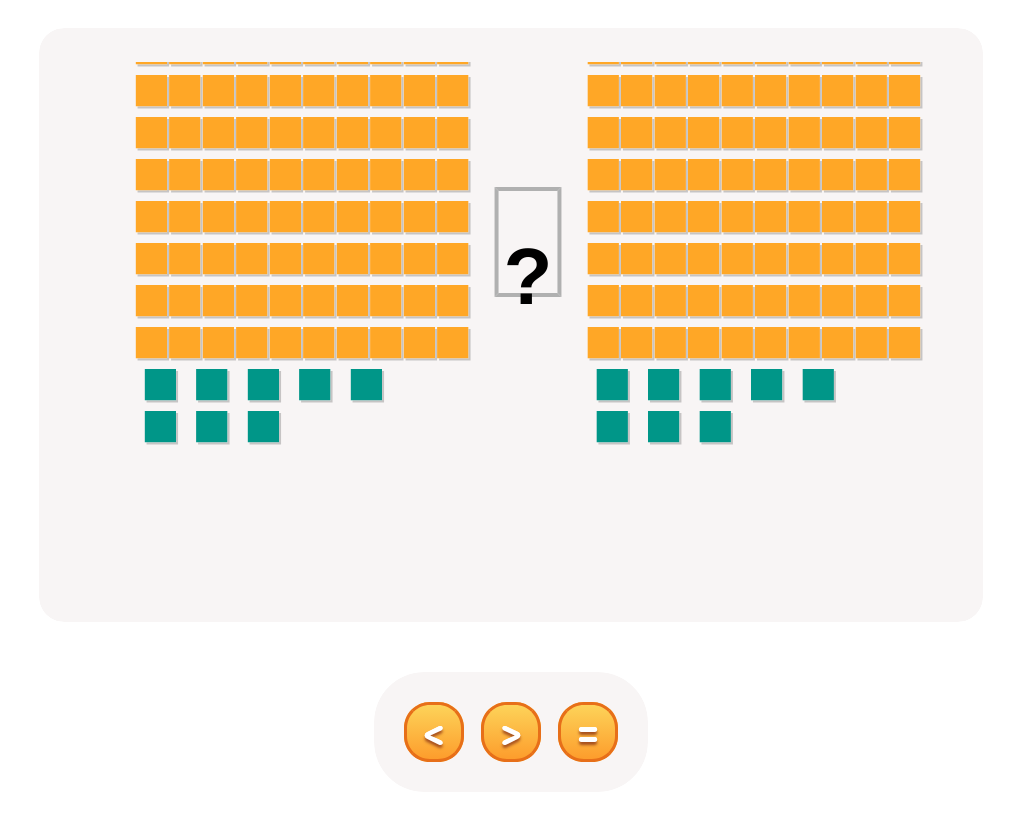

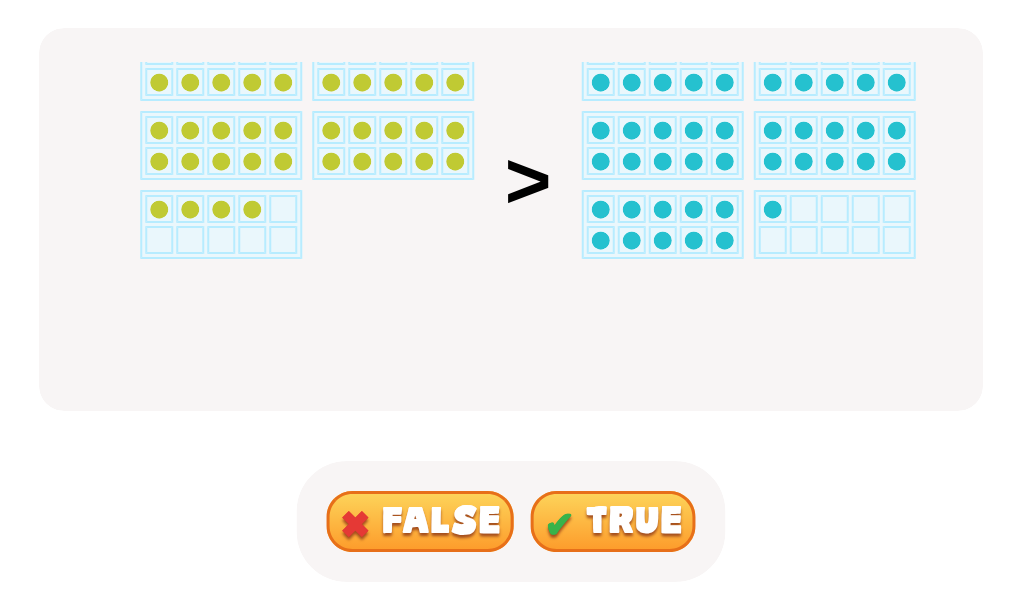
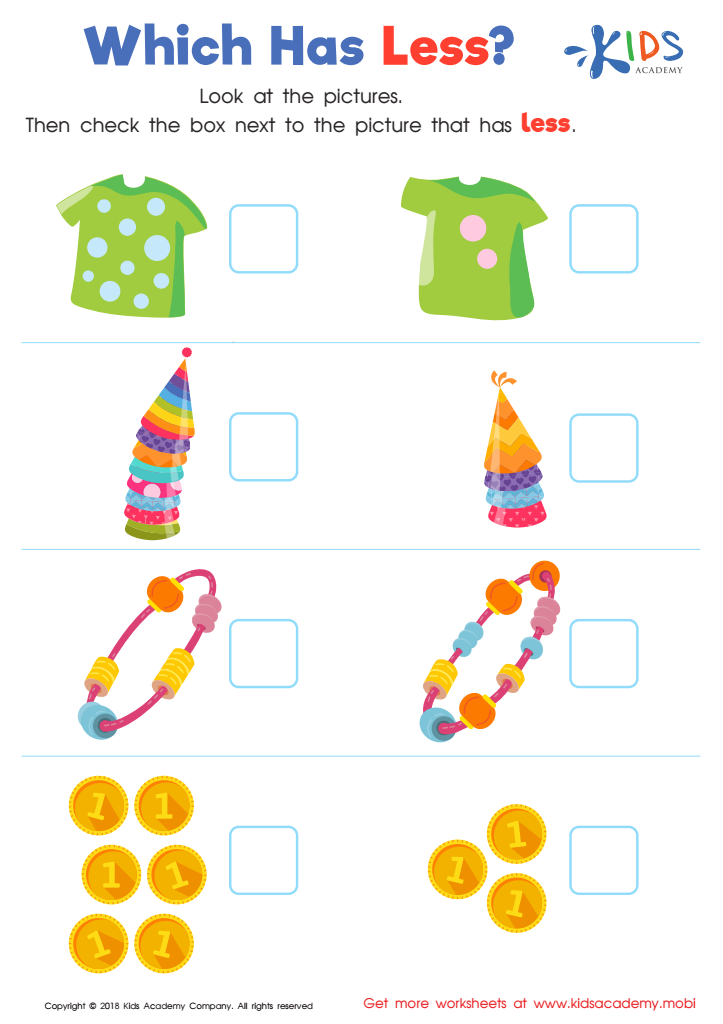
Which Has Less? Worksheet
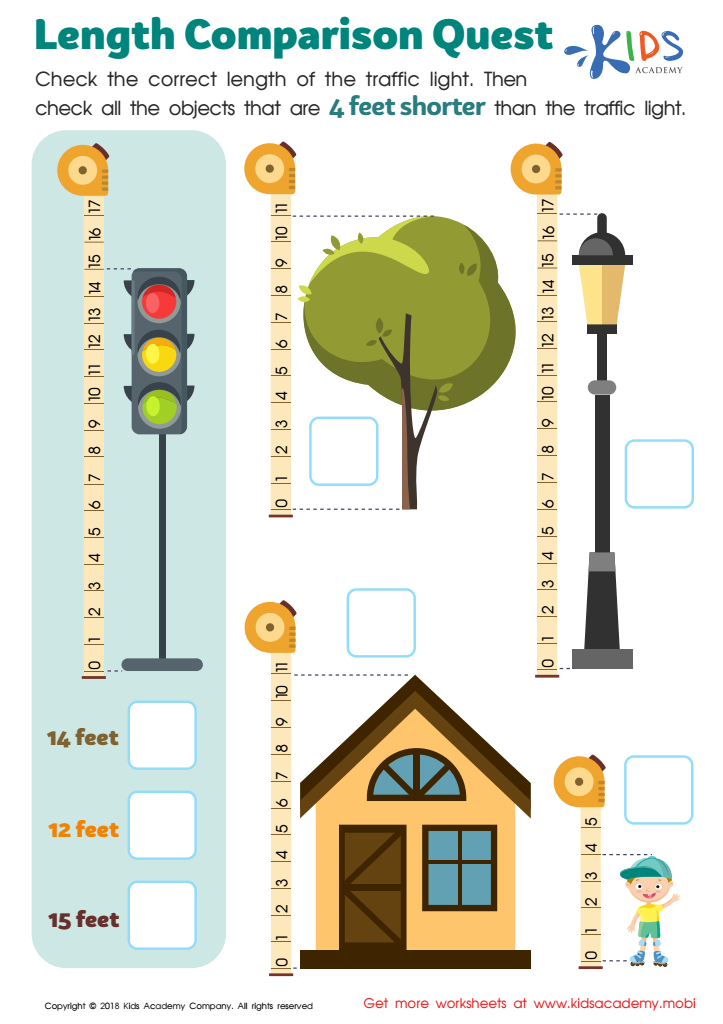
Length Comparison Quest Worksheet
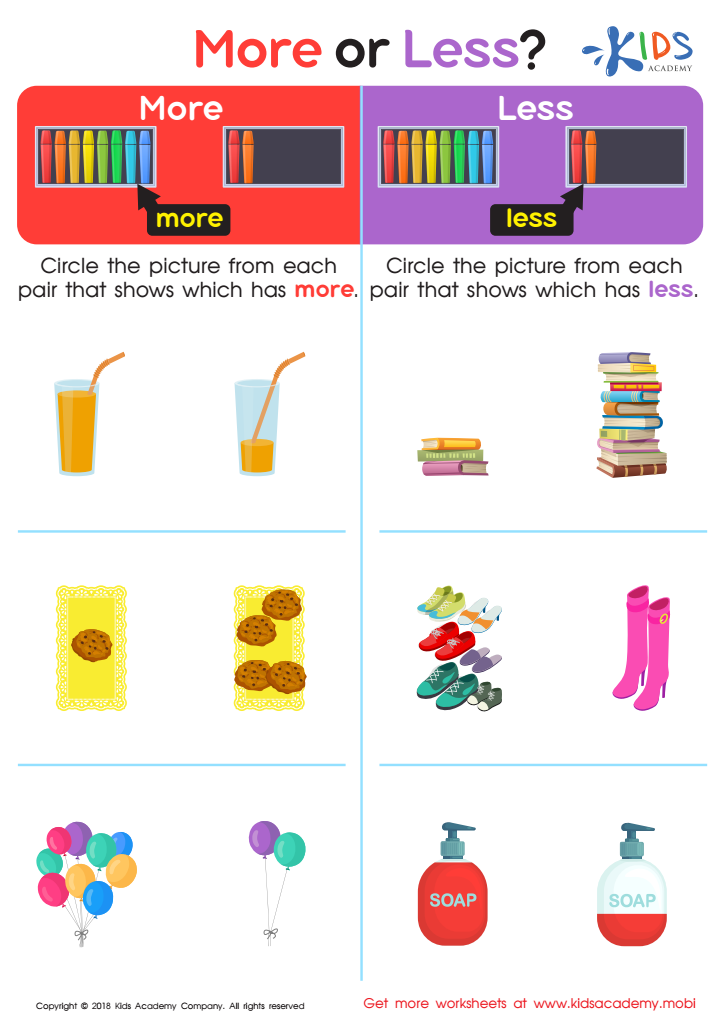
More or Less? Worksheet
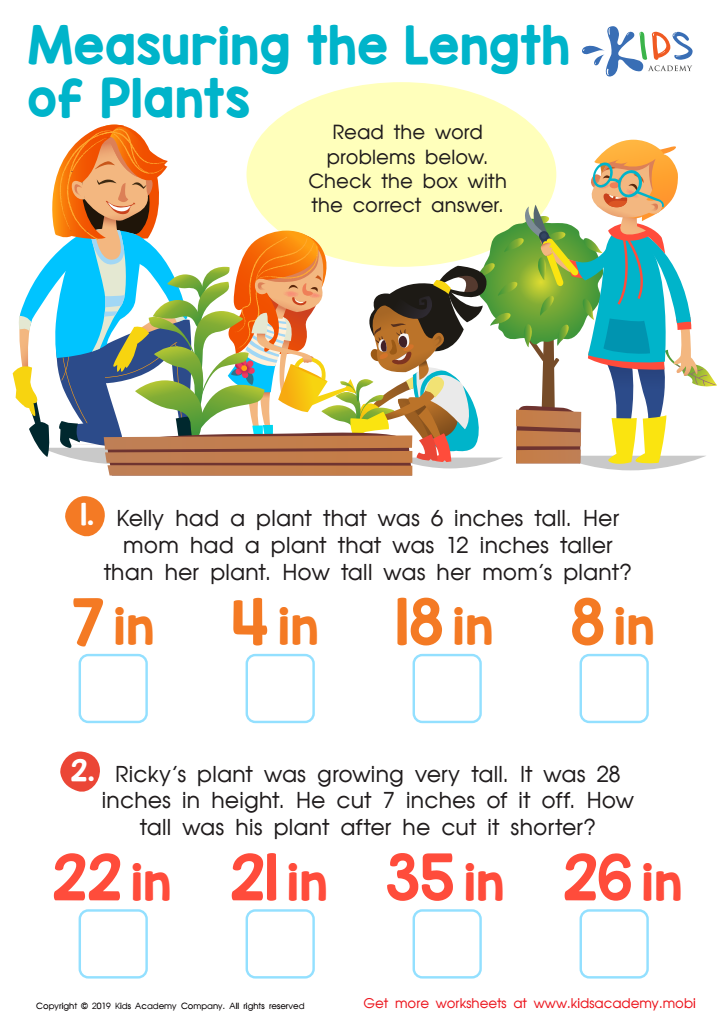
Measuring the Length of Plants Worksheet








Understanding how to compare numbers is a foundational skill in early childhood education that paves the way for more advanced mathematical concepts. For ages 3-7, learning to compare numbers offers several critical benefits.
First, it builds numerical literacy. Young children begin to grasp the relative value of numbers, understanding which numbers are larger, smaller, or equal. This comprehension is essential for everyday tasks, like determining if you have more or fewer toys than a friend.
Second, comparing numbers enhances critical thinking skills. Children learn to observe, analyze, and make decisions based on numerical differences. Engaging in this thought process helps them develop logical reasoning—a fundamental skill for problem-solving in and out of the classroom.
Additionally, comparing numbers enhances confidence. Mastering these basic numerical concepts builds self-assurance in young learners when they approach more complex math topics, such as addition and subtraction, later on.
Moreover, comparing numbers can be an interactive and enjoyable activity, promoting engagement and enthusiasm toward learning math. Games, visual aids, and hands-on activities make the process fun, helping sustain children’s interest and cooperation.
For parents and teachers, fostering these skills supports overall cognitive development and sets a solid groundwork for academic success. Ultimately, caring about and investing time in teaching young children how to compare numbers prepares them not only for school but also for life’s many numerical challenges.