Easy Word Problems Worksheets for Ages 4-8 - Page 2
44 filtered results
-
From - To
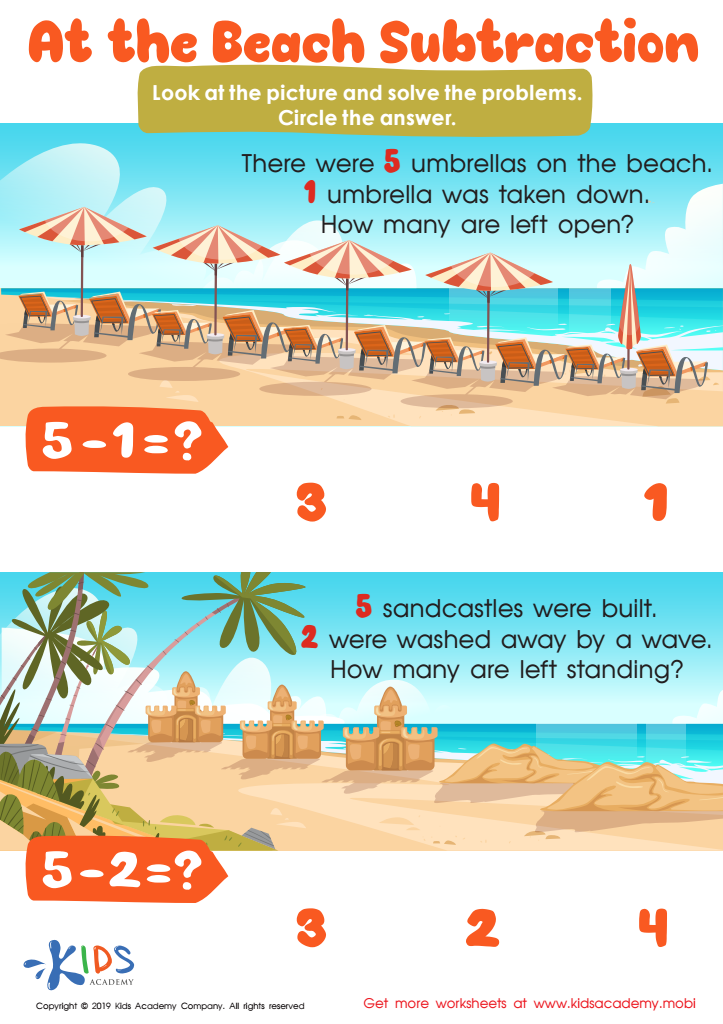
At the Beach Subtraction Worksheet
 Assign to My Students
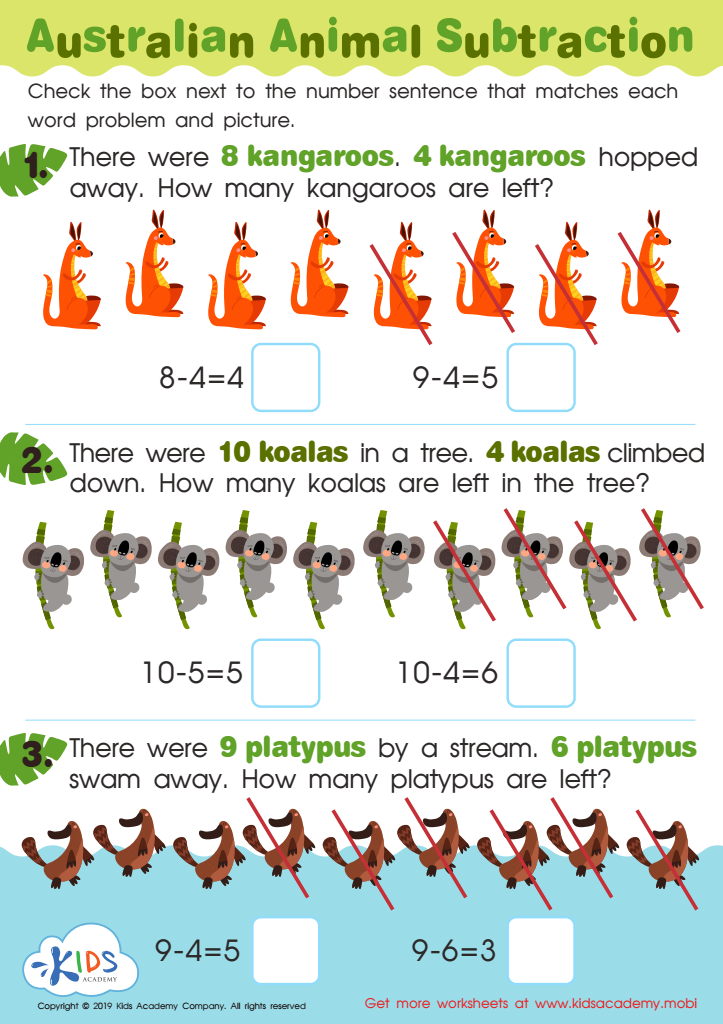
Australian Animal Subtraction Worksheet
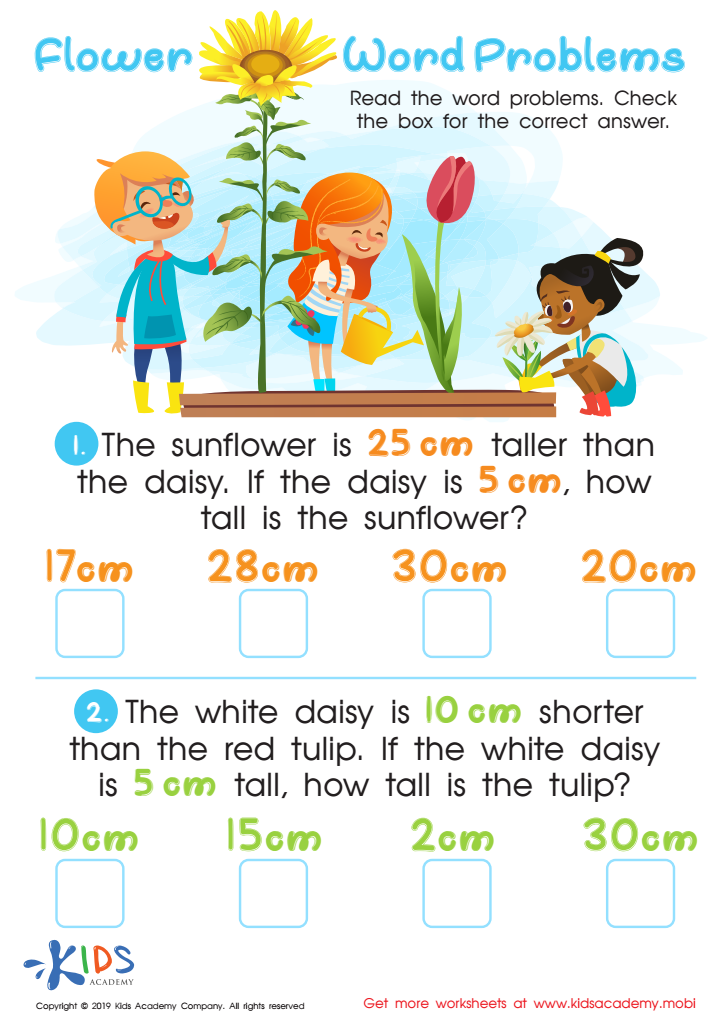
Flower Word Problems Worksheet
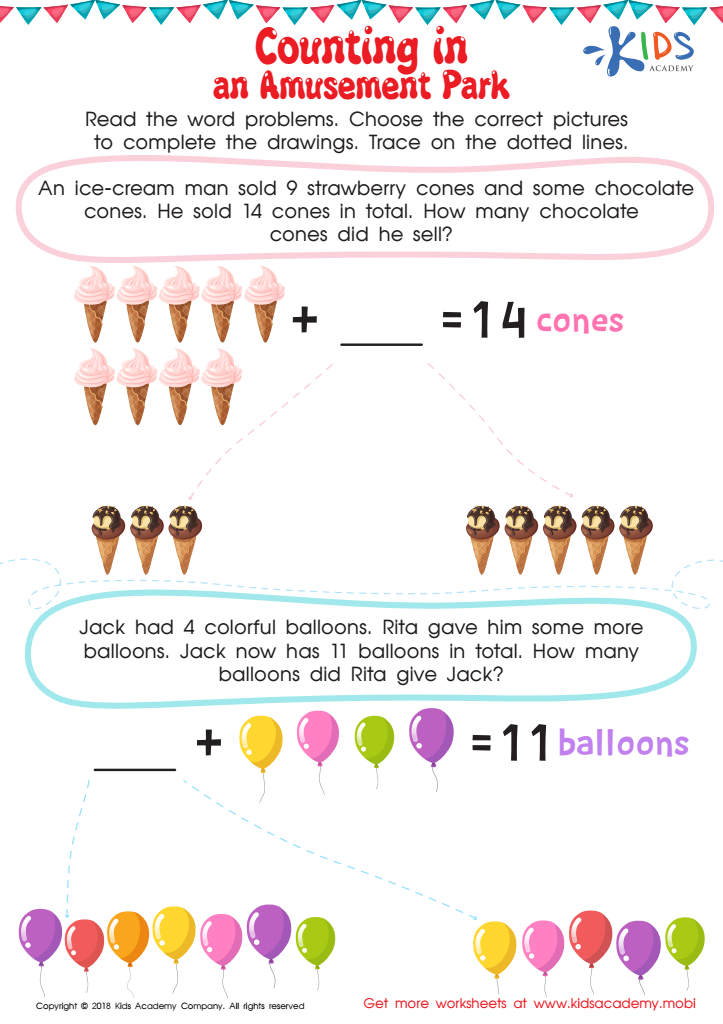
Counting in an Amusement Park Worksheet
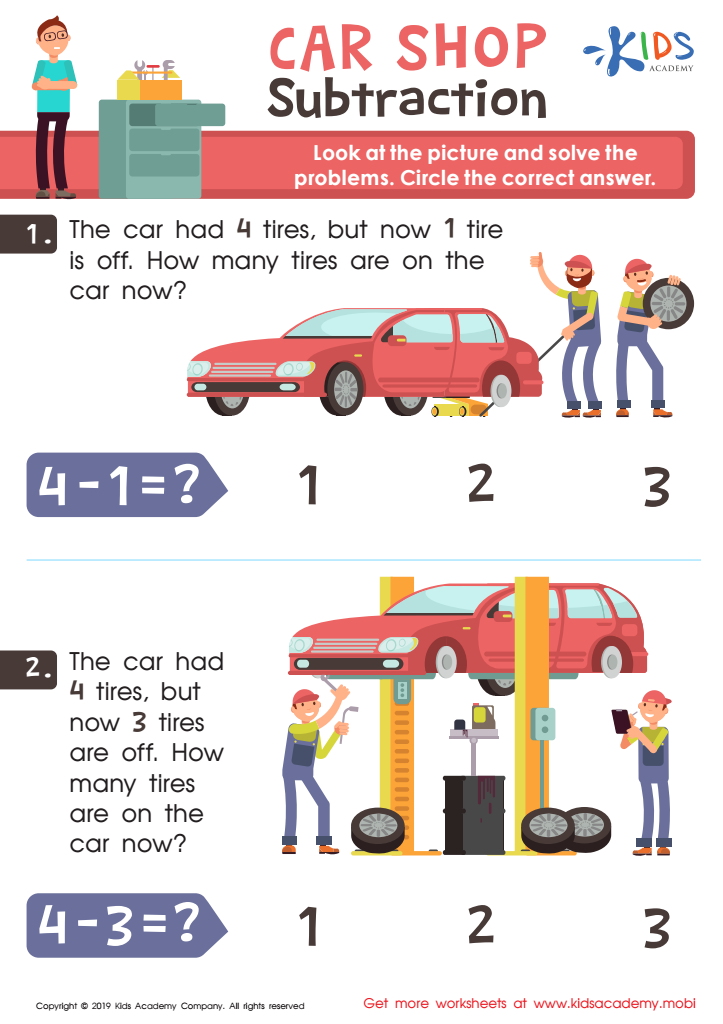
Car Shop Subtraction Worksheet
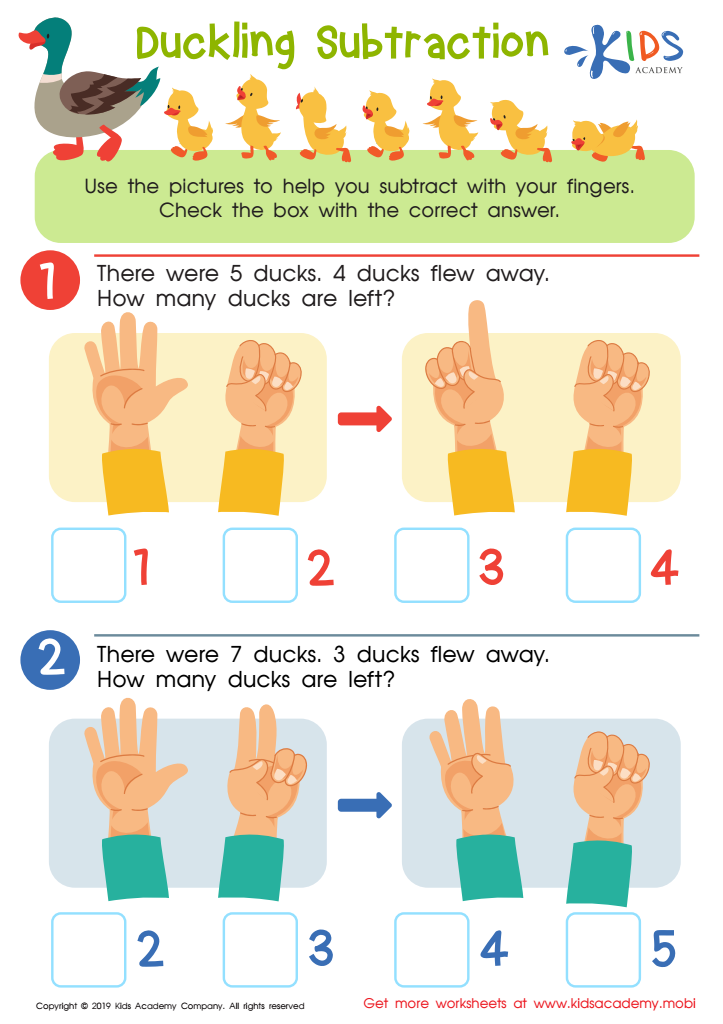
Duckling Subtraction Worksheet
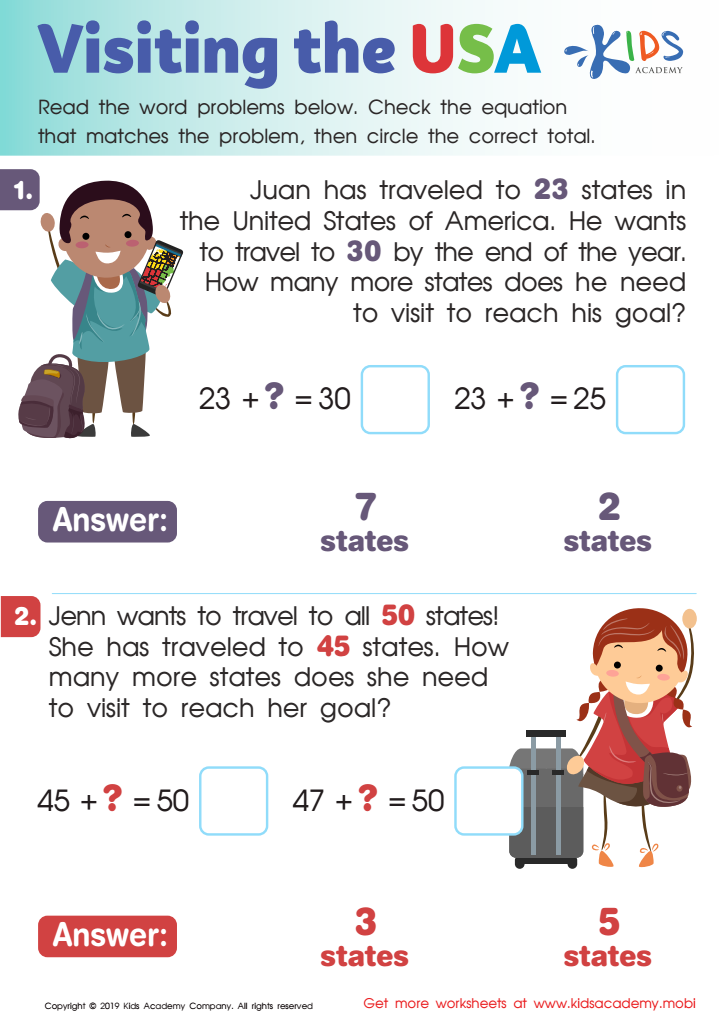
Visiting the USA Worksheet
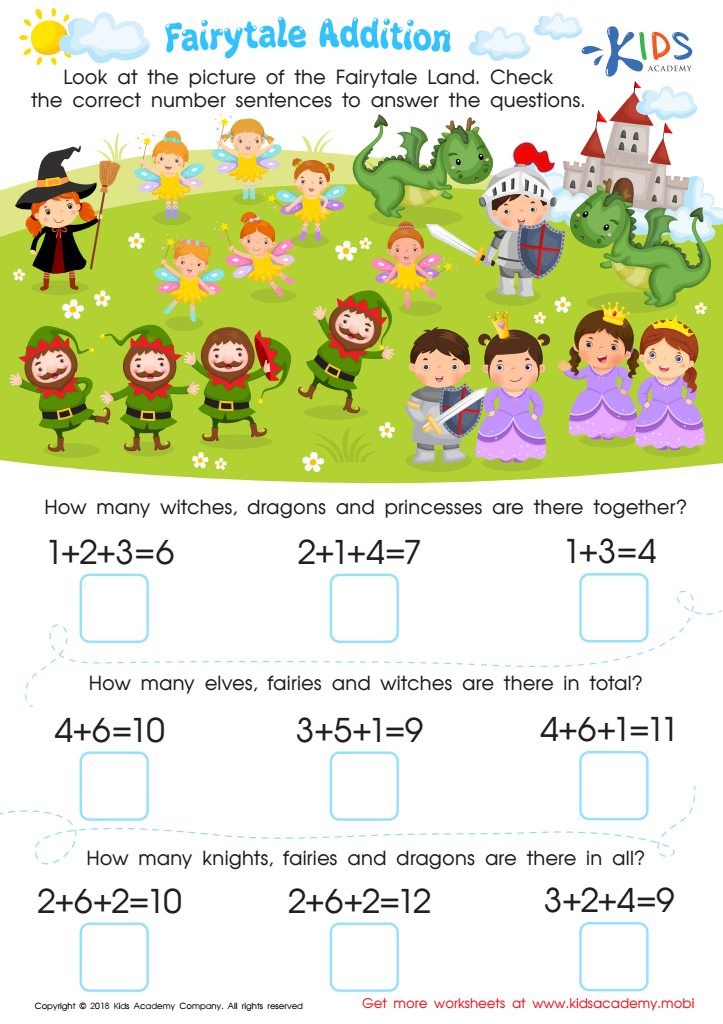
Fairytale Addition Worksheet
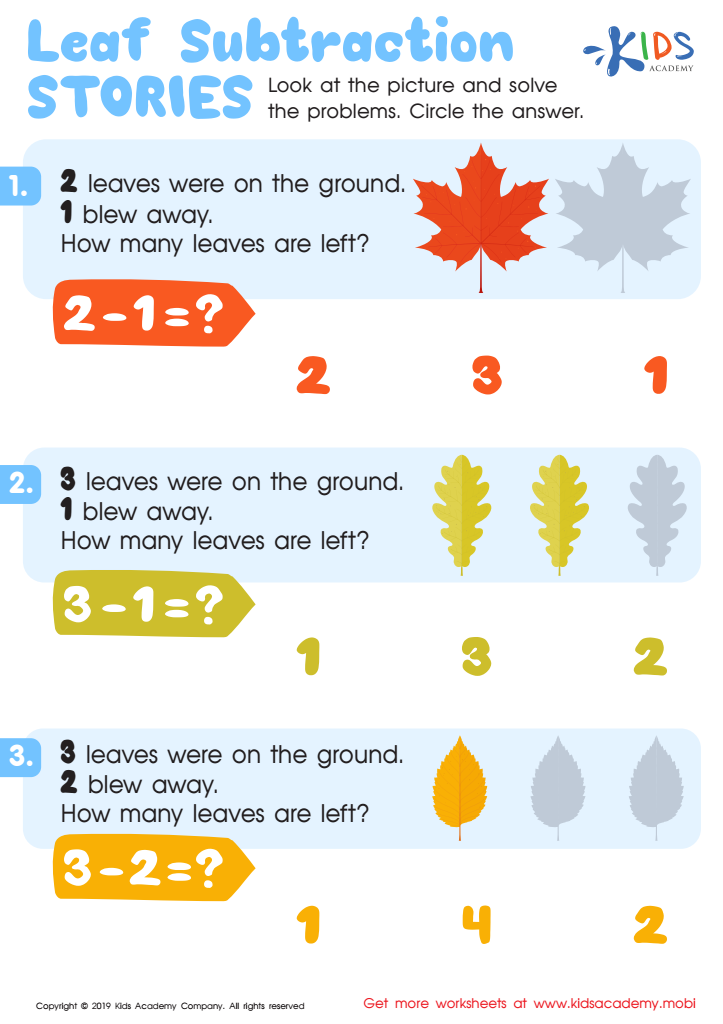
Leaf Subtraction Stories Worksheet
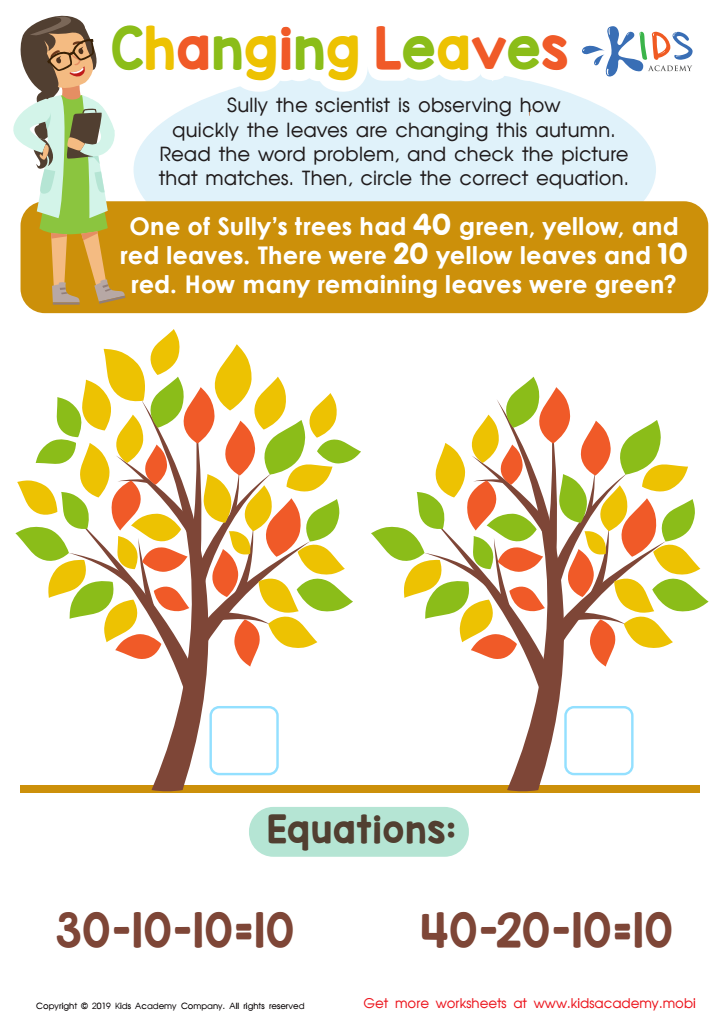
Changing Leaves Worksheet
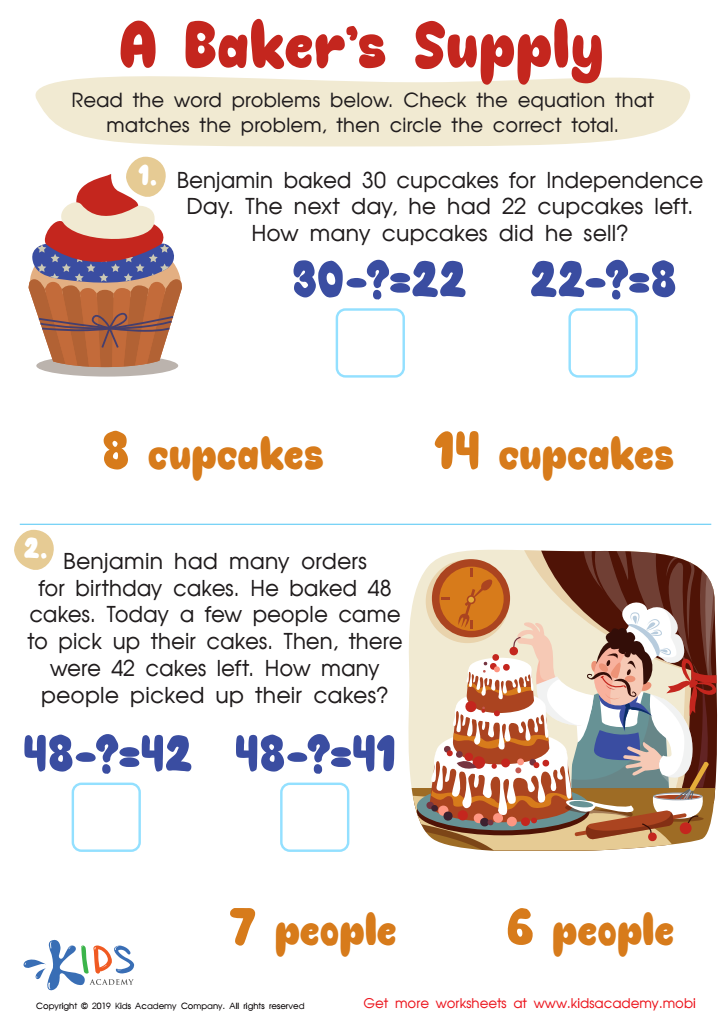
A Baker's Supply Worksheet
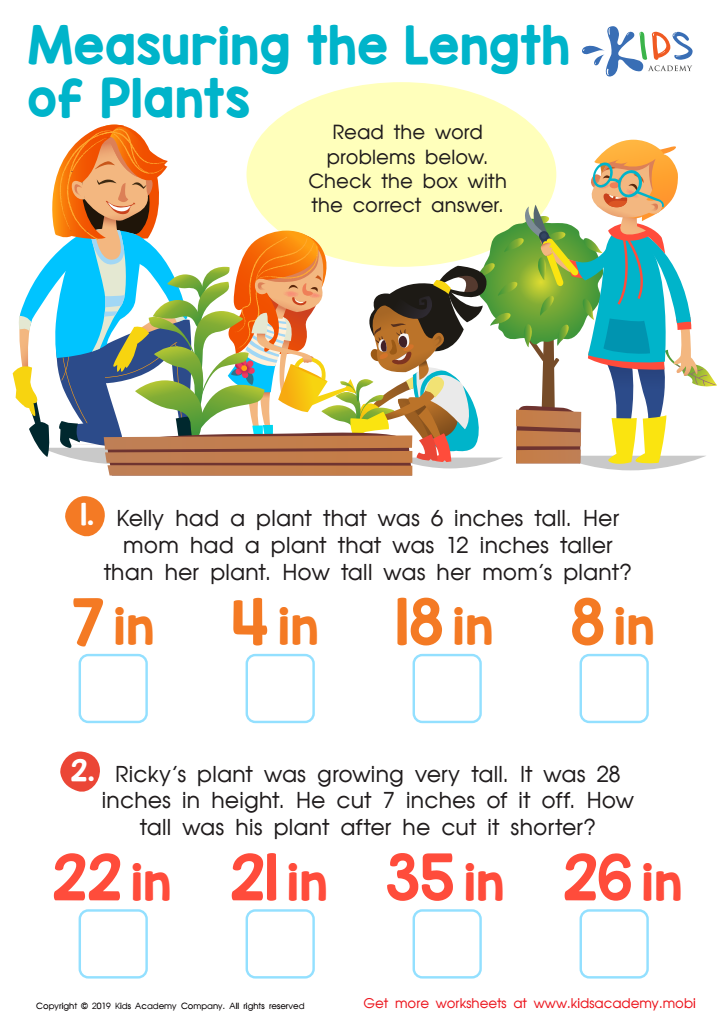
Measuring the Length of Plants Worksheet
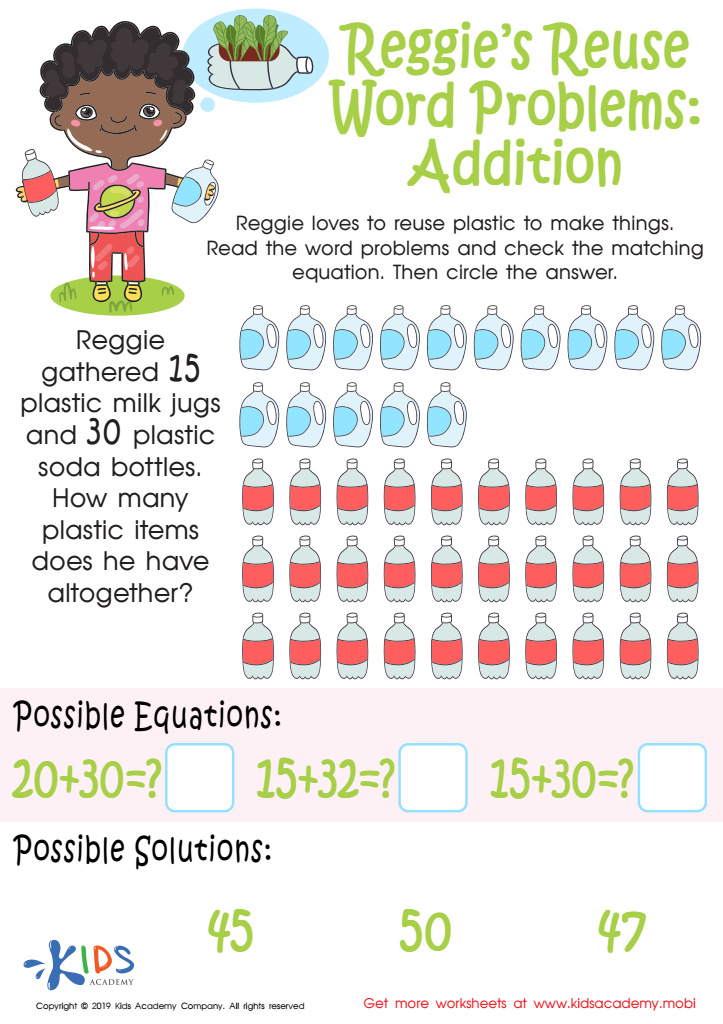
Reggie's Reuse Word Problems: Addition Worksheet
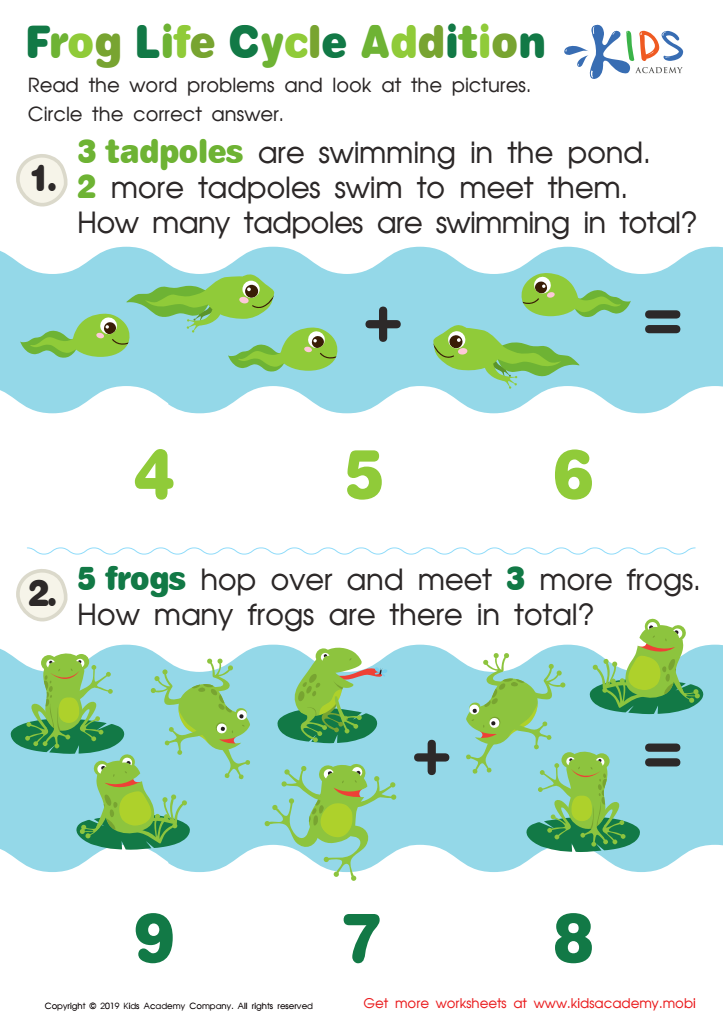
Frog Life Cycle Addition Worksheet
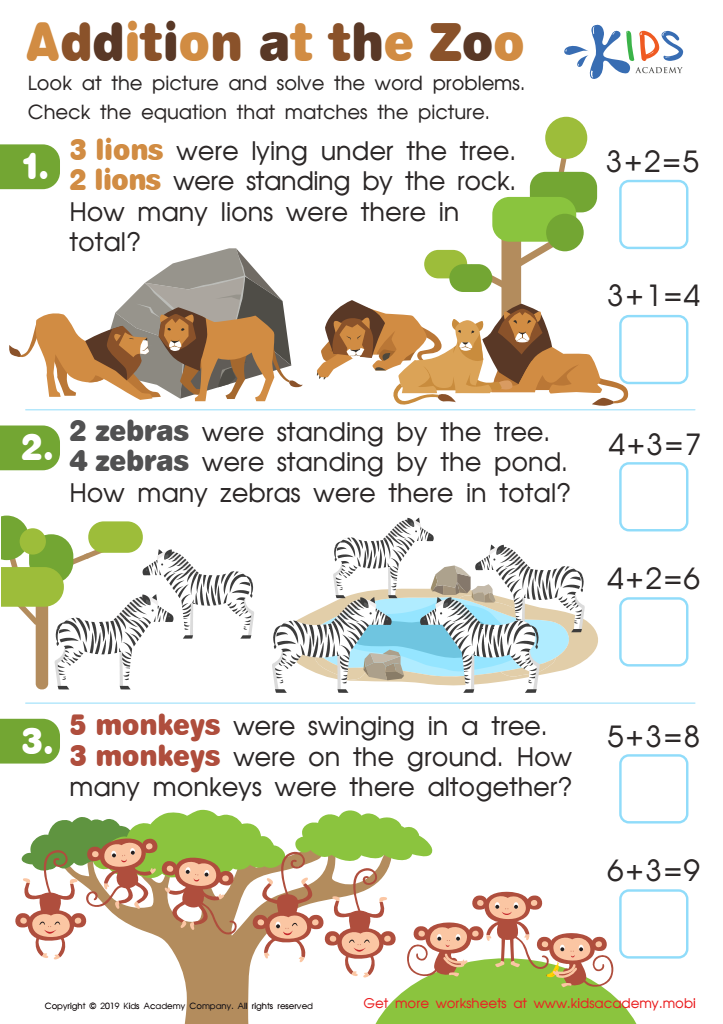
Addition at the Zoo Worksheet
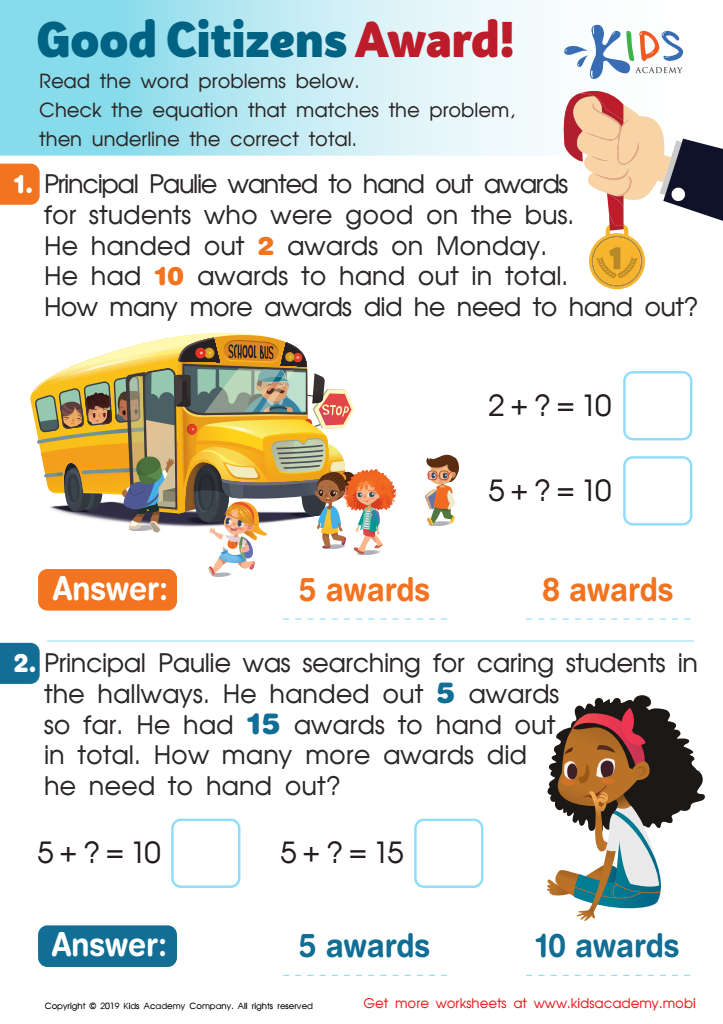
Good Citizens Award! Worksheet
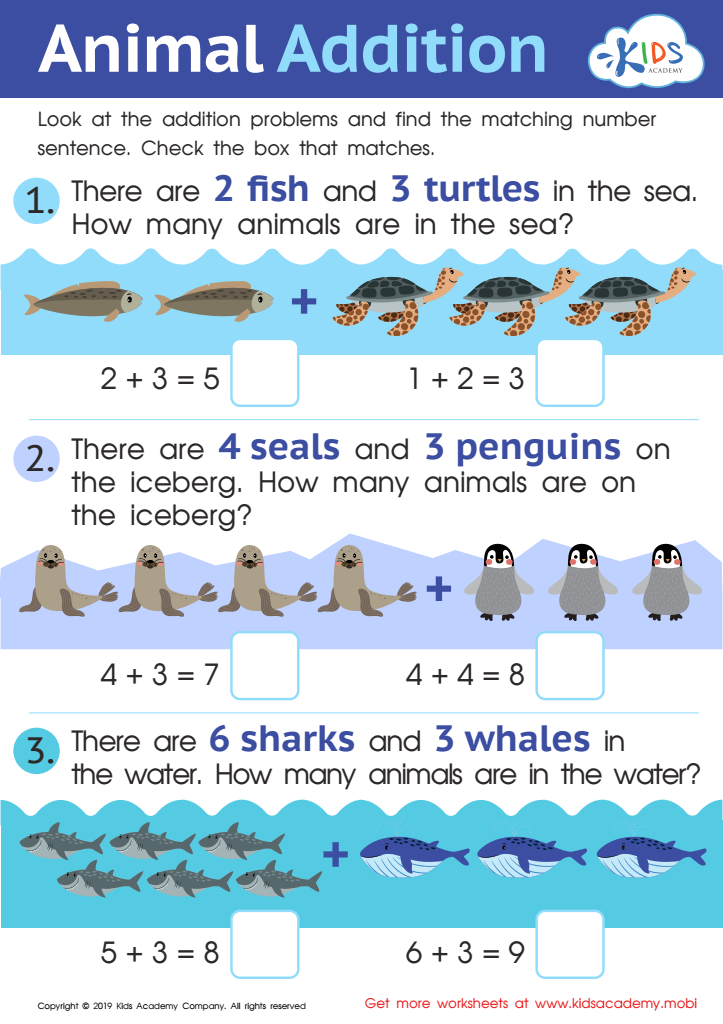
Animal Addition Worksheet
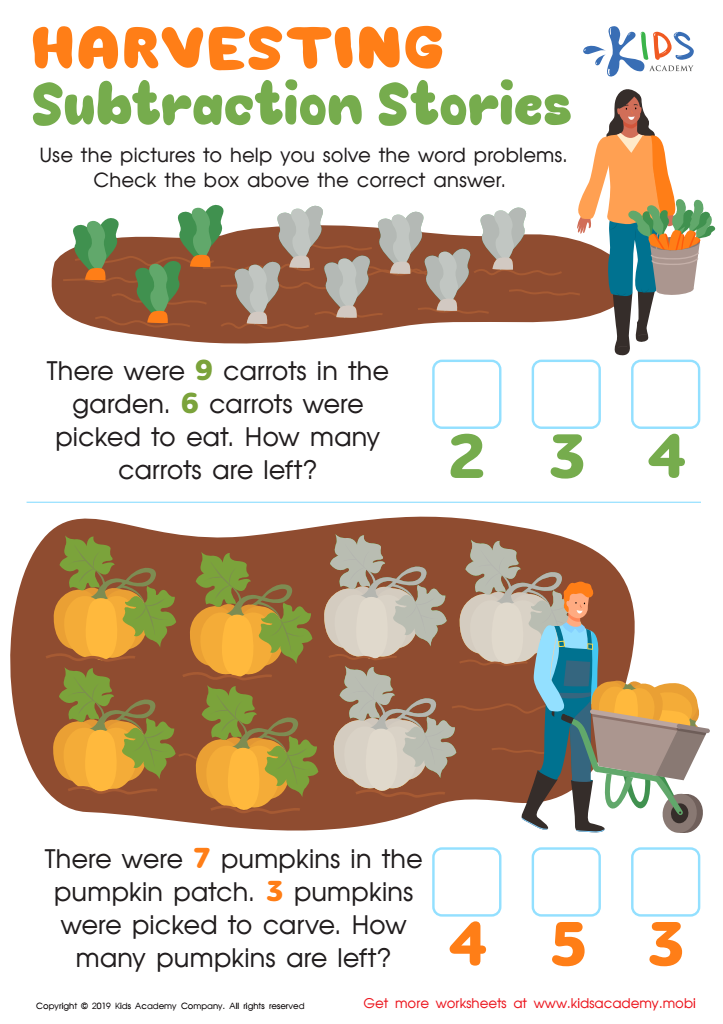
Harvesting Subtraction Stories Worksheet
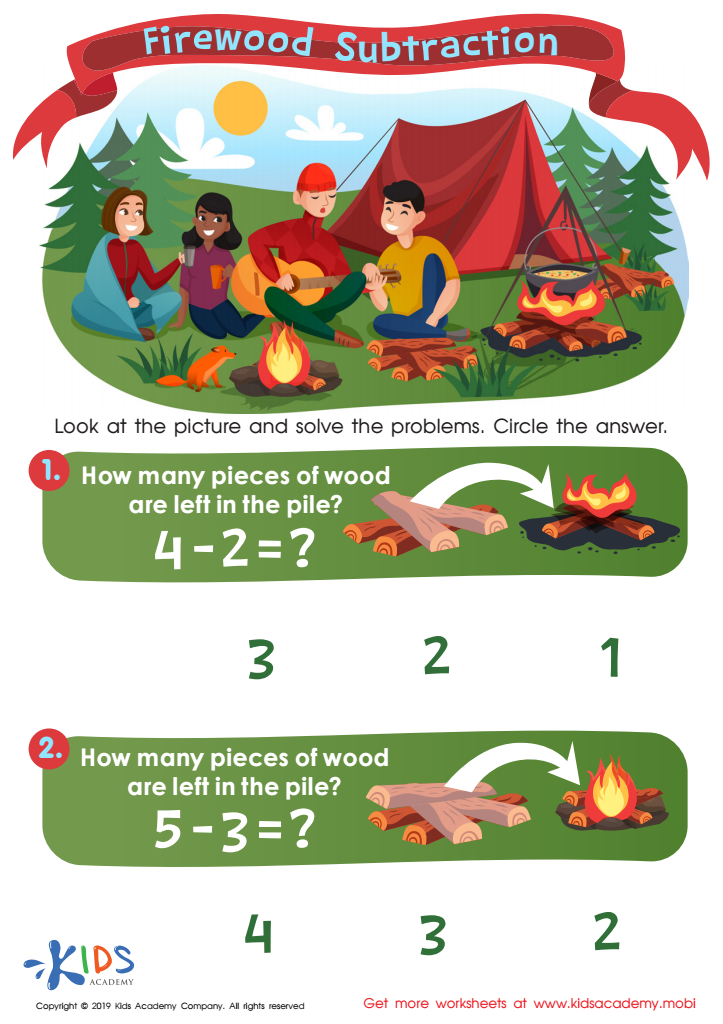
Firewood Subtraction Worksheet
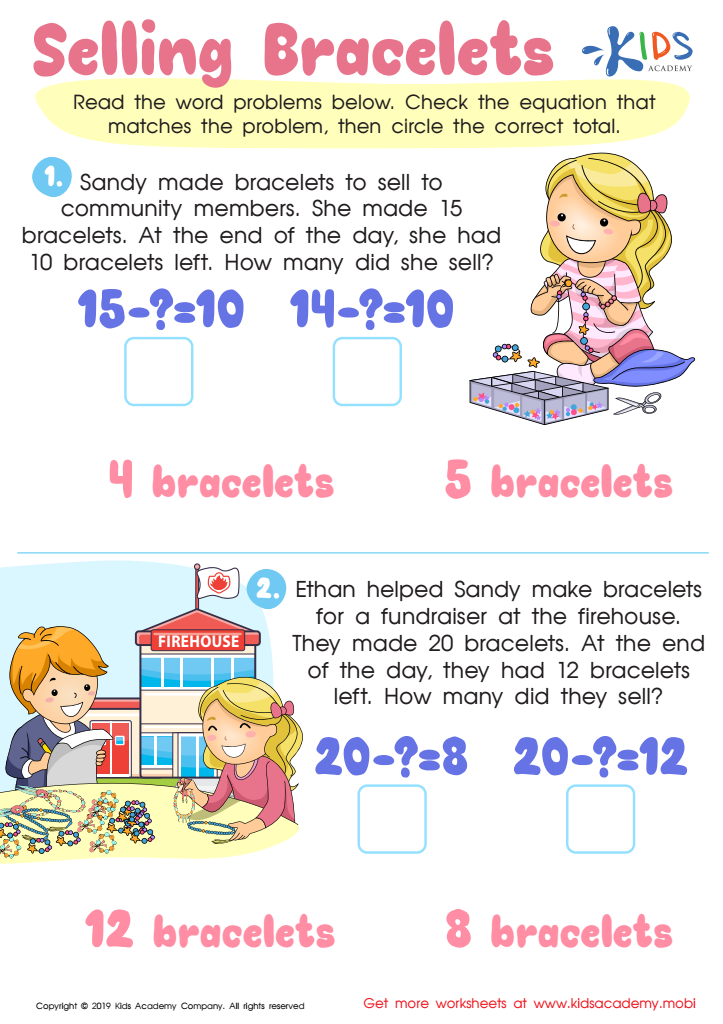
Selling the Bracelets Worksheet





.jpg)


Easy word problems are crucial for children ages 4-8 because they lay the groundwork for essential cognitive and academic skills. Early exposure to word problems helps young learners develop critical thinking and problem-solving abilities. These skills are not only foundational for math comprehension but also for other subjects and learning areas.
By introducing young children to word problems, parents and teachers help them learn to interpret and analyze information, implement appropriate mathematical operations, and articulate their reasoning. This process strengthens their understanding of number concepts, enhances their reading comprehension, and improves their ability to follow multi-step instructions.
Moreover, word problems provide a context that makes math meaningful and relatable to everyday life. Through familiar scenarios, children begin to see the practical application of mathematical principles, which can motivate them to engage more deeply with math.
Addressing word problems also boosts confidence and reduces math anxiety. When children successfully solve problems, they build a positive relationship with math and are more likely to approach the subject with curiosity and enthusiasm.
In sum, early engagement with easy word problems equips children with versatile skills, fosters a strong mathematical foundation, and promotes a lifelong positive attitude toward learning.








