Easy Sorting Worksheets for Ages 4-9
5 filtered results
-
From - To
Discover a collection of easy sorting worksheets designed specifically for children ages 4 to 9! Our engaging and interactive worksheets help young learners master essential sorting skills through fun and relatable activities. Each worksheet encourages children to classify objects based on various attributes, such as color, shape, and size. Perfect for home or classroom use, these resources support early math development while fostering critical thinking and organization skills. Enhance your child's learning experience today with our vibrant, user-friendly sorting worksheets that make learning enjoyable and effective! Visit our website to explore a variety of content that meets the needs of young learners.
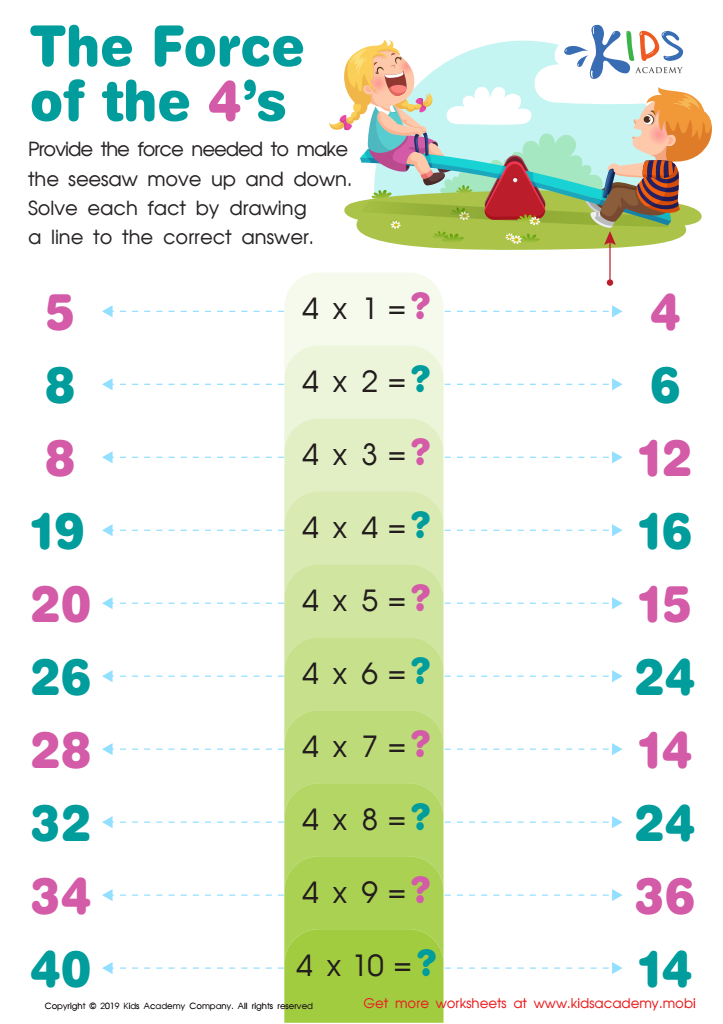
The Force of the 4's Worksheet
 Assign to My Students
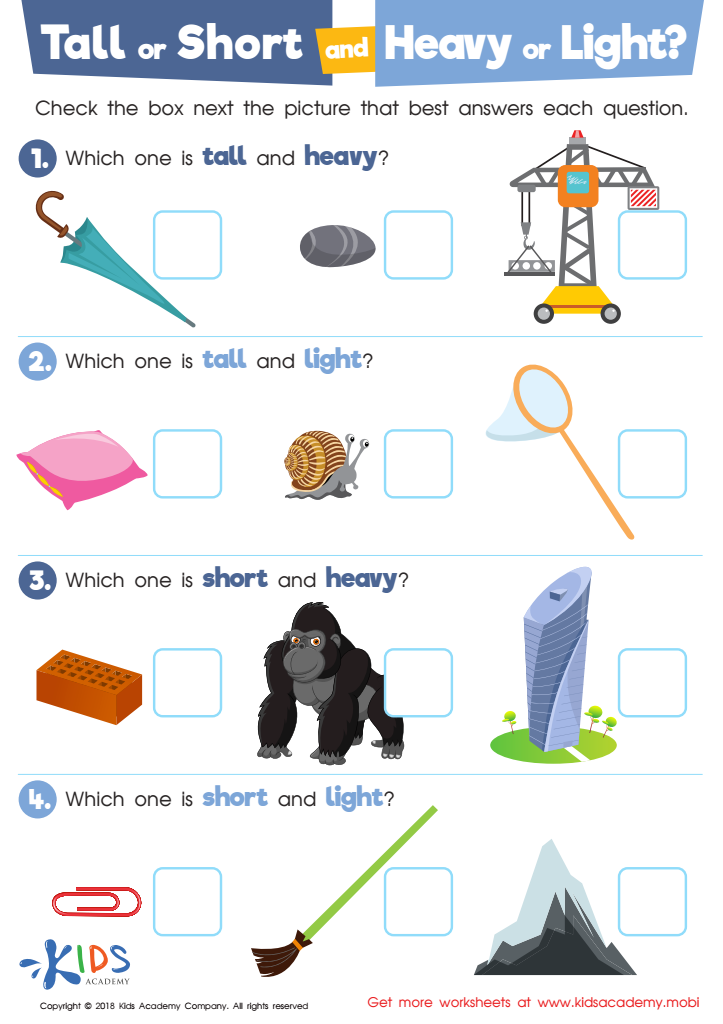
Tall or Short and Heavy or Light? Worksheet
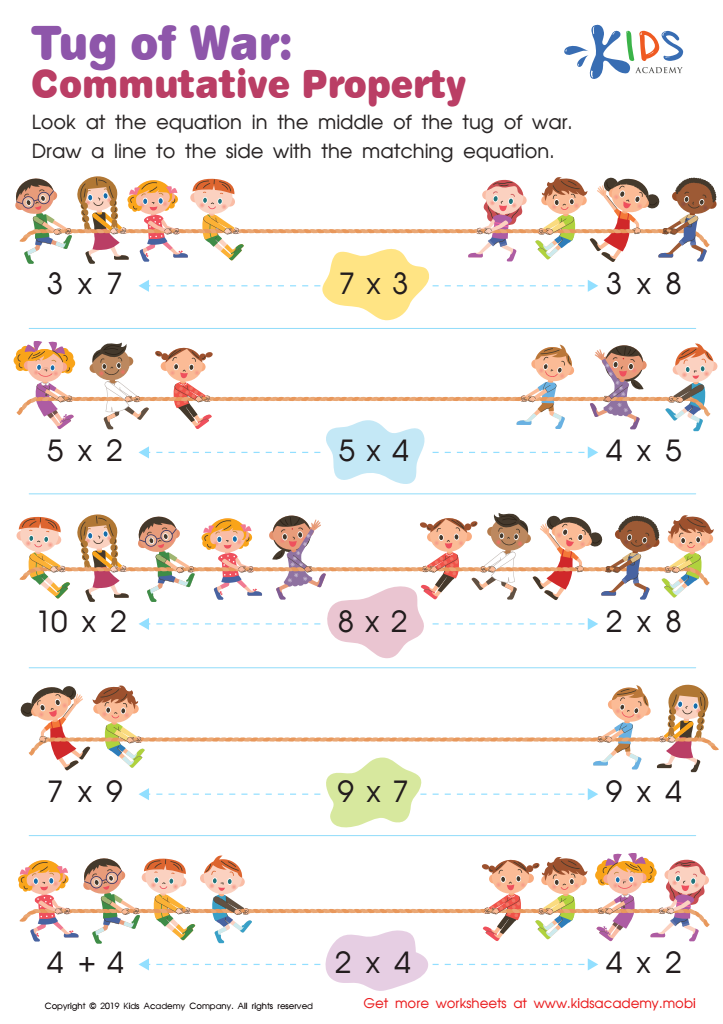
Tug of War: Commutative Property Worksheet
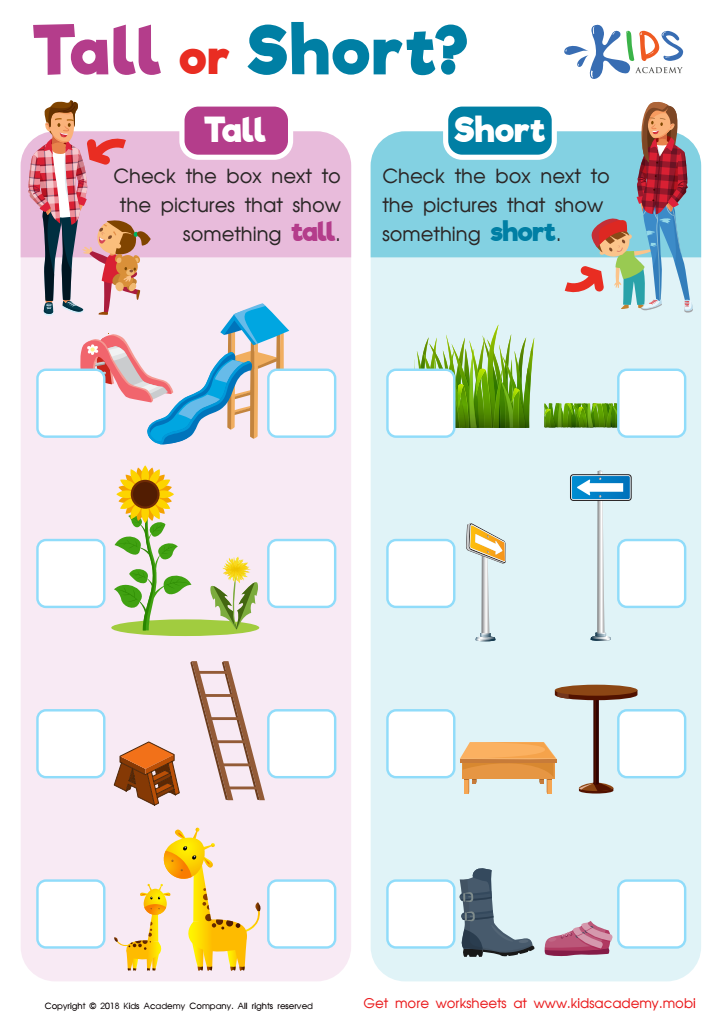
Tall or Short? Worksheet
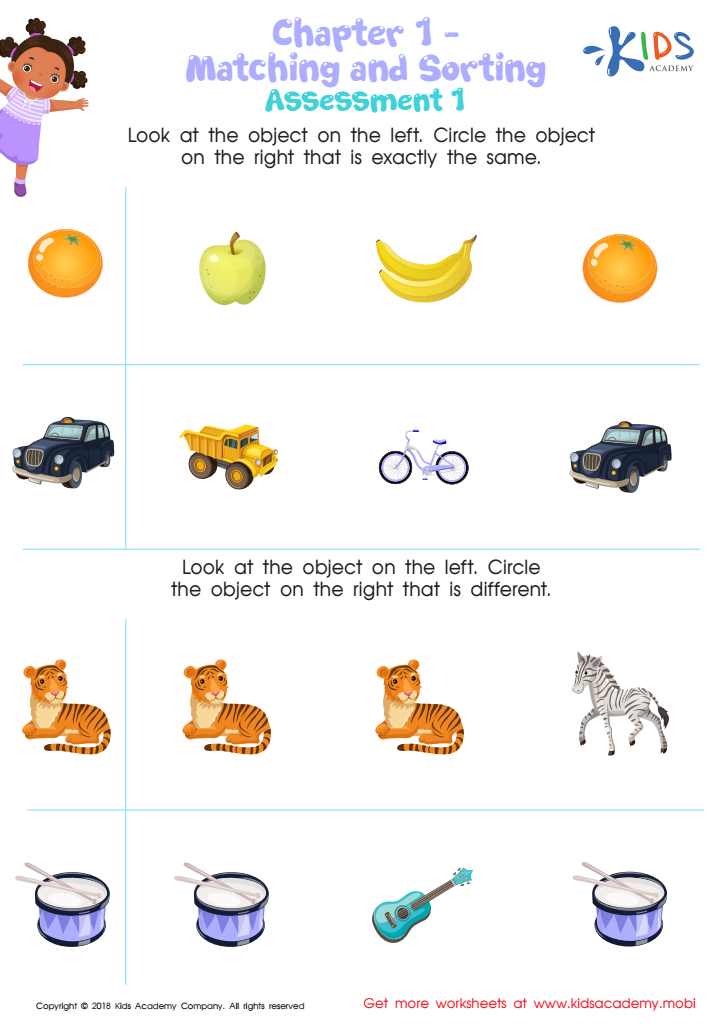
Matching and Sorting for Preschool: Assessment 1 Worksheet








Easy Sorting for ages 4-9 is a foundational activity that is crucial for developing essential cognitive and social skills in young children. This simple yet effective practice involves organizing objects based on specific attributes such as shape, color, size, or texture, which helps enhance critical thinking and problem-solving abilities. By engaging in sorting activities, children learn to categorize information, an essential precursor to mathematical concepts like addition and subtraction.
Furthermore, sorting activities foster fine motor skills as children manipulate objects, enhancing their coordination and dexterity. As they collaborate or compete with peers during sorting games, they also strengthen their social skills, including communication, teamwork, and patience.
Parents and teachers should prioritize Easy Sorting experiences as they align with key developmental milestones in early childhood. By introducing sorting games in both home and school settings, caregivers can create stimulating learning environments that broaden children’s understanding of the world around them.
Ultimately, integrating sorting activities into daily routines not only makes learning enjoyable but also lays a strong foundation for future academic success, supporting holistic development well beyond the classroom. This strategic focus on skills extraction will help young learners flourish into proficient problem solvers and confident individuals.








