Easy Measurement Worksheets for Ages 6-9
41 filtered results
-
From - To
Discover our collection of Easy Measurement Worksheets designed specifically for children ages 6 to 9! Perfect for young learners, these engaging worksheets help introduce foundational concepts of measurement, including length, weight, and volume, through fun and interactive activities. Each worksheet promotes hands-on learning, allowing children to practice measuring objects, comparing sizes, and understanding units of measurement in a playful way. Teachers and parents will find these resources invaluable for reinforcing math skills in the classroom or at home. Get started today to make measurement enjoyable and accessible for your little learners, setting them up for future success in math!
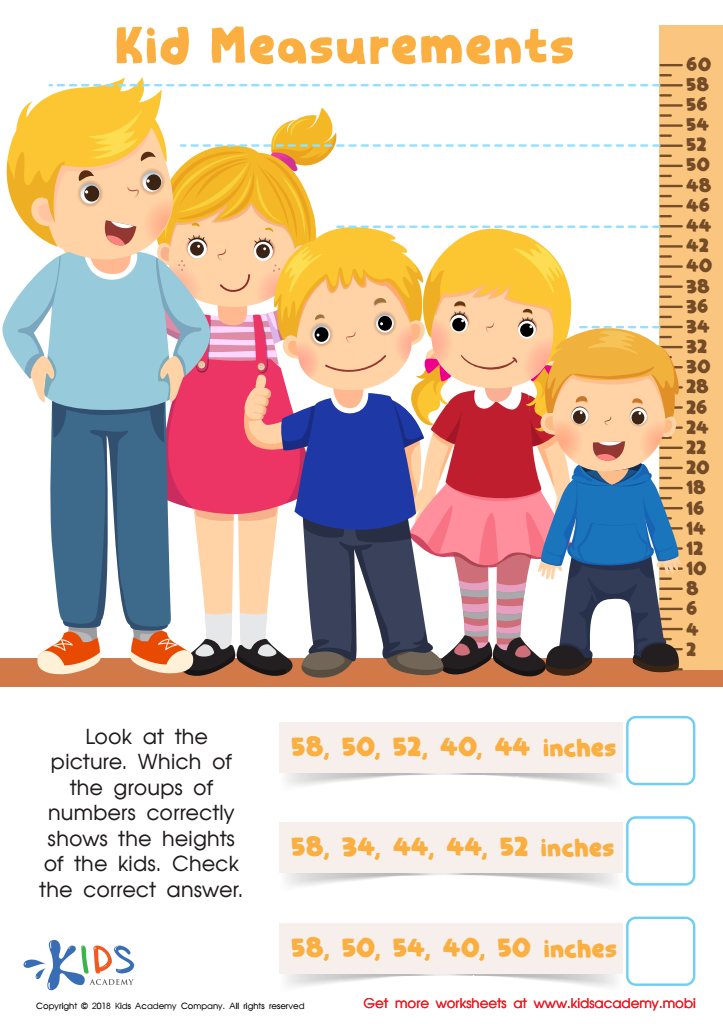
Kids Measurements Worksheet
 Assign to My Students
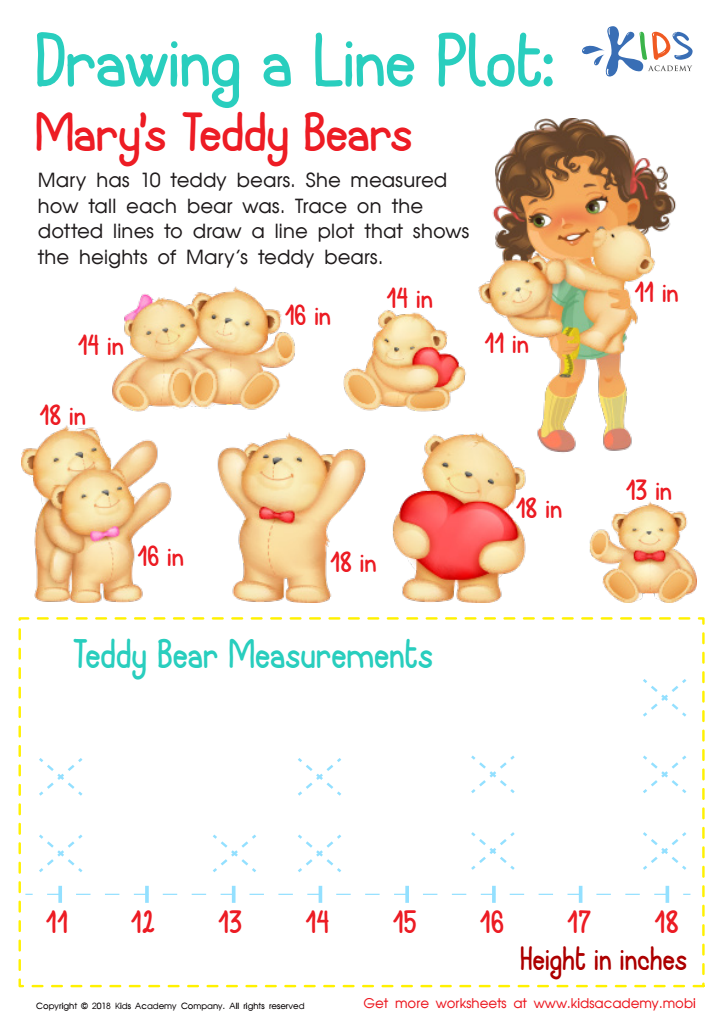
Drawing and Line Plot: Mary's Teddy Bears Worksheet
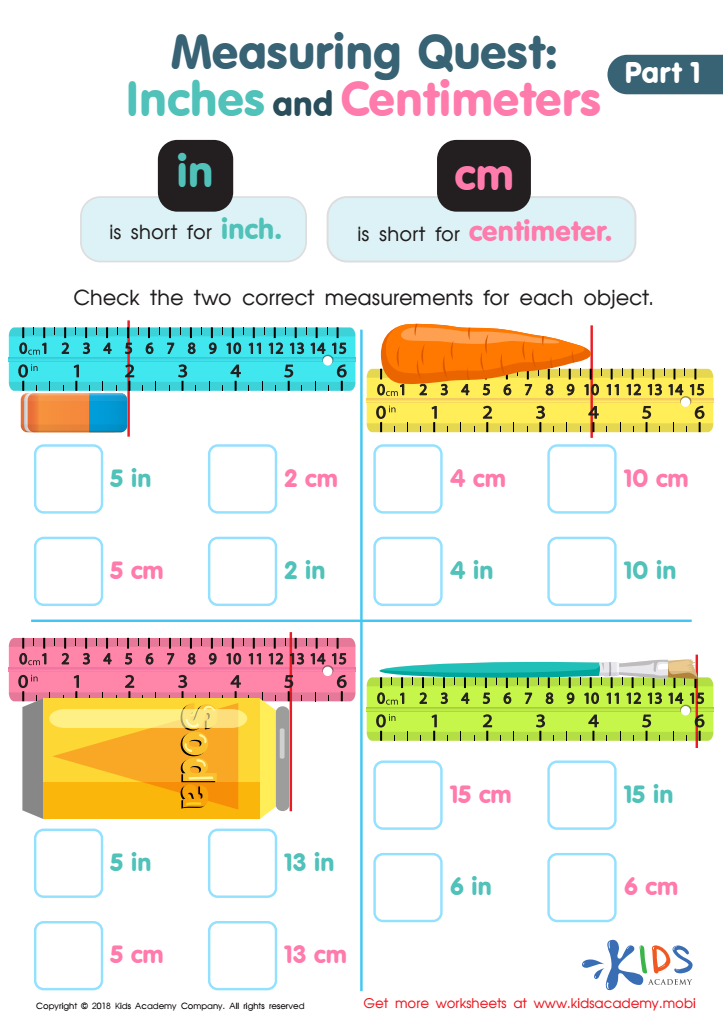
Measuring Quest: Inches and Centimeters Worksheet
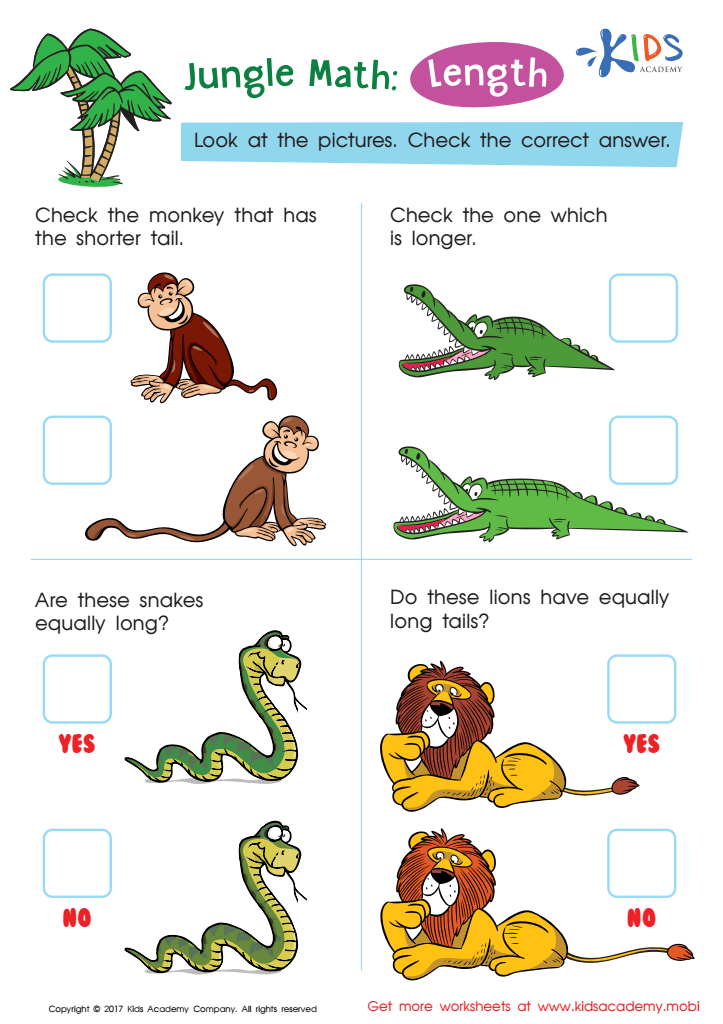
Which One Is Longer - Length Worksheet
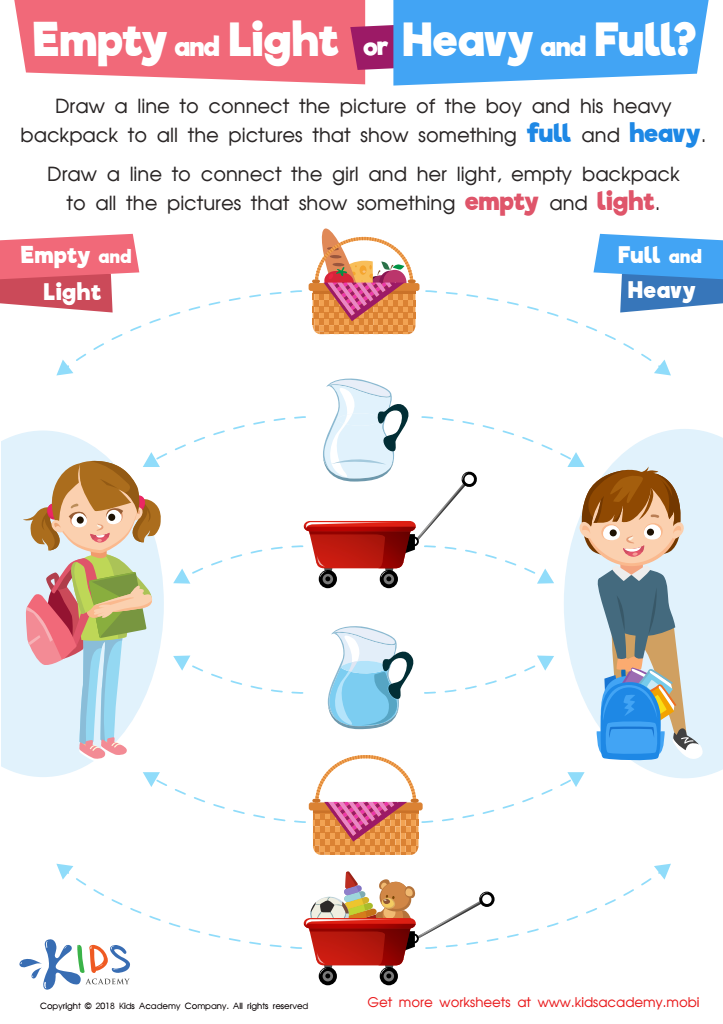
Empty and Light or Heavy and Full? Worksheet
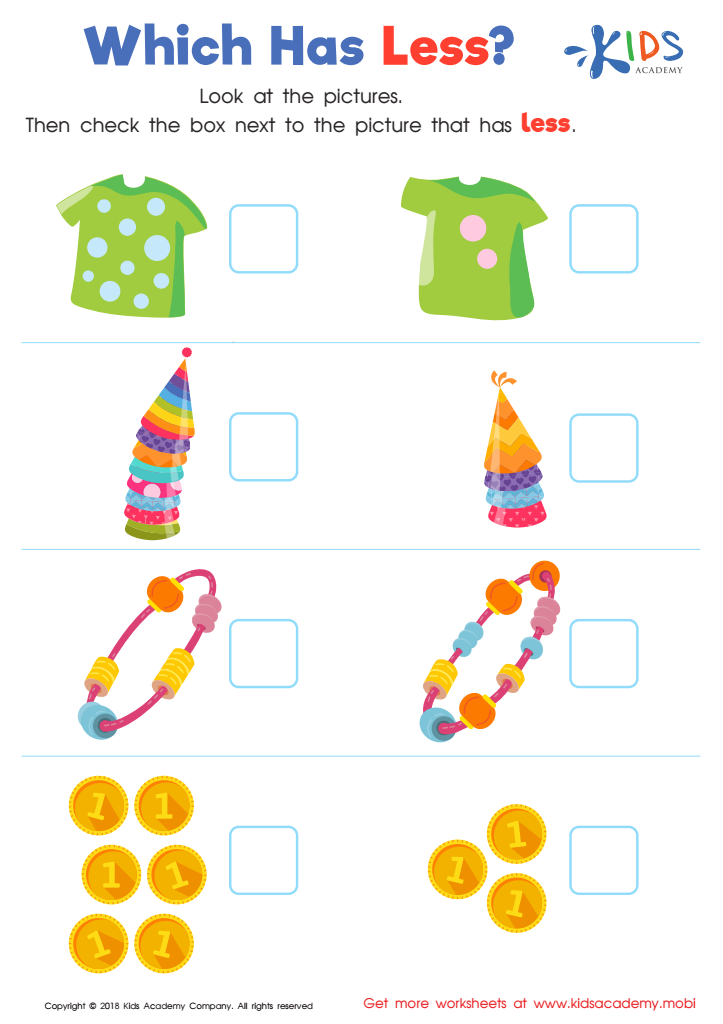
Which Has Less? Worksheet
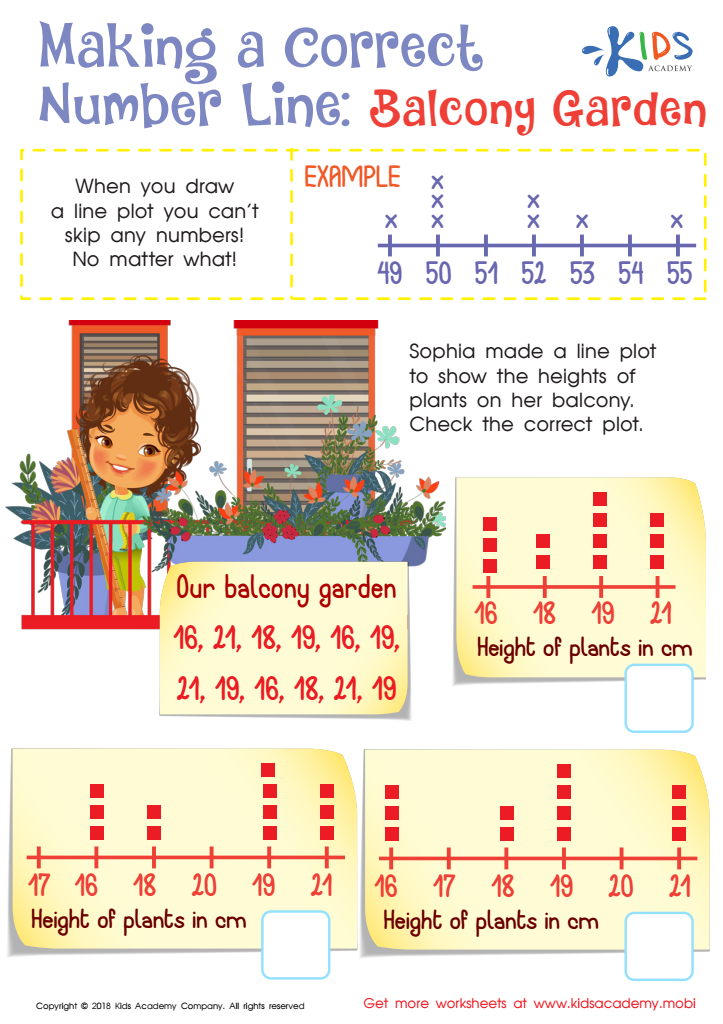
Making a Correct Number Line: Balcony Garden Worksheet
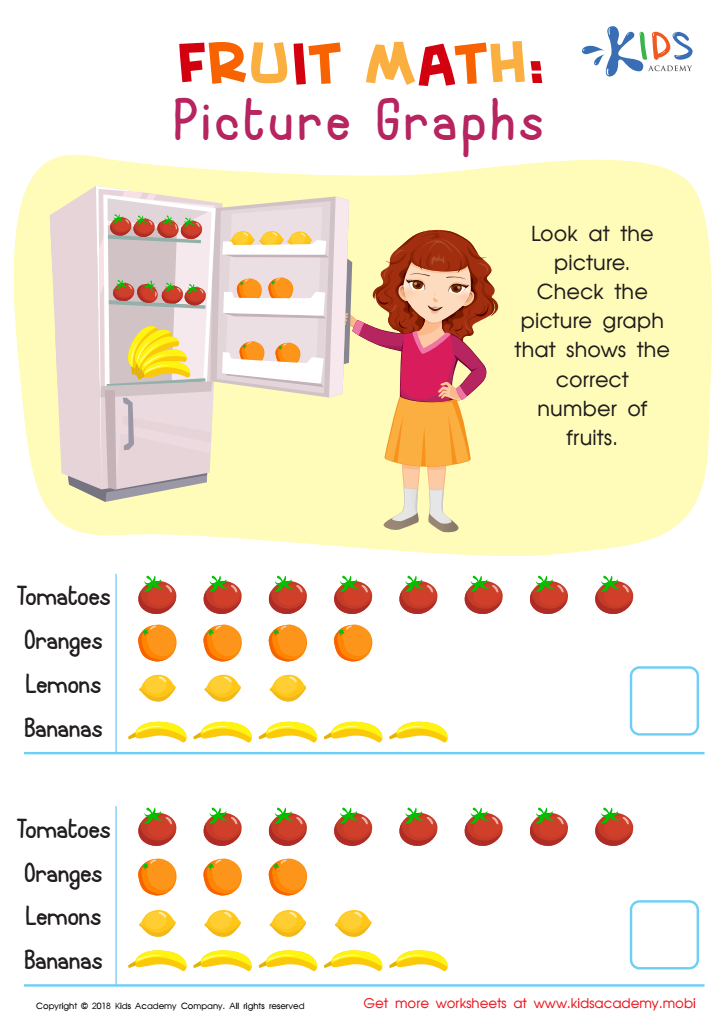
Fruit Math: Picture Graphs Worksheet
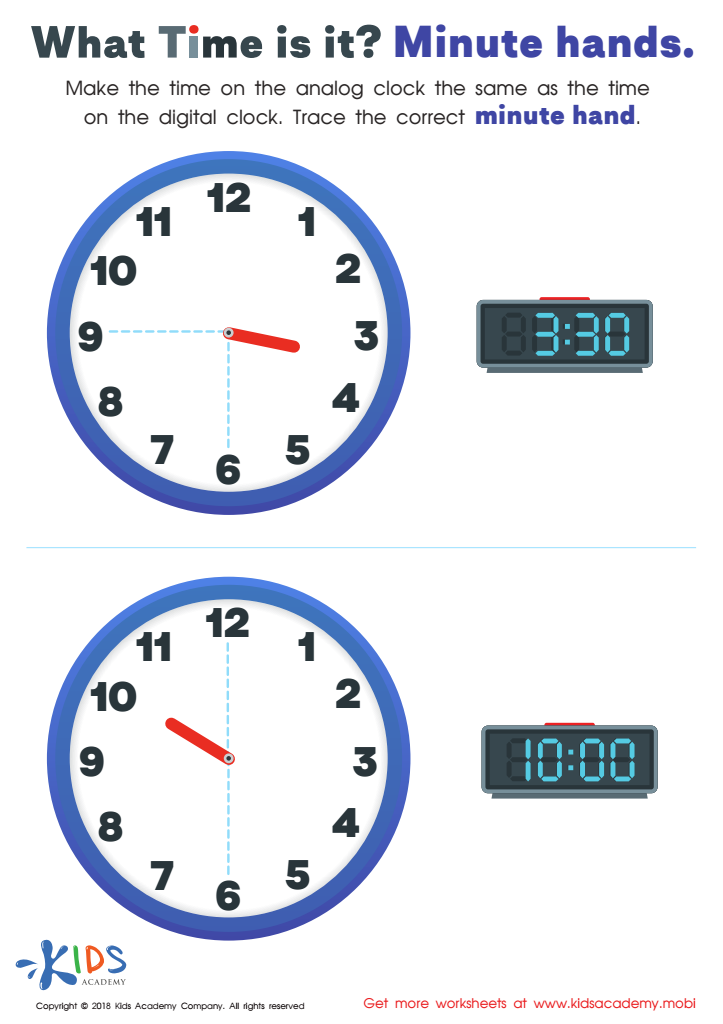
What Time Is it? Minute Hands Worksheet
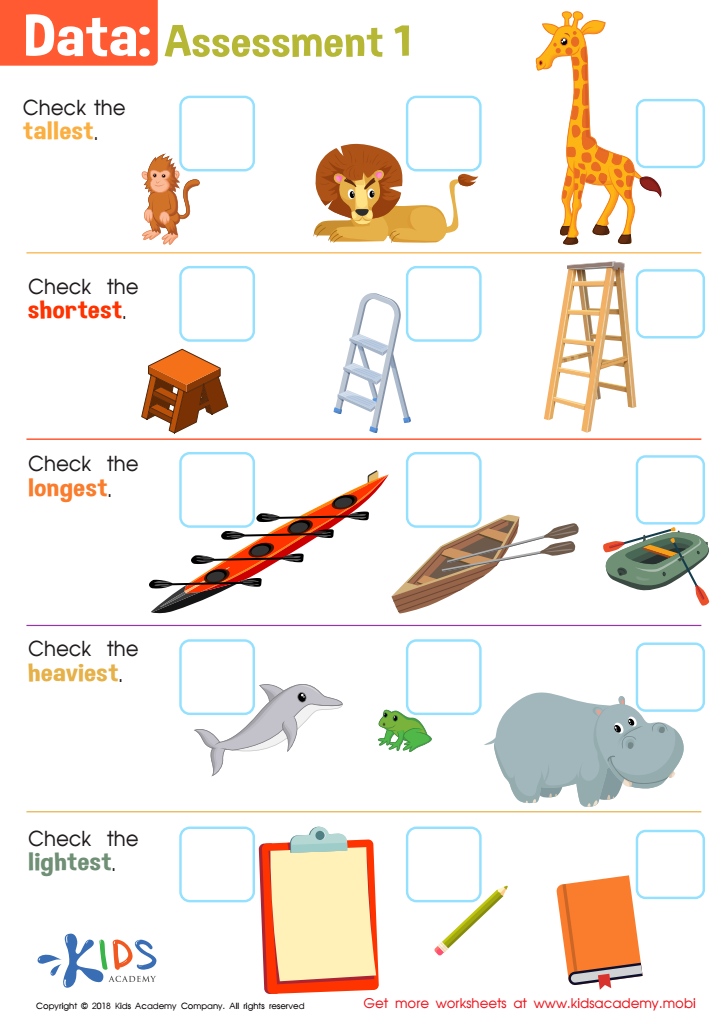
Data: Assessment 1 Worksheet
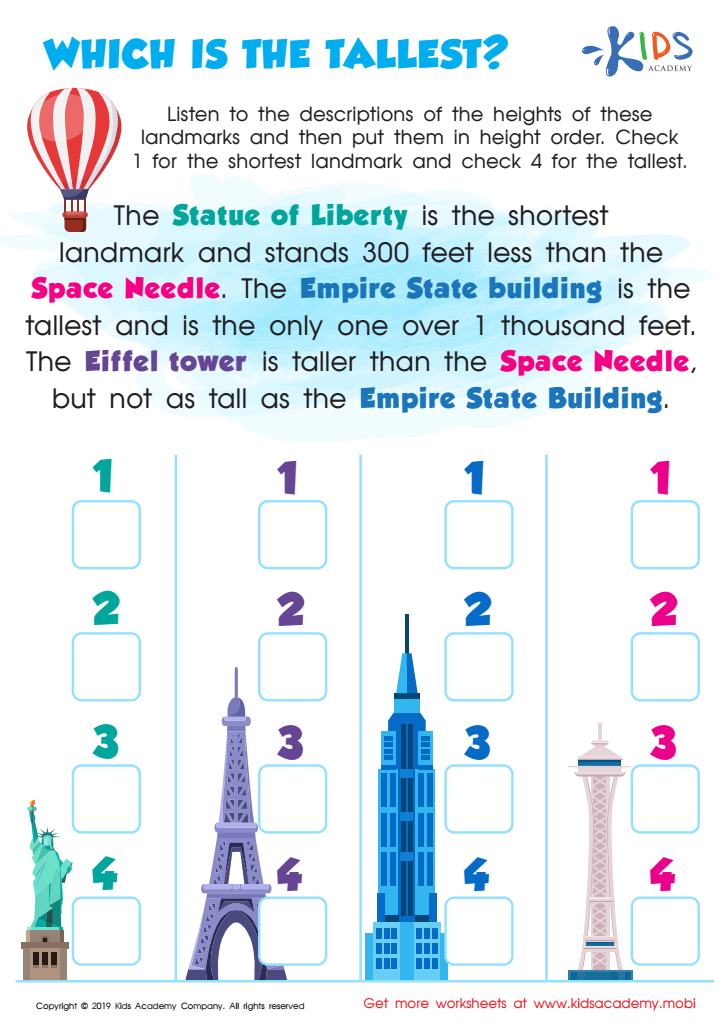
Which is the Tallest? Worksheet
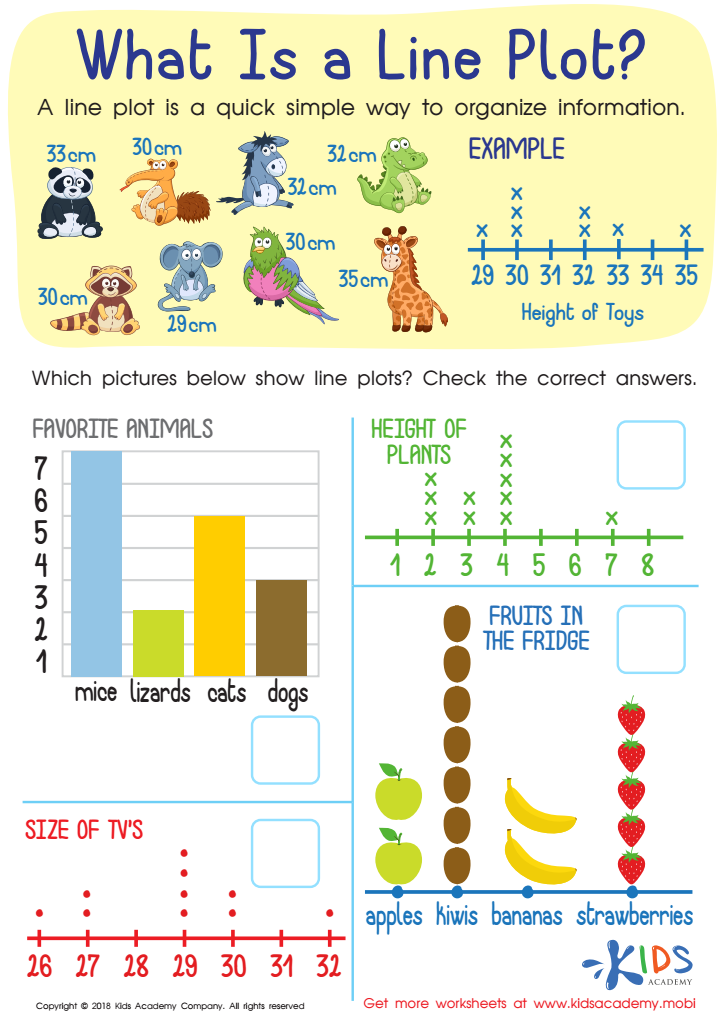
What Is a Line Plot? Worksheet
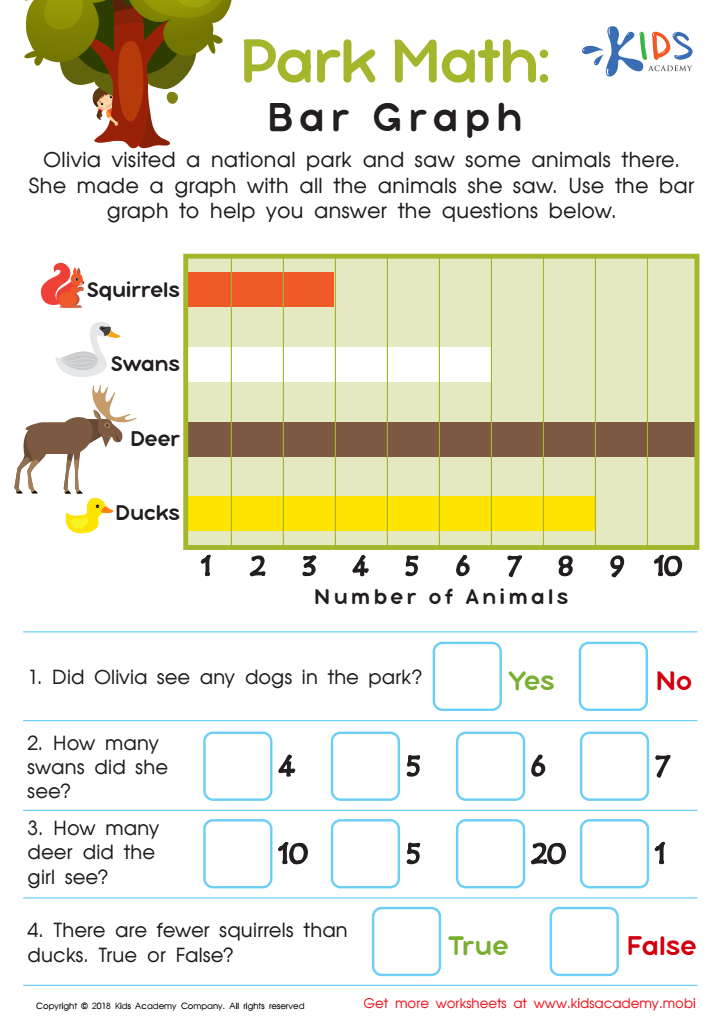
Park Math: Bar Graph Worksheet
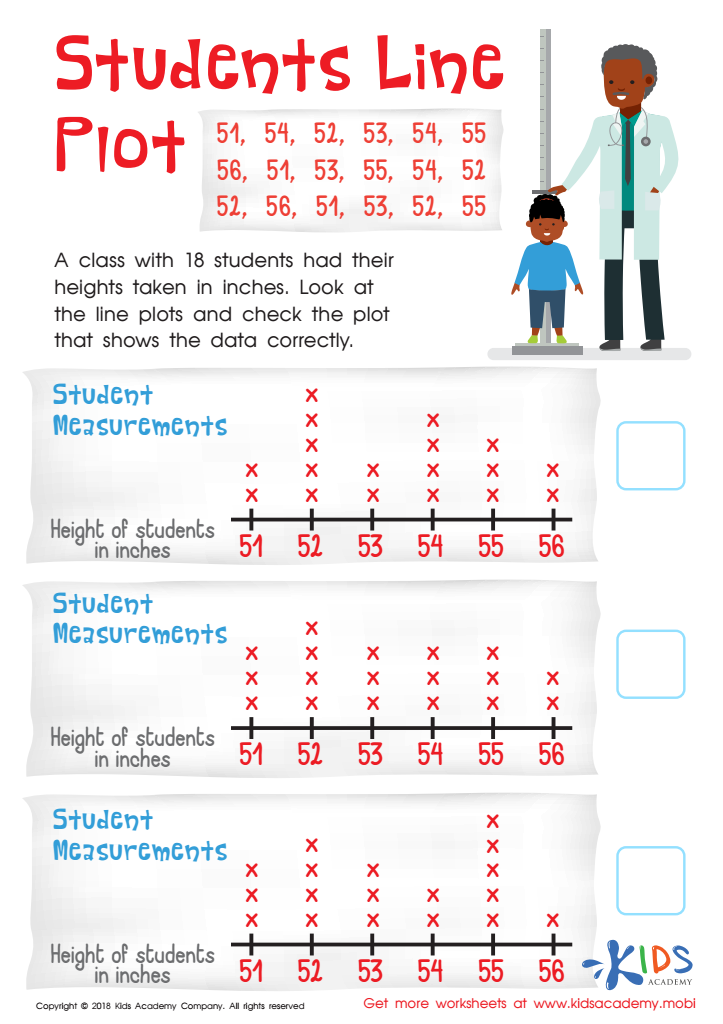
Students Line Plot Worksheet
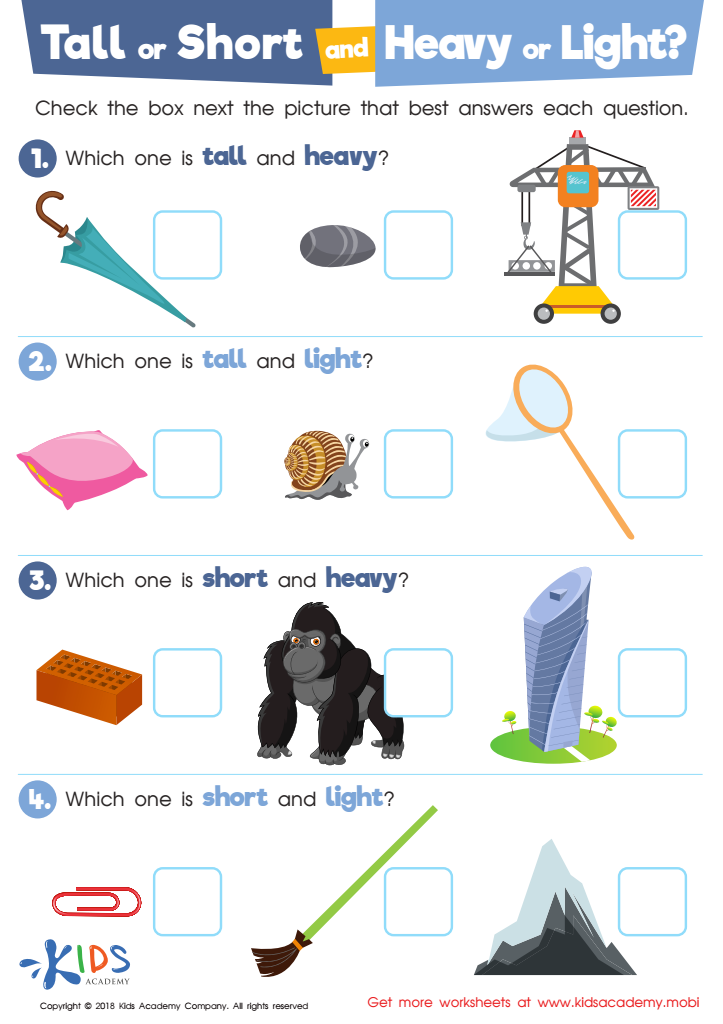
Tall or Short and Heavy or Light? Worksheet
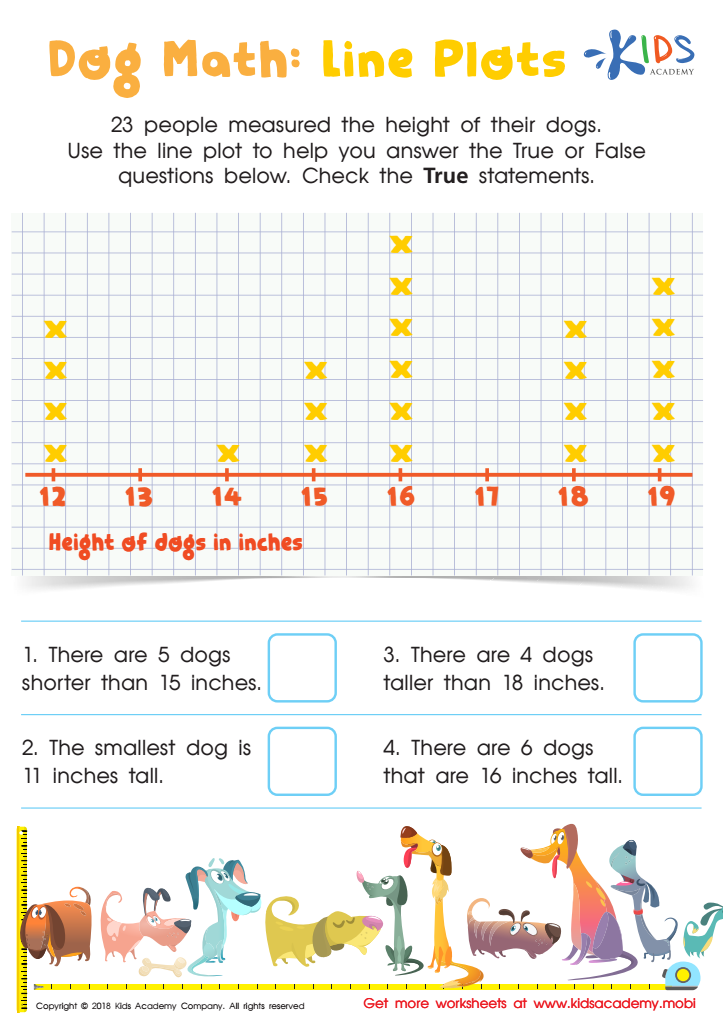
Dog Math: Line Plots Worksheet
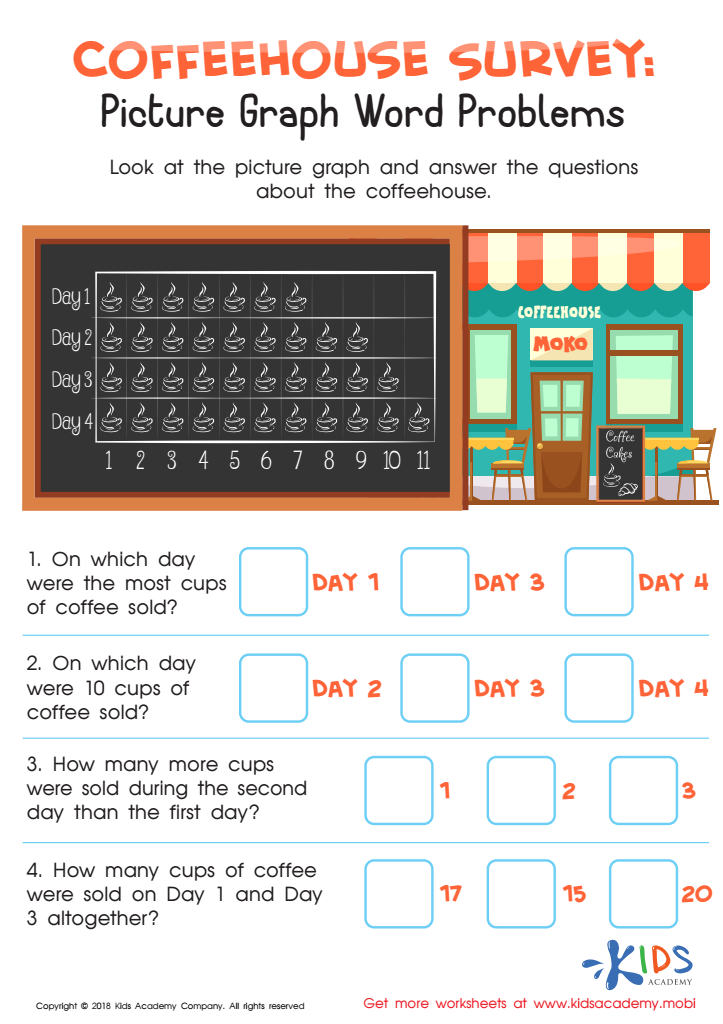
Coffeehouse Survey: Picture Graph Word Problems Worksheet
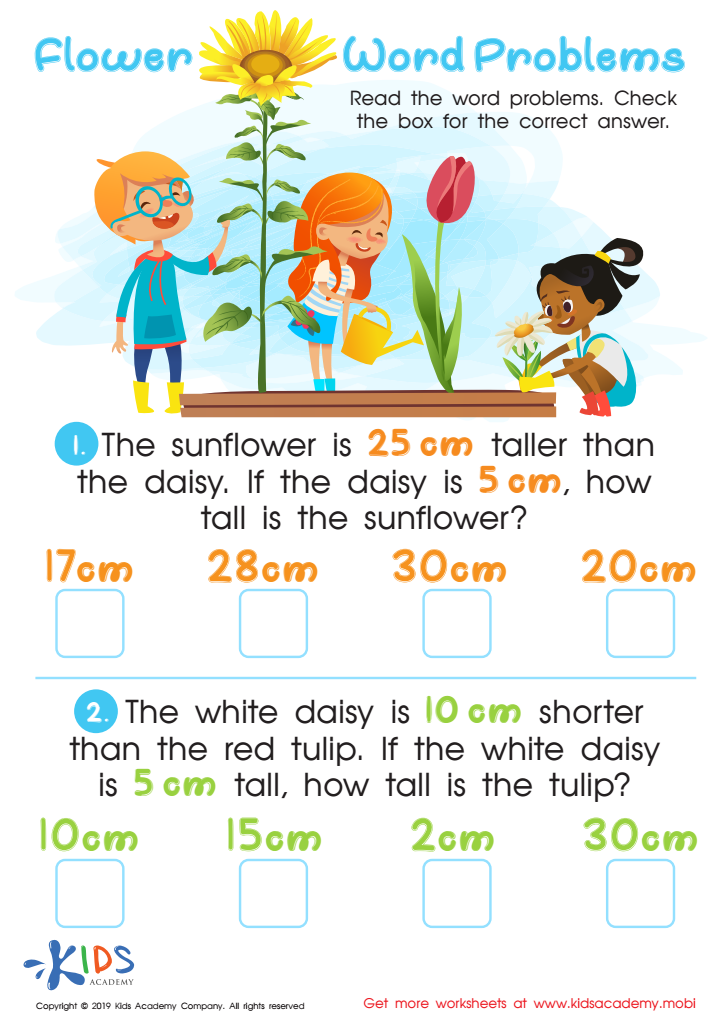
Flower Word Problems Worksheet
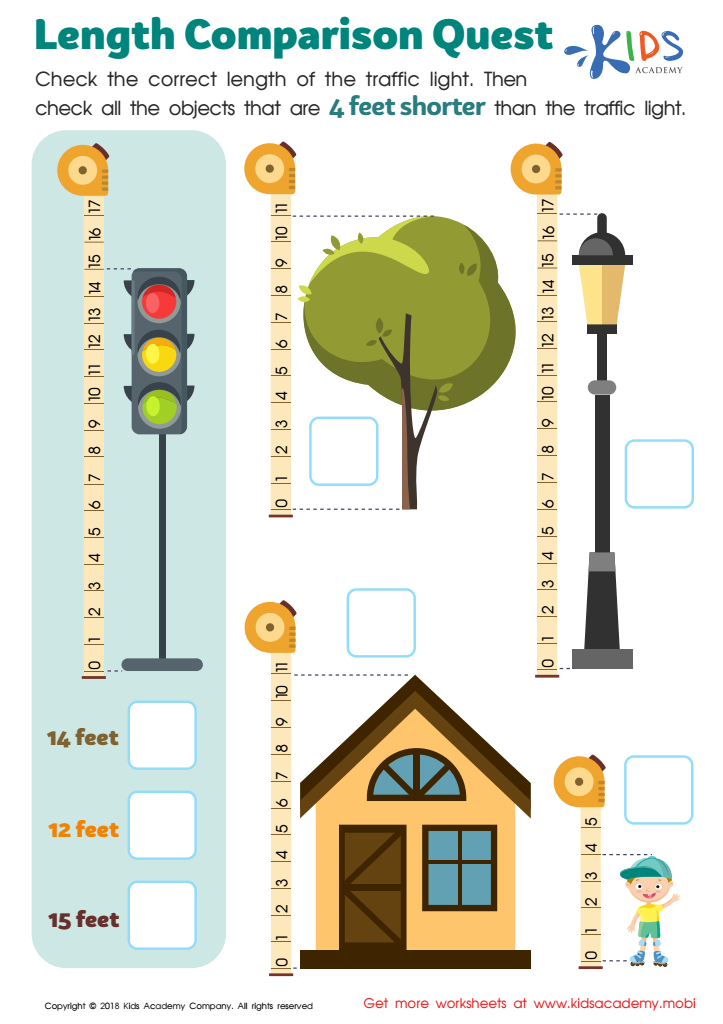
Length Comparison Quest Worksheet
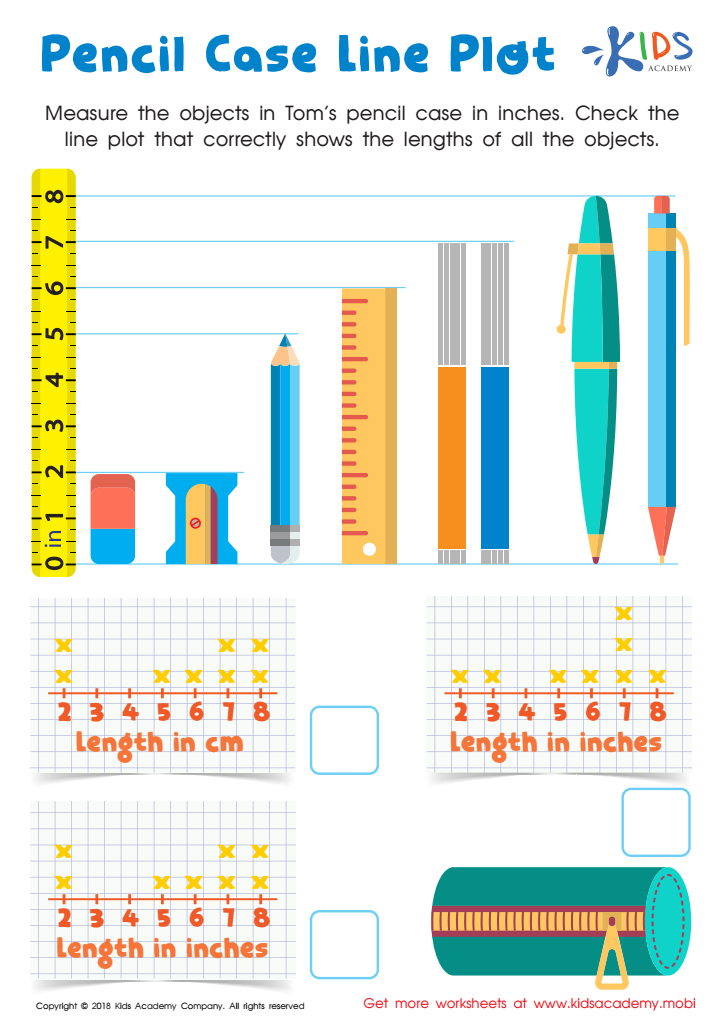
Pencil Case Line Plot Worksheet
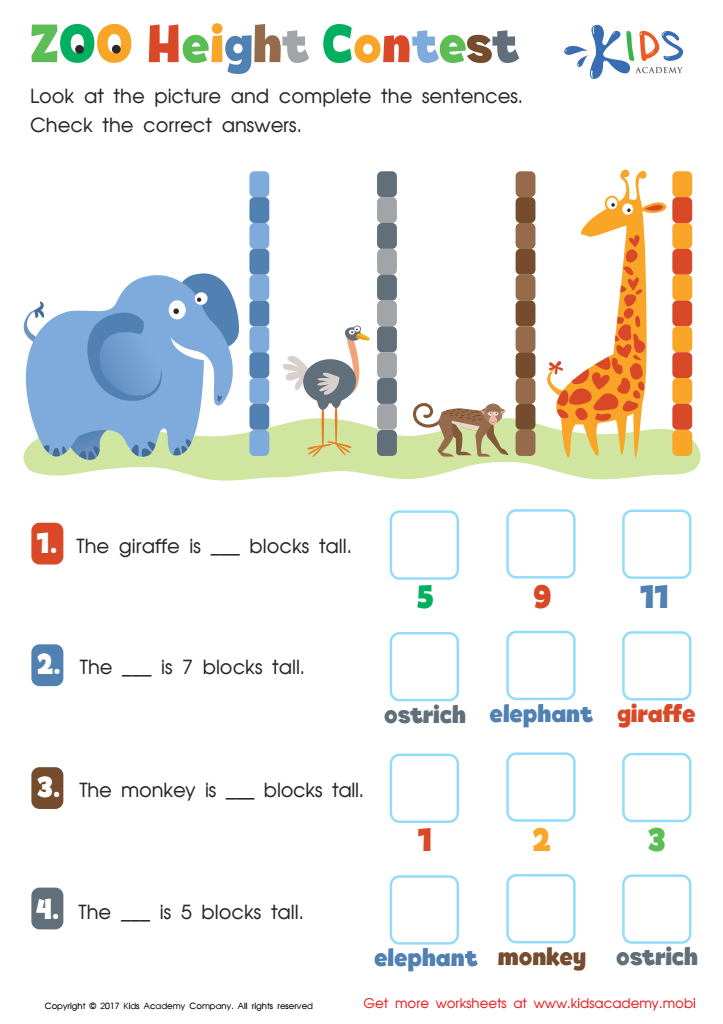
Zoo Height Contest Worksheet
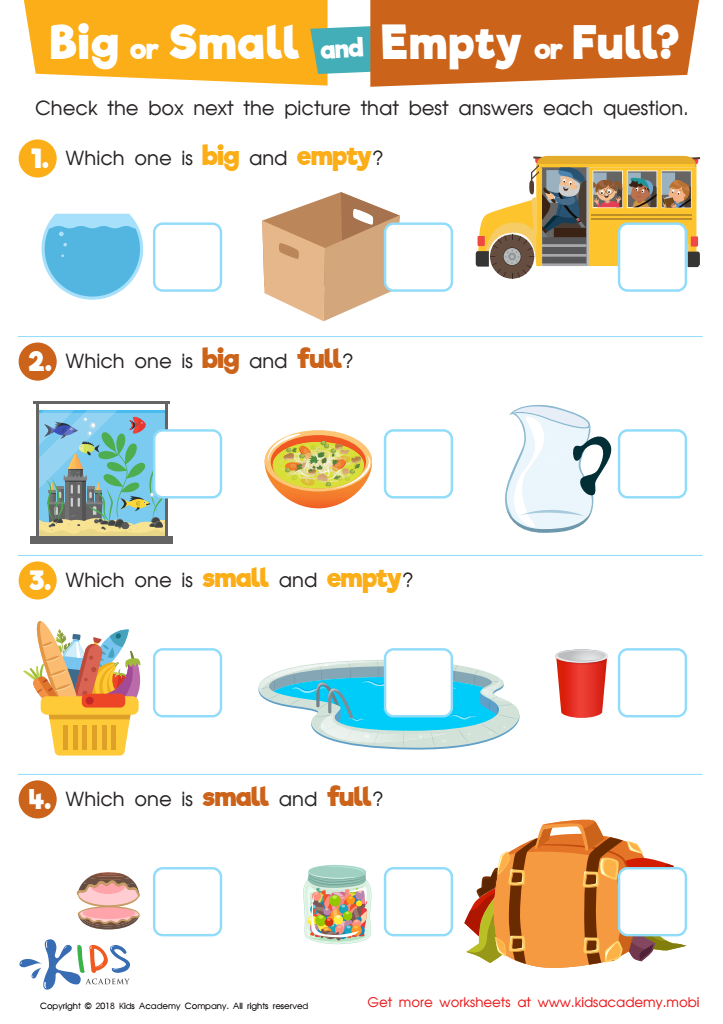
Big or Small and Empty or Full? Worksheet
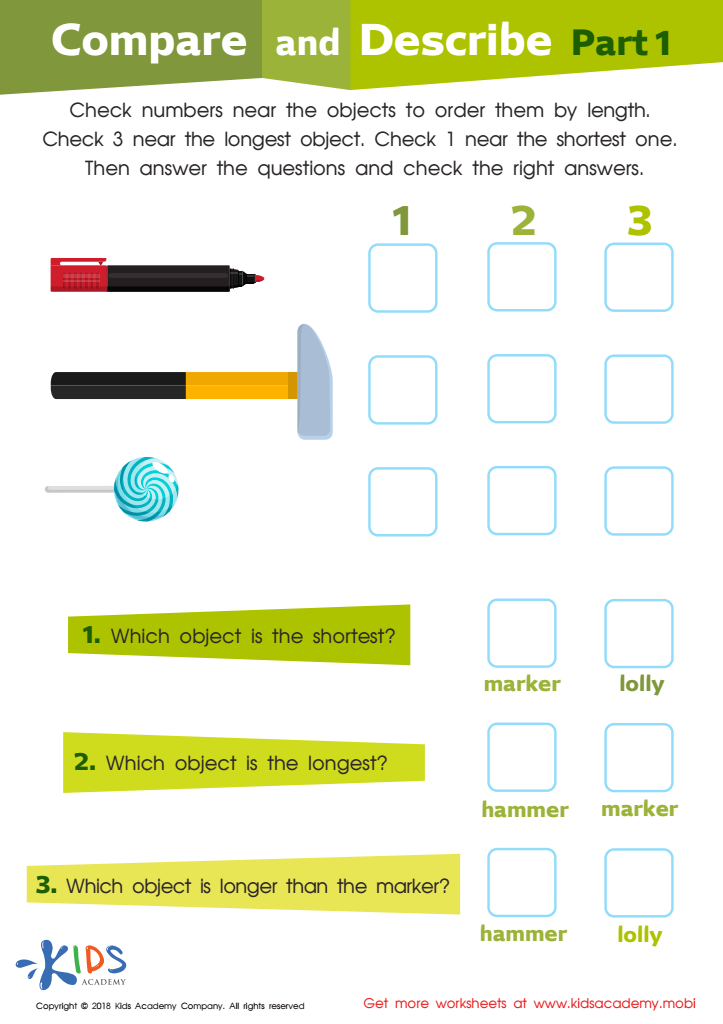
Compare and Describe: Part 1 Worksheet
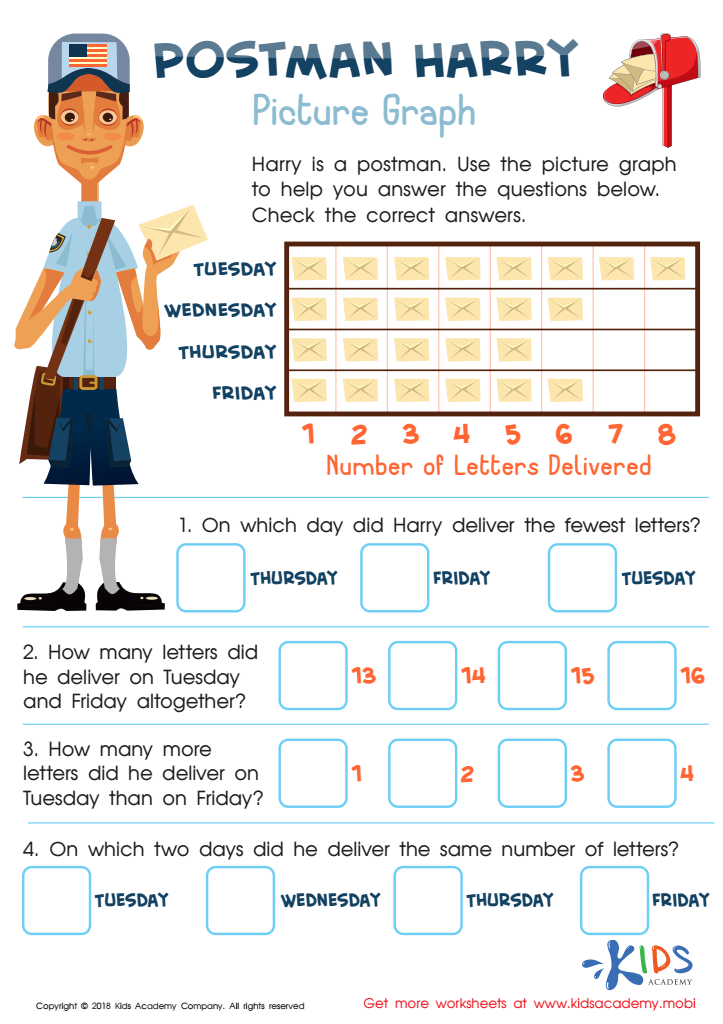
Postman Harry: Picture Graph Worksheet








Parents and teachers play a crucial role in the foundational mathematics education of children aged 6-9, and understanding easy measurement concepts is essential for several reasons. First, measurement skills are vital for daily life; children will encounter tasks that require estimating or measuring lengths, weight, and volume in practical scenarios, such as cooking or crafting. By introducing these concepts early, we equip students with essential life skills.
Second, measurement lays the groundwork for advanced mathematical concepts. At ages 6-9, children begin developing spatial awareness and understanding units, which are foundational for geometry and data interpretation later on. Engaging children in playful and relatable measurement activities helps reinforce these concepts and maintains their interest in learning.
Additionally, measurement encourages critical thinking and problem-solving skills. When children learn to measure, they encounter real-world challenges that require them to think creatively and find solutions, fostering independent thinking.
Finally, involving parents in these activities supports at-home learning and strengthens family engagement in education. By creating a holistic environment where measurement is valued, we promote a lifelong appreciation for math and its applications. Encouraging curiosity in measurement not only improves academic performance but also cultivates confidence and resilience in young learners.








