Extra Challenge Building Vocabulary Worksheets for Ages 3-9 - Page 2
31 filtered results
-
From - To
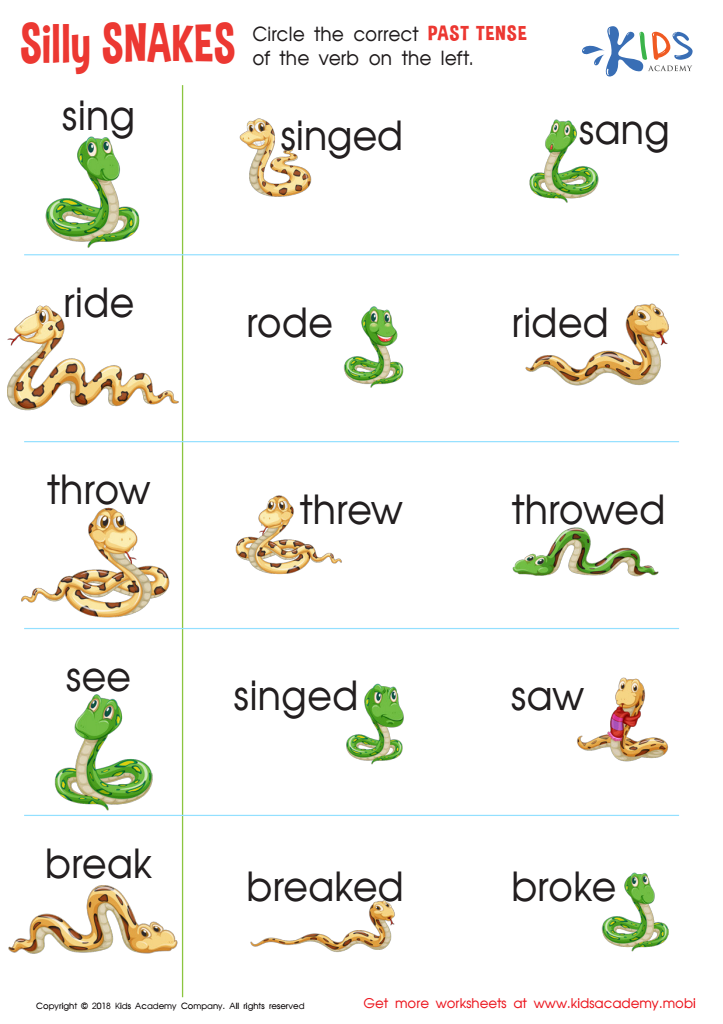
Silly Snakes Worksheet
 Assign to My Students











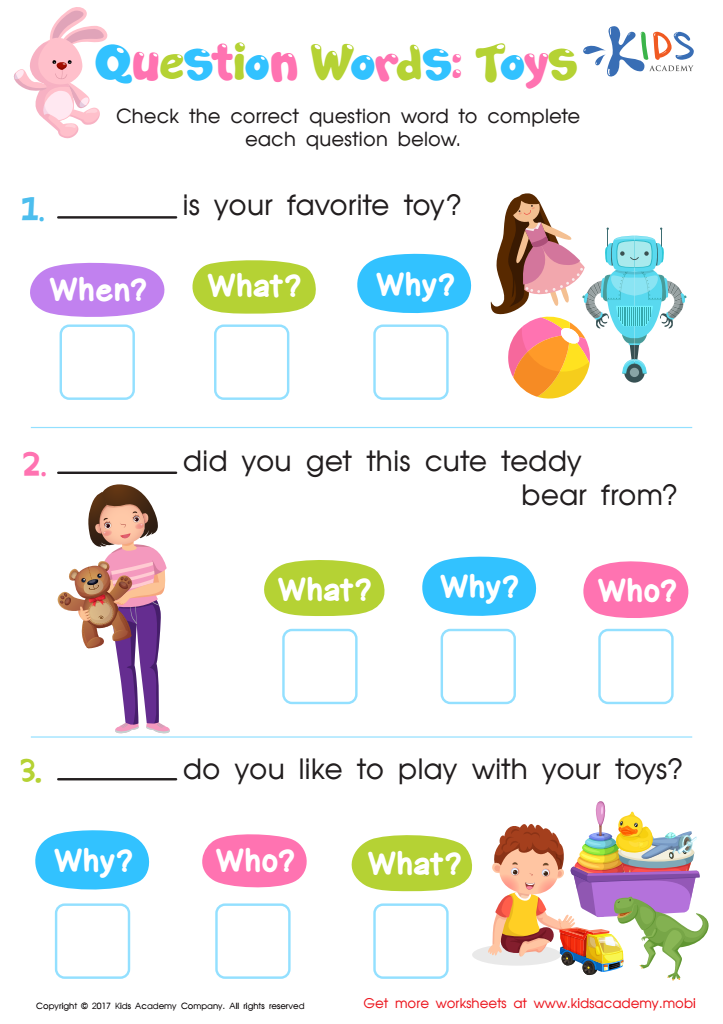
Question Words: Toys Worksheet
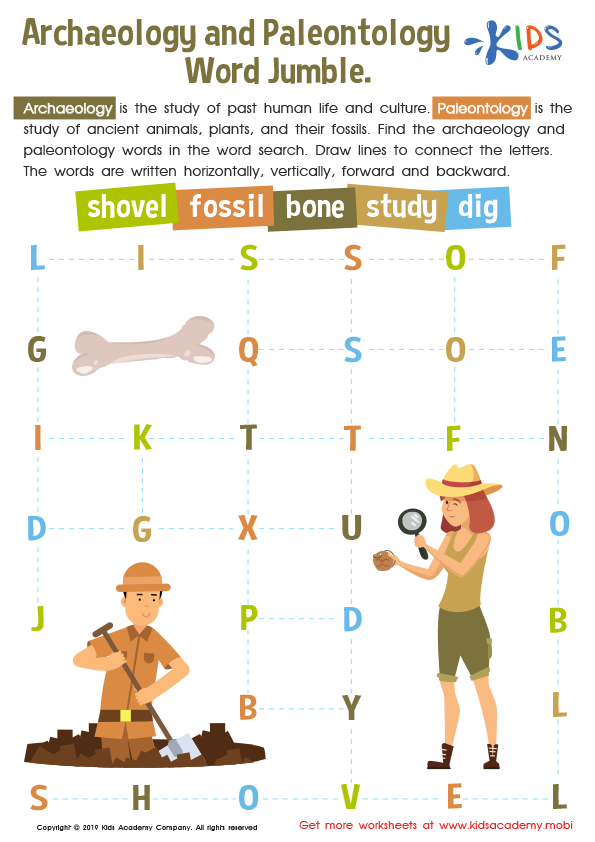
Archaeology and Paleontology Word Jumble Worksheet
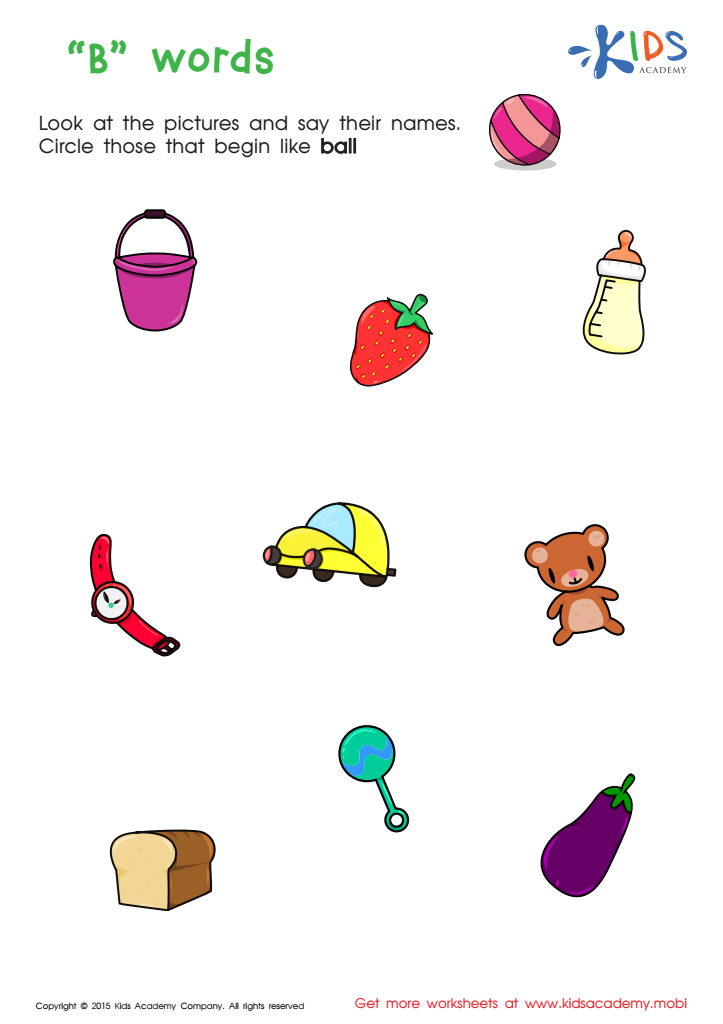
First Words Worksheet
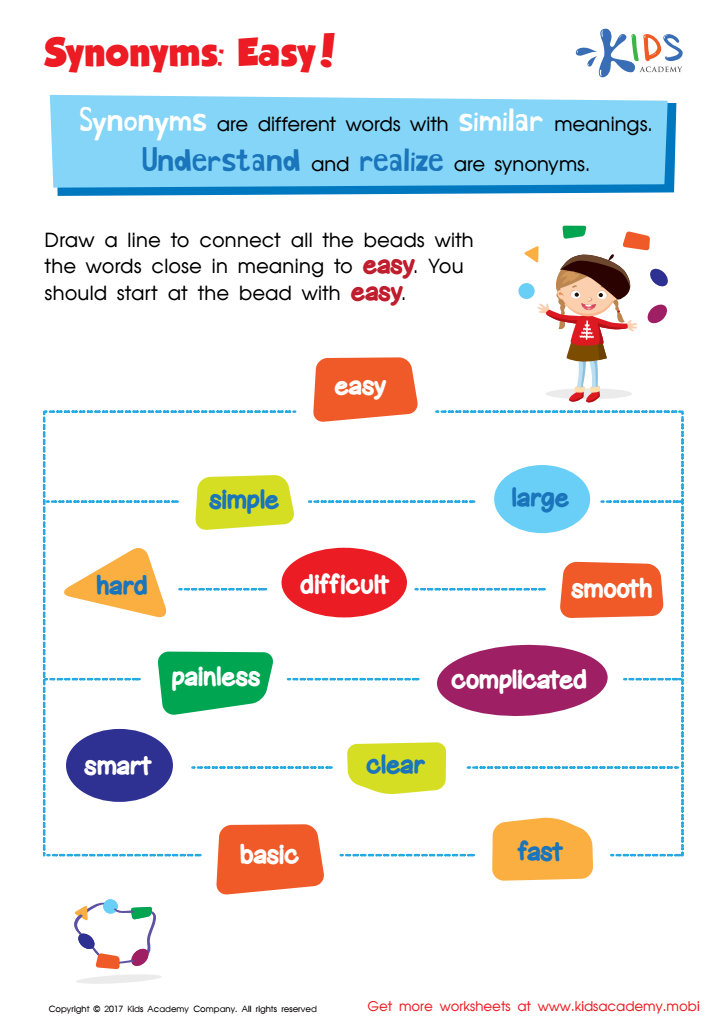
Free Synonym Worksheet
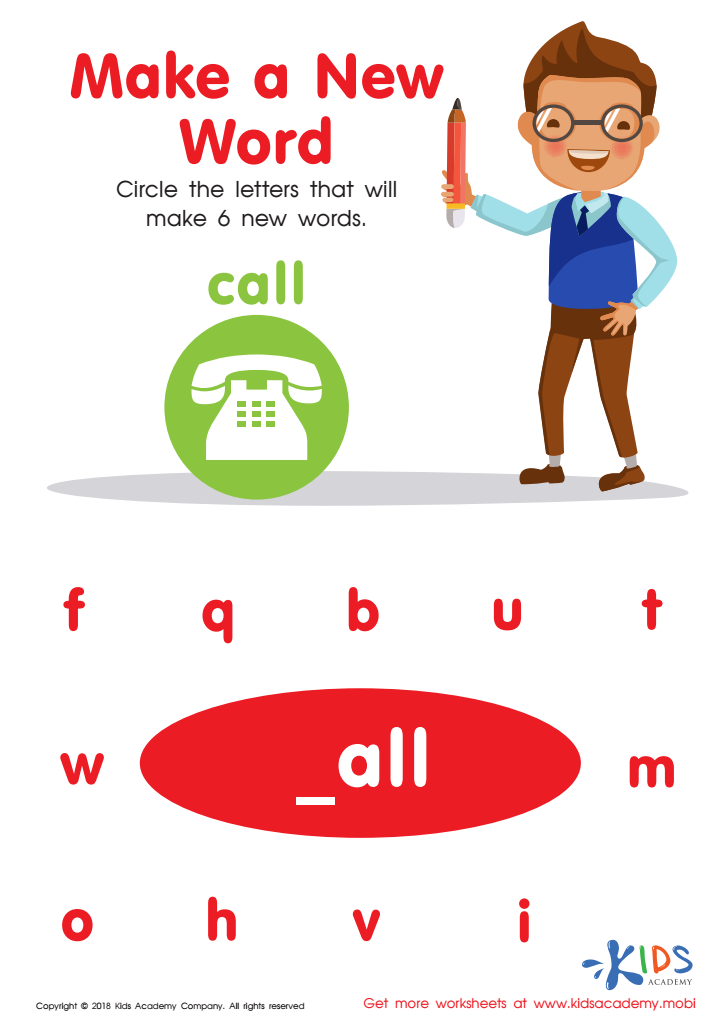
Make a New Word Worksheet
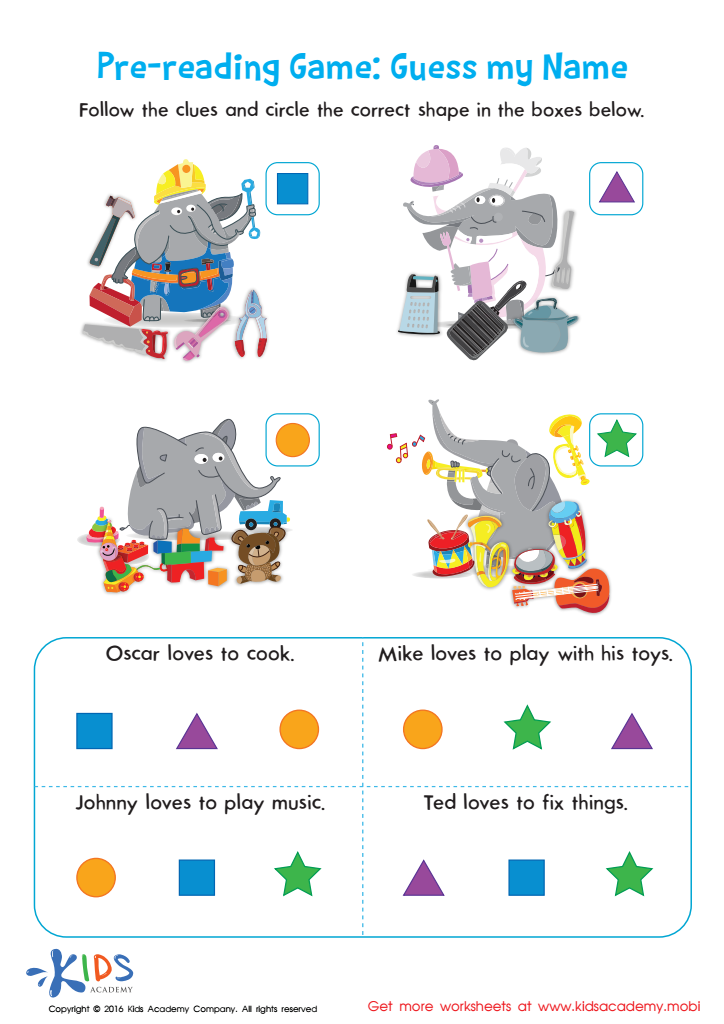
Pre Reading Worksheet Guess My Name








Parents and teachers play a pivotal role in the early development of children, and one essential area to focus on is building vocabulary for ages 3-9. This critical period is when children's brains are most receptive to language acquisition, and expanding their vocabulary sets a strong foundation for future academic success and effective communication.
Rich vocabulary from an early age enhances reading comprehension, critical thinking, and expressive abilities. A robust vocabulary allows children to better understand the world around them, ask questions, and express their thoughts clearly and confidently. These skills are fundamental not only for academic achievements but also for social interactions and emotional development.
Moreover, early vocabulary growth is strongly correlated with later literacy skills. Children who enter school with a rich vocabulary tend to perform better in reading and writing tasks, leading to a more positive attitude toward learning. They are also more likely to engage actively in classroom discussions and collaborative projects.
Parents and teachers can support this development through varied and interactive methods such as reading books, engaging in meaningful conversations, playing word games, and incorporating new words into daily activities. By prioritizing vocabulary building, parents and teachers equip children with a critical toolkit that fosters lifelong learning and success.