Extra Challenge Worksheets for Ages 4-7 - Page 2
443 filtered results
-
From - To
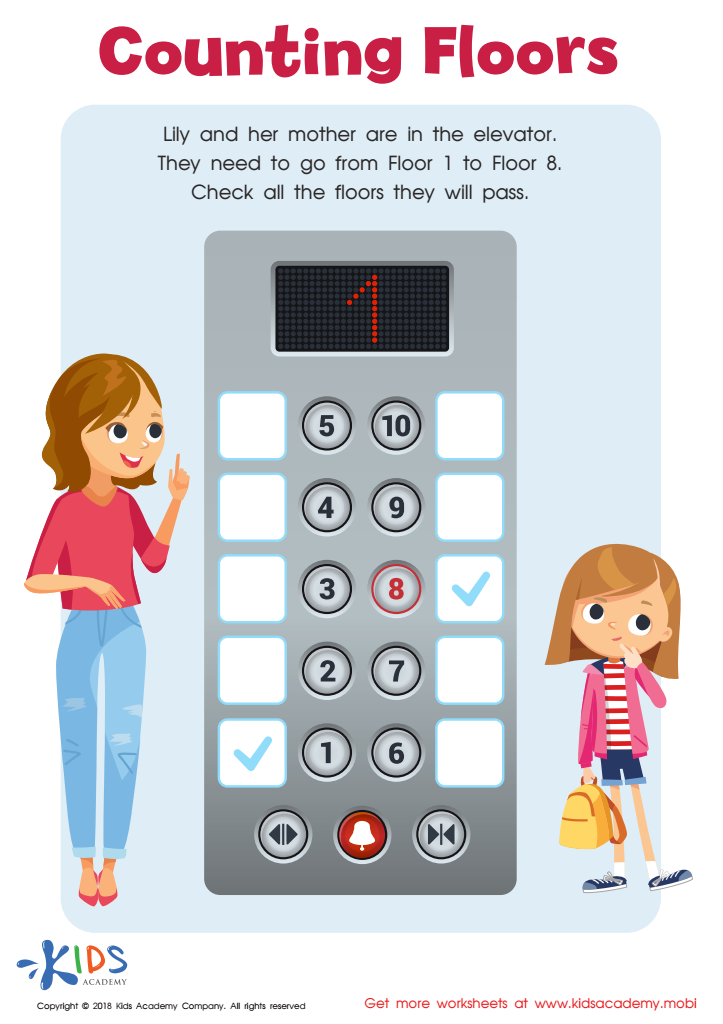
Counting Floors Worksheet
 Assign to My Students
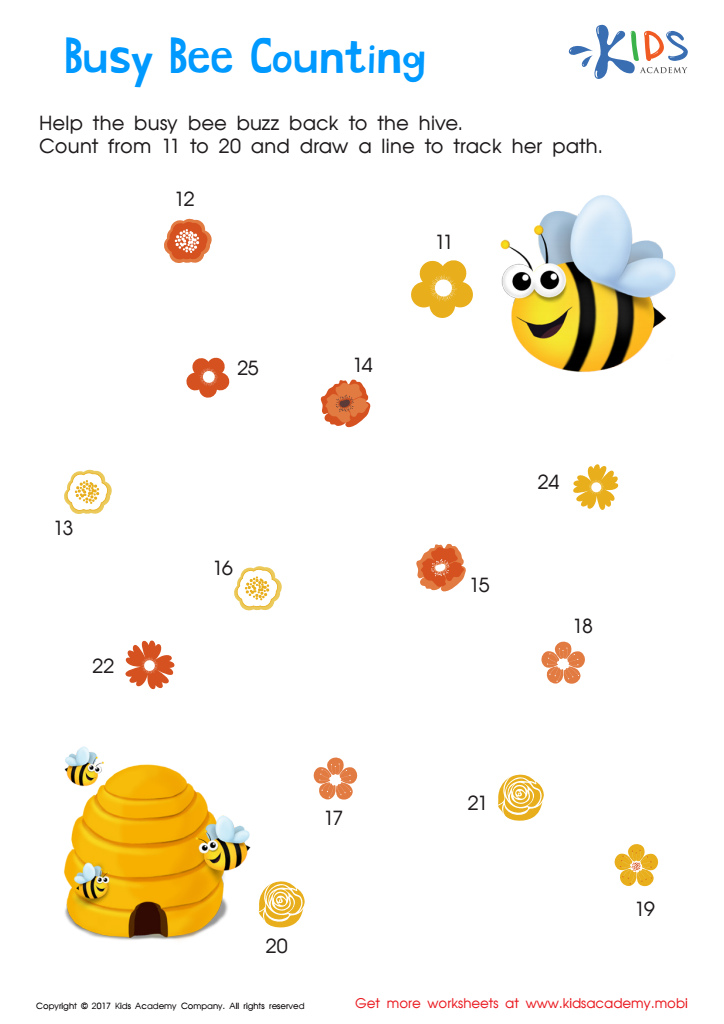
Ordering 11–20: Busy Bee Counting Worksheet

Capitalization: Fix the Story Worksheet
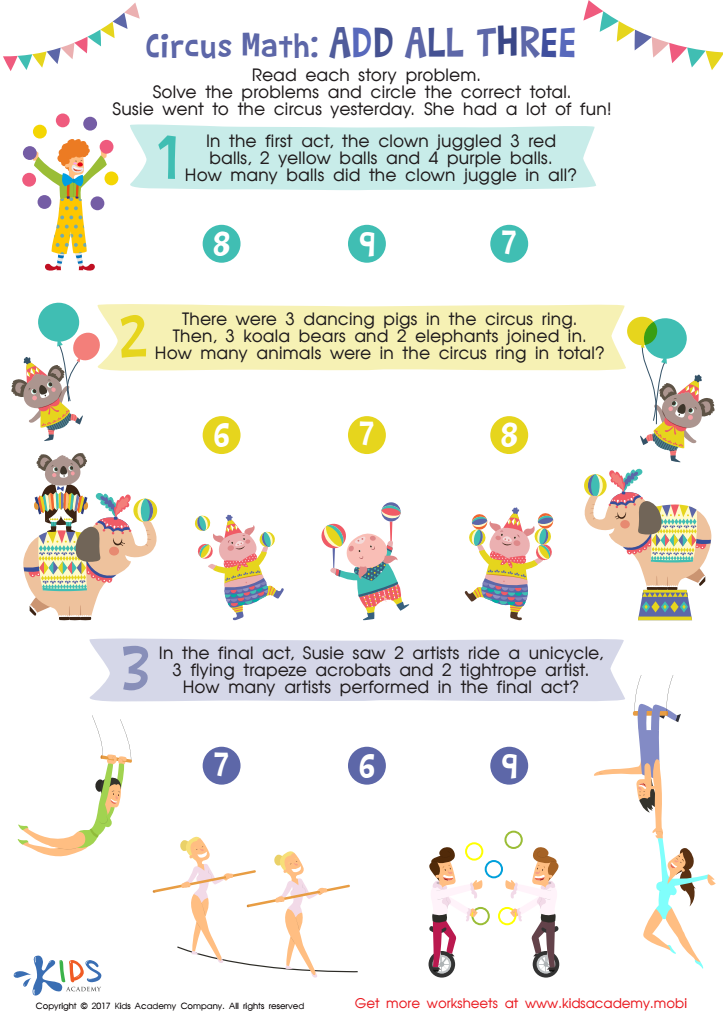
Circus Math Printable
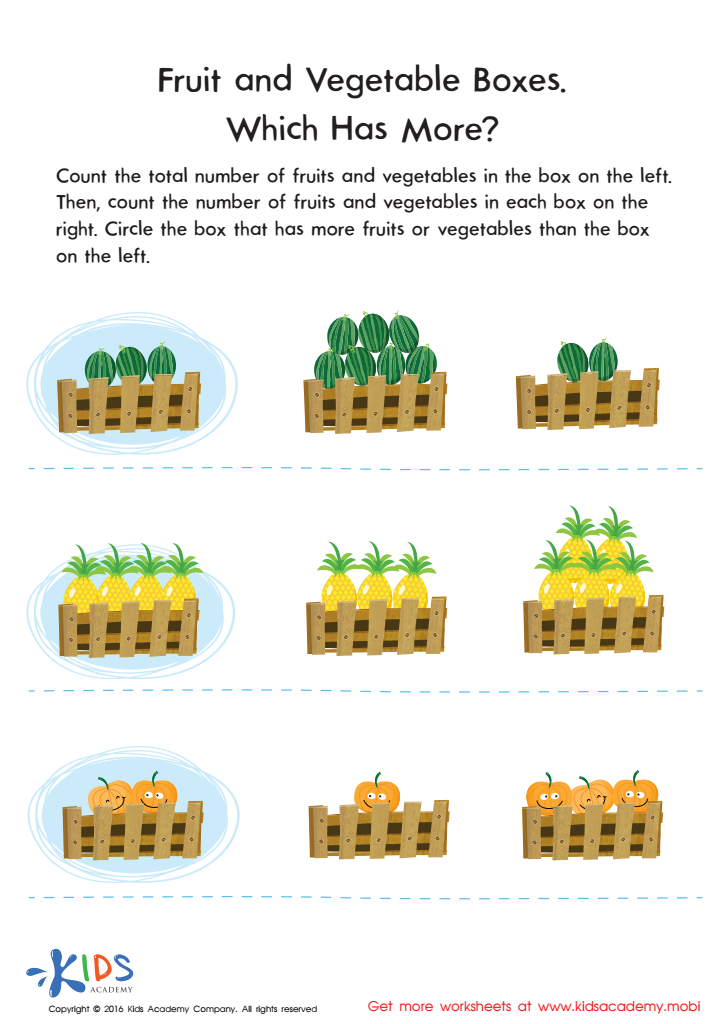
Which Has More? Size Worksheet
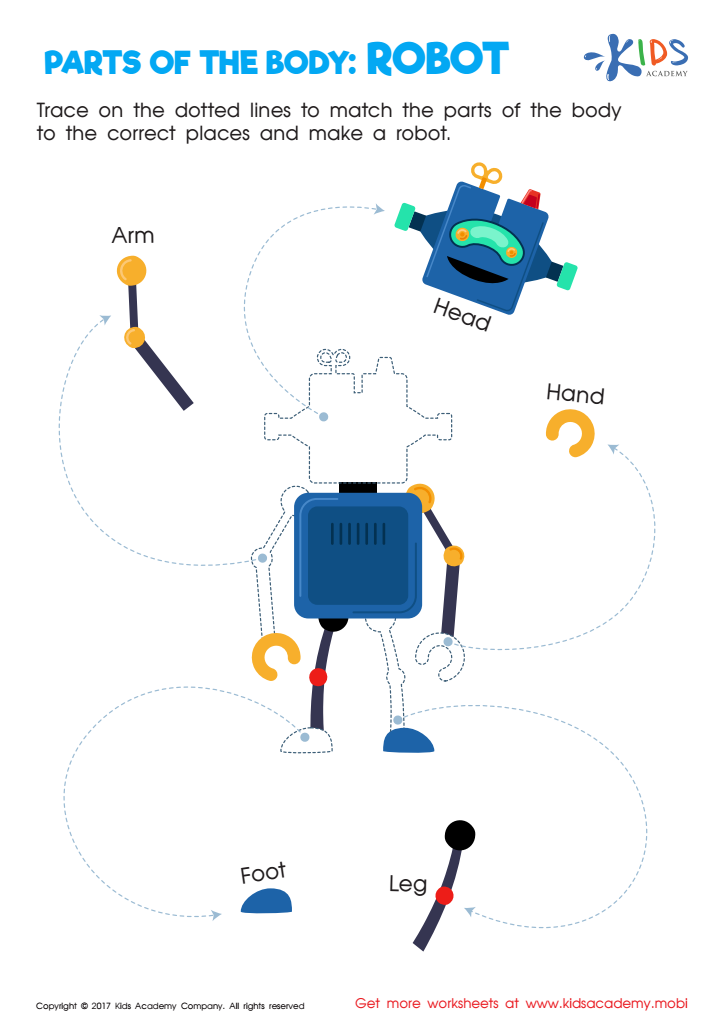
Robot Printable
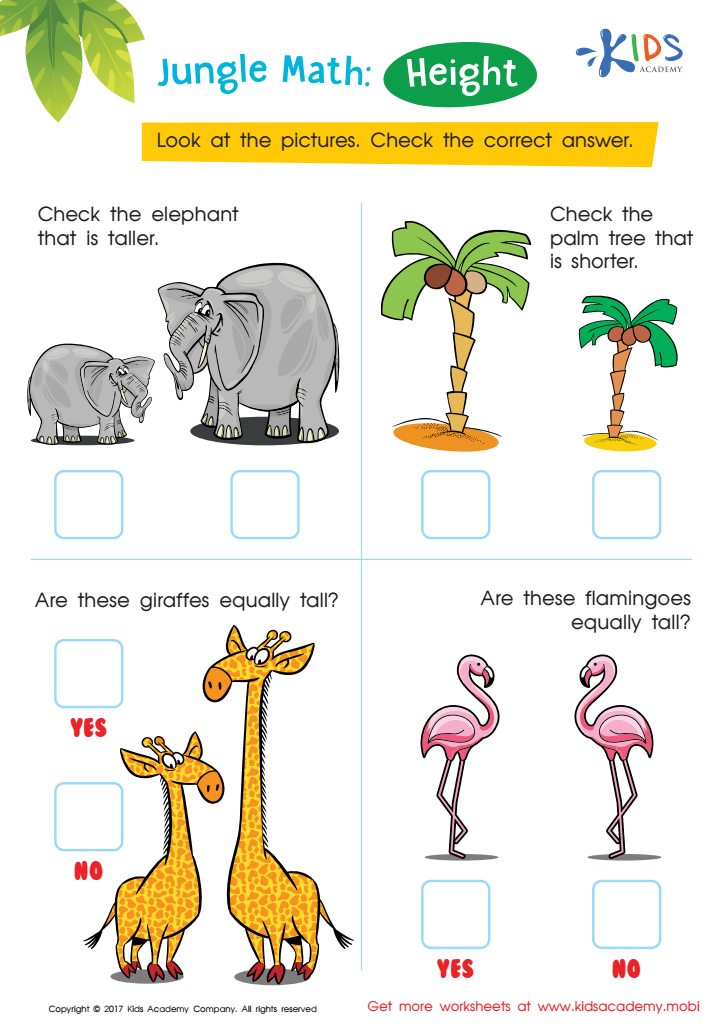
Which Is Taller Worksheet

Author’s Purpose: Erosion Worksheet
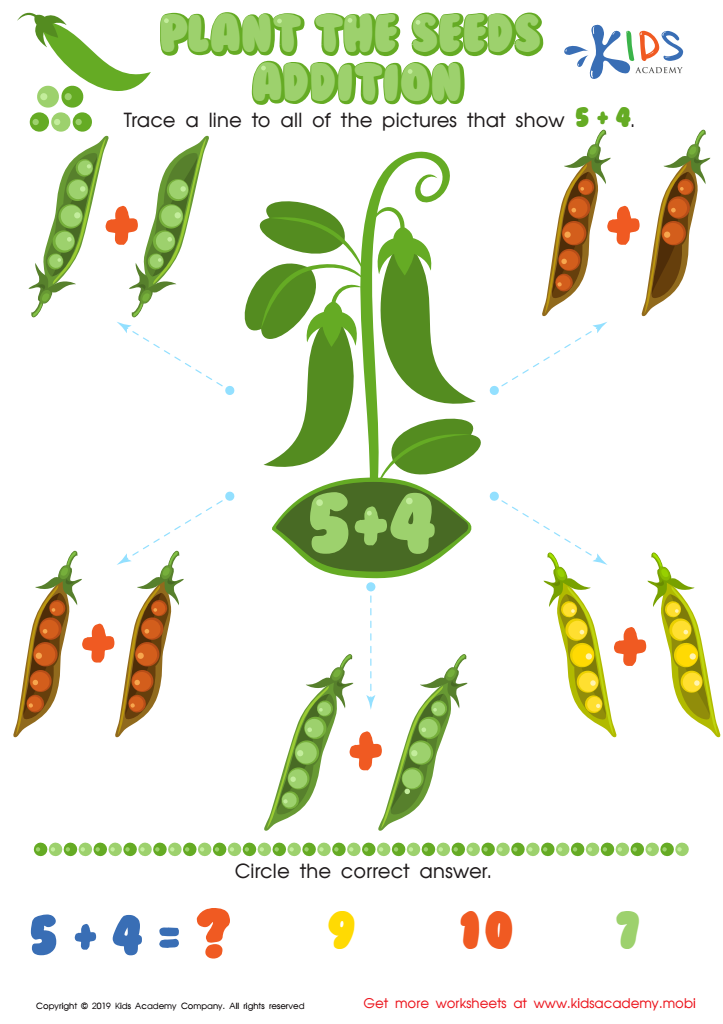
Plant the Seeds Addition Worksheet
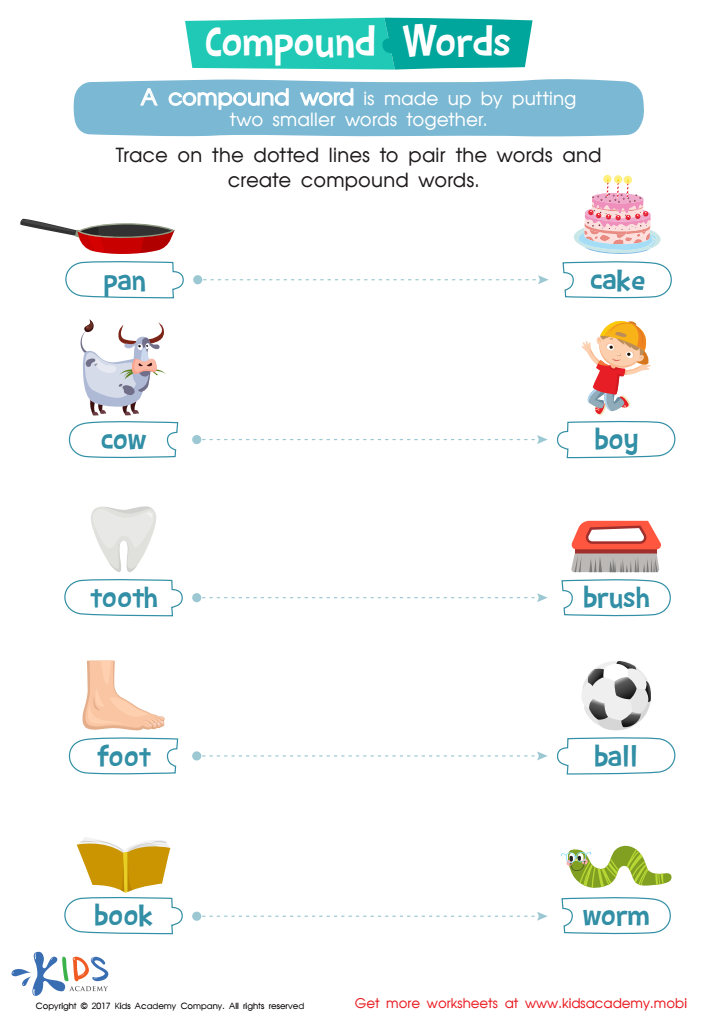
Compound Words Word Structure Worksheet

Count and Match Vegetables 1 – 7 Math Worksheet

Find The Difference Worksheet

Mummy Maze: Pyramid Printable
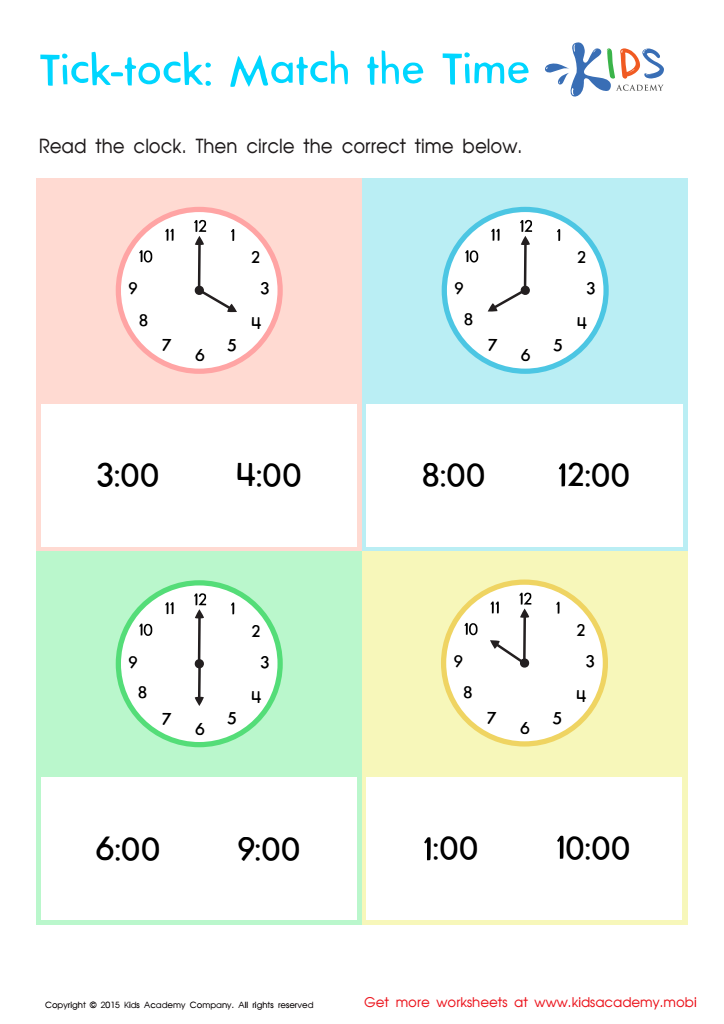
Telling The Time Worksheet: Part 4
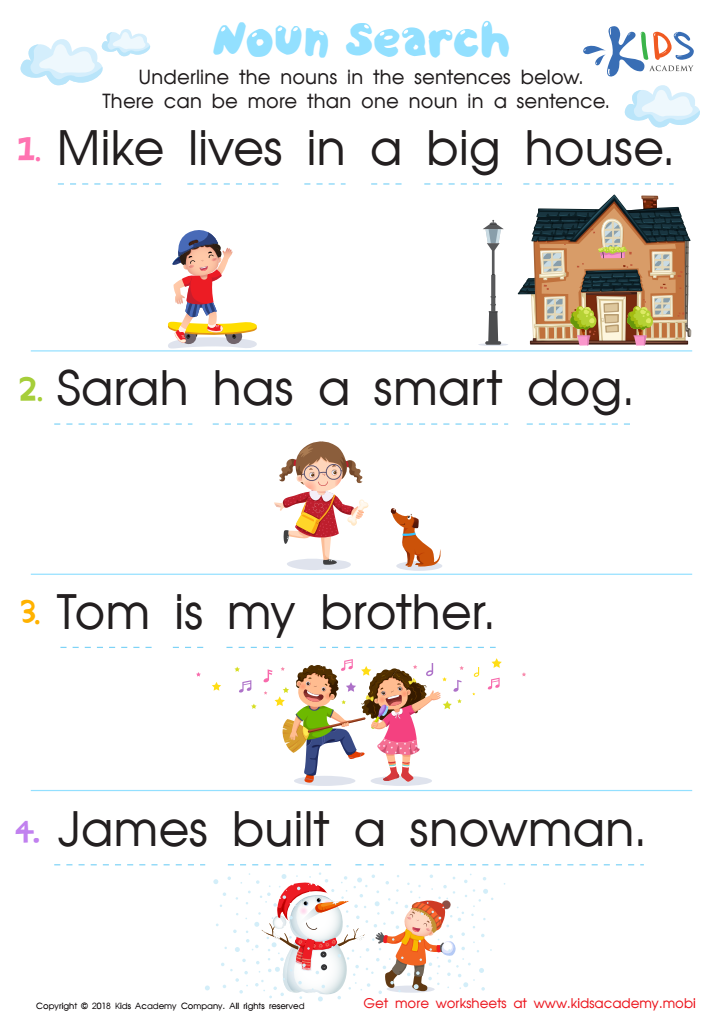
Noun Search Worksheet
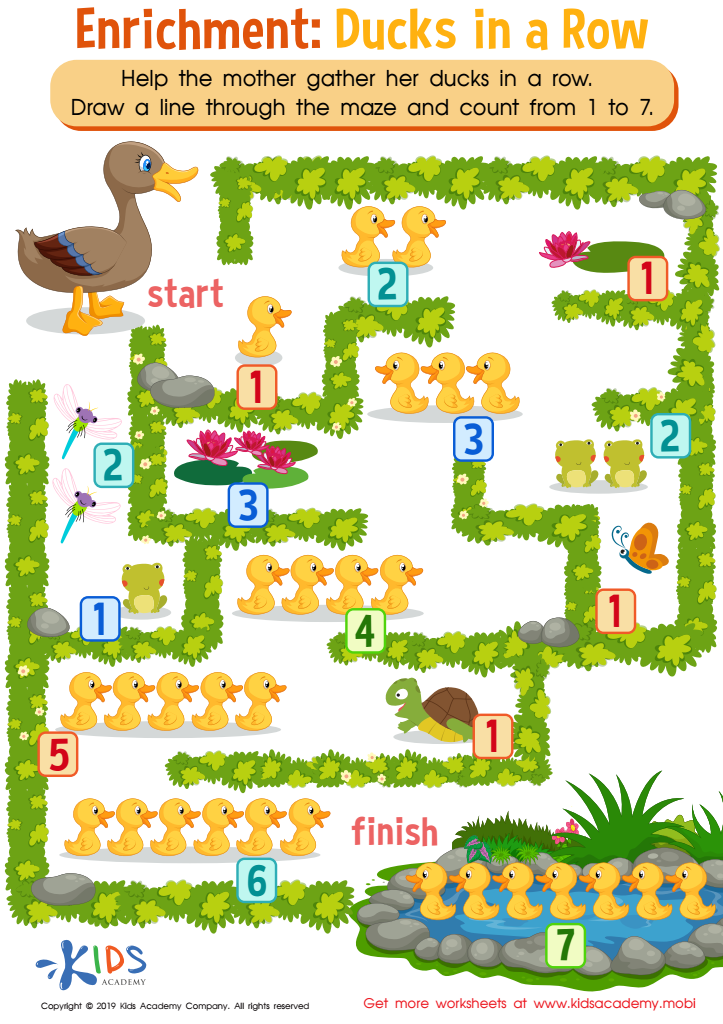
Ducks in a Row Worksheet

Baa Baa Black Sheep Printable
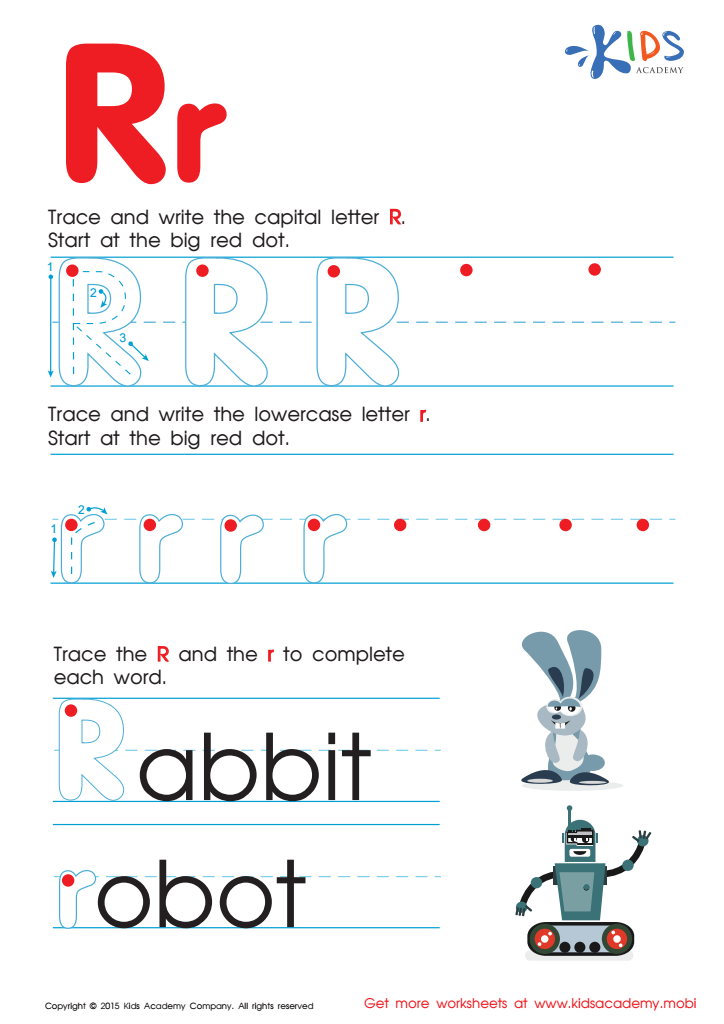
Letter R Tracing Page

Short Notation Quest Worksheet
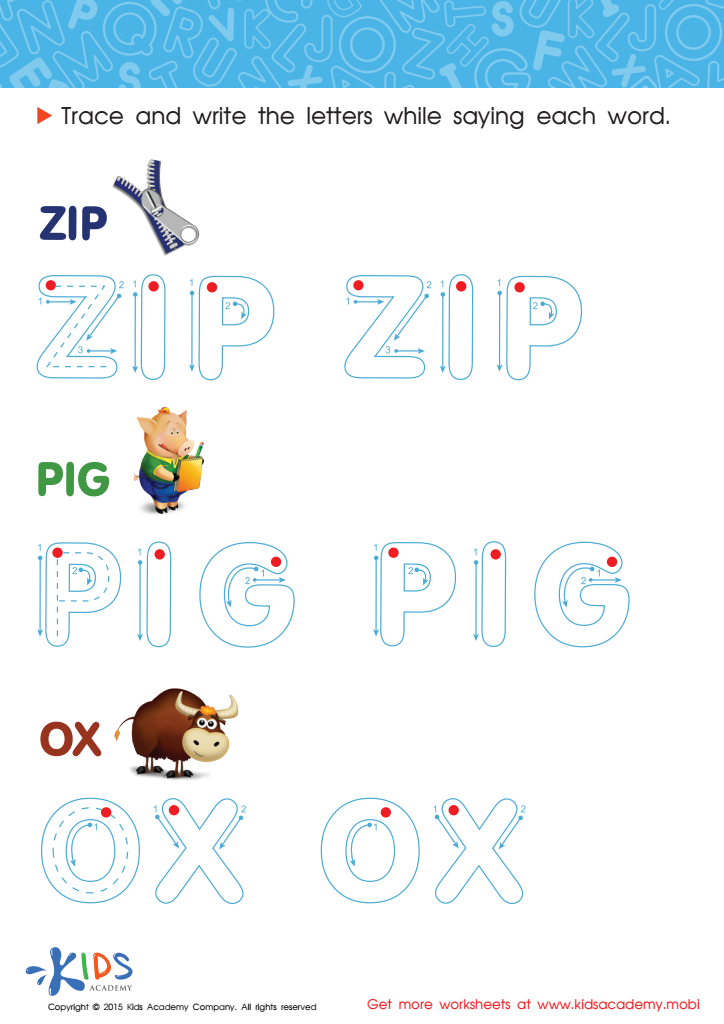
A Zip, a Pig and an Ox Spelling Worksheet
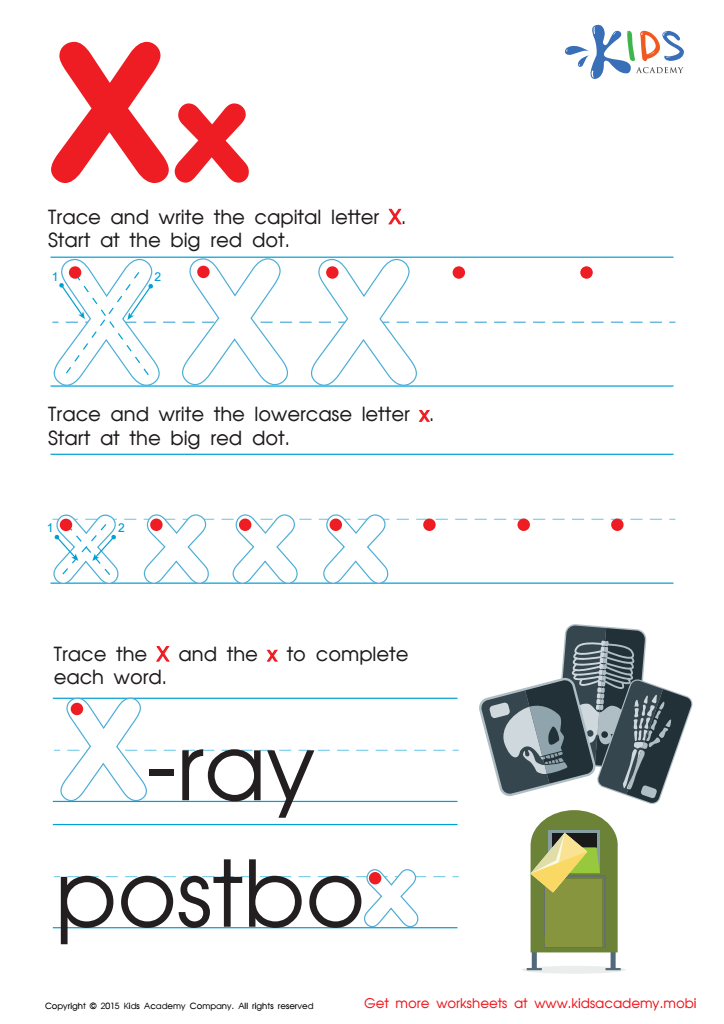
Letter X Tracing Page
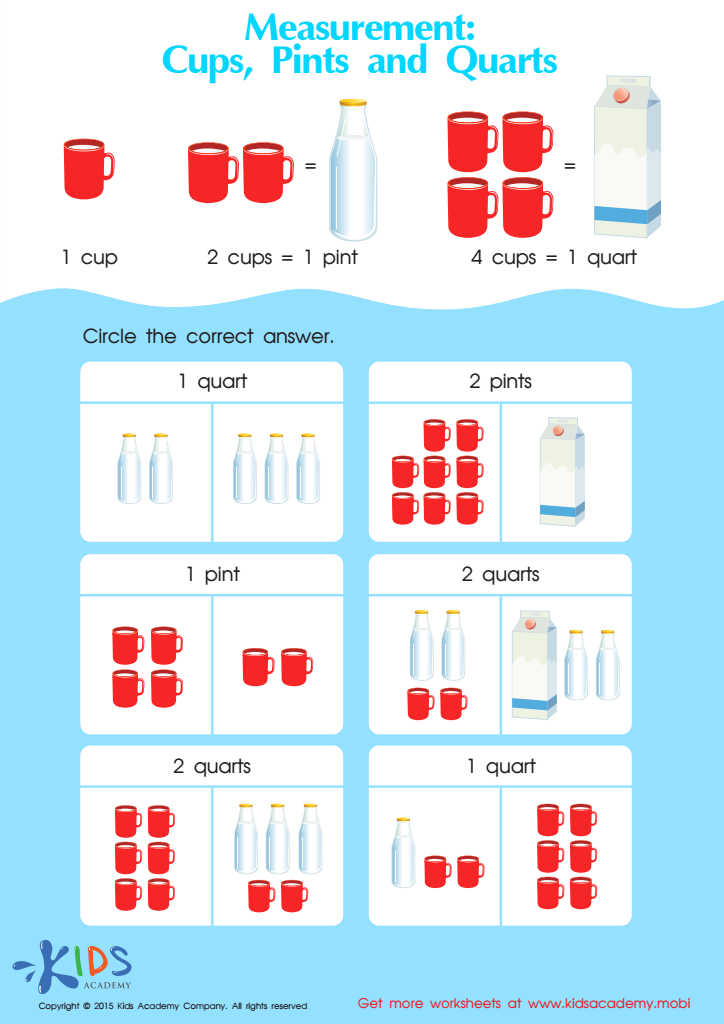
Cups, Pints and Quarts Worksheet
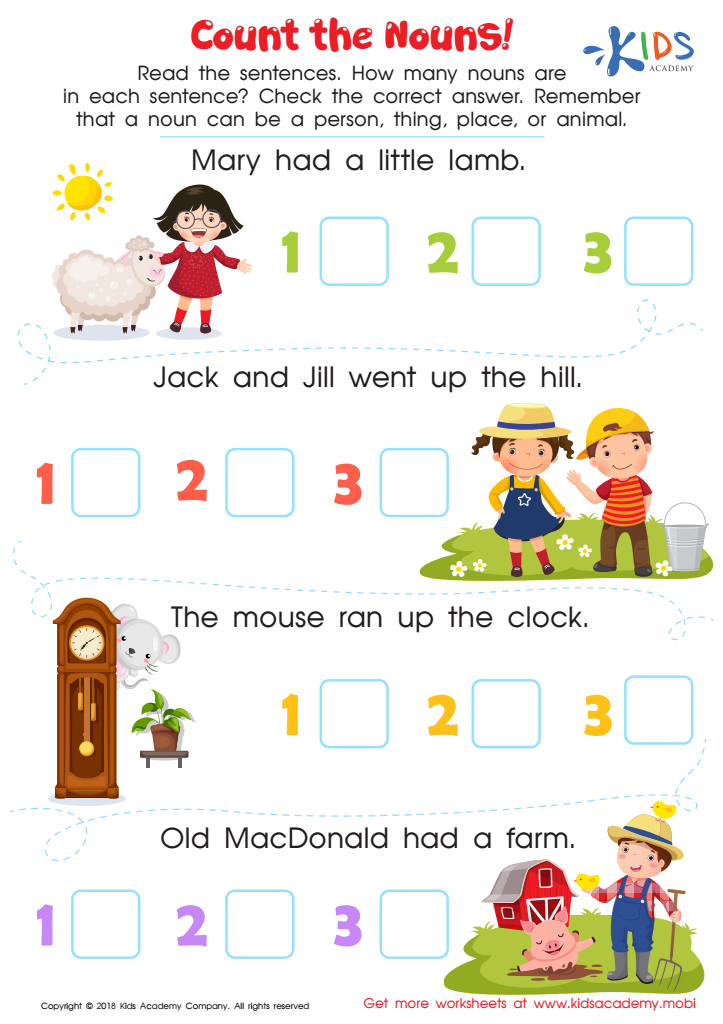
Count the Nouns Worksheet








Parents and teachers should care about providing extra challenges for children ages 4-7 because it is a critical period for cognitive, social, and emotional development. Between these ages, kids are highly receptive to new information and experiences, and offering them additional challenges can stimulate their intellectual growth and foster a lifelong love of learning. Engaging in extra activities helps young children build problem-solving skills, enhances their creativity, and encourages them to think critically.
Moreover, presenting children with mental and physical challenges nurtures resilience and perseverance, qualities that are vital for overcoming obstacles later in life. Challenging tasks can also be tailored to suit individual learning styles, which promotes a sense of accomplishment and boosts self-confidence as children achieve their goals.
Additionally, extra challenges often involve group activities, promoting teamwork and social interactions. These experiences are crucial for developing communication skills, empathy, and cooperation.
Furthermore, introducing a variety of challenging tasks keeps learning fun and engaging. This variety can help prevent boredom and frustration, which can lead to a greater enthusiasm for school and learning. Overall, caring about providing extra challenges supports a well-rounded development, setting a strong foundation for future academic and personal success.








