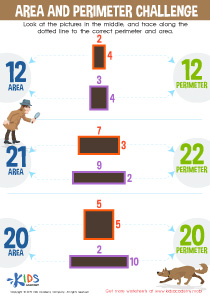
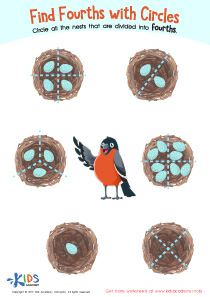
Extra Challenge 2D Shapes Worksheets for Ages 4-7
12 filtered results
-
From - To
Explore our "Extra Challenge 2D Shapes Worksheets for Ages 4-7," designed to boost your child's understanding of geometric concepts through engaging activities. Our worksheets provide a fun way for young learners to identify, compare, and work with various two-dimensional shapes, including circles, squares, and triangles. Each worksheet features colorful illustrations and interactive exercises that promote critical thinking and problem-solving skills. Tailored to keep children motivated, these challenges make learning about shapes an enjoyable experience. Perfect for at-home learning or classroom reinforcement, our worksheets help children build a solid foundation in math while fostering a love for learning. Download now and watch creativity soar!
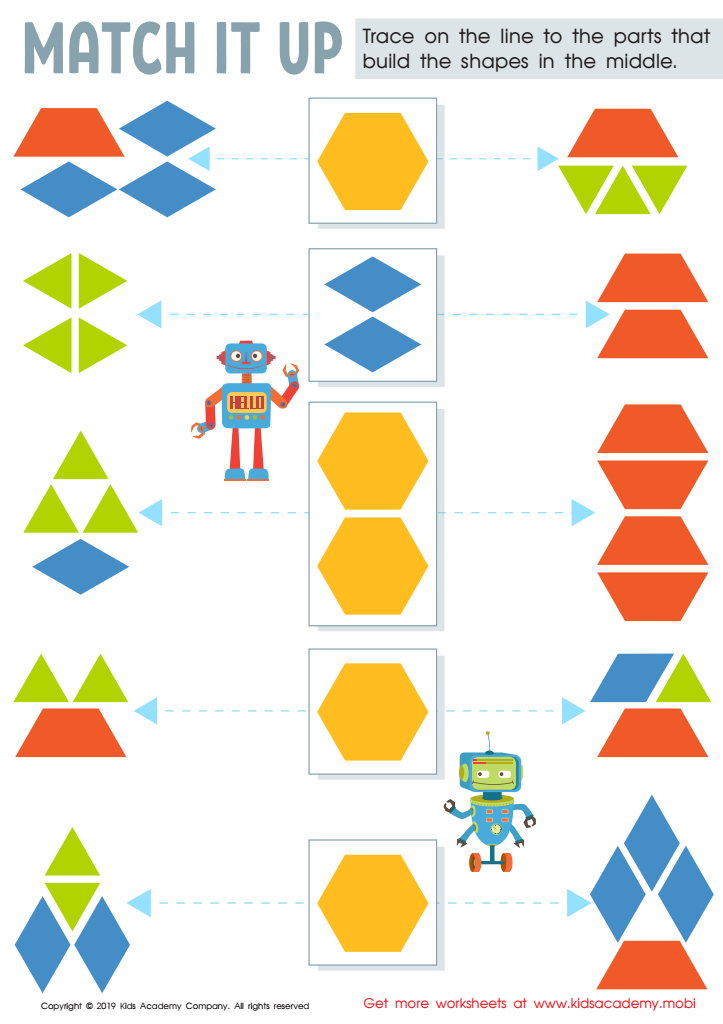
Match It up Worksheet
 Assign to My Students

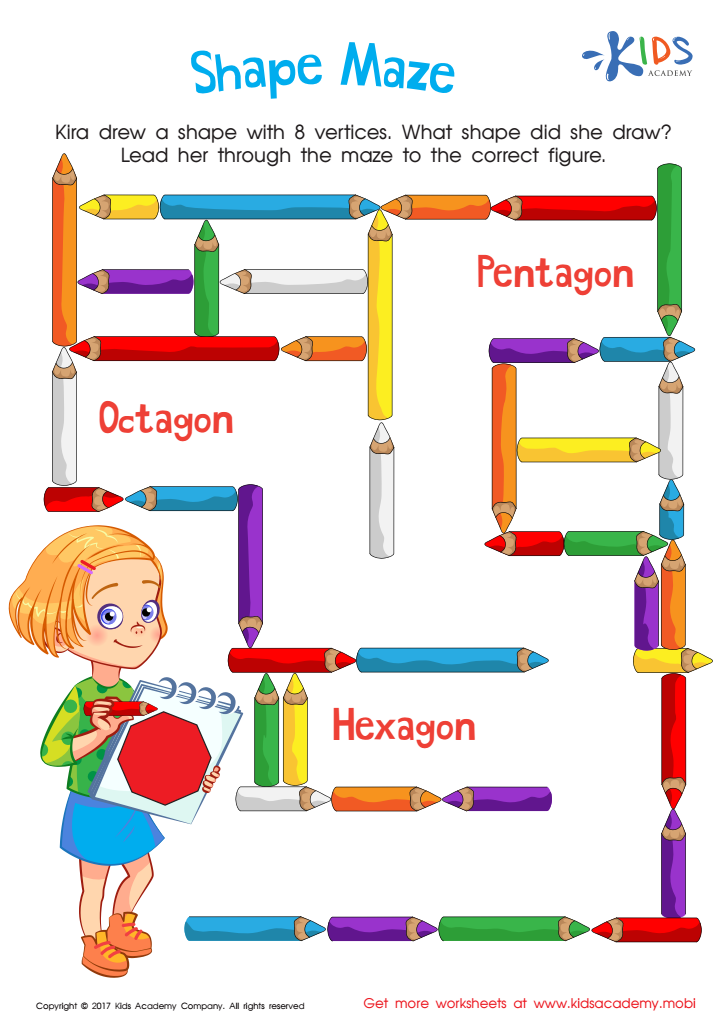
Shape Maze Worksheet
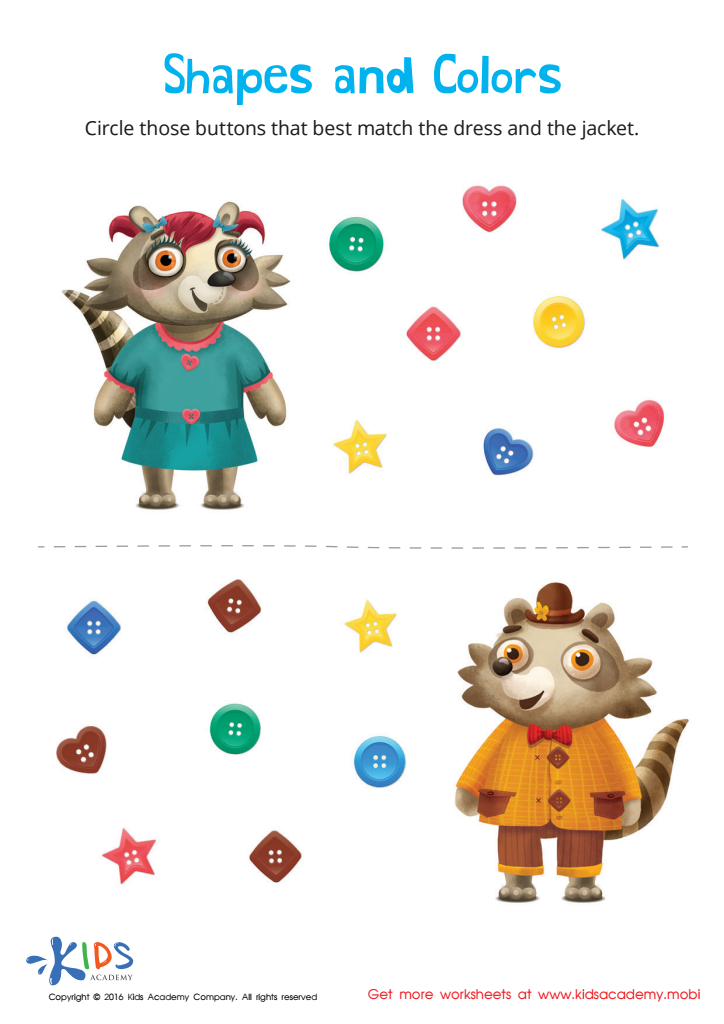
Matching: Shapes and Colors Worksheet
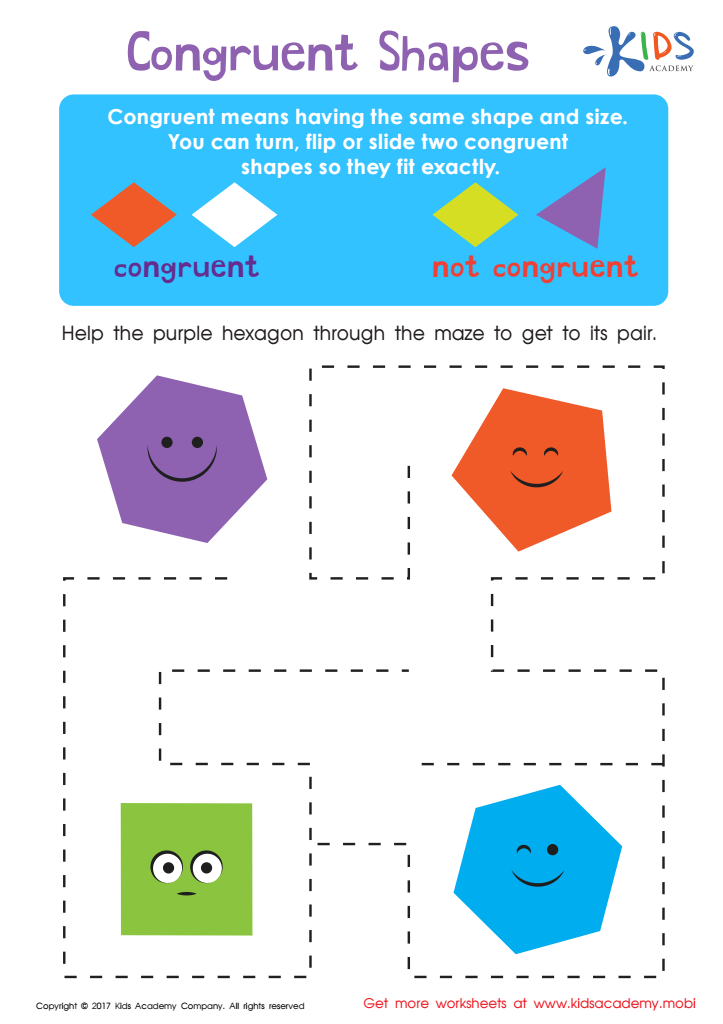
Congruent Shapes Worksheet
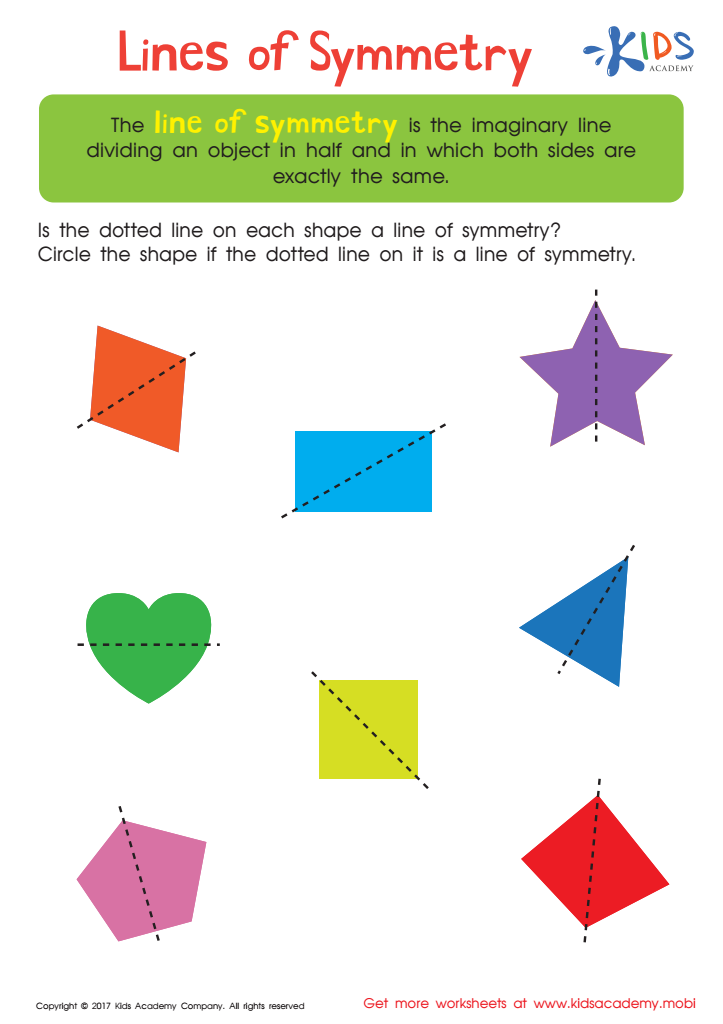
Lines of Symmetry Printable
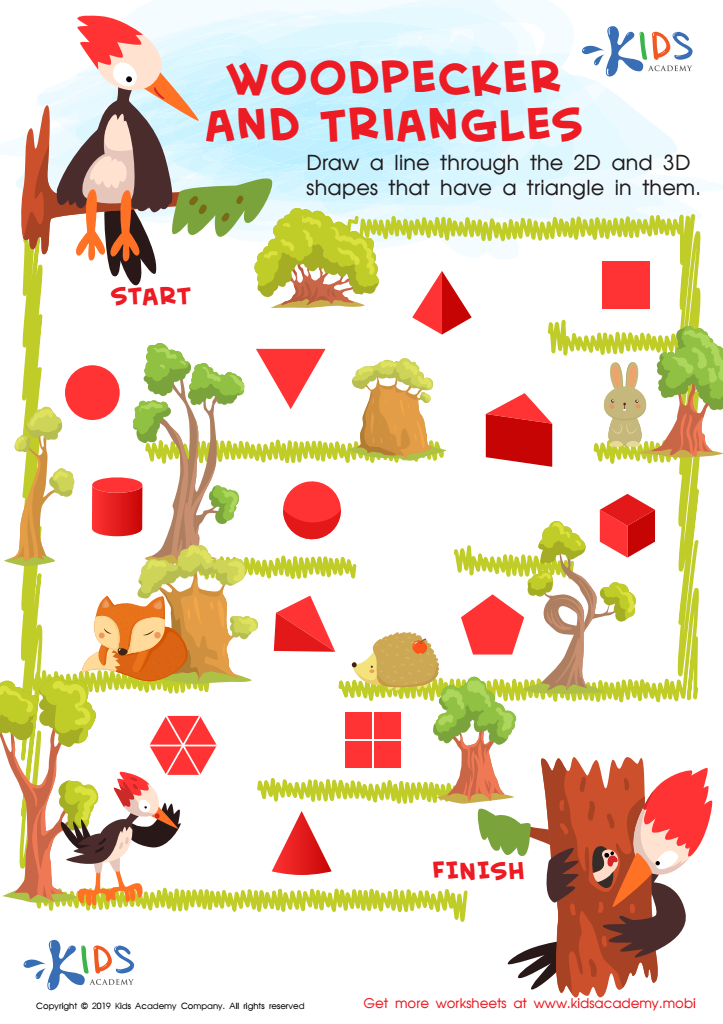
Woodpecker and Triangles Worksheet
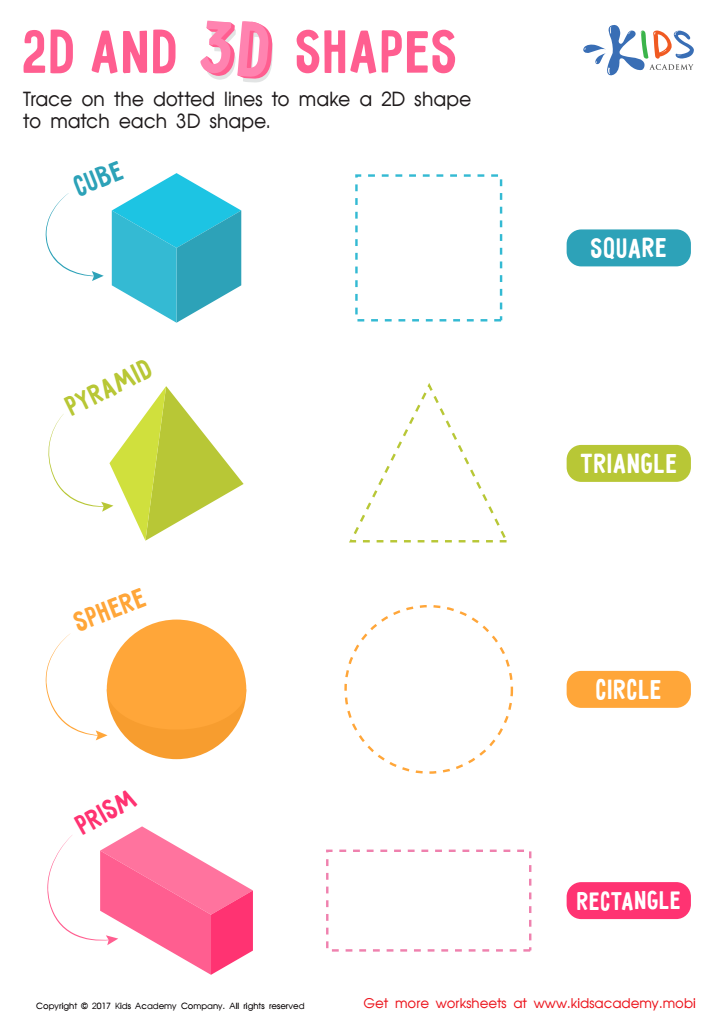
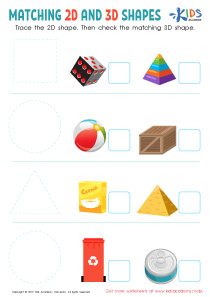
2D and 3D Shapes Worksheet
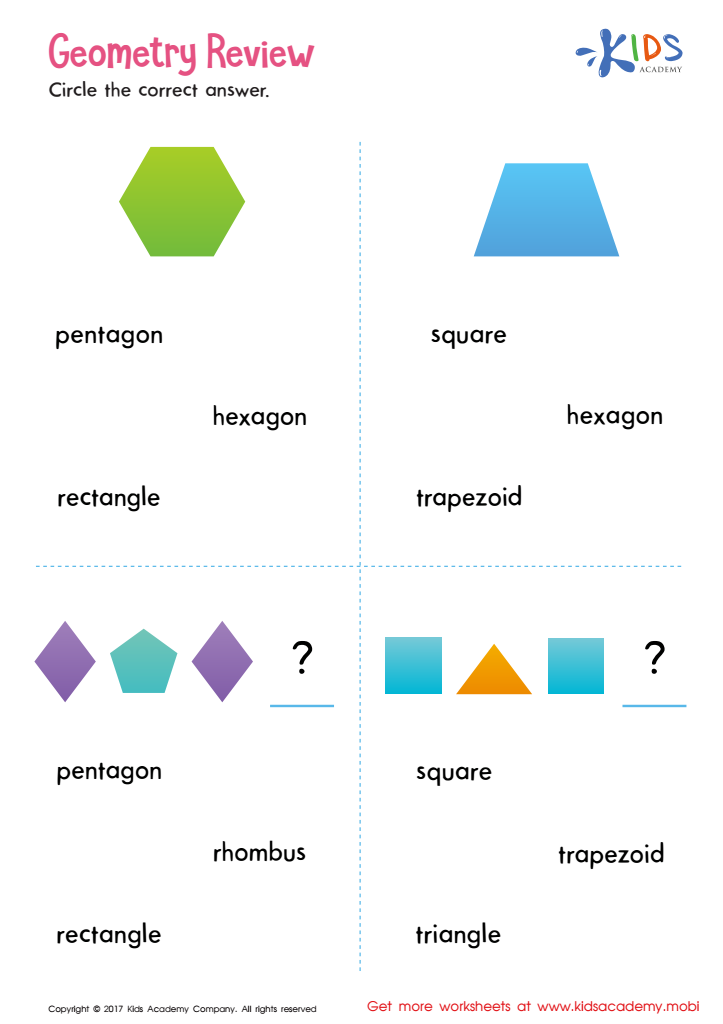
Geometry Review Printable
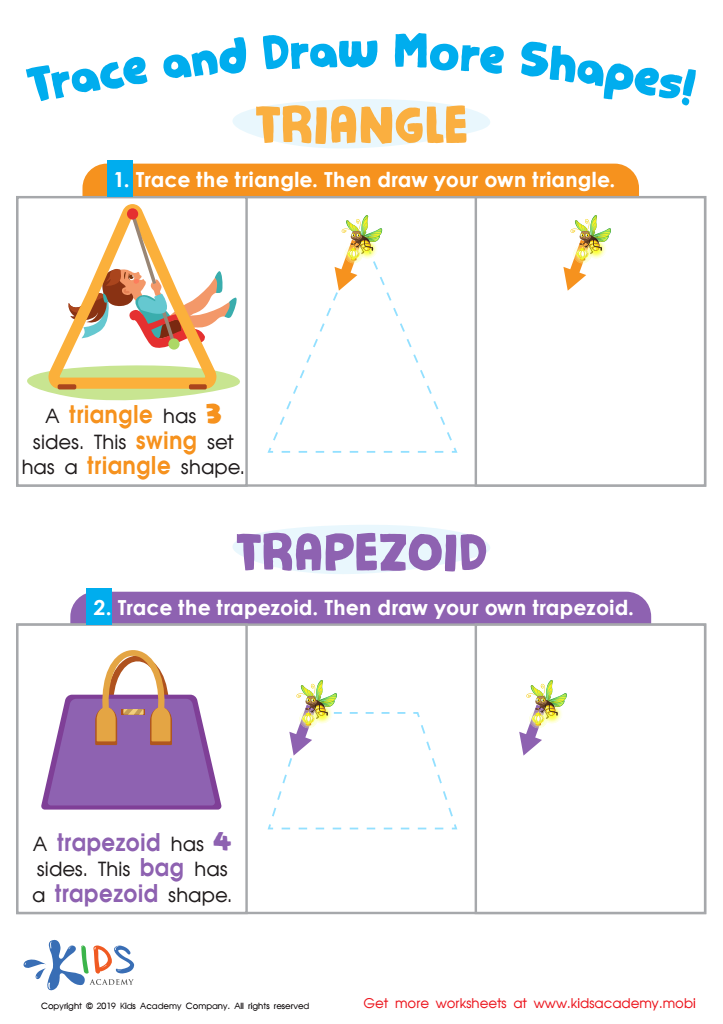
Trace and Draw More Shapes Worksheet
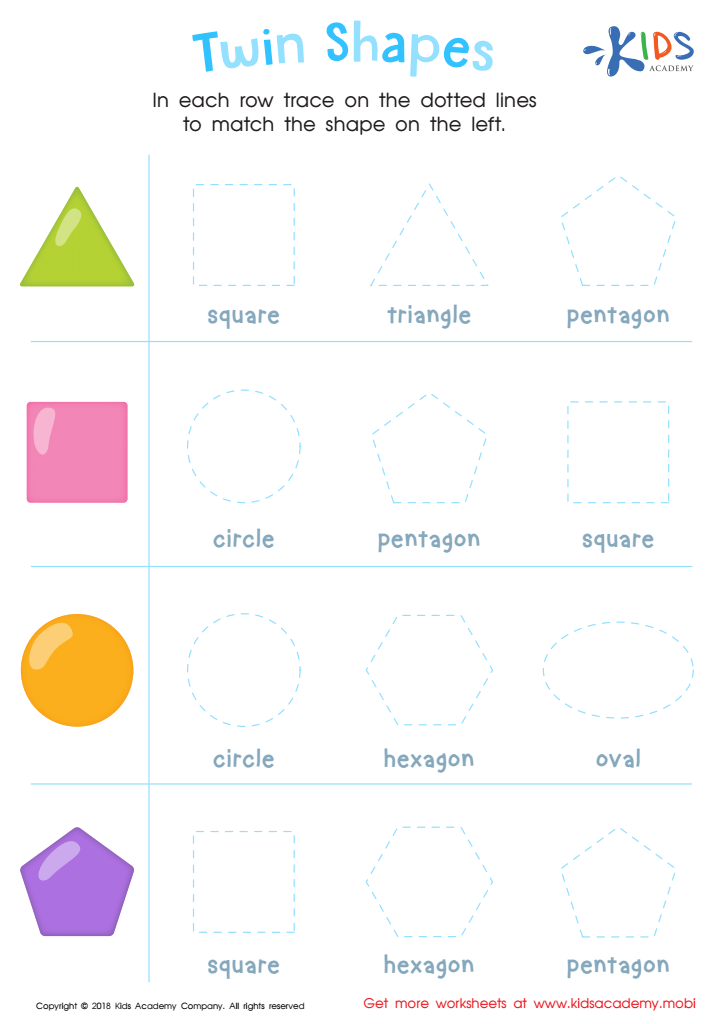
Twin Shapes Dot-to-Dot Worksheet
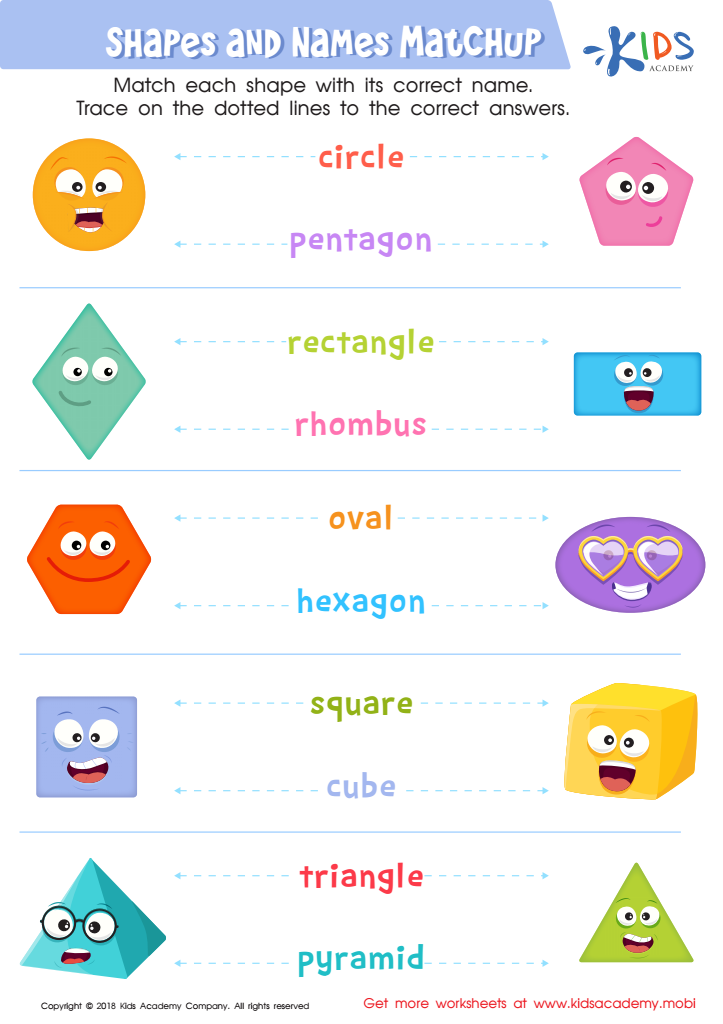
Shapes and Names Matchup Worksheet
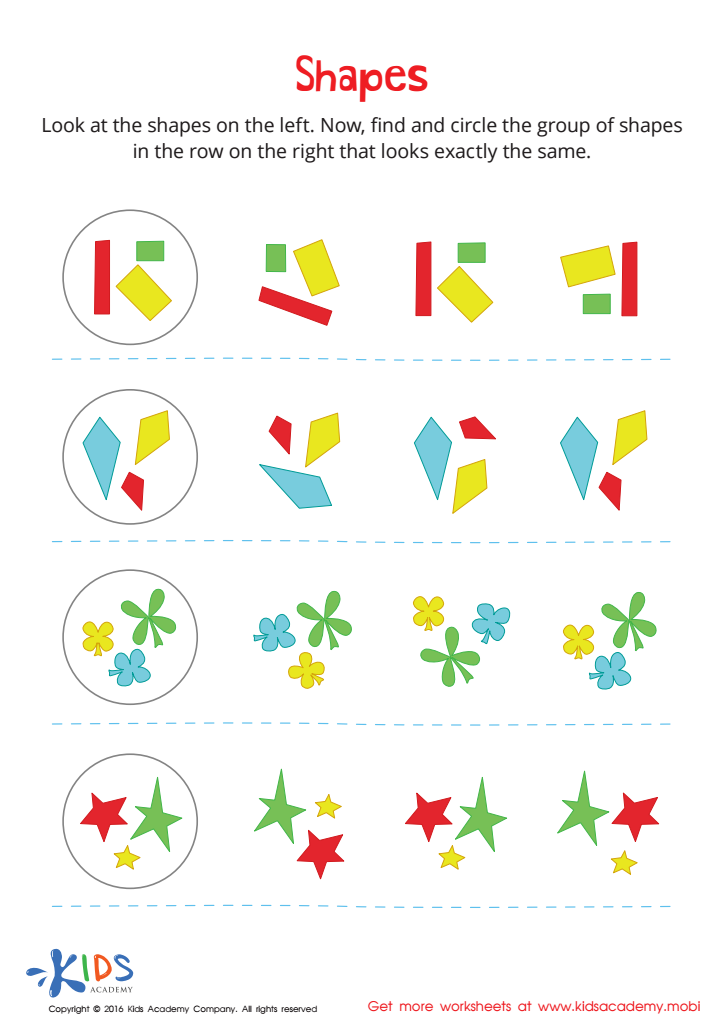
Shapes Worksheet








Parents and teachers should care about Extra Challenge 2D Shapes for Ages 4-7 because early exposure to geometric concepts lays a strong foundation for children's cognitive development and mathematical understanding. Engaging with 2D shapes enhances critical thinking and problem-solving skills essential for future learning.
Children in this age group are naturally curious and eager to explore their surroundings. Introducing challenges related to 2D shapes, such as puzzles and interactive games, helps ignite this curiosity and encourages exploration. It fosters spatial awareness, an important skill that enhances their ability to navigate the world around them.
Moreover, these activities support fine motor skills as children manipulate shape-cutouts or engage in crafts, promoting both creativity and coordination. Incorporating language around shapes enriches vocabulary and articulation, allowing children to express their understanding effectively.
Additionally, early experiences with math concepts during formative years correlate with greater success in later academic pursuits. By nurturing an interest in shapes and encouraging challenges, parents and teachers can create a positive and enjoyable learning environment, setting children on a path toward confident problem solvers as they grow. Investing time in these activities now ultimately promotes a love of learning and prepares children for more complex mathematical concepts in the future.