Extra Challenge Comparing Numbers Worksheets for Ages 4-8
5 filtered results
-
From - To
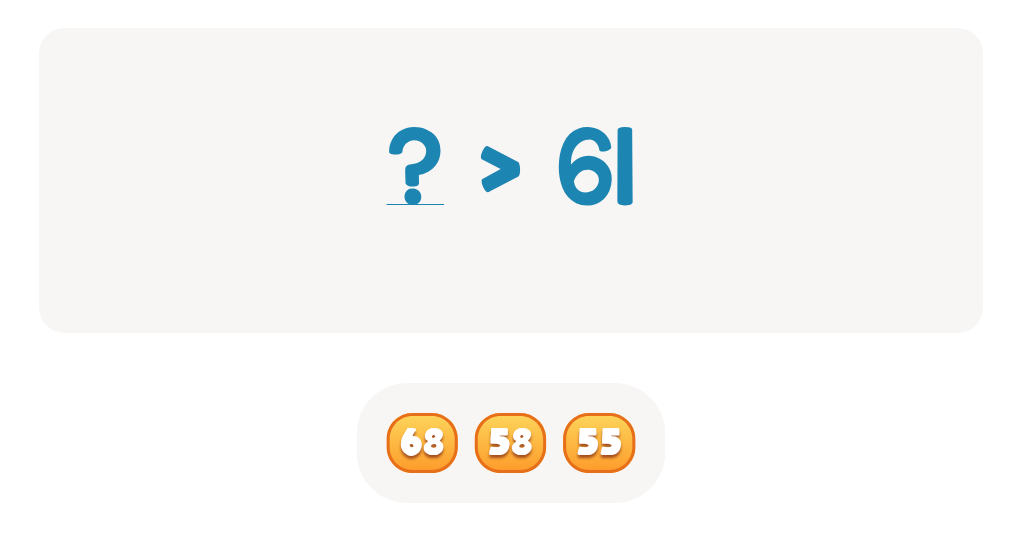
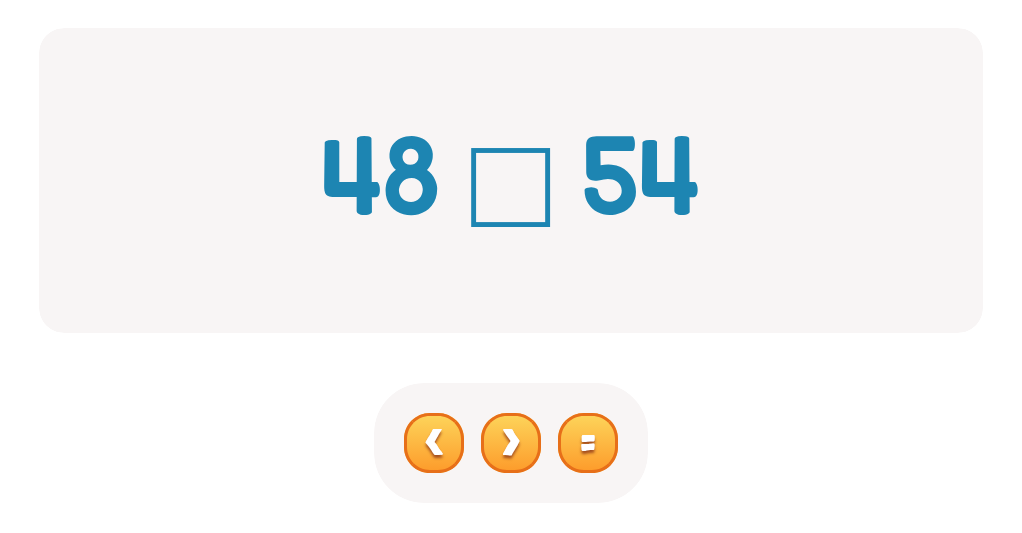
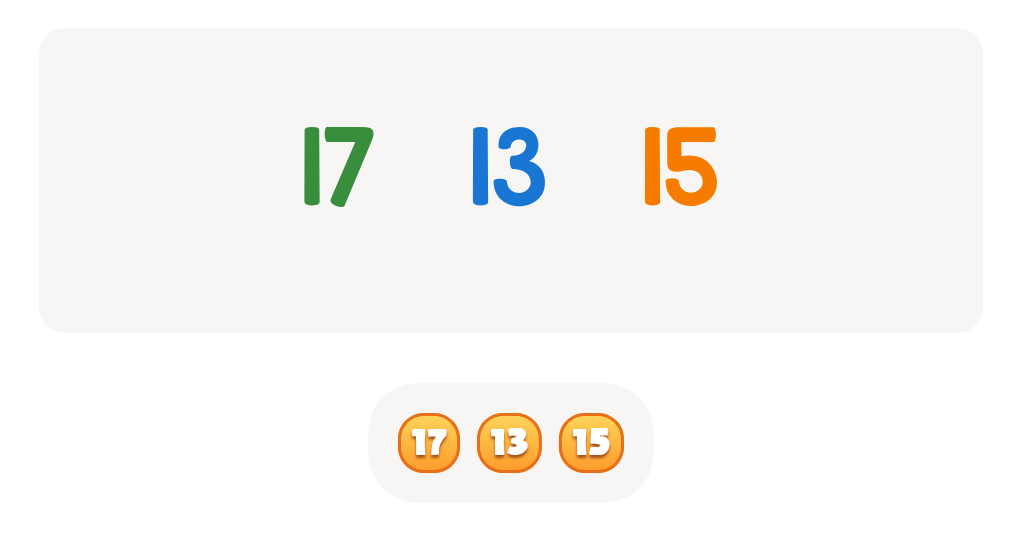
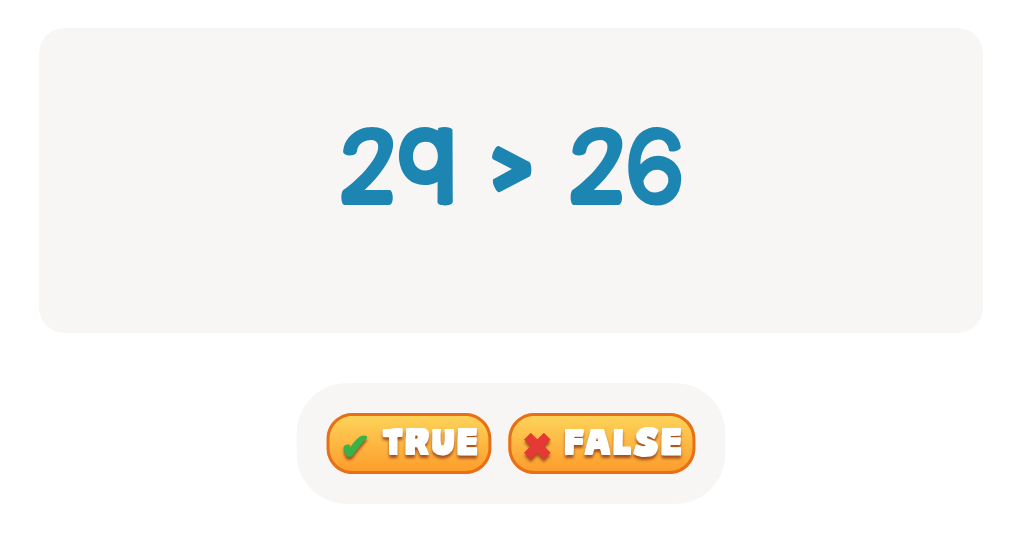
Discover our "Extra Challenge Comparing Numbers Worksheets" designed specifically for kids ages 4-8! These engaging worksheets help young learners master the skill of comparing numbers through fun, interactive activities. Perfect for reinforcing math concepts, each worksheet provides challenging exercises that encourage critical thinking and improve number sense. Children will enjoy sorting, categorizing, and comparing numbers in various formats, making learning both effective and enjoyable. Whether used in the classroom or at home, these worksheets promote confidence and skill-building, setting the foundation for future math success. Dive into our collection today and watch your child excel in number comparison!
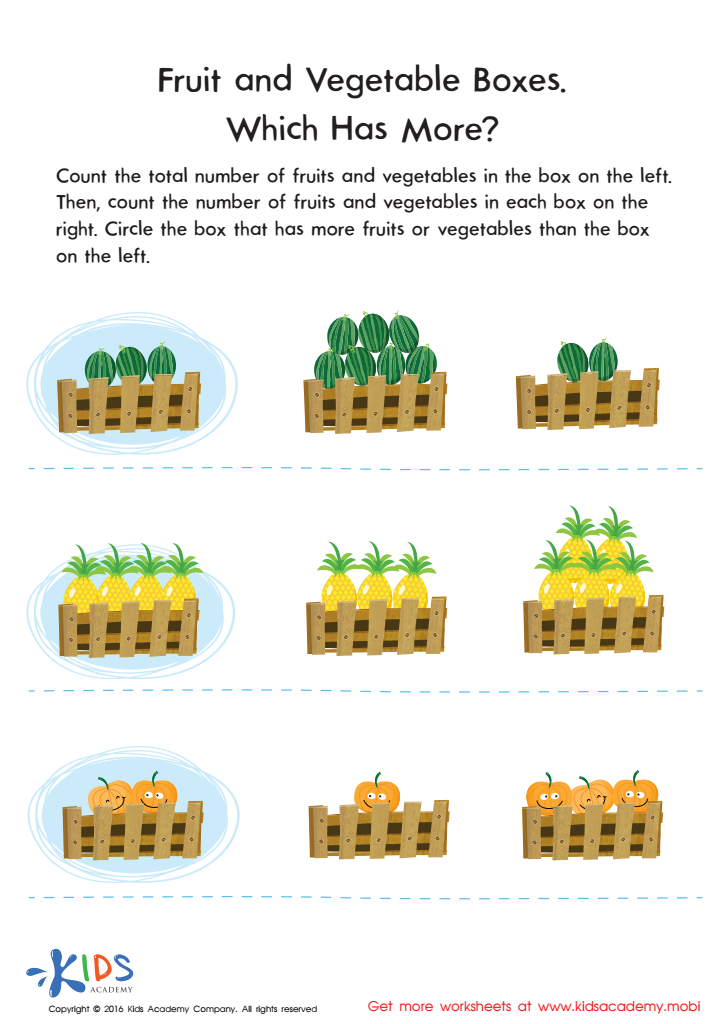
Which Has More? Size Worksheet
 Assign to My Students

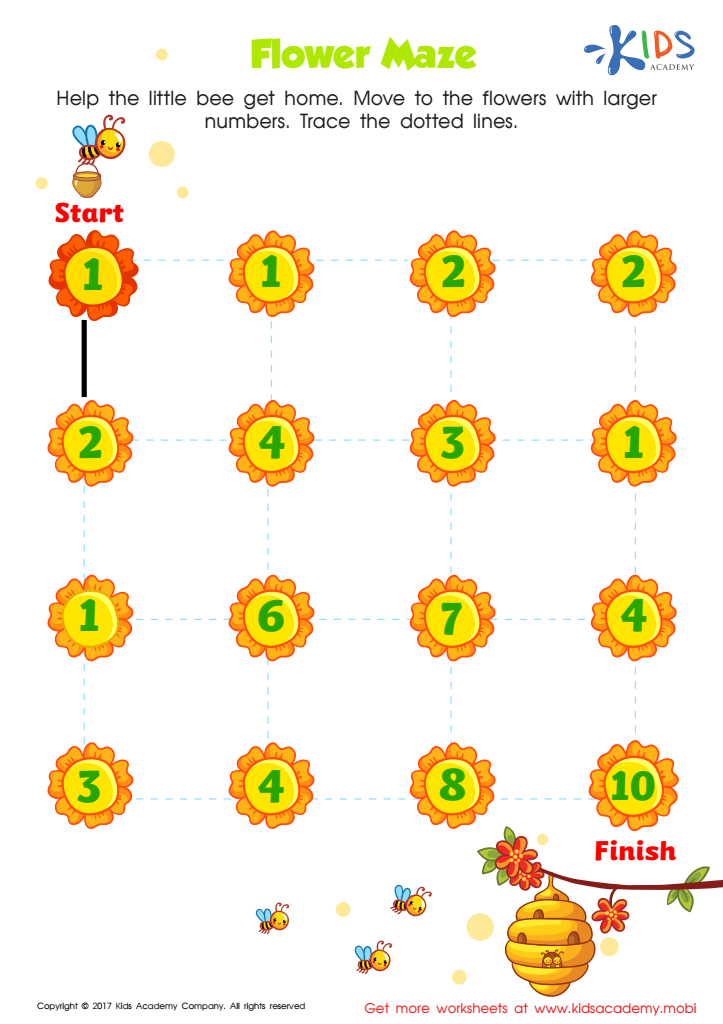
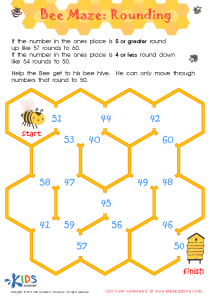
Number Maze For Kindergarten Printable
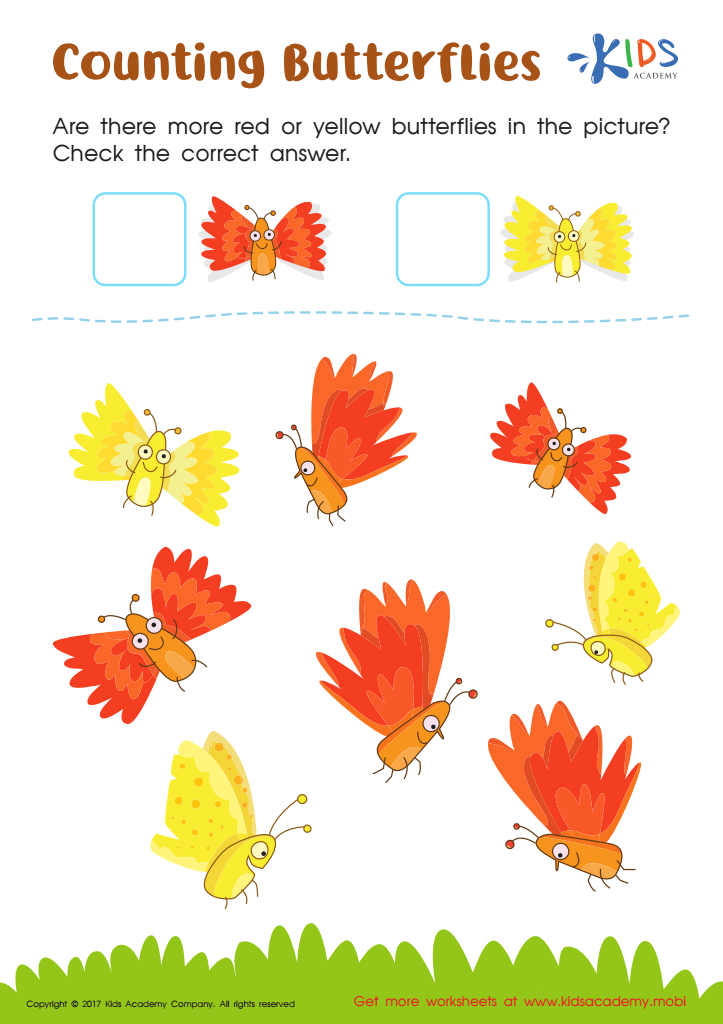
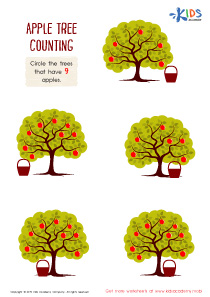
Counting Butterflies Worksheet
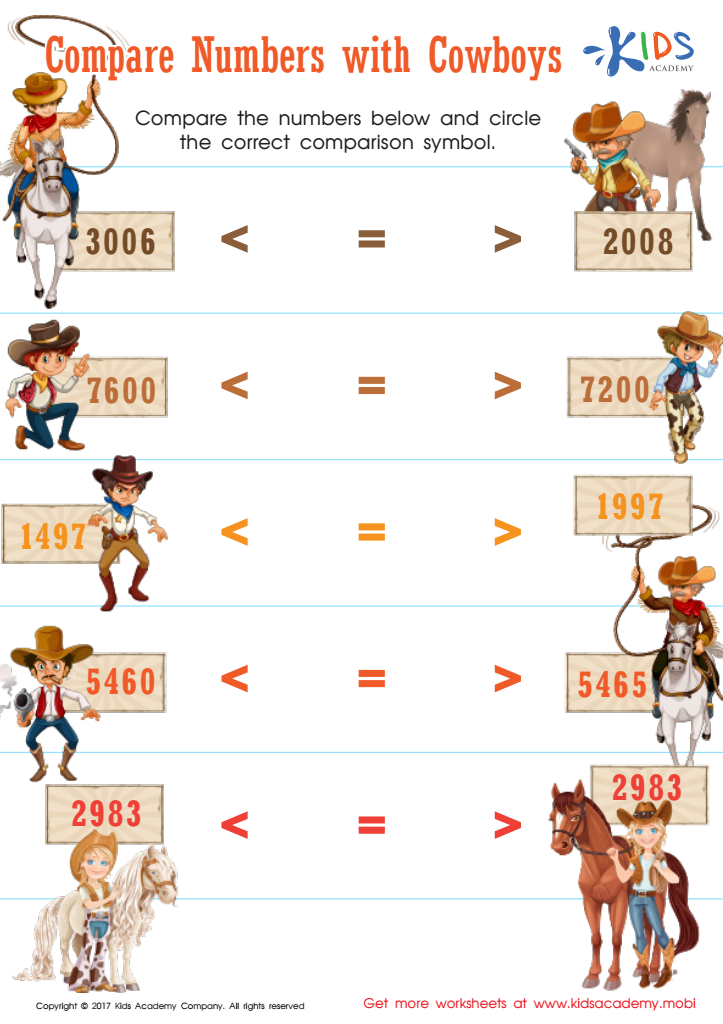
Compare Numbers Worksheet for 3rd Grade
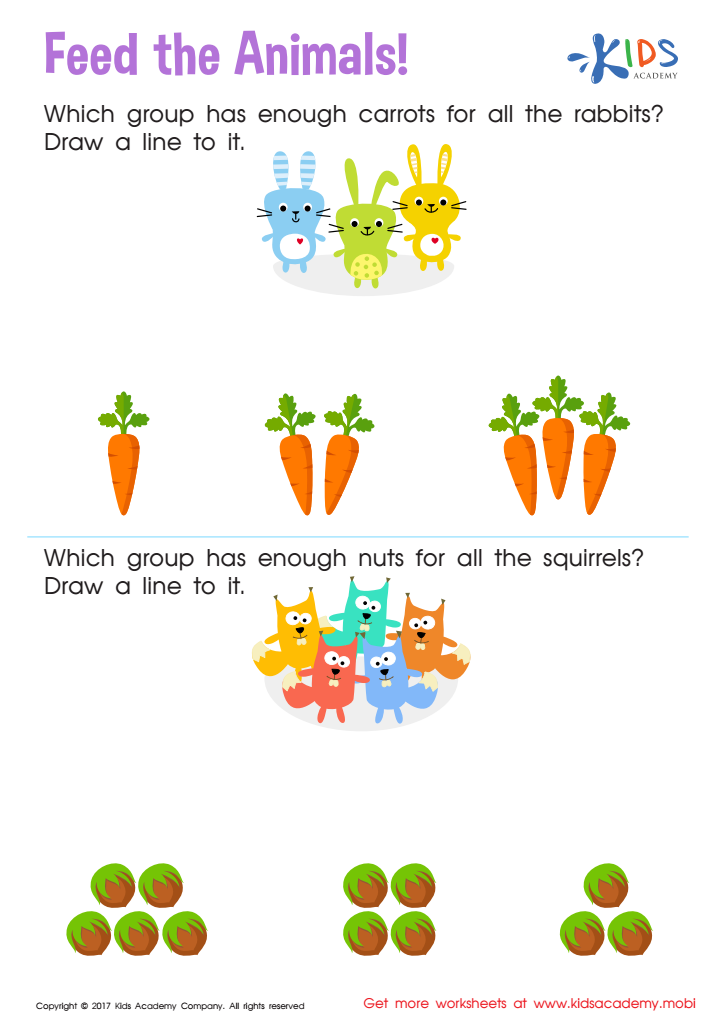
Count and Match: Feed the Animals Worksheet








Extra Challenge Comparing Numbers is a valuable activity for children aged 4-8 as it fosters critical early mathematical skills. This engaging task helps develop number sense, enabling children to understand the concept of quantity, which is foundational for all future math learning.
By introducing activities that require comparing numbers, children learn to recognize greater or lesser values intuitively. This critical analytical skill not only supports mathematical proficiency but also encourages logical reasoning and problem-solving abilities.
Parents and teachers should prioritize such activities because they promote active engagement in learning, making mathematics fun and less intimidating for young learners. Additionally, these exercises cultivate emotional resilience—pushing children to face challenges and enjoy the satisfaction of overcoming them.
Moreover, involving parents can encourage positive reinforcement at home, solidifying what children learn in school. Recognizing numbers in everyday situations, such as comparing prices or counting items, seamlessly requires that essential skill while leading to practical use.
Ultimately, Extra Challenge Comparing Numbers supports comprehensive cognitive development, inviting curiosity, and laying a robust foundation for later mathematical success. When parents and teachers emphasize this learning, they complement academic growth with emotional and social learning, helping to create well-rounded individuals.