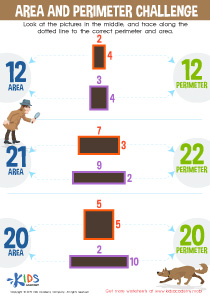
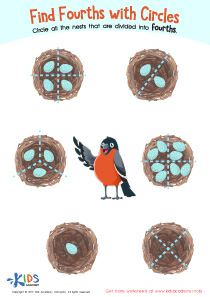
Extra Challenge 2D Shapes Worksheets for 4-Year-Olds
6 filtered results
-
From - To
Unveil a world of fun and learning with our "Extra Challenge 2D Shapes for 4-Year-Olds" worksheets! Designed specifically to captivate young minds, these activities introduce children to the enchanting realm of two-dimensional shapes in a way that's both engaging and educative. Perfect for preschoolers eager for a challenge, this collection will test their skills and expand their understanding of shapes in the environment around them. With a vibrant mix of puzzles, matching games, and creative drawing tasks, our worksheets are crafted to spark curiosity and enhance critical thinking. Dive into the Extra Challenge and watch your 4-year-old's shape recognition abilities soar!
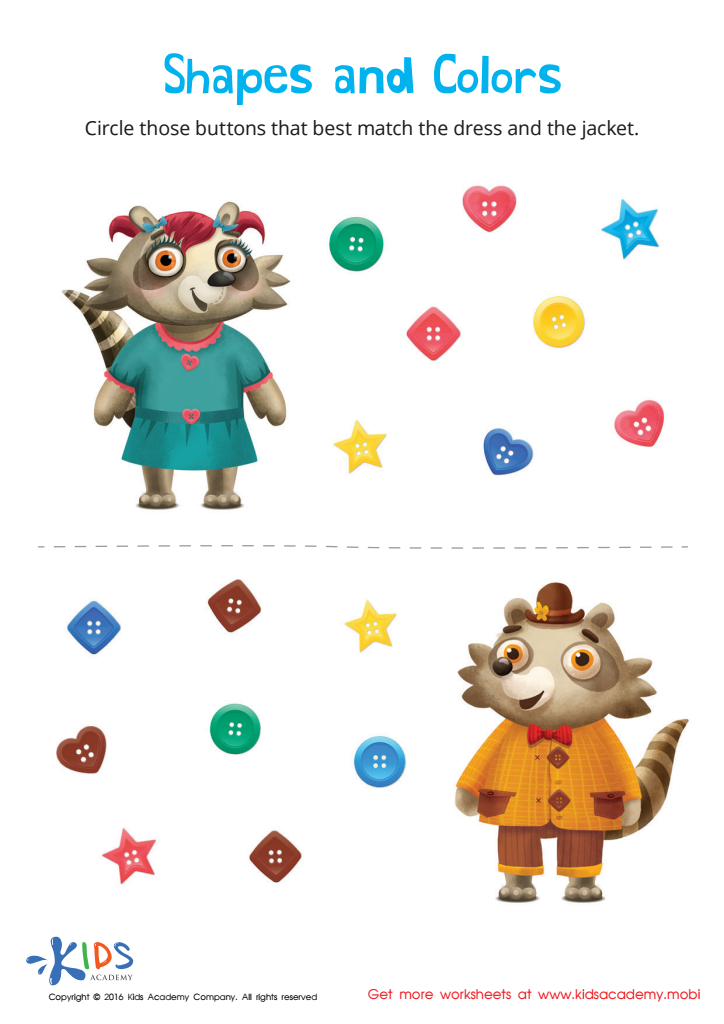
Matching: Shapes and Colors Worksheet
 Assign to My Students

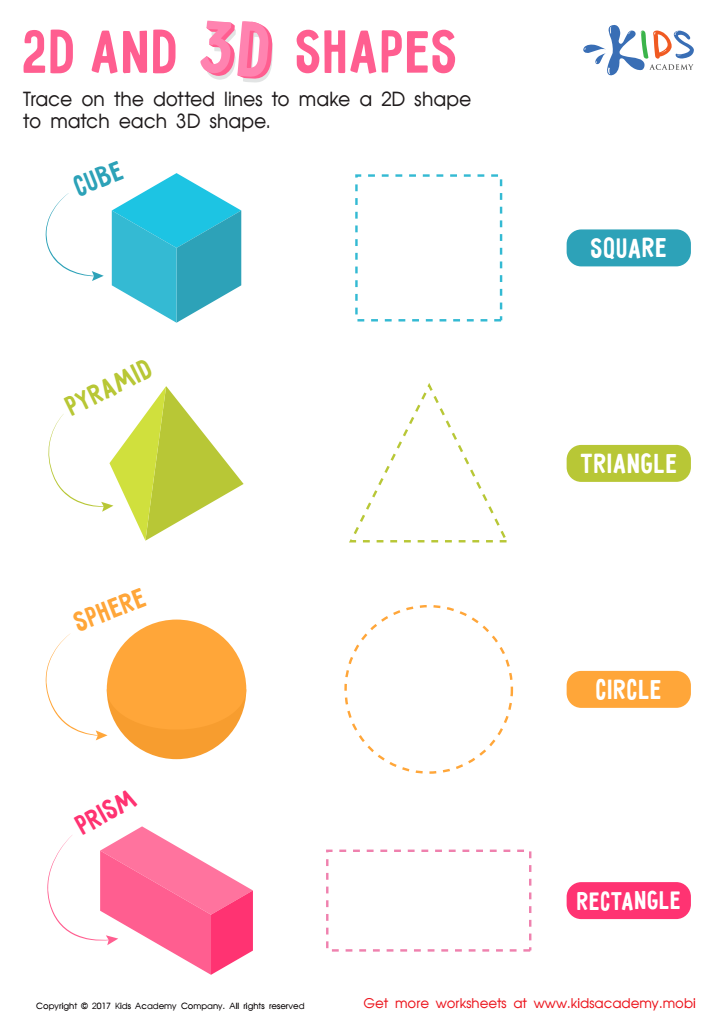
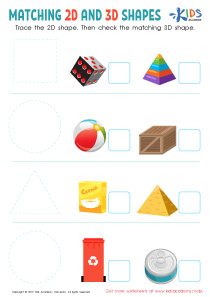
2D and 3D Shapes Worksheet
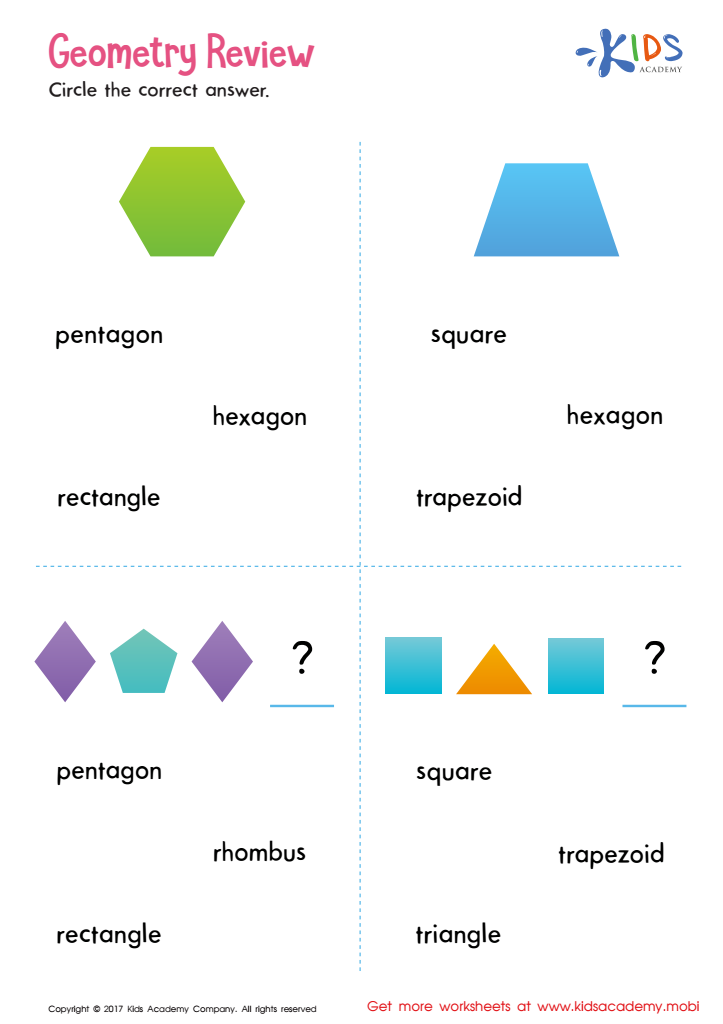
Geometry Review Printable
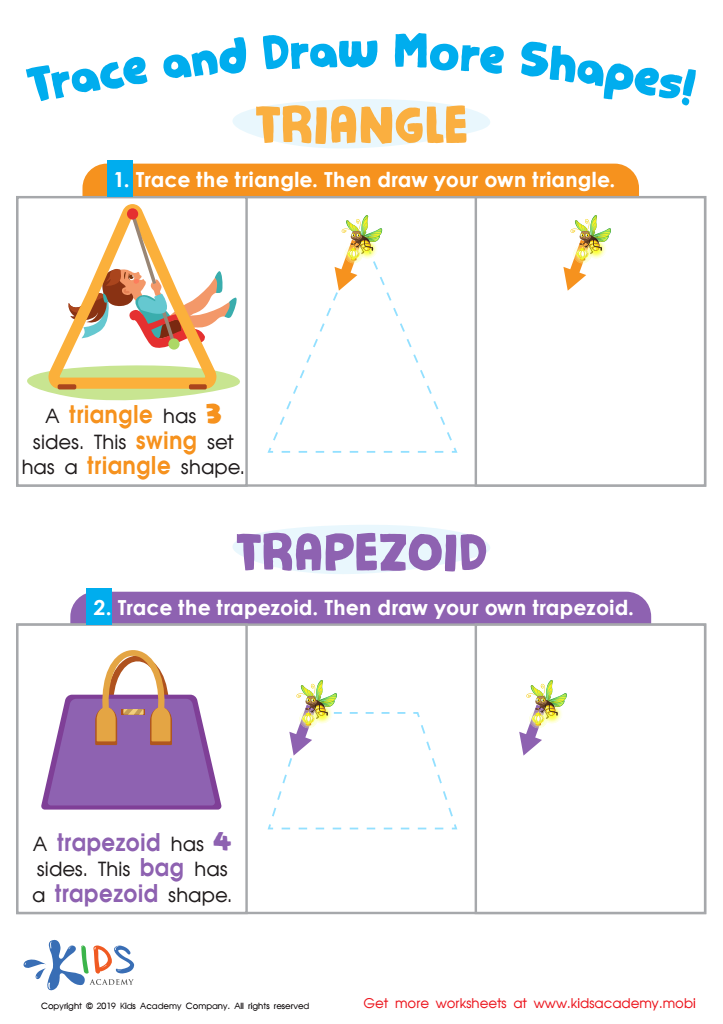
Trace and Draw More Shapes Worksheet
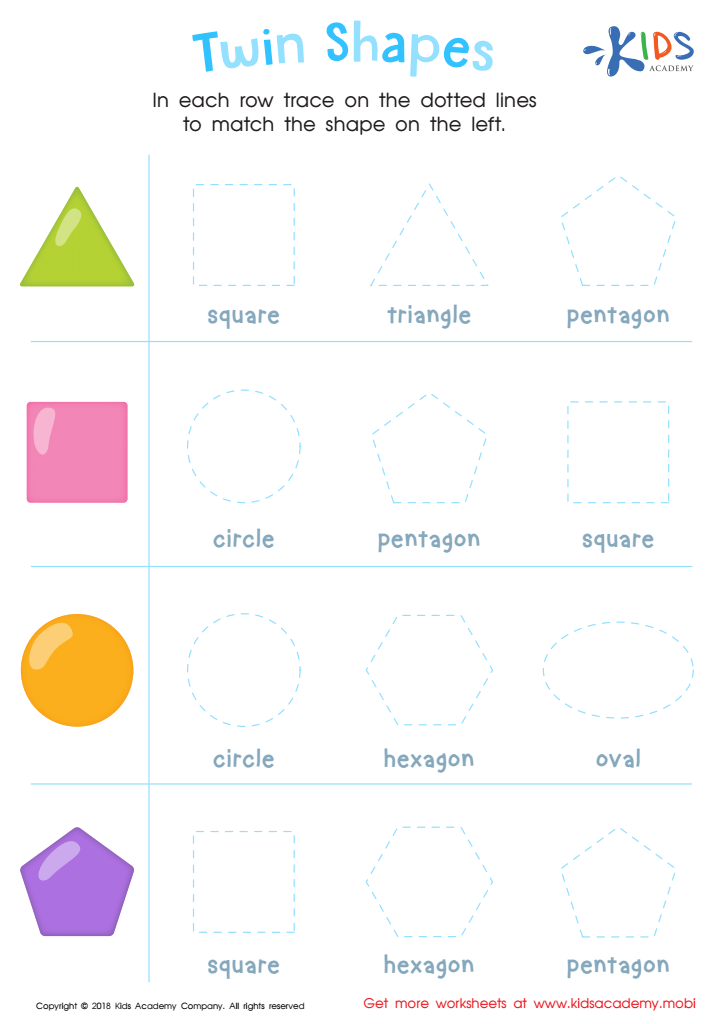
Twin Shapes Dot-to-Dot Worksheet
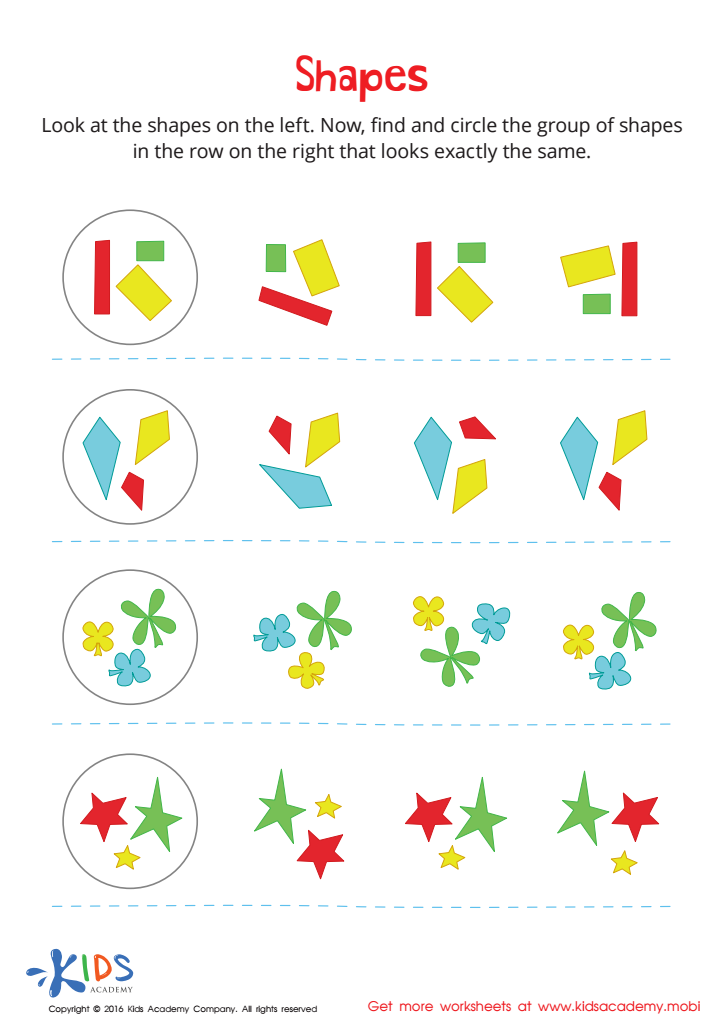
Shapes Worksheet








Extra Challenge 2D Shapes worksheets for 4-Year-Olds are an invaluable resource for young learners looking to expand their understanding of basic geometric concepts. At a critical stage of cognitive development, children are naturally curious and eager to explore the world around them. Introducing Extra Challenge worksheets on 2D Shapes tailors this learning journey to their growing capacities, offering more than just recognition of shapes. It encourages critical thinking, problem-solving, and the ability to differentiate and classify shapes based on various criteria.
For 4-year-olds, mastering the basics of 2D shapes lays the groundwork for more complex mathematical concepts. These Extra Challenge worksheets are designed with the young learner in mind, offering a perfect balance between learning and fun. Through engaging activities such as matching shapes, identifying differences, and even creating their own shapes, children develop fine motor skills alongside their cognitive abilities.
Moreover, the Extra Challenge 2D Shapes worksheets are specifically crafted to stretch the abilities of 4-year-olds just enough to keep them intrigued without causing frustration. This ensures that learning remains a positive experience, fostering a love for education and an eagerness to tackle new challenges. By incorporating these worksheets into their learning routine, parents and educators can provide their children with a robust foundation in geometry, setting them up for future success in math and beyond.