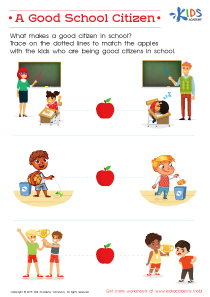
Extra Challenge Social Studies Worksheets for Ages 5-7
27 filtered results
-
From - To
Welcome to our "Extra Challenge Social Studies Worksheets for Ages 5-7!" Designed to engage and inspire young learners, these worksheets enhance social studies curricula with thoughtful, age-appropriate challenges. Children will explore essential themes such as community, culture, and geography through fun and interactive activities. Our expertly crafted worksheets promote critical thinking and reinforce key concepts while making learning enjoyable. Perfect for both classroom enrichment and at-home practice, these resources cater to eager young minds ready to dive deeper into the world around them. Empower your child’s curiosity and understanding of social studies with our exciting extra challenge worksheets today!
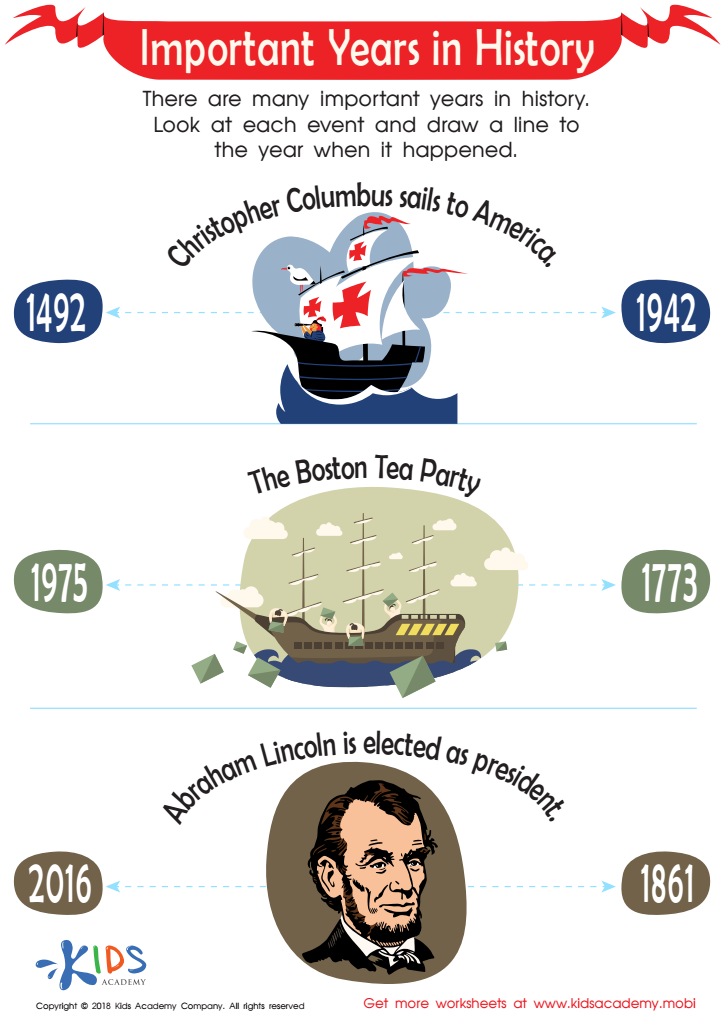
Important Years in History Worksheet
 Assign to My Students
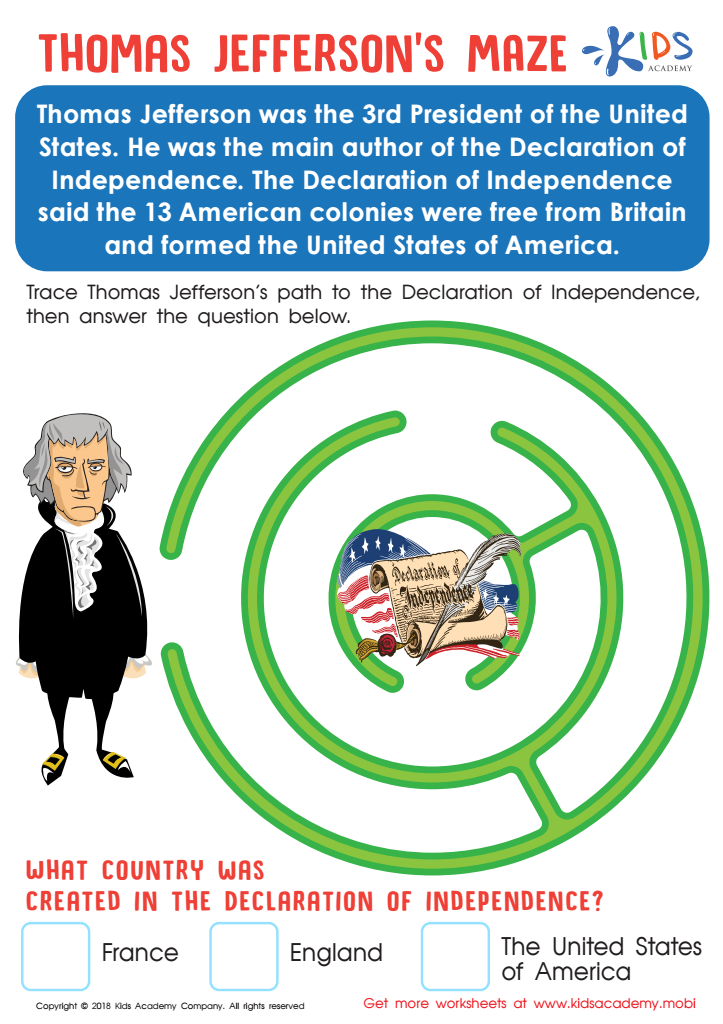
Thomas Jefferson's Maze Worksheet
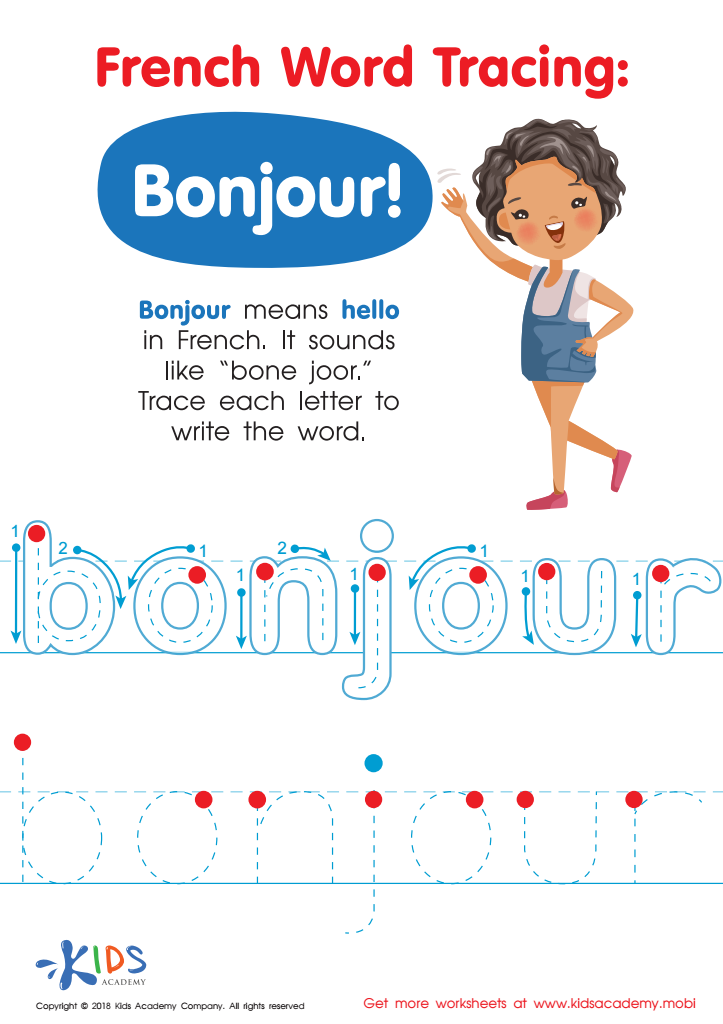
French Word Tracing: Bonjour Worksheet
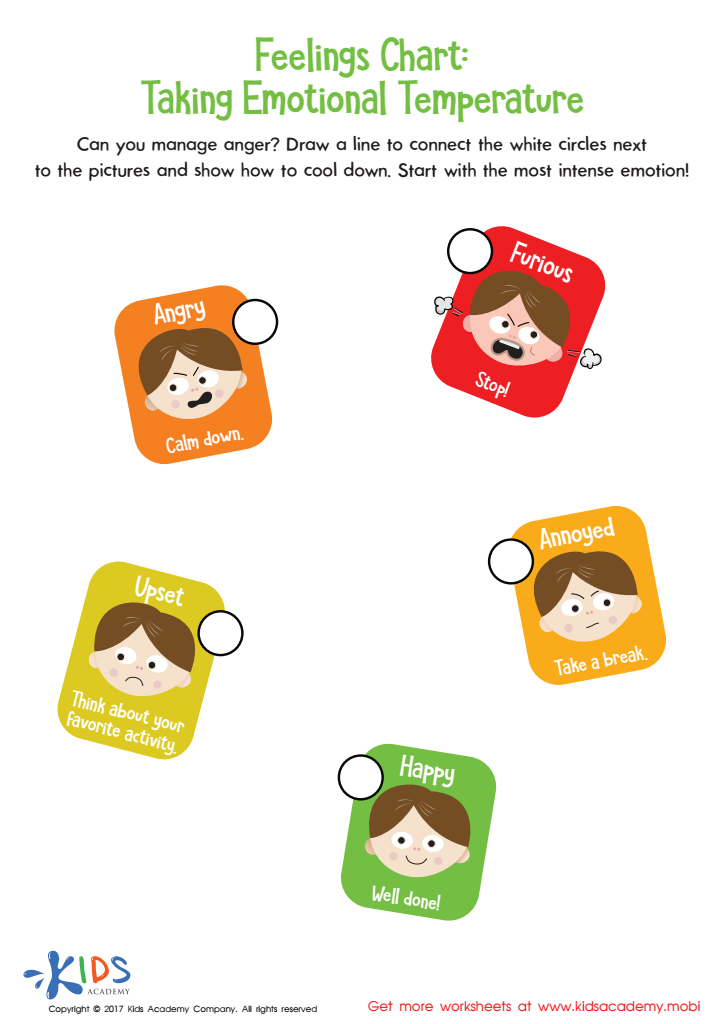
Feelings Chart Worksheet
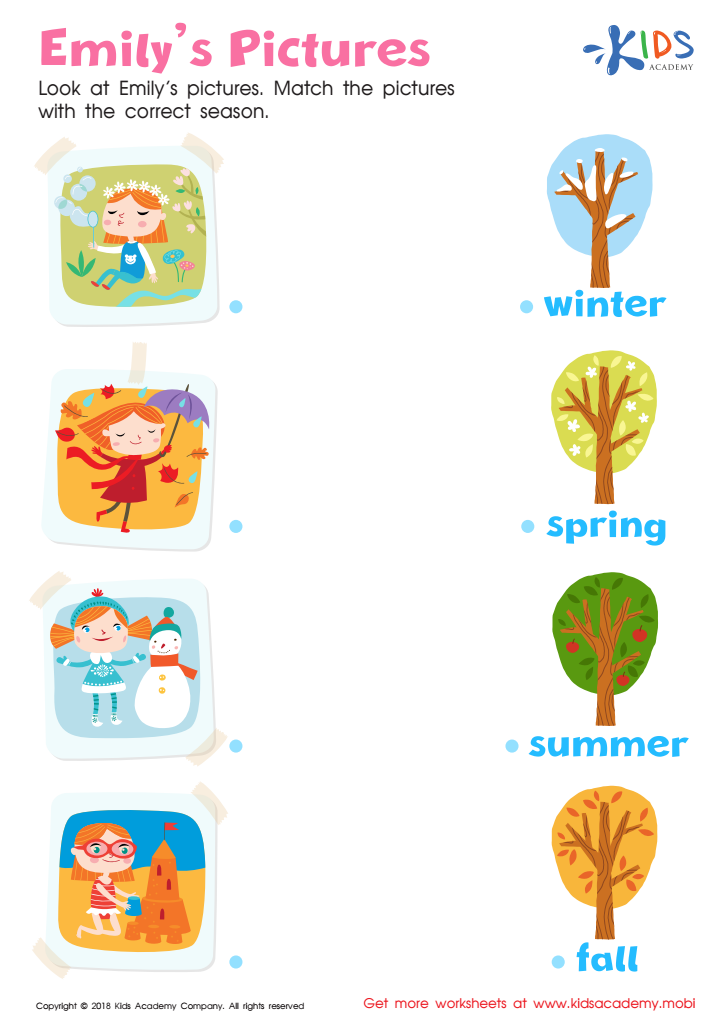
Emily's Pictures Worksheet
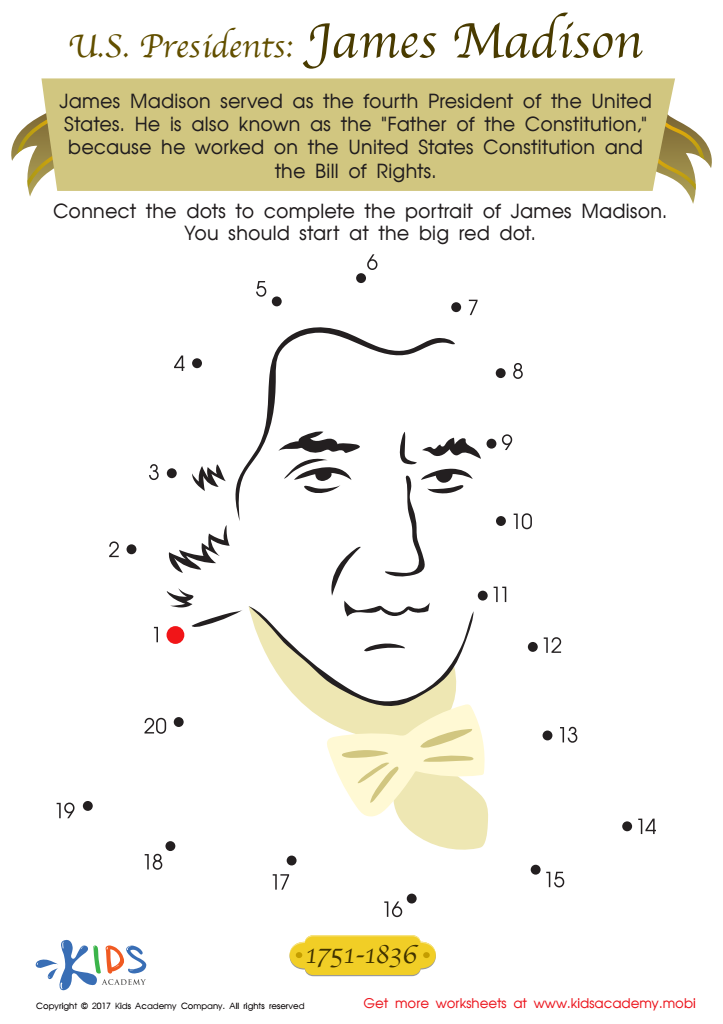
President Madison Printable
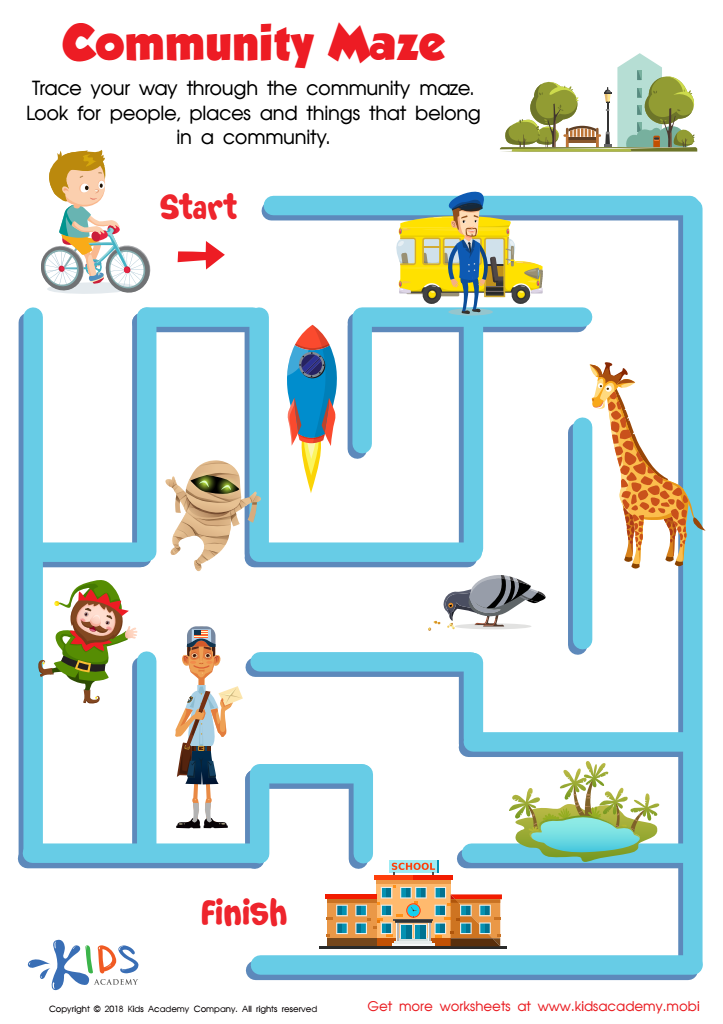
Community Maze Worksheet
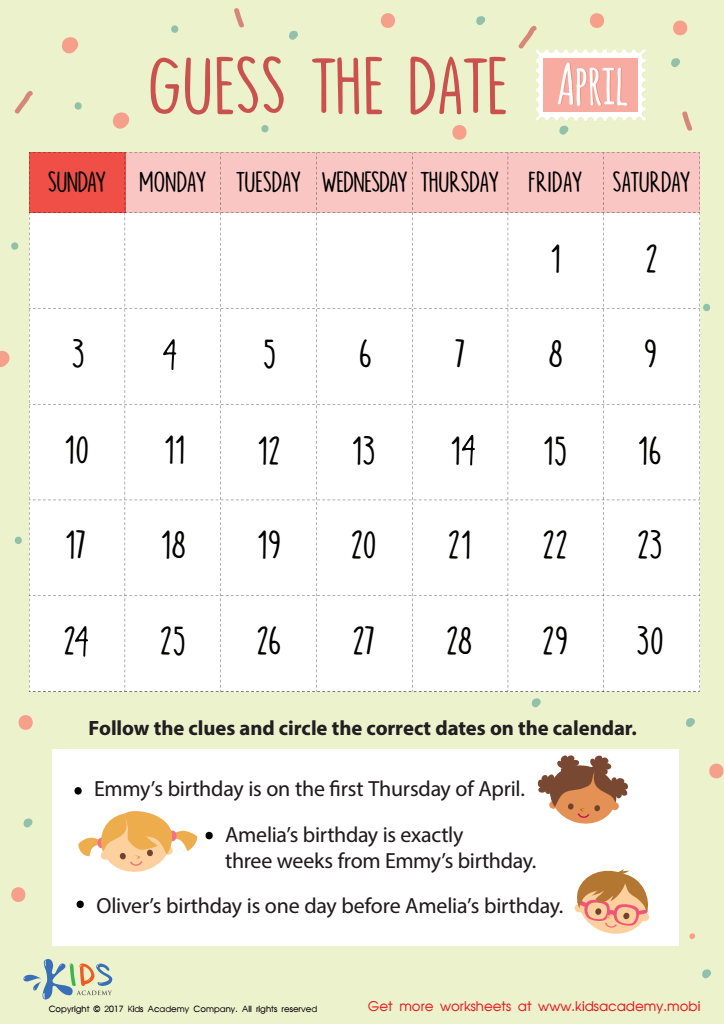
Guess the Date Worksheet
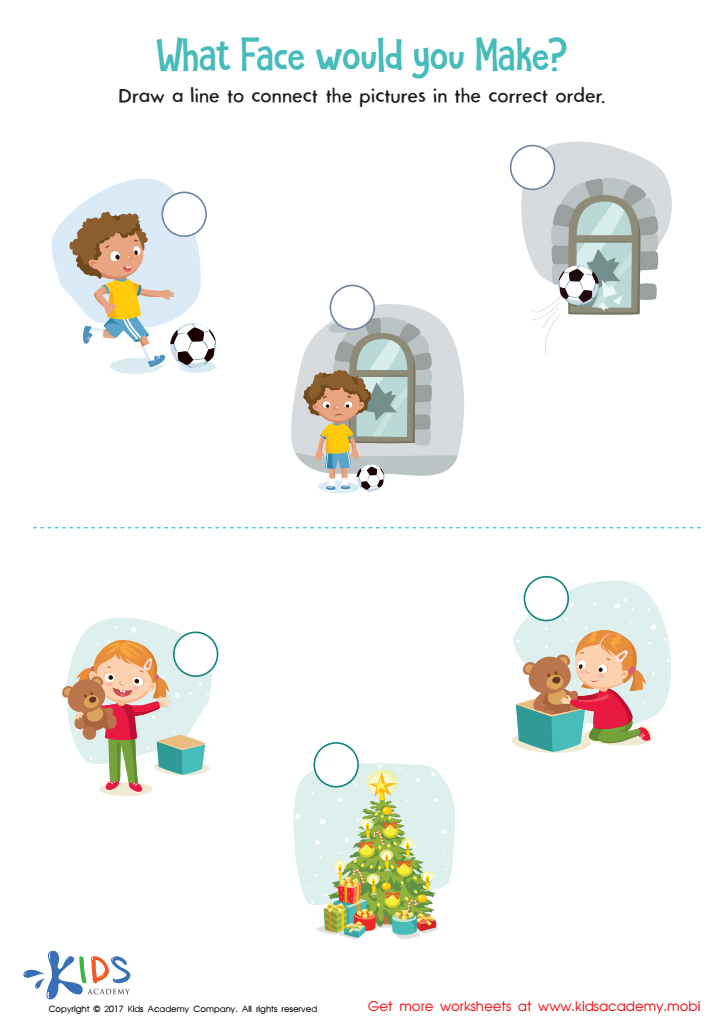
Understanding Emotions Worksheet
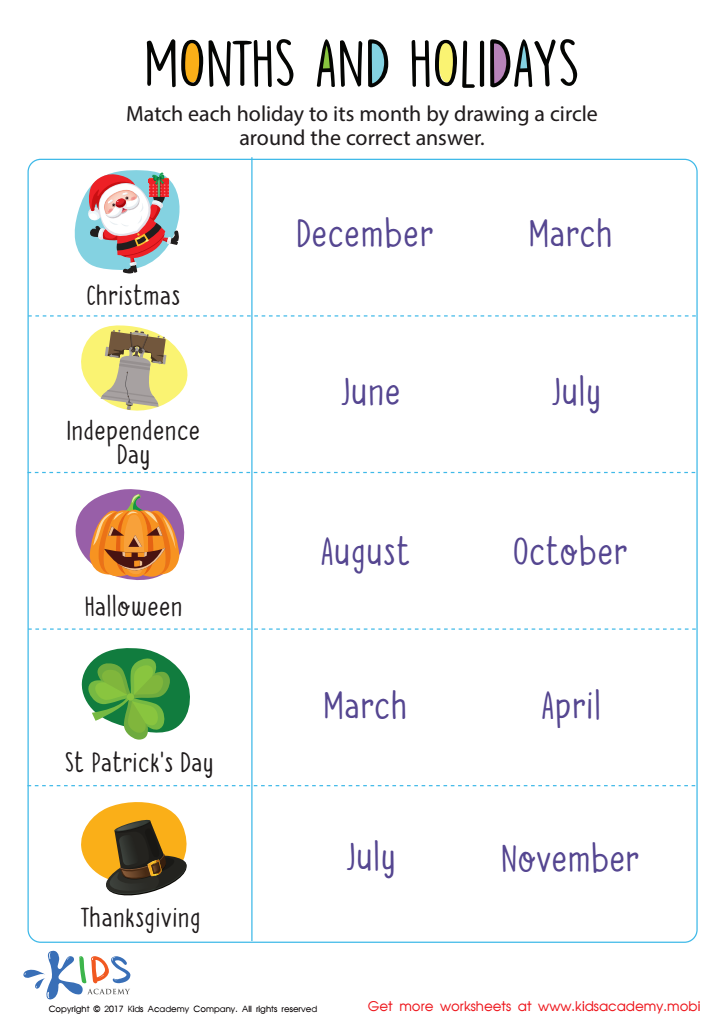
Months and Holidays Worksheet
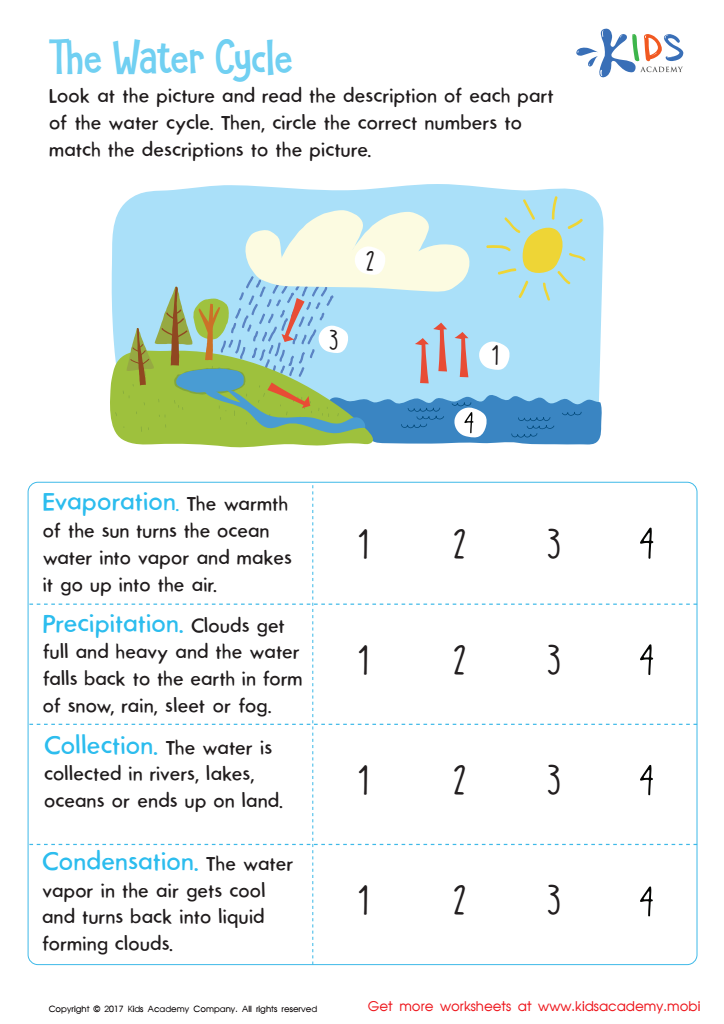
The Water Cycle Worksheet
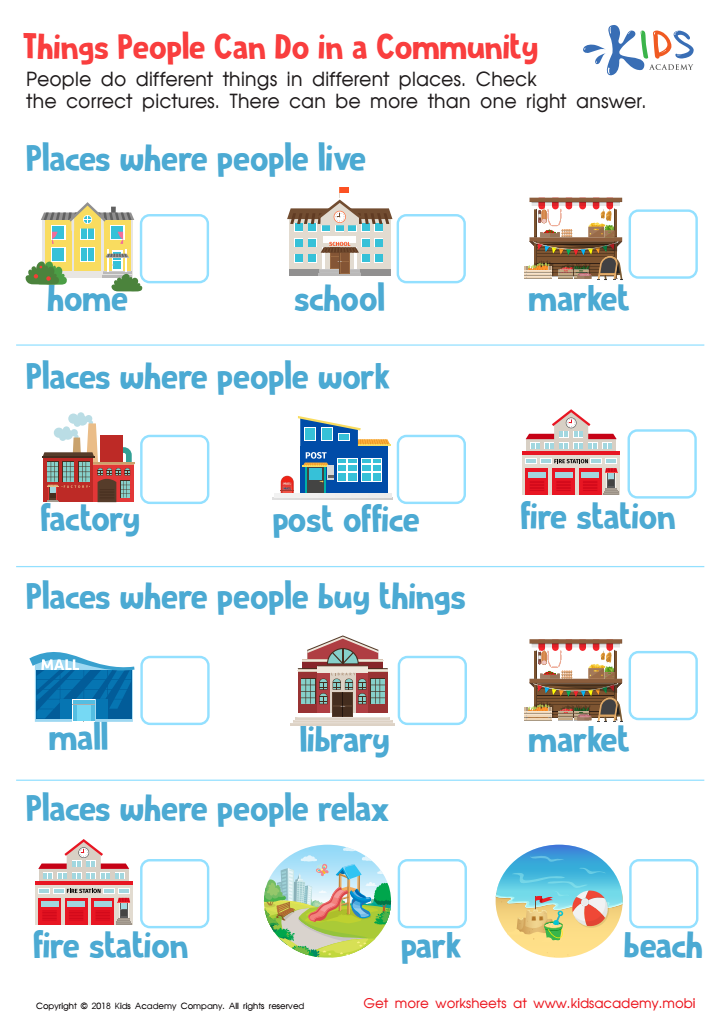
Things People Can Do in a Community Worksheet
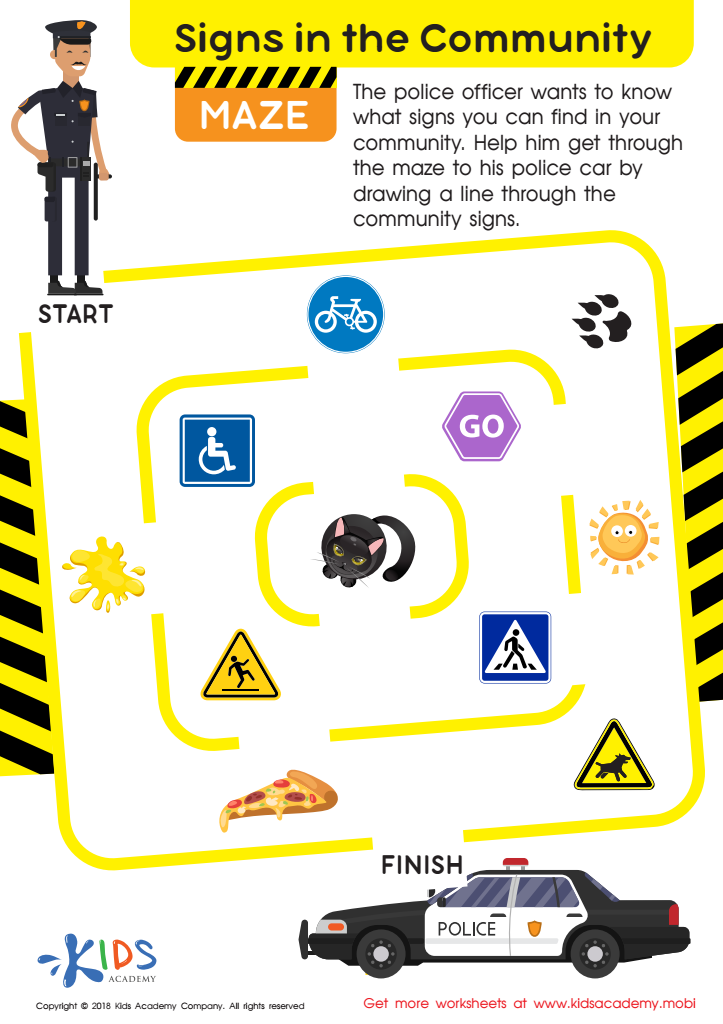
Signs in the Community: Maze Worksheet
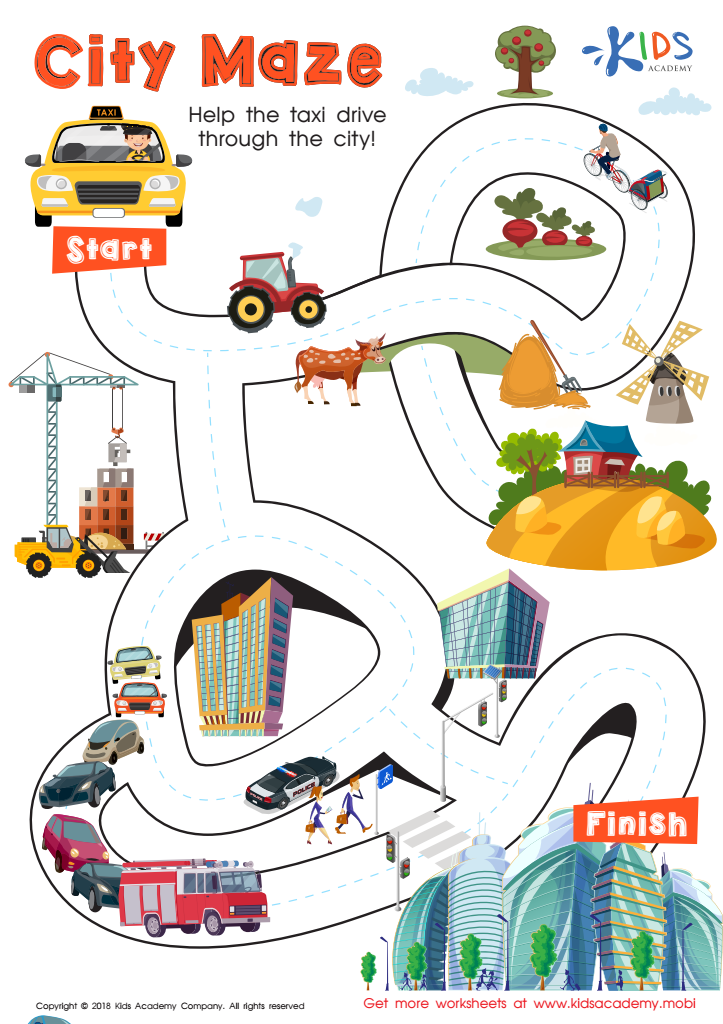
City Maze Worksheet
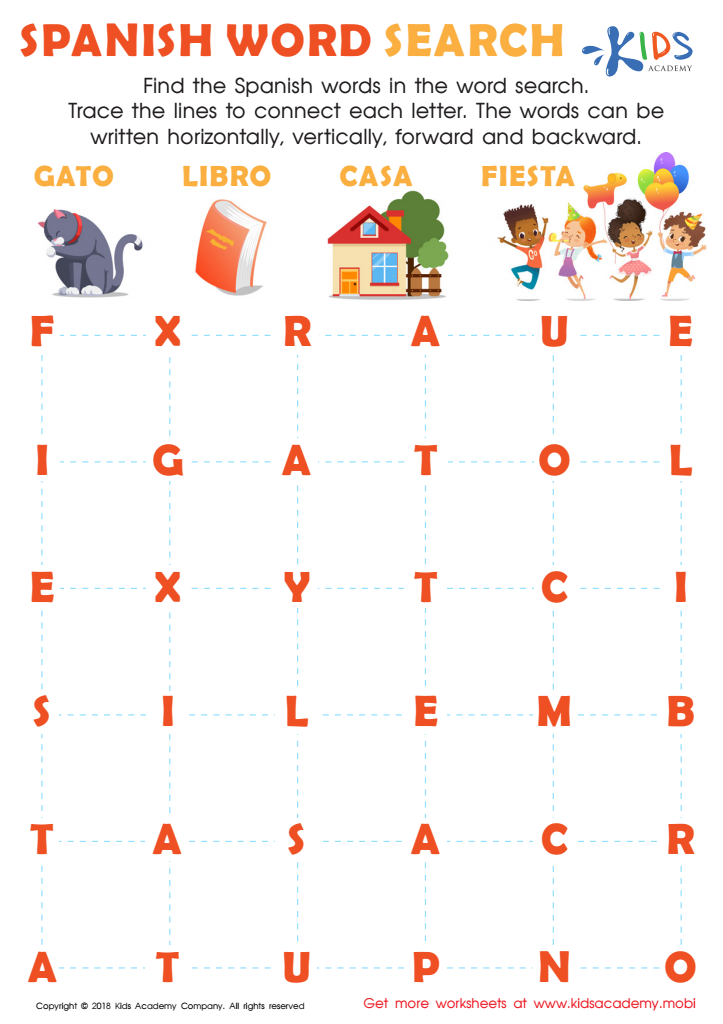
Spanish Word Search Worksheet
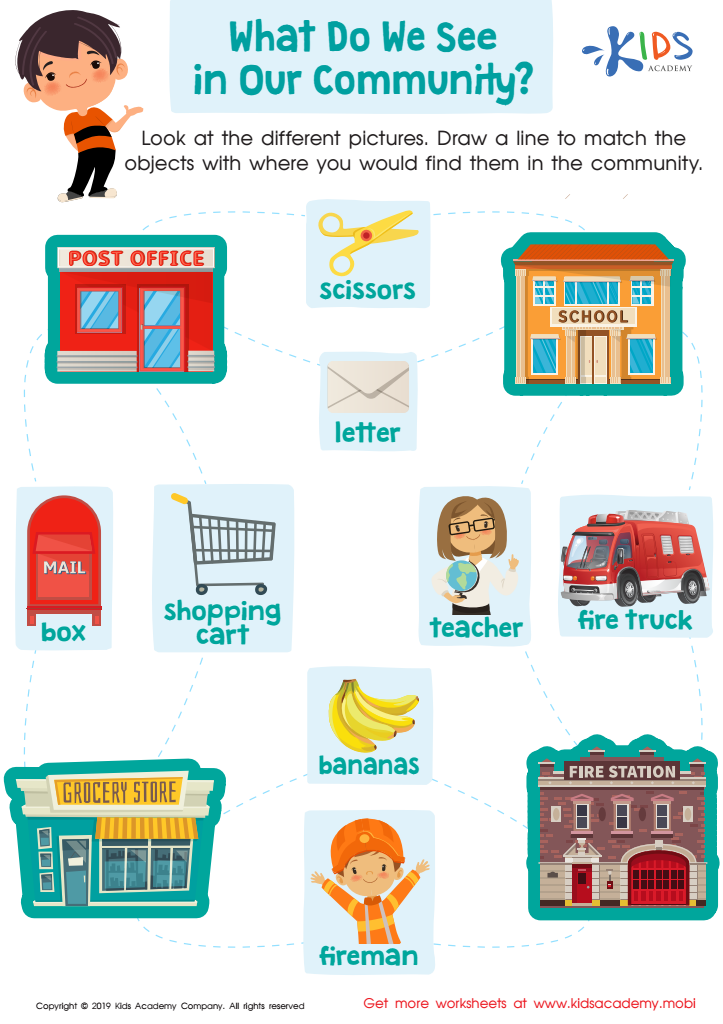
What Do We See in our Community? Worksheet
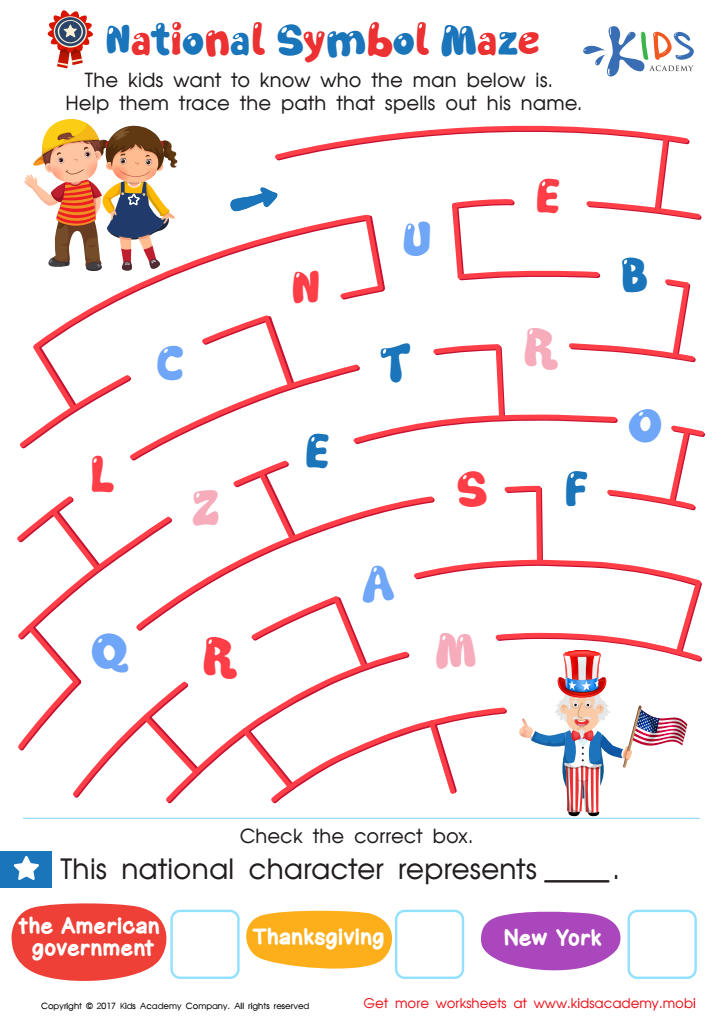
National Symbol Maze Worksheet
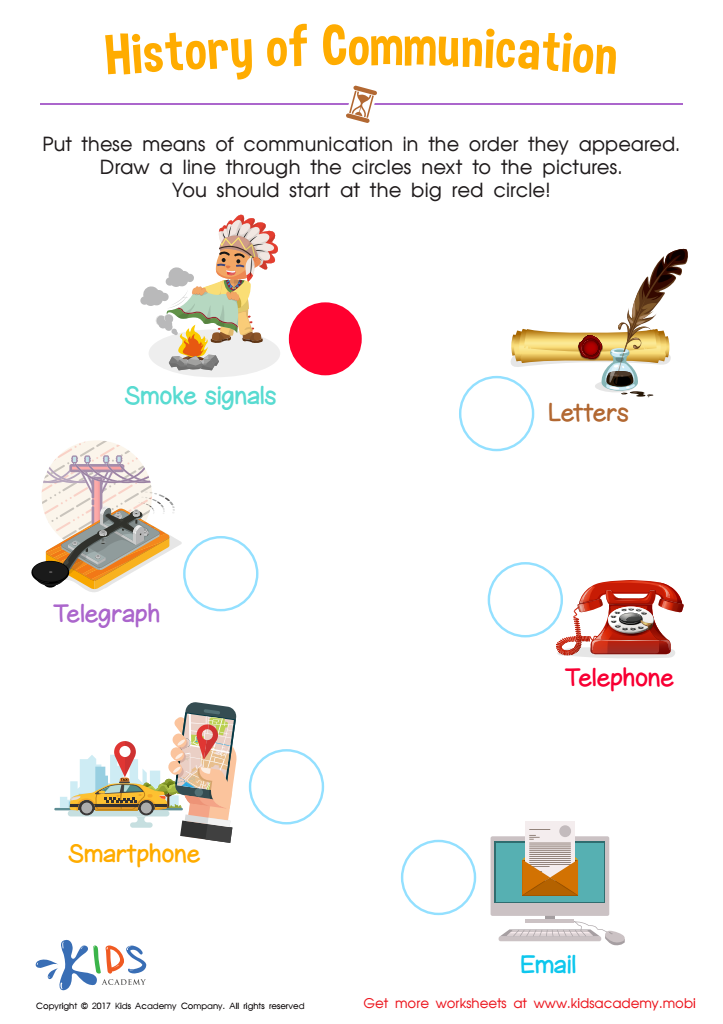
History of Communication Worksheet
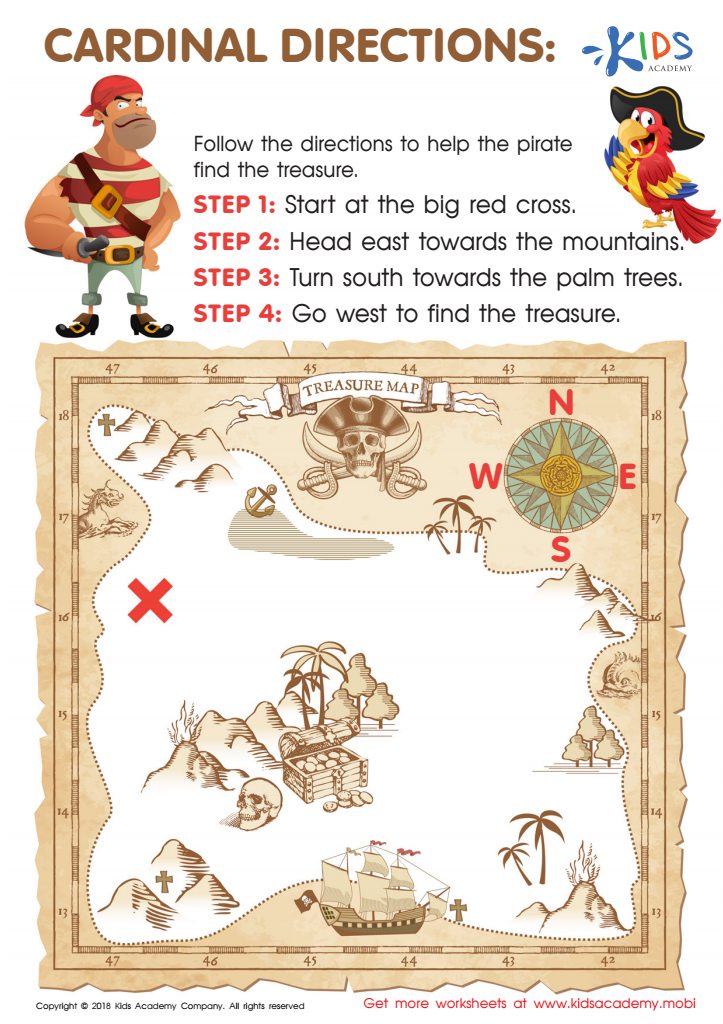
Cardinal Directions Treasure Map Maze Worksheet
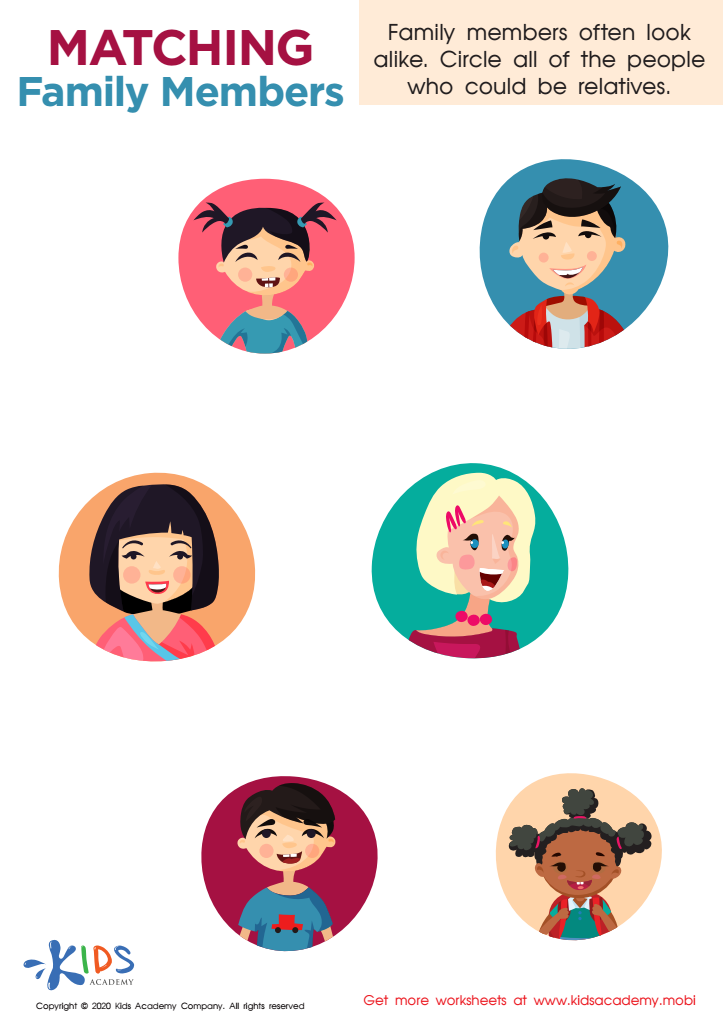
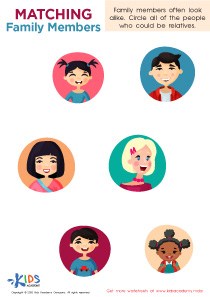
Matching Family Members Worksheet
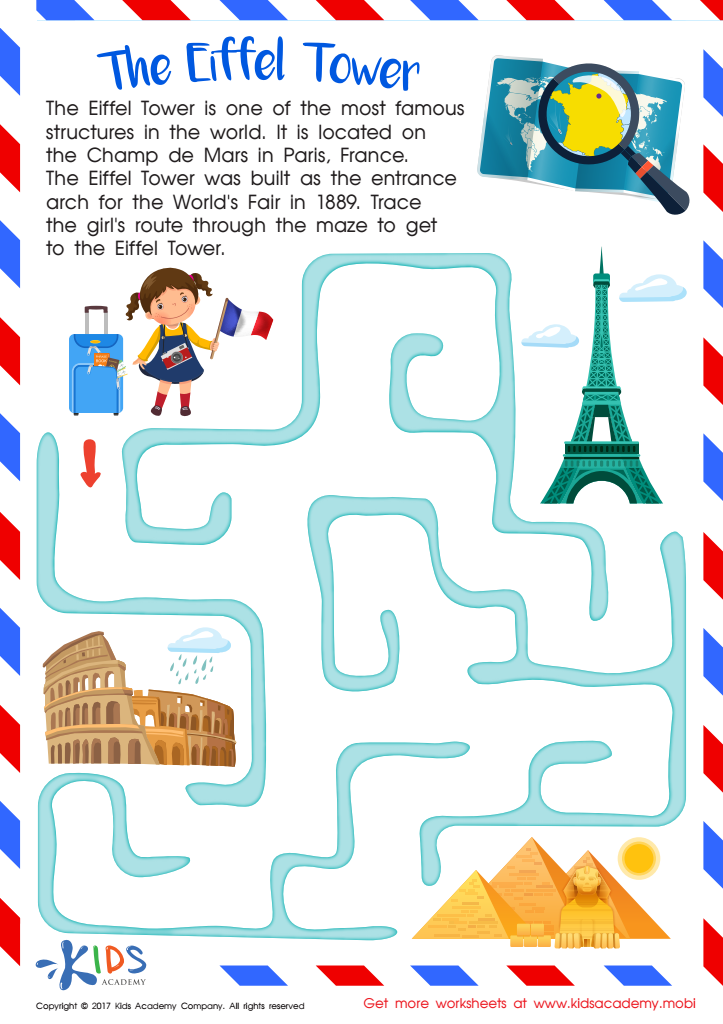
The Eiffel Tower Printable
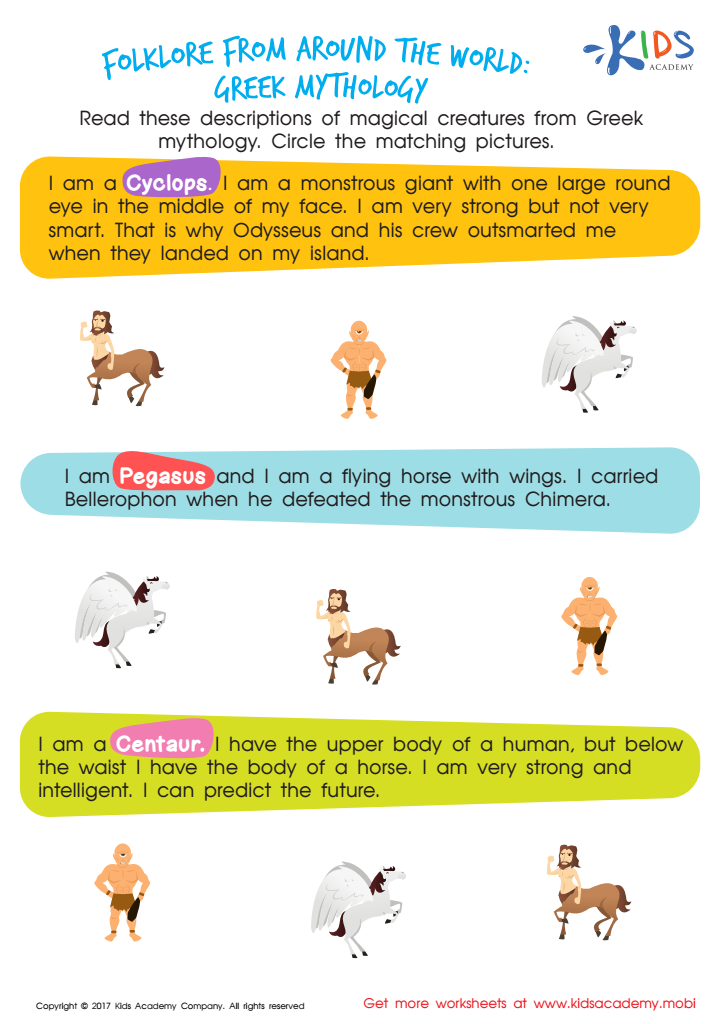
Greek Mythology Worksheet
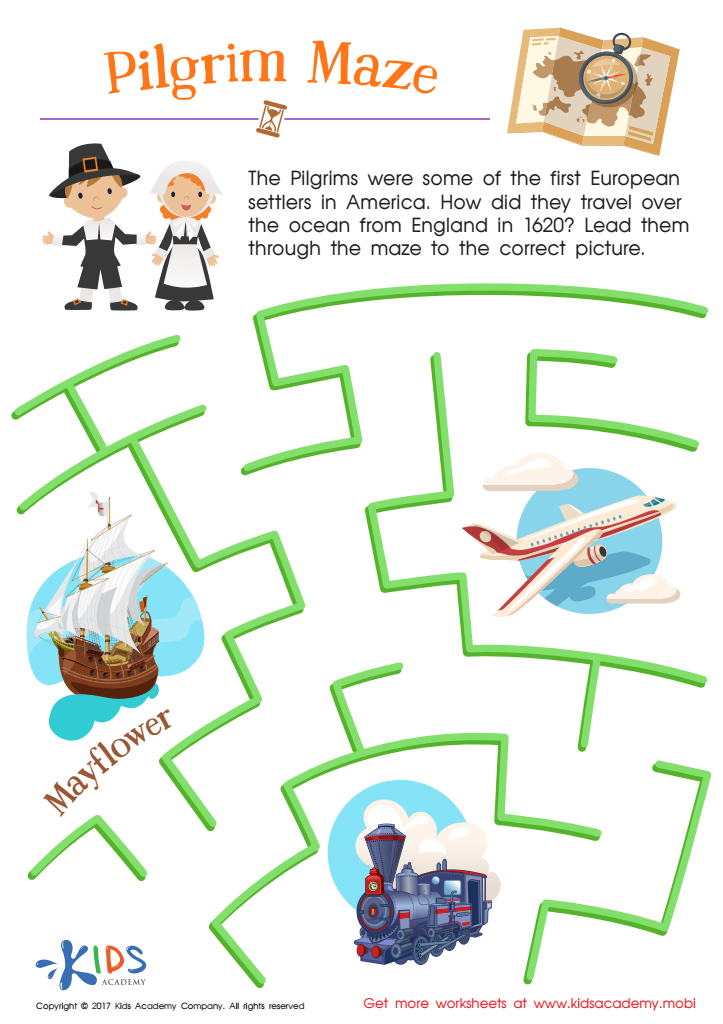
Pilgrim Maze Worksheet
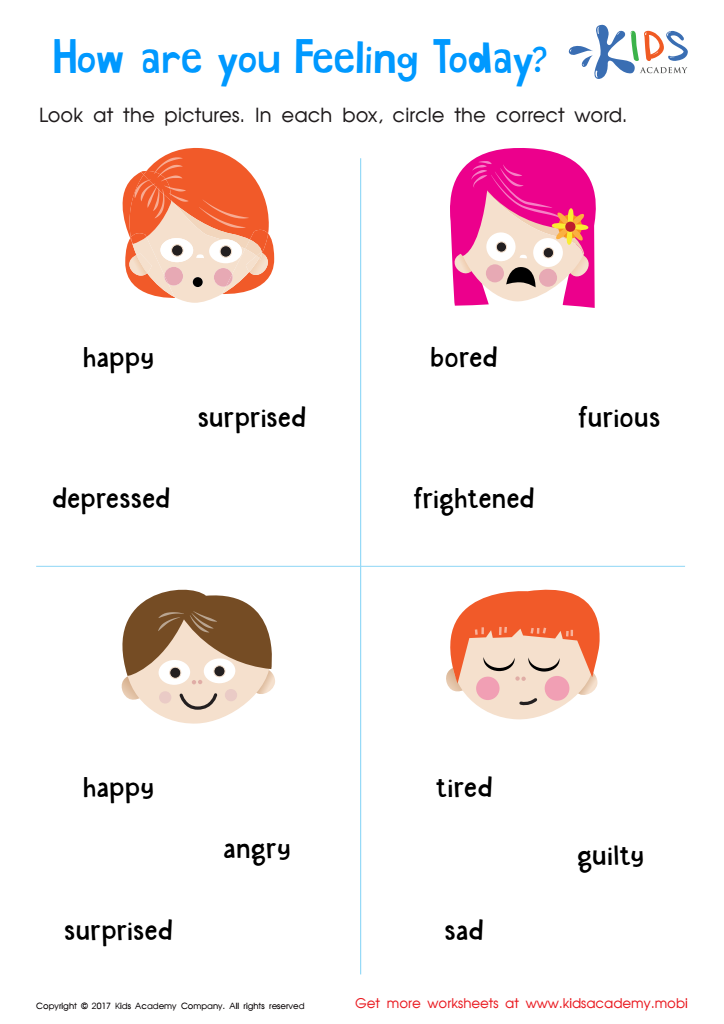
Understanding Feelings Worksheet








Parents and teachers should care about Extra Challenge Social Studies for Ages 5-7 because it plays a crucial role in developing young children's understanding of the world around them. At this formative stage, children are naturally curious and eager to learn about different cultures, communities, and historical events. A tailored program like Extra Challenge Social Studies nurtures this curiosity while fostering critical thinking, empathy, and social awareness.
Engaging children in social studies at an early age helps them build important skills, such as recognizing diverse perspectives, understanding societal roles, and developing a sense of civic responsibility. It provides them opportunities to connect lessons to their everyday lives, enriching their understanding of local and global contexts.
Moreover, effective social studies curricula incorporate hands-on activities that make learning enjoyable and relevant. These experiences not only solidify knowledge but also increase children's enthusiasm for school. By participating in these lessons, young learners can develop their communication skills, enhance their creativity, and improve decision-making. Ultimately, investing in Extra Challenge Social Studies prepares children for a more informed and engaged citizenship as they grow, making it essential for both parents and teachers to prioritize this educational component.