Extra Challenge Consonants Worksheets for Ages 5-9
5 filtered results
-
From - To
Engage your young learners with our "Extra Challenge Consonants Worksheets" tailored for ages 5-9! These worksheets are designed to enhance consonant recognition and phonetic skills through fun and interactive activities. Your students will explore various consonant sounds, practice writing, and complete creative exercises that reinforce their understanding of the alphabet. Ideal for both classroom use and at-home learning, these engaging challenges help build a solid foundation in early literacy. With colorful visuals and age-appropriate tasks, children will enjoy mastering consonants while developing critical thinking skills. Download today and watch their confidence soar as they conquer consonant challenges with excitement!
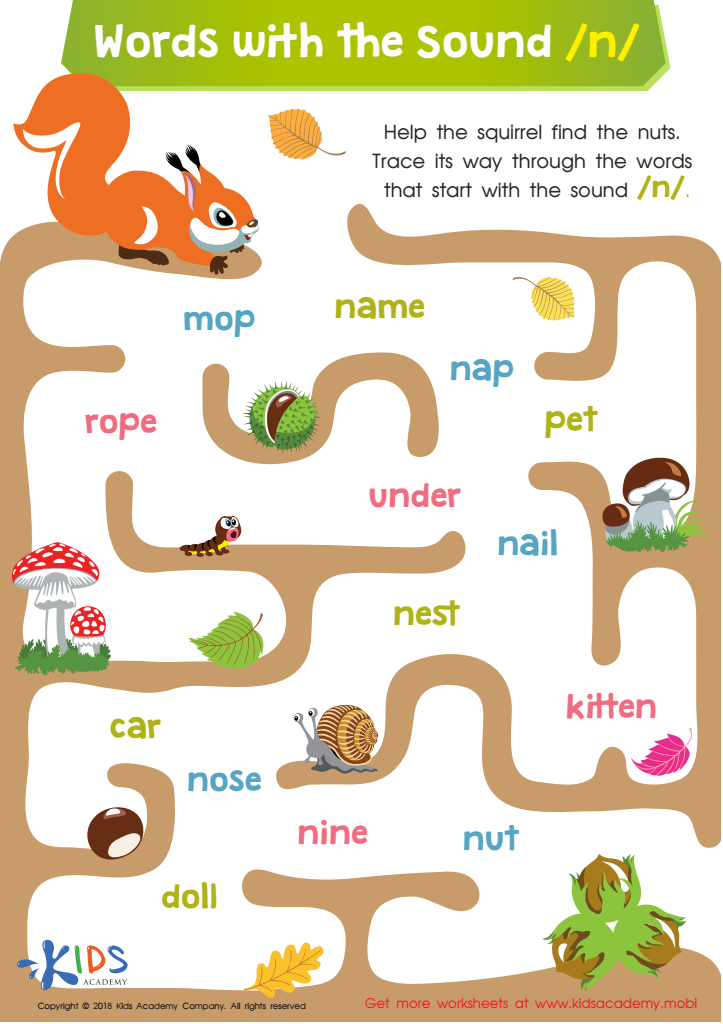
Words with Sound N Reading Worksheet
 Assign to My Students
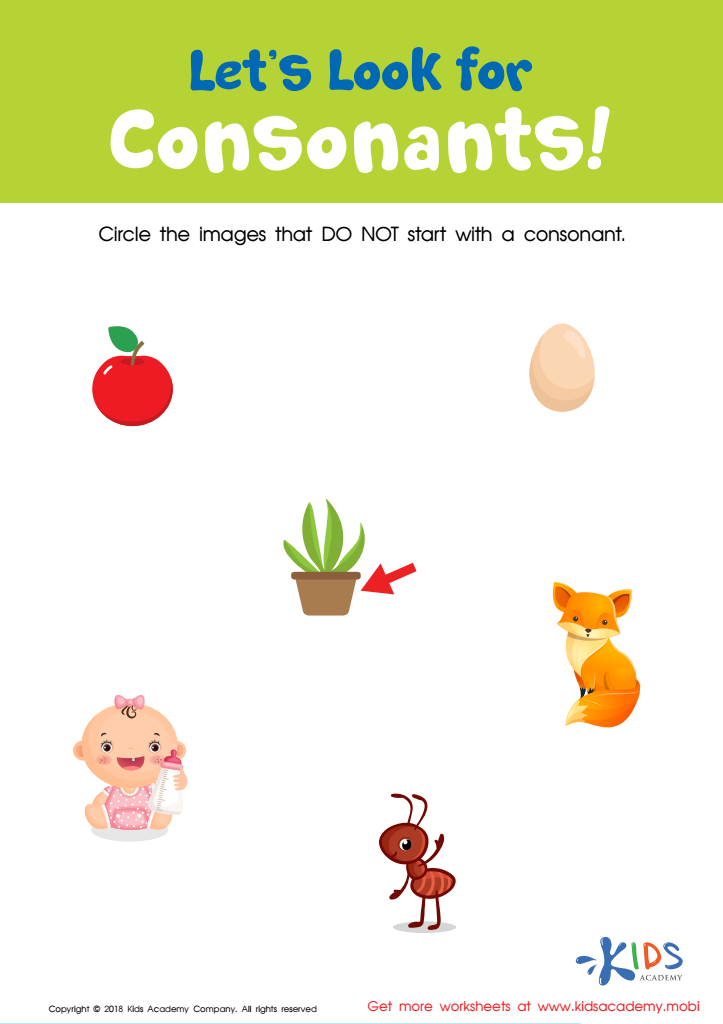
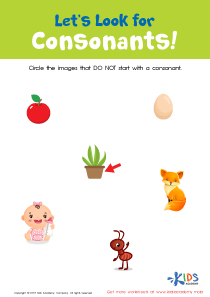
Let's Look for Consonants Worksheet
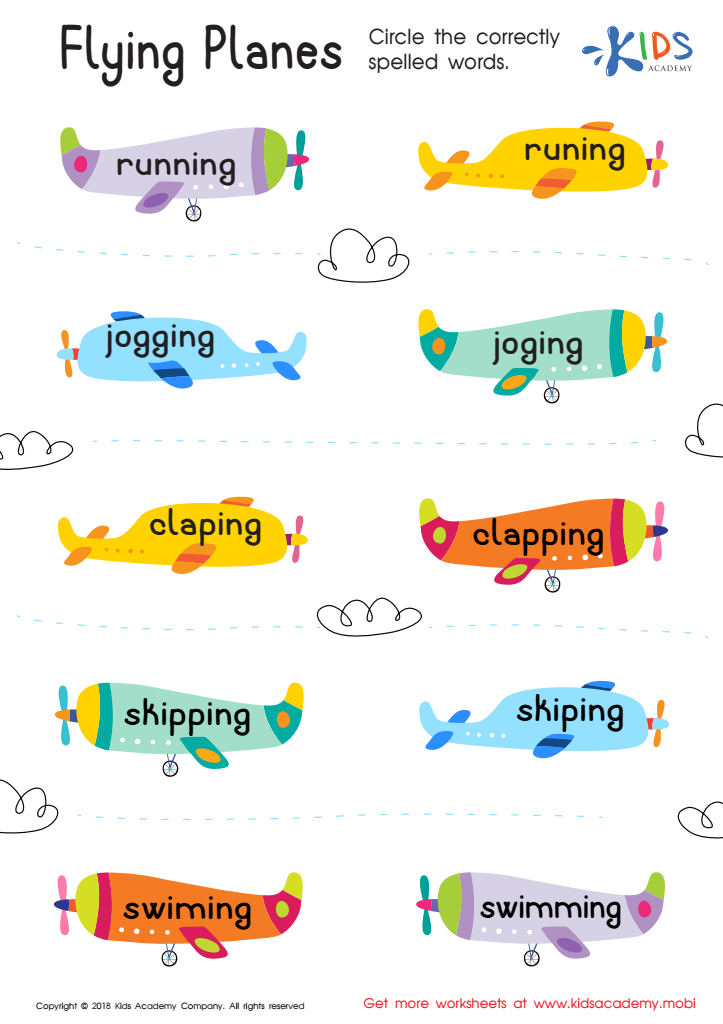
Flying Planes Worksheet
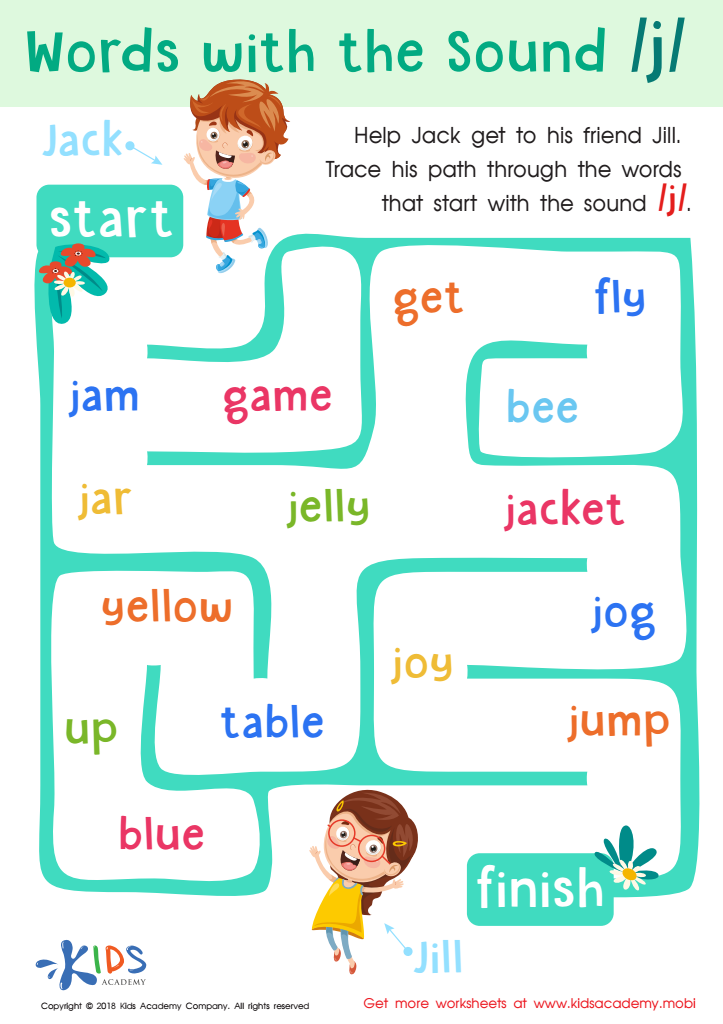
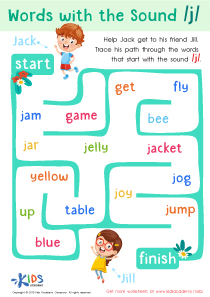
Words with sound j Reading Worksheet
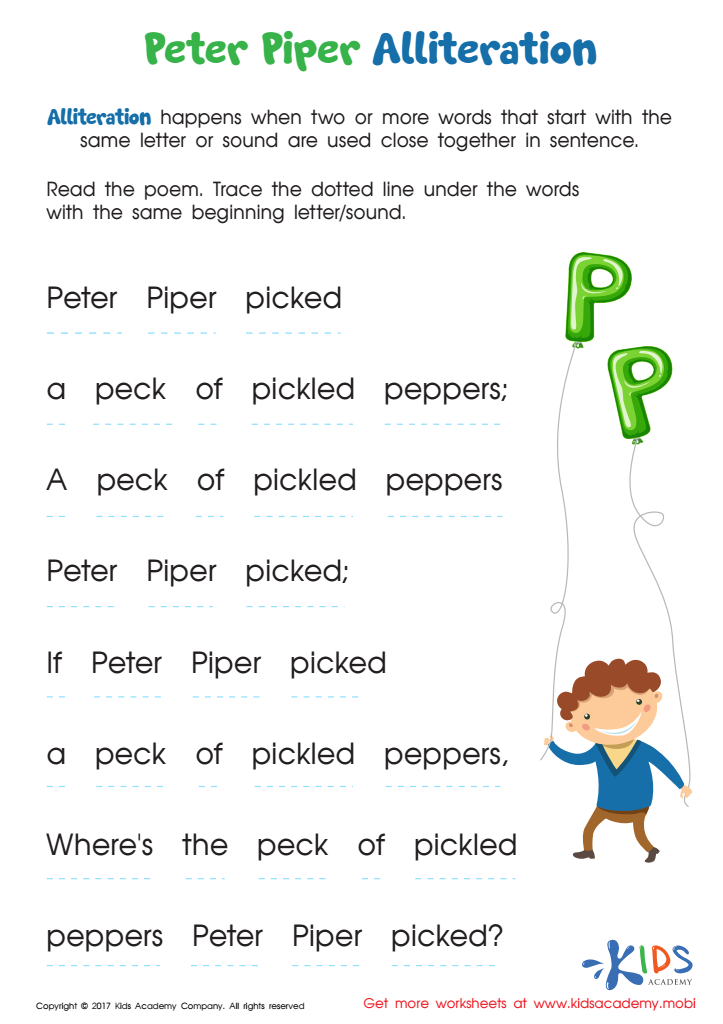
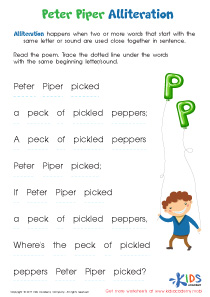
Peter Piper Alliteration Worksheet



Parents and teachers should care about Extra Challenge Consonants for ages 5-9 because these phonetic elements play a crucial role in early literacy development. Focusing on consonants enhances children's ability to decode words, which lays the foundation for reading fluency and comprehension. Understanding how to recognize and articulate challenging consonant sounds, such as blends (like "st" in "stand") or digraphs (like "sh" in "shoe"), can significantly boost a child's confidence and interest in reading.
Moreover, extra practice with consonants encourages linguistic versatility, enabling children to explore a wider array of vocabulary. This leads to a richer language experience, essential for effective communication and academic success. As children become more adept at phonics, they are more likely to enjoy reading, making it a lifelong skill rather than a chore.
Additionally, targeted attention to consonants can help identify and address specific language difficulties early on, making interventions more effective. By implementing engaging activities surrounding Extra Challenge Consonants, adults can support children's cognitive and social development, nurturing a positive attitude towards learning that benefits them well beyond the classroom. Investing time in this area ultimately promotes a stronger foundation for future language acquisition and literacy skills.