Extra Challenge Numbers 11–20 Worksheets for Ages 5-9
3 filtered results
-
From - To
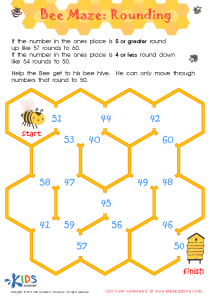
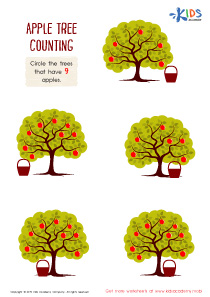
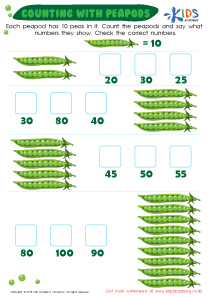
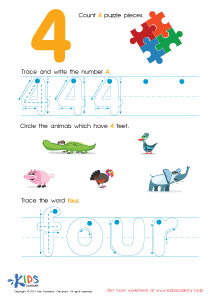
Discover our “Extra Challenge Numbers 11–20 Worksheets for Ages 5-9”! Perfectly designed for young learners, these engaging worksheets take them beyond simple counting. Kids will enhance their number skills through various fun and challenging activities, including sequencing, comparing, and simple math problems. Tailored to support early math proficiency, this resource boosts confidence and brain development. Whether at home or in the classroom, our worksheets provide a solid foundation for future math success. Download now and watch your child excel with numbers 11–20 through engaging practice and interactive learning. Perfect for ages 5-9!
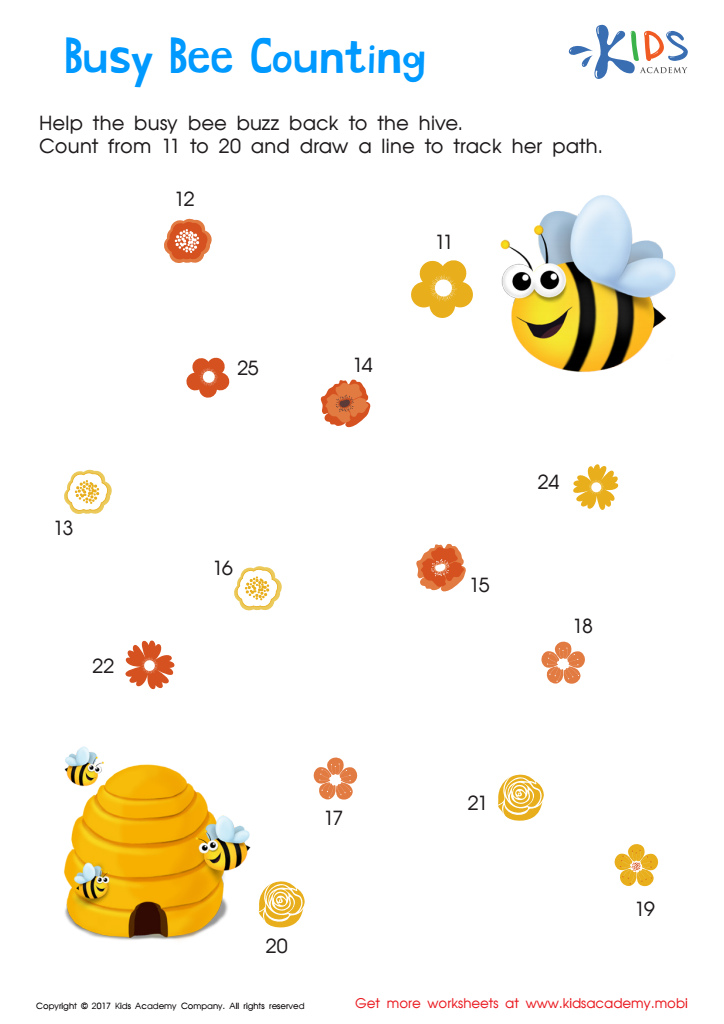
Ordering 11–20: Busy Bee Counting Worksheet
 Assign to My Students
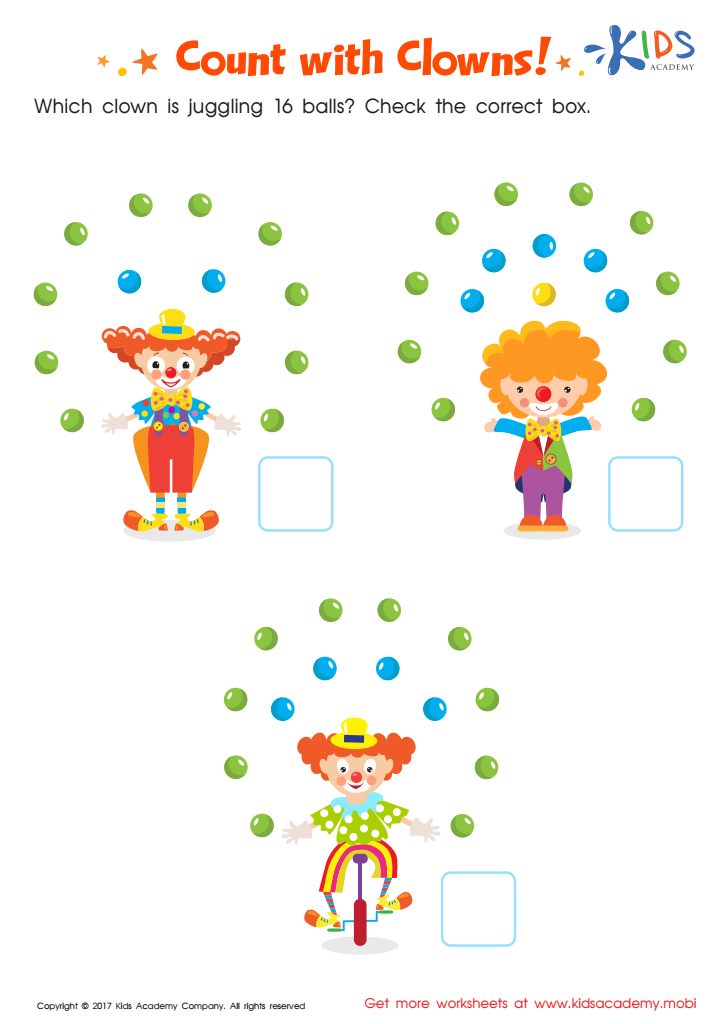
Count with Clowns Worksheet



Extra Challenge Numbers 11-20 for ages 5-9 are a crucial educational tool for developing foundational mathematical skills. Parents and teachers should care about these activities because they serve as a vital bridge between simple counting and more complex arithmetic operations. Mastering numbers beyond 10 can help young children understand number sequences, numerical hierarchies, and place value, all of which are key for later math success.
For many children, this age range represents a period of remarkable cognitive development, where they transition from understanding empirical concepts to grasping more abstract ideas. Number challenges help reinforce pattern recognition and memory, aiding in the development of problem-solving skills. Moreover, these activities often incorporate visual and tactile elements making the learning process engaging and individualized.
On a social-emotional level, early success in mastering challenging number concepts can build a child's confidence and foster a positive attitude towards learning mathematics. When children feel competent and supported, their willingness to tackle more difficult problems increases. For teachers, structured number challenges can easily be integrated into a broader curriculum and provide meaningful insights into each child's understanding and progression. For parents, these activities can offer enjoyable and meaningful ways to engage with their child's learning journey. In summary, focused challenges on numbers 11-20 help establish a solid numeracy foundation, motivating children to discover the joys of mathematical exploration.