Extra Challenge Chess Worksheets for Ages 6-8 - Page 2
37 filtered results
-
From - To
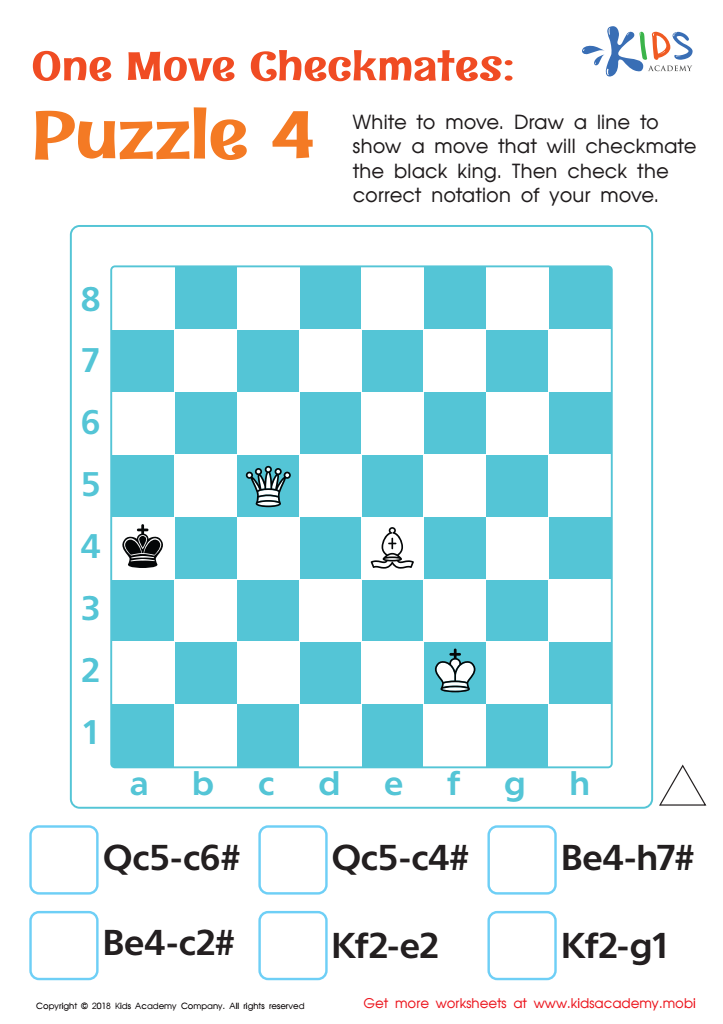
One Move Checkmates: Puzzle 4 Worksheet
 Assign to My Students
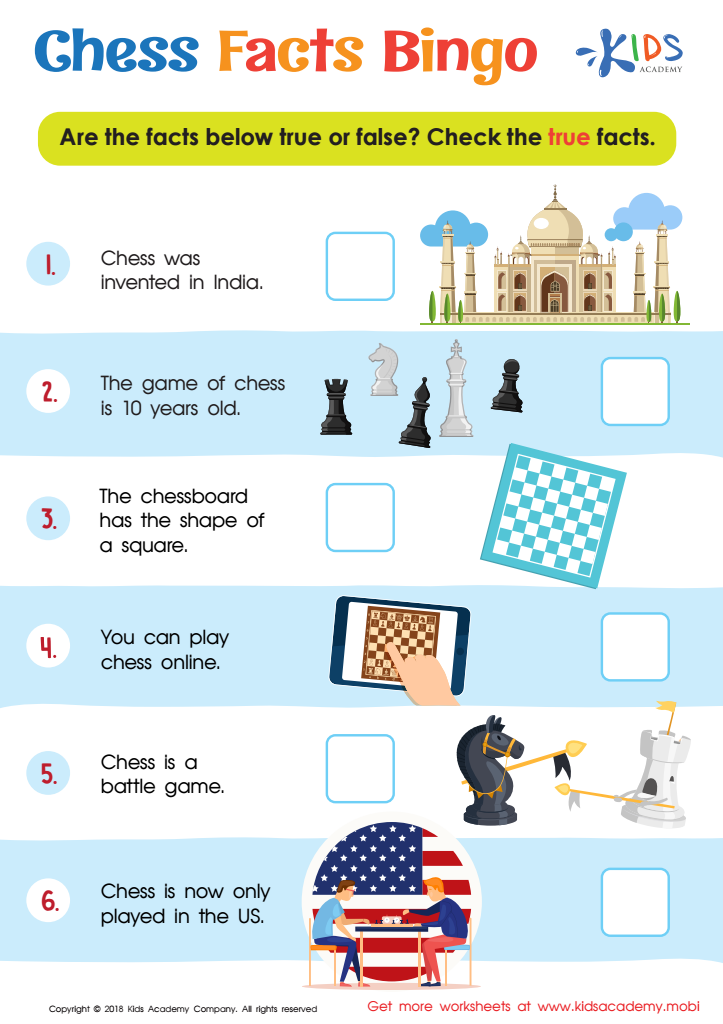
Chess Facts Bingo Worksheet
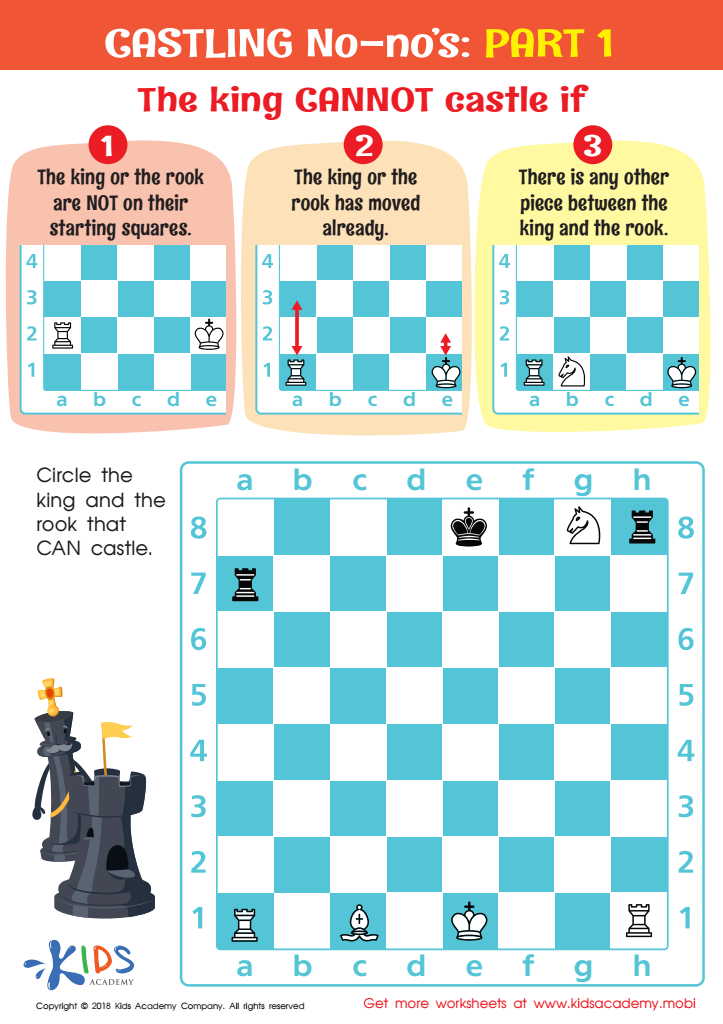
Castling No–no's: Part 1 Worksheet
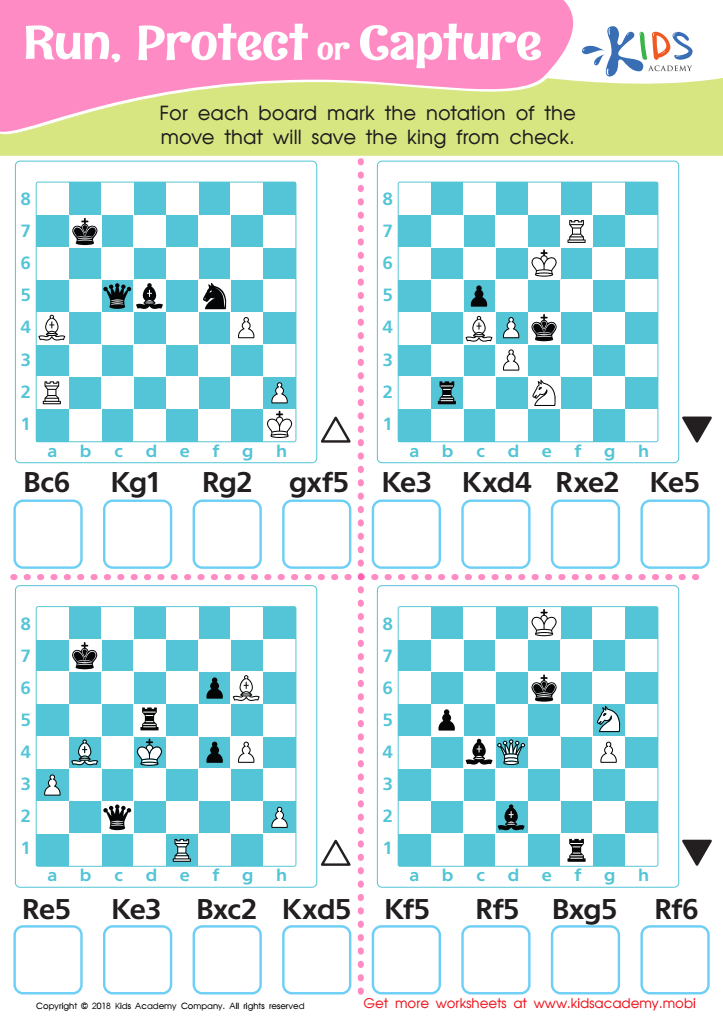
Run, Protect or Capture Worksheet
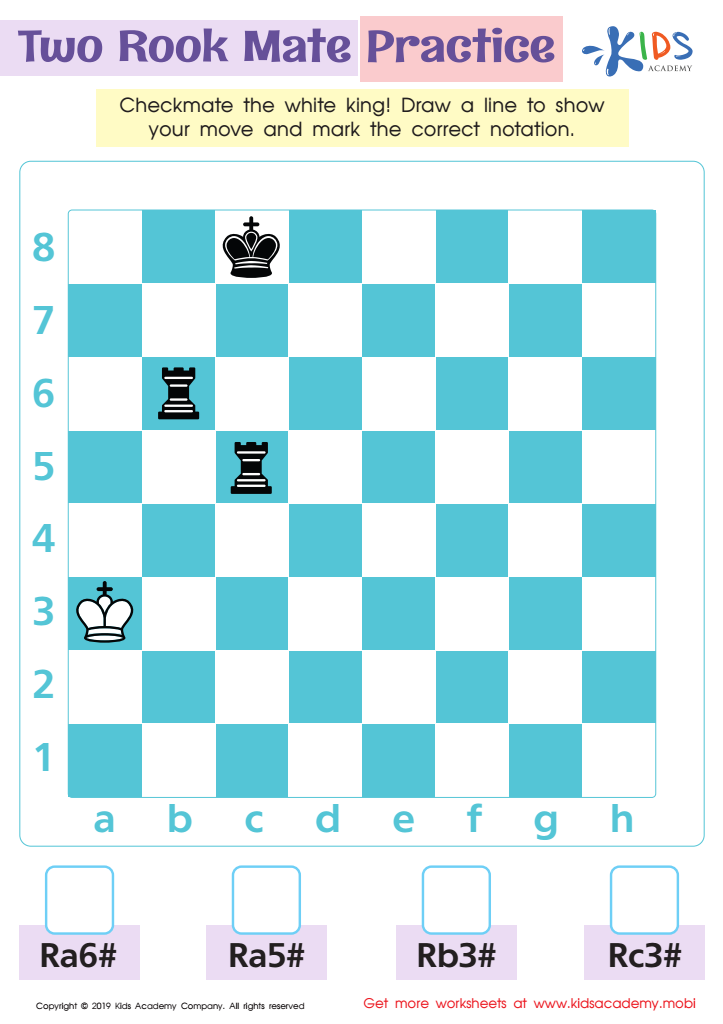
Two Rook Mate Practice Worksheet
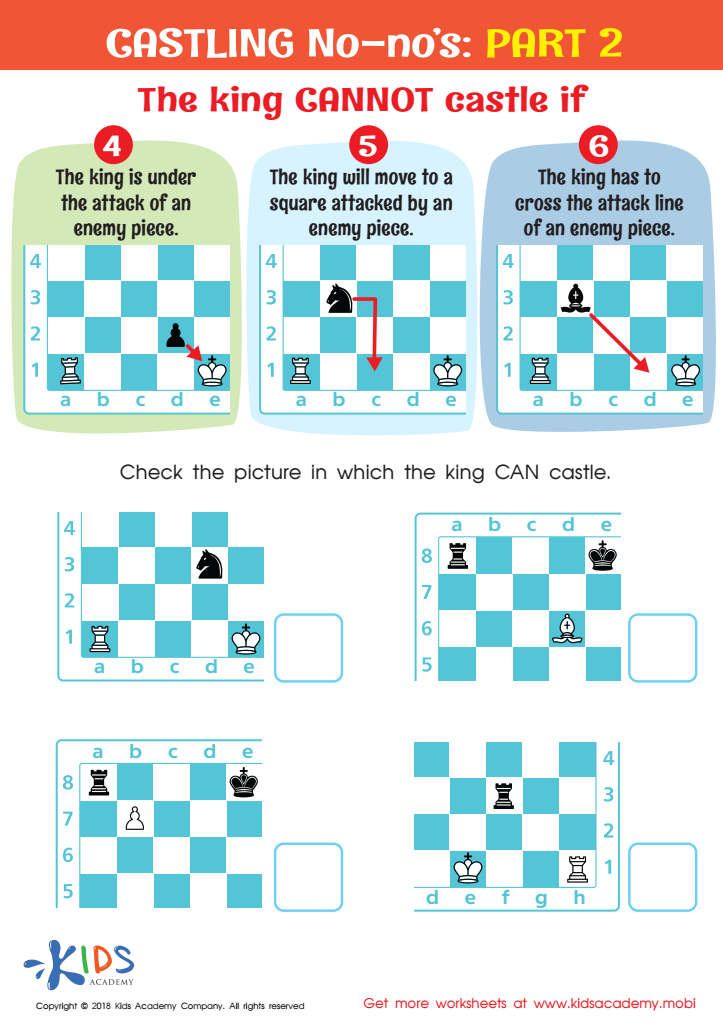
Castling No - no's: Part 2 Worksheet
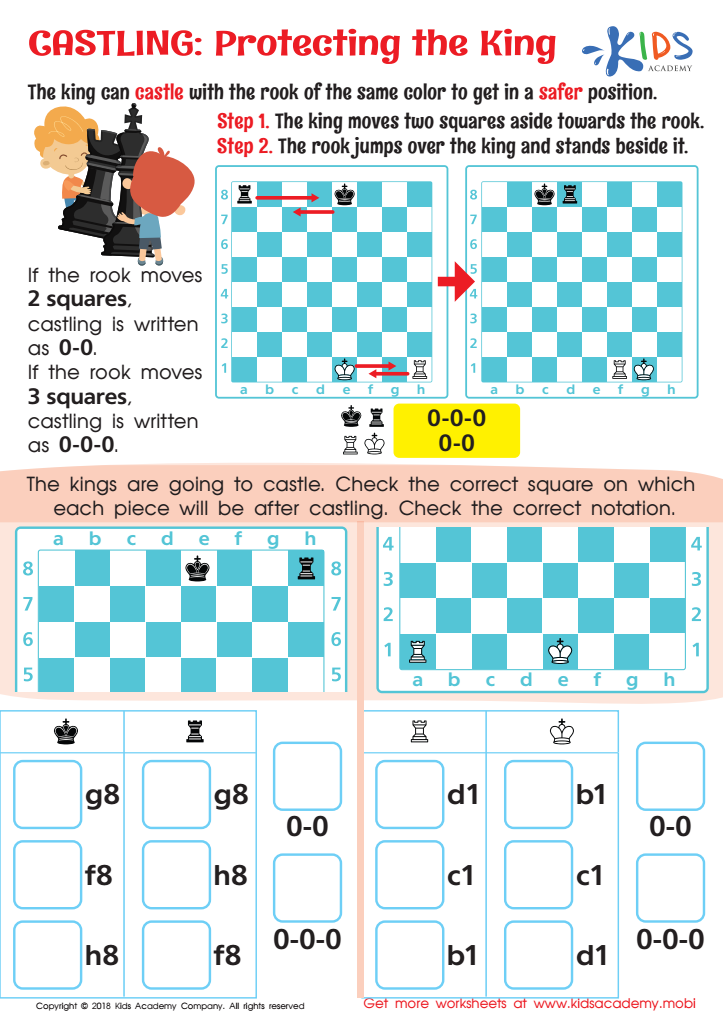
Castling: Protecting the King Worksheet
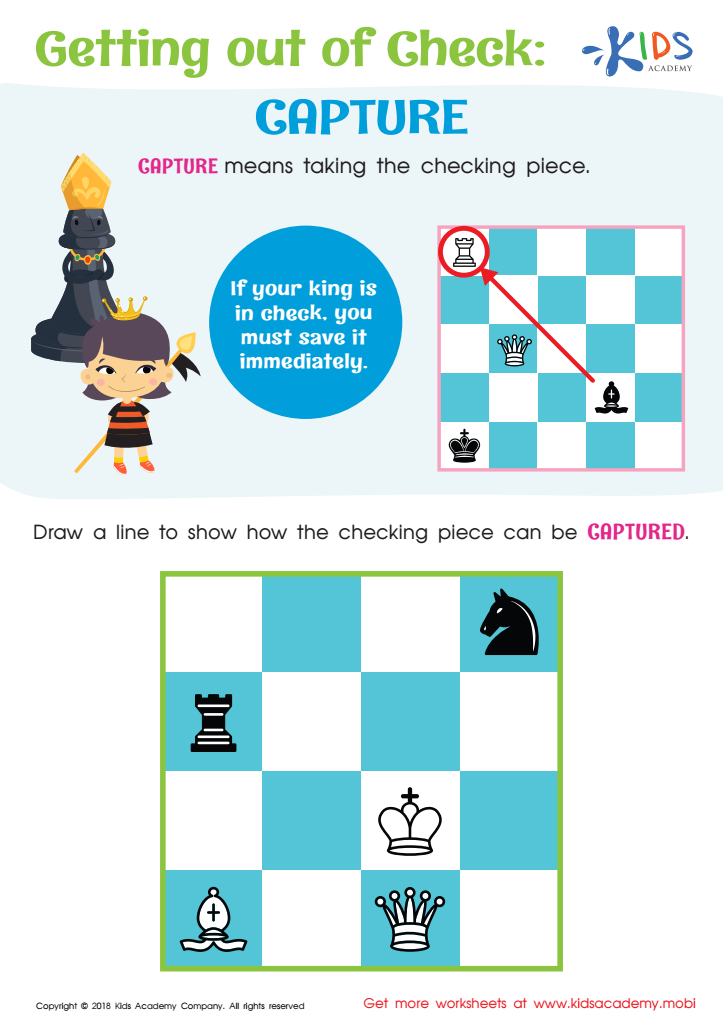
Getting out of Check: Capture
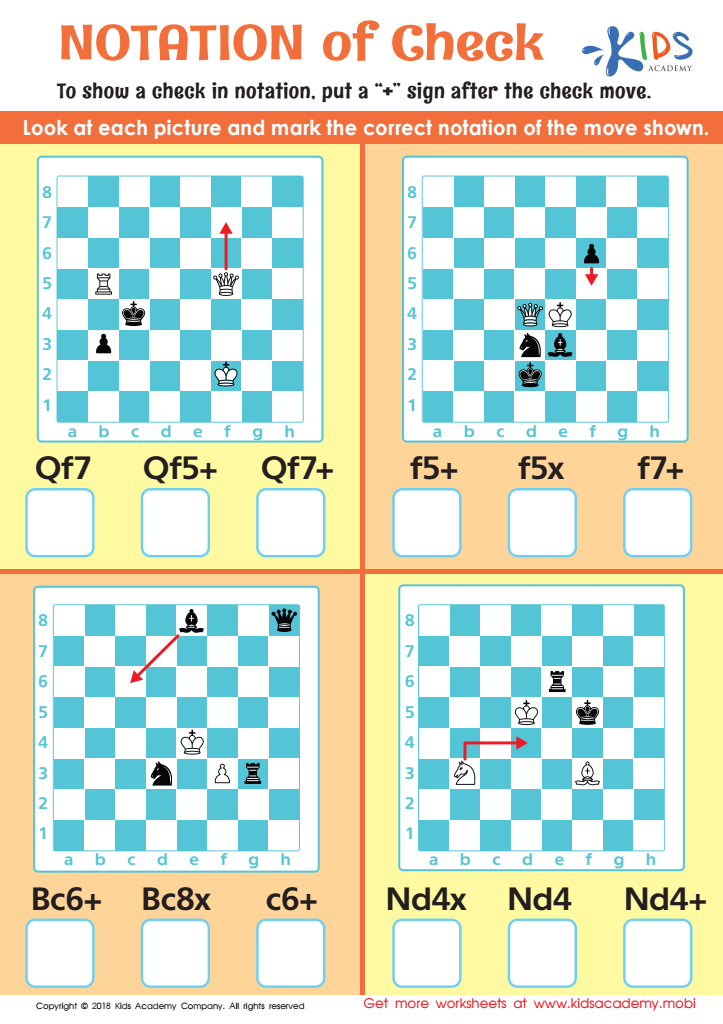
Notation of Check Worksheet
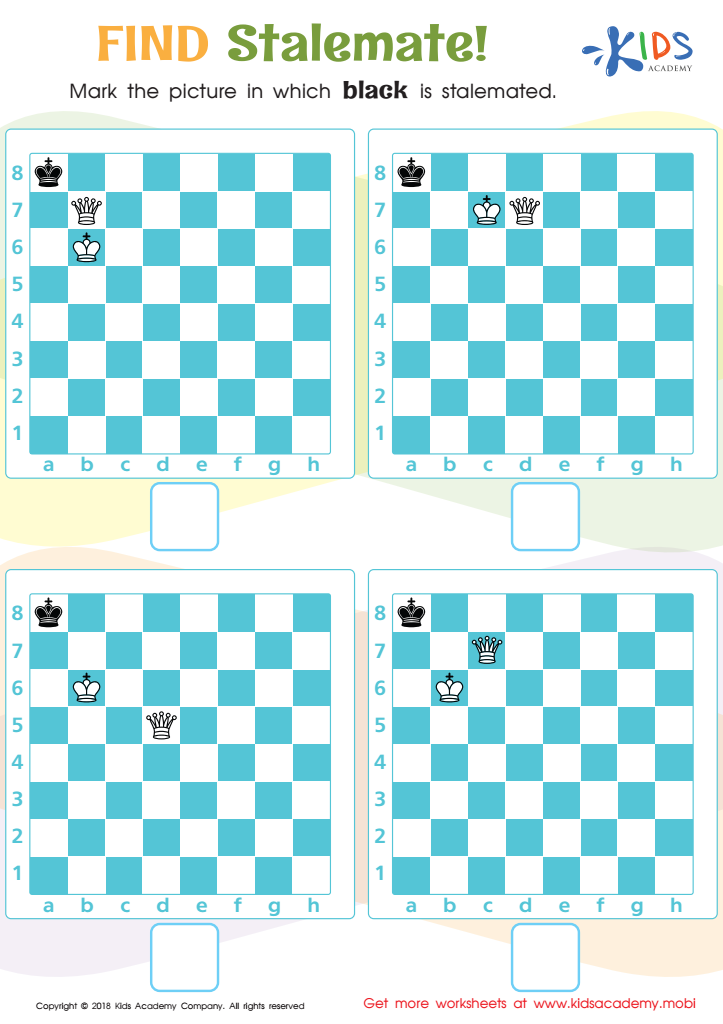
Find Stalemate! Worksheet
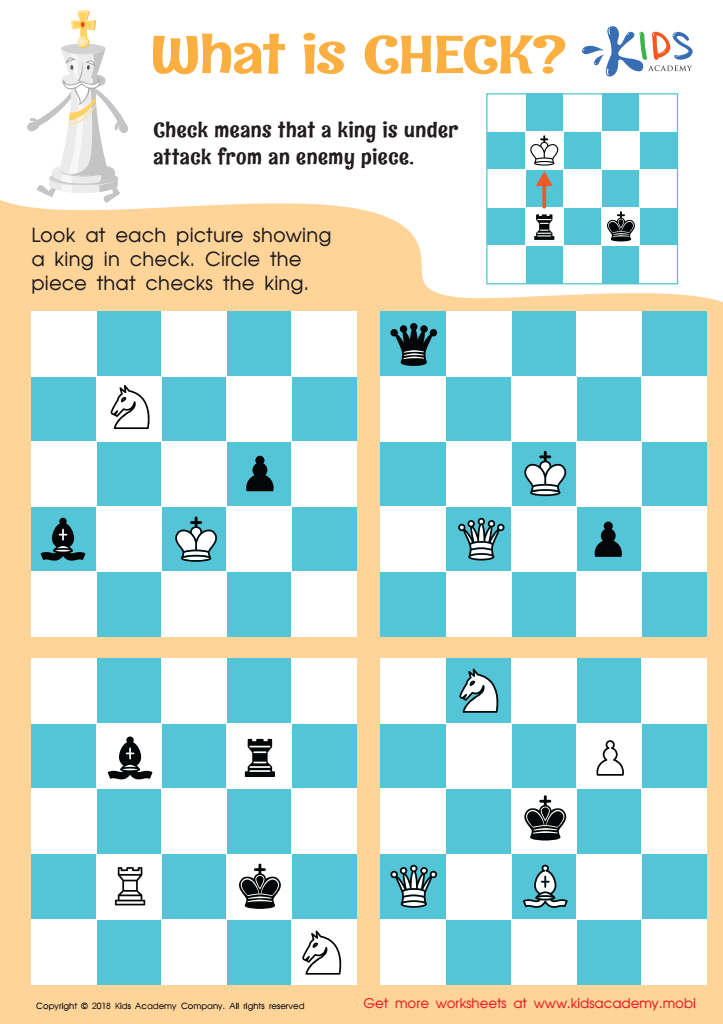
What is Check? Worksheet
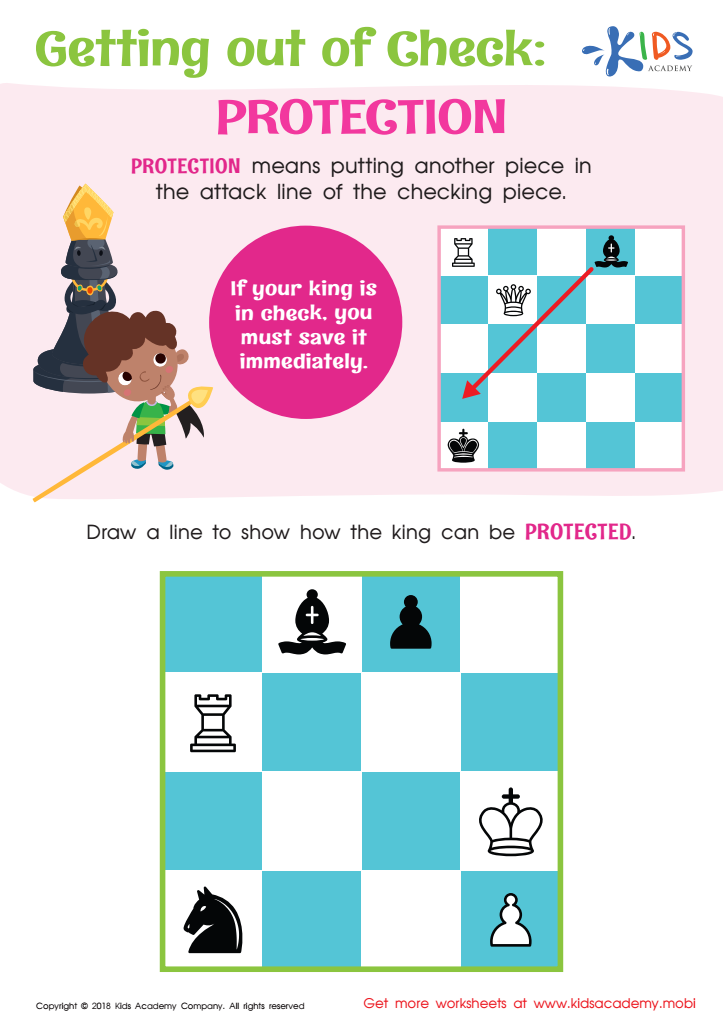
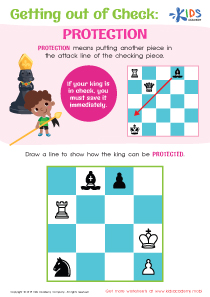
Getting out of Check: Protection
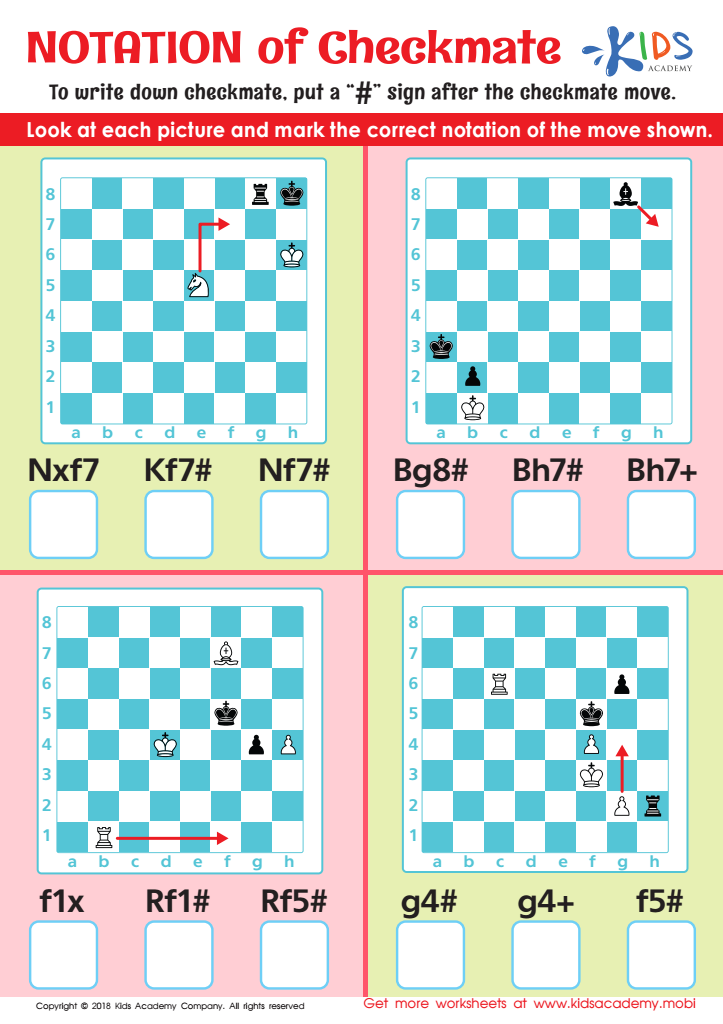
Notation of Checkmate Worksheet



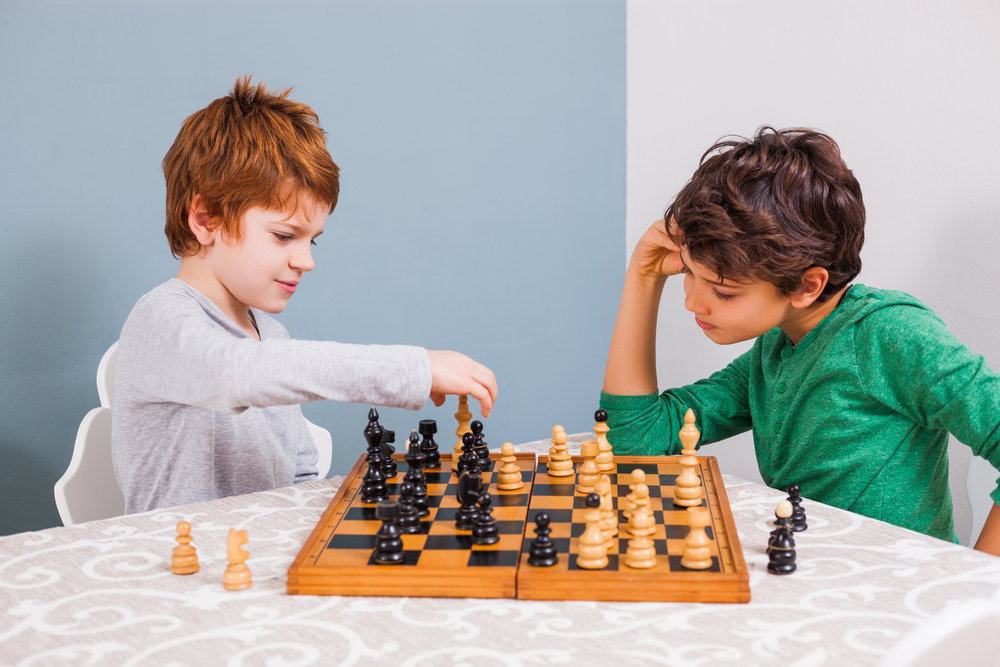



Extra Challenge Chess for ages 6-8 is a powerful tool that parents and teachers should wholeheartedly support. This activity, while seemingly complex, offers a myriad of developmental benefits for young minds. At its core, chess enhances cognitive skills. It encourages critical thinking, strategic planning, and problem-solving, which are invaluable across various areas of learning.
For young children, developing these skills early can lead to better performance in school subjects such as mathematics and reading. Chess requires children to recognize patterns and develop foresight, closely aligned with mathematical thinking. Additionally, the game's requirement to read and follow rules boosts reading comprehension and the ability to concentrate for extended periods.
Moreover, chess teaches valuable life skills. It instills patience and perseverance, as children learn that success often comes after thoughtful planning and sometimes through trial and error. Sportsmanship is another critical lesson; children learn to handle wins and losses gracefully, fostering a healthy competitive spirit and emotional resilience.
Socially, playing chess can build connections and friendships. Whether played in a club, classroom, or at home, it offers an avenue for positive peer interaction and sharing common interests.
In summary, Extra Challenge Chess not only sharpens intellectual capacities but also cultivates emotional and social growth, making it a worthwhile endeavor for young learners.