Filters

57 filtered results

Clear all filters
Favorites
With answer key
Interactive

57 filtered results

Difficulty Level

Grade


Check out this FREE Kindergarten Science Trial Lesson!

Animal Habitats

Favorites
With answer key
Interactive
  • Science
  • With answer key
Arctic Animals Worksheet

Arctic Animals Worksheet

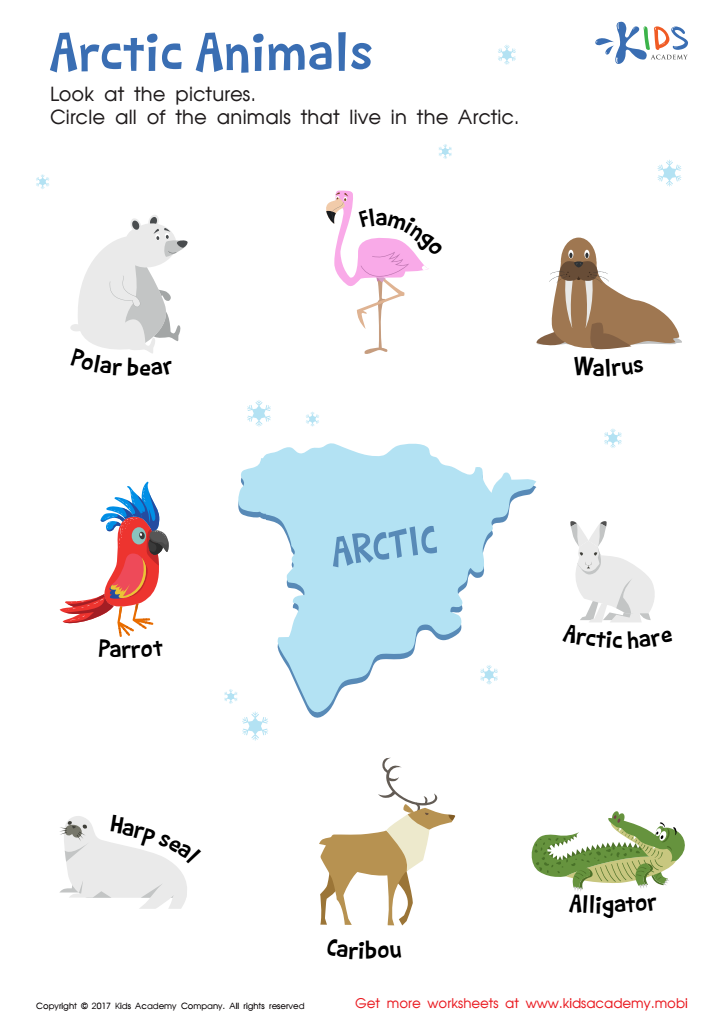
Kids love animals and this worksheet is a great way to teach them where they live. It reinforces classification skills and introduces new animals, like the Arctic hare. Use it to discuss the Arctic climate and how these animals live, then ask your child where other animals live to keep the conversation going.
Arctic Animals Worksheet
Worksheet
Worksheet: Push or Pull

Pull or Push Worksheet

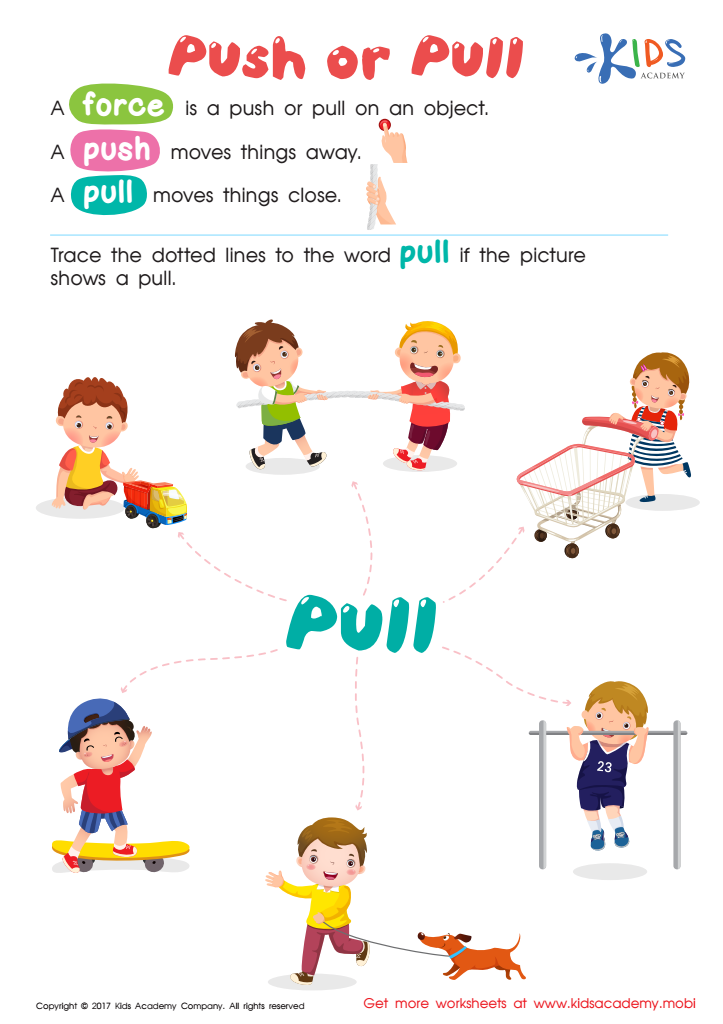
With this fun worksheet, they'll explore physics by sorting objects into categories according to their mode of motion. It's a great way to get them interested in science.
Pull or Push Worksheet
Worksheet
What's the Weather? Worksheet

What's the Weather? Worksheet

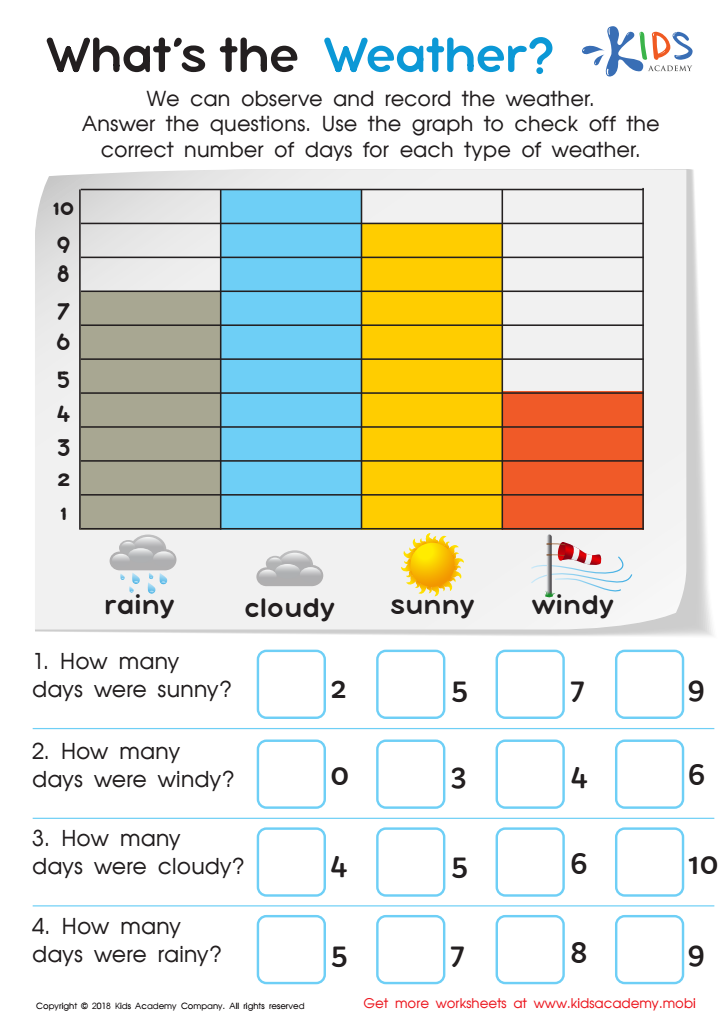
Check the weather outside. Help kids learn and practice science and math by tracking different types of days using this printable worksheet. Have them count bars next to weather types like cloudy, sunny, windy, and rainy. Answer the questions and take the lesson further by creating a bar graph to show the monthly weather.
What's the Weather? Worksheet
Worksheet
Where Animals Live PDF Worksheet

Where Animals Live Worksheet
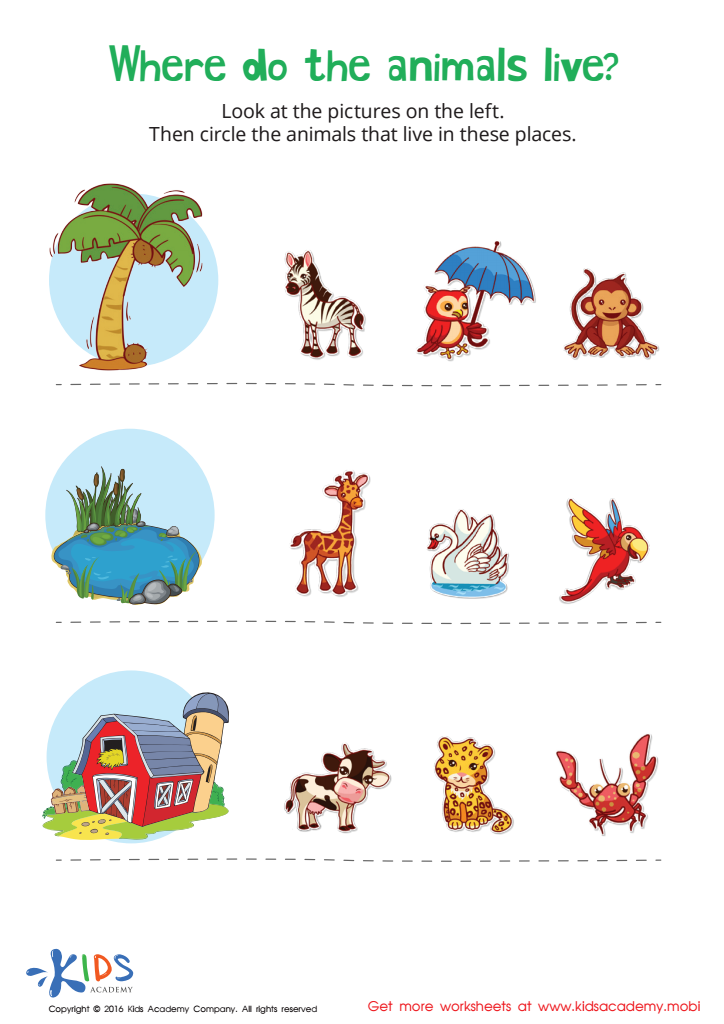
Teaching early reading and math skills is important, but don't forget about science. With the Where Animals Live PDF worksheet, kids can identify their favorite animals and the environments they live in. Ask them what type of environment the animals like and introduce them to geography. It's great for logical reasoning and classification skills. Your kid will practice with their favorite animals and love the trip to the zoo afterwards!
Where Animals Live Worksheet
Worksheet
Down it Goes Worksheet

Down it Goes Worksheet

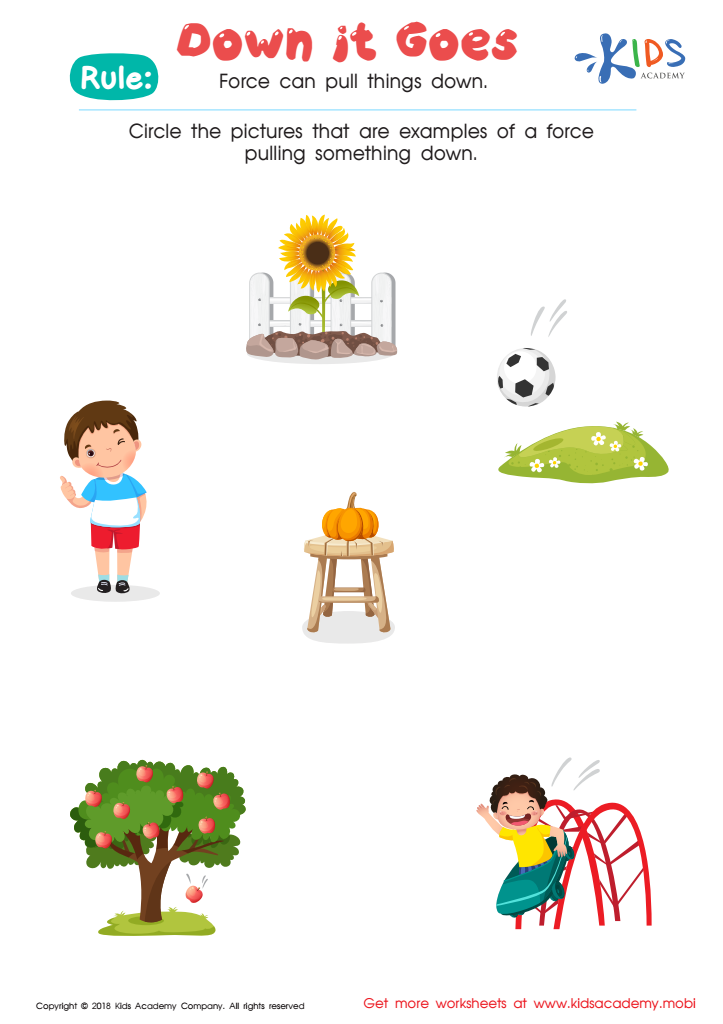
Explain gravity to your child using this fun worksheet. Ask them to give examples of things pulled down with force, then instruct them to circle the pictures that show this. It's a great way to help them understand the concept of gravity.
Down it Goes Worksheet
Worksheet
Will it Move? Worksheet

Will it Move? Worksheet

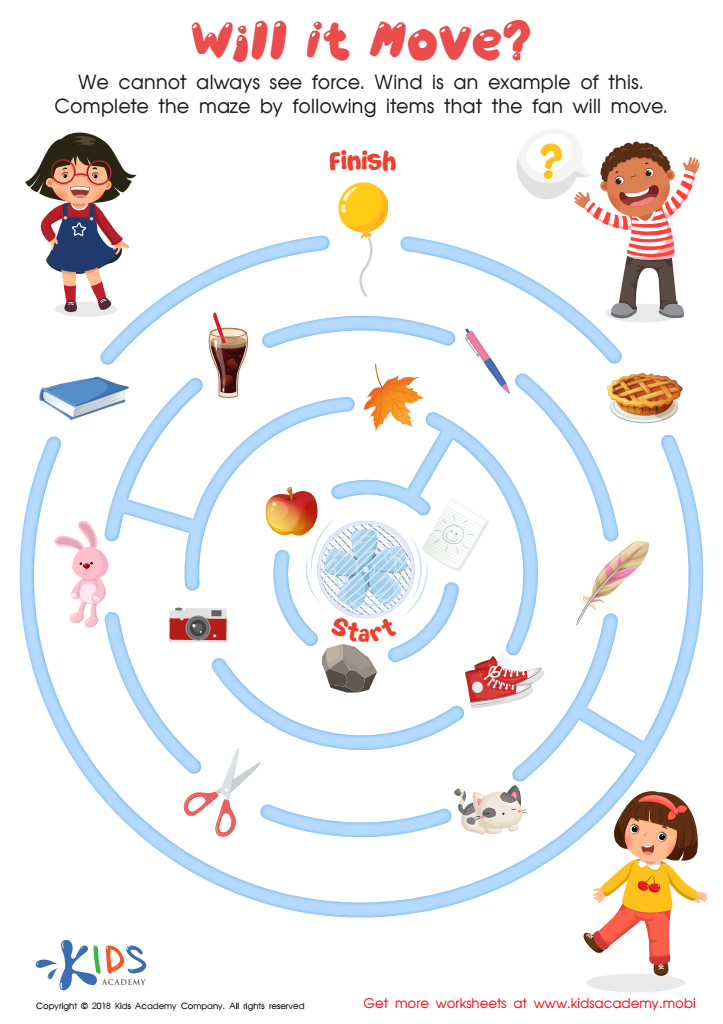
Does your child know about force? If yes/no, this worksheet can help. Force is invisible - like wind - but it moves objects. Ask your child to complete the maze, following the path of items moved by the wind. 80 words.
Will it Move? Worksheet
Worksheet
Animals and Non-Living Things Worksheet

Animals and Non-Living Things Worksheet

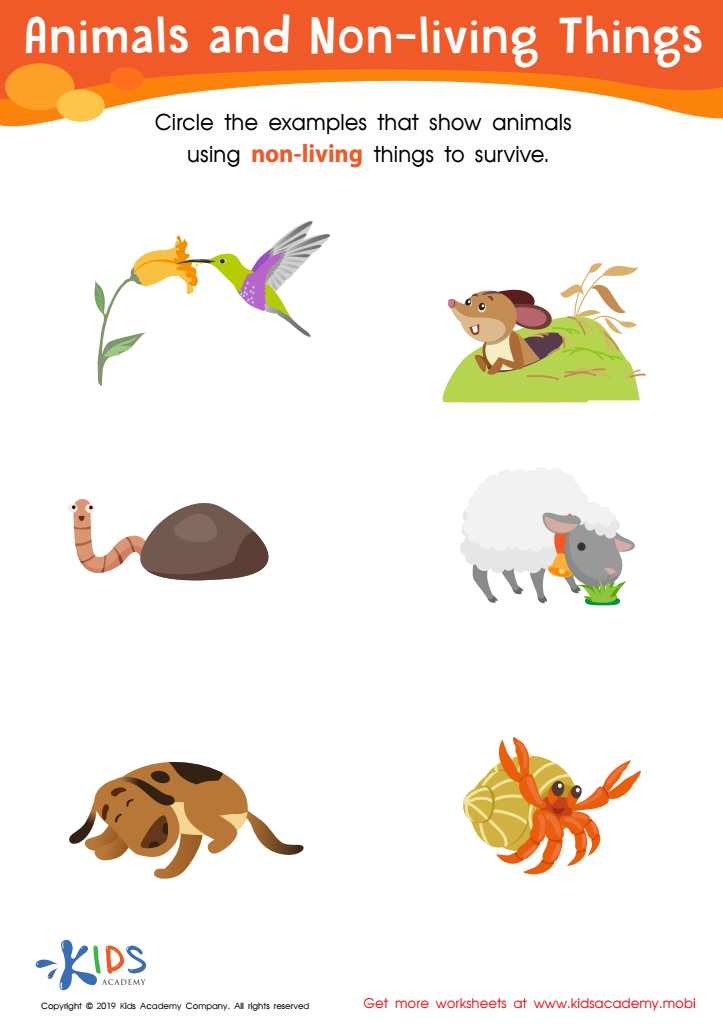
People and animals both require more than food to survive. We need shelter, clothing and water, while animals use non-living things like rocks and trees. Ask your kids what else is necessary to survive - then have them identify the objects in the worksheet and circle the examples of animals using non-living things.
Animals and Non-Living Things Worksheet
Worksheet
Man-Made or Natural? Worksheet

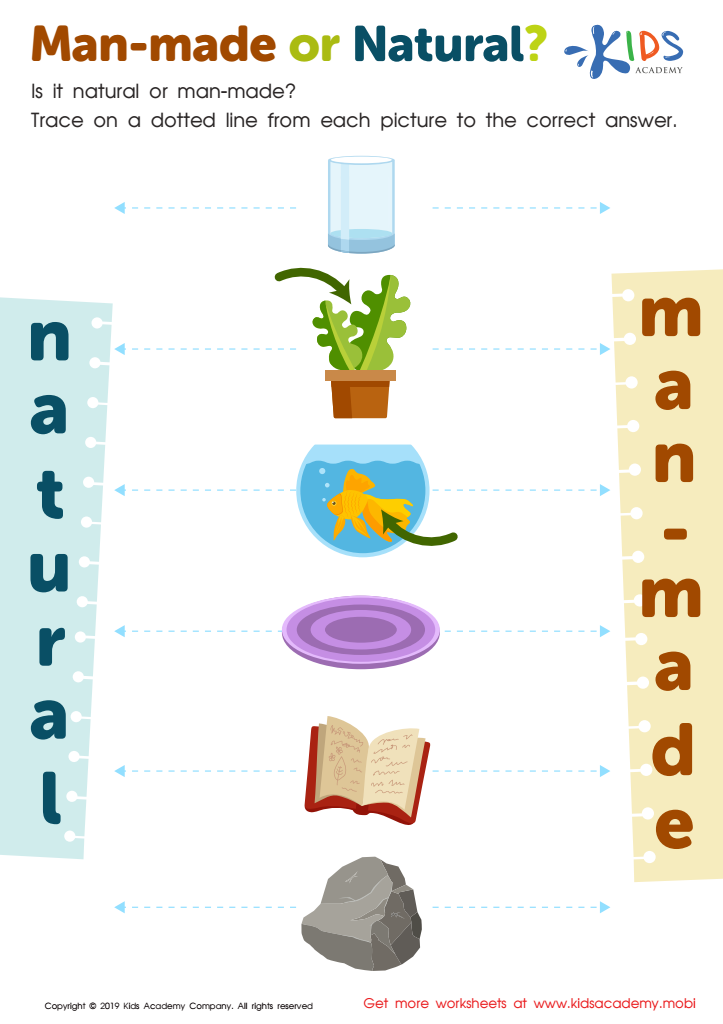
Man-Made or Natural? Worksheet

Ask your students to name natural and man-made objects. Check the worksheet to help them identify the objects, then trace the dotted line to determine if it's natural or man-made.
Man-Made or Natural? Worksheet
Worksheet
Water World Worksheet


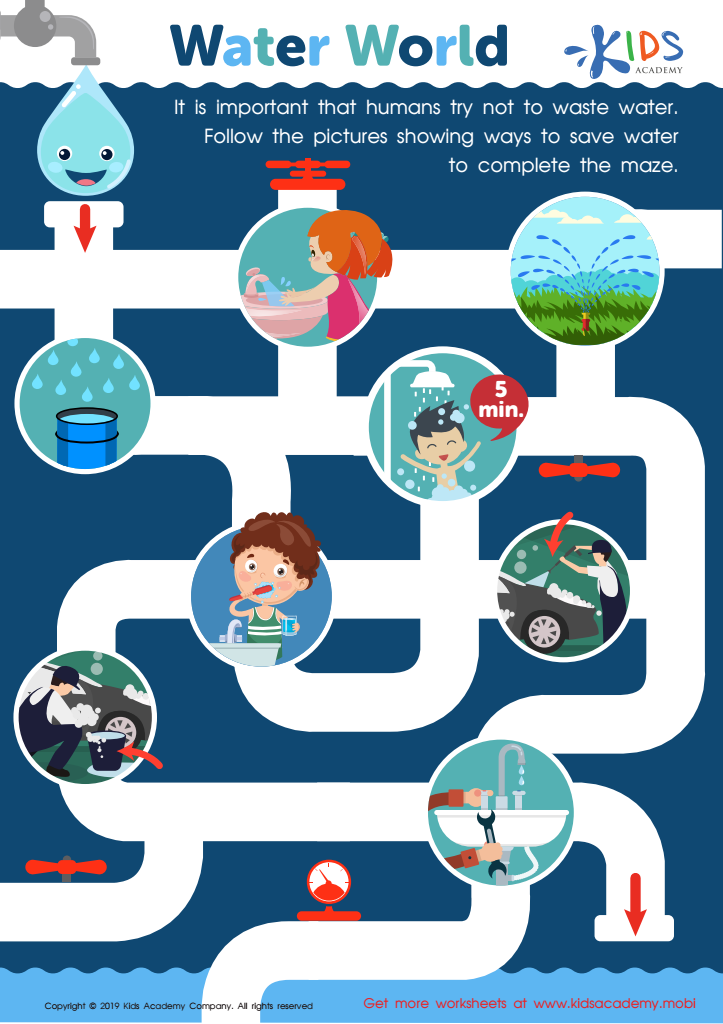
Water World Worksheet

Water is a vital necessity for living. Our bodies depend on it to stay healthy and survive. When we don't drink enough water, we become thirsty and run the risk of getting sick. Luckily, our planet is full of water and natural sources to stay hydrated. To prevent water waste, use this worksheet to teach your students how to conserve it and complete the maze.
Water World Worksheet
Worksheet


... 2 3

Parents and teachers should care about science for Kindergarten because it lays the foundation for critical thinking and curiosity in young minds. Science encourages children to ask questions about the world around them, fostering a sense of wonder that can last a lifetime. By engaging in simple scientific concepts, like exploring colors, plants, or animals, children develop essential skills like observation, experimentation, and problem-solving.

Moreover, science promotes hands-on learning, making education fun and interactive. Activities such as planting seeds or mixing colors not only build knowledge but also enhance fine motor skills and teamwork when done in groups. These experiences enhance language skills as children learn to articulate their findings and theories.

Additionally, a strong understanding of science prepares children for future academic success, as it is a key subject area in the curriculum. It also helps them become informed citizens who can make decisions based on evidence, which is increasingly important in today’s world.

In short, nurturing a child’s interest in science is vital for their intellectual development, lays the groundwork for academic pursuits, and aids in developing critical life skills that extend beyond the classroom.