Normal Letter Recognition Worksheets for Ages 3-6 - Page 3
62 filtered results
-
From - To
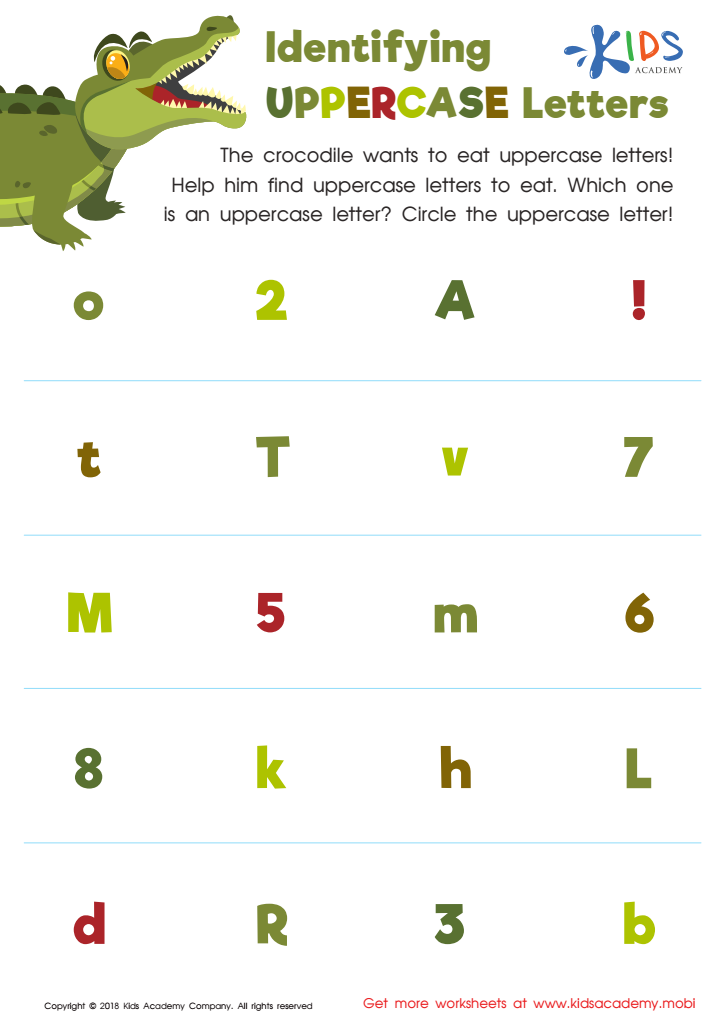
Identifying Uppercase Letters Worksheet
 Assign to My Students
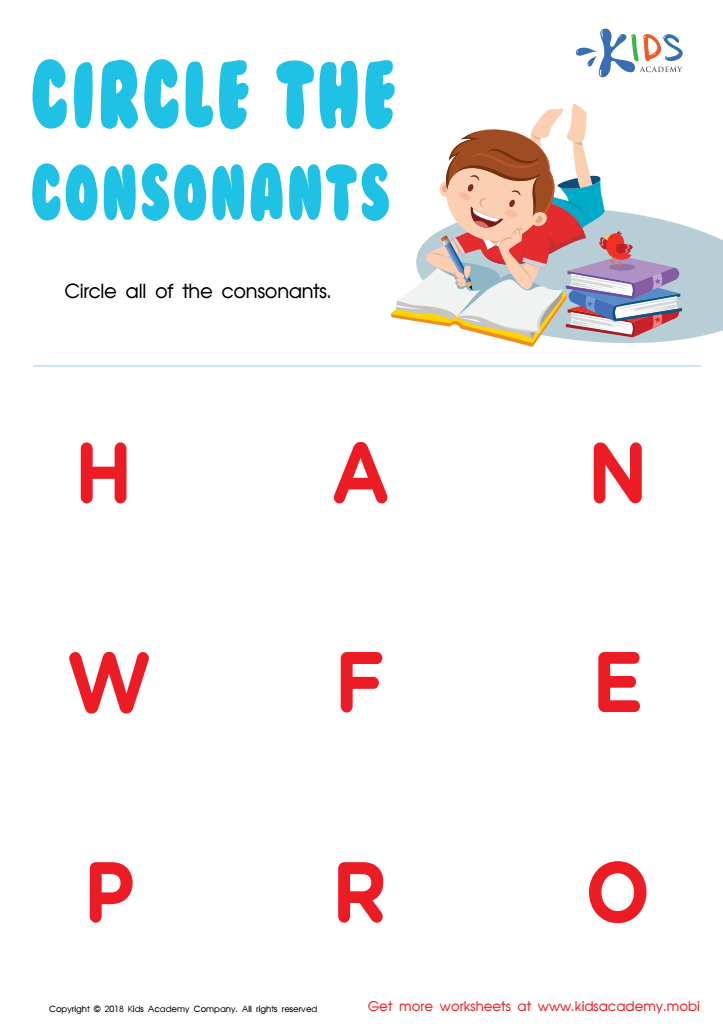
Circle the Consonants Worksheet
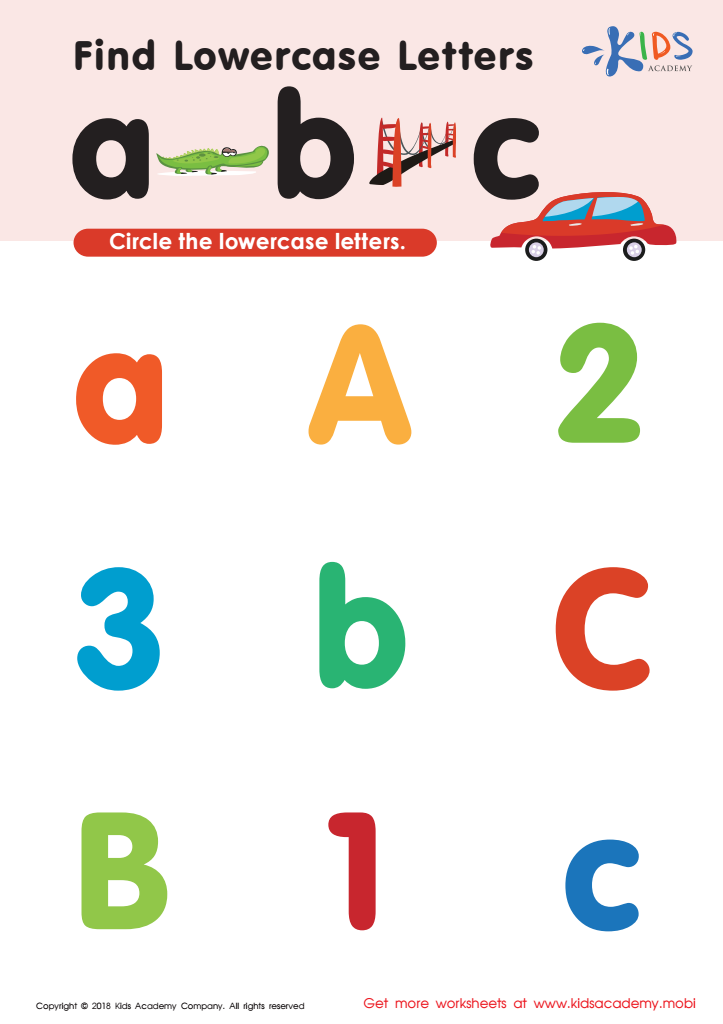
Find lowercase letters a b c Worksheet
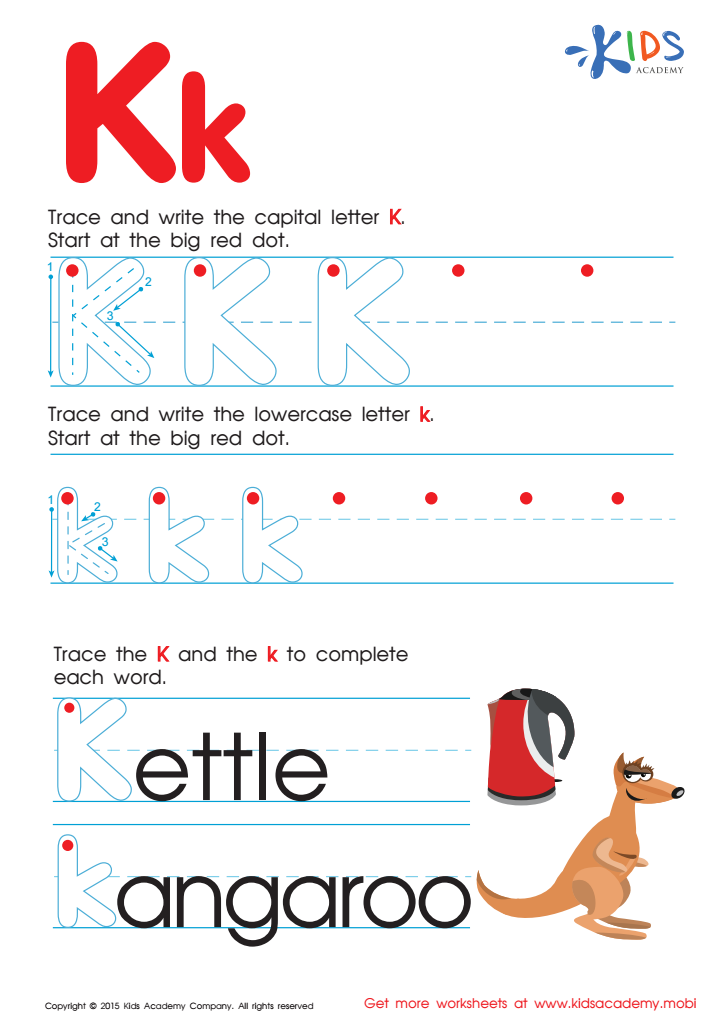
Letter K Tracing Page
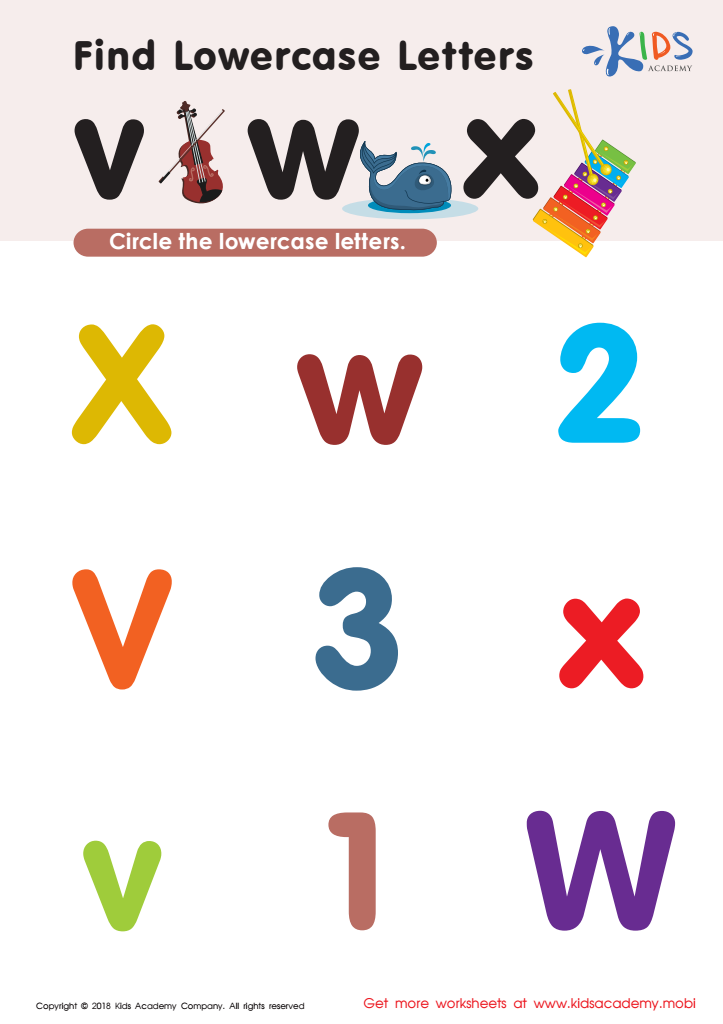
Find Lowercase Letters v w x Worksheet
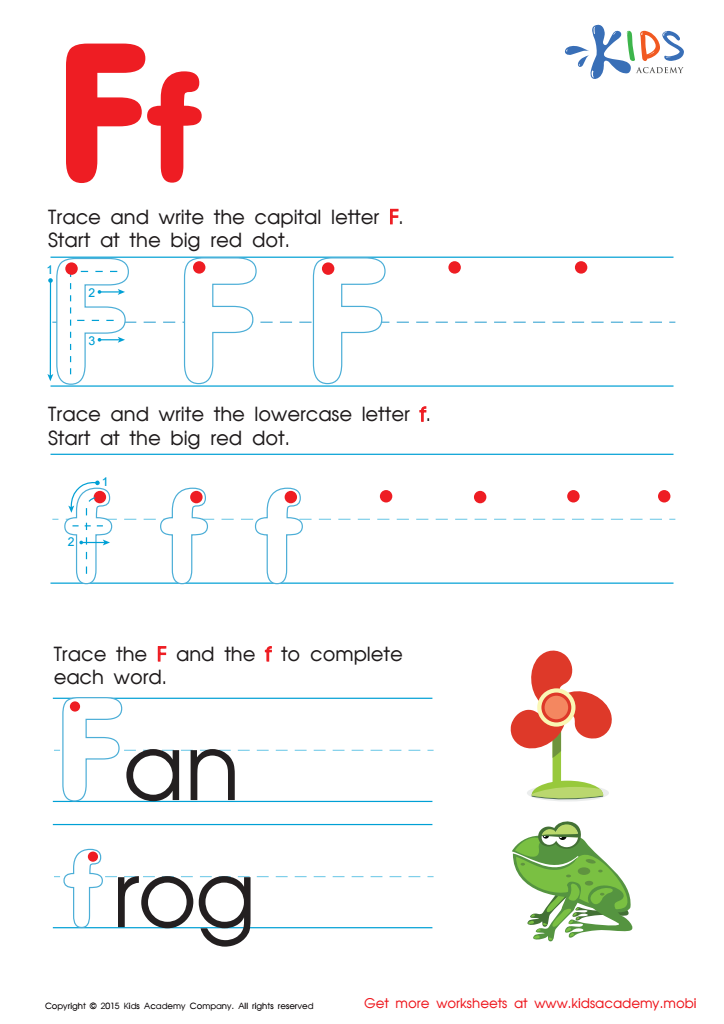
Letter F Tracing Page
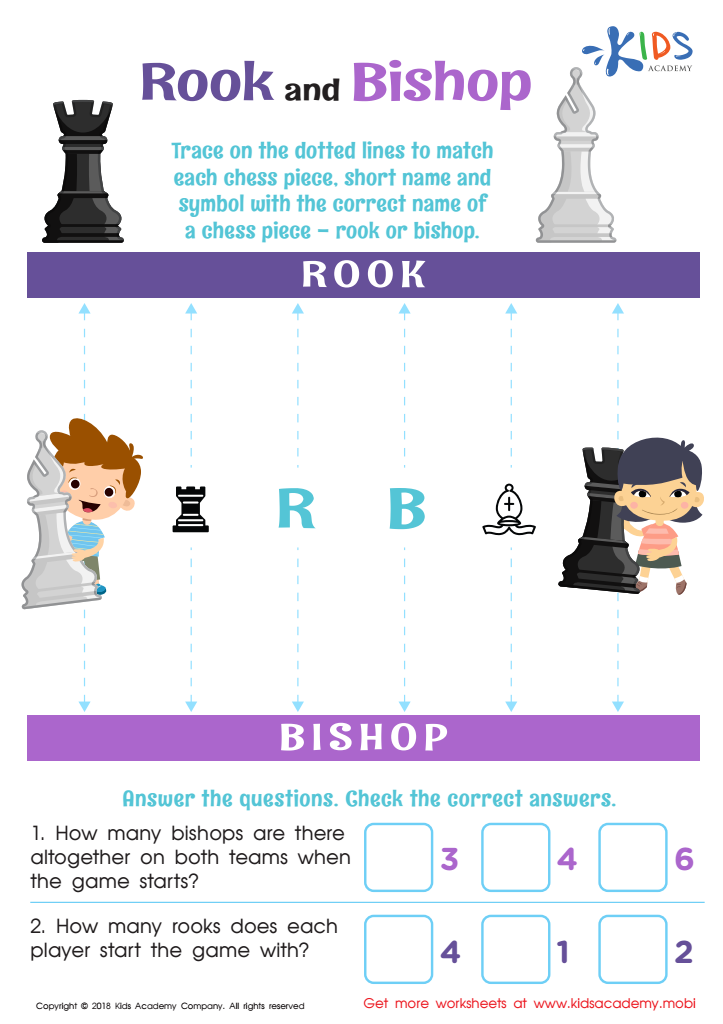
Rook and Bishop Worksheet
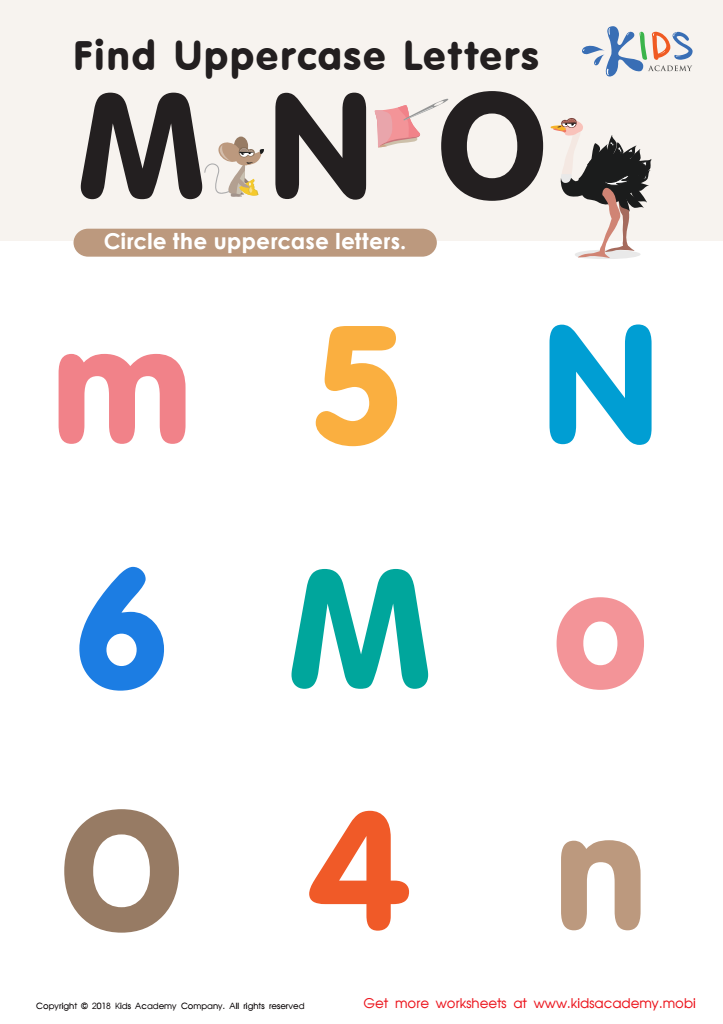
Find Uppercase Letters M, N, and O Worksheet
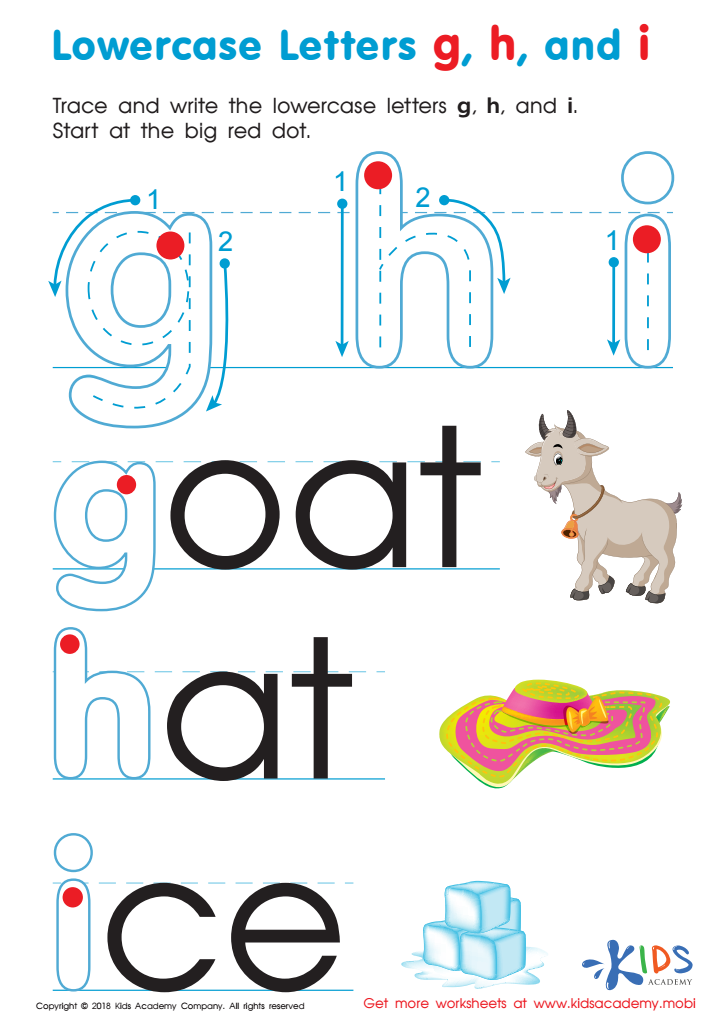
Lowercase Letters g h i Worksheet
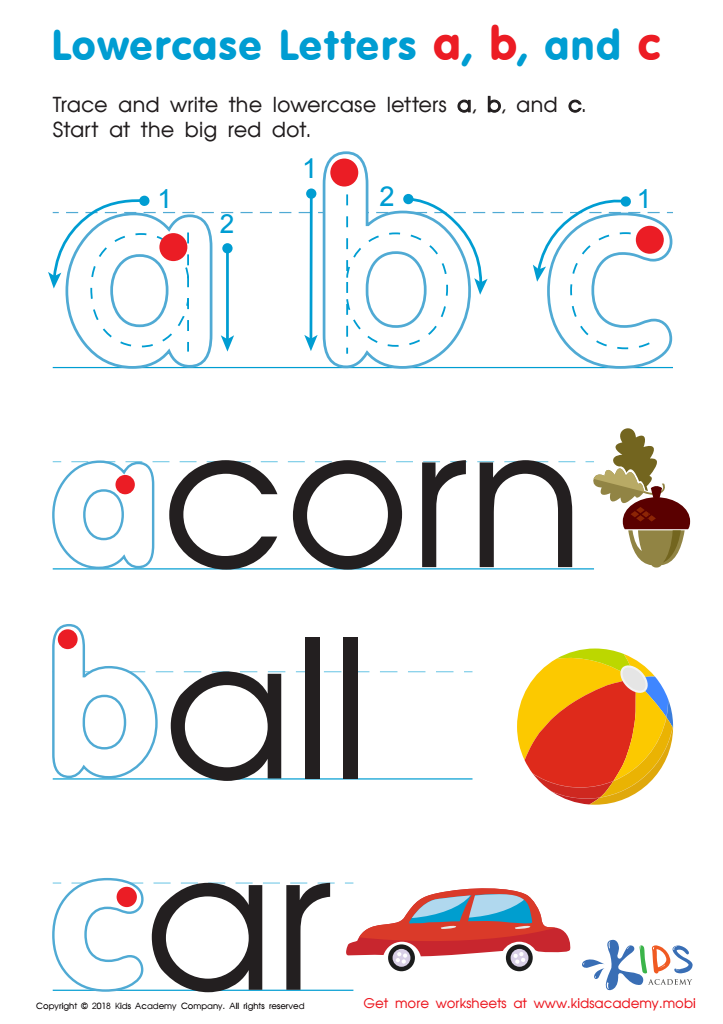
Lowercase Letters a b c Worksheet
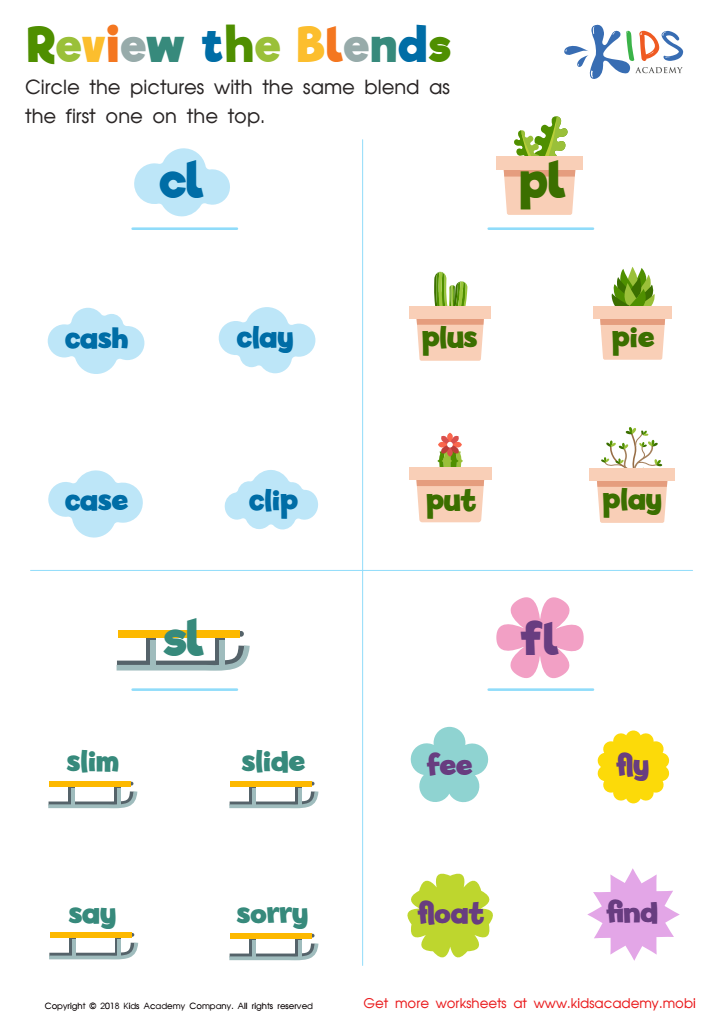
Review the Blends Worksheet
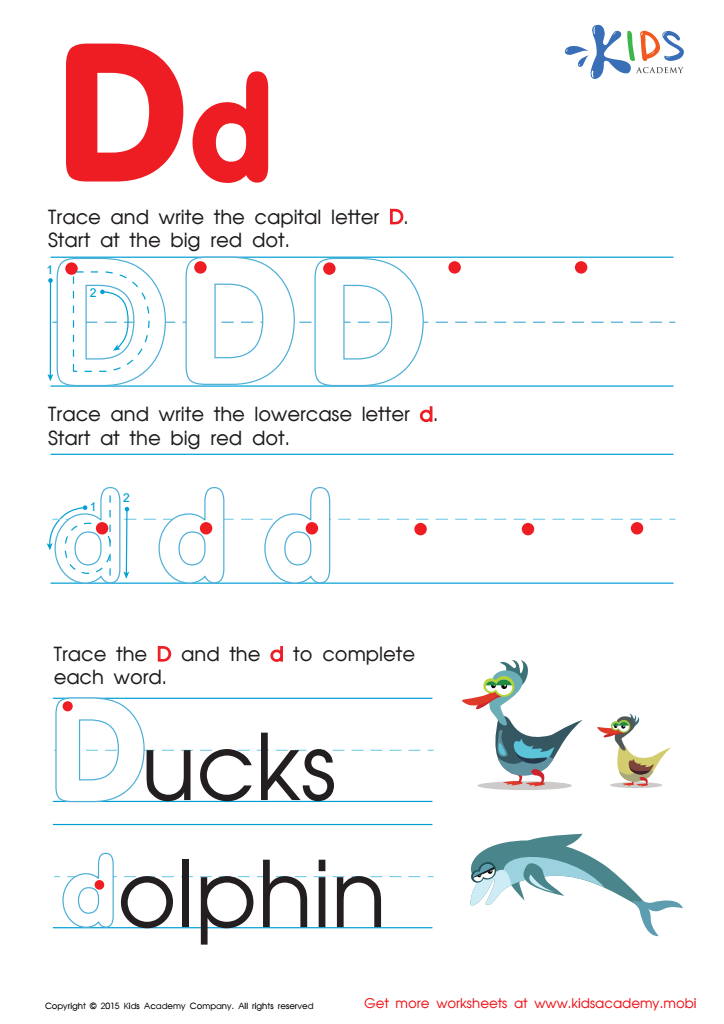
Letter D Tracing Page
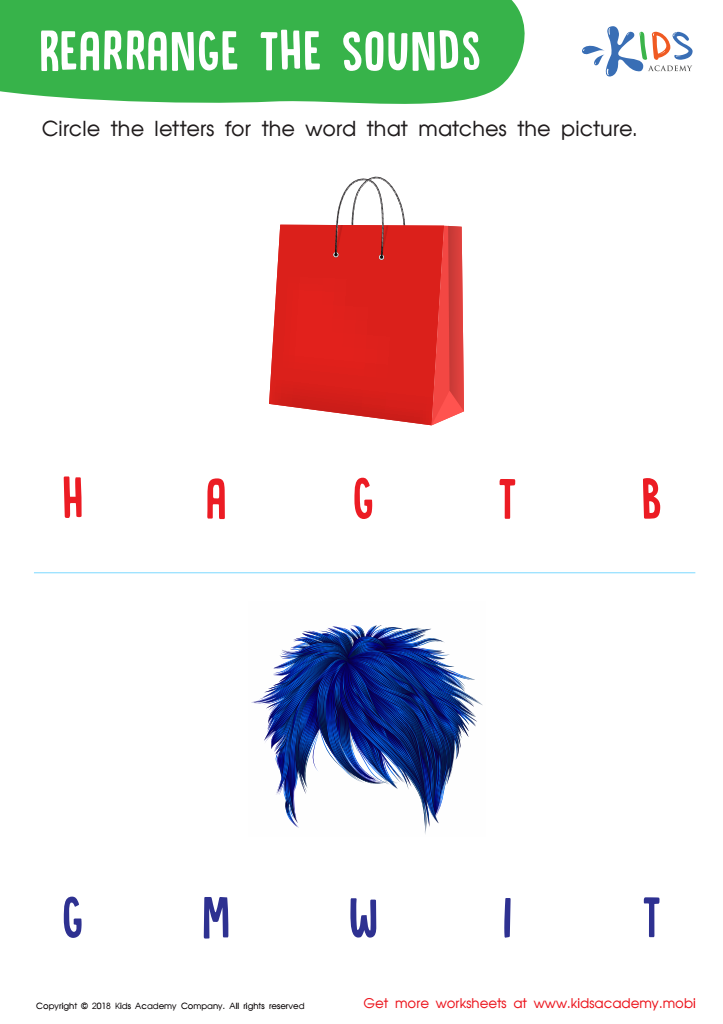
Rearrange the Sounds Worksheet
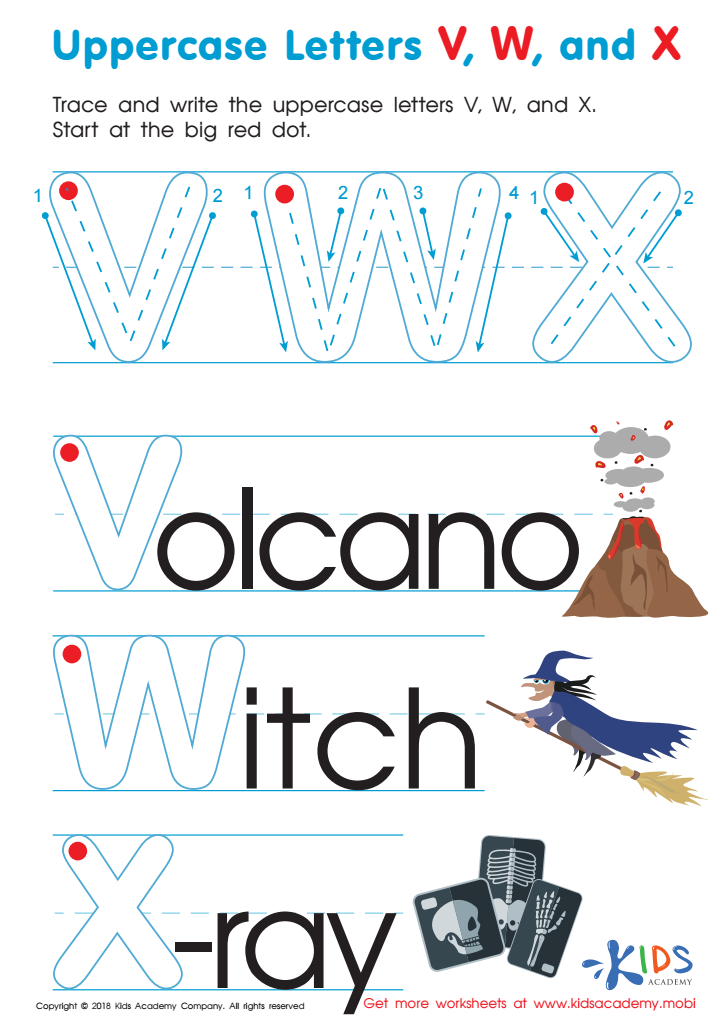
Uppercase Letters V, W, and X Worksheet








Normal letter recognition for children ages 3-6 is a crucial developmental milestone that plays a significant role in their cognitive and academic growth. At this stage, children's brains are highly receptive to learning new skills, and recognizing letters forms the foundation for literacy. Understanding and identifying letters is the first step toward reading and writing, which are essential competencies for effective communication and learning throughout life.
Parents and teachers should emphasize letter recognition because it enhances phonemic awareness, allowing children to connect letters to their corresponding sounds. This skill is instrumental in decoding words, an essential process in learning to read. Early literacy skills, including letter recognition, are strong predictors of future reading success and academic achievement. Children who struggle with these skills may face challenges later in school, affecting their confidence and overall potential.
Additionally, early mastery of letter recognition fosters a sense of accomplishment and encourages a positive attitude towards learning. When children feel confident in their ability to identify and work with letters, they are more likely to engage in reading-related activities, contributing to a lifelong love of learning. Therefore, fostering letter recognition in early childhood sets the stage for educational success and personal growth.








