Normal Social Studies Worksheets for Ages 3-6 - Page 5
127 filtered results
-
From - To
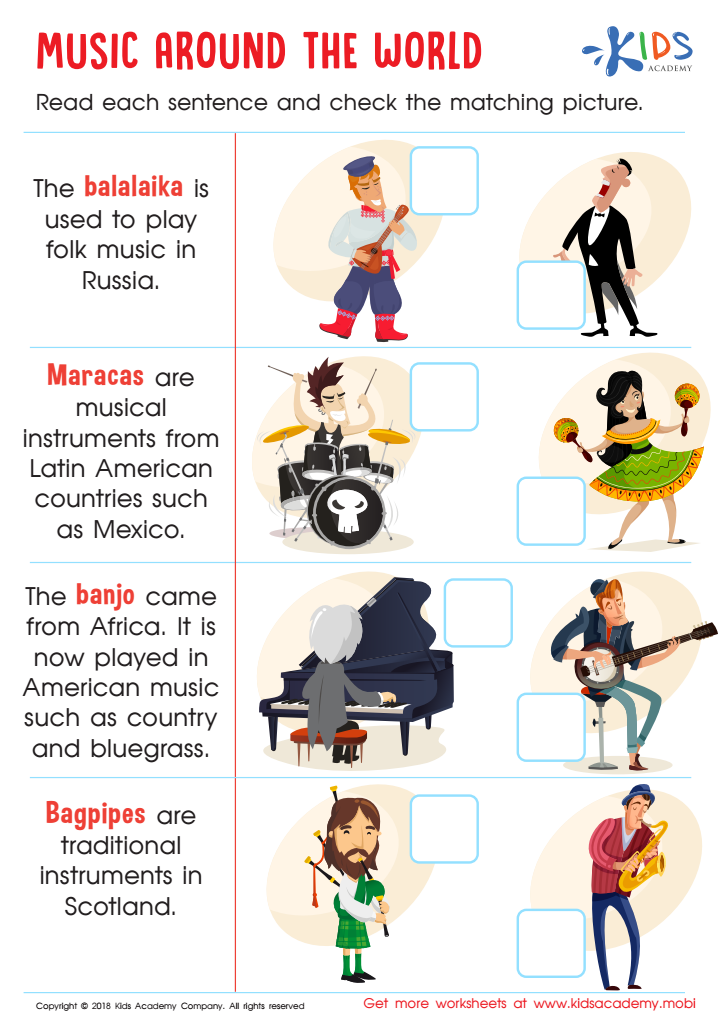
Music Around the World Worksheet
 Assign to My Students
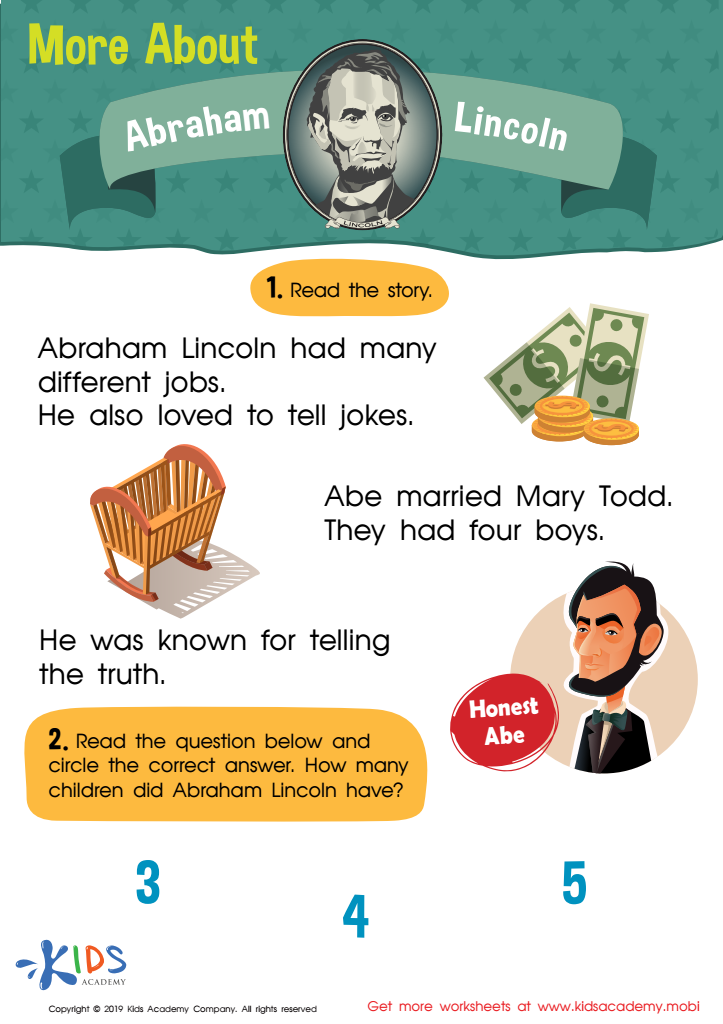
More About Abraham Lincoln Worksheet
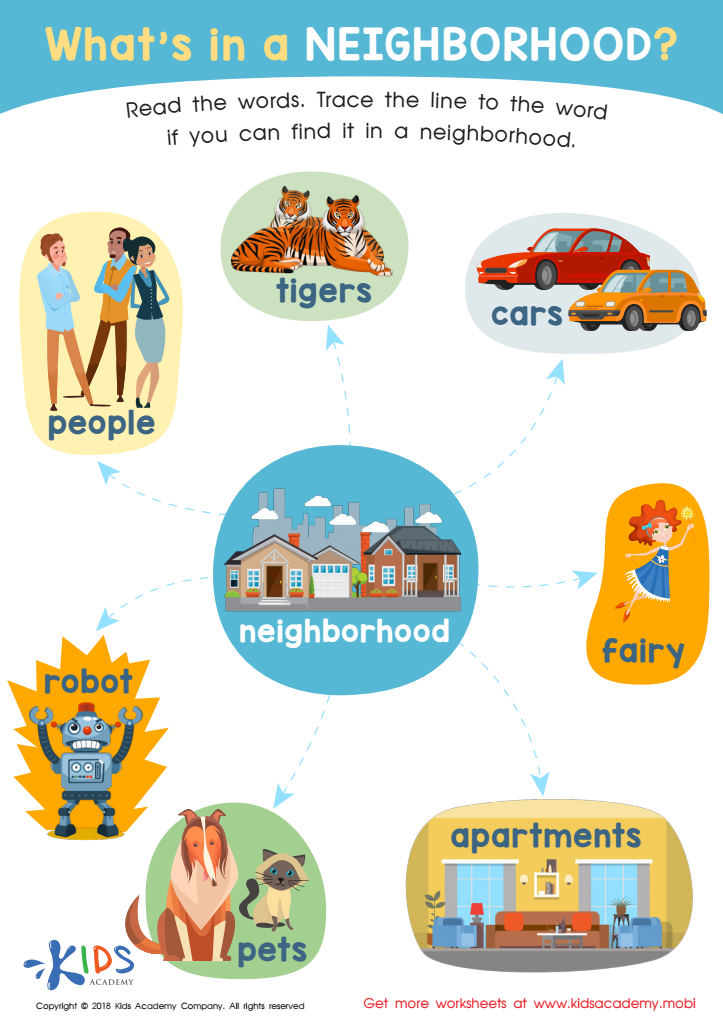
What's in a Neighborhood? Worksheet
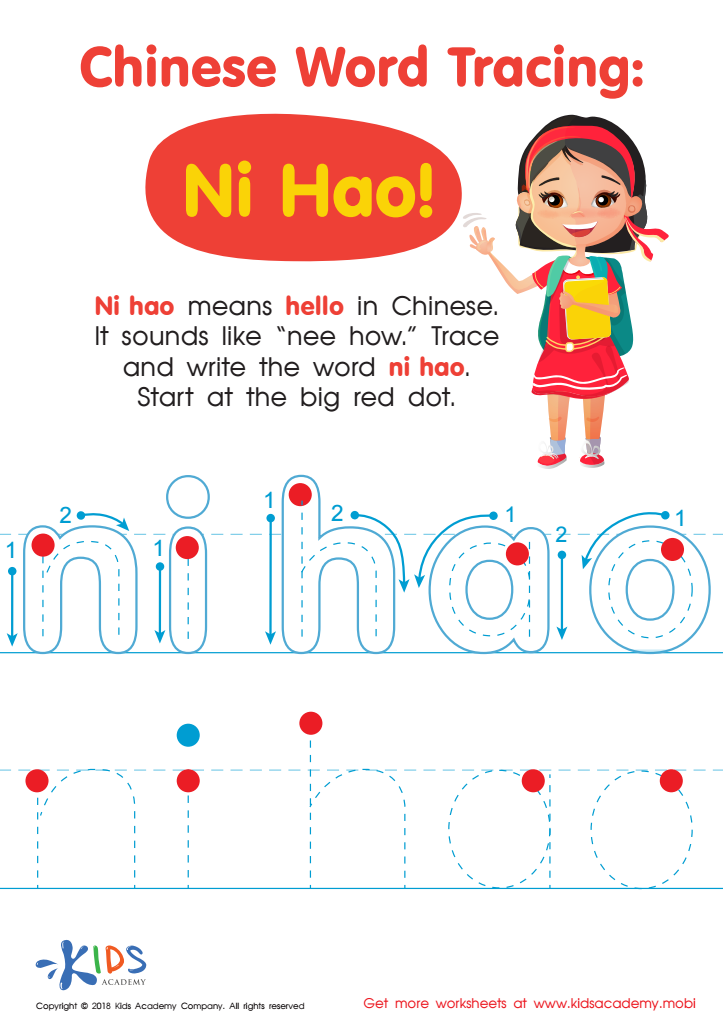
Chinese Word Tracing: Ni Hao Worksheet
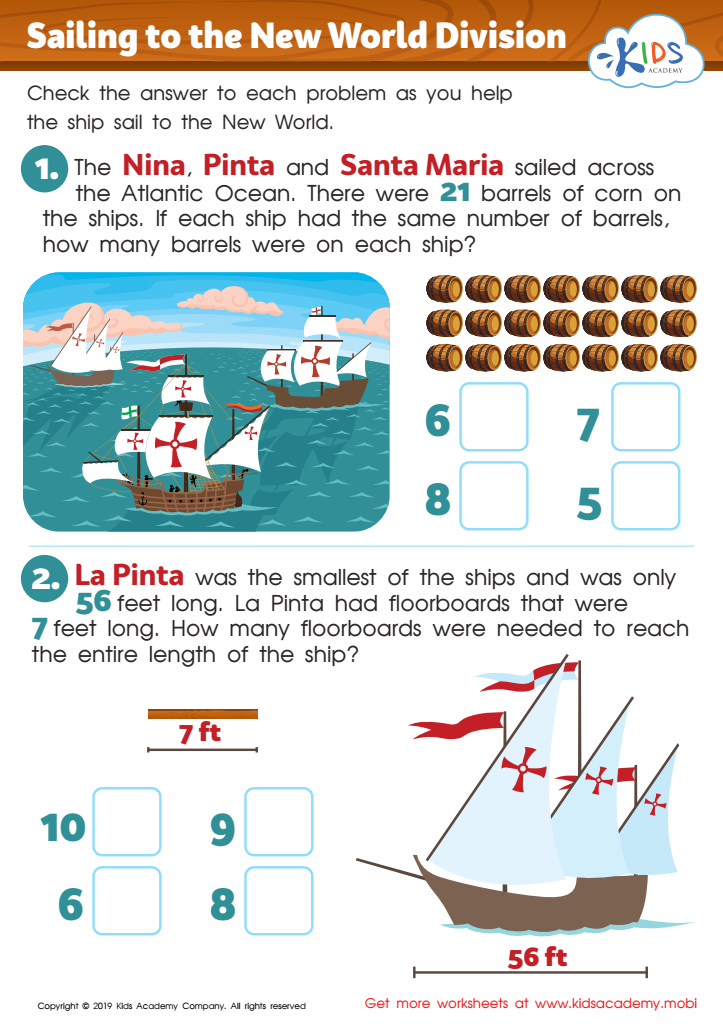
Sailing to the New World Division Worksheet
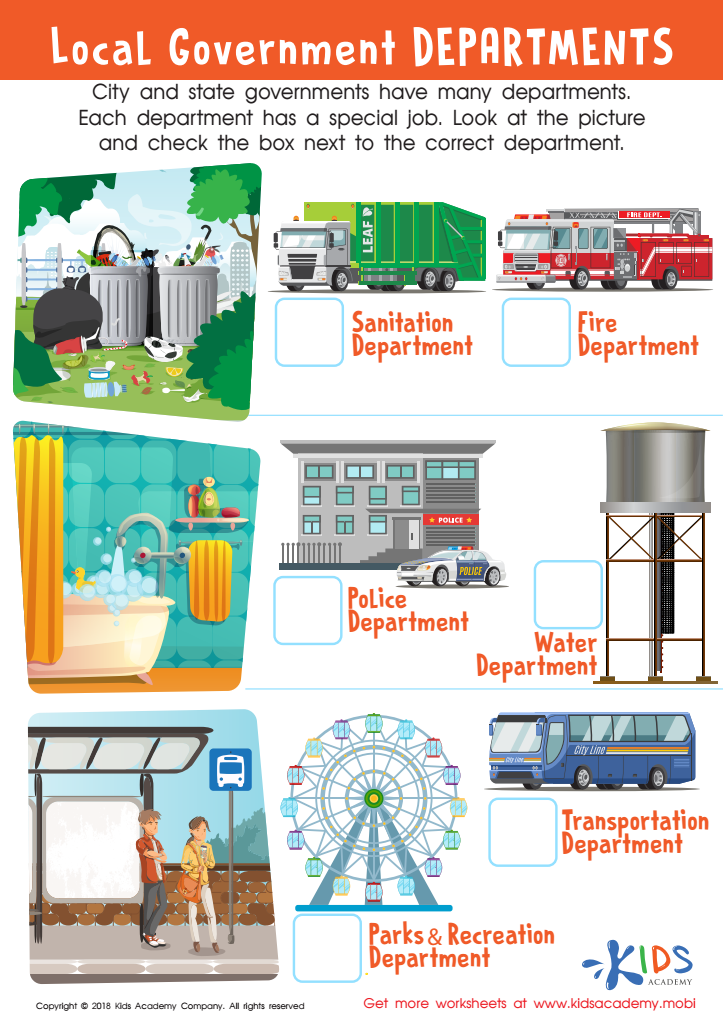
Local Government Departments Worksheet
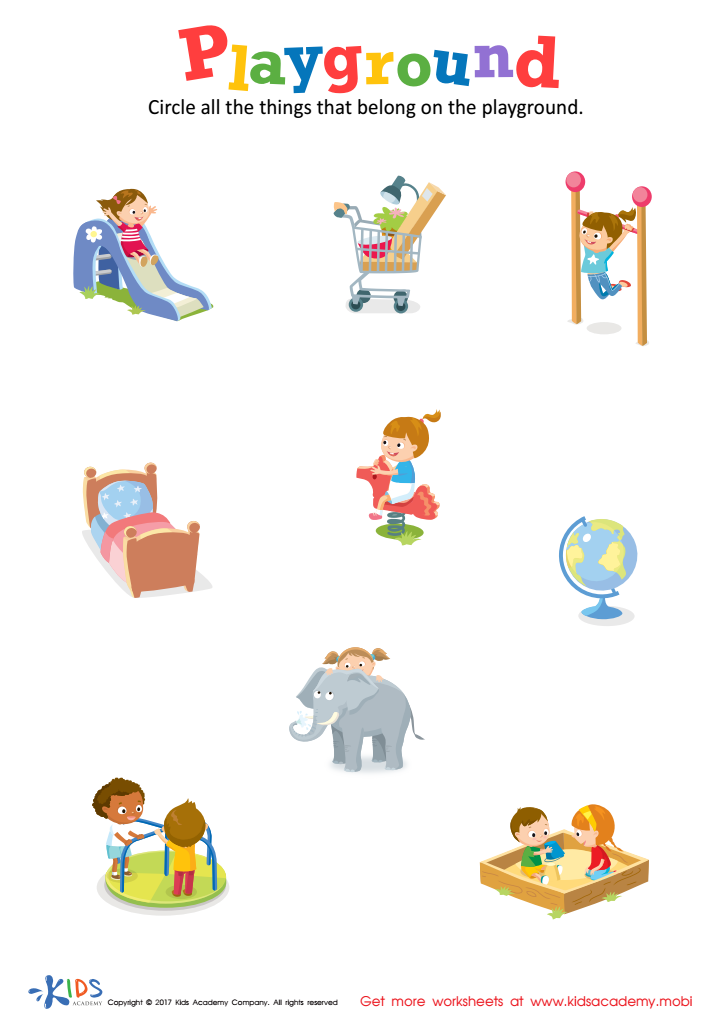
Playground Worksheet
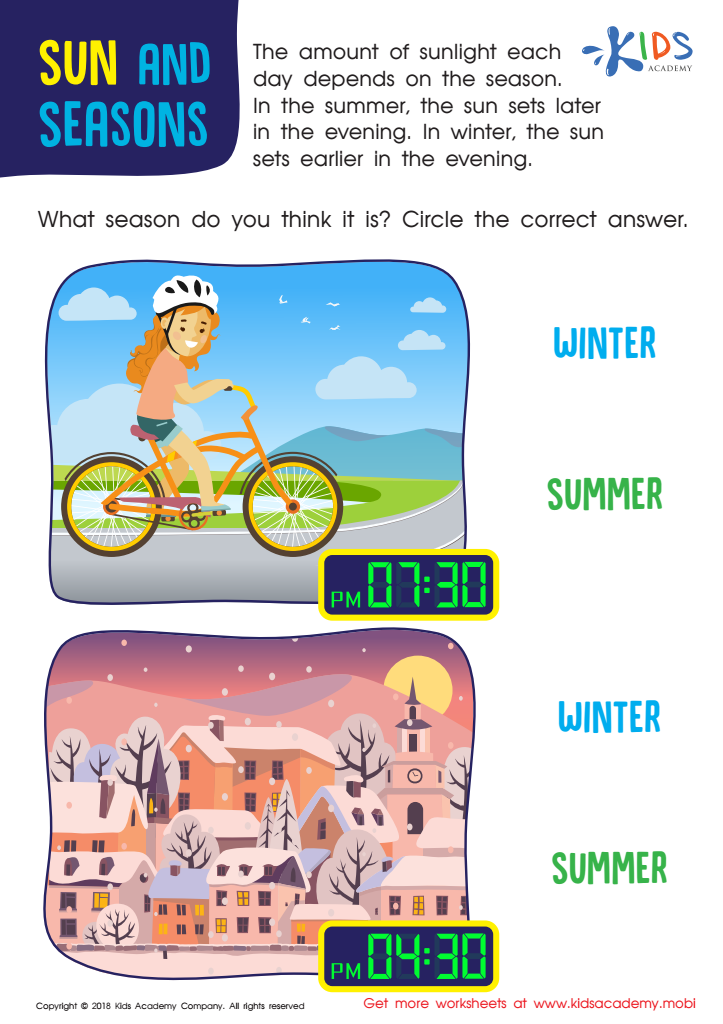
Sun and Seasons Worksheet
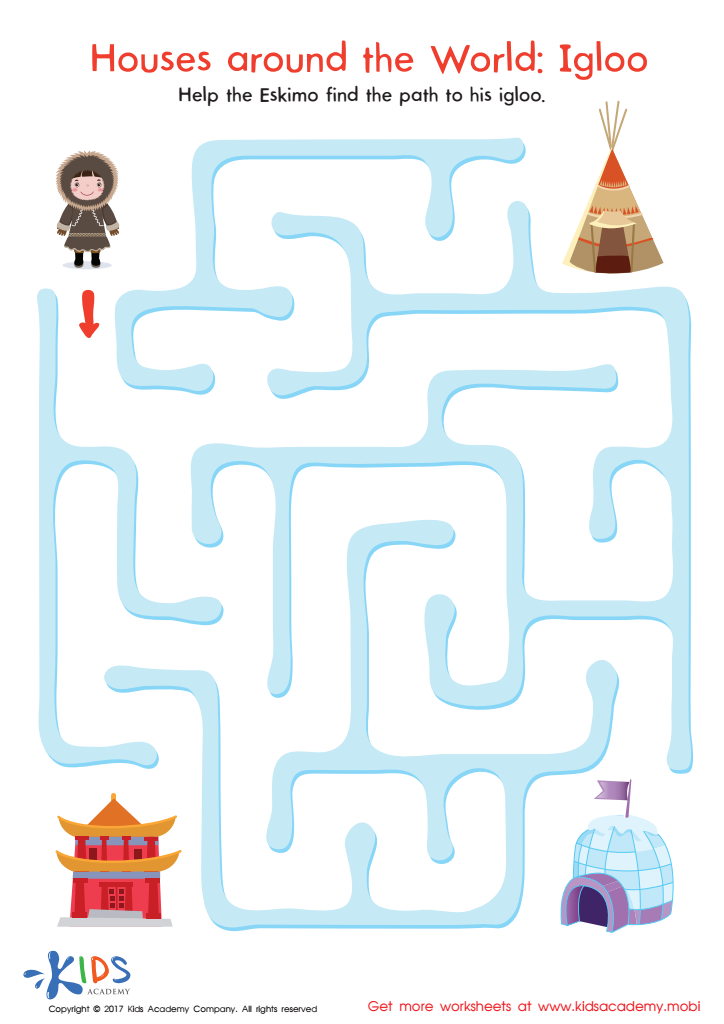
Houses Around the World: Igloo Printable

Towns Worksheet
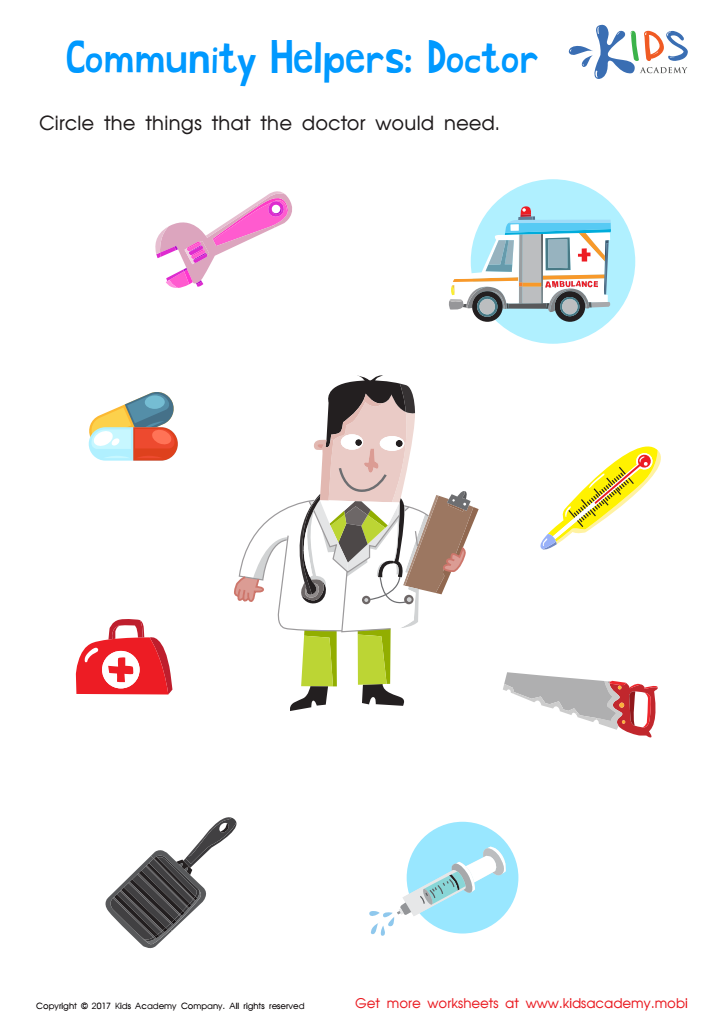
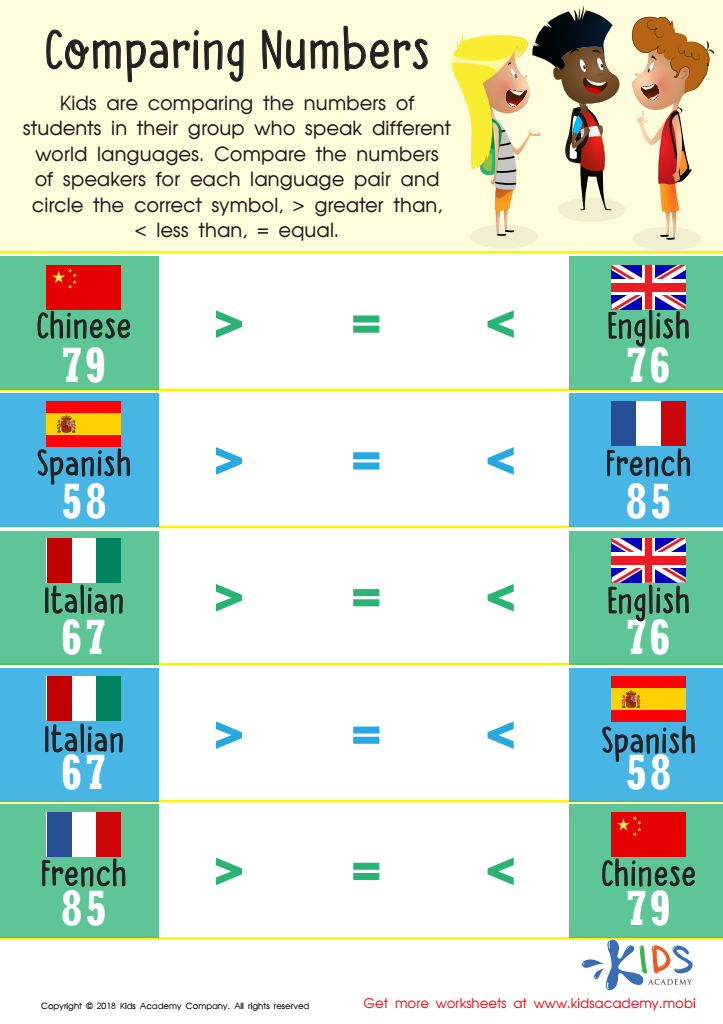
Comparing Numbers Worksheet for 1st Grade
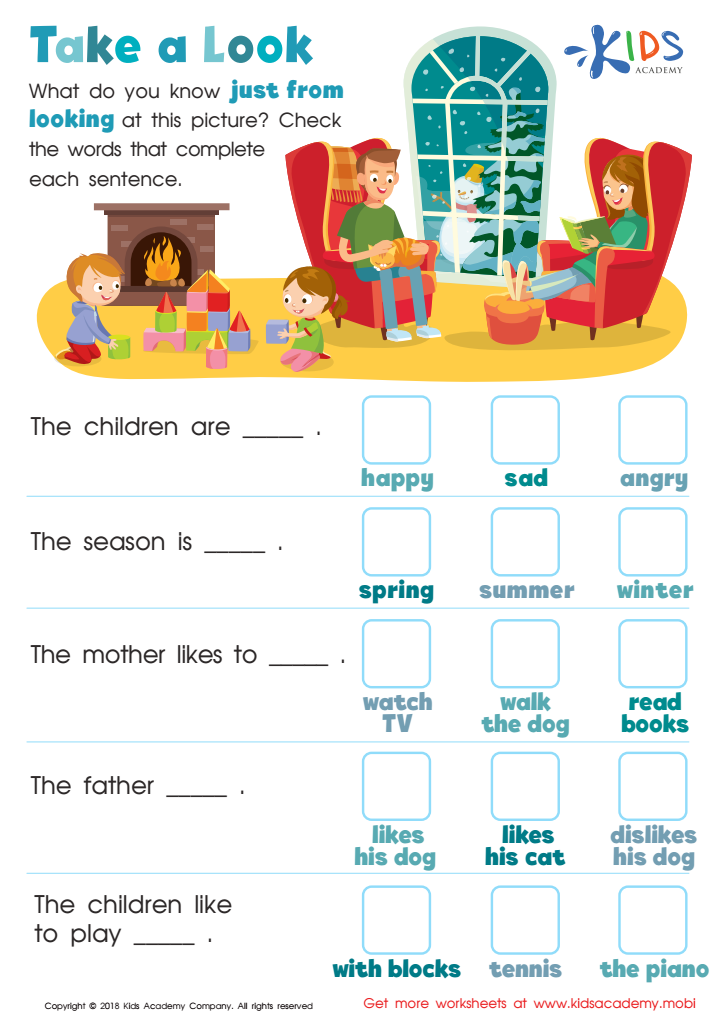
Take a Look - Part 1 Worksheet
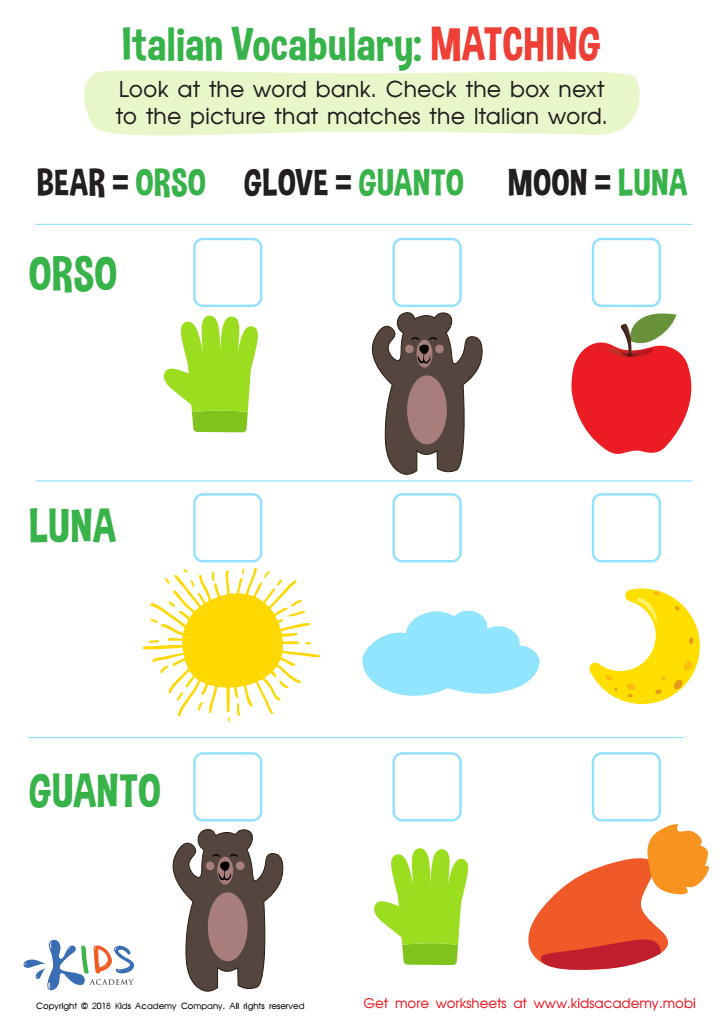
Italian Vocabulary Matching Worksheet
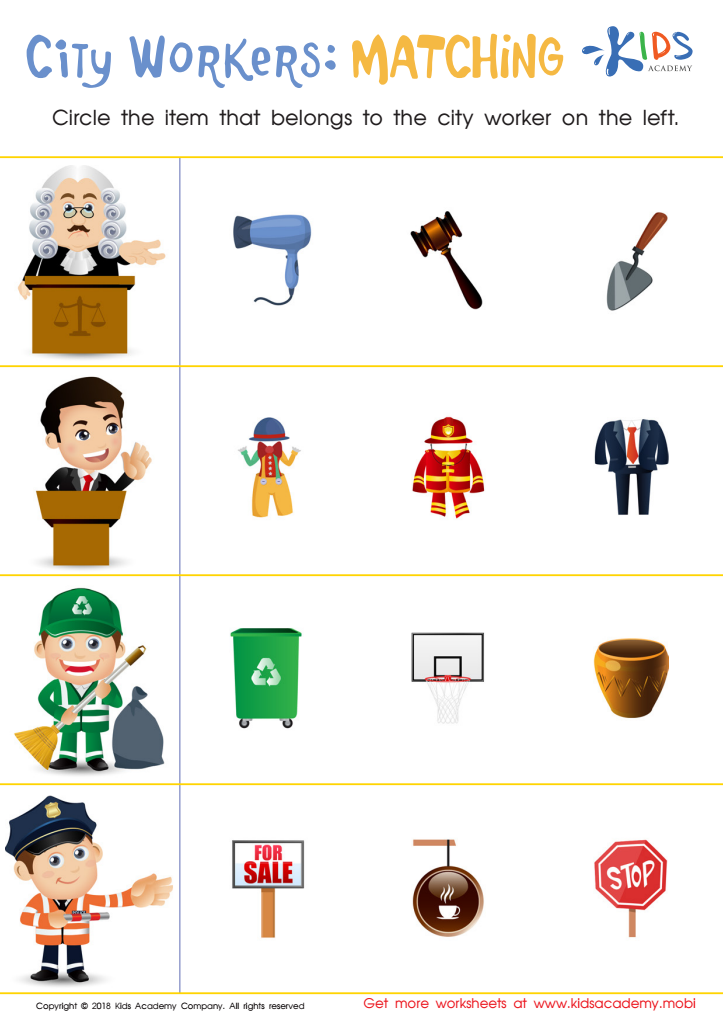
City Workers: Matching Worksheet
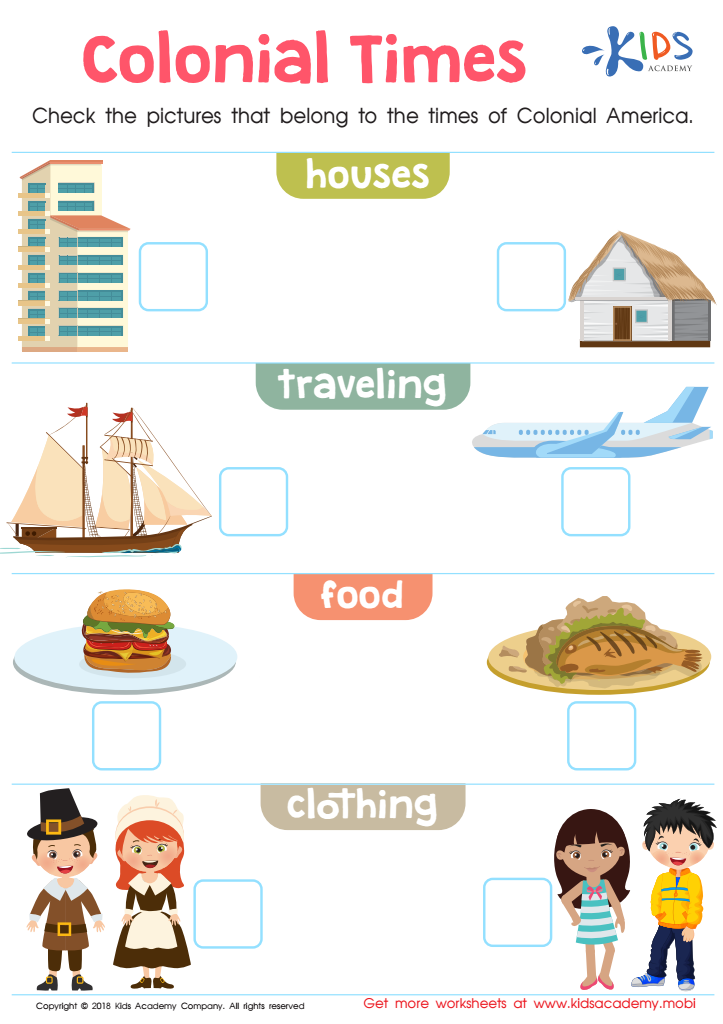
Colonial Times Worksheet
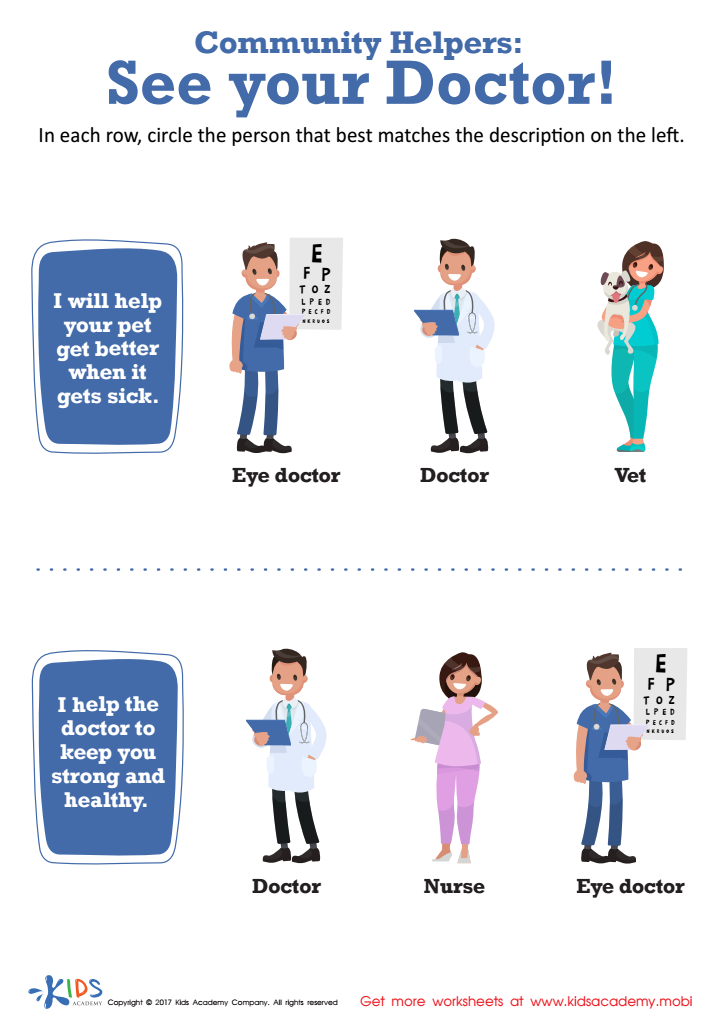
See Your Doctor (Part 2) Printable

World Flags Printable
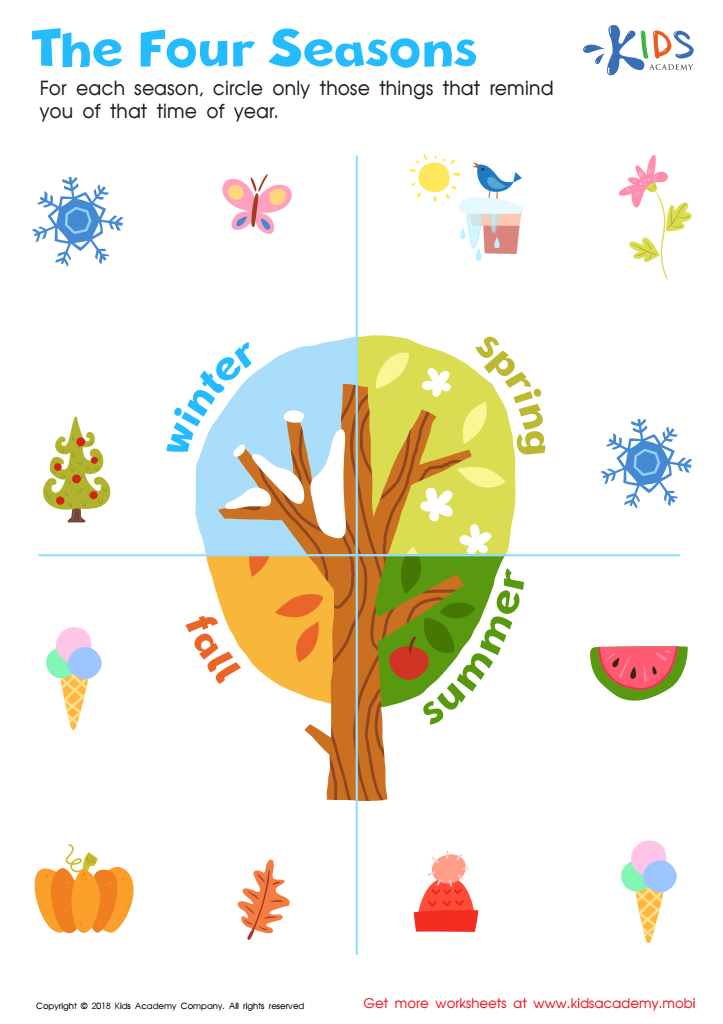
The Four Seasons Worksheet
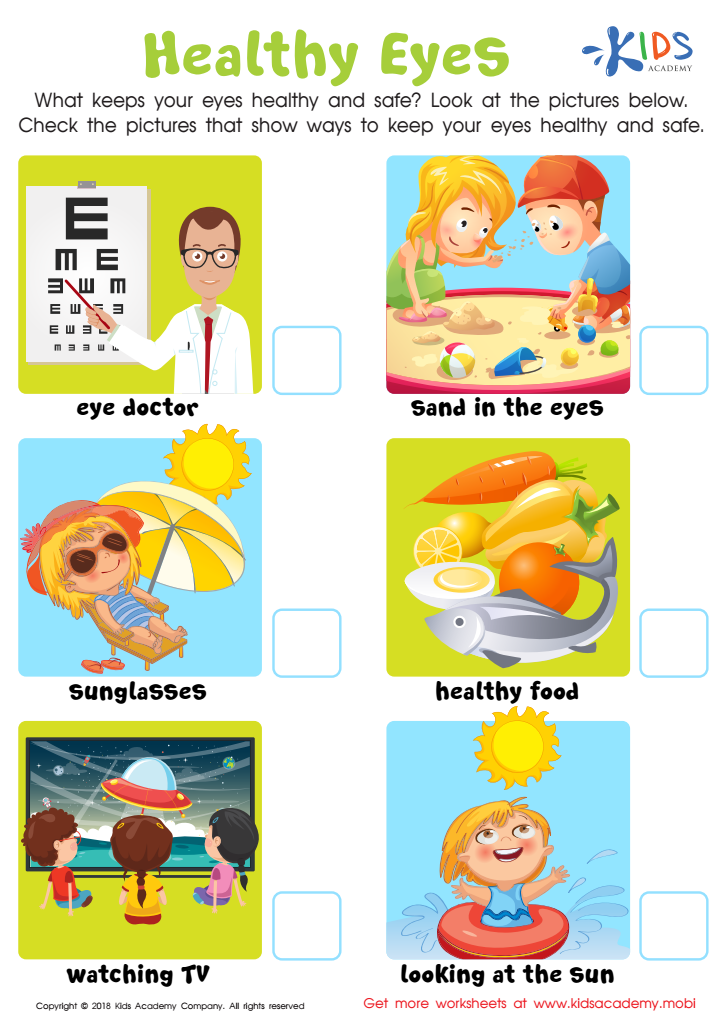
Healthy Eyes Worksheet
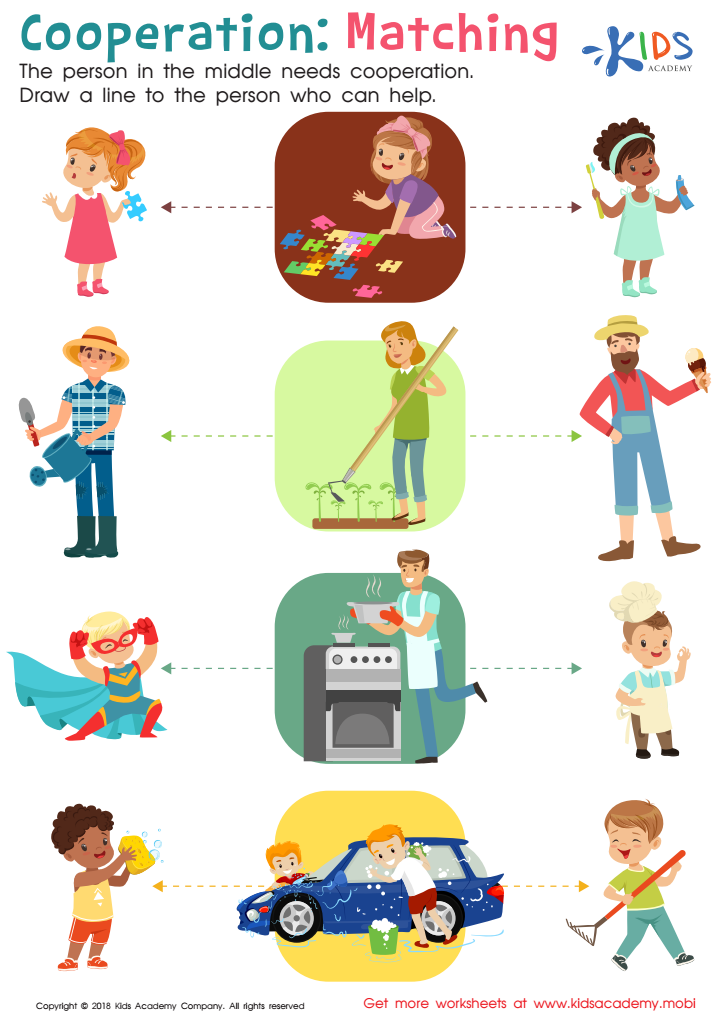
Cooperation: Matching Worksheet
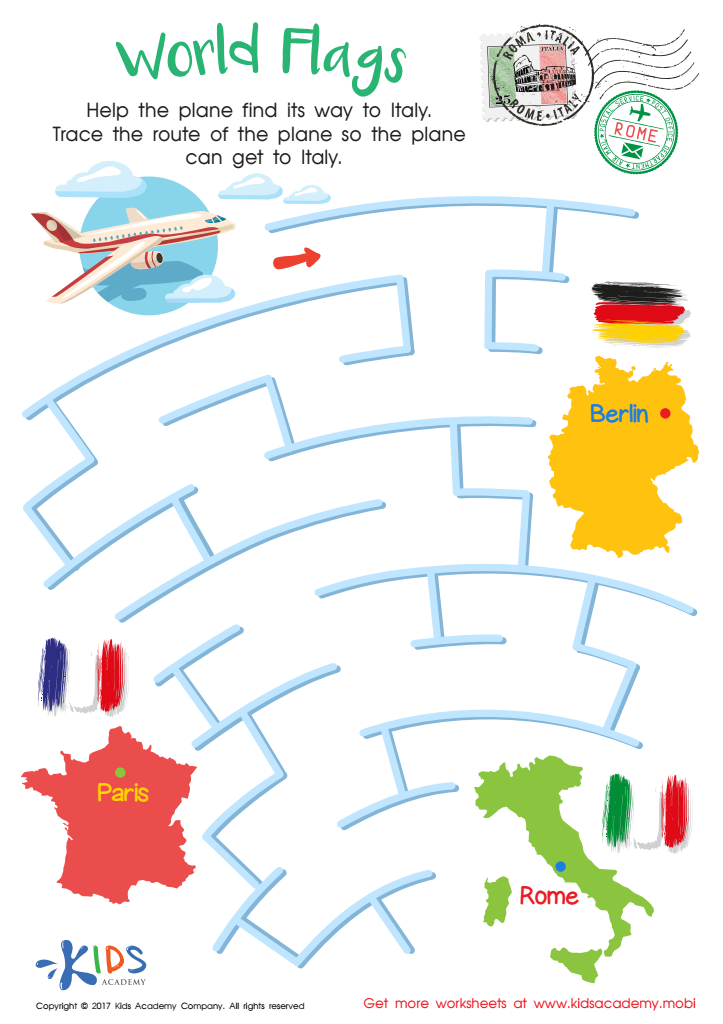
World Flags Maze Worksheet
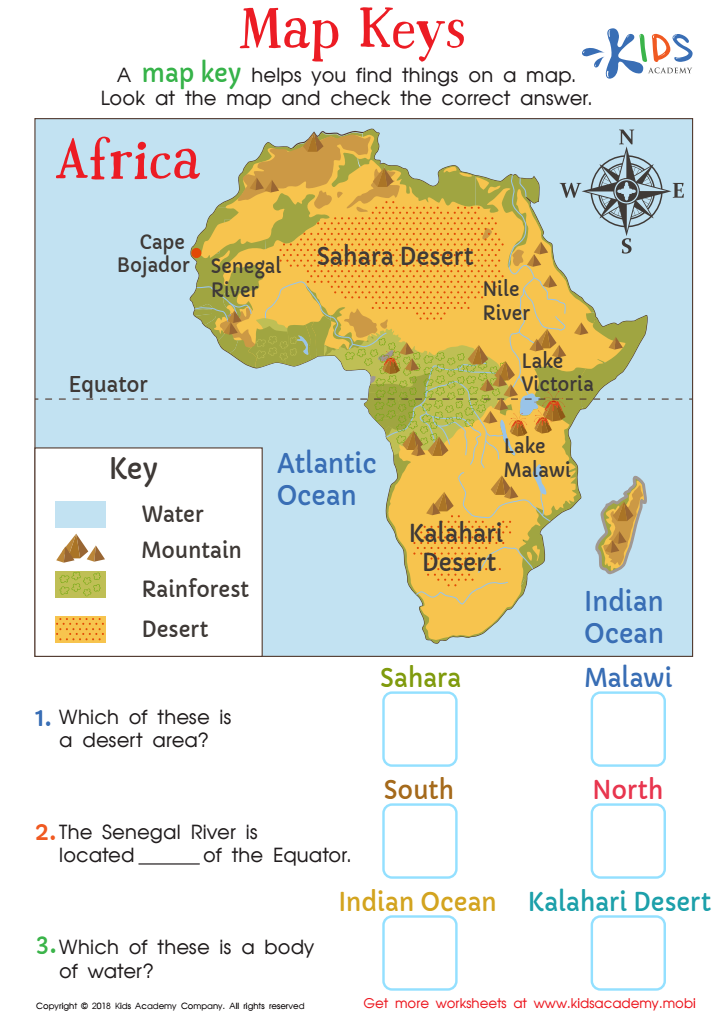
Map Keys Worksheet
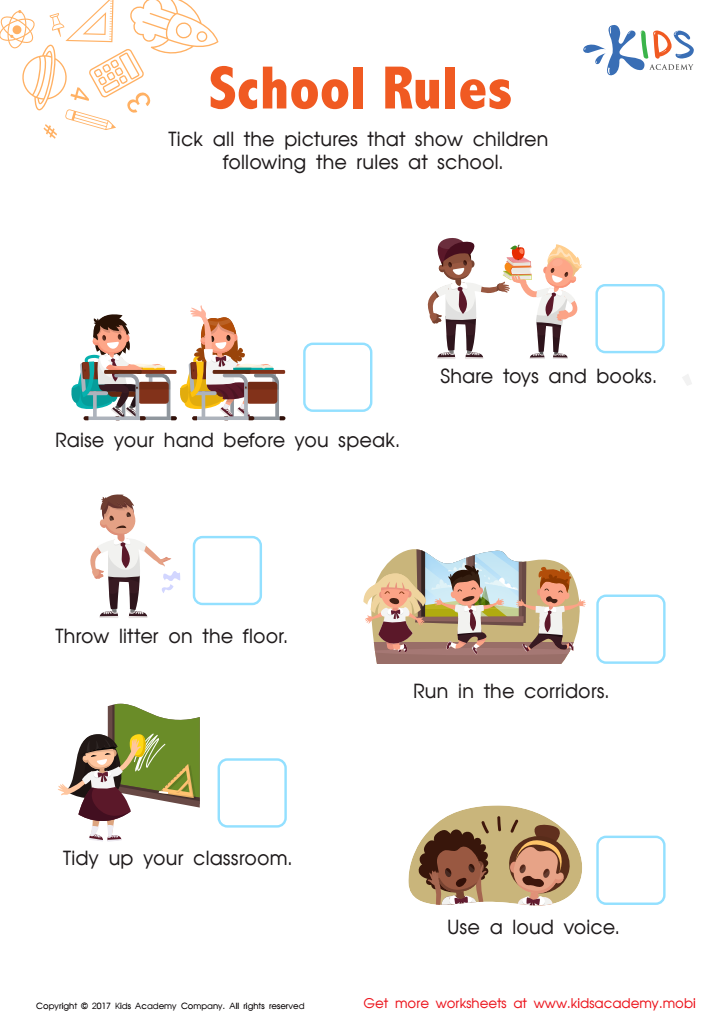
School Rules Worksheet


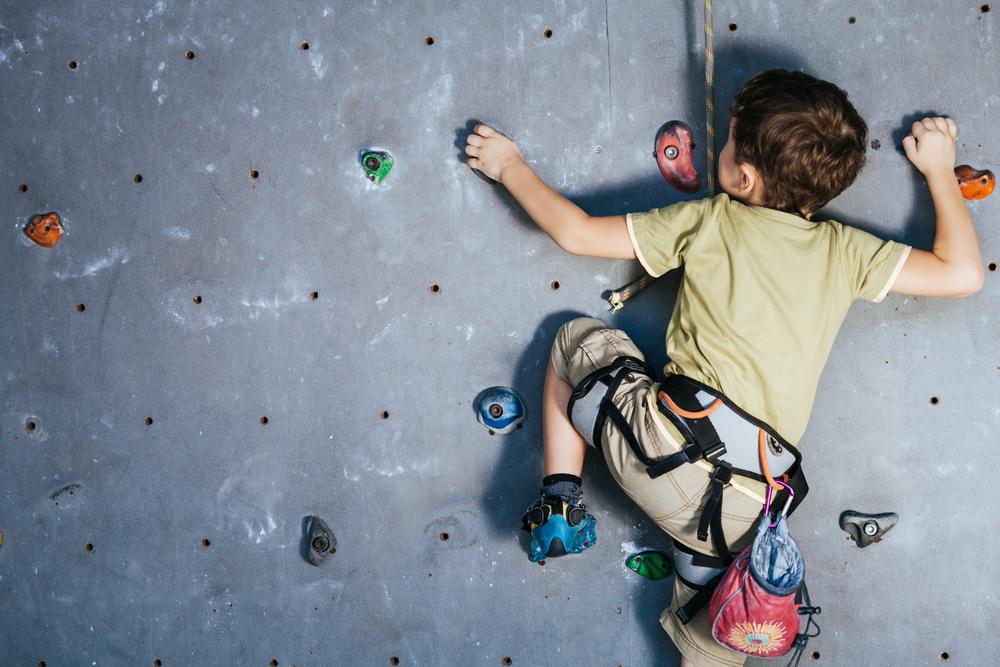





Normal Social Studies for Ages 3-6 is crucial for early childhood development, as it lays the foundation for a child's understanding of the world around them. At this pivotal age, children are like sponges, absorbing information and experiences that shape their social behavior, values, and perceptions of community.
Parents and teachers should prioritize Social Studies because it fosters essential skills such as empathy, cooperation, and critical thinking. Engaging with concepts like family structures, cultural diversity, and community roles helps young learners develop respect and appreciation for others, laying the groundwork for inclusivity.
Moreover, Social Studies encourages children to ask questions and explore their environment, fostering curiosity and a love of learning. Through storytelling, role-play, and hands-on activities, kids not only learn facts but also how to navigate social situations, solve problems, and work collaboratively.
By integrating Social Studies into early education, parents and teachers equip children with the tools necessary for effective communication and relationship-building. These foundational experiences empower children to become informed, compassionate citizens as they grow, ensuring a more harmonious and understanding society in the future.