Normal Letter Recognition Worksheets for Ages 3-7 - Page 3
66 filtered results
-
From - To
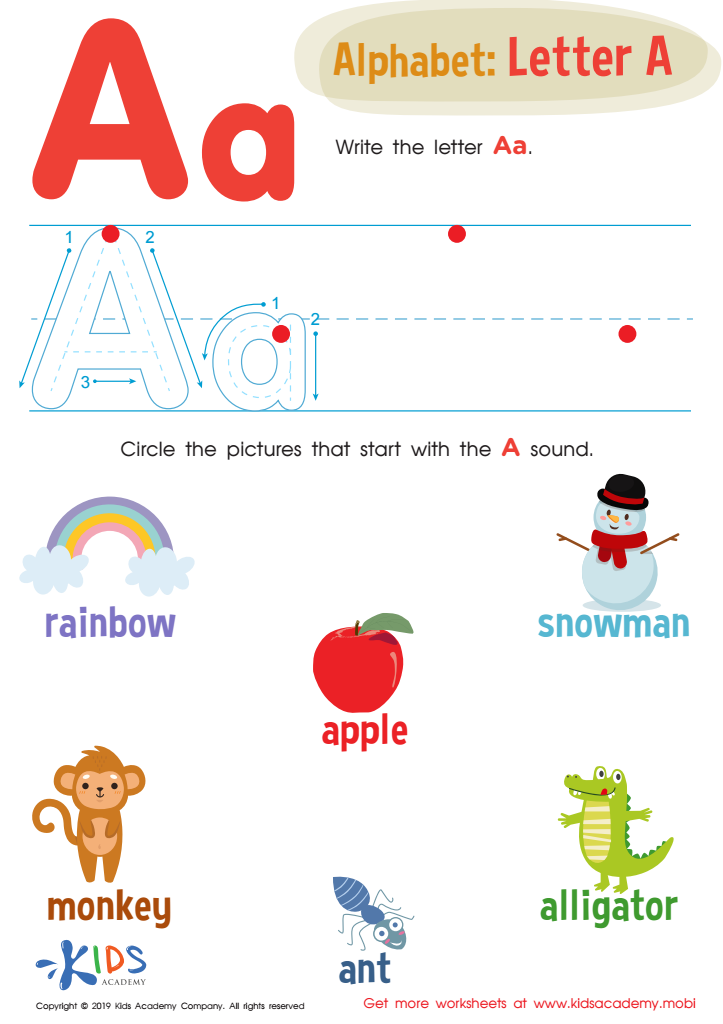
Letter A Tracing Worksheet
 Assign to My Students
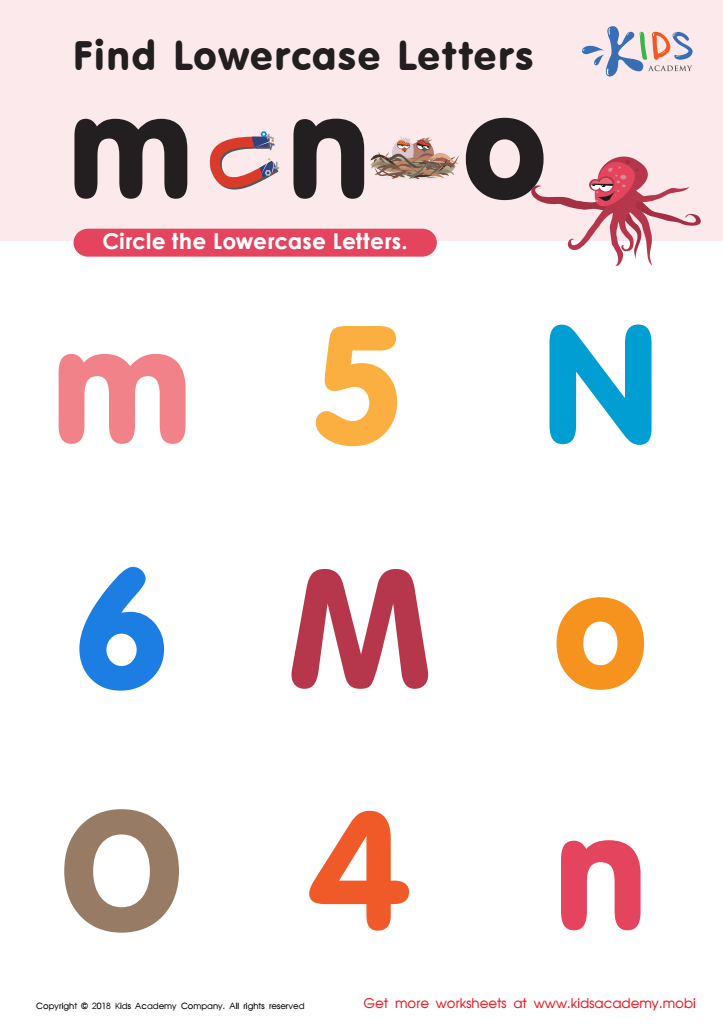
Find Lowercase Letters m n o Worksheet
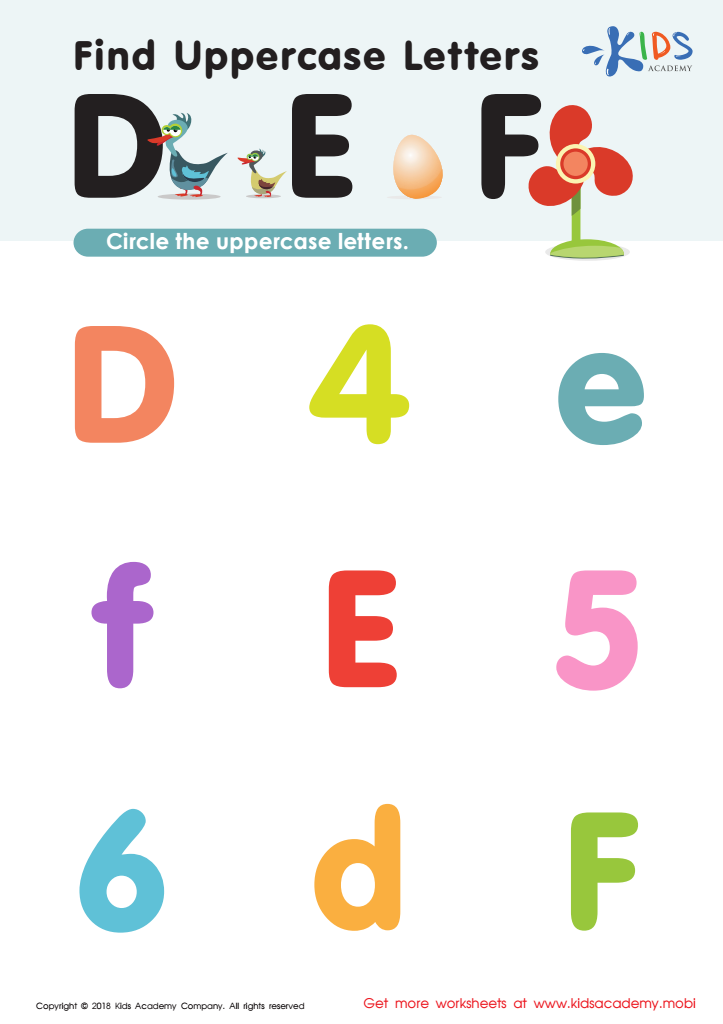
Find Uppercase Letters D, E, and F Worksheet
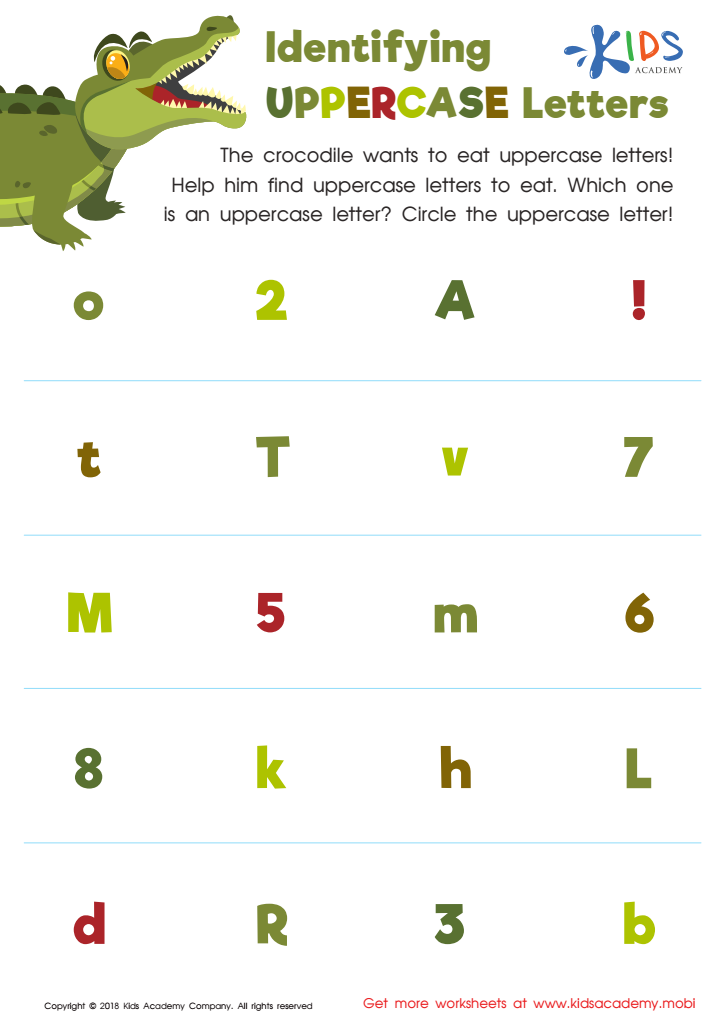
Identifying Uppercase Letters Worksheet
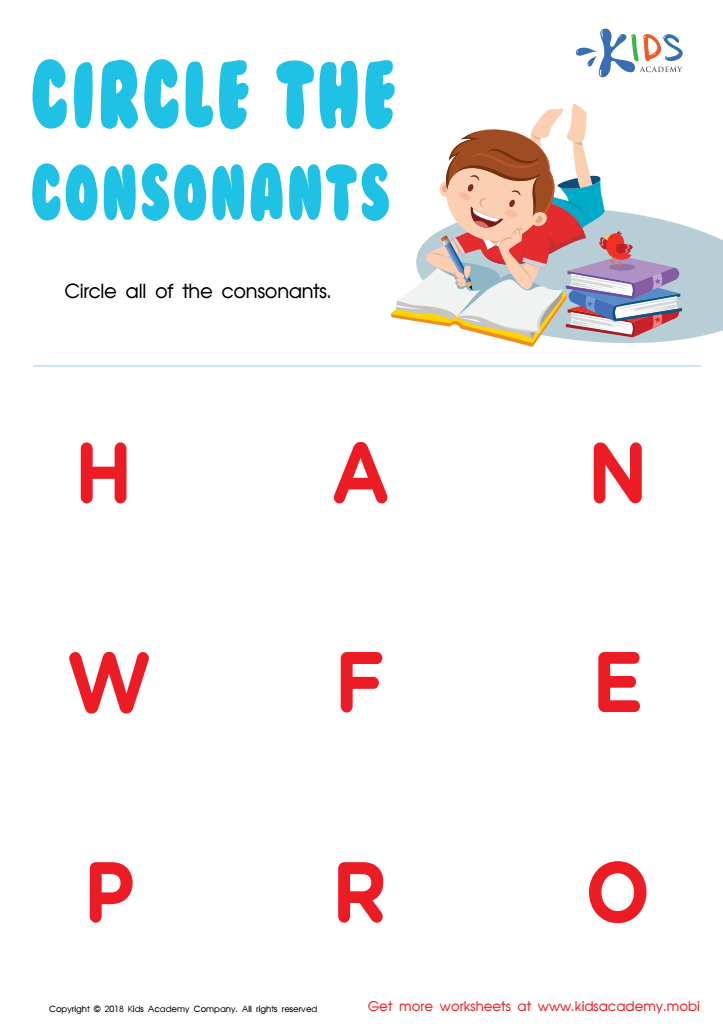
Circle the Consonants Worksheet
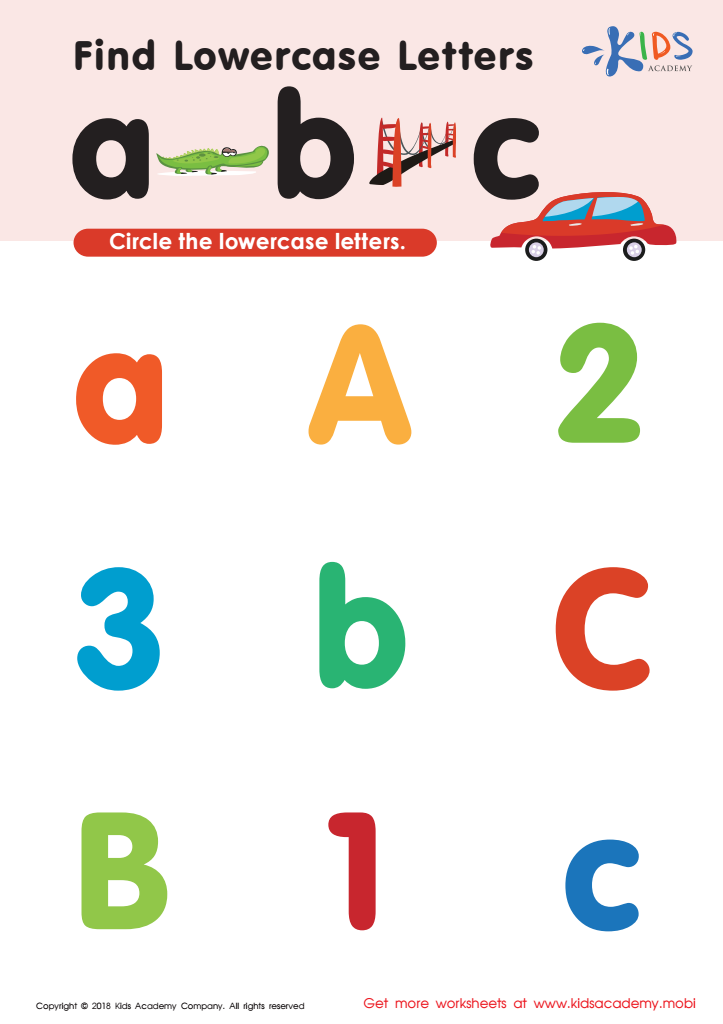
Find lowercase letters a b c Worksheet
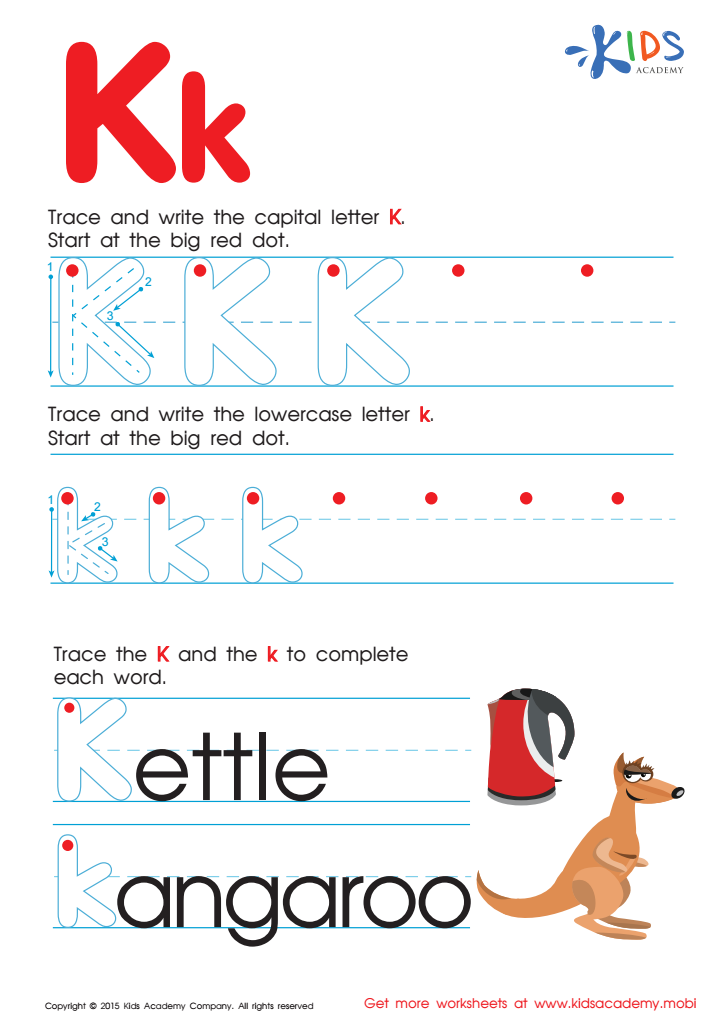
Letter K Tracing Page
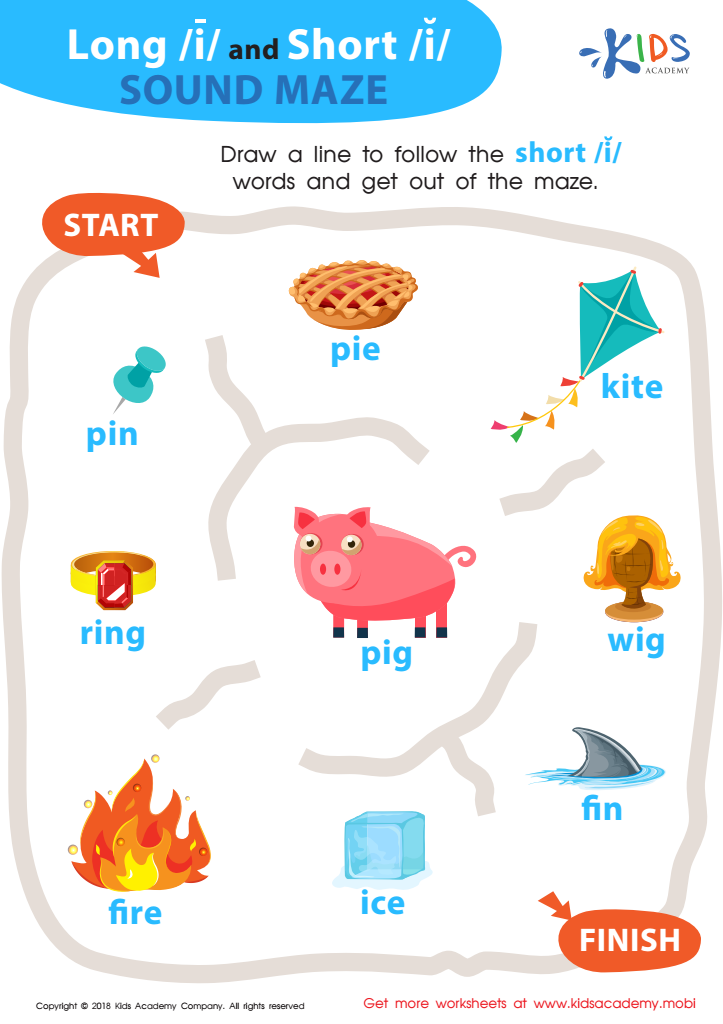
Reading: Long I and Short I Sound Maze Worksheet
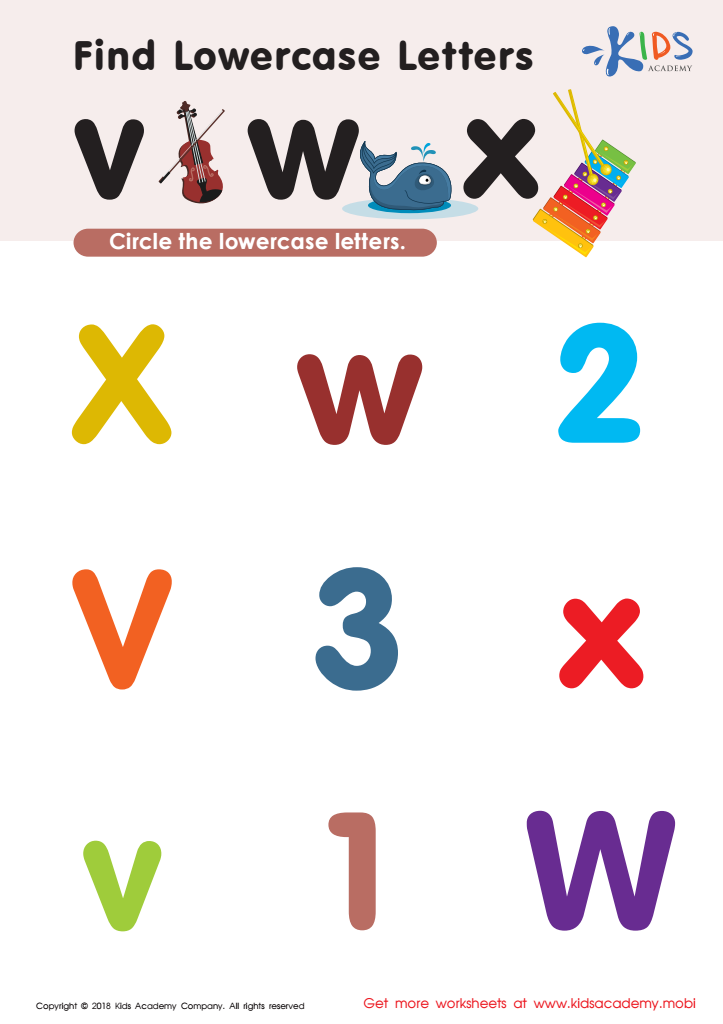
Find Lowercase Letters v w x Worksheet

Letter F Tracing Page
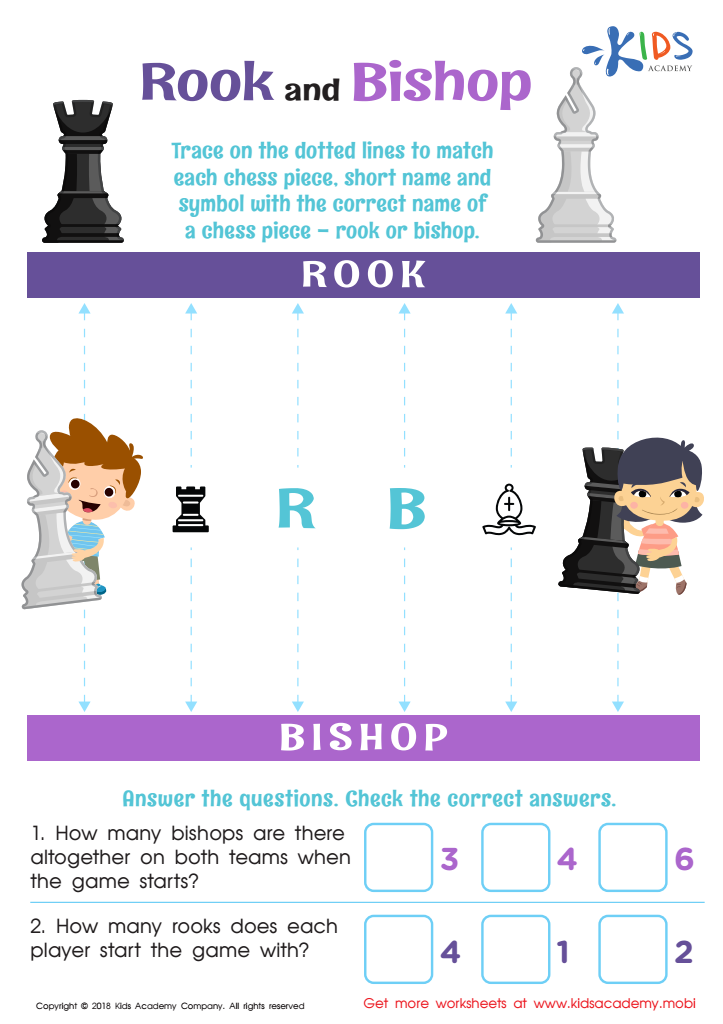
Rook and Bishop Worksheet
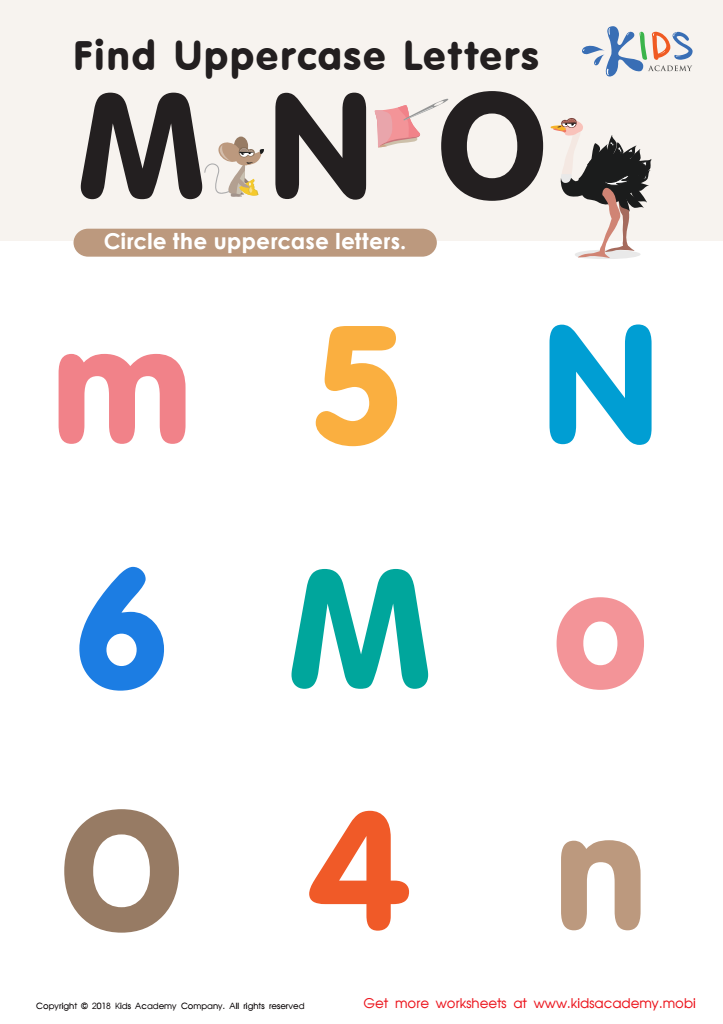
Find Uppercase Letters M, N, and O Worksheet
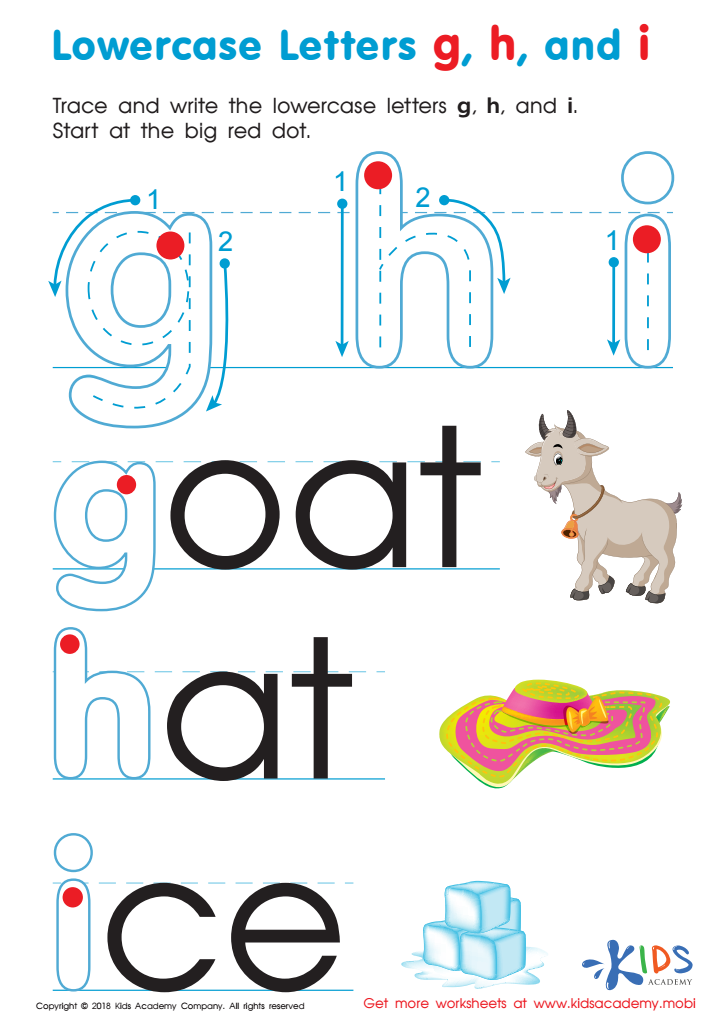
Lowercase Letters g h i Worksheet
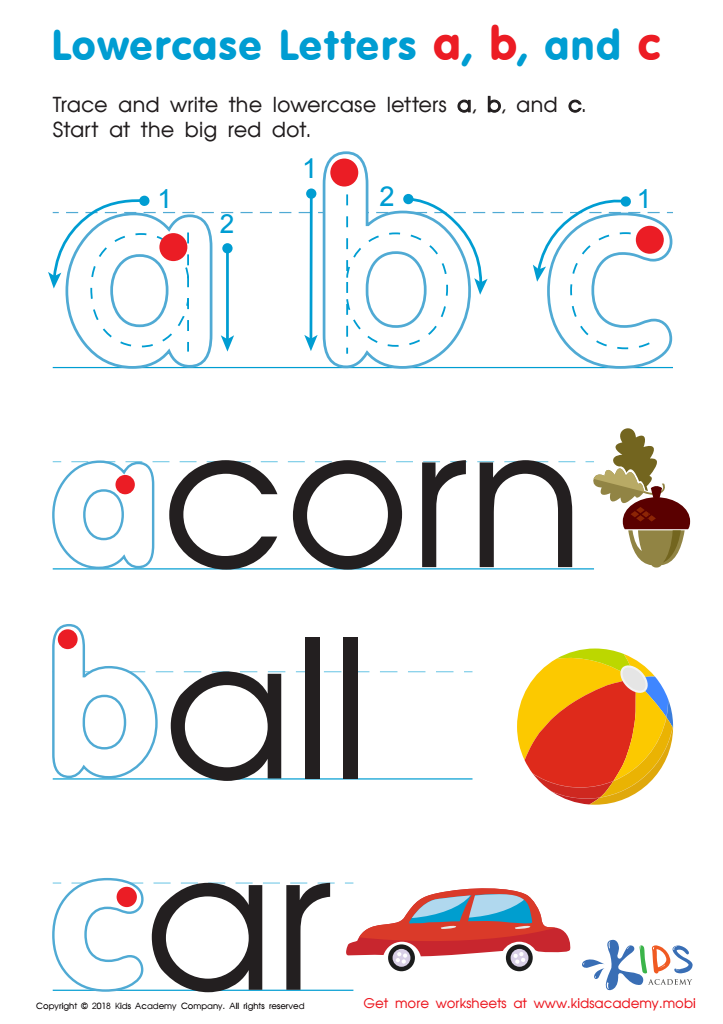
Lowercase Letters a b c Worksheet
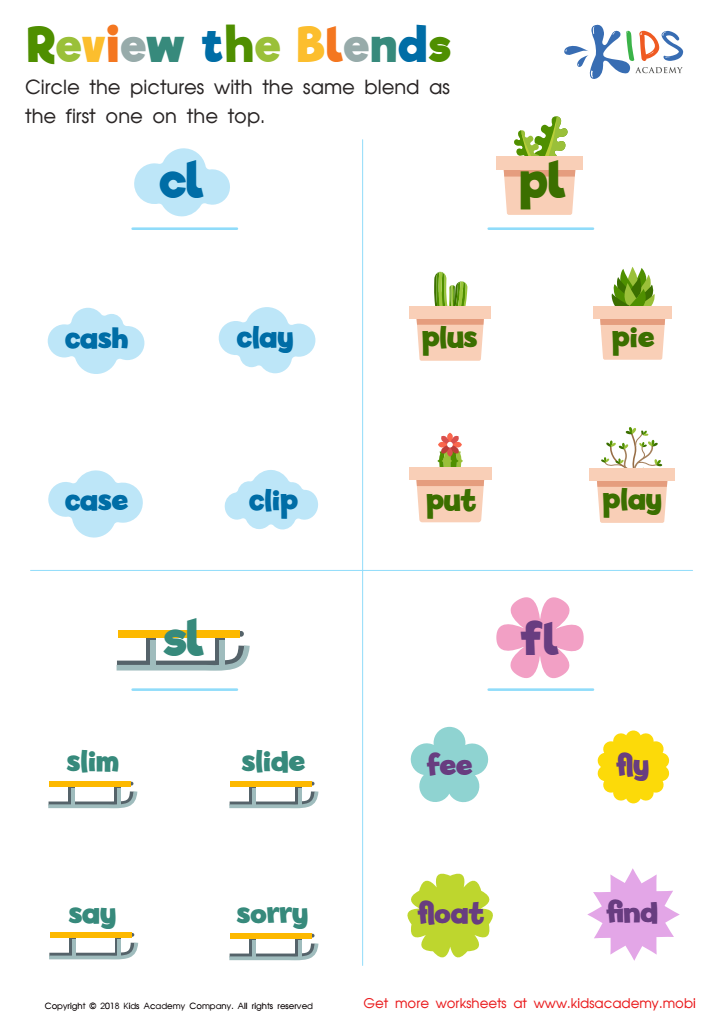
Review the Blends Worksheet

Letter D Tracing Page
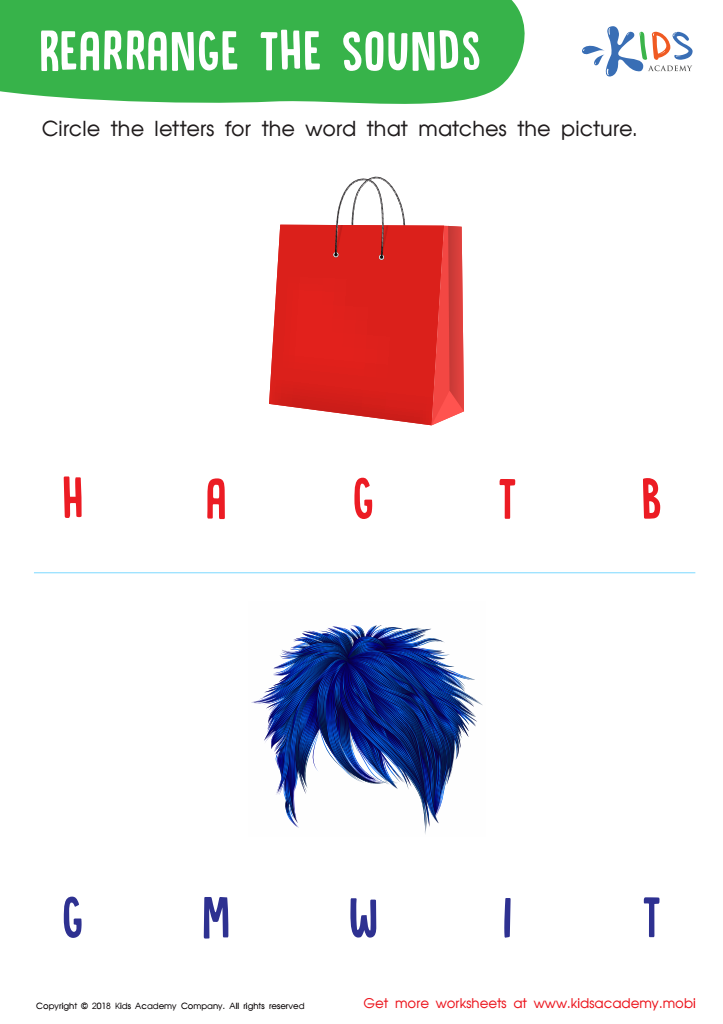
Rearrange the Sounds Worksheet
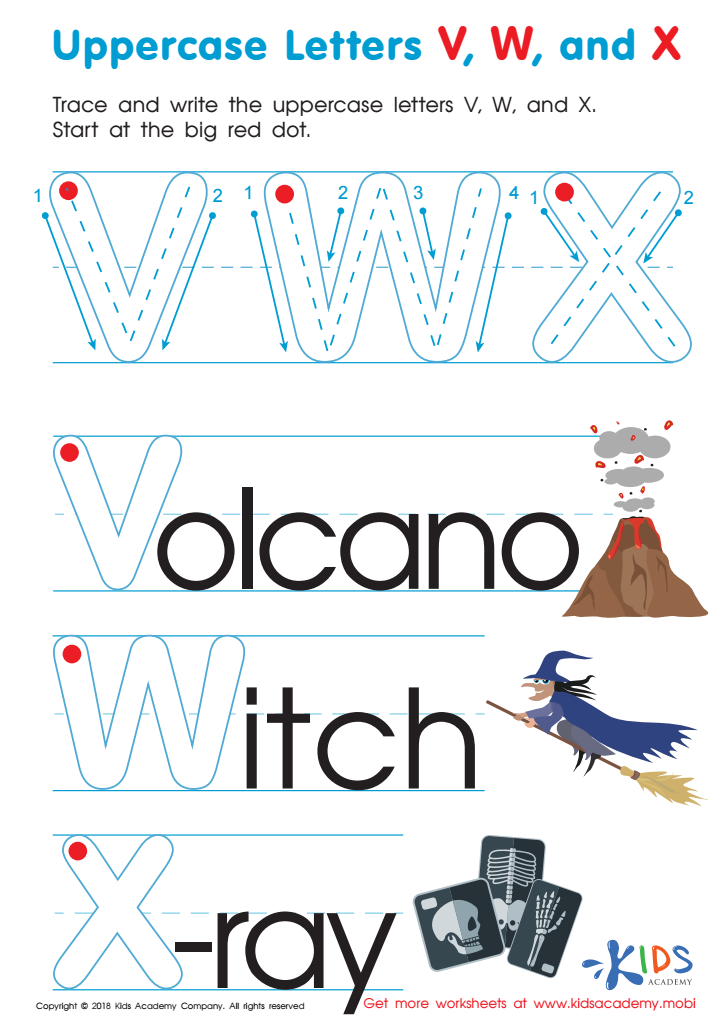
Uppercase Letters V, W, and X Worksheet








Normal letter recognition is a fundamental skill crucial for developing literacy in children ages 3-7. During these formative years, children are introduced to the alphabet, which serves as the building blocks for reading and writing. Proficient letter recognition enables children to understand written language, aiding in their ability to identify words, enhance vocabulary, and develop phonemic awareness.
Parents and teachers should prioritize letter recognition as it fosters a foundational love for reading. Children who recognize letters and sounds are more likely to succeed in school, creating a positive cycle of academic achievement and confidence. Furthermore, recognizing letters involves not just rote memorization but also aids in critical cognitive development, such as categorization and visual discrimination skills.
Engaging children with fun and interactive activities—like alphabet games, songs, and storytime—enriches their learning experience and makes it enjoyable. Additionally, early intervention is key; those who struggle with letter recognition may face challenges later in literacy skills, potentially impacting their overall academic success.
In essence, supporting normal letter recognition lays the groundwork for successful literacy development, instills a lifelong love of reading, and equips children with essential skills that will benefit them throughout their educational journey.








