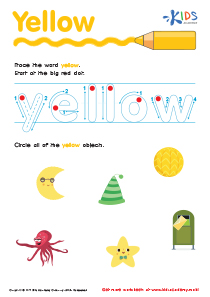
Normal English for Beginners Worksheets for Ages 3-7 - Page 3
56 filtered results
-
From - To
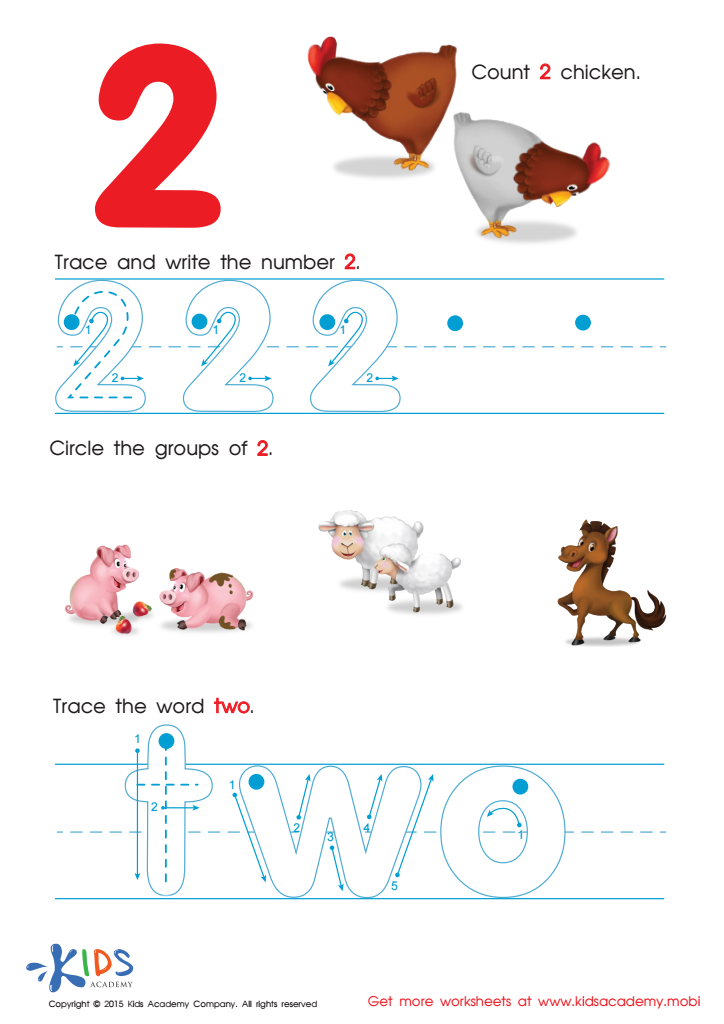
Learn to Write the Number 2 Worksheet
 Assign to My Students
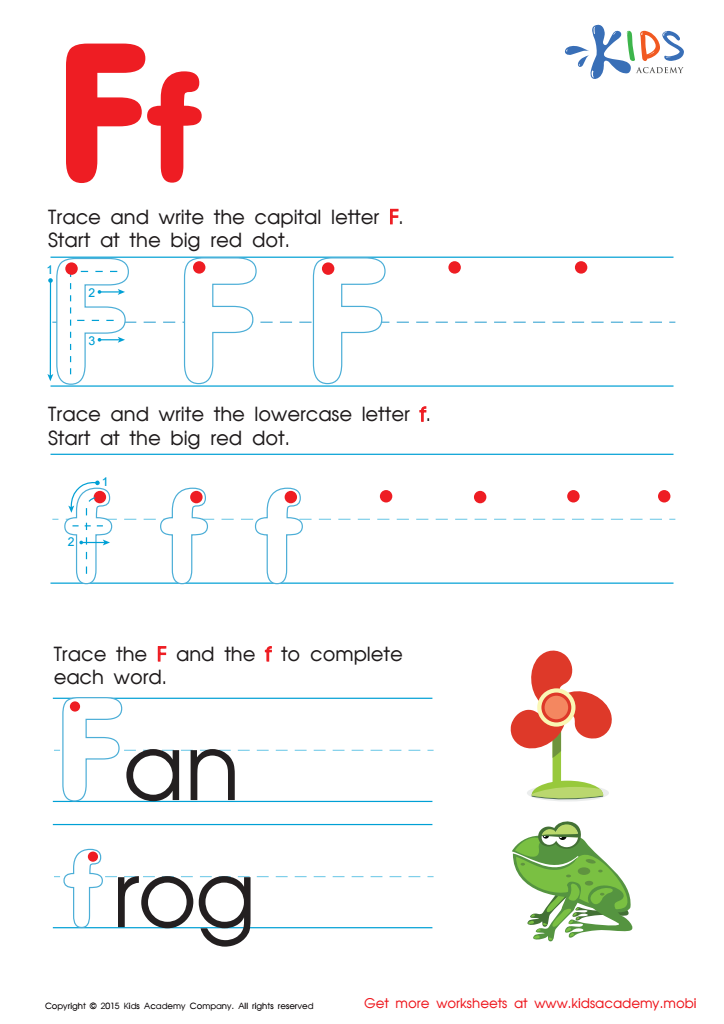
Letter F Tracing Page
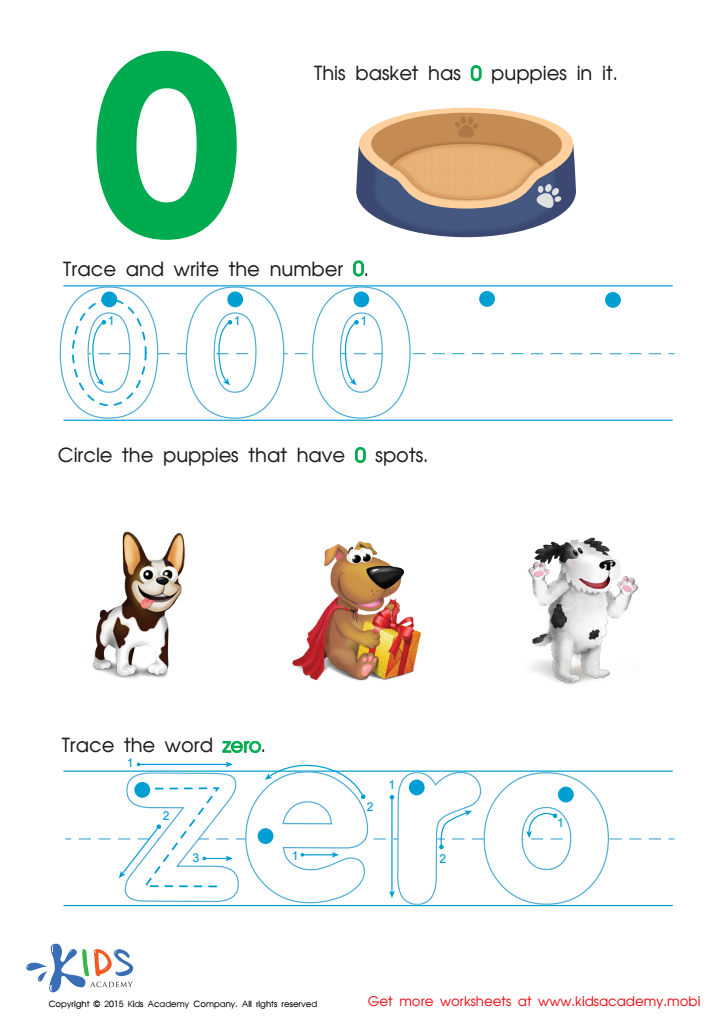
Trace And Write Number 0 Worksheet
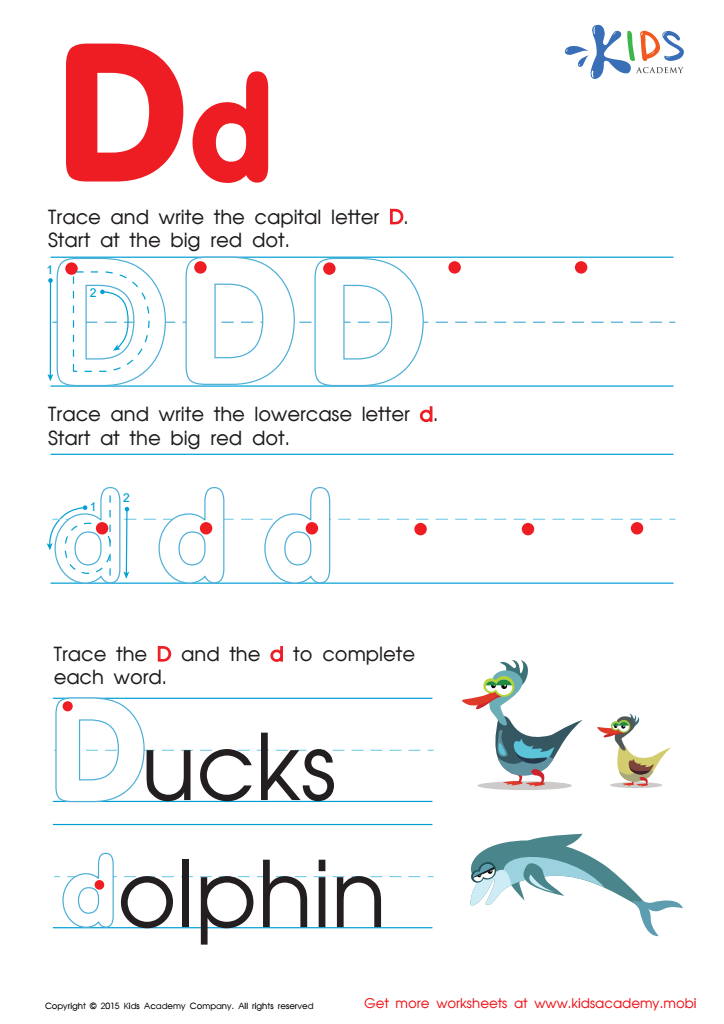
Letter D Tracing Page
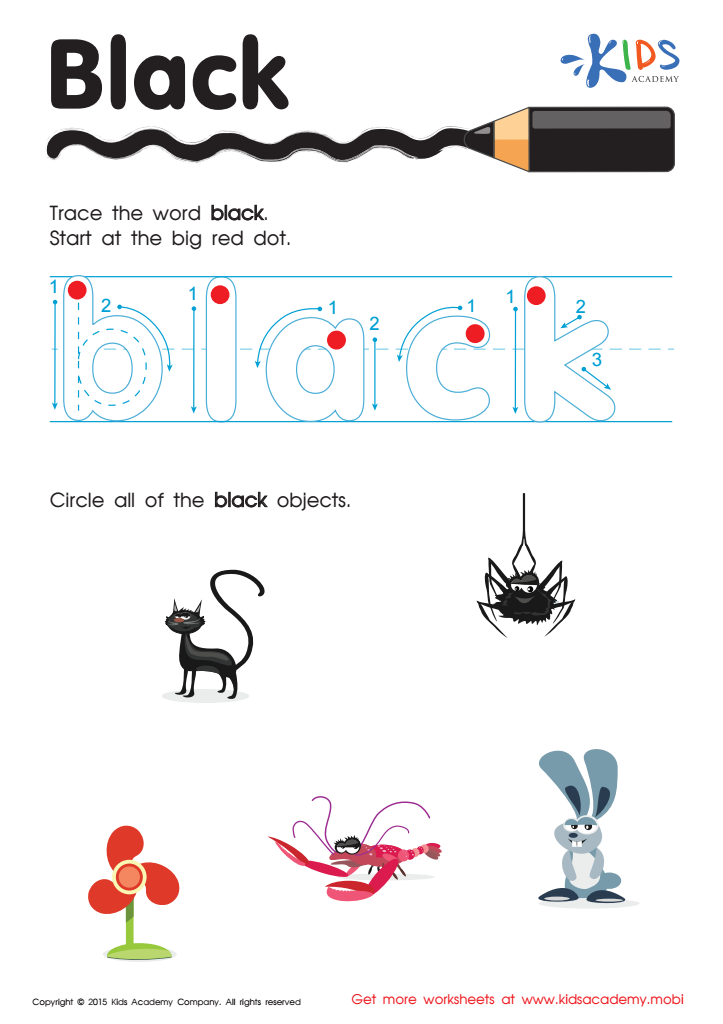
Black Tracing Color Words Printable
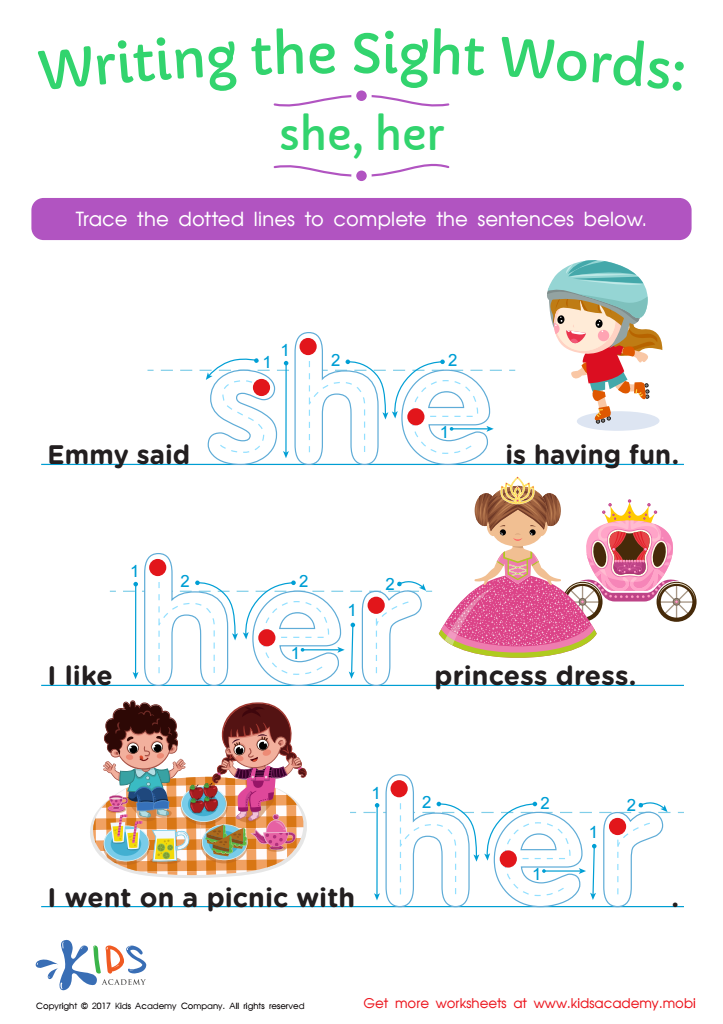
She, Her Printable Sight Words Worksheet
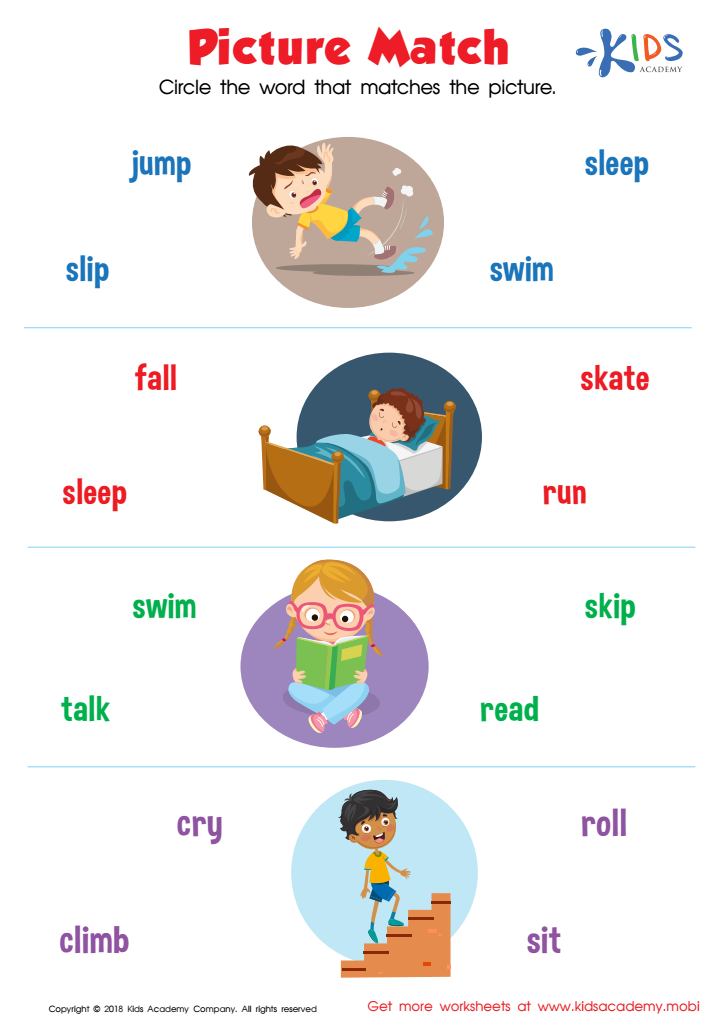
Picture Match Worksheet
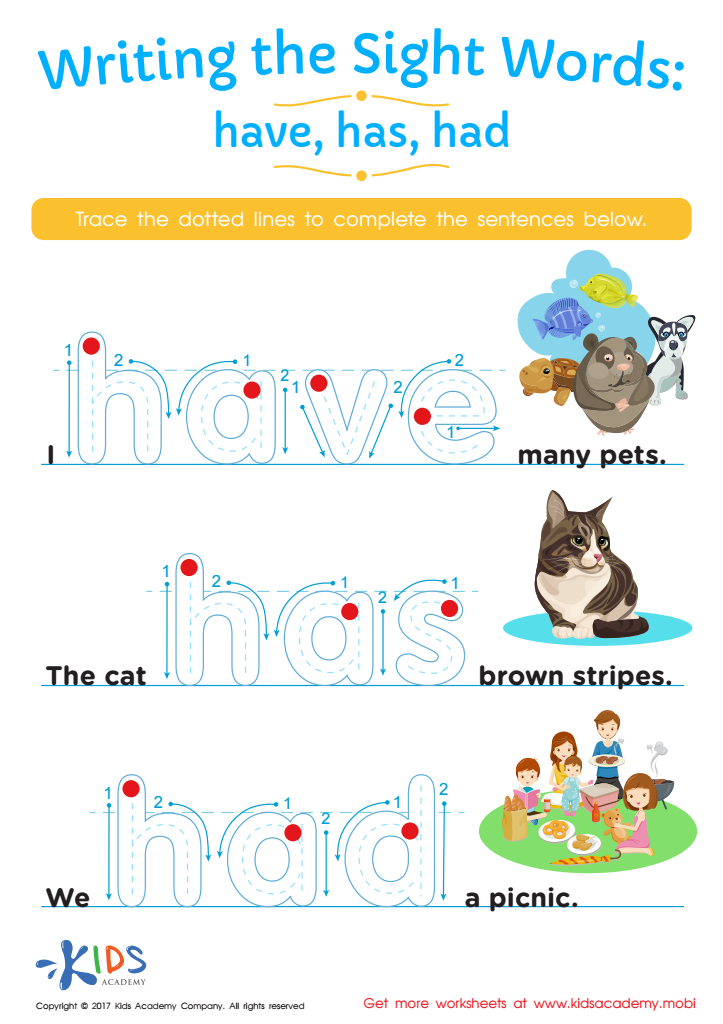
Have, Has, Had Worksheet Sight Words Worksheet





Parents and teachers should prioritize Normal English for Beginners, specifically for ages 3-7, as this is a pivotal period for language development. During these formative years, children's brains are highly receptive to learning new languages and concepts. Structured language programs designed for young learners introduce basic English skills in a simple, engaging, and age-appropriate manner.
Early exposure to normal English helps children develop essential communication skills, laying a strong foundation for reading, writing, and speaking. These are critical for future academic success and social interactions. Moreover, early language instruction enhances cognitive abilities, such as memory, attention, and thinking skills.
Teachers benefit from such programs by having a structured curriculum that aligns with developmental milestones. This allows educators to track progress and identify any language-related challenges early on. For parents, engaging in these programs fosters active participation in their child's learning journey, encouraging bonding and providing opportunities for practice and reinforcement of concepts learned in formal settings.
Ultimately, starting English education early sets kids on a path to becoming confident communicators, efficient learners, and socially adept individuals, readiness for school and beyond, making it a valuable investment for a bright future.