Normal 2D Shapes Worksheets for Ages 3-7 - Page 2
32 filtered results
-
From - To
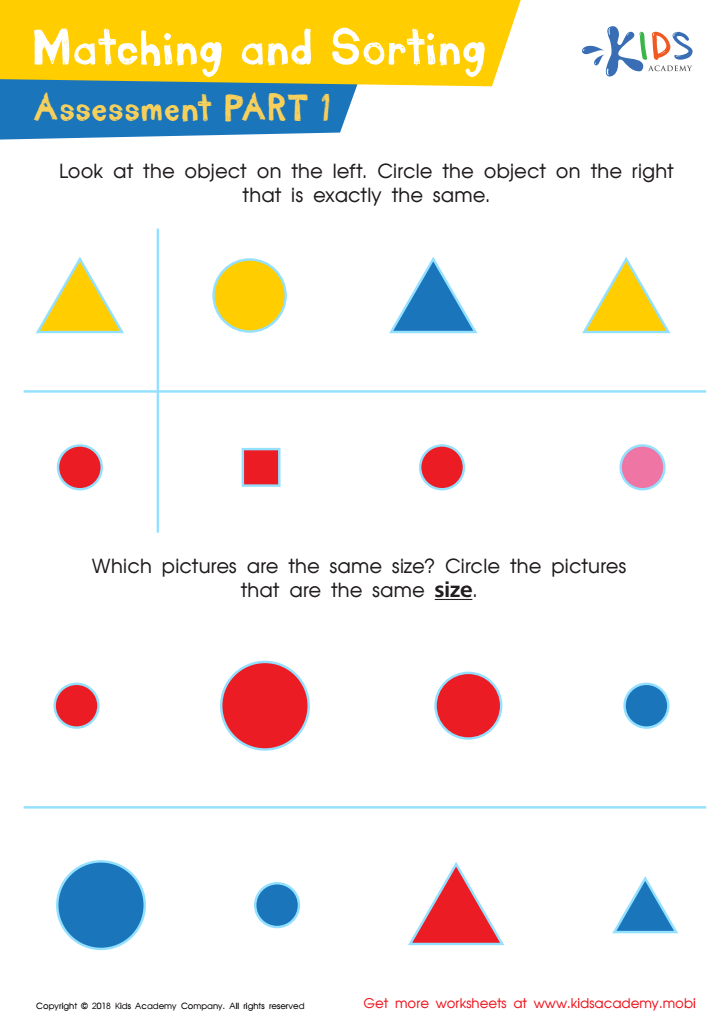
Matching and Sorting for Kindergarten: Assessment 1 Worksheet
 Assign to My Students

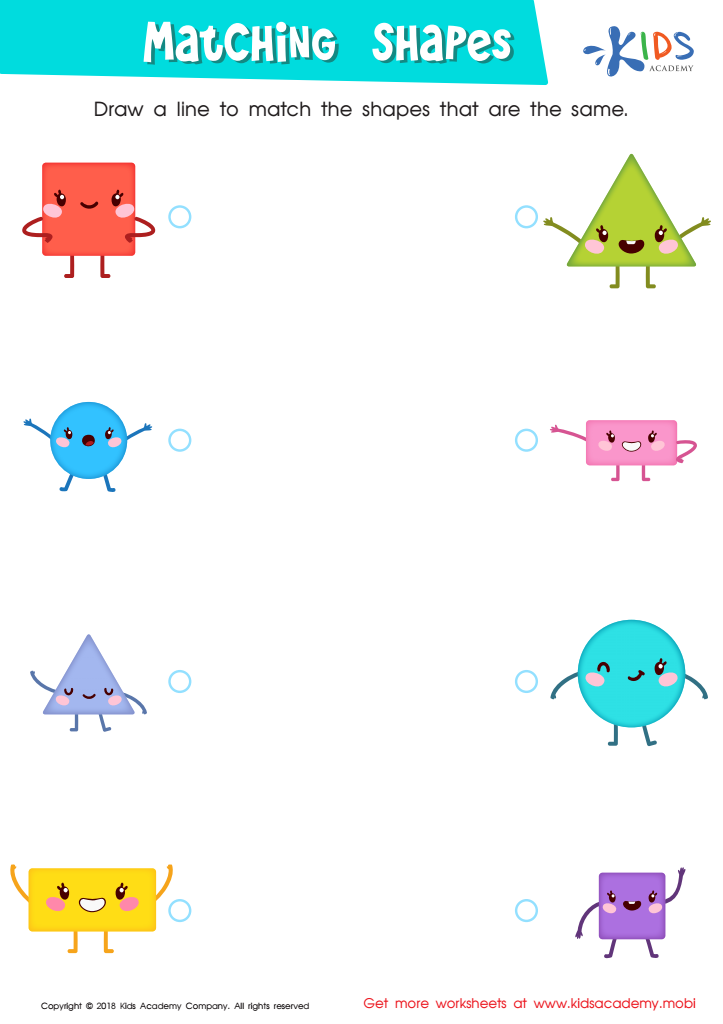
Matching Shapes Worksheet
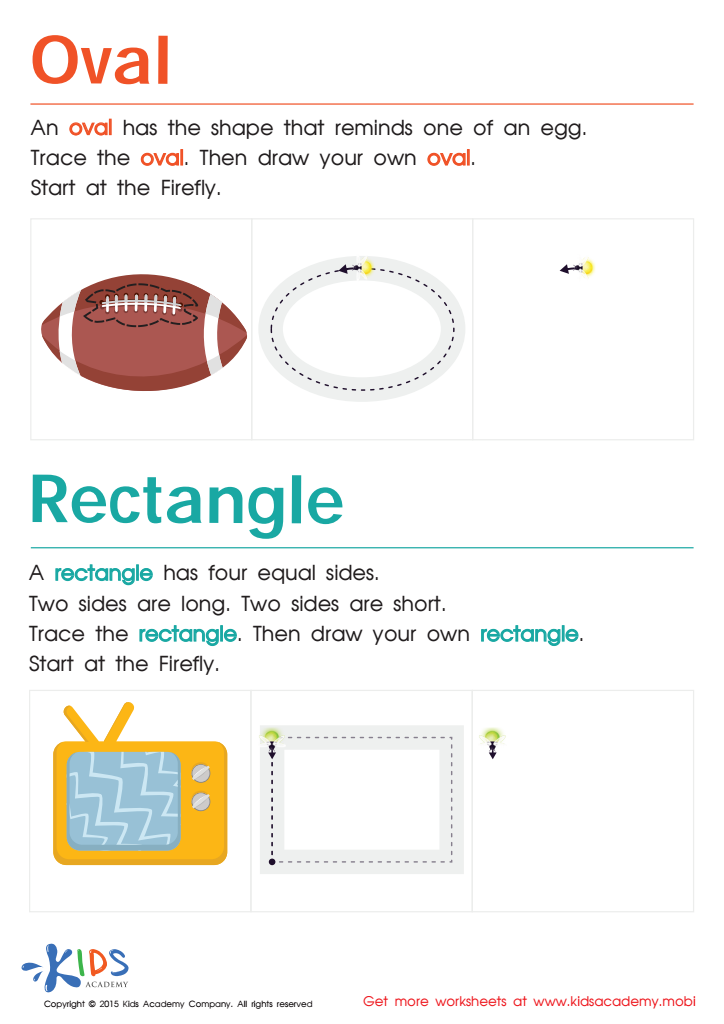
Easy Drawing of Ovals And Rectangles Worksheet
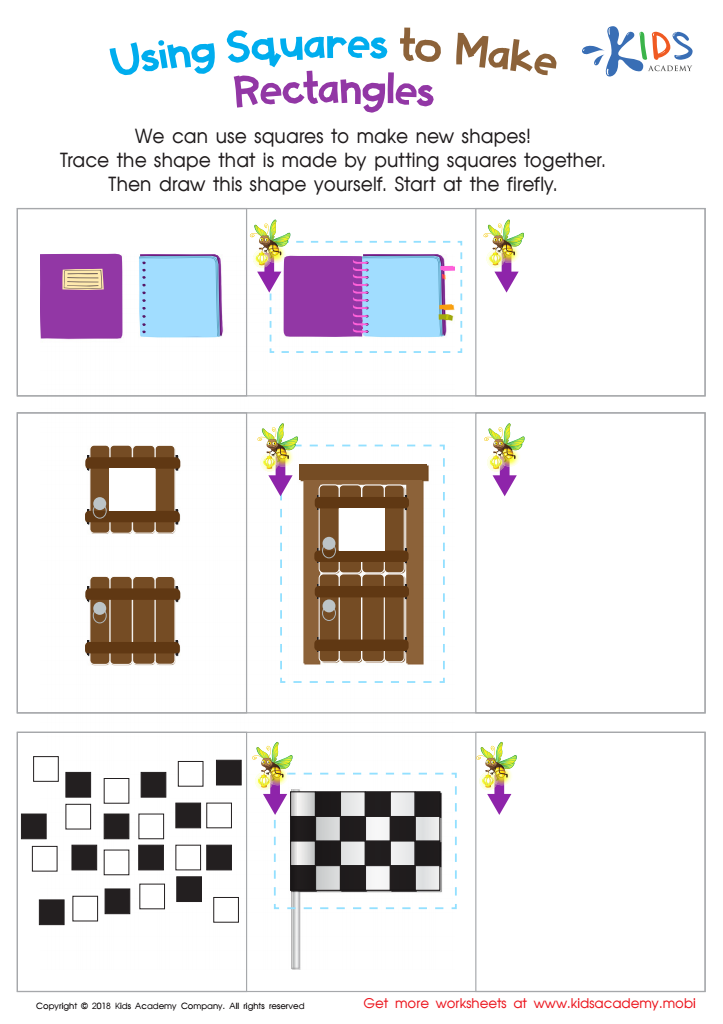
Using Squares to Make Rectangles Worksheet
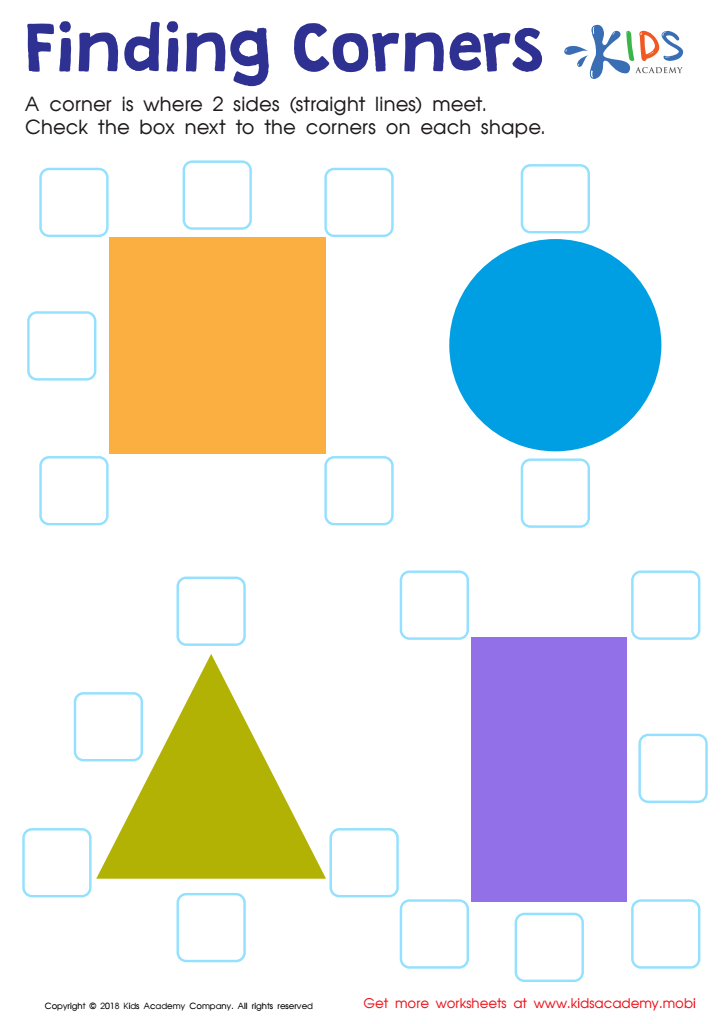
Finding Corners Worksheet
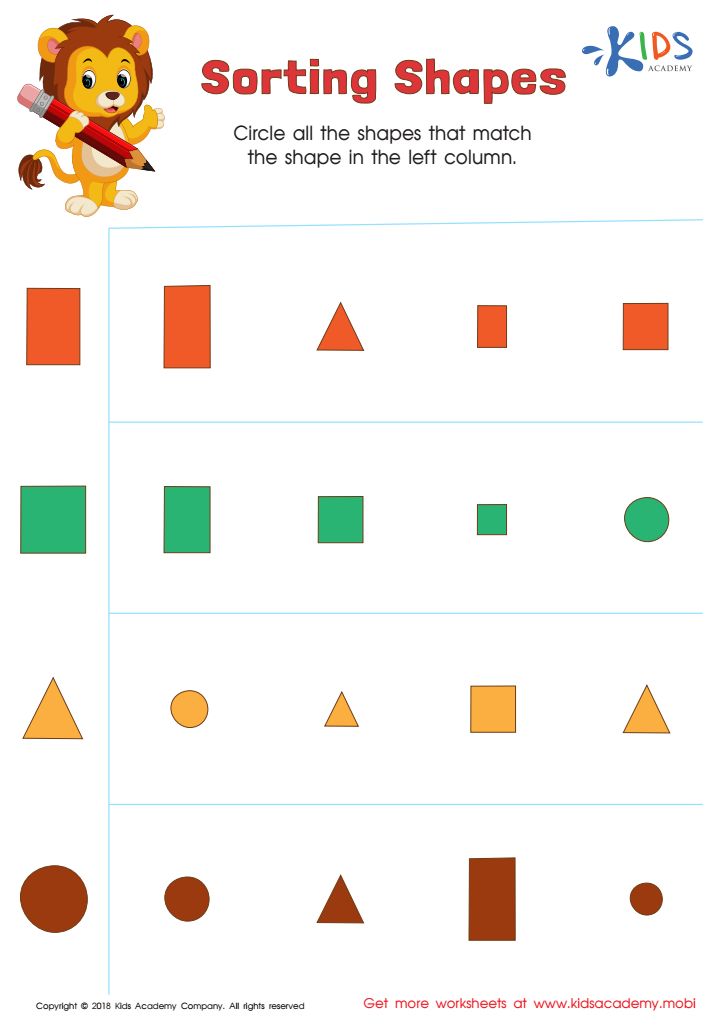
Sorting Shapes - Part 2 Worksheet
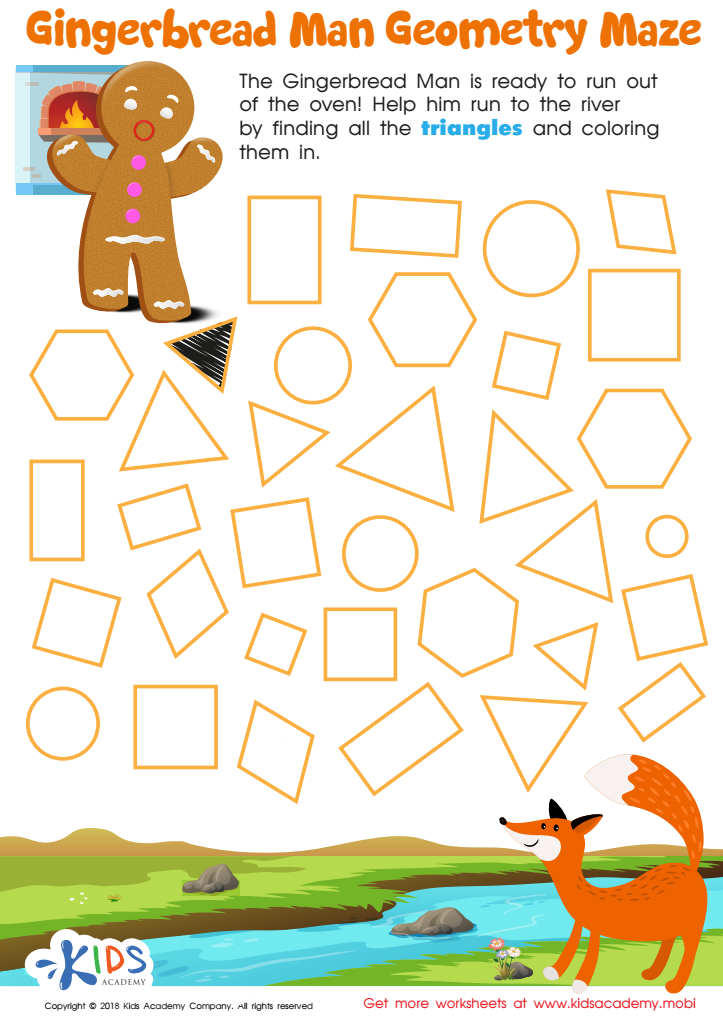
Gingerbread Man Geometry Maze Worksheet
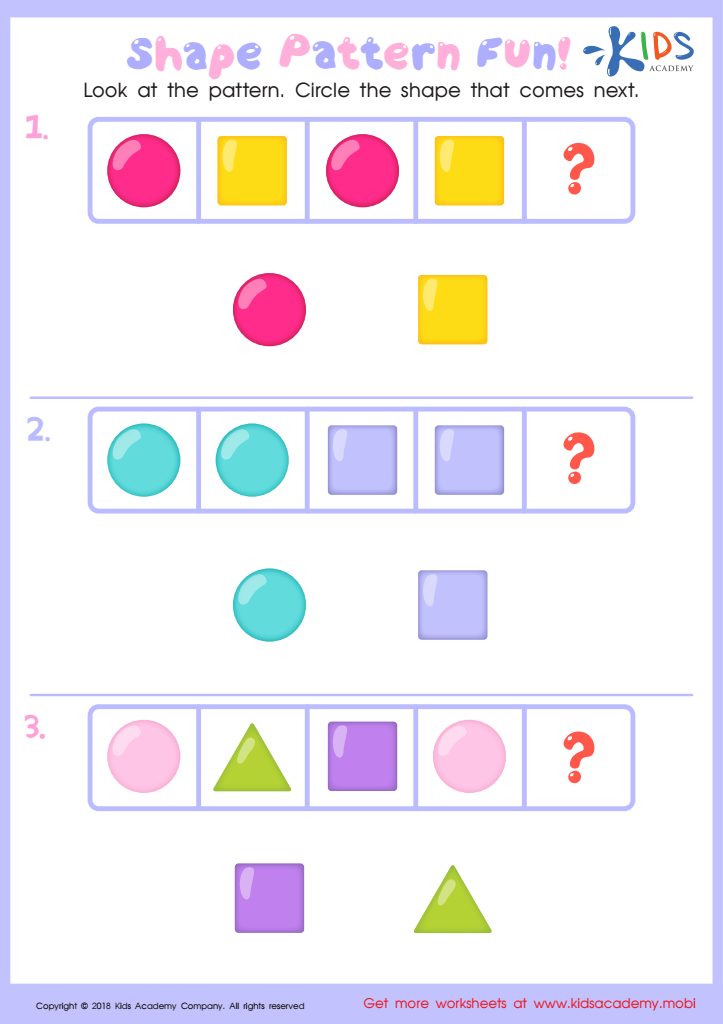
Shape Pattern Fun Worksheet








Understanding normal 2D shapes is crucial for children aged 3 to 7, as it forms the foundation for their mathematical and cognitive development. During these formative years, children begin to recognize, categorize, and describe the world around them, and normal 2D shapes are fundamental building blocks in this process.
Teaching shapes such as circles, squares, triangles, and rectangles helps children develop spatial awareness and enhances their ability to visualize and conceptualize objects in their environment. This recognition of shapes is not just an academic exercise; it fosters critical thinking and problem-solving skills that are vital across all areas of learning.
Furthermore, shape recognition is often integrated into everyday activities, from playing with blocks to recognizing shapes in nature, which makes learning both engaging and relevant. By focusing on shapes, parents and teachers can support children's language development too, as they learn to communicate about size, color, and orientation.
Ultimately, an early focus on 2D shapes contributes to a child's confidence in math, laying a strong foundation for future learning in geometry and beyond. Establishing this foundational knowledge equips children with essential skills they will use throughout their educational journey and in their daily lives.