
Normal Rhyming Words Worksheets for Ages 3-7
15 filtered results
Difficulty Level
Grade
Age
-
From - To
Subject
Activity
Standards
Discover our engaging Normal Rhyming Words Worksheets designed for children ages 3-7. These worksheets focus on enhancing early literacy skills by helping young learners recognize and produce rhyming words. Featuring fun and interactive activities like matching, coloring, and drawing, our worksheets motivate children to learn through play. Ideal for teachers and parents, they serve as an excellent resource to reinforce classroom learning at home. Download to spark creativity, build phonemic awareness, and establish a strong foundation in reading. Visit Kids Academy and explore our collection to make learning to read a joyful and rewarding experience for your child!
Favorites
With answer key
Interactive
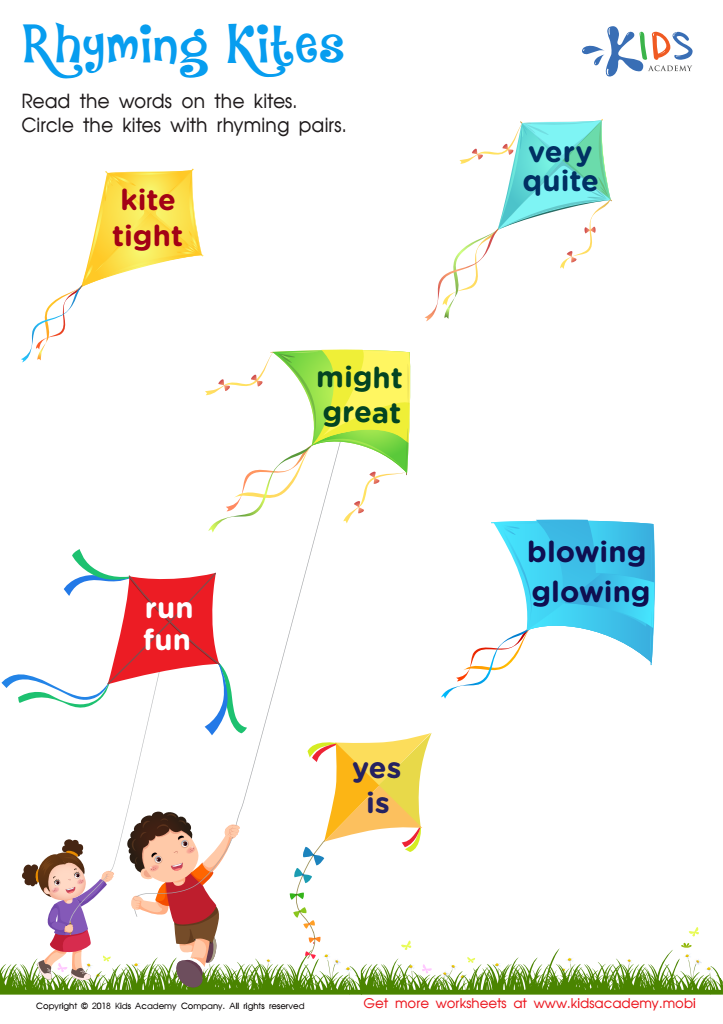
Rhyming Kites Worksheet
On a spring day, fly a kite! Kids Academy has a rhyming worksheet to boost your child's skills. Read the pairs of words aloud. Circle the kites if they rhyme, leave them blank if they don't. Listen carefully and find all the rhyming word pairs to complete this sheet!
 Assign to My Students
Rhyming Kites Worksheet
Worksheet
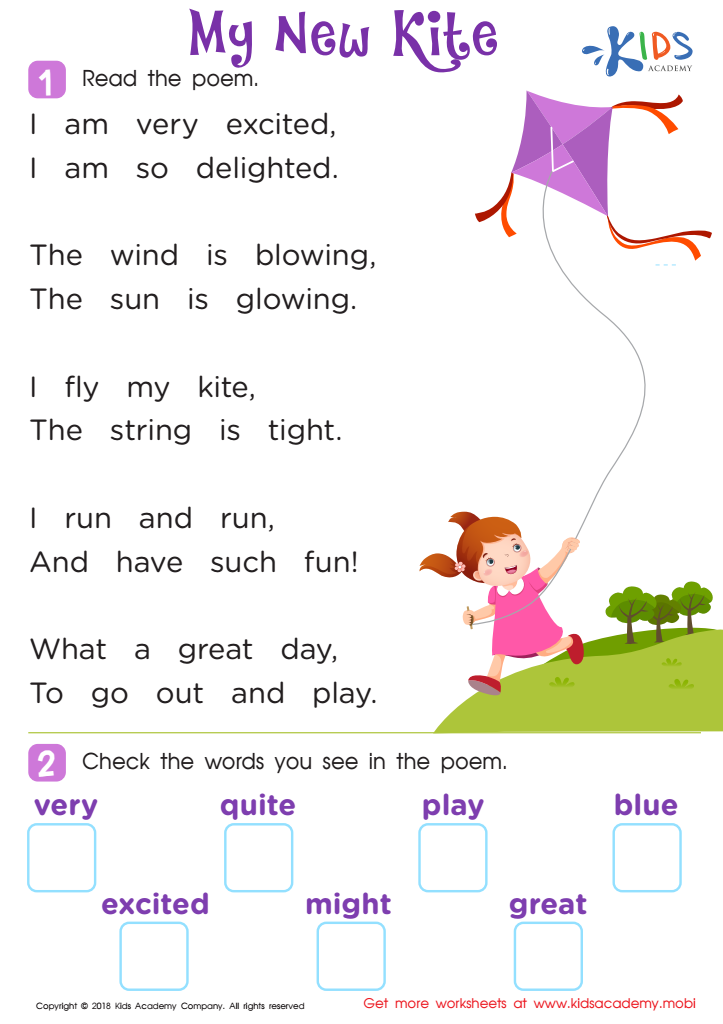
Poem: My New Kite Worksheet
Read a cheerful poem with your child and have them check the boxes next to the words that appear. Then, ask them to identify rhyming words, noting that these won't appear at the bottom of the page. This is a delightful reading activity to help your child remember what they read.
Poem: My New Kite Worksheet
Worksheet
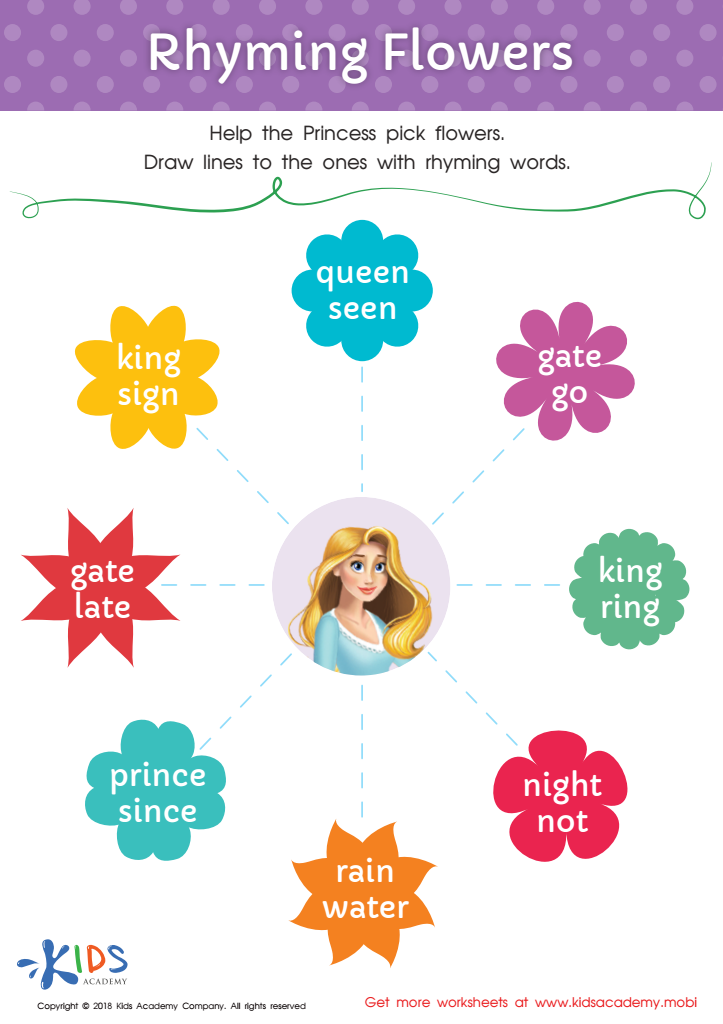
Rhyming Flowers Worksheet
Recognizing rhyming words boosts phonological awareness. With this skill, students can identify similar sounds in words and predict new words more accurately. This worksheet provides practice and is ideal for the reading classroom. Download and find the rhyming words! (80 words)
Rhyming Flowers Worksheet
Worksheet
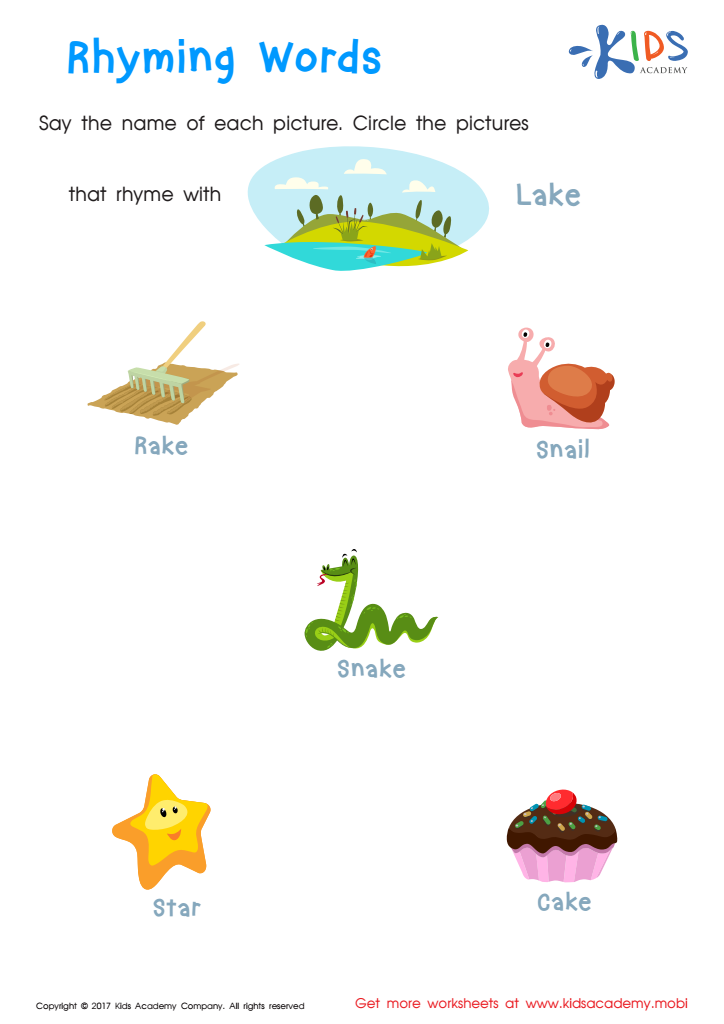
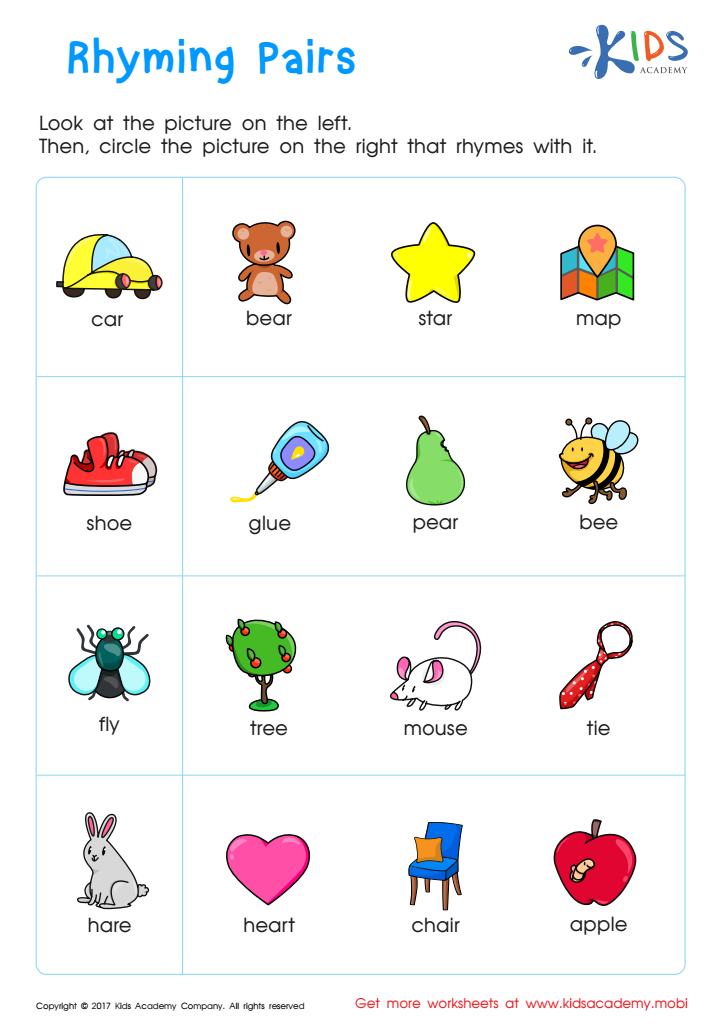
Rhyming Words Rhyming Worksheet
This worksheet is great for honing pre-reading skills. It helps kids make connections between pictures and written words, use problem-solving, and recognize sounds and words that rhyme. Have fun exploring rhyming words with your child, and they'll be rhyming in no time!
Rhyming Words Rhyming Worksheet
Worksheet
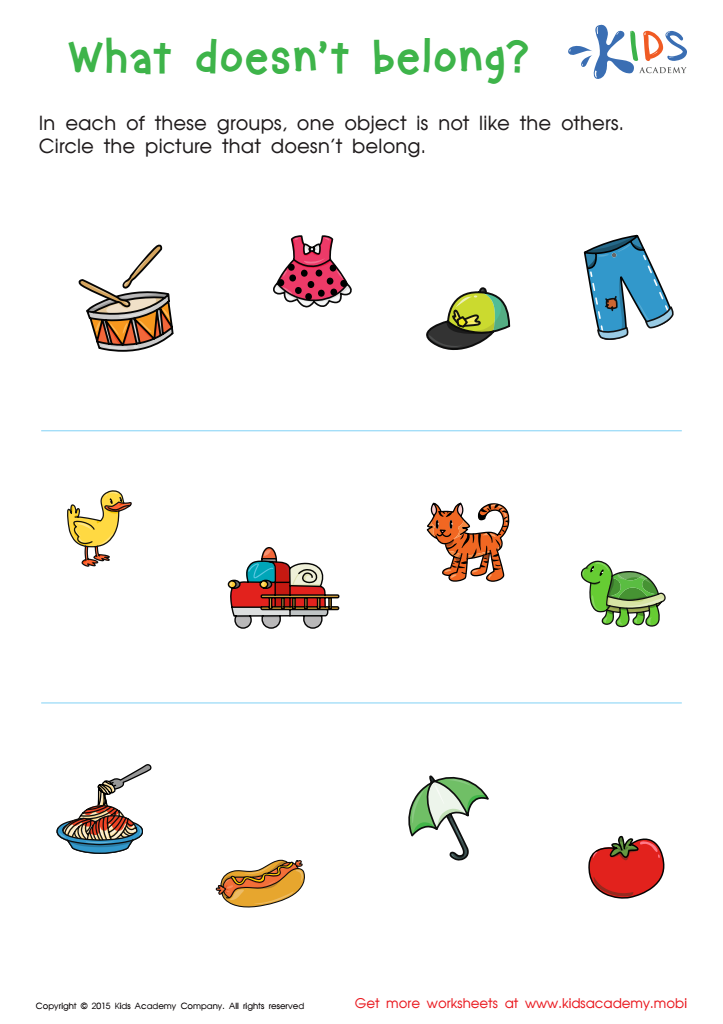
First Words: What Doesn't Belong Worksheet
Categorizing items is an important skill for little learners. Sorting and classifying objects helps kids make sense of the world. With this "what doesn't belong" worksheet, your child will practice problem-solving, strengthen categorization and improve logical reasoning skills. It's perfect for toddlers and preschoolers, with bright and exciting images giving their minds a challenging workout!
First Words: What Doesn't Belong Worksheet
Worksheet
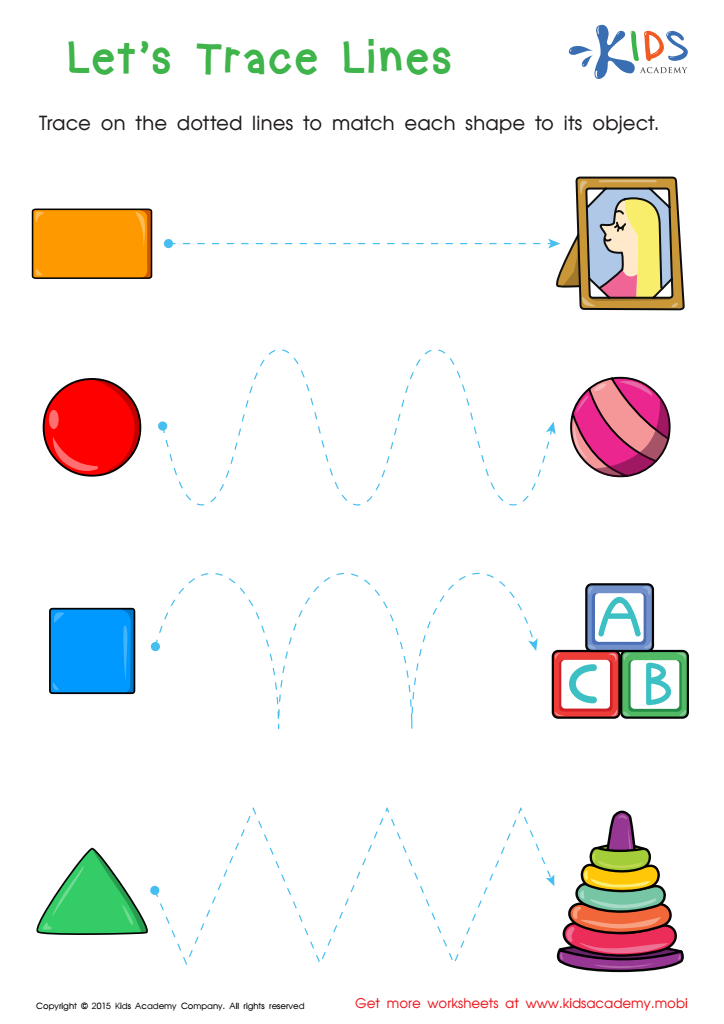
First Words: Let's Trace Lines Worksheet
Printable tracing lines for toddlers will provide your little one with the skills needed for future handwriting success. Proper grip, fine motor skills, and hand-to-eye coordination are key. Let's get their writing journey off to a great start!
First Words: Let's Trace Lines Worksheet
Worksheet
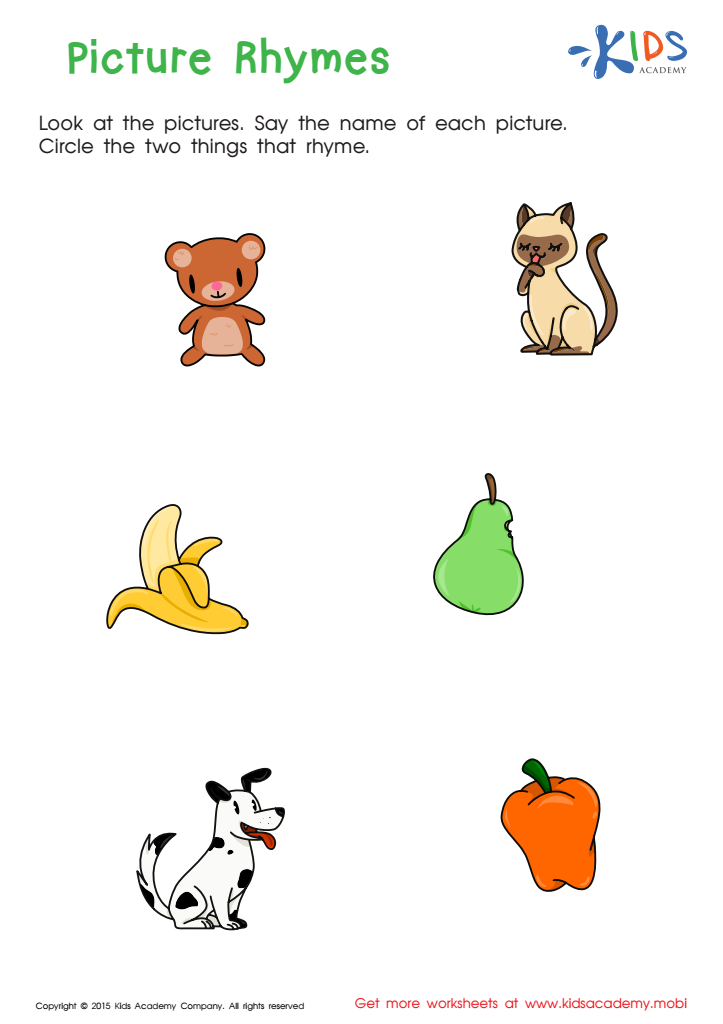
First Words: Picture Rhymes Worksheet
Rhyming helps kids understand language, read and write better. This printable worksheet boosts problem-solving and cognitive skills with vibrant pictures. It teaches kids to identify words, recognize rhymes, complete mental tasks and write words. An extra activity: show them how rhyming words share some of the same letters.
First Words: Picture Rhymes Worksheet
Worksheet
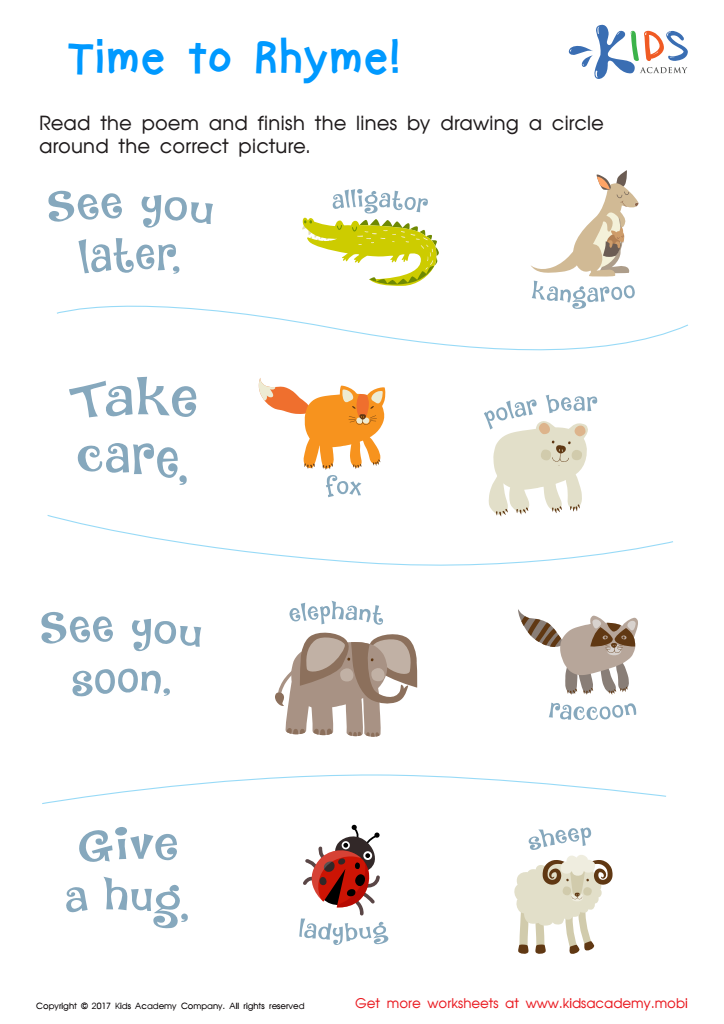
Time to Rhyme Rhyming Worksheet
This worksheet helps kids learn catchy sayings with rhymes, notice words and sounds that rhyme, and use problem solving to solve expressions. By using these expressions in everyday talk, kids gain the repetition needed to internalize the skills they've learned. Check out our nursery rhymes to further support them!
Time to Rhyme Rhyming Worksheet
Worksheet
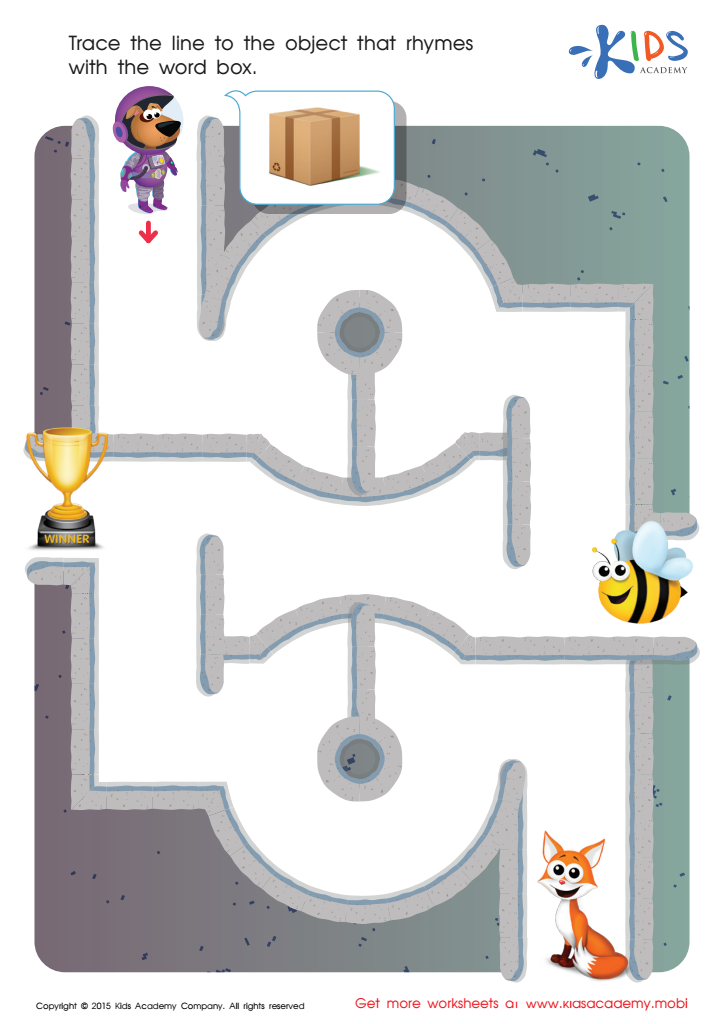
Box Rhyming Words Worksheet
Kids Academy offers various educational materials, including a new vocabulary worksheet focused on finding rhyming words with 'dog'. Trace the connection between the object near the dog and its rhyme. Our collection is free - download it and practice!
Box Rhyming Words Worksheet
Worksheet
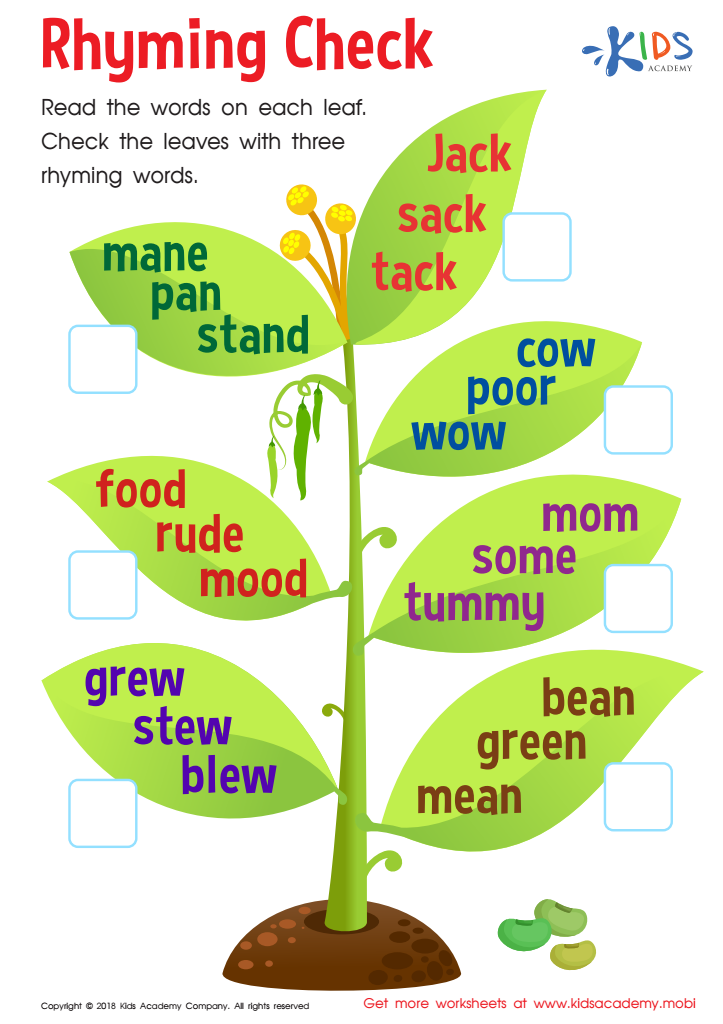
Rhyming Check Worksheet
Help your child read the words on each leaf of a worksheet. Make sure they know that spellings can be misleading and tricky. When finished, ask them to identify the leaves with three rhyming words. This exercise helps their pronunciation skills and encourages critical thinking.
Rhyming Check Worksheet
Worksheet
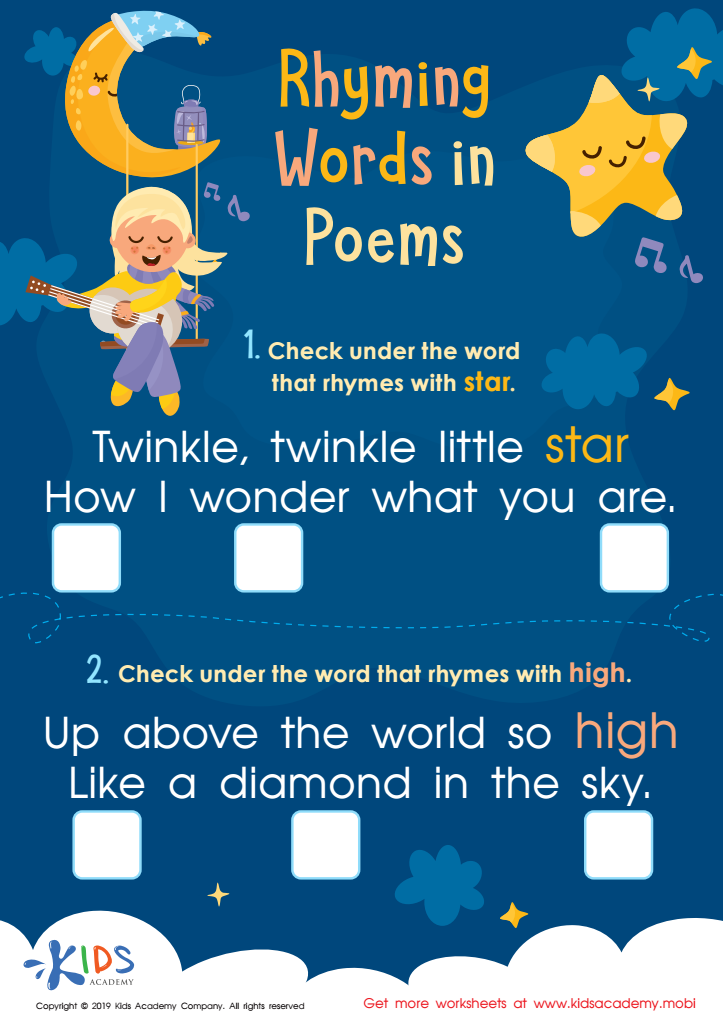
Rhyming Words in Poems Worksheet
If your kids love poems, get them to recite some to you or have them write their own. Use this worksheet to help them find words that rhyme. Read the short poems and have them check the highlighted words for rhyming.
Rhyming Words in Poems Worksheet
Worksheet
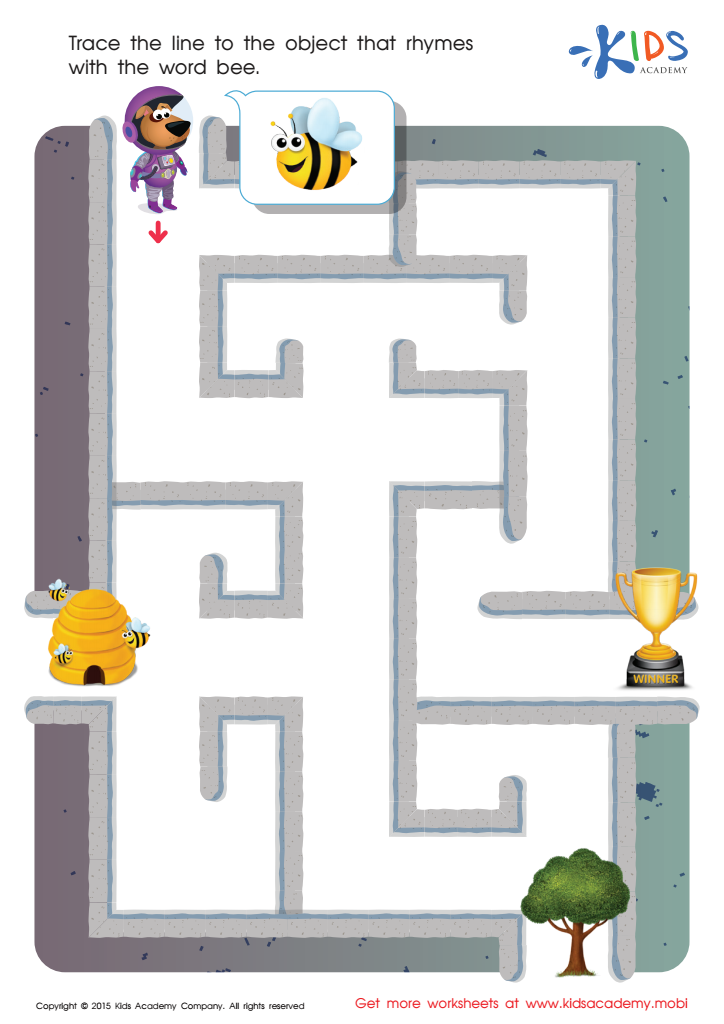
Bee Rhyming Words Worksheet
Download our new vocab builder worksheet and help our pup find rhymes. See how easy it is to trace the root between words! Make learning fun with our collection of English materials and worksheets. Get them now on our web site.
Bee Rhyming Words Worksheet
Worksheet
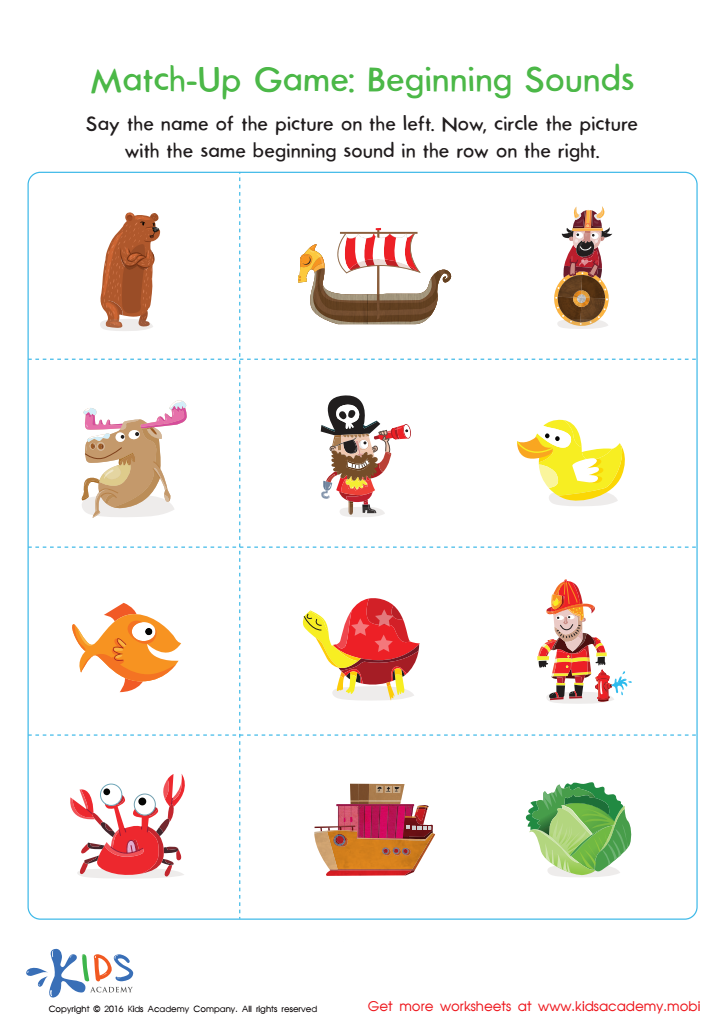
Match–Up Game: Beginning Sounds Worksheet
Start today with this beginning sounds match-up printable!
Teach your child to solve problems mentally with this beginning sounds match-up printable. They'll learn to categorize pictures based on phonics rules, developing mental stamina and focus. It's an important step for recognizing sounds and letters in print, building a foundation for reading and spelling. Start today and take your child's skills to the next level!
Match–Up Game: Beginning Sounds Worksheet
Worksheet
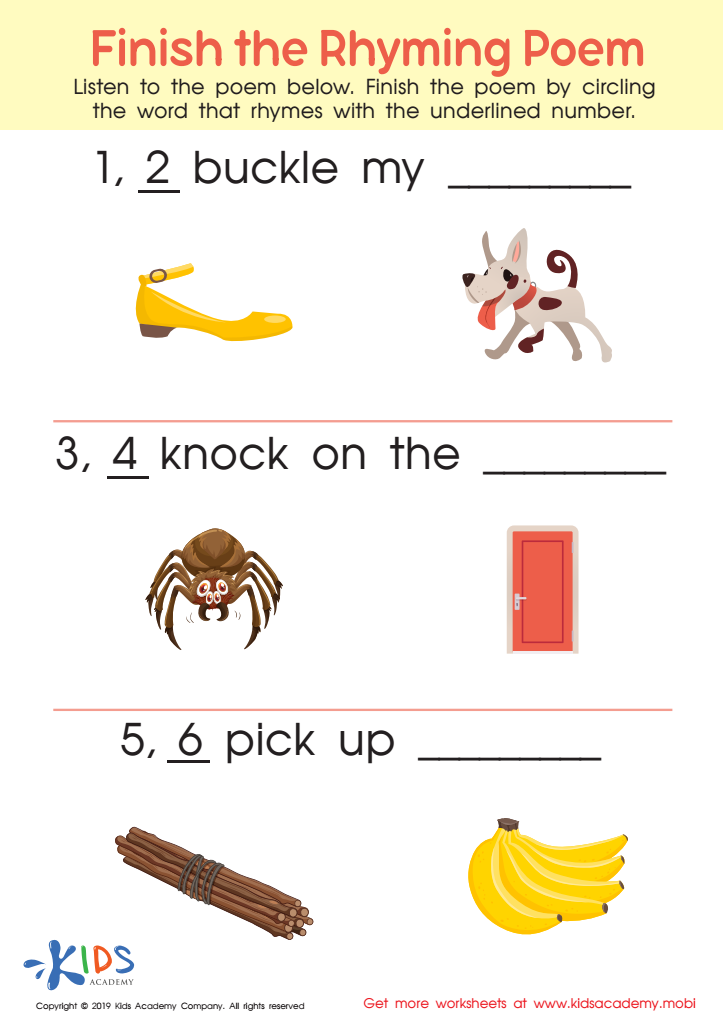
Finish Rhyming Poem Worksheet
Poems are a great way to express emotions and spark imagination. Does your child enjoy poetry and even have their own creations? If so, they'll love this worksheet. It's a great way to develop their rhyming skills. Challenge them to find and circle the words that rhyme with the ones underlined.
Finish Rhyming Poem Worksheet
Worksheet
Join Kids Academy for Free
Who is primarily going to use this learning content?






.jpg)
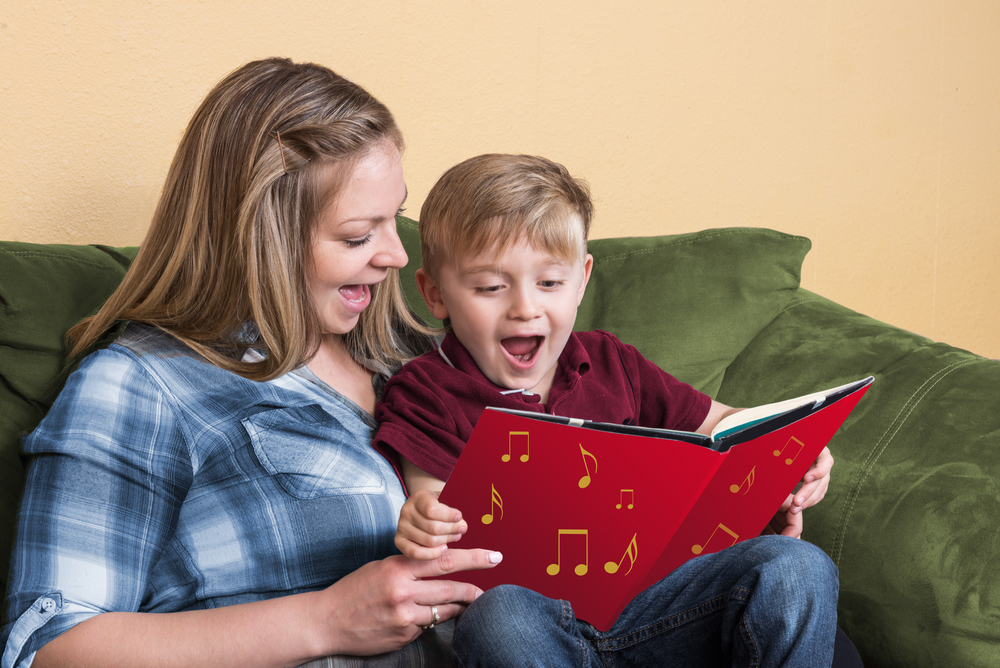
Parents and teachers should prioritize introducing normal rhyming words to children aged 3-7 due to the critical role these words play in early literacy development. At this stage, children's brains are highly receptive to phonemic awareness, an essential skill for reading readiness. Rhyming words help kids recognize vowel sounds and patterns within words, making it easier for them to decode new words independently. When children engage in rhyming activities, such as songs, poems, and word games, they naturally strengthen their listening and auditory discrimination skills, which are foundational for understanding how language works.
Additionally, rhyming exercises enhance vocabulary and memory, as children learn to anticipate and predict word pairs that share common endings. This not only boosts confidence in language use but also encourages a love for reading from an early age. Socially, group activities centered around rhyming can promote cooperation and verbal interaction, providing opportunities for young learners to develop communication skills.
Emotionally, rhyming games are often enjoyable and entertaining, making the learning process fun and motivating for young children. Hence, by incorporating normal rhyming words into daily educational activities, parents and teachers can effectively support the comprehensive linguistic and cognitive development of children, laying a strong foundation for future academic success.








