Normal Space Worksheets for Ages 3-8 - Page 2
37 filtered results
-
From - To
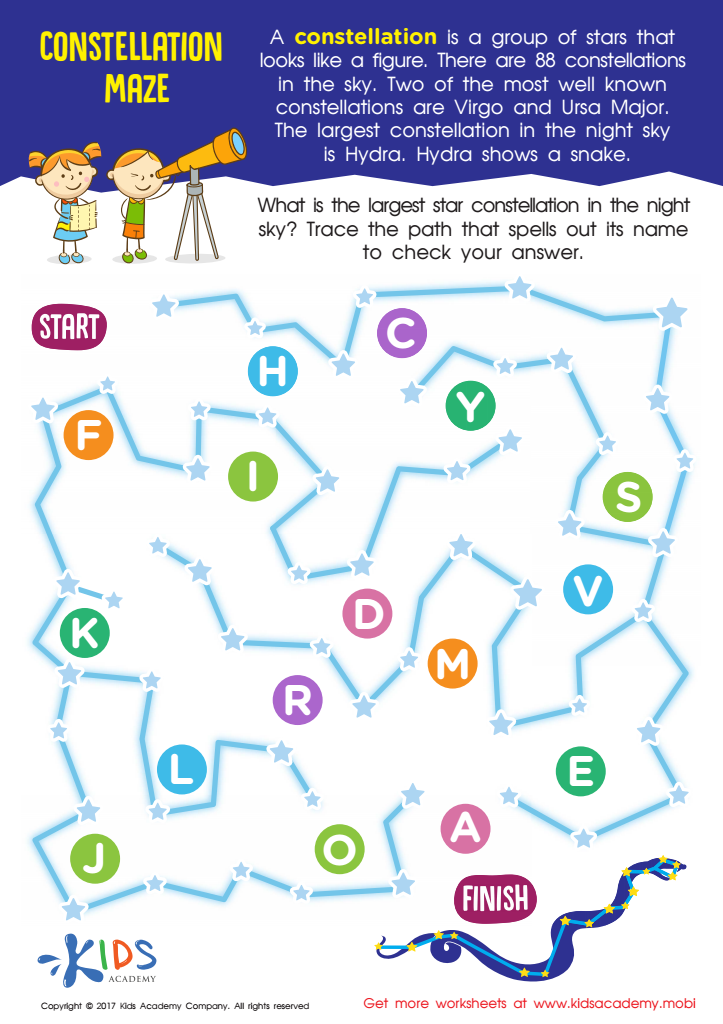
Constellations Worksheet
 Assign to My Students
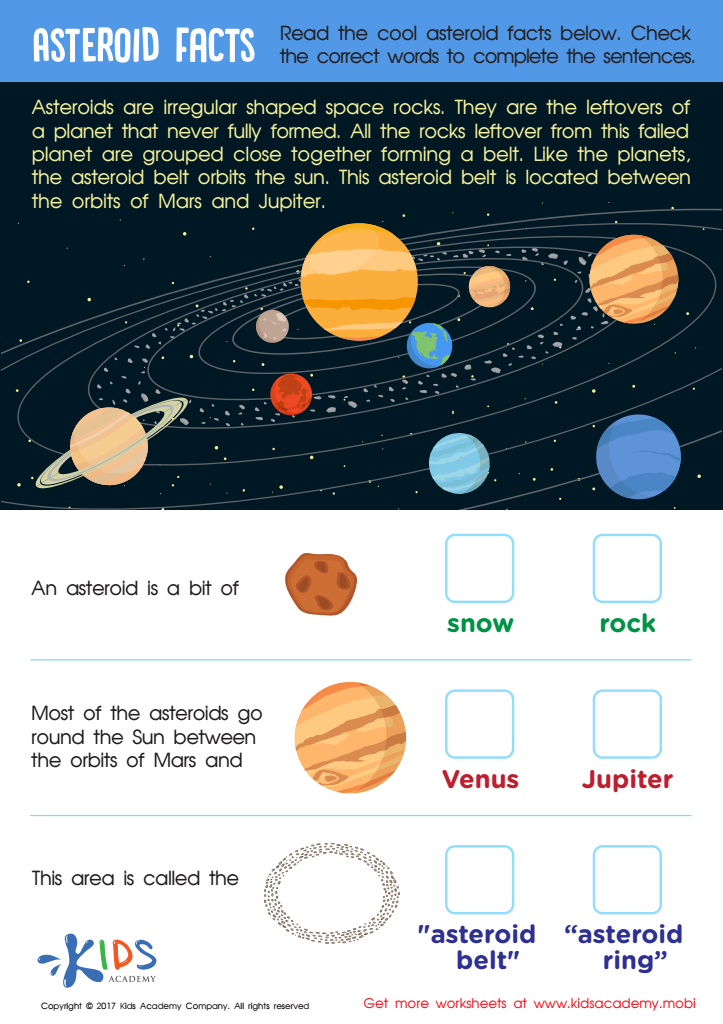
Asteroid Facts Worksheet
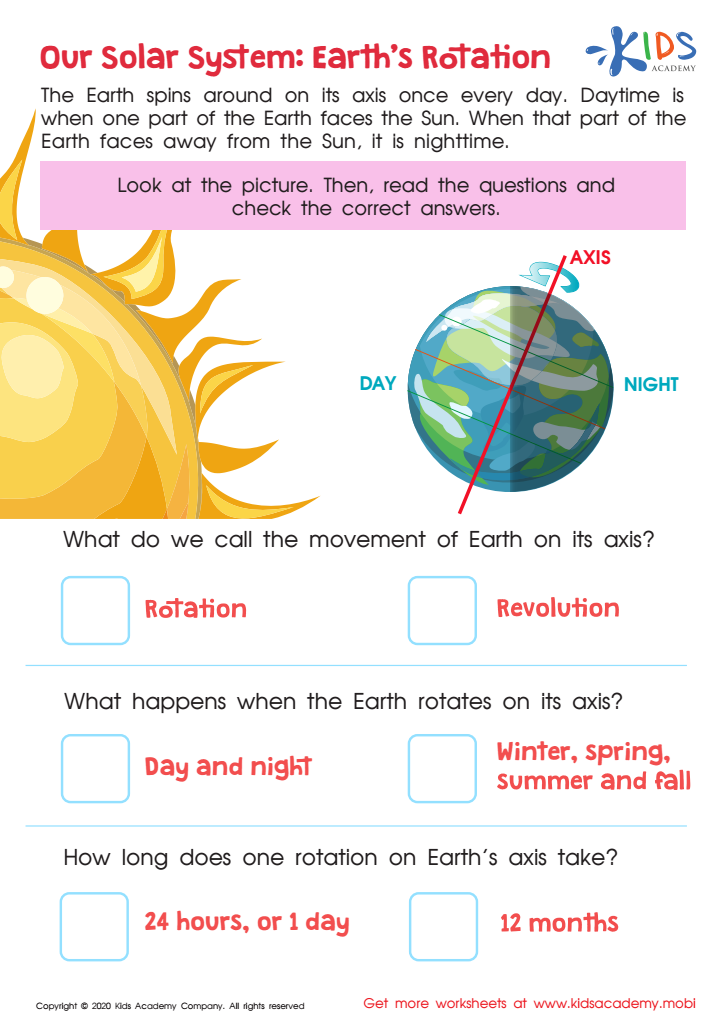
Our Solar System: Earth's Rotation Printable
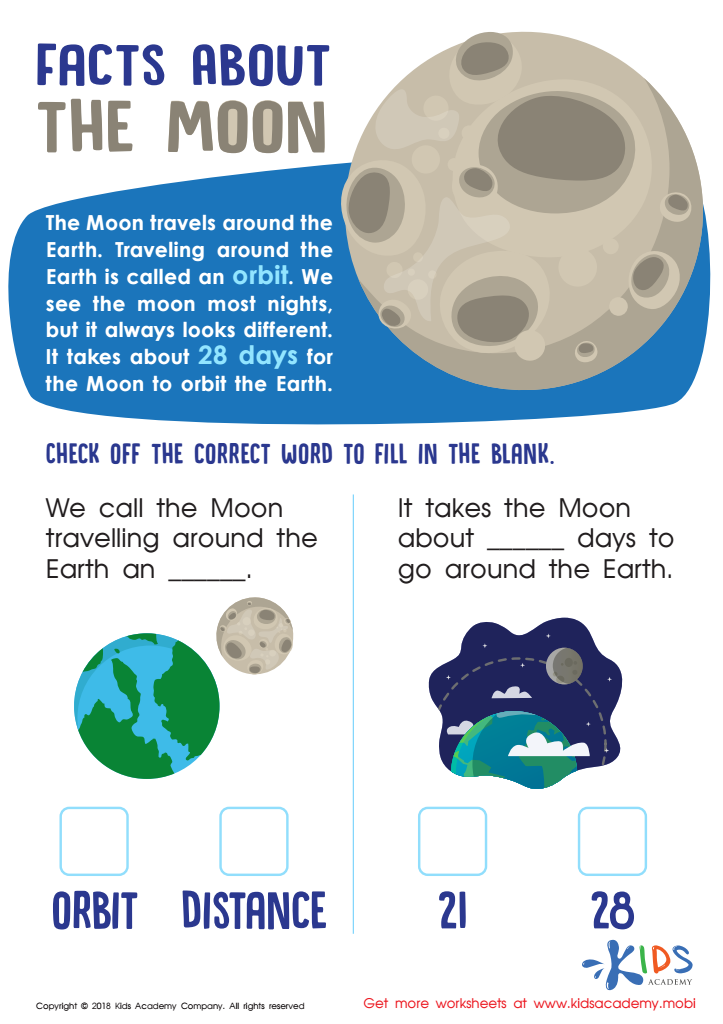
Facts About the Moon Worksheet
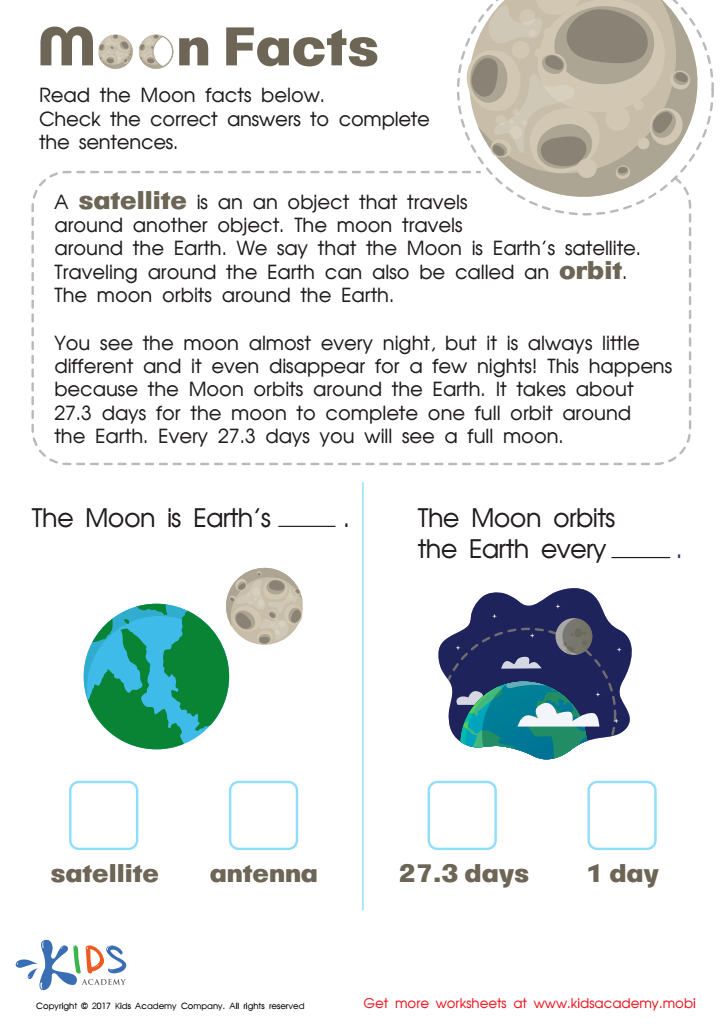
Moon Facts Worksheet
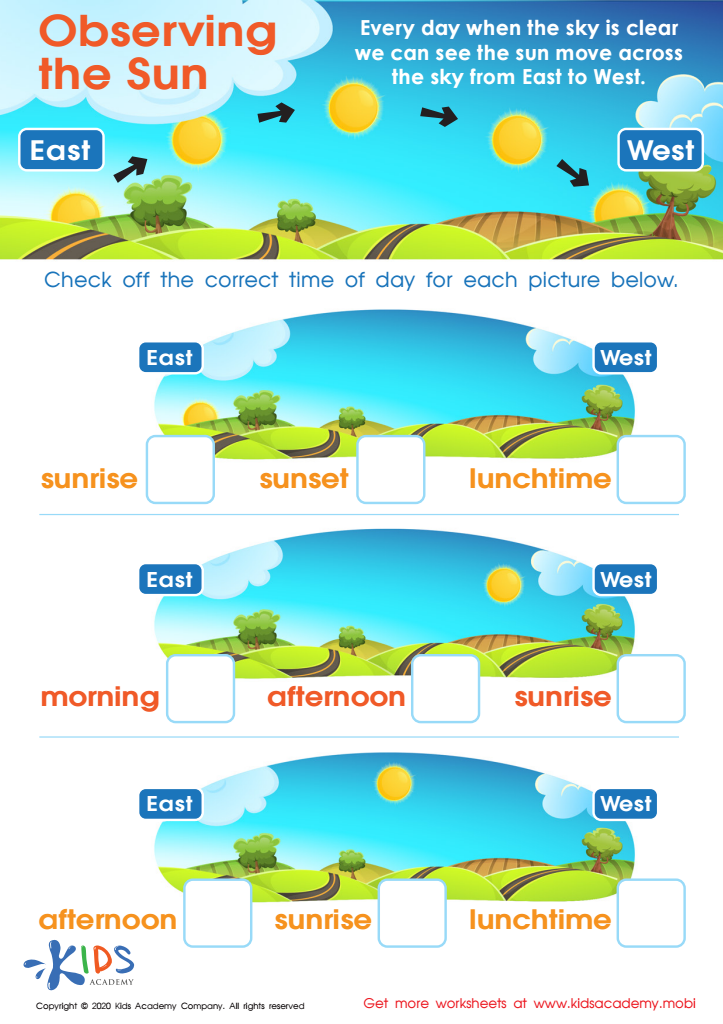
Observing the Sun Worksheet
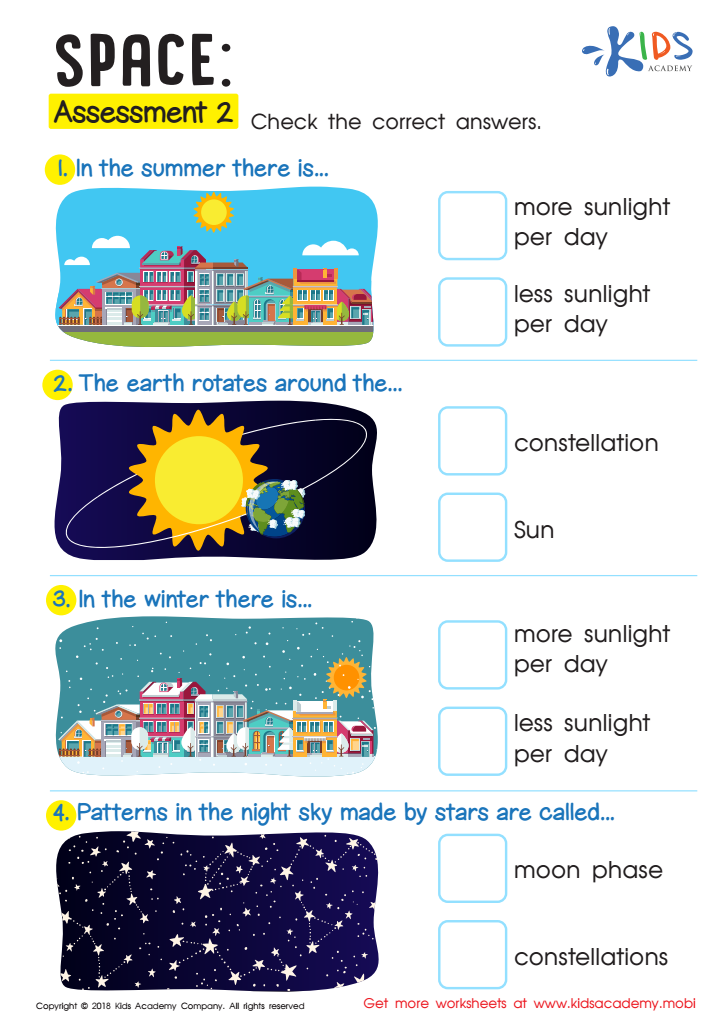
Space: Assessment 2 Worksheet
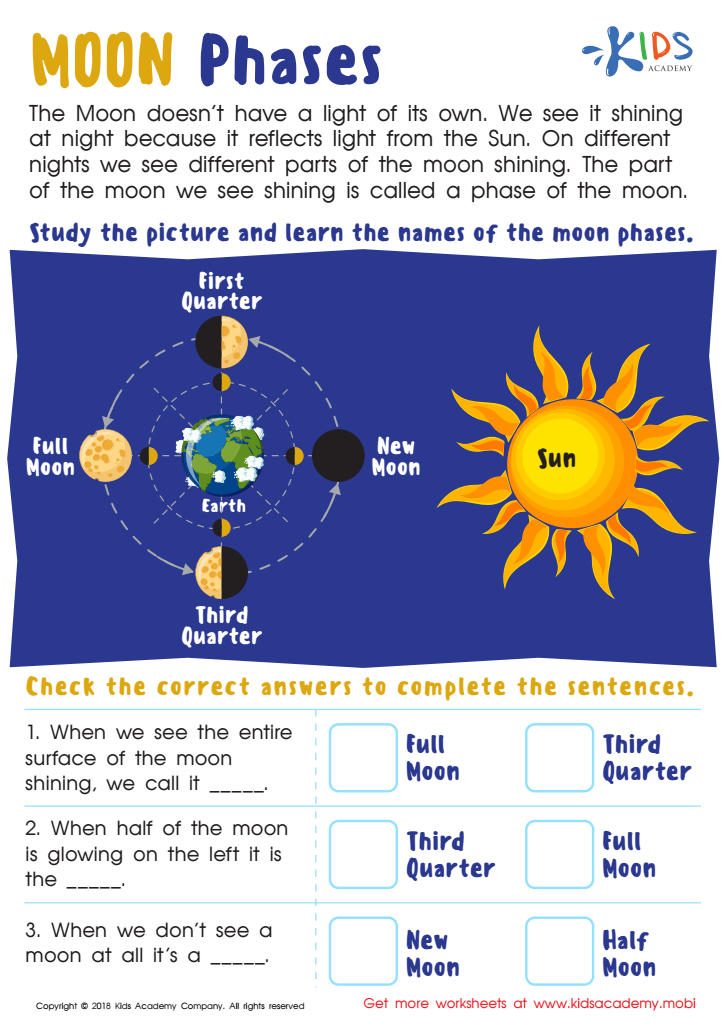
Moon Phases Worksheet
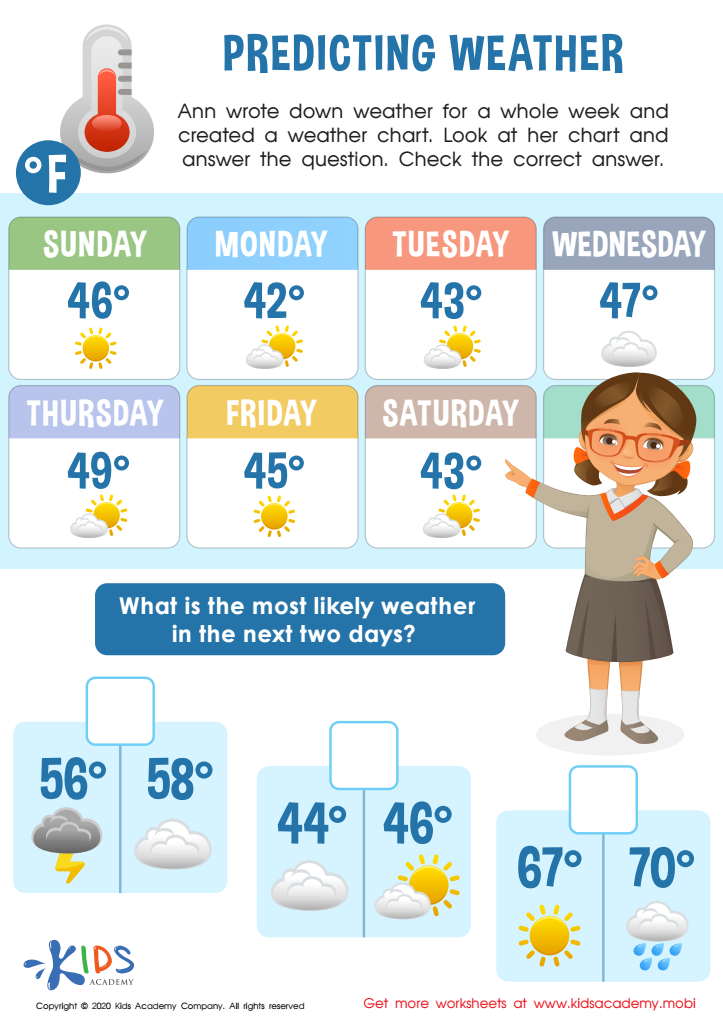
Predicting Weather Worksheet
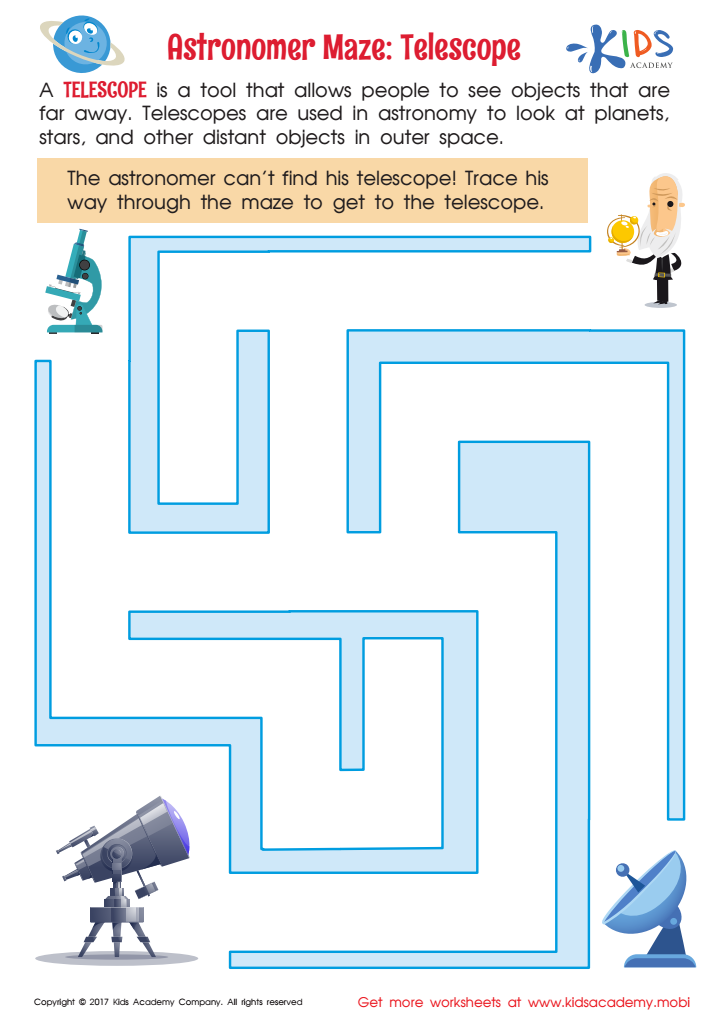
Astronomer Maze: Telescope Worksheet
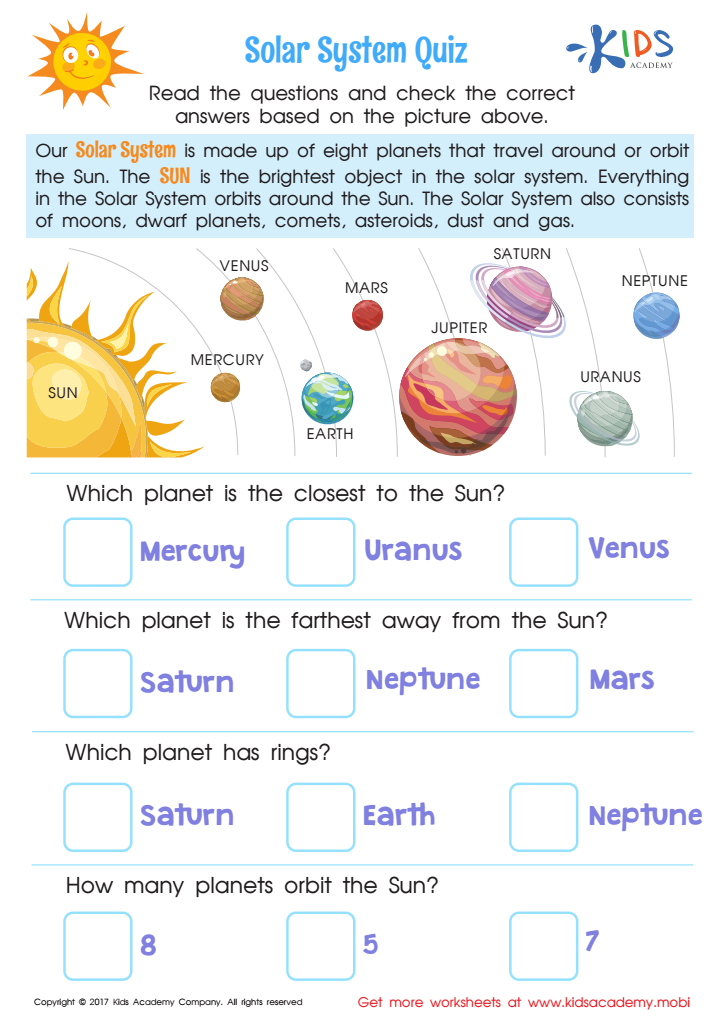
Solar System Quiz Printable
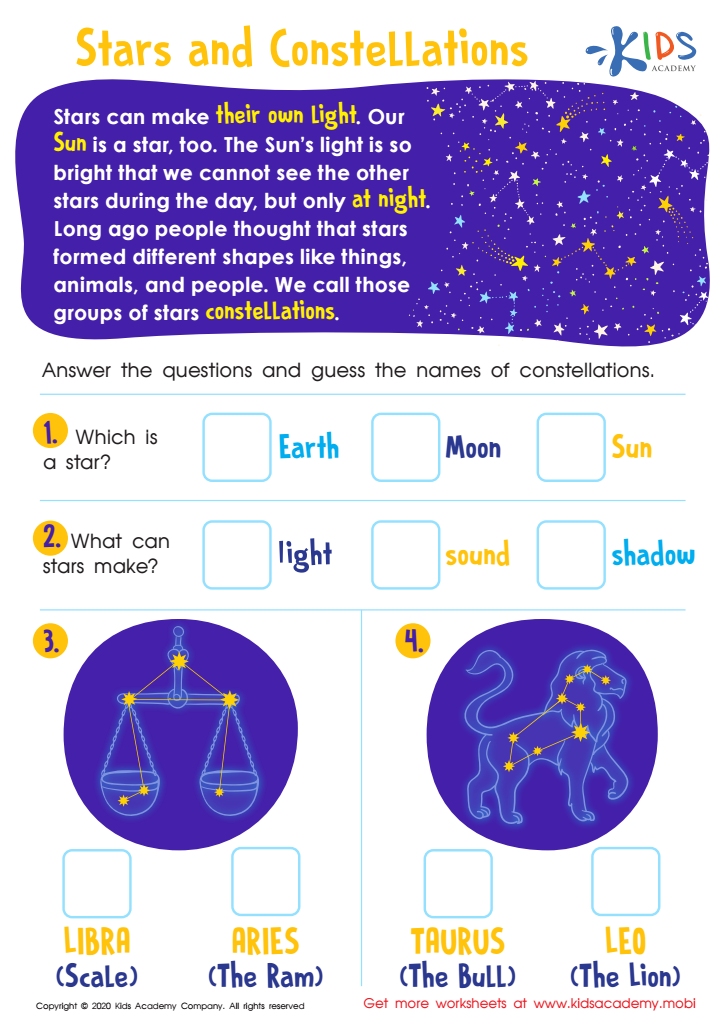
Stars and Constellations Worksheet
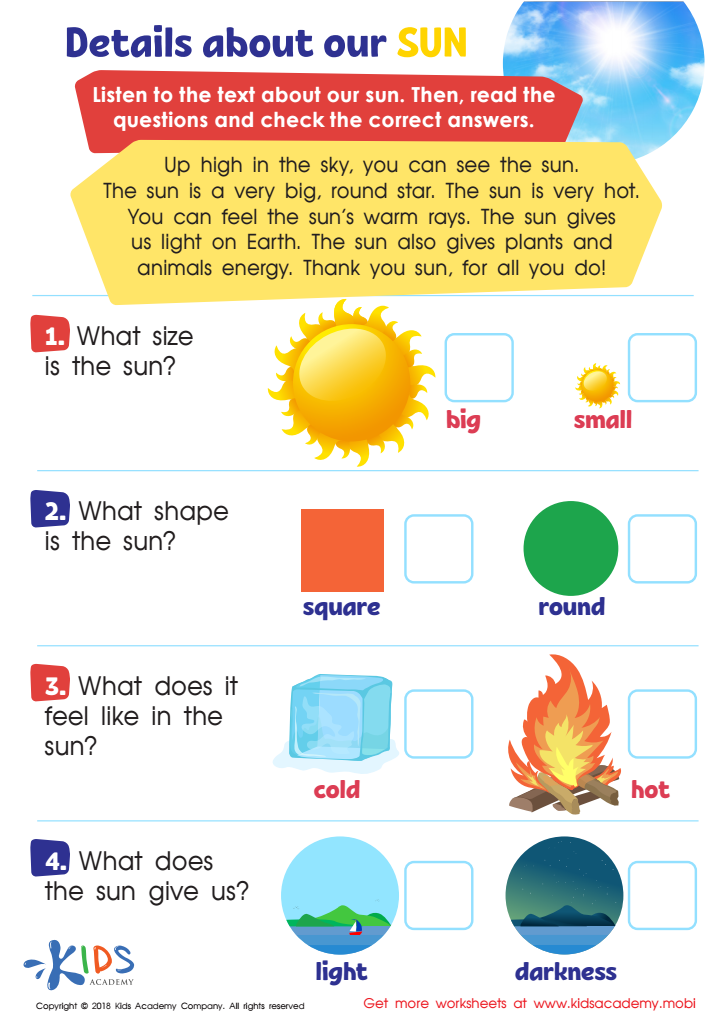
Details About Our Sun Worksheet







Normal Space for Ages 3-8 is a crucial development for young children, particularly for parents and teachers aiming to foster a supportive environment for early learning. At this age, children are in a significant stage of social, emotional, and cognitive development. Creating a nurturing learning environment promotes security and exploration, aiding their growth and curiosity.
Understanding normal developmental milestones can guide parents in setting appropriate expectations and encourage constructive engagement with their children. Teachers who recognize the significance of offering relatable and relatable content can craft lessons that resonate with the interests and experiences of their young students. Moreover, it advocates for an inclusive pedagogical approach, ensuring all children, regardless of background or ability, can thrive.
Additionally, addressing normal space means acknowledging the importance of play and interaction. Children learn essential skills through group activities and unstructured play, enhancing their problem-solving, communication, and teamwork capabilities.
When parents and teachers focus on normal space concepts, they expand their ability to provide holistic education that not only emphasizes academic achievement but also social skills, emotional intelligence, and confidence. Supporting childhood development in a meaningful way lays the foundation for lifelong learning and well-being.







