Normal Two Letter Phonics Worksheets for Ages 3-9
17 filtered results
-
From - To
Discover our comprehensive collection of "Normal Two Letter Phonics Worksheets for Ages 3-9" designed to enhance early literacy skills. Perfect for young learners, these engaging worksheets help children recognize, pronounce, and write two-letter blends and digraphs. With a range of fun activities, such as tracing, matching, and coloring, these worksheets make learning phonics enjoyable and effective. Suitable for classroom use or at-home practice, our resources provide the foundation needed for reading success. Explore the ultimate tool to build confidence in young readers and give your child a head start in mastering the basics of phonics.
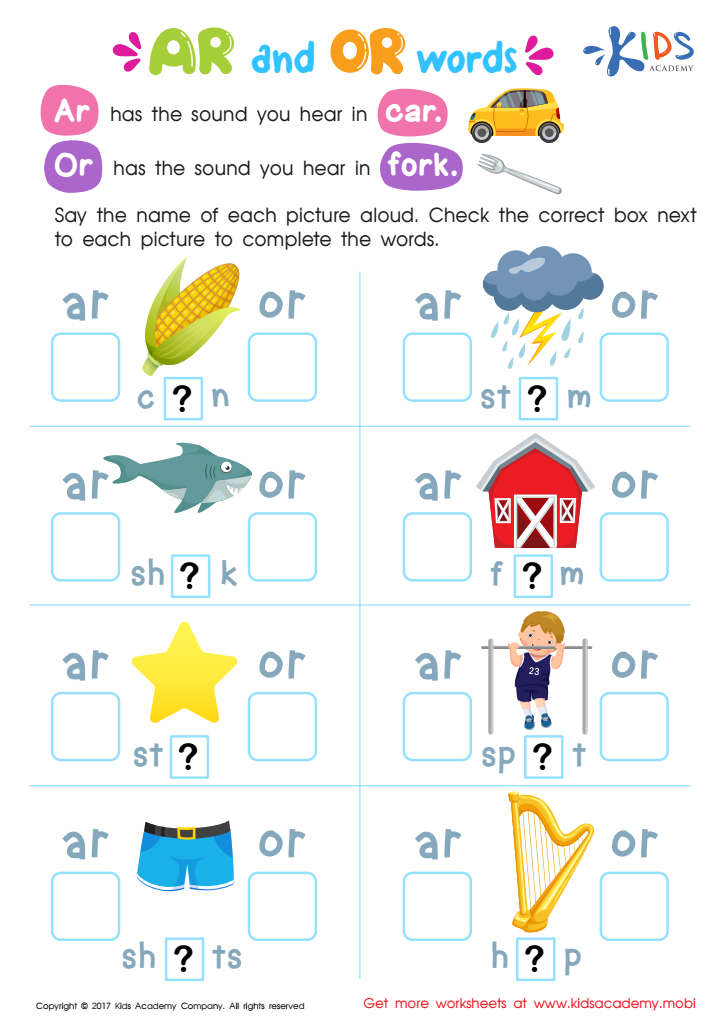
Ar and Or Words Phonics Worksheet
 Assign to My Students
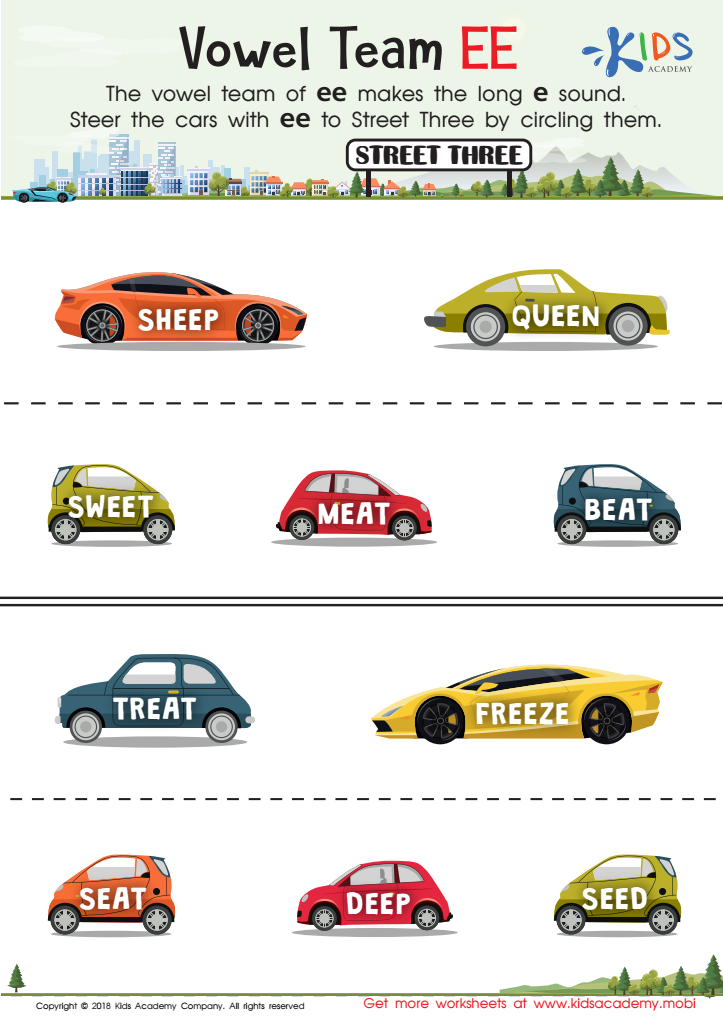
Vowel team ee Worksheet
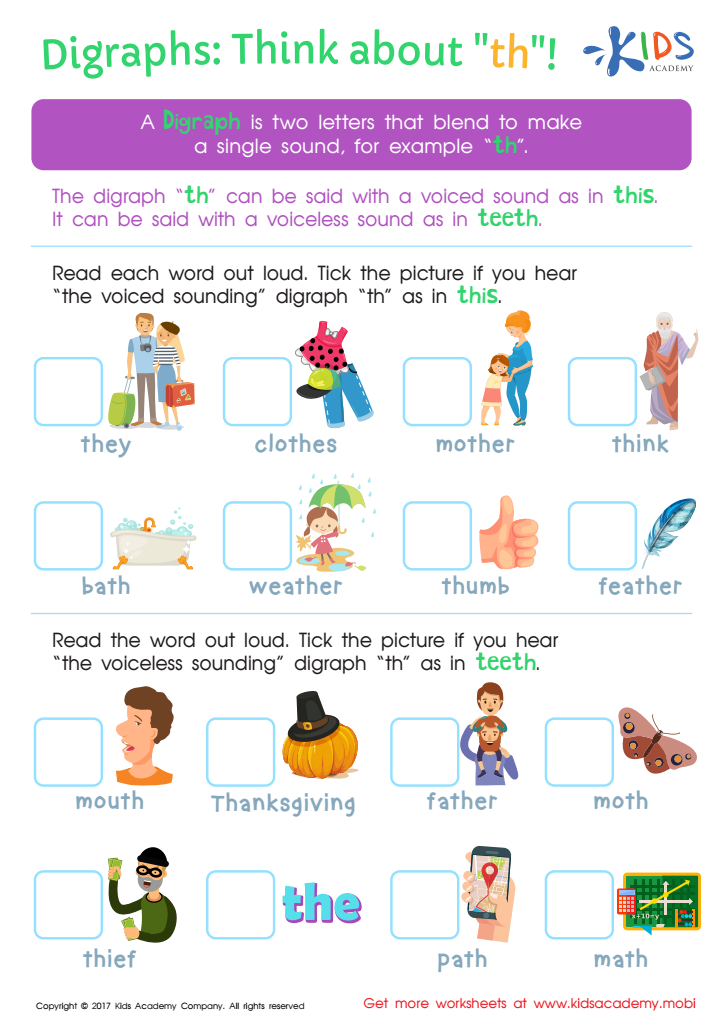
Digraphs: Think About "th" Worksheet
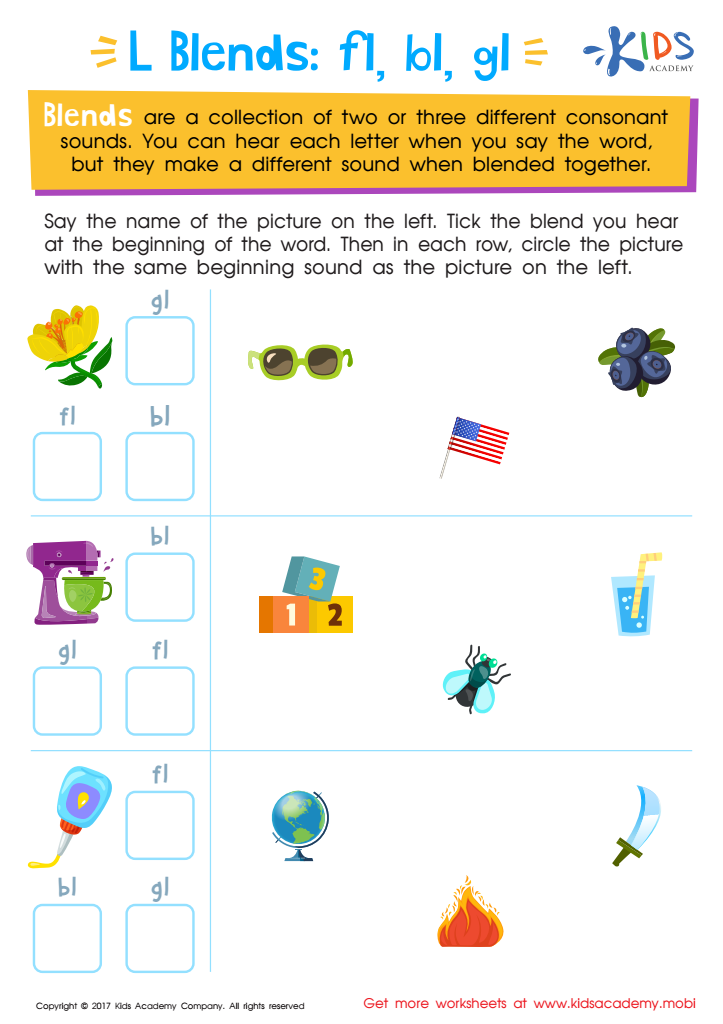
Blending Consonants: "Fl", "Bl" and "Gl" Printable
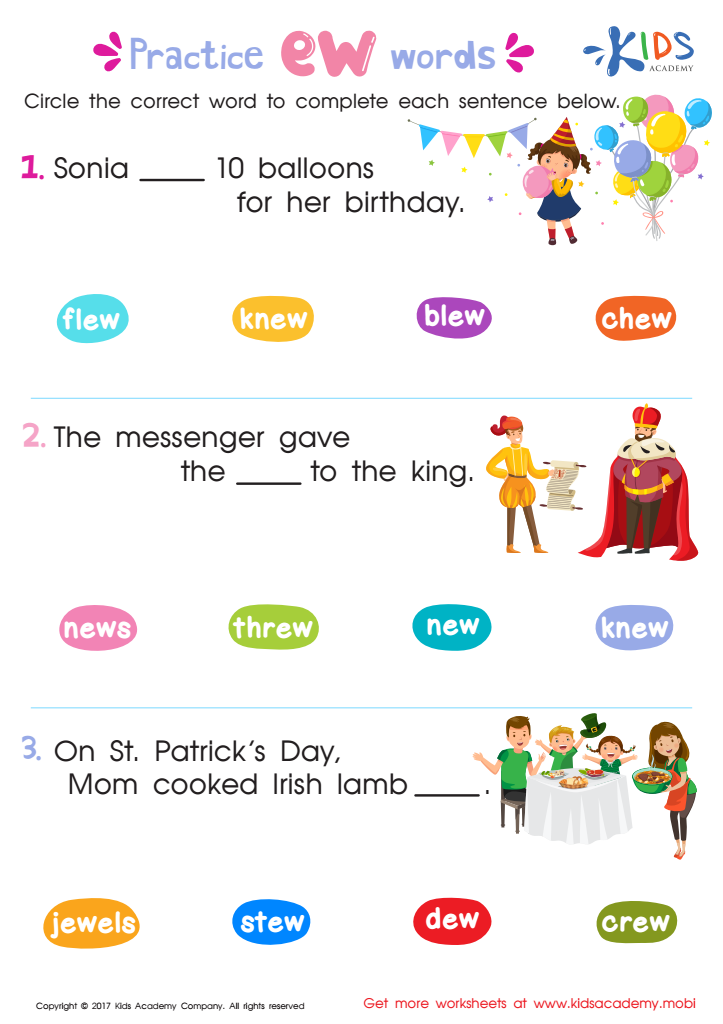
EW Words Worksheet
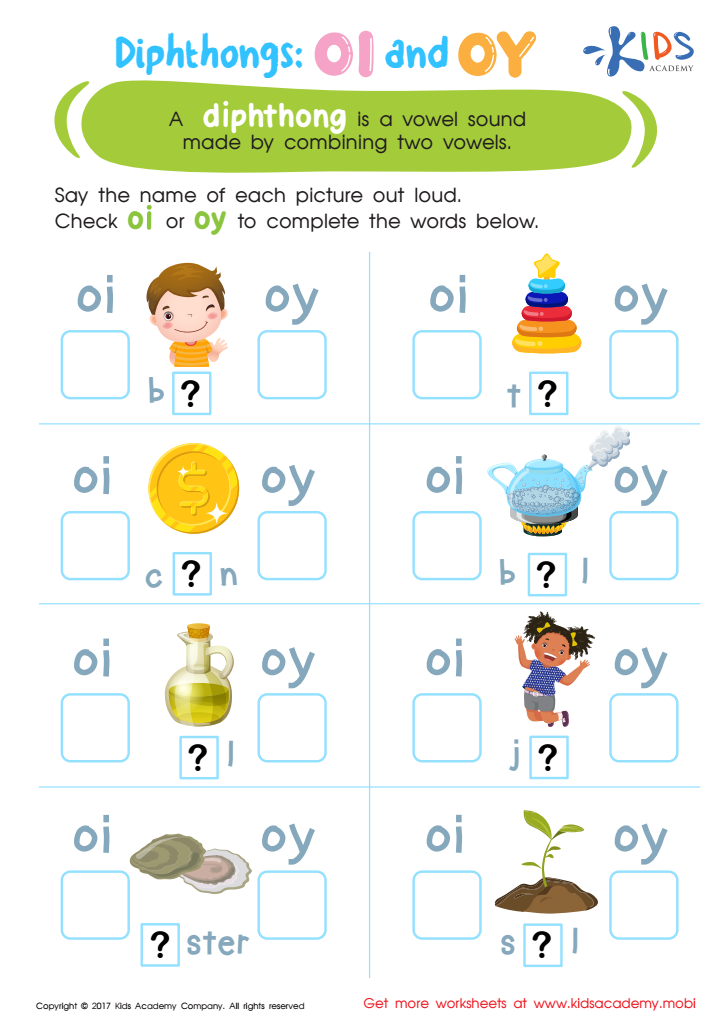
Vowel Diphthongs OI OY Worksheet
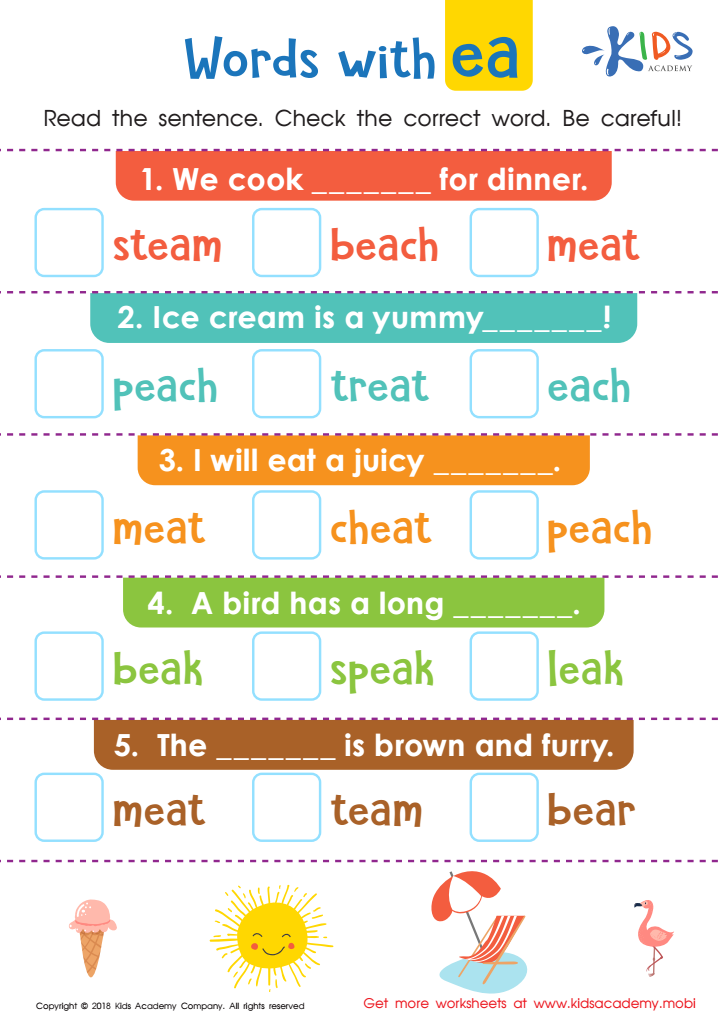
Words with ea Worksheet
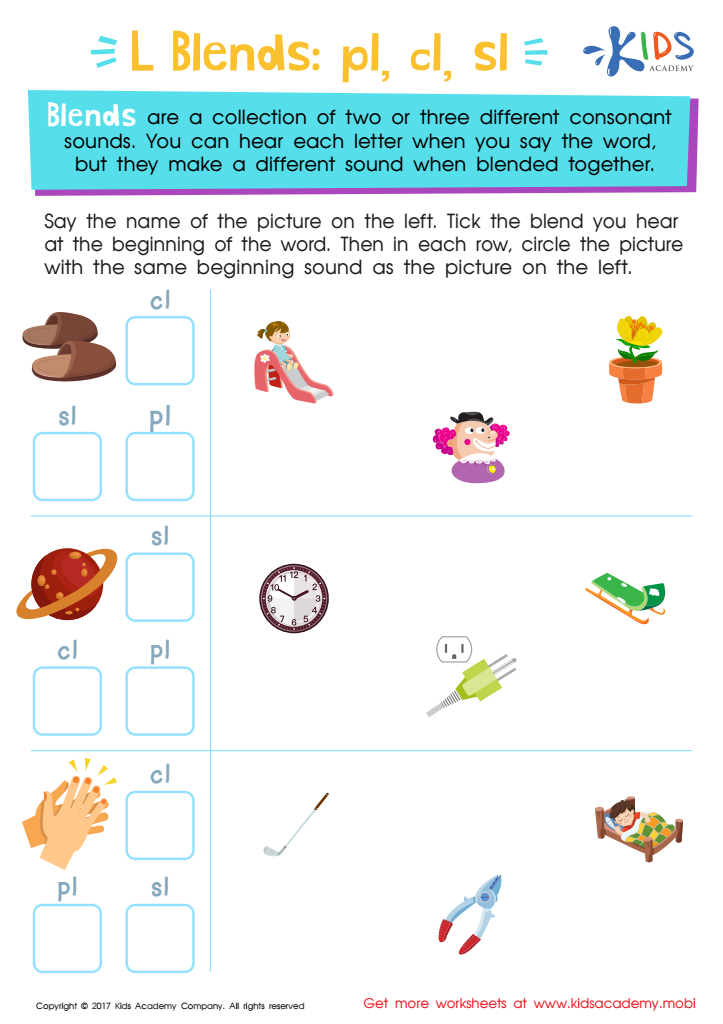
L Blends: "Pl", "Cl" and "Sl" Printable
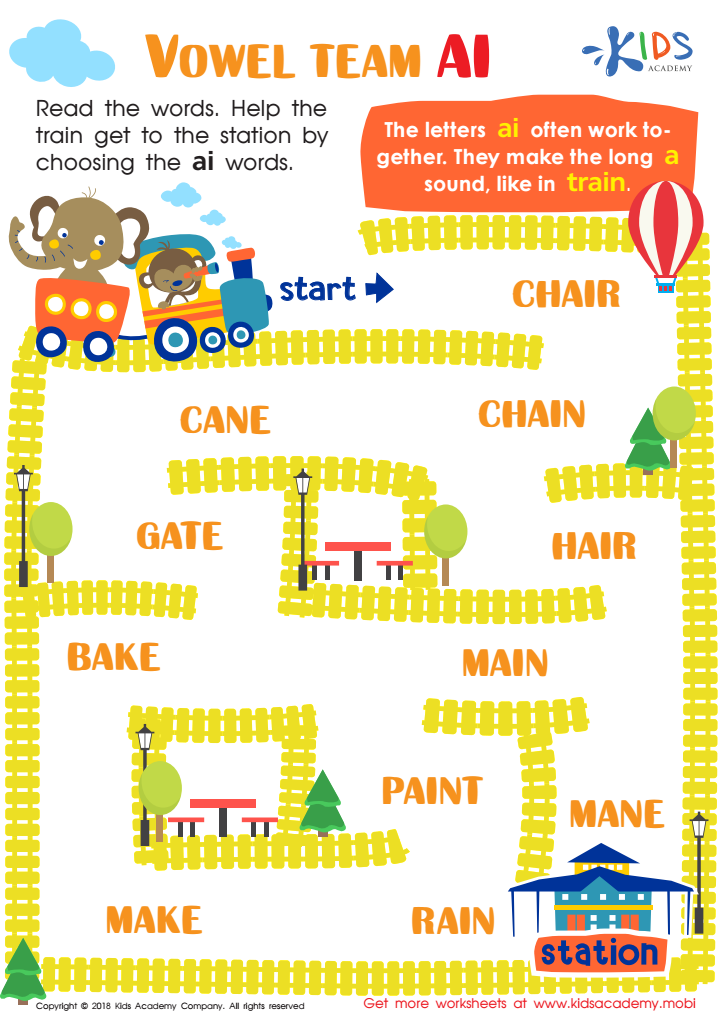
Vowel team ai Worksheet
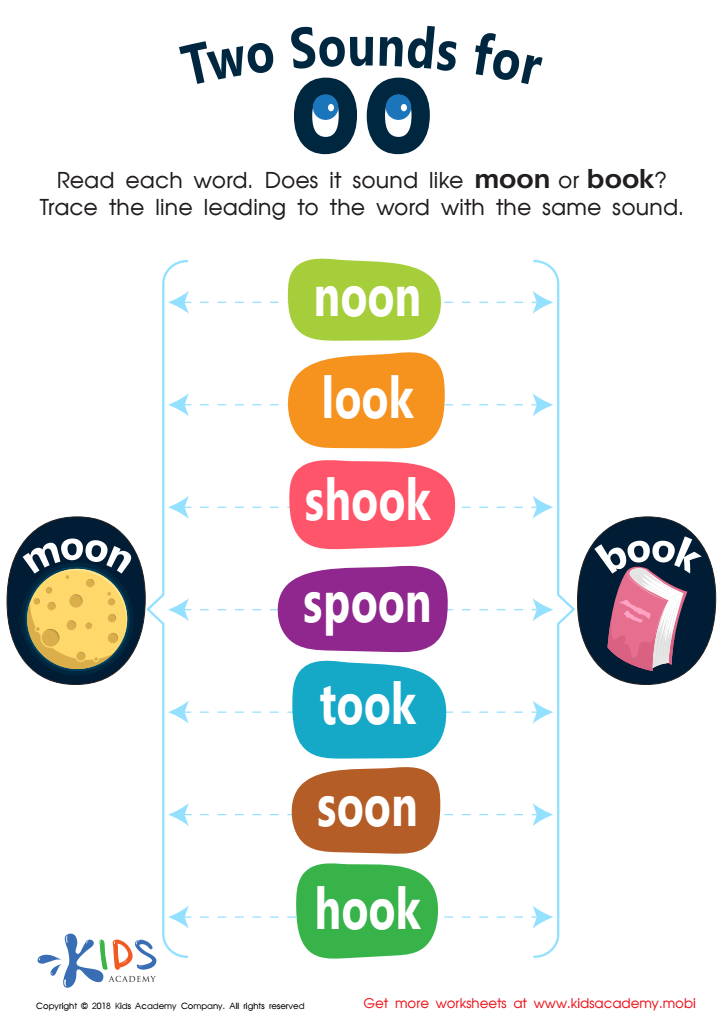
Two Sounds for OO Worksheet
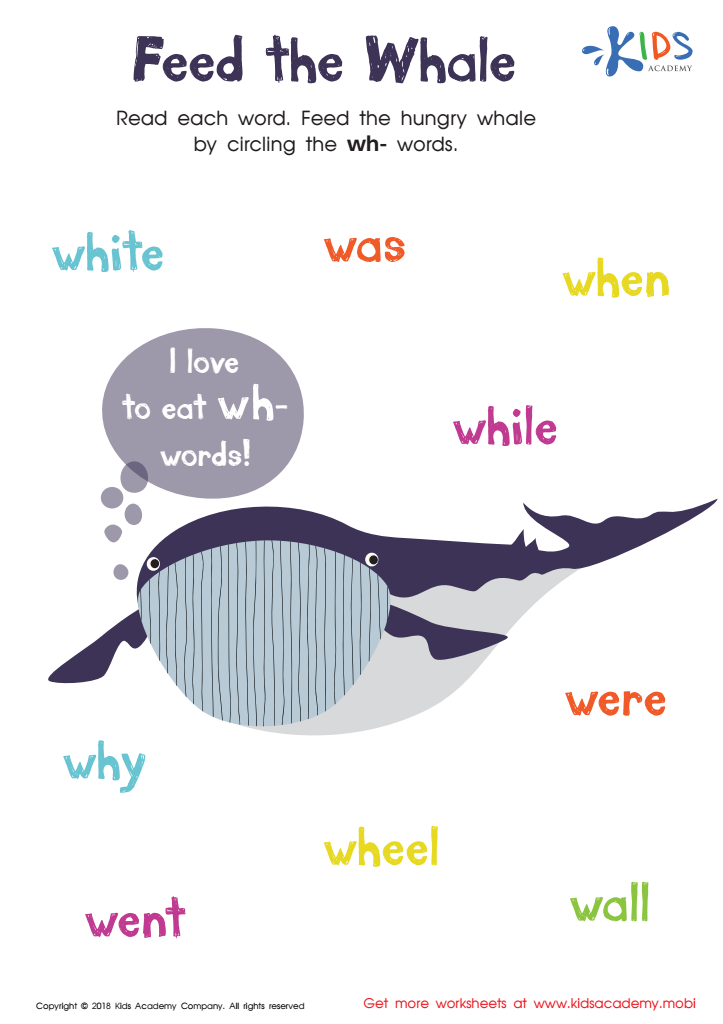
Feed the Whale Worksheet
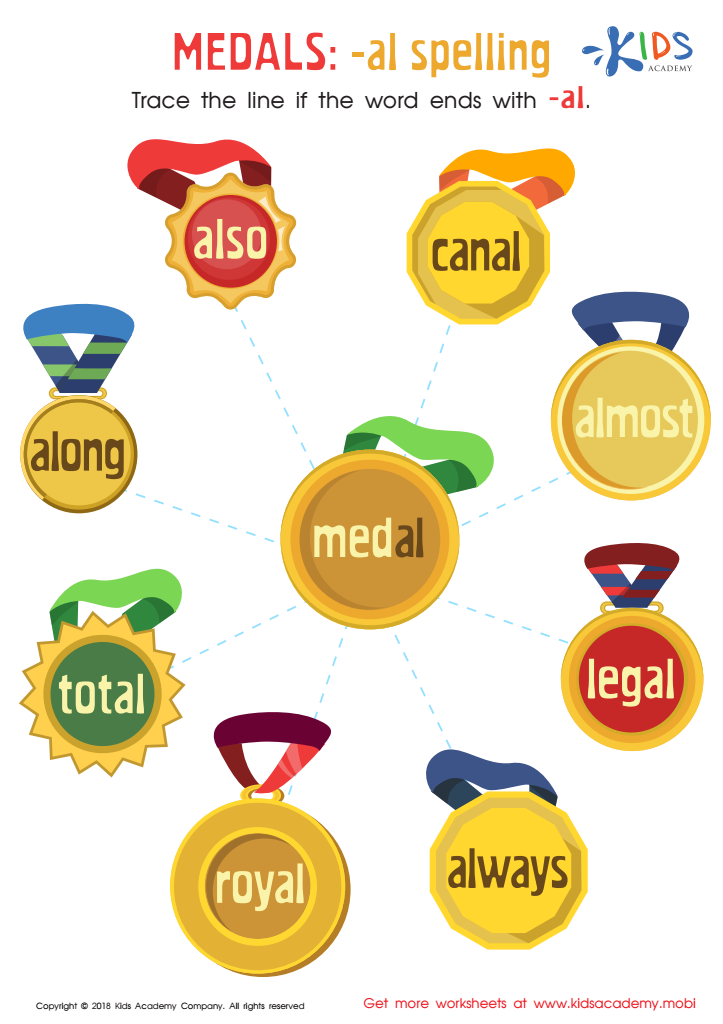
Medals: Al Spelling Worksheet
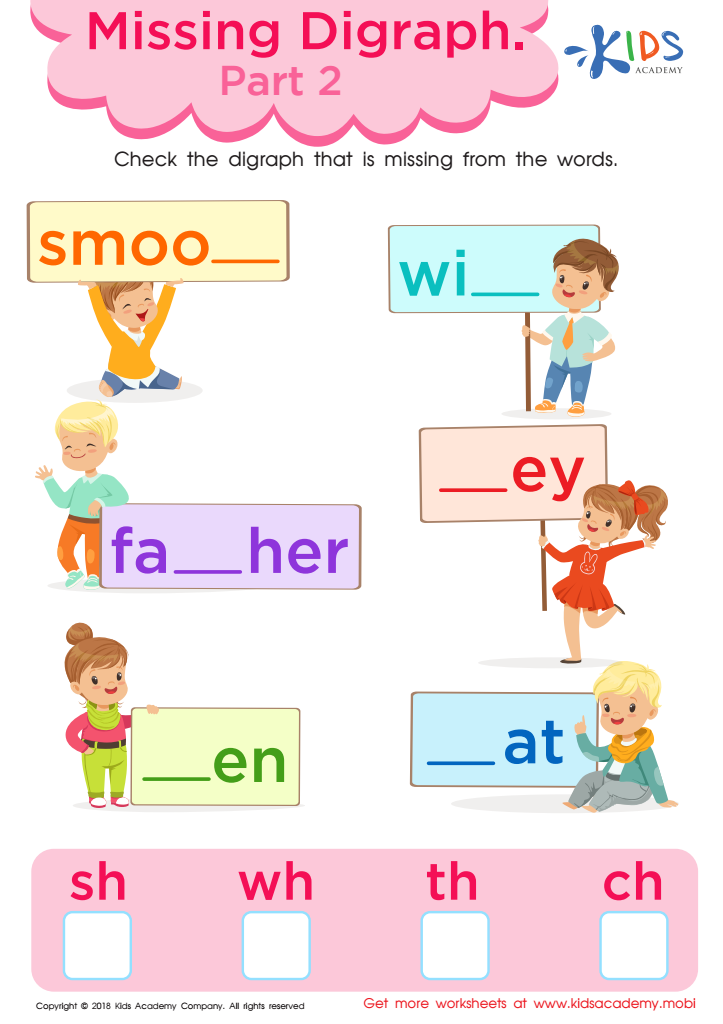
Missing Digraph: Part 2 Worksheet
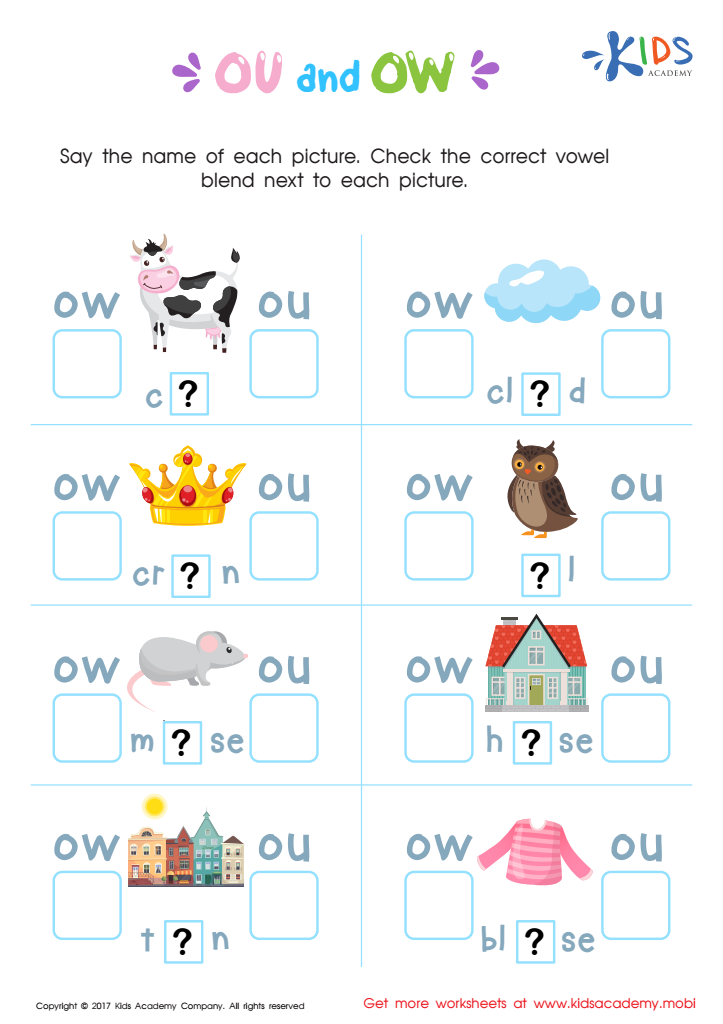
OU and OW Words Worksheet
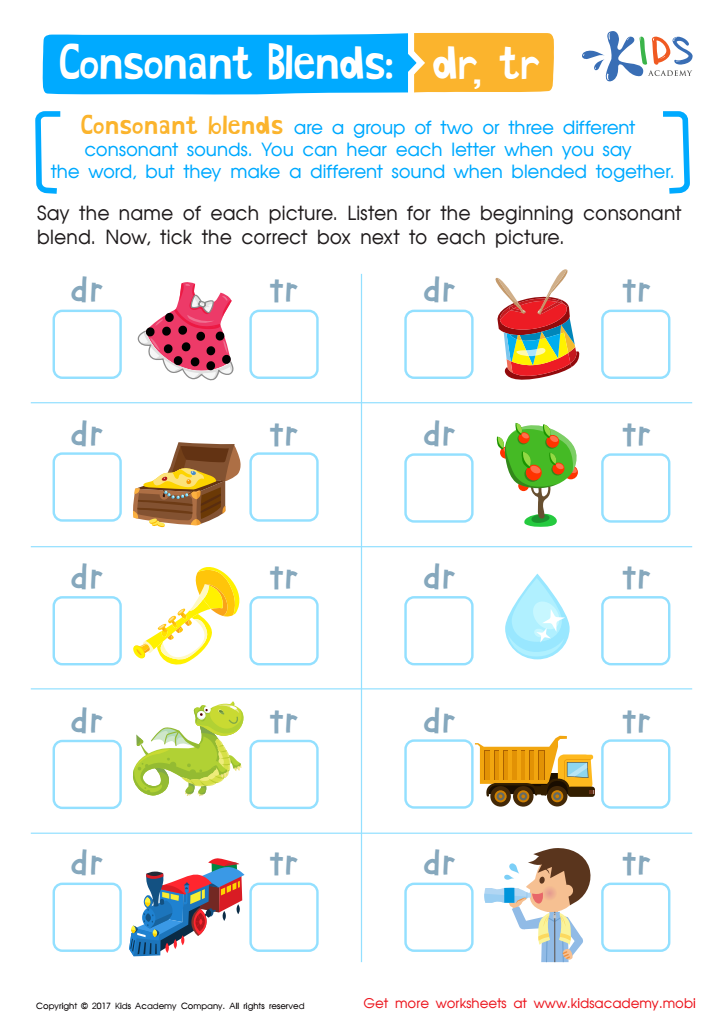
Consonant Blends: "Dr" and "Tr" Printable
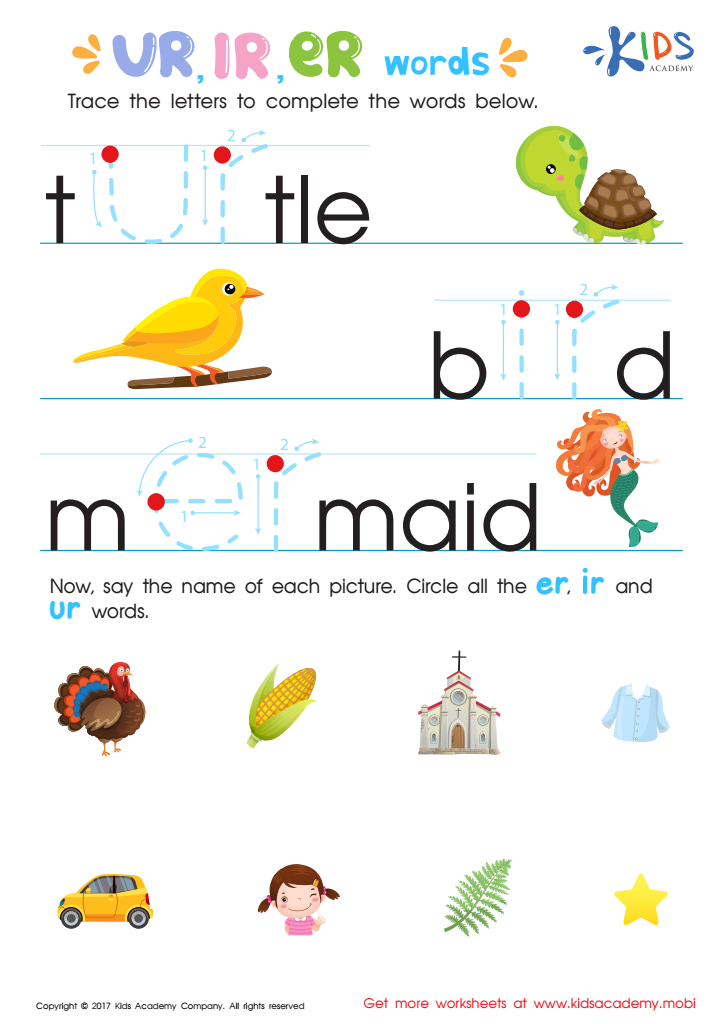
IR UR ER Words Worksheet
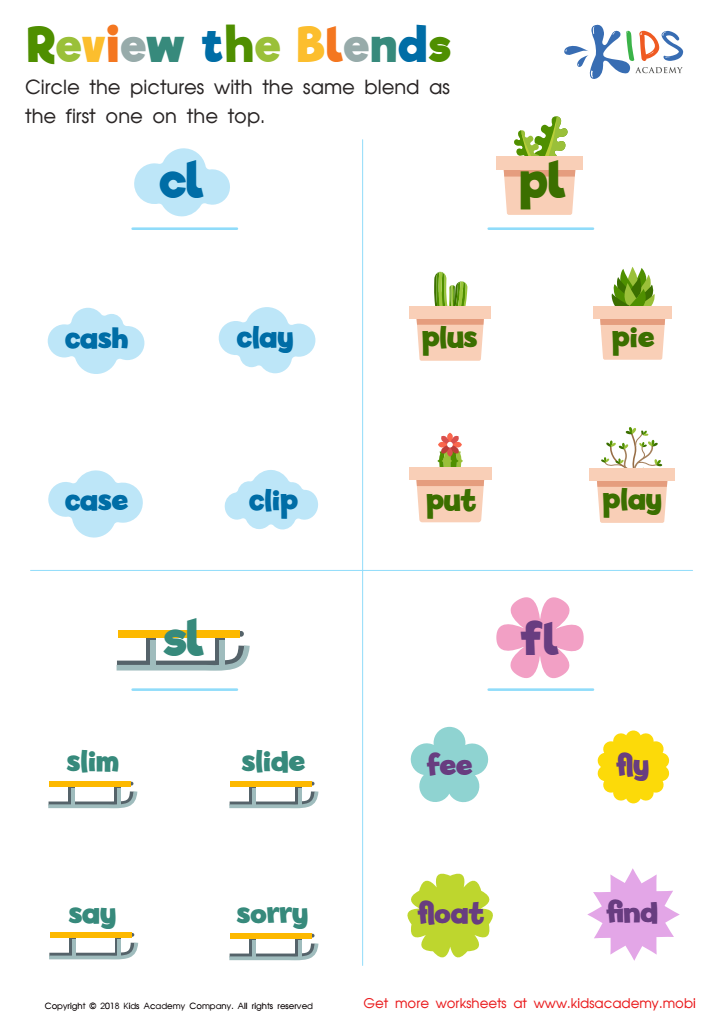
Review the Blends Worksheet



Focusing on Normal Two Letter Phonics for children aged 3-9 is critical as this period is crucial for foundational literacy development. During these formative years, children are highly receptive to language acquisition, and understanding two-letter phonics provides an essential building block for reading and writing skills.
Firstly, two-letter combinations, such as “at,” “in,” and “on,” are among the simplest and most frequently used phonetic units in the English language. Mastery of these enables children to decode simple words quickly, boosting their reading confidence and fluency. This early success fosters a positive attitude toward learning and promotes a lifelong love of reading.
Secondly, it aids in the development of phonemic awareness. This awareness—recognizing and manipulating sounds in words—is a predictor of a child's reading success. For instance, understanding that “c” and “a” form the word “cat” helps children grasp how sounds combine to create meaning.
Moreover, proficiency in two-letter phonics supports vocabulary expansion. As children recognize and apply these sounds, they can read and understand new words more effectively, enriching their vocabulary and comprehension skills.
Finally, early phonics education empowers children by providing autonomy in their learning journey. It sets a firm foundation, making future complex reading tasks less daunting. Therefore, parents and teachers should prioritize Normal Two Letter Phonics to ensure robust literacy development and academic success for young learners.






