Normal Math Worksheets for Ages 3-9
545 filtered results
-
From - To
Discover our "Normal Math Worksheets for Ages 3-9," designed to make learning fun and effective for young minds. These worksheets cover essential math skills tailored to each age group, helping children master counting, addition, subtraction, shapes, patterns, and more. With engaging activities and colorful illustrations, these printables enhance understanding and retention. Ideal for parents, teachers, and tutors, our resources support both classroom learning and at-home practice, ensuring comprehensive math skill development in a supportive, stress-free environment. Unlock your child’s potential with our expertly crafted worksheets, setting the foundation for lifelong mathematical success.
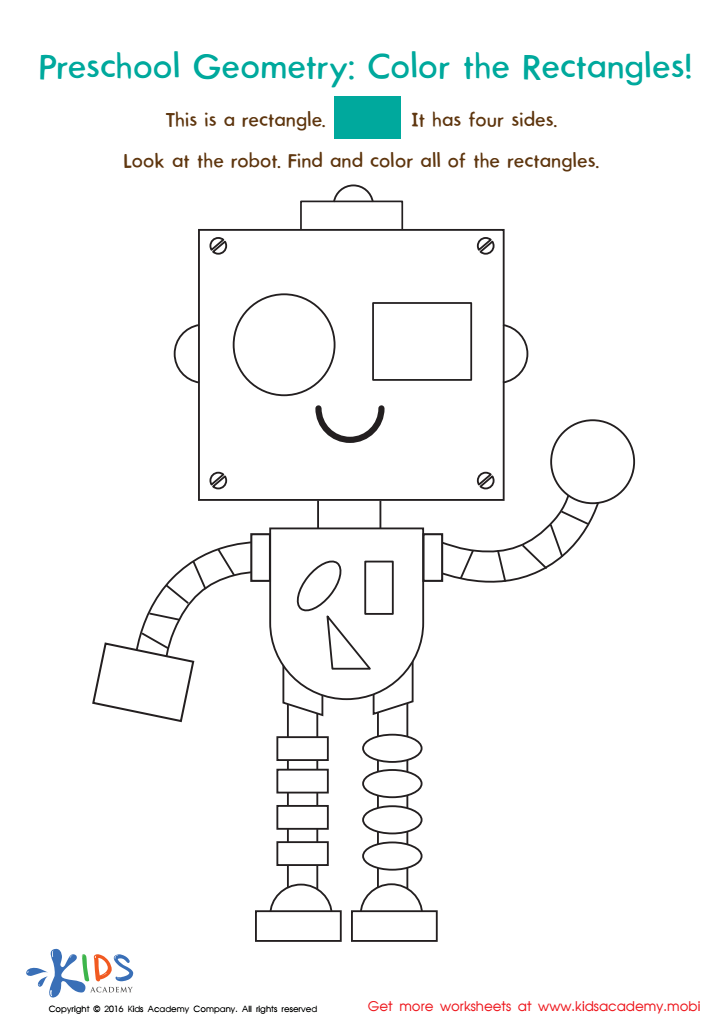
Geometry Worksheet
 Assign to My Students
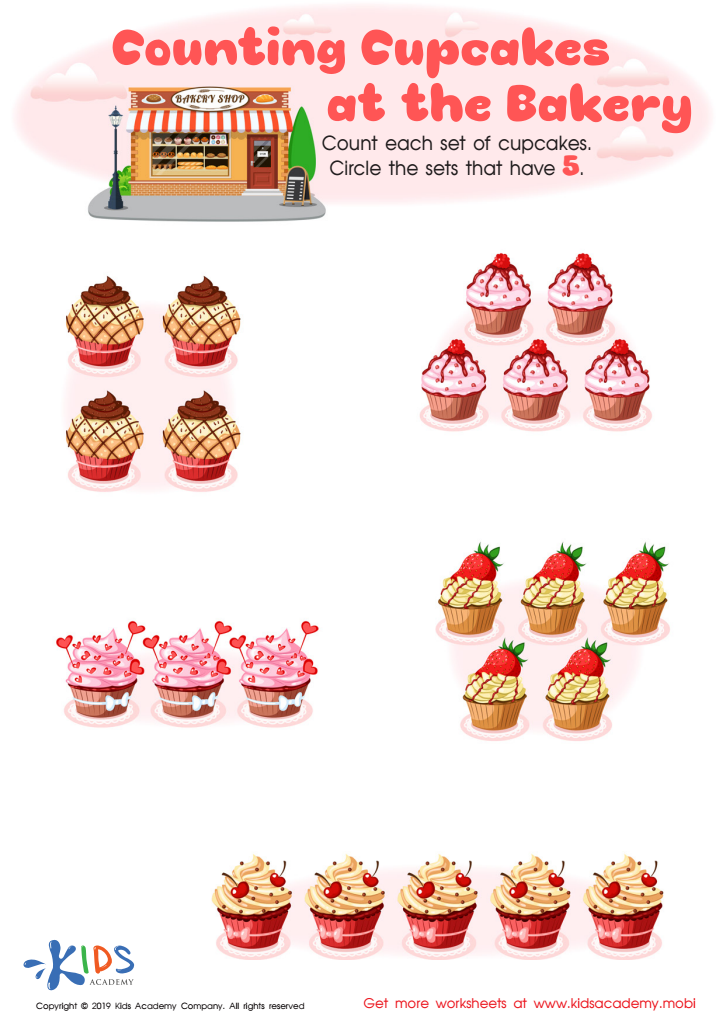
Counting Cupcakes Worksheet
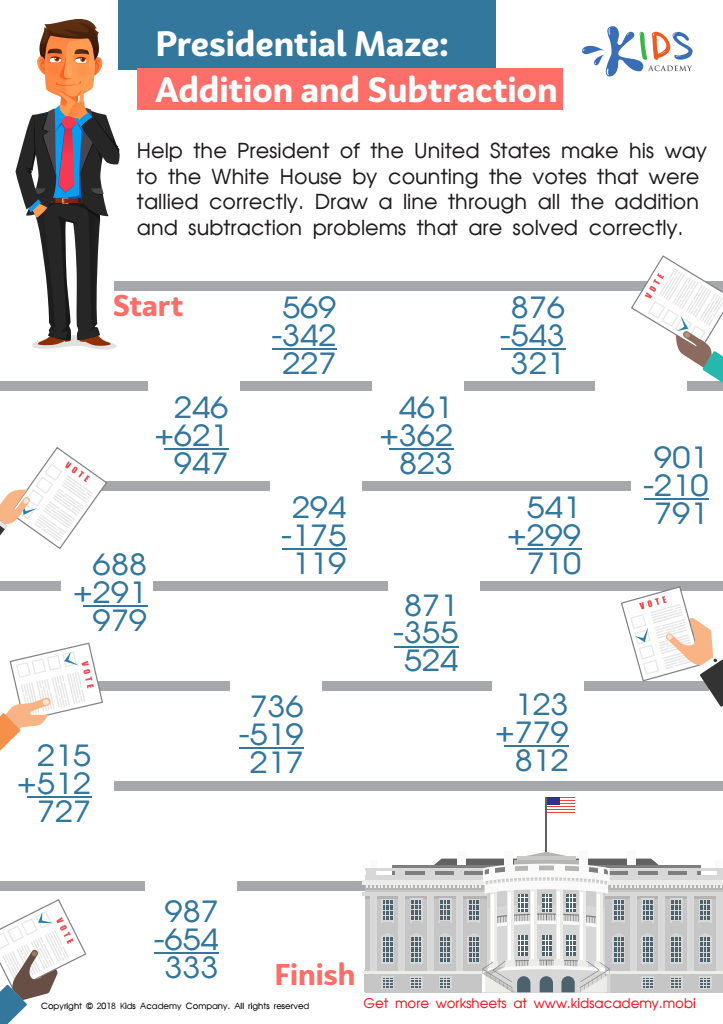
Presidential Maze: Addition and Subtraction Worksheet
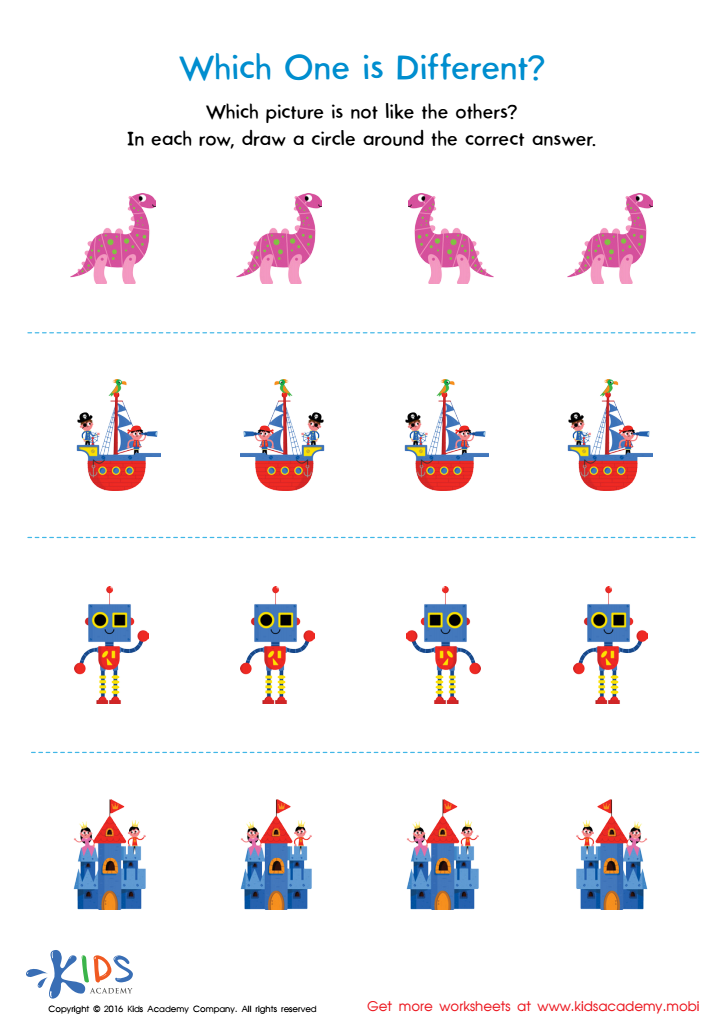
Which One Is Different Worksheet
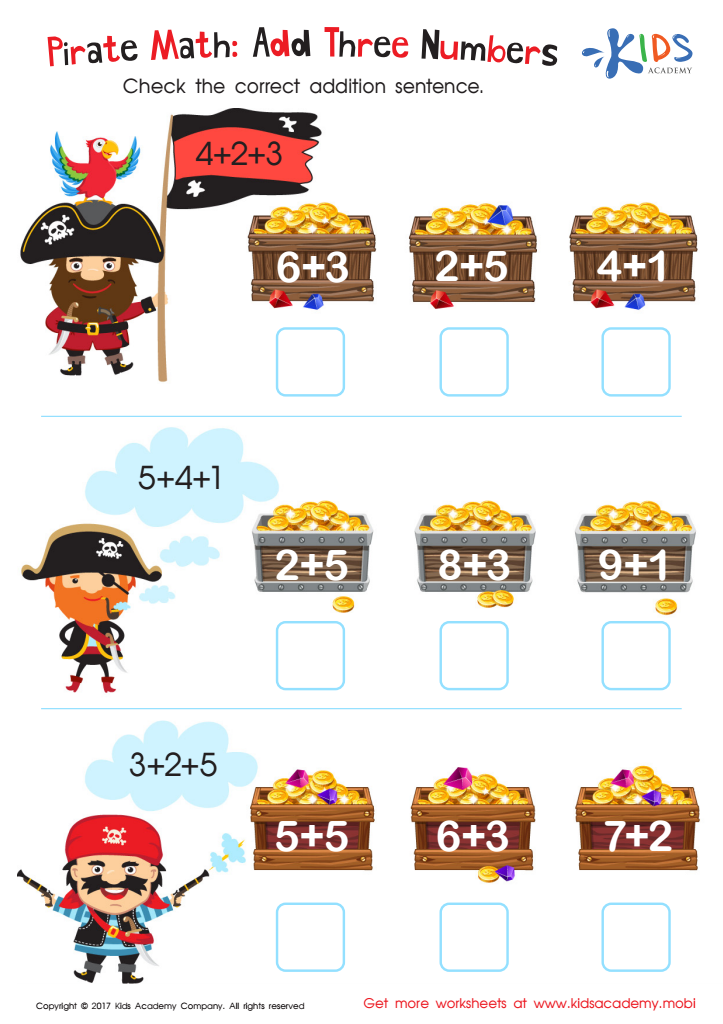
Pirate Math Printable
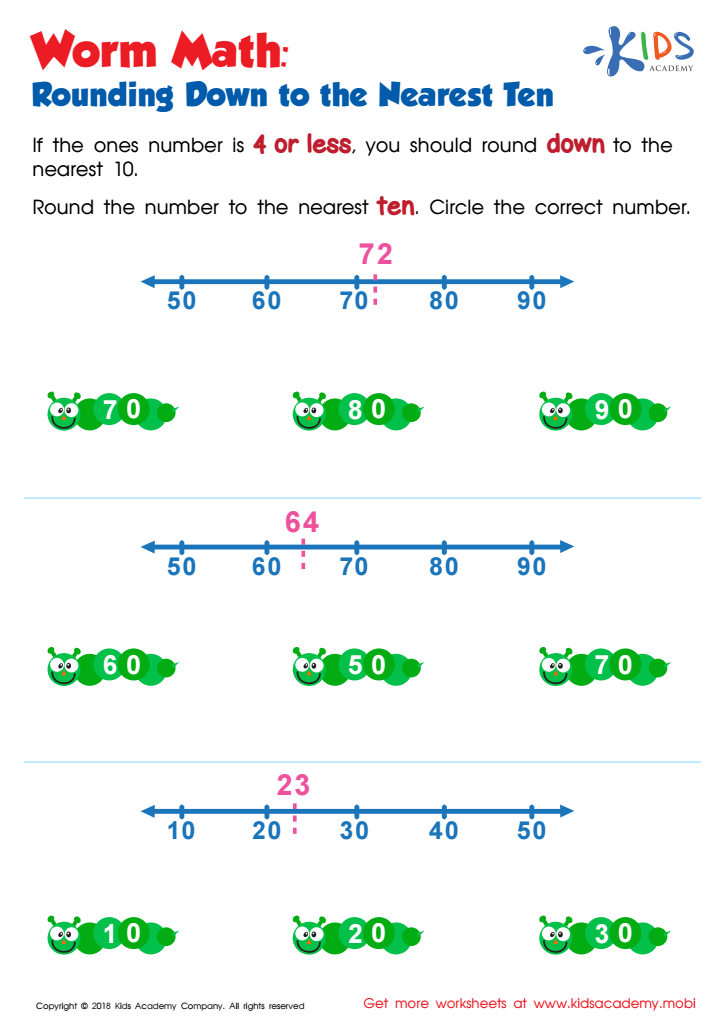
Worm Math Rounding Down to the Nearest Ten Worksheet
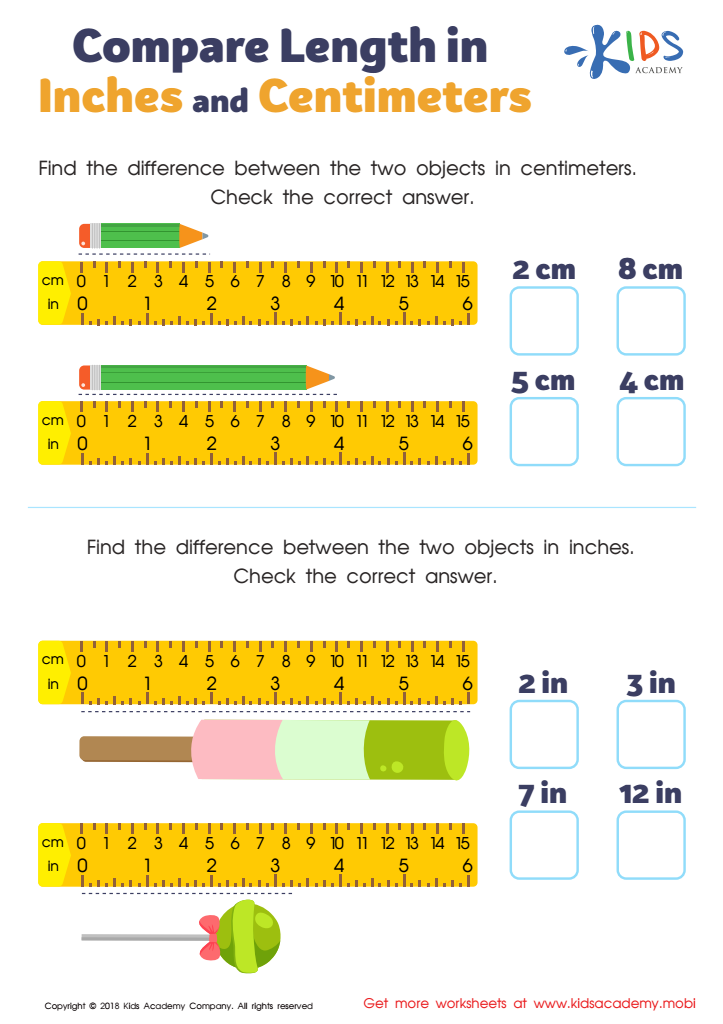
Compare Length in Inches and Centimeters Worksheet
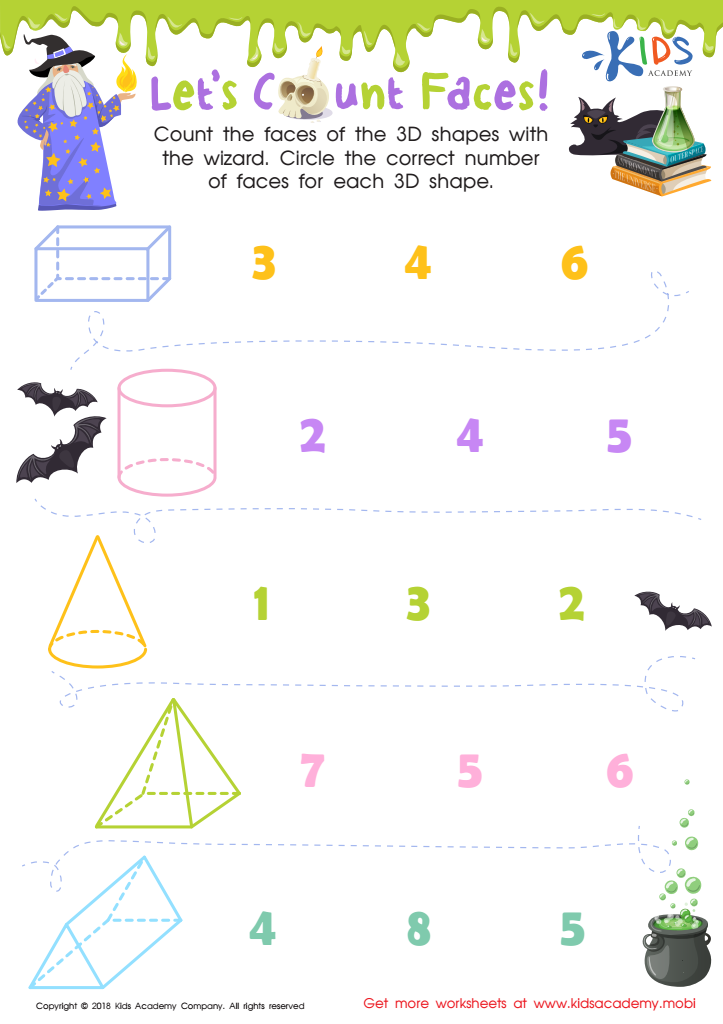
Let's Count Faces! Worksheet
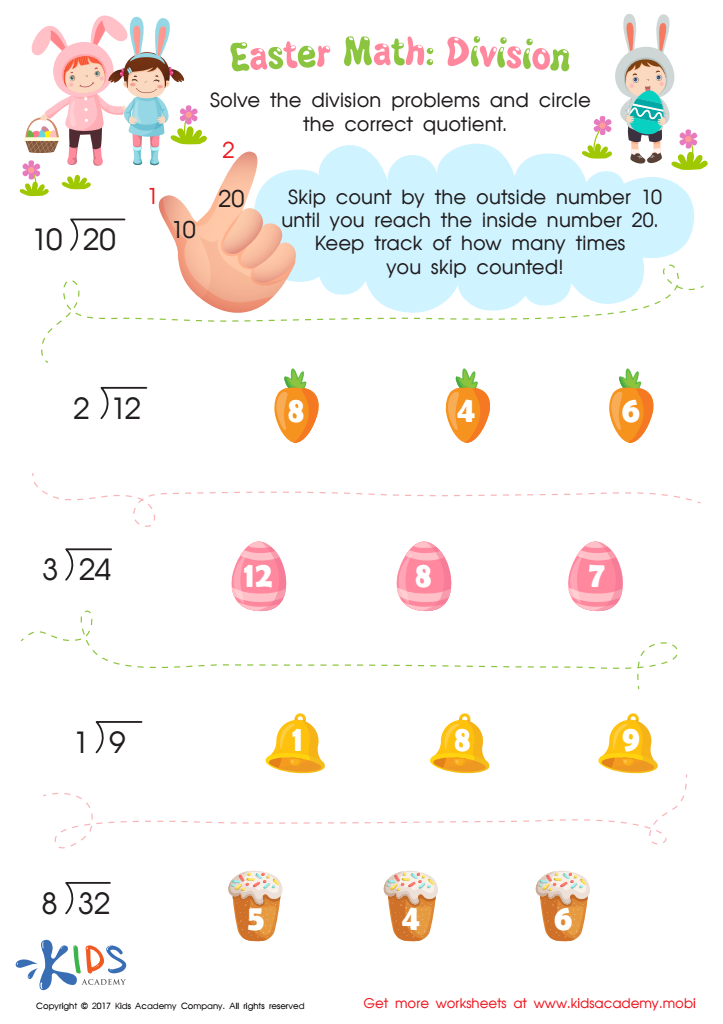
Division Worksheet
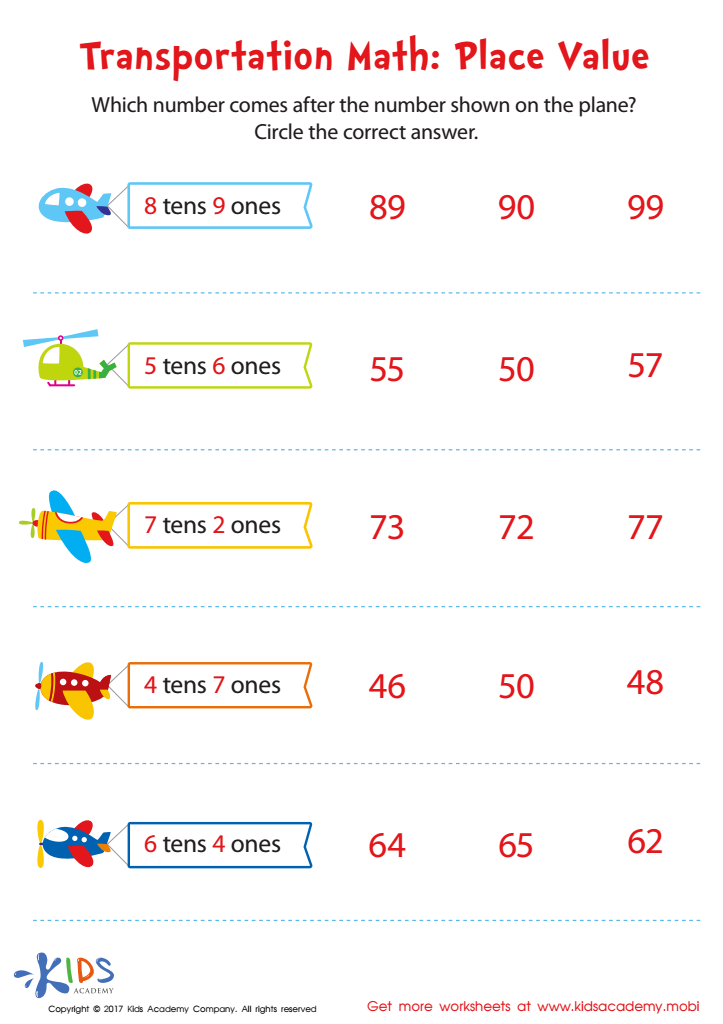
Transportation Math Printable
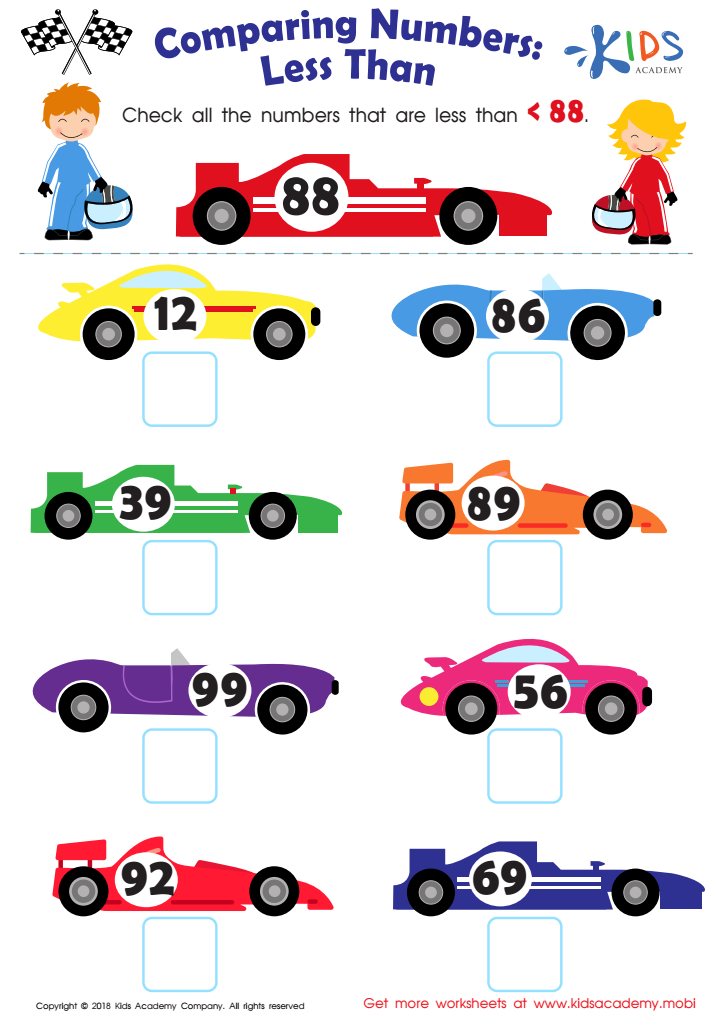
Less Than Worksheet
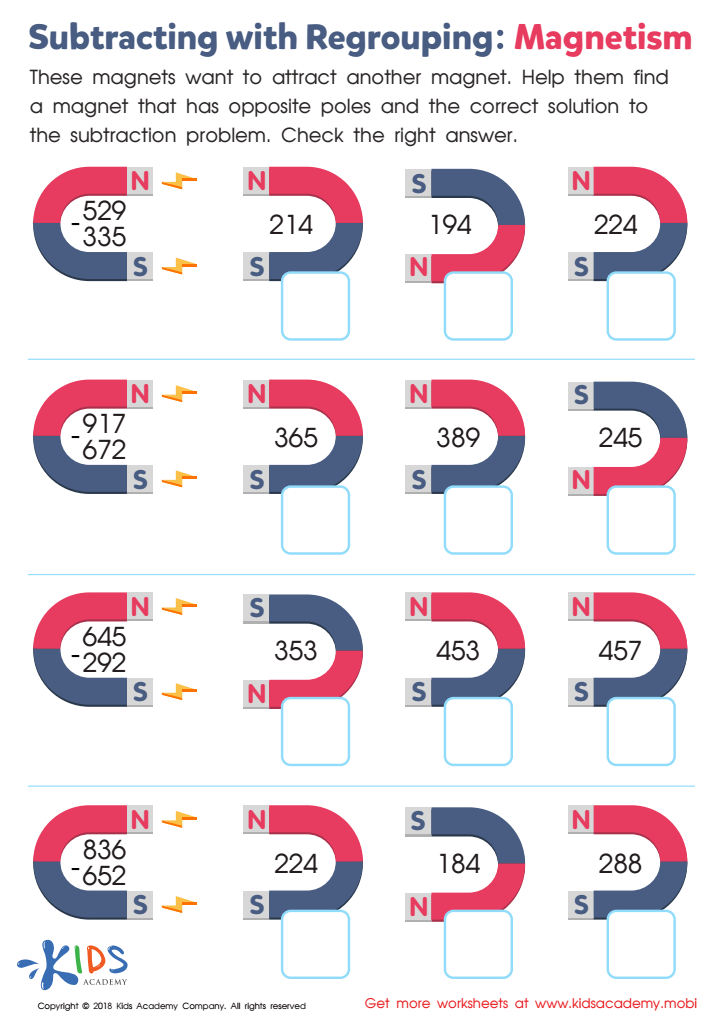
Subtracting with Regrouping: Magnetism Worksheet
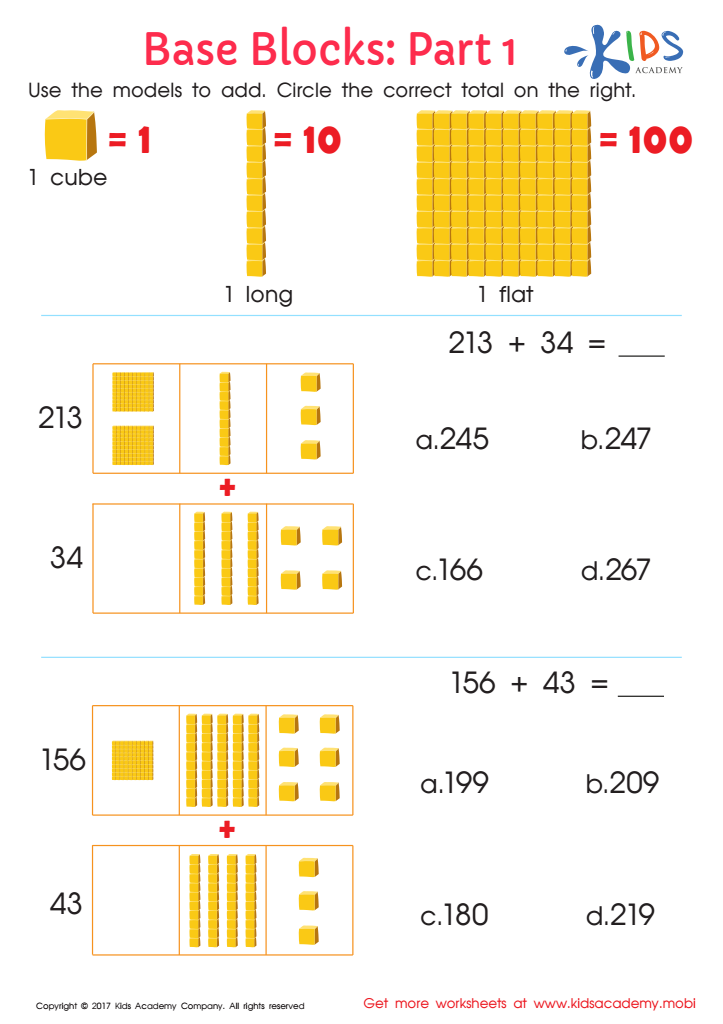
Base Ten Blocks Worksheet: Part 1
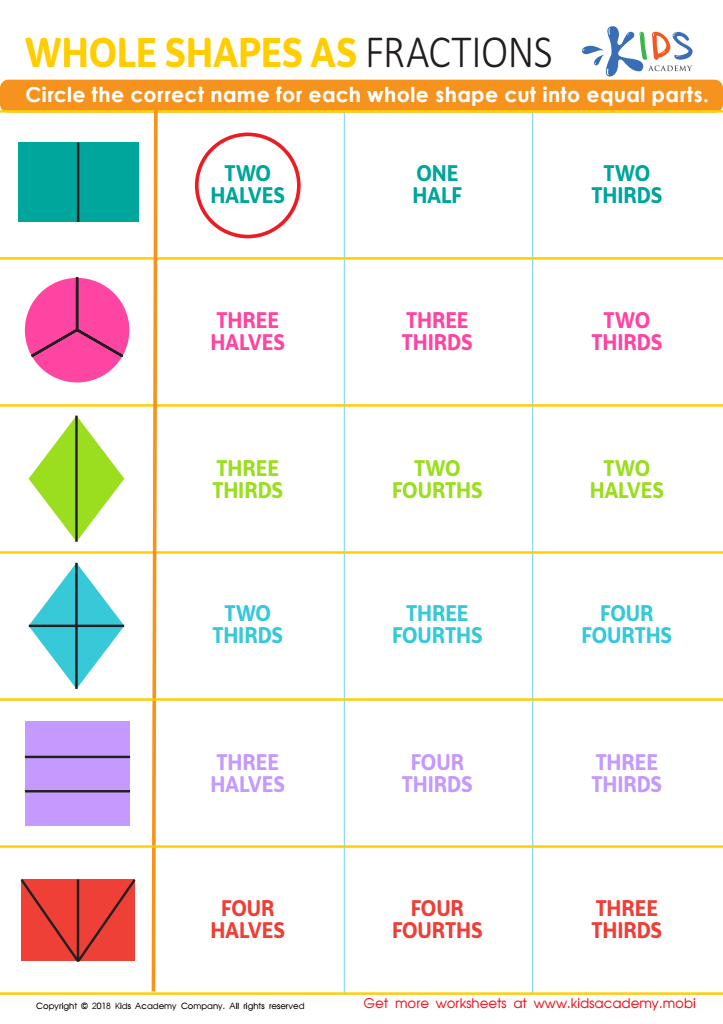
Whole Shapes as Fractions Worksheet
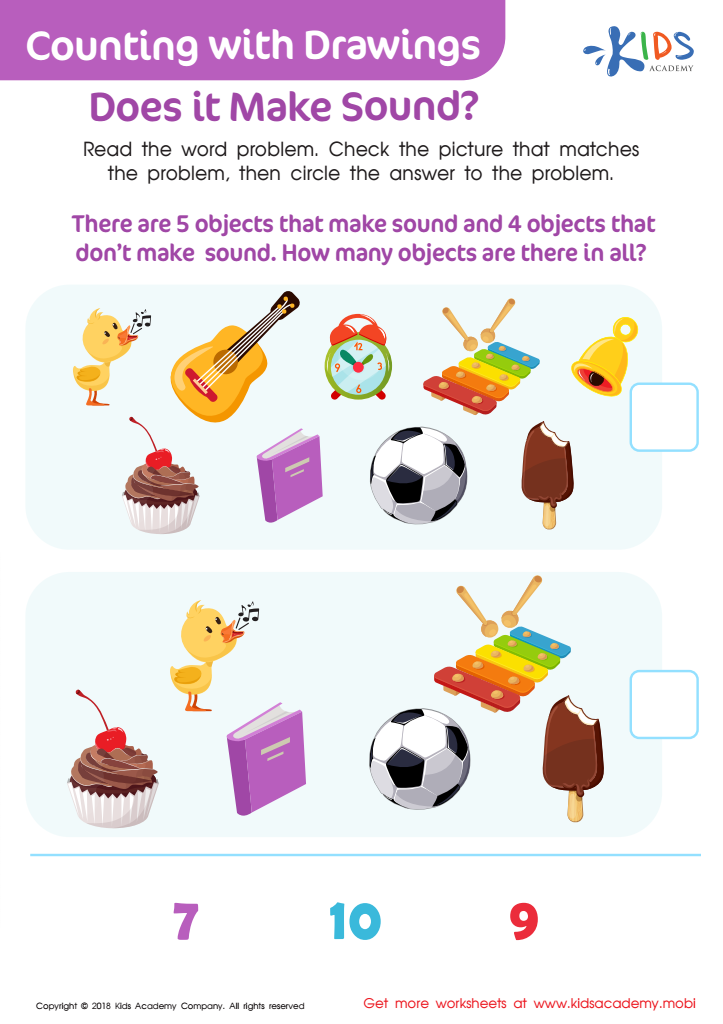
Counting With Drawings. Does It Make Sound? Worksheet
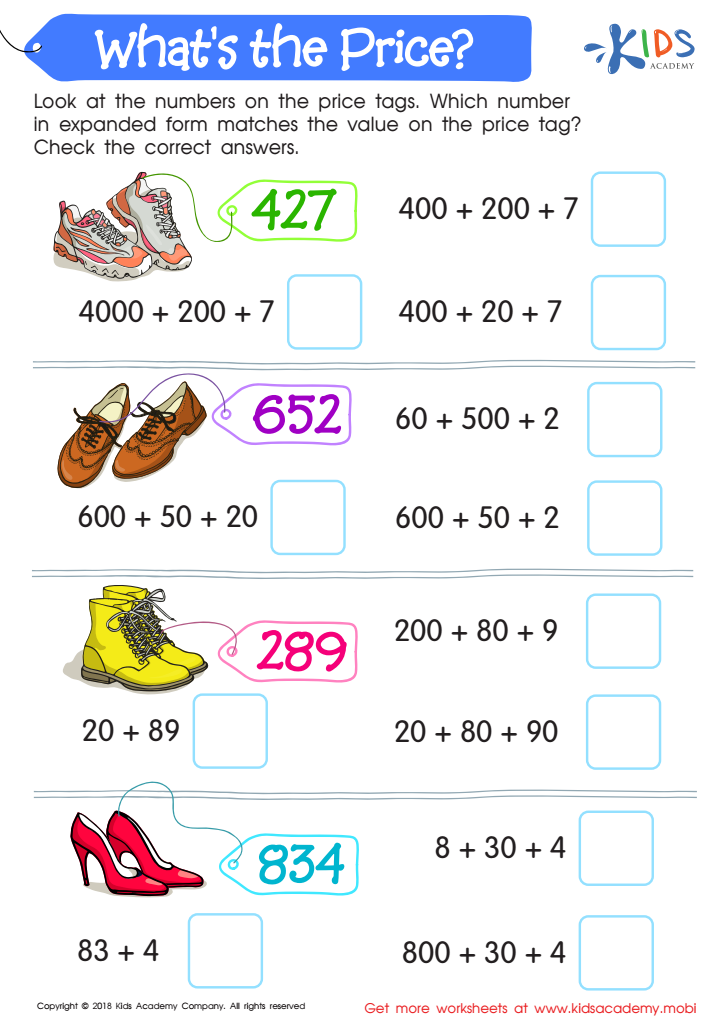
What's the Price? Worksheet
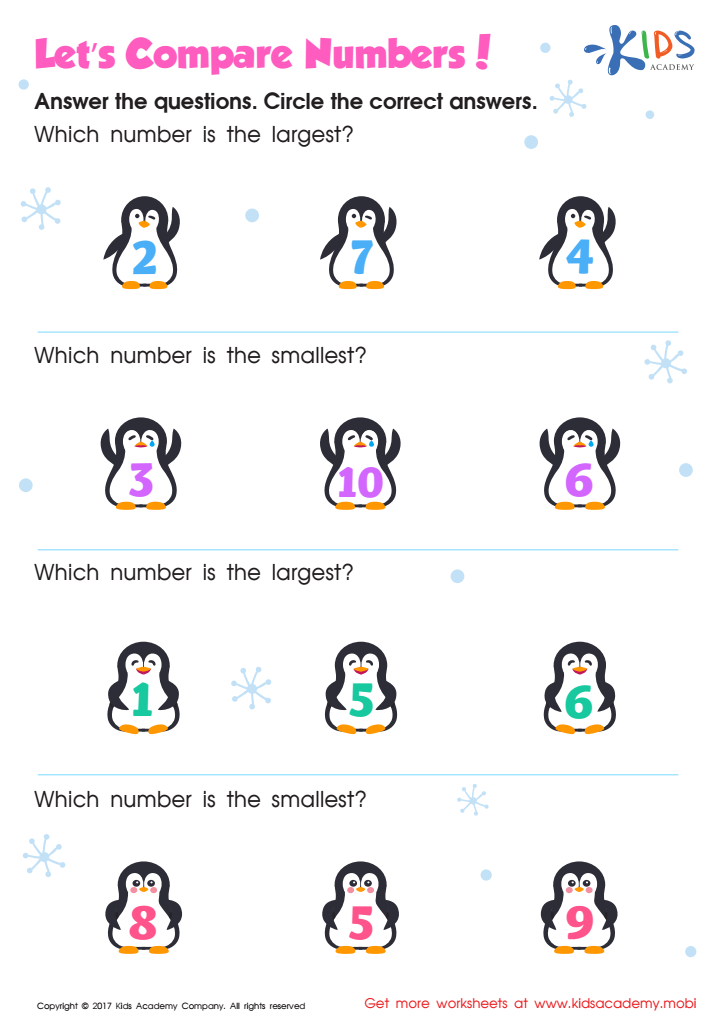
Comparing Numbers 1–10 Worksheet Kindergarten
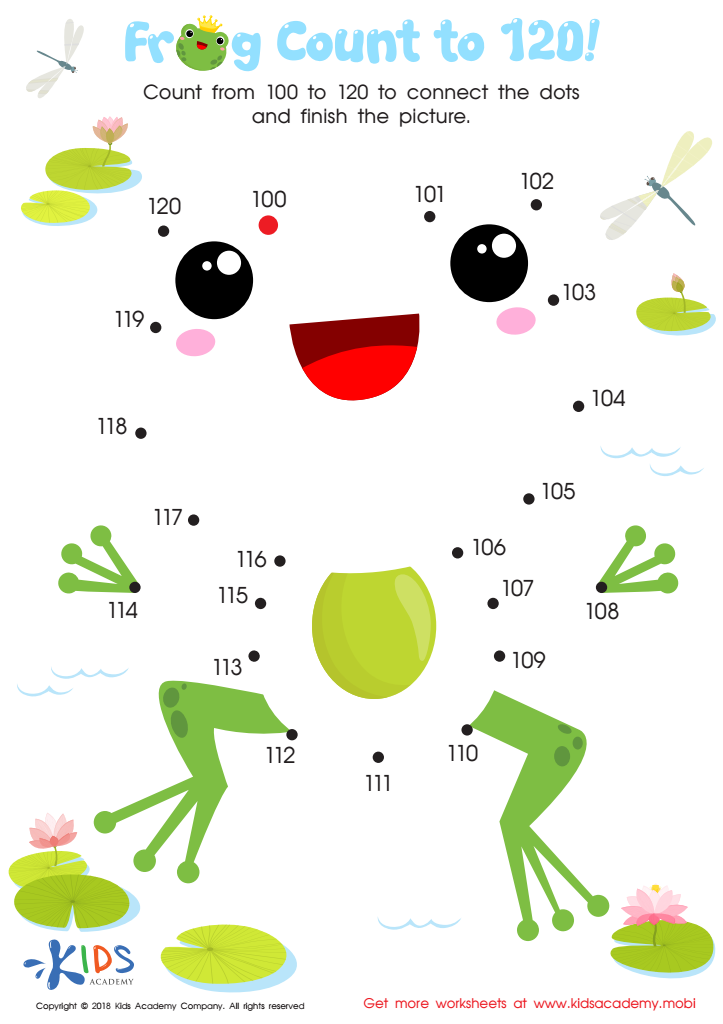
Frog Count to 120 Worksheet
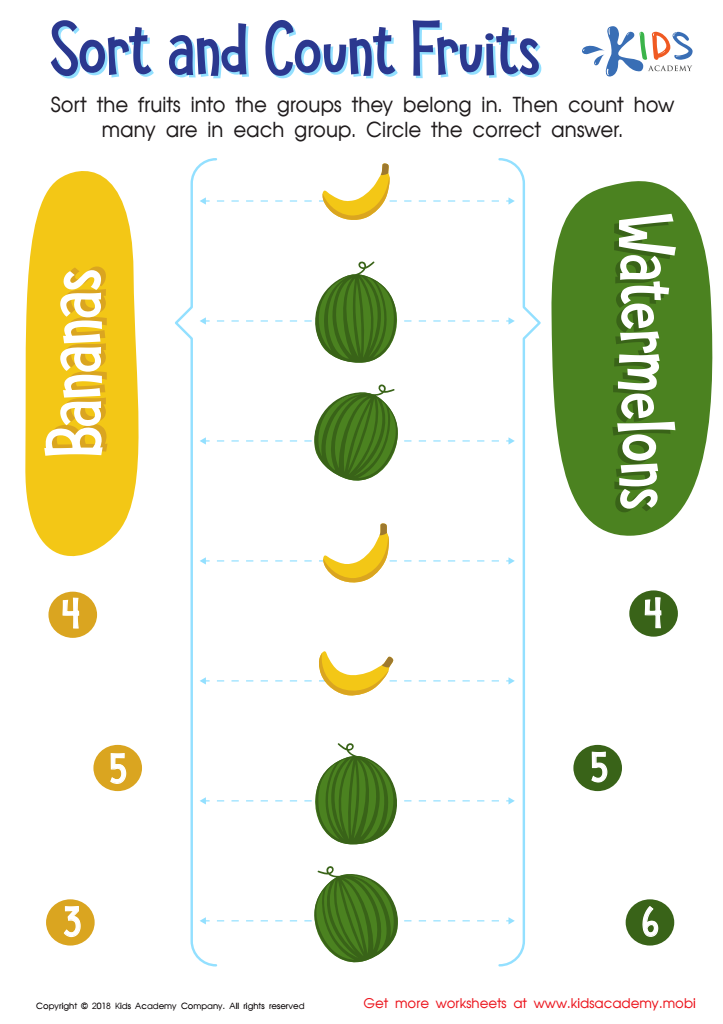
Sort and Count Fruits Worksheet
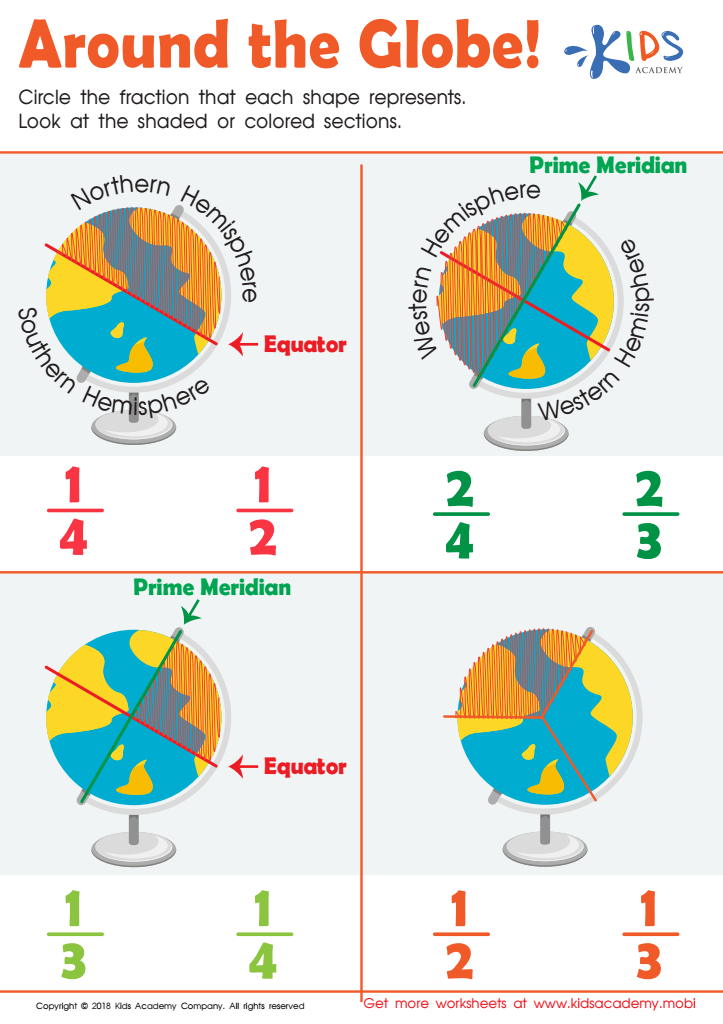
Around the Globe Worksheet
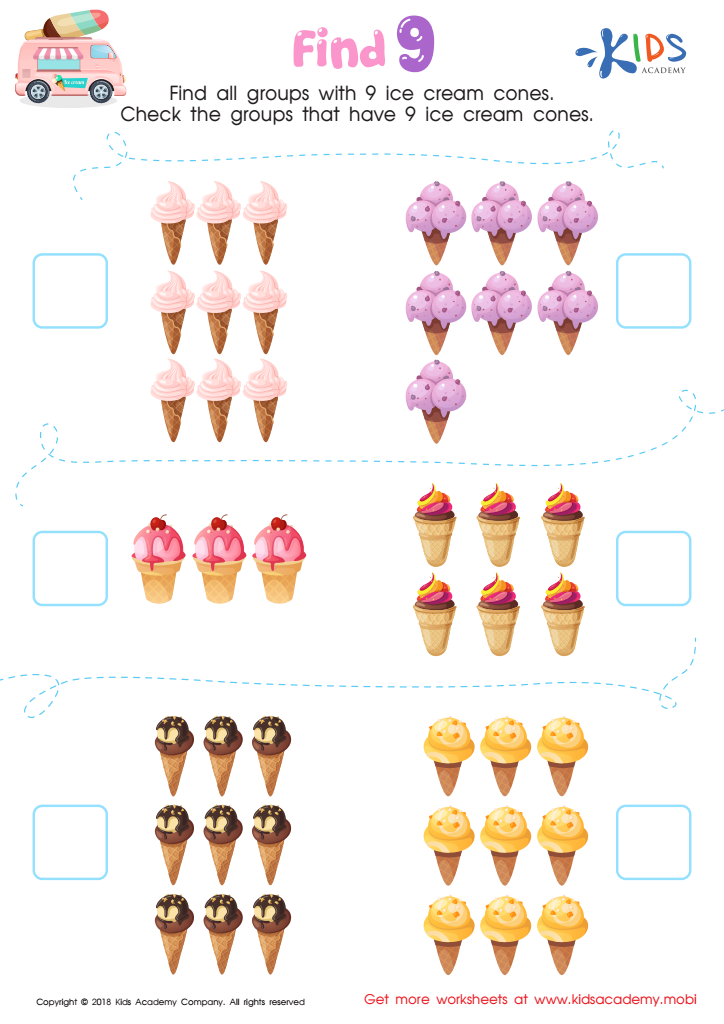
Find 9 Worksheet
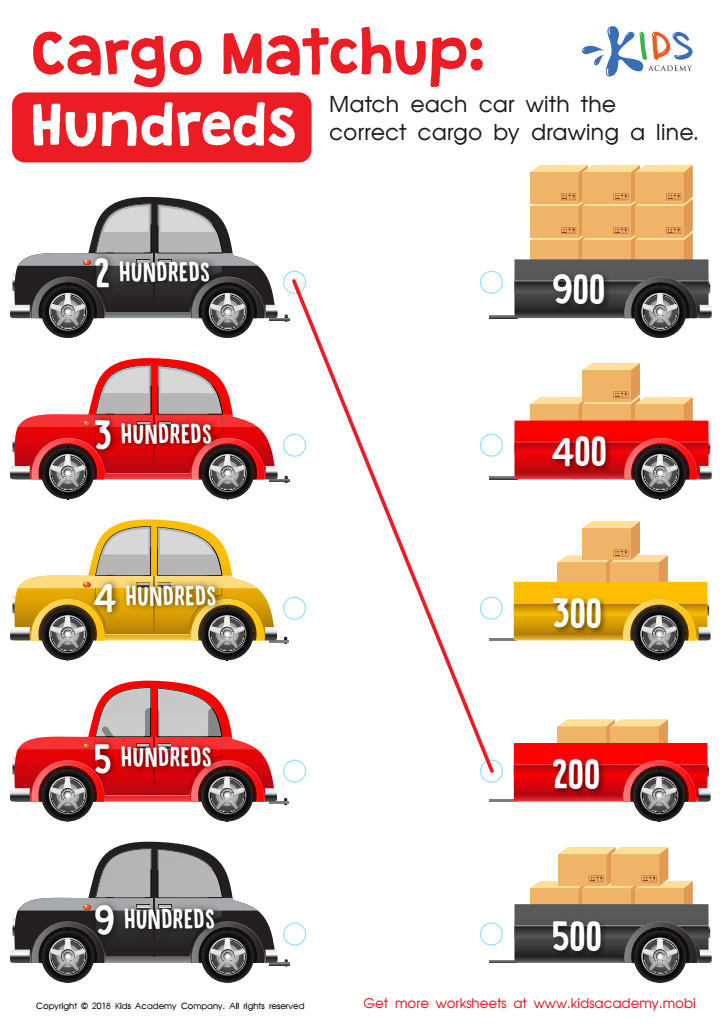
Cargo Matchup: Hundreds Worksheet
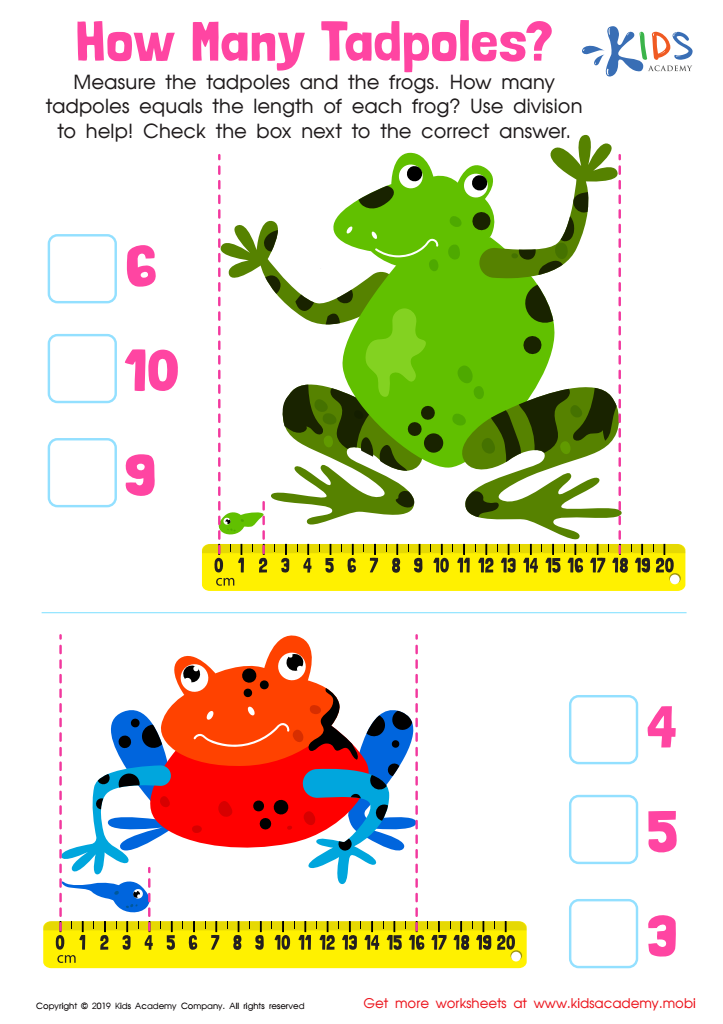
How Many Tadpoles Worksheet
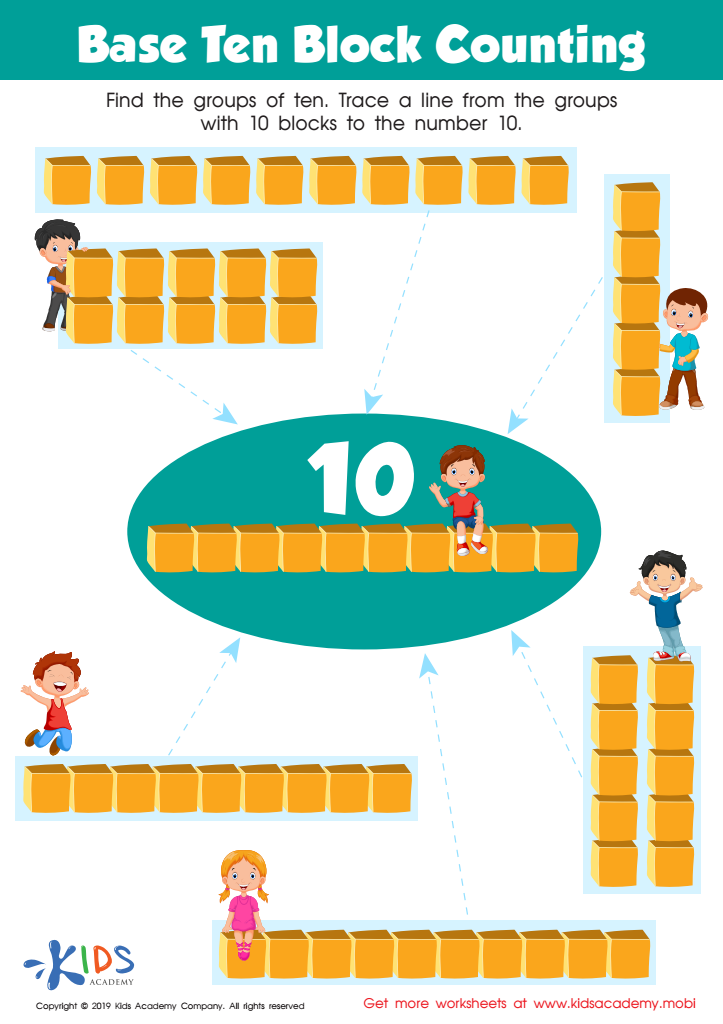
Base Ten Block Counting Worksheet







Parents and teachers should care about normal math for ages 3-9 because it lays the foundational skills essential for children's academic success and daily life. Early math skills pave the way for higher-order thinking and problem-solving abilities, crucial not just in advanced math but across all subjects. At these developmental stages, children are formulating concepts of numbers, spatial relationships, patterns, and basic operations—competencies that support not only math skills but also logical reasoning and critical thinking.
Effective early math education fosters confidence and reduces math anxiety, ensuring that children perceive the subject as approachable and enjoyable. Engaging, age-appropriate math activities stimulate curiosity and encourage a lifelong love of learning. Additionally, basic math skills are integral to everyday life—whether it’s understanding time, managing money, or measuring ingredients for a recipe—these early skills translate to real-world applications.
Educators and parents are often children's first teachers; their attitudes towards math can significantly influence the children's interest and proficiency. Encouraging a positive, supportative and rich math-learning environment can help tap into a child’s potential leading to better educational outcomes and greater opportunities. Thus, emphasizing normal math in early childhood sets the stage for a more inclusive and competent future generation.








