Normal 2D Shapes Worksheets for Ages 3-9 - Page 2
33 filtered results
-
From - To
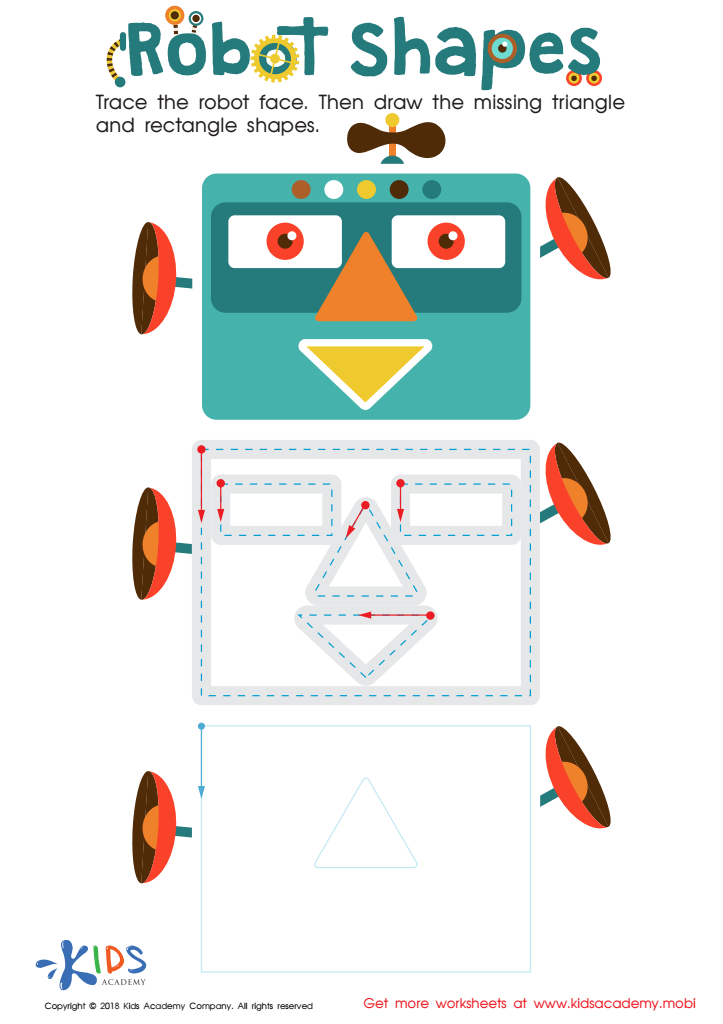
Robot Shapes Worksheet
 Assign to My Students


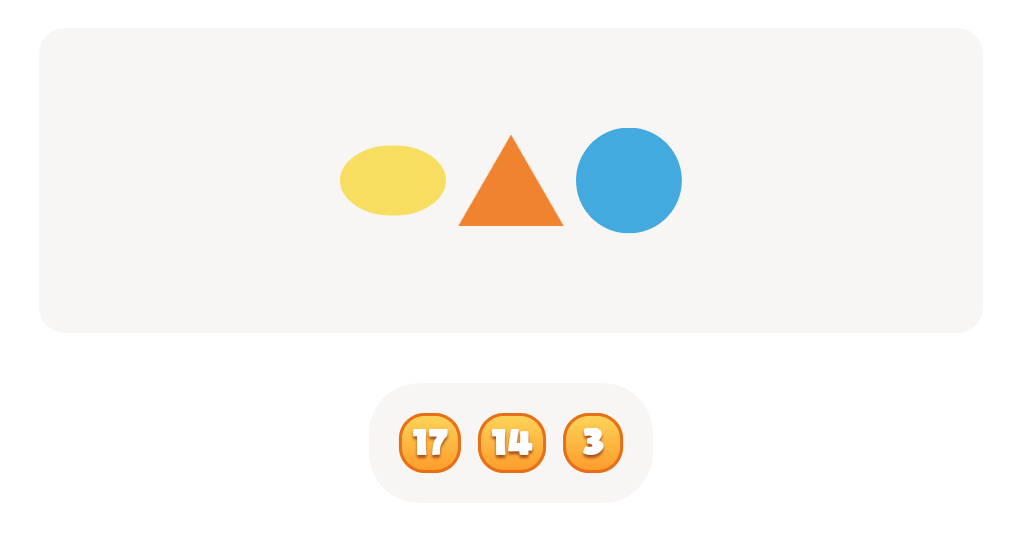
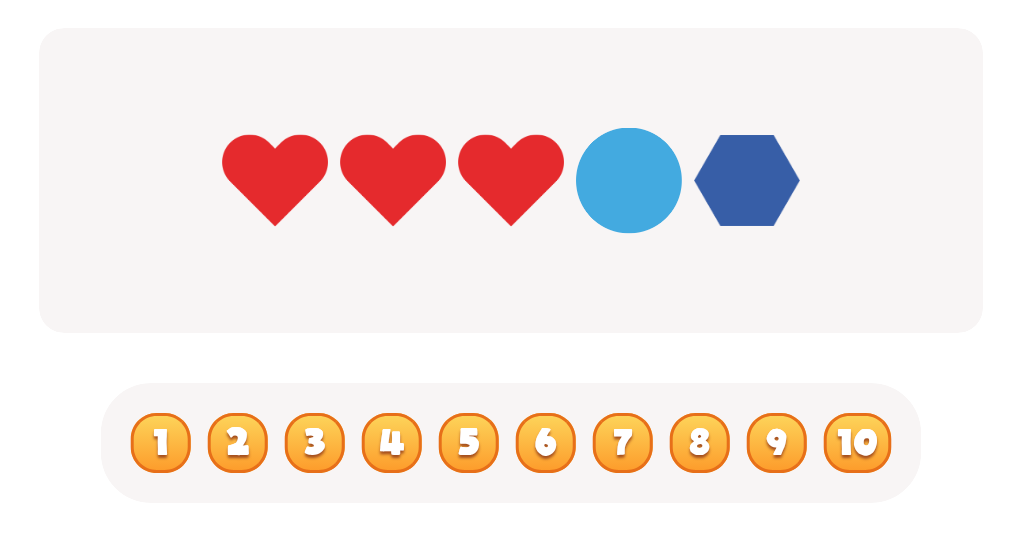
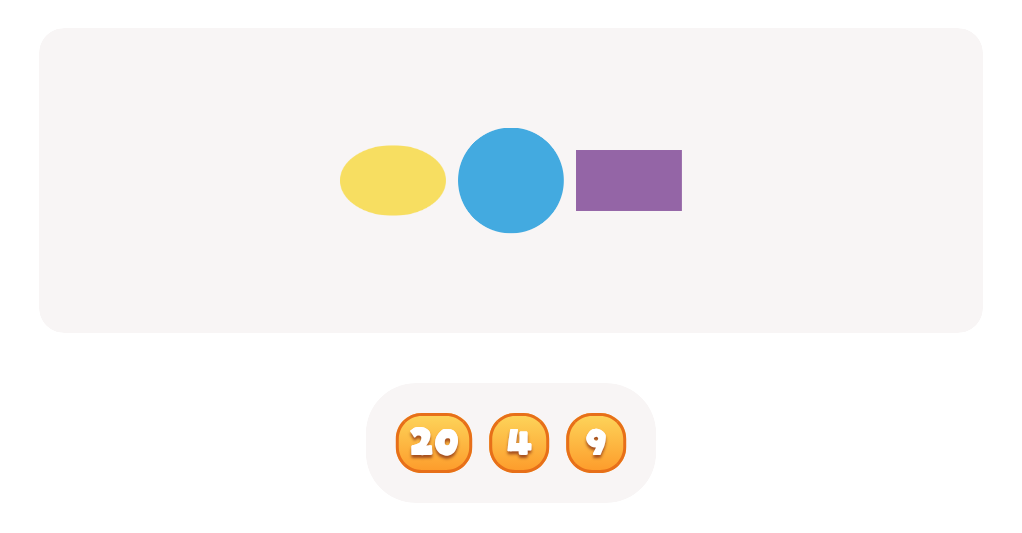
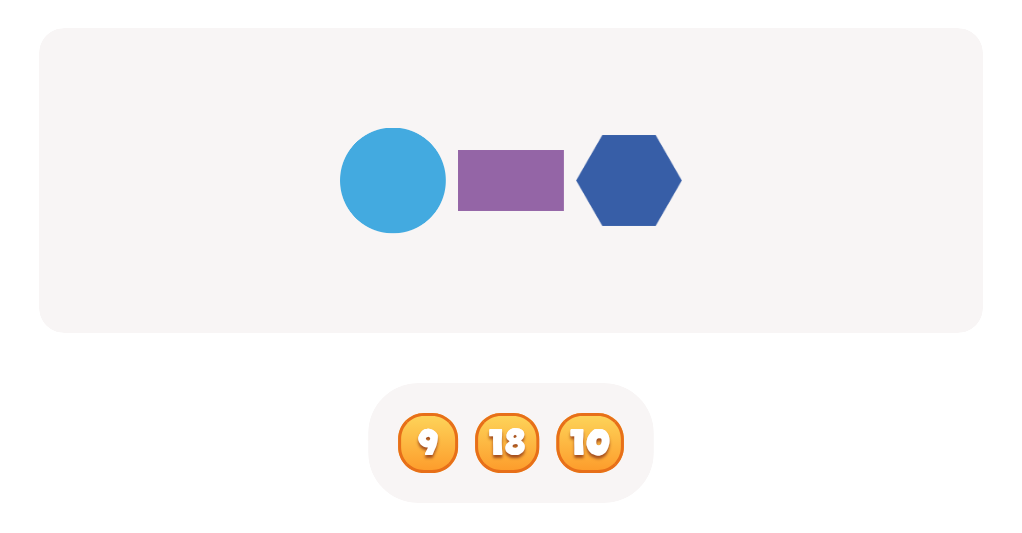
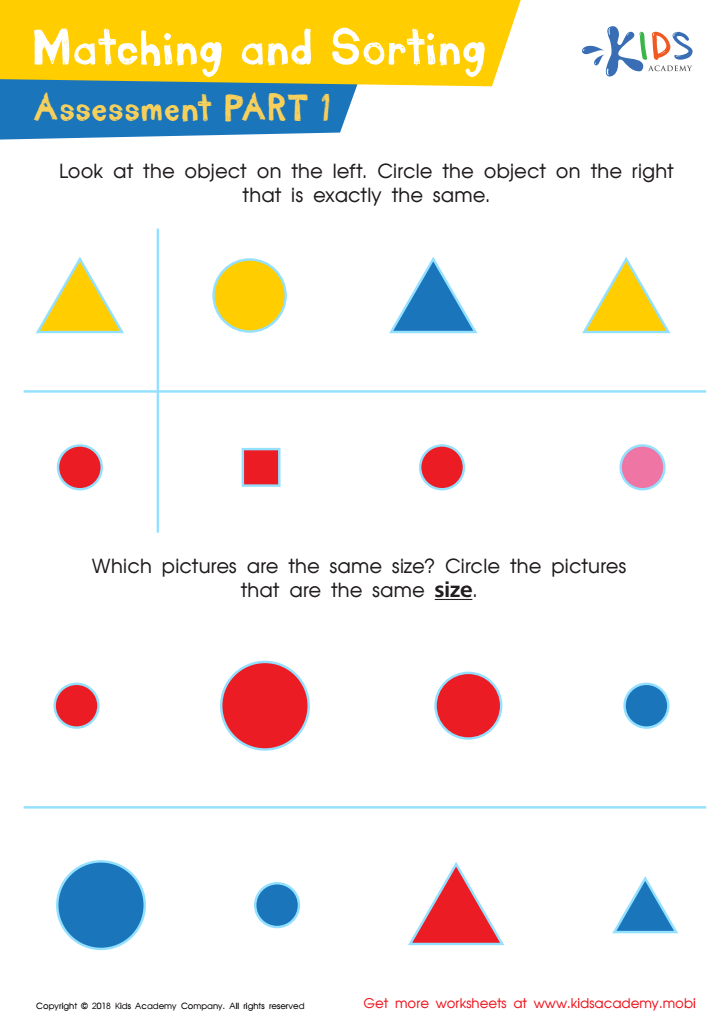
Matching and Sorting for Kindergarten: Assessment 1 Worksheet
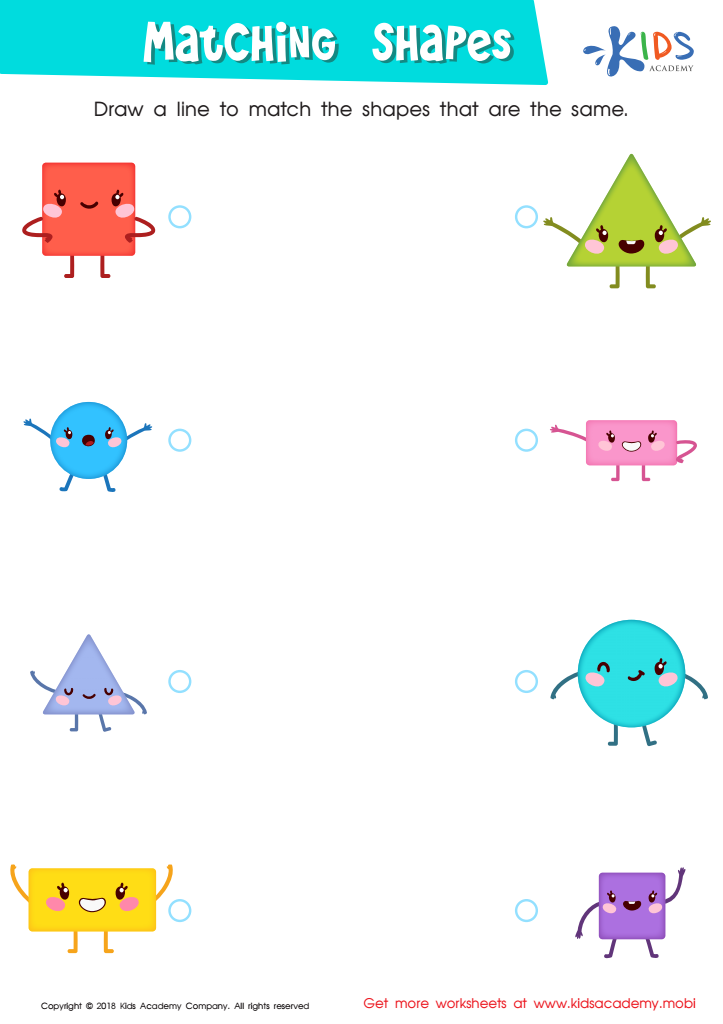
Matching Shapes Worksheet
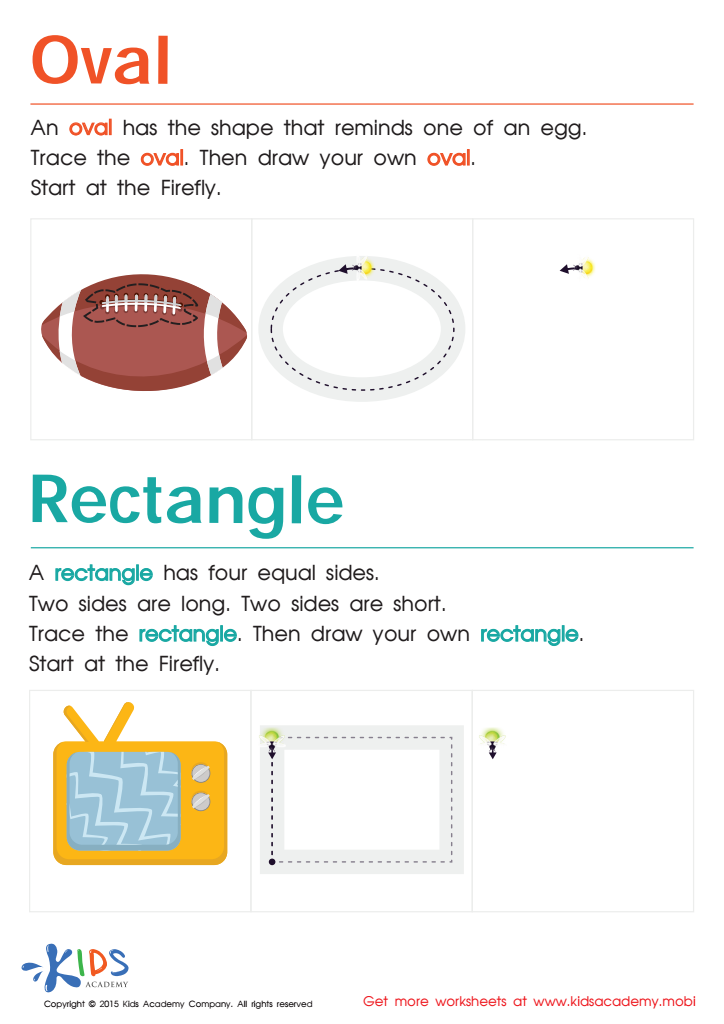
Easy Drawing of Ovals And Rectangles Worksheet
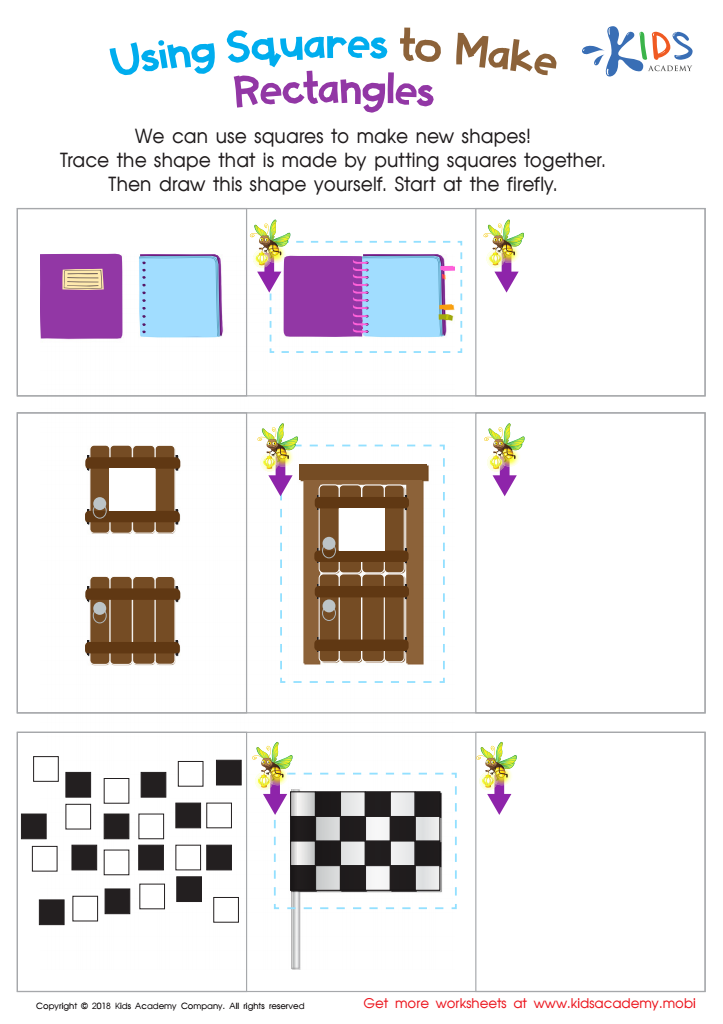
Using Squares to Make Rectangles Worksheet
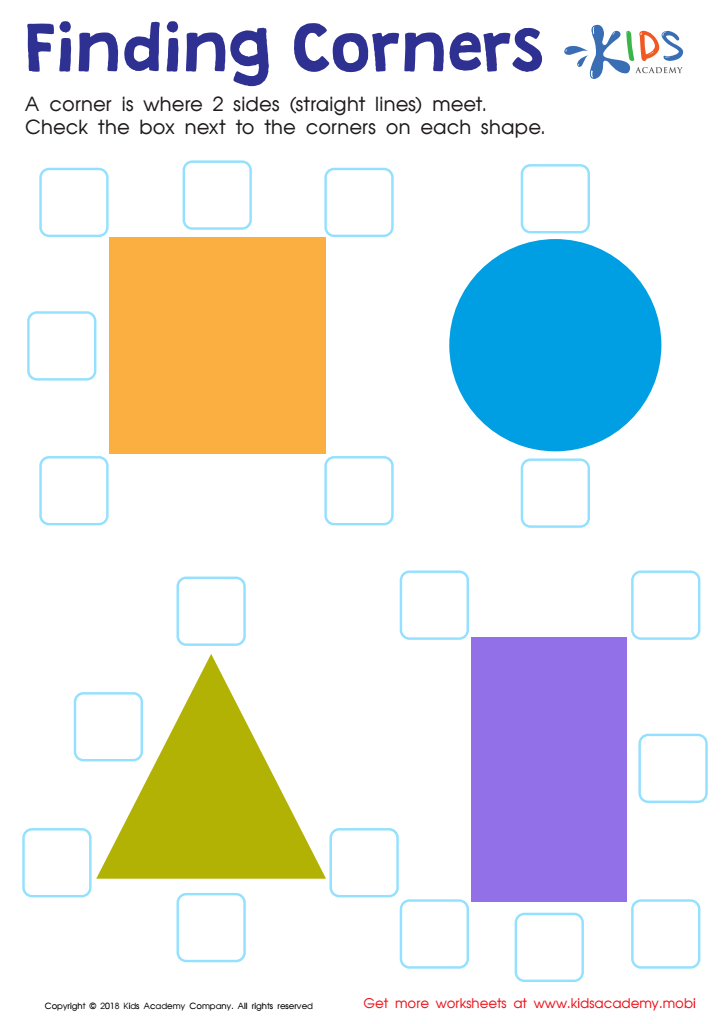
Finding Corners Worksheet
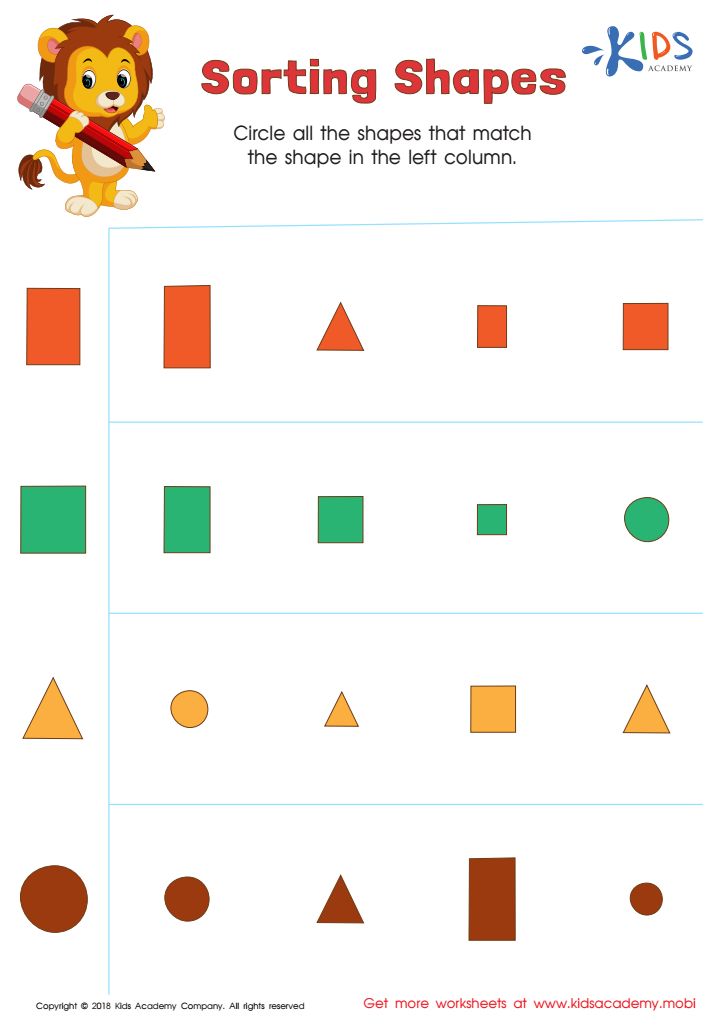
Sorting Shapes - Part 2 Worksheet
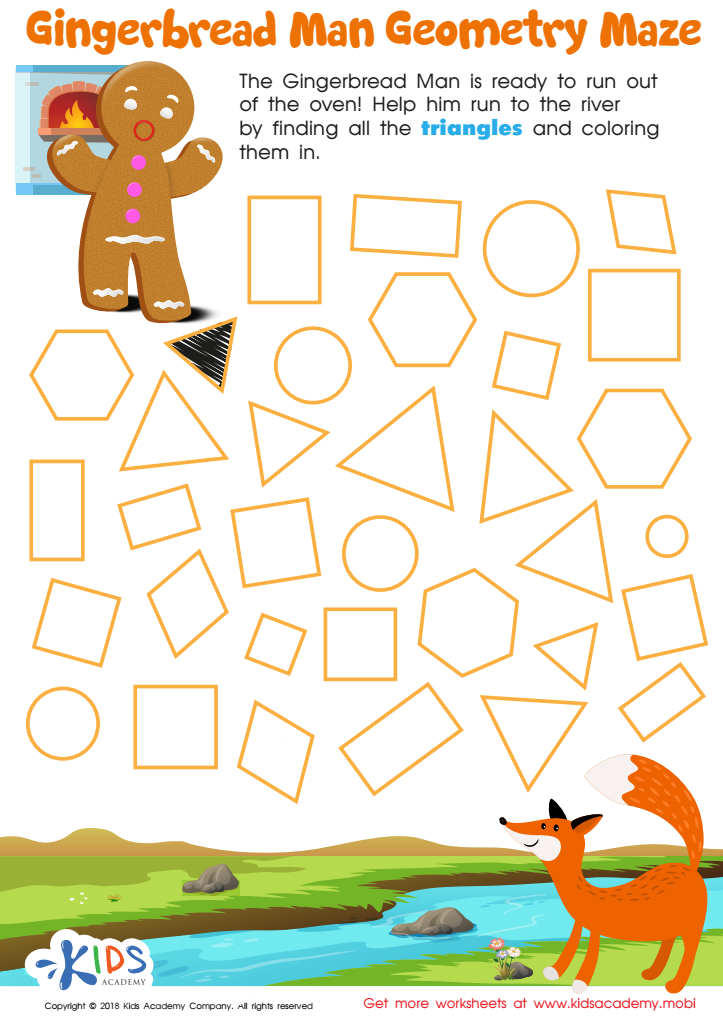
Gingerbread Man Geometry Maze Worksheet
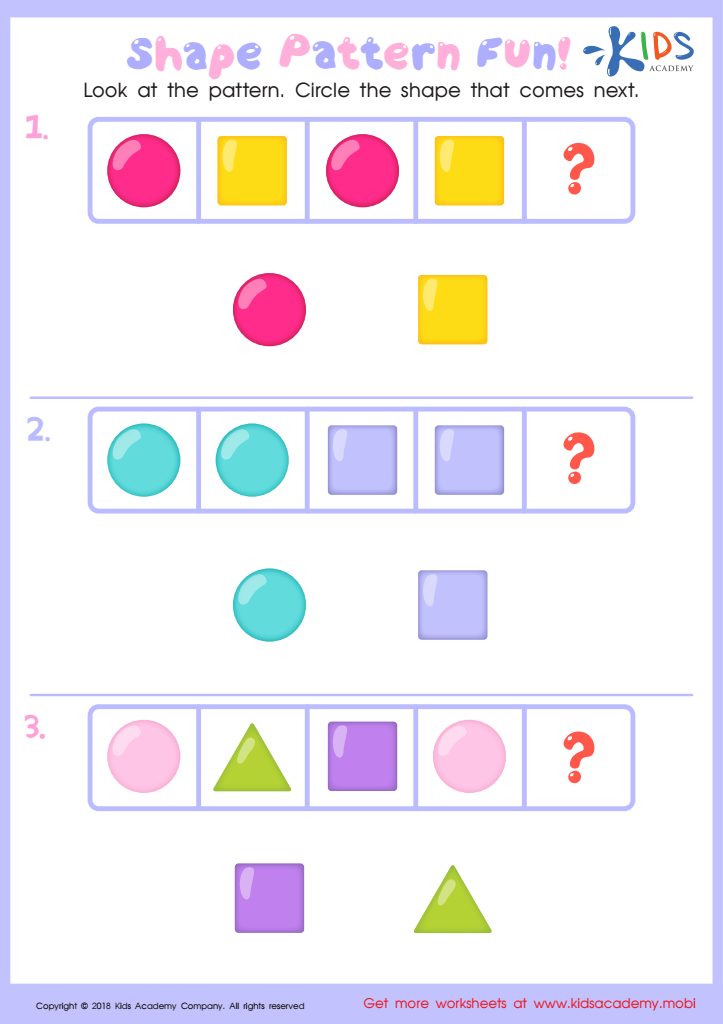
Shape Pattern Fun Worksheet








Understanding normal 2D shapes is fundamental for children ages 3-9 as it forms the basis for their cognitive development and lays the groundwork for more complex learning in later years.
First, recognizing and distinguishing between shapes boosts visual-spatial intelligence. Young children learn to observe details, enhancing their ability to analyze the world around them. This kind of analytical thinking is essential for subjects like math and science, where patterns and structures play a crucial role.
Second, familiarity with shapes enhances problem-solving skills. By manipulating shapes, children learn concepts such as equality, classification, and symmetry, which are core principles in mathematical reasoning. These activities also foster fine motor skills through drawing and cutting, which are critical for writing later on.
Furthermore, learning about shapes assists in language development. Describing shapes requires vocabulary and communication skills, aiding children in expressing their thoughts more clearly.
Emotionally, mastering shapes provides a sense of achievement. This boosts self-esteem and fosters a positive attitude towards learning. When parents or teachers engage children with shapes through play-focused activities, they create a joyful and interactive educational environment.
In summary, caring about 2D shapes goes beyond basic geometry. It is essential for holistic development, blending cognitive, motor, language, and emotional growth during crucial early years.