Normal Geometry Worksheets for Ages 3-9 - Page 4
75 filtered results
-
From - To
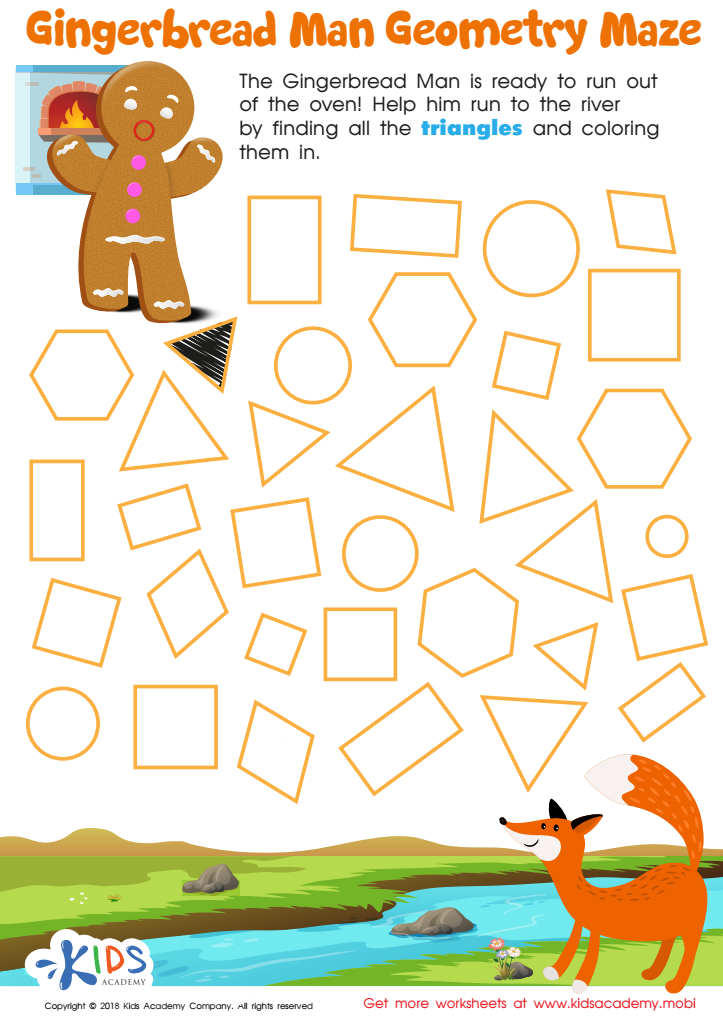
Gingerbread Man Geometry Maze Worksheet
 Assign to My Students











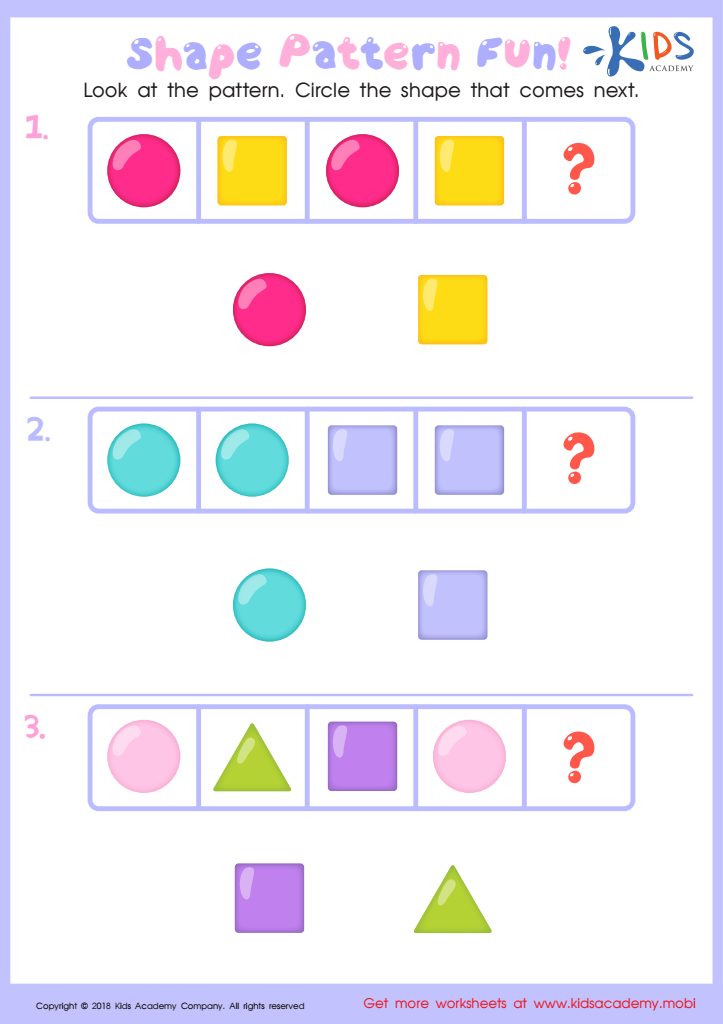
Shape Pattern Fun Worksheet
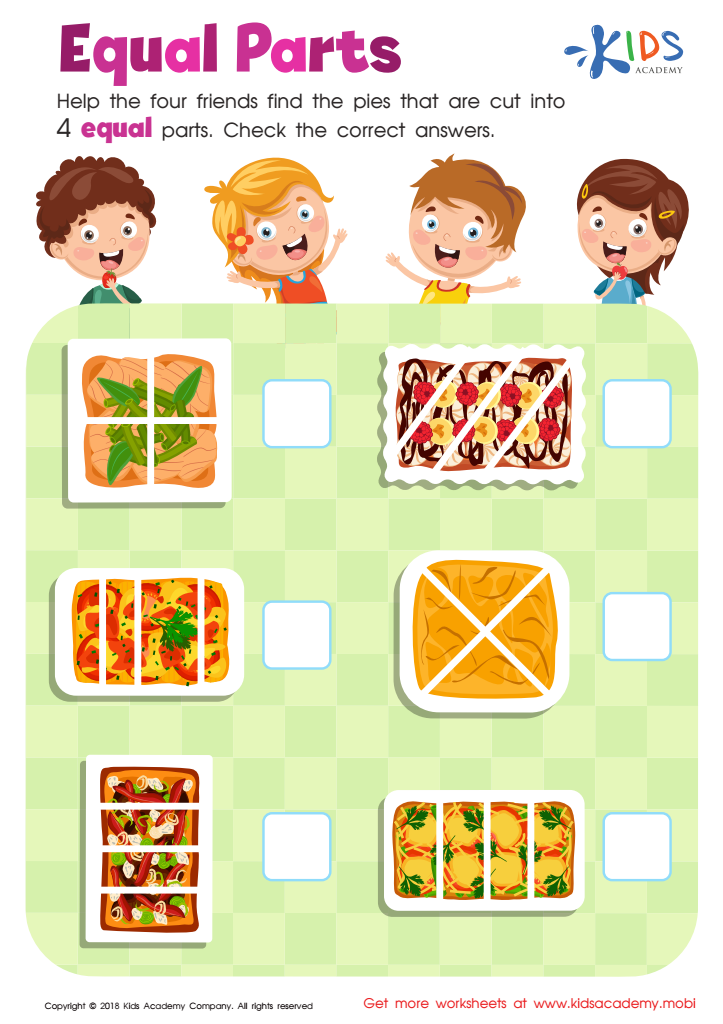
Equal Parts: Food Worksheet








Understanding and introducing normal geometry to children ages 3-9 is crucial for cognitive development, spatial awareness, and problem-solving skills. At this formative stage, young minds are naturally curious and adept at grasping fundamental concepts through play and observation. Engaging children in geometric activities fosters their ability to recognize shapes, sizes, patterns, and spatial relationships, offering a solid foundation for advanced math and science learning.
Moreover, geometry introduces children to essential everyday skills. By playing with blocks, drawing shapes, or navigating puzzles, children enhance their fine motor skills and hand-eye coordination. They also develop a keen sense of direction and spatial reasoning, helping them understand the world around them more effectively.
Teaching geometry early enhances problem-solving and critical-thinking skills. Activities such as sorting shapes, identifying patterns, or building models encourage logical thinking and creativity. These foundational skills are transferable, aiding children in other academic areas, from reading and writing to higher-level math and science.
Additionally, interactive and hands-on geometric learning can be a social activity, promoting teamwork and communication. Parents and teachers who engage children in geometry are not just preparing them for academic success but are also fostering a lifetime of confident, independent thinking.








