Normal Place Value Worksheets for Ages 3-9 - Page 2
43 filtered results
-
From - To
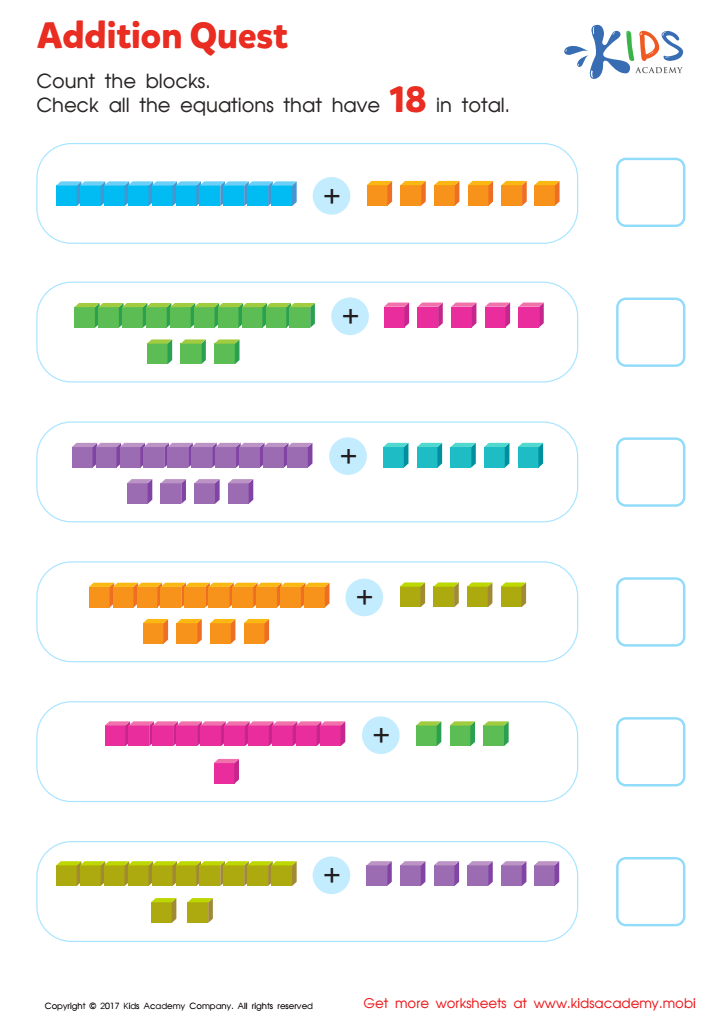
Addition Quest Worksheet: Part 2
 Assign to My Students

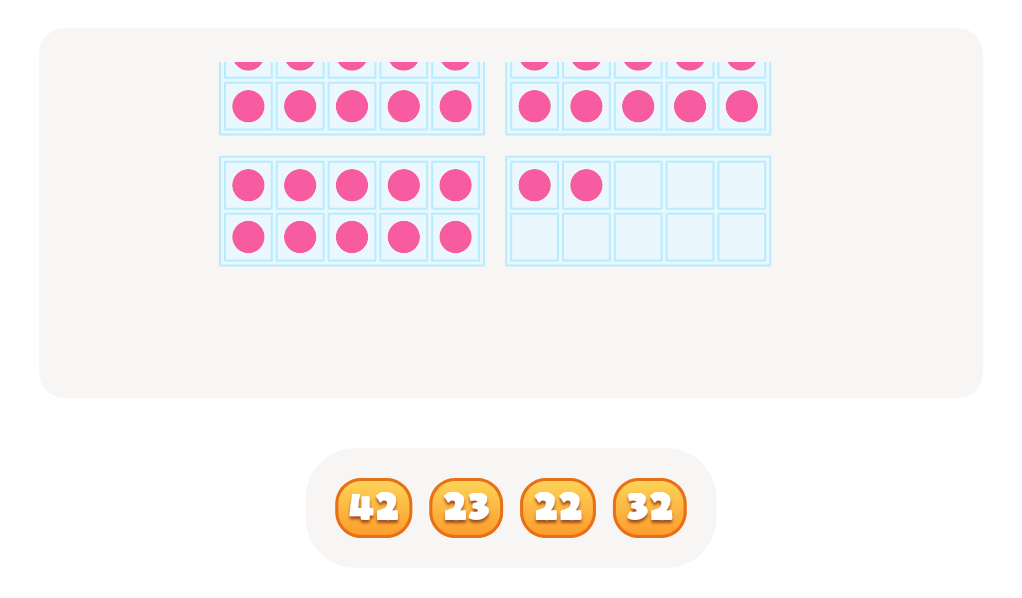
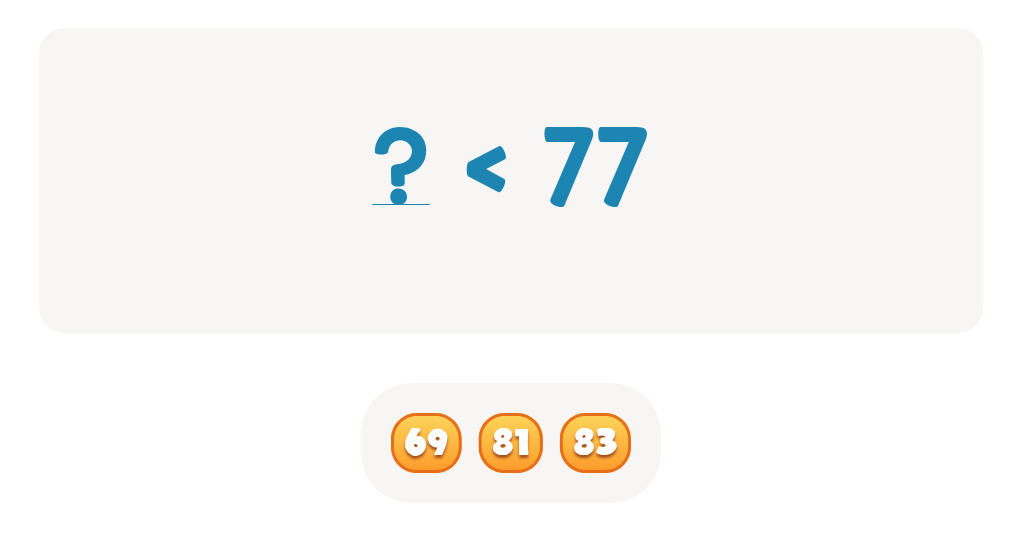
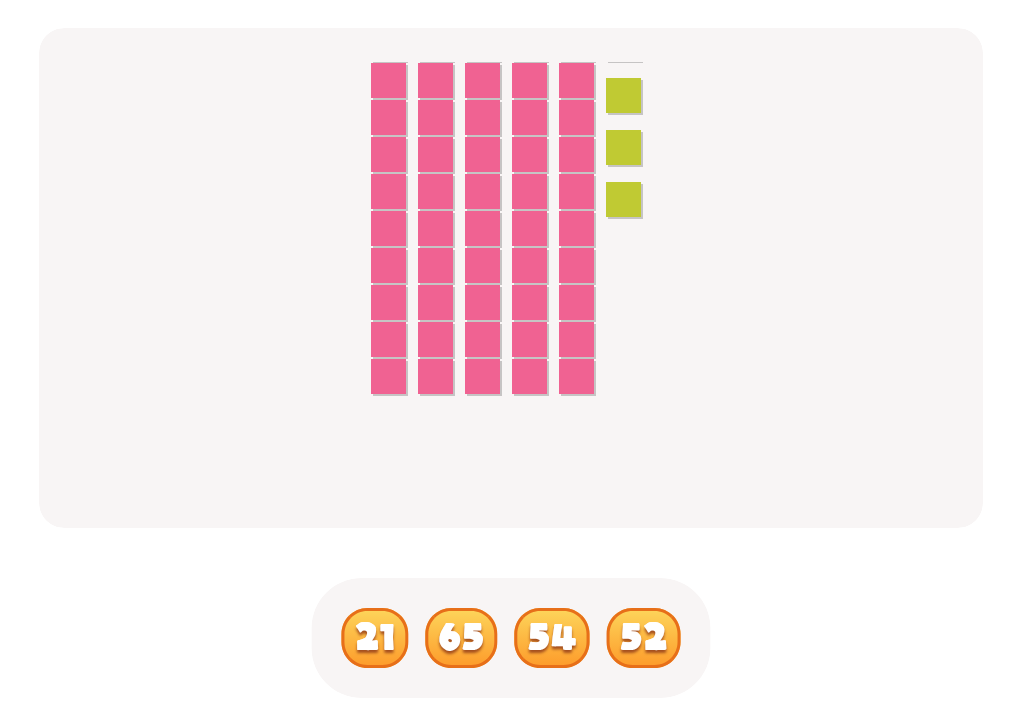
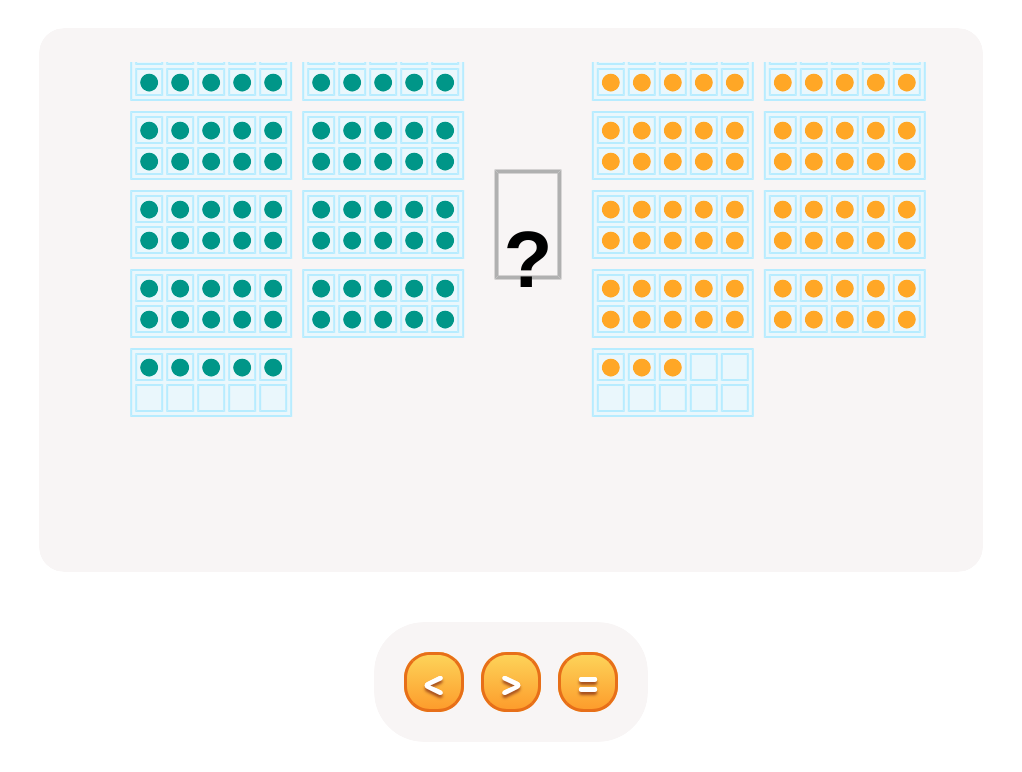
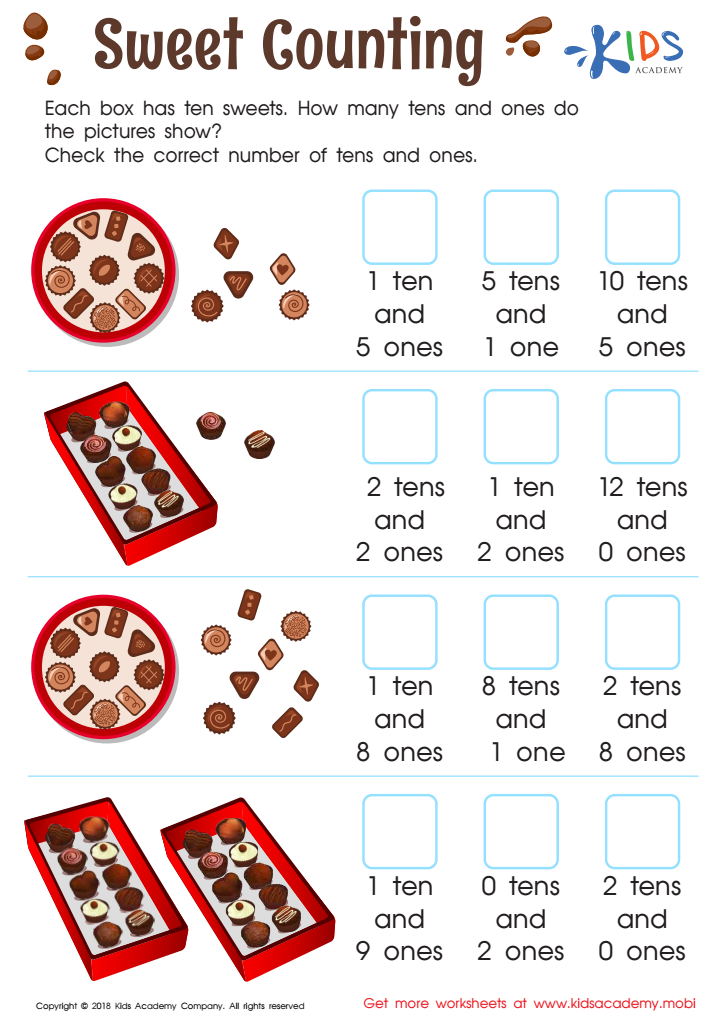
Sweet Counting - Part 2 Worksheet
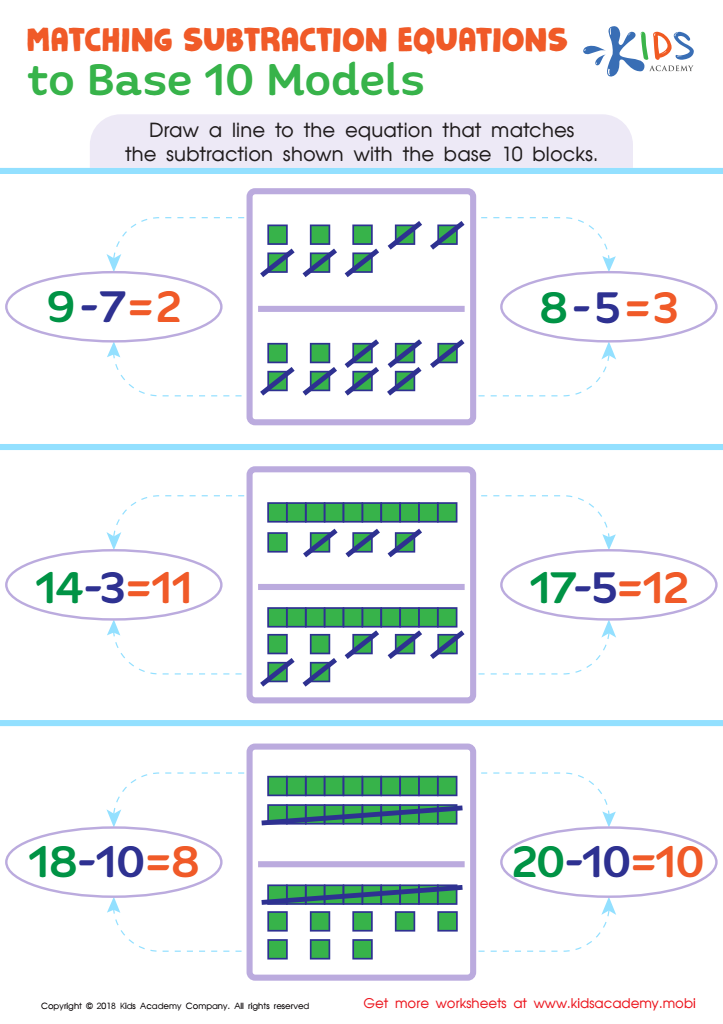
Matching Subtraction Equations To Base 10 Models Worksheet
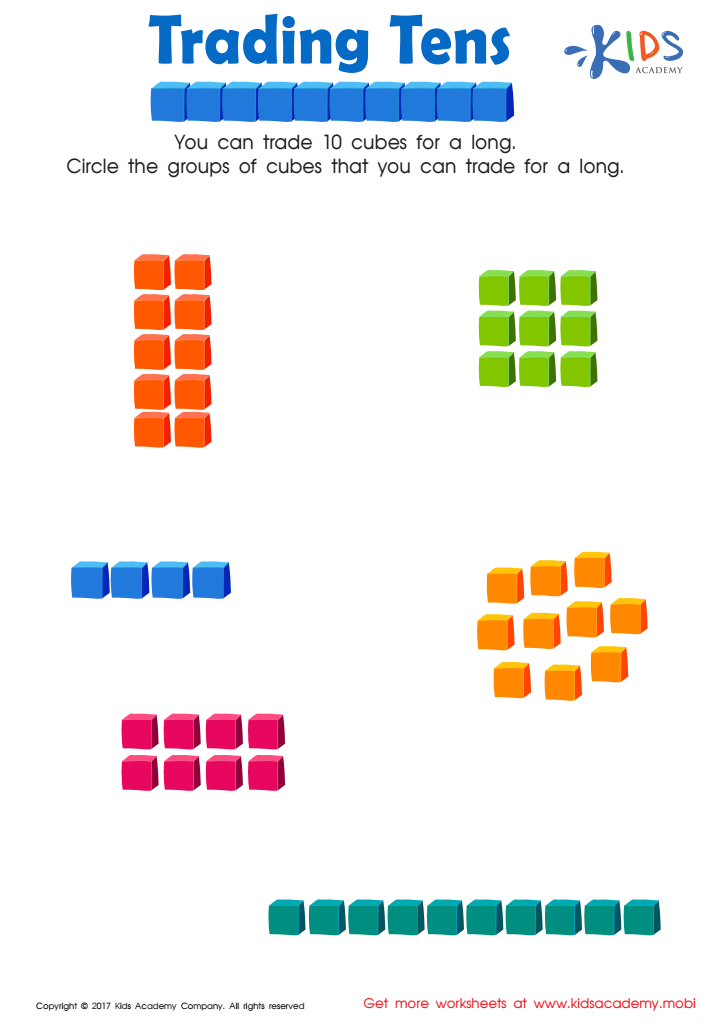
Trading Tens Worksheet
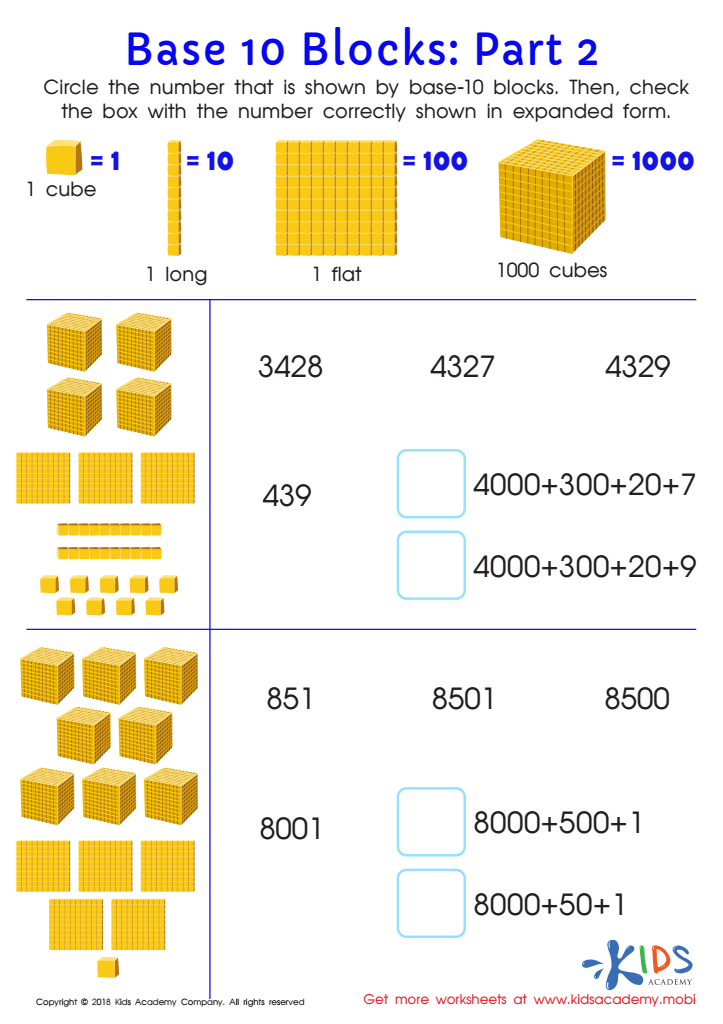
Base 10 Blocks Worksheet: Part 2
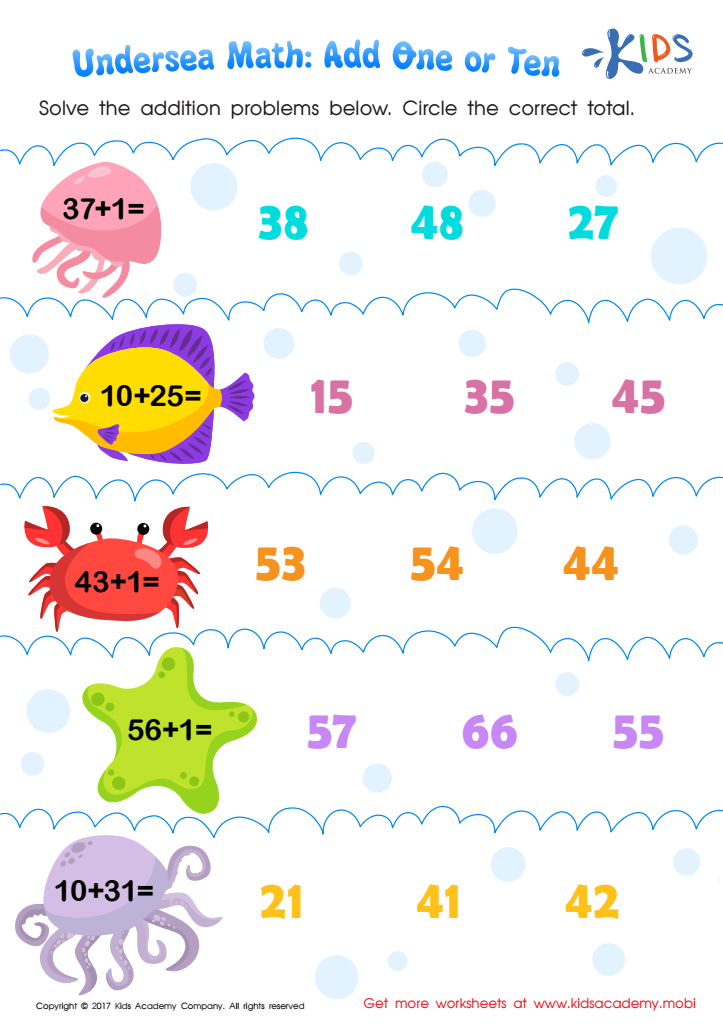
Undersea Math Worksheet
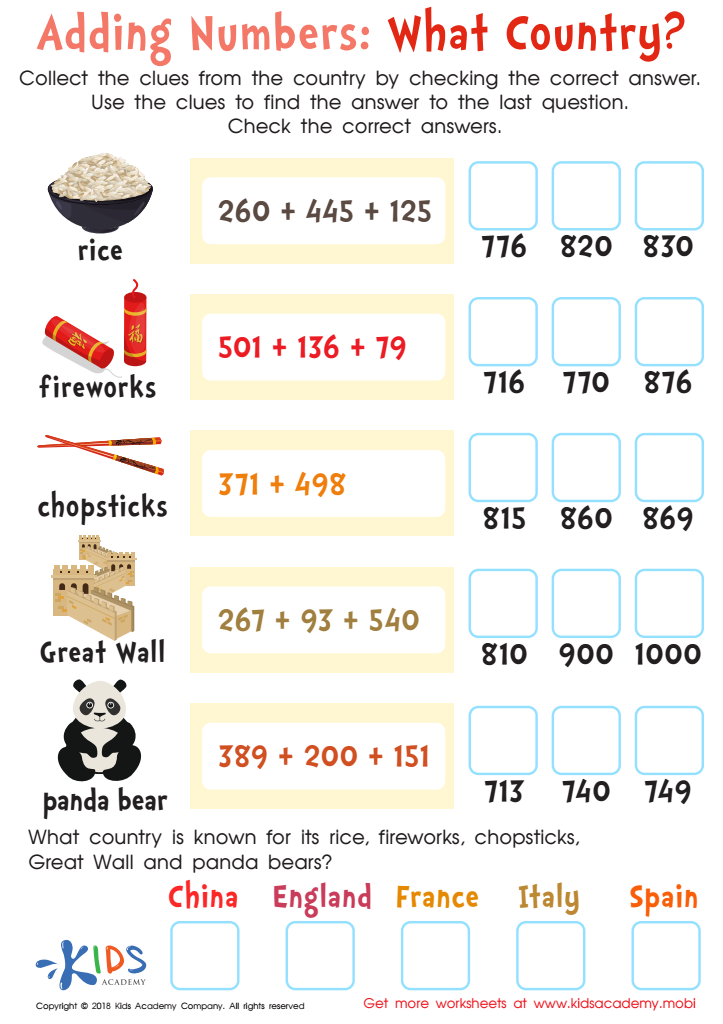
Adding Numbers: What Country Worksheet
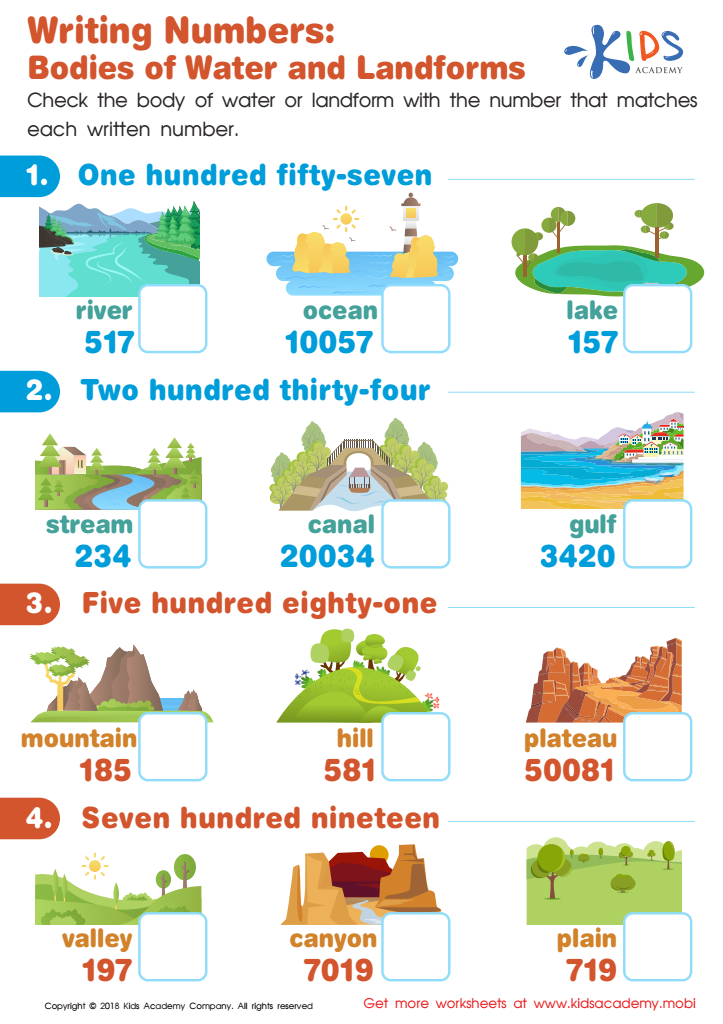
Bodies of Water and Landforms Writing Numbers Worksheet
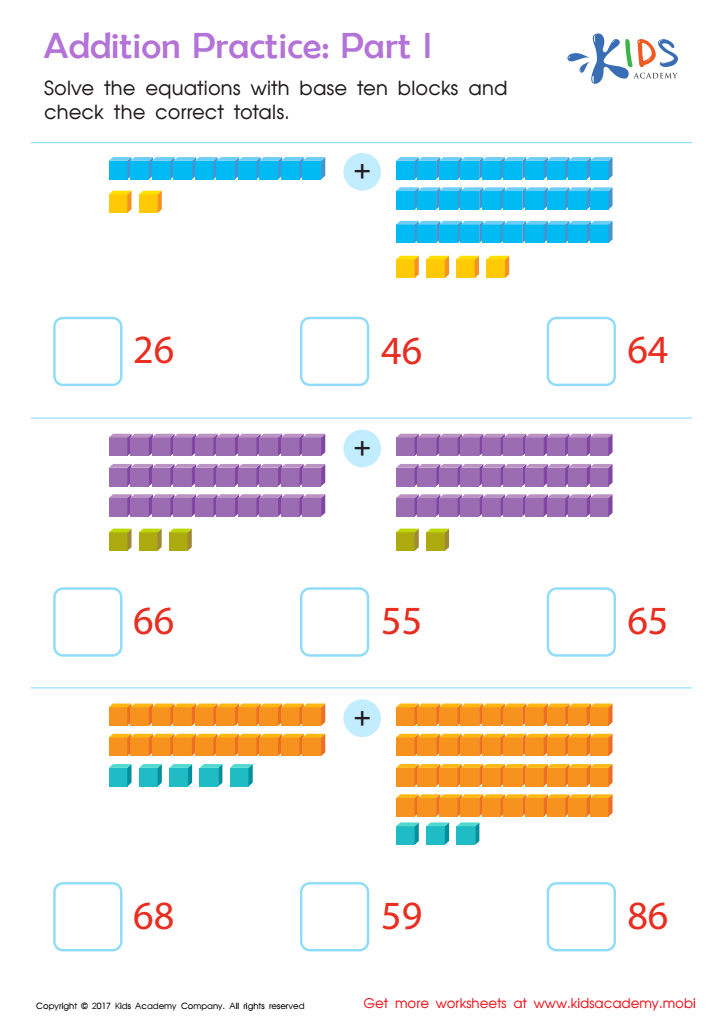
Addition Practice Sheet: Part 1
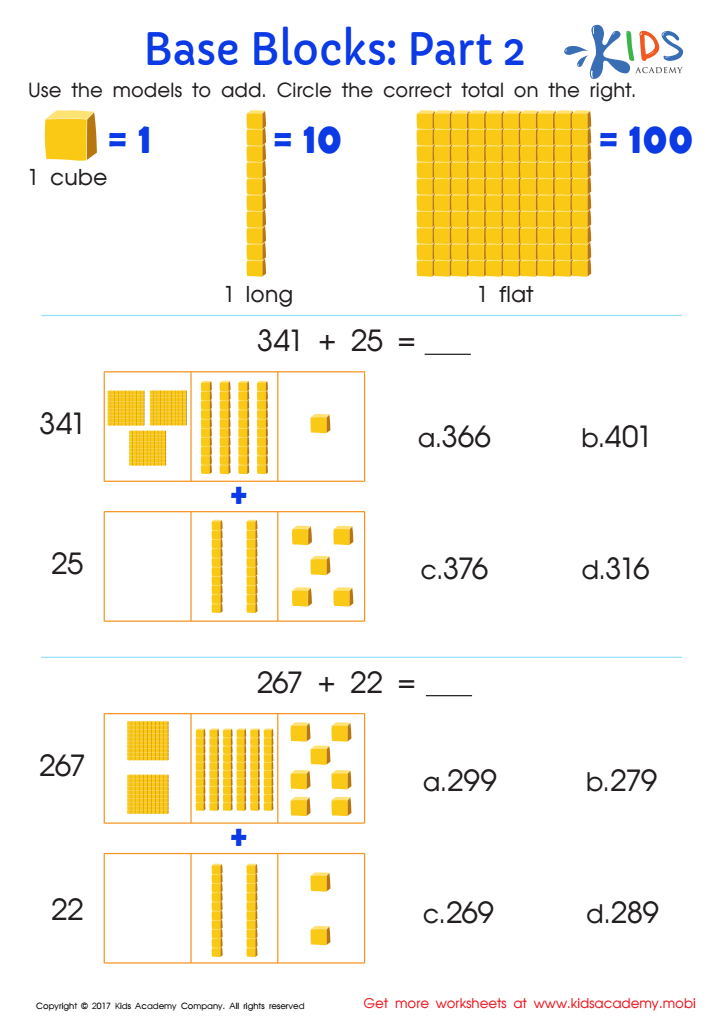
Base Ten Blocks Worksheet: Part 2
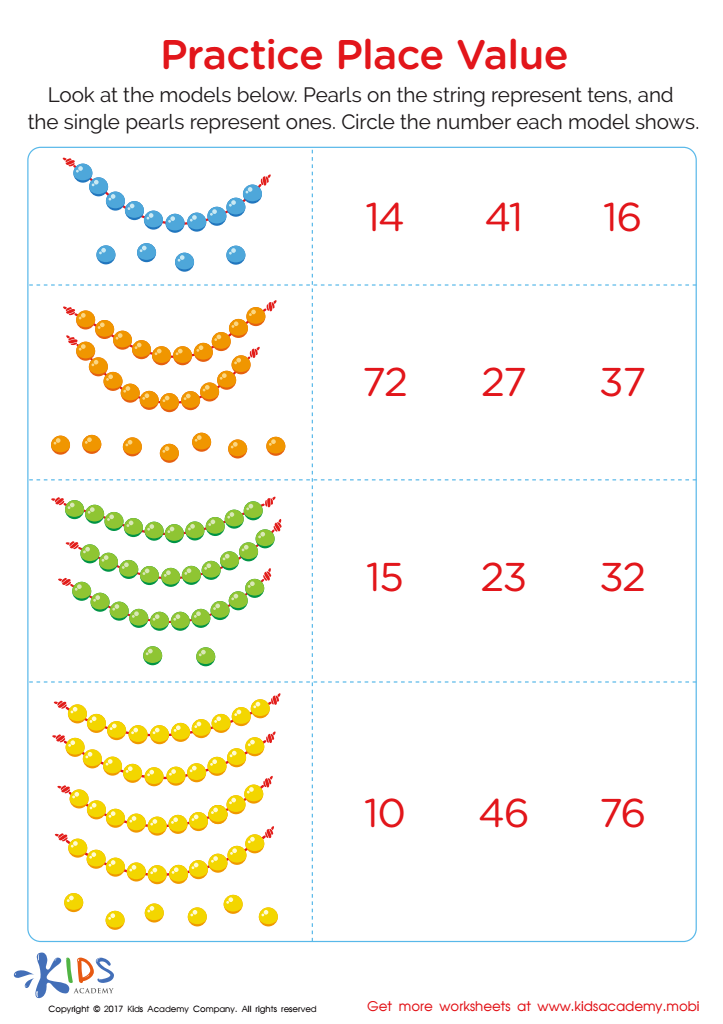
Practice Place Value Printable
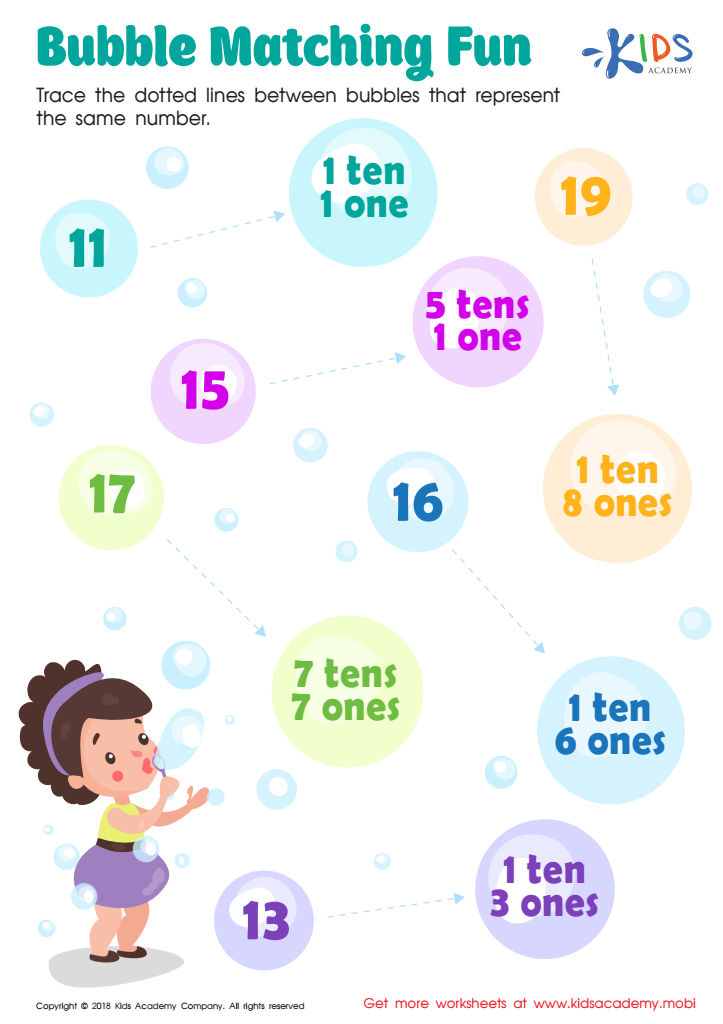
Bubble Matching Fun Worksheet
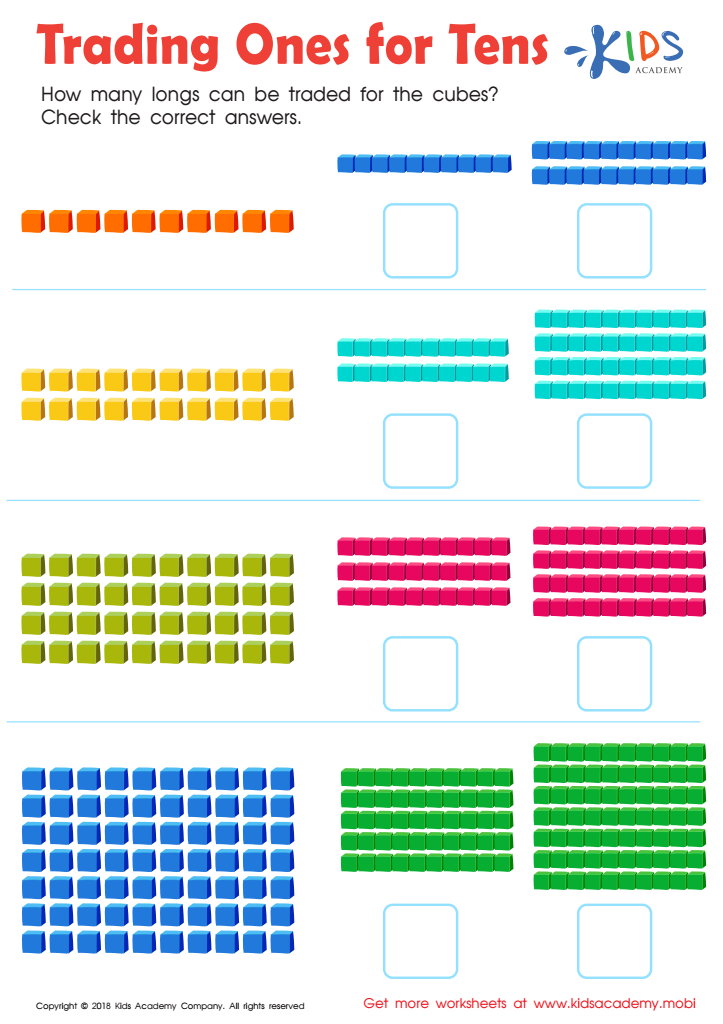
Trading Ones for Tens Worksheet: Part 2
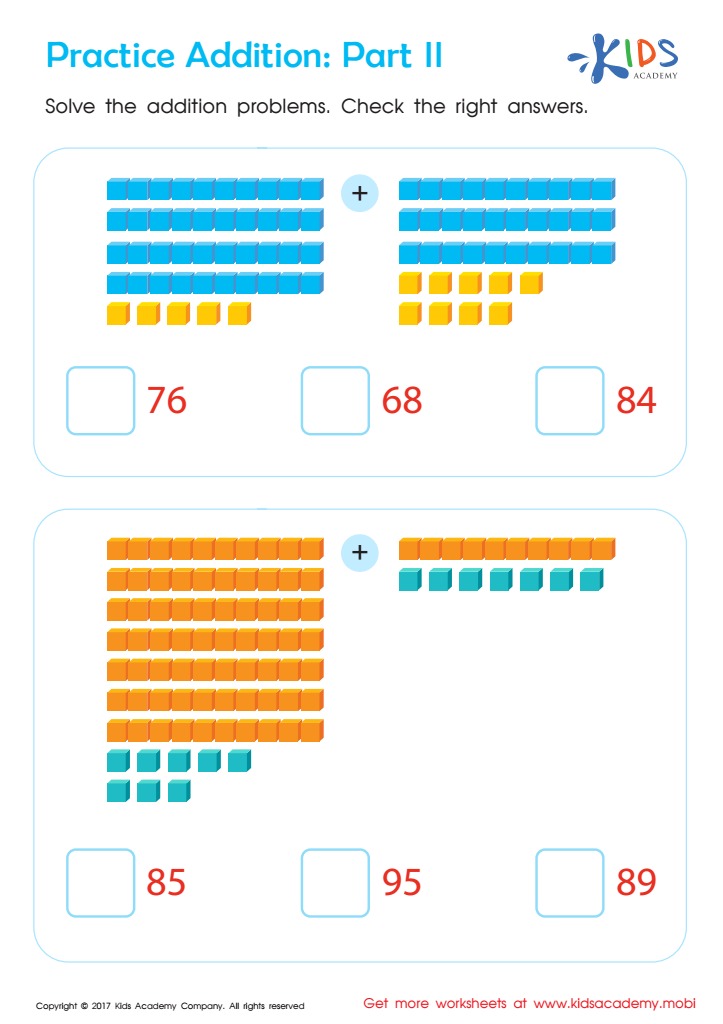
Practice Addition: Part 2 Worksheet
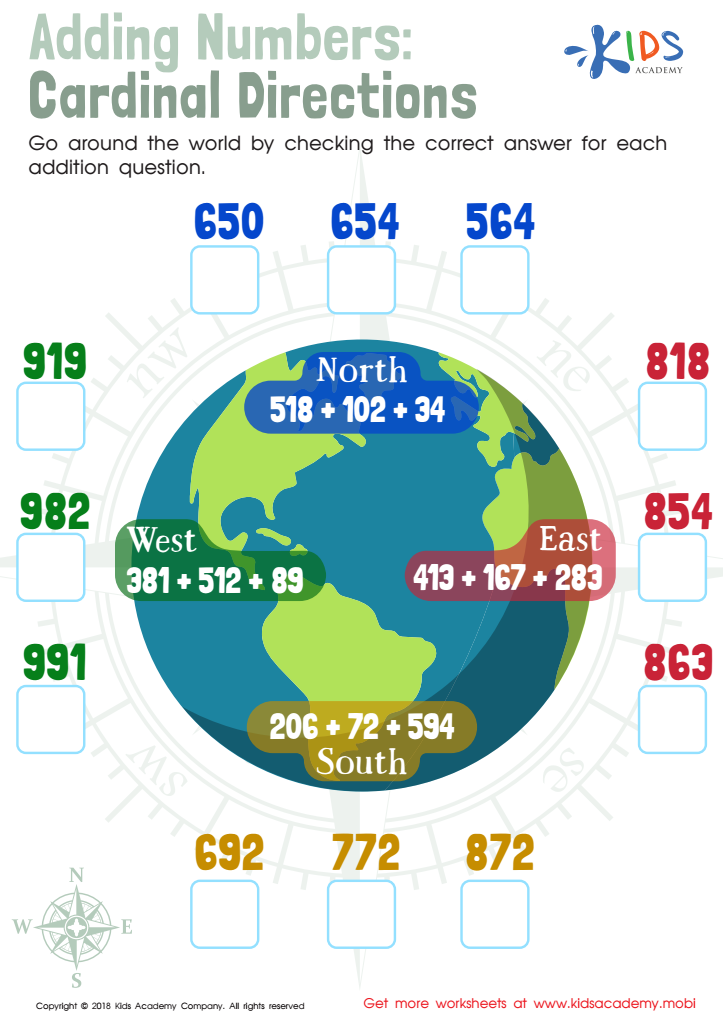
Adding Numbers: Cardinal Directions Worksheet
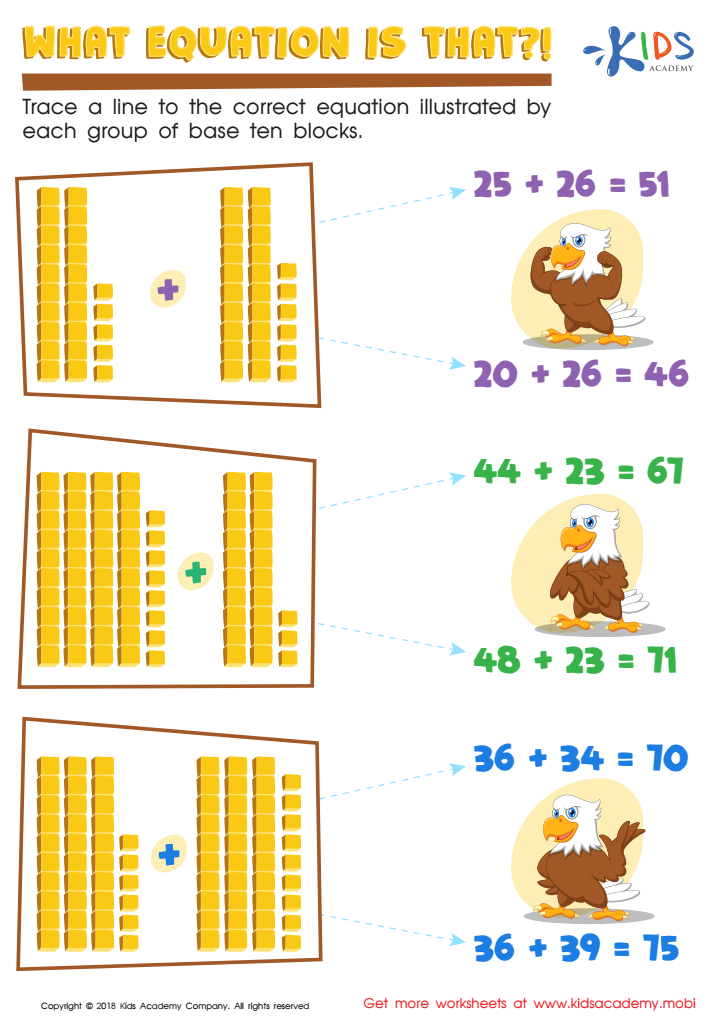
What Equation Is That? Worksheet
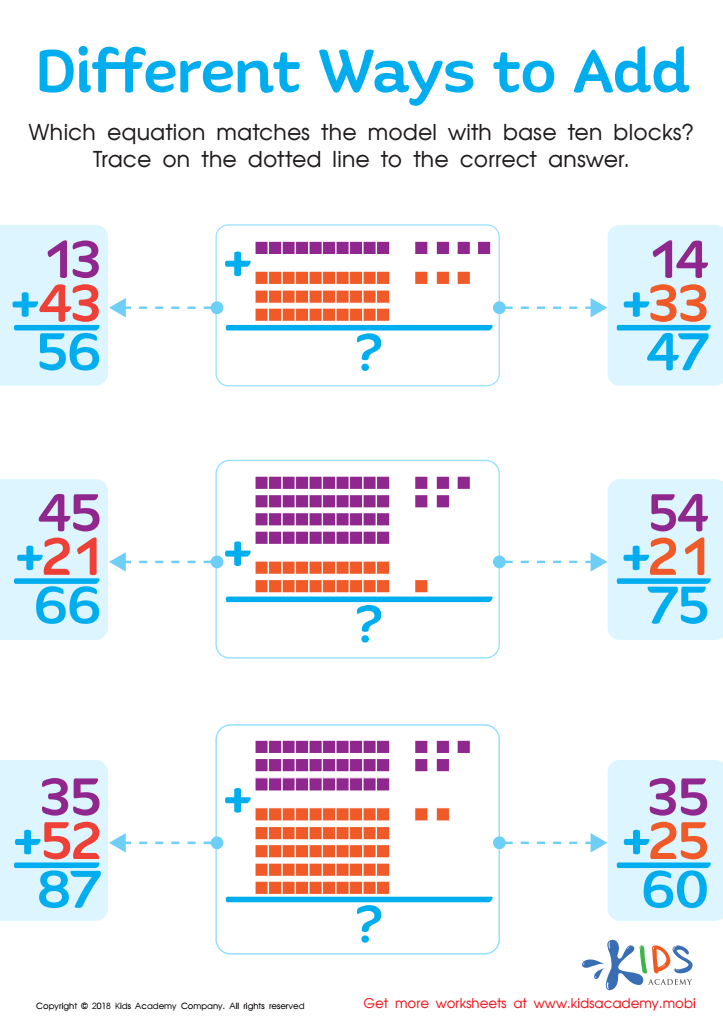
Different Ways to Add Worksheet
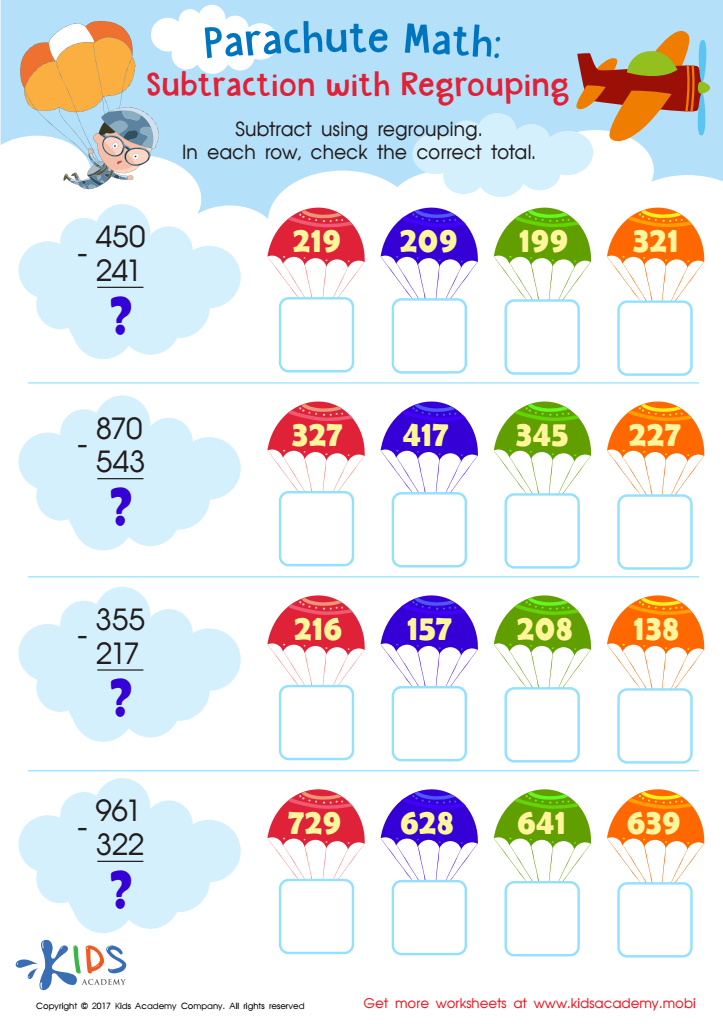
Subtraction with Regrouping for 3rd Grade Worksheet
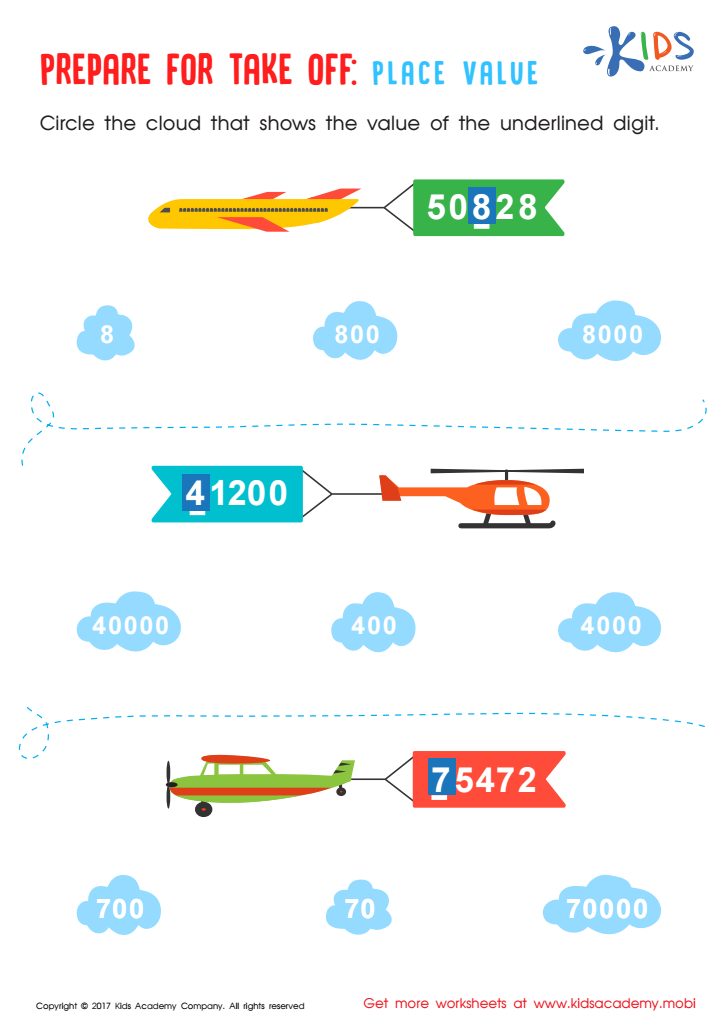
Free Place Value Worksheet for 3rd Grade






Understanding normal place value is essential for children aged 3-9 as it lays the foundation for their entire mathematical journey. At an early age, children begin to develop number sense, which is crucial for later skills like addition, subtraction, multiplication, and division. When parents and teachers emphasize place value, they help children grasp the concept that the position of a digit affects its value (e.g., in the number 47, the '4' represents forty, while the '7' represents seven).
This understanding enables students to effectively compare numbers, execute regrouping techniques in multi-digit addition or subtraction, and develop strategies for decimal concepts later on. By nurturing a solid grasp of place value early, parents and teachers can prevent confusions that often arise with larger numbers later in school—confusions that can lead to math anxiety or aversion.
Moreover, mastering place value promotes critical thinking and problem-solving skills as children learn to categorize and visualize quantities. Engaging in hands-on activities like using blocks or number charts makes learning more accessible and enjoyable. Ultimately, supporting place value comprehension fosters confidence in children's mathematical abilities, setting a positive trajectory for their education and overall success in math.