Normal Reading Worksheets for Ages 3-9 - Page 11
344 filtered results
-
From - To
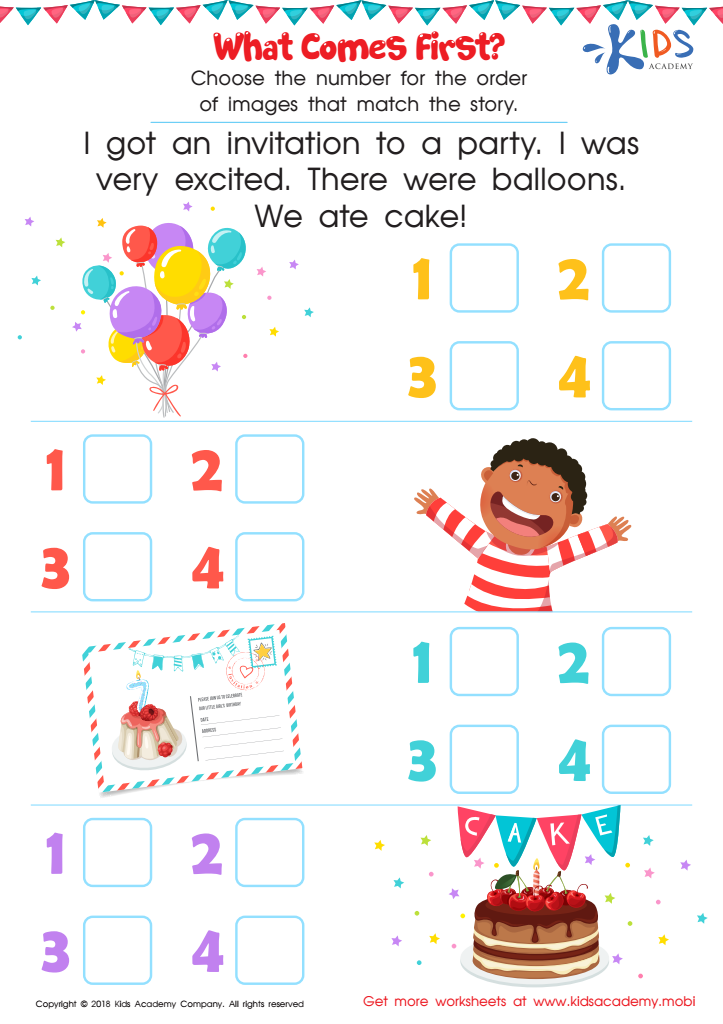
What Comes First Worksheet
 Assign to My Students
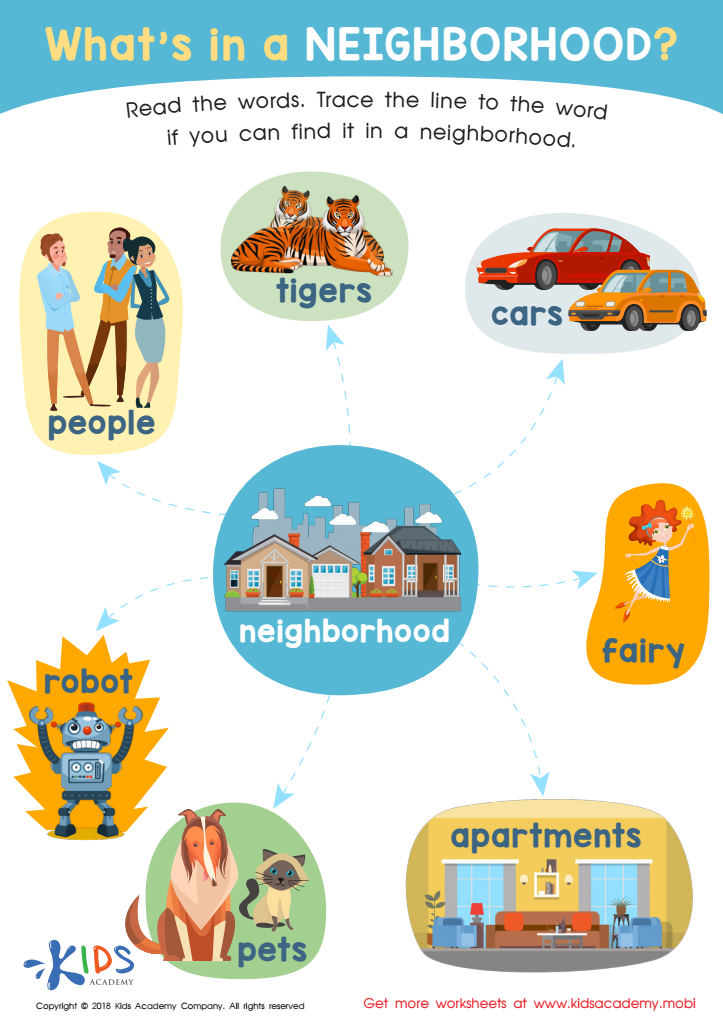
What's in a Neighborhood? Worksheet
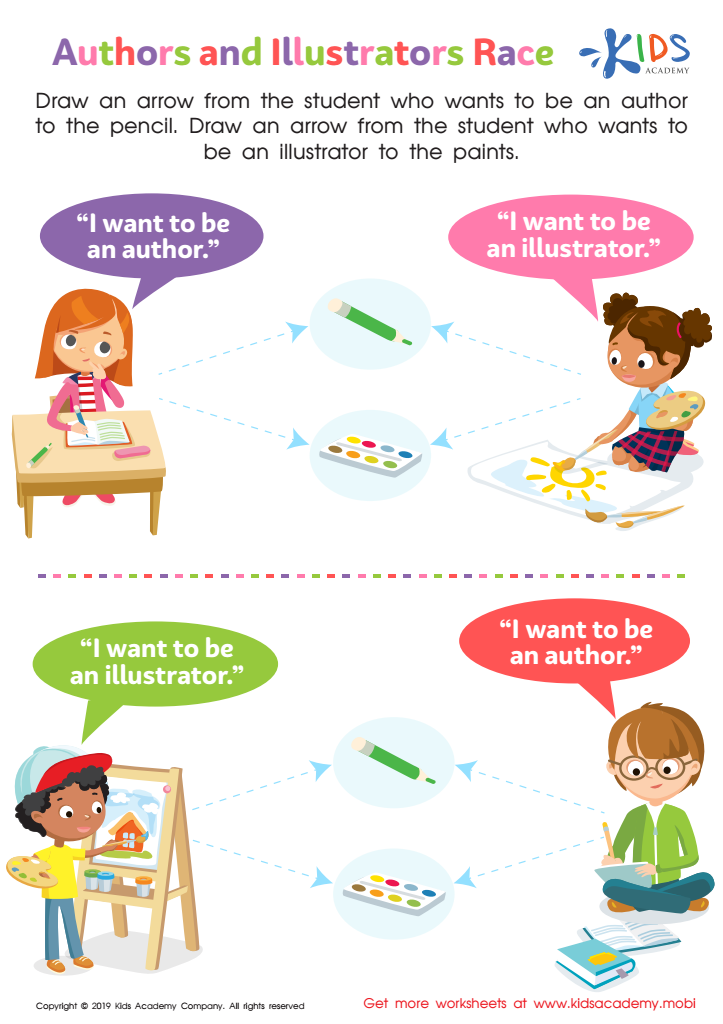
Authors and Illustrators Race Worksheet
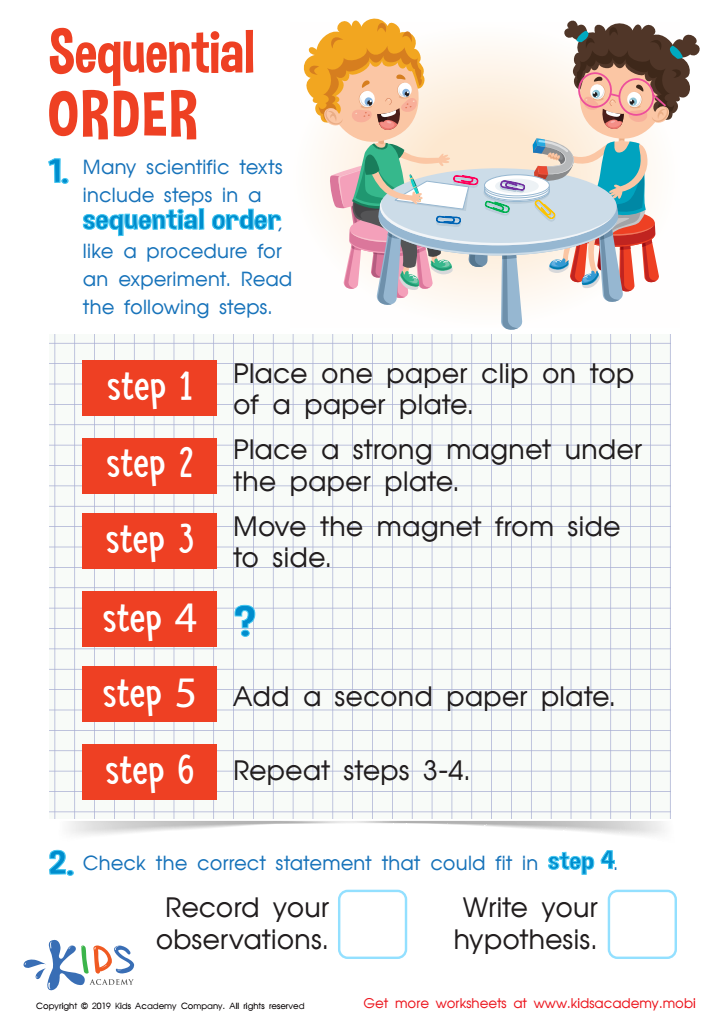
Sequencential Order Worksheet
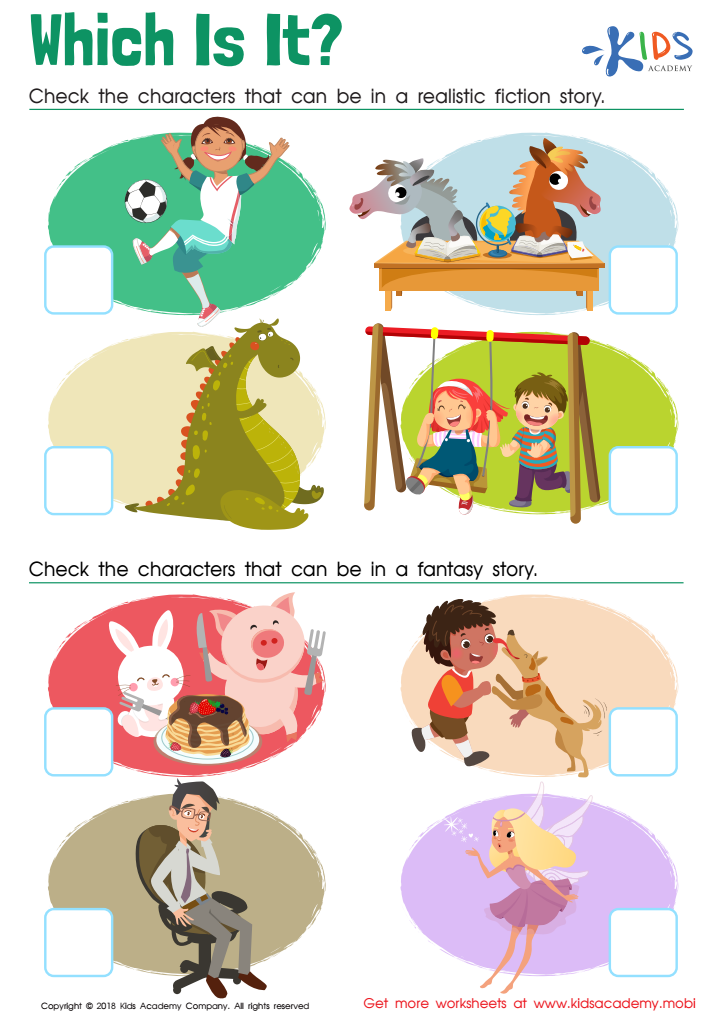
Which Is It? Worksheet
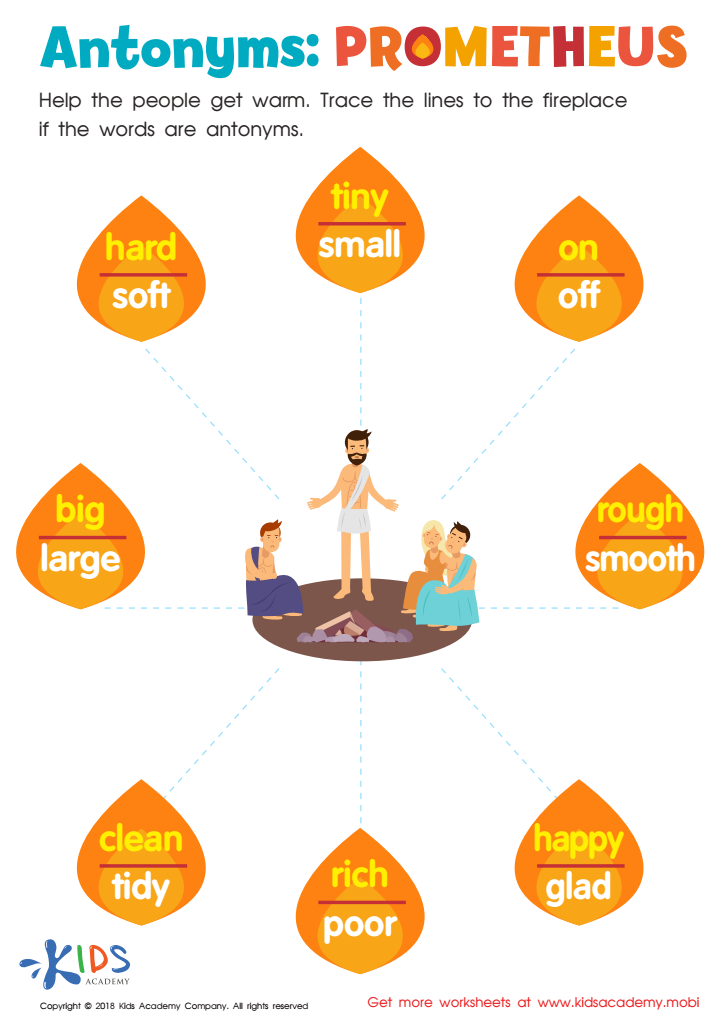
Antonyms: Prometheus Worksheet
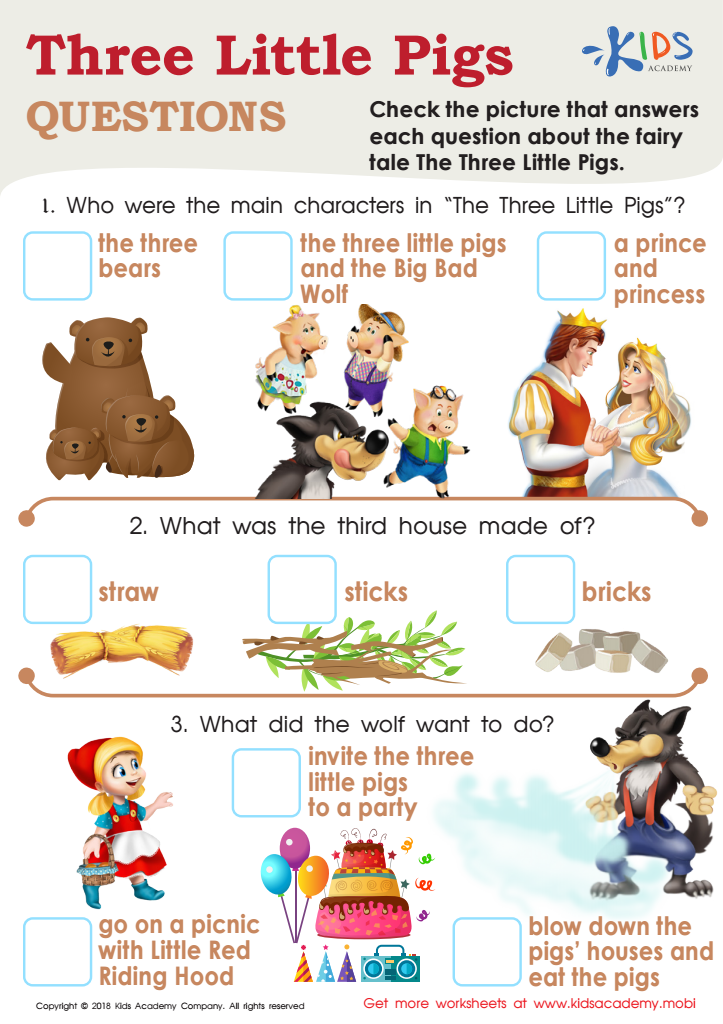
Three Little Pigs Questions Worksheet
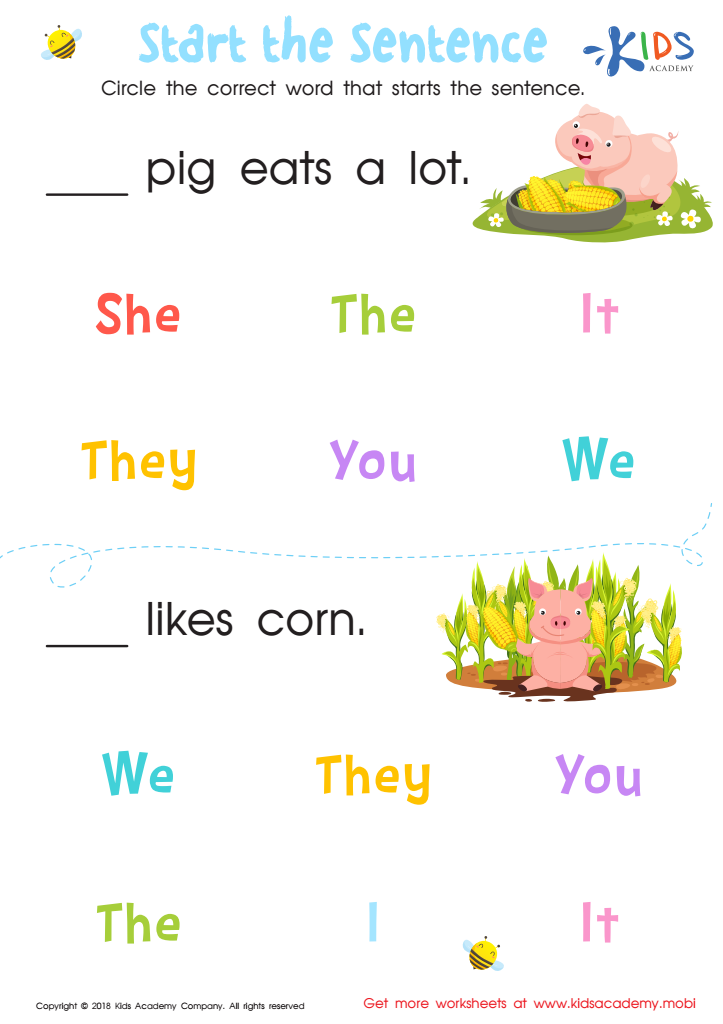
Start the Sentence Worksheet
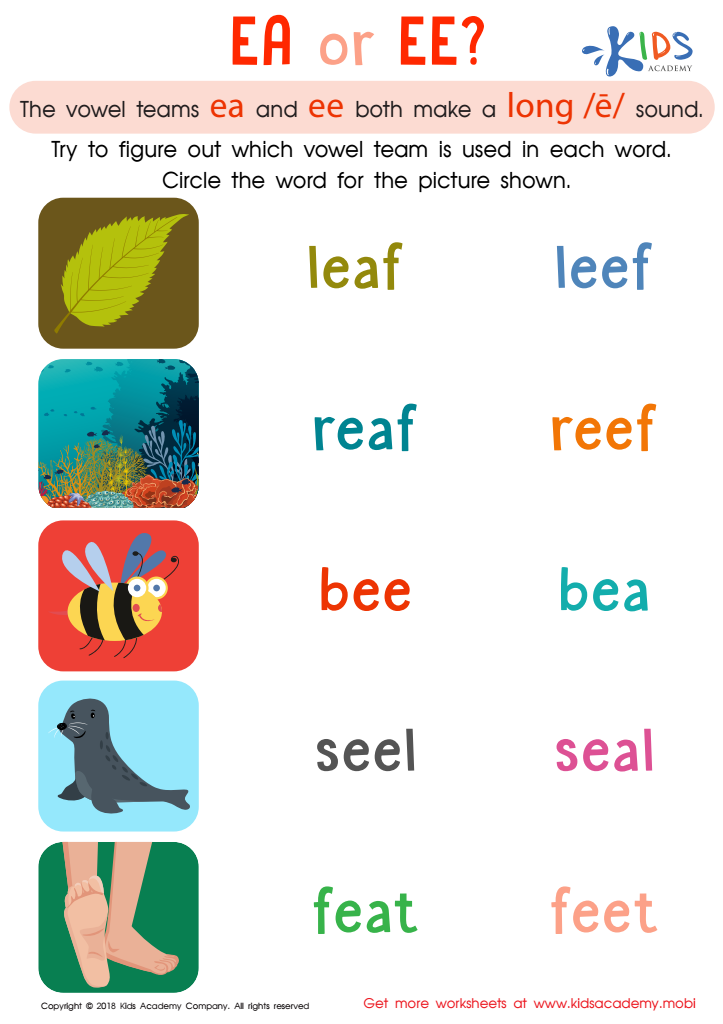
Reading: EA and EE Worksheet
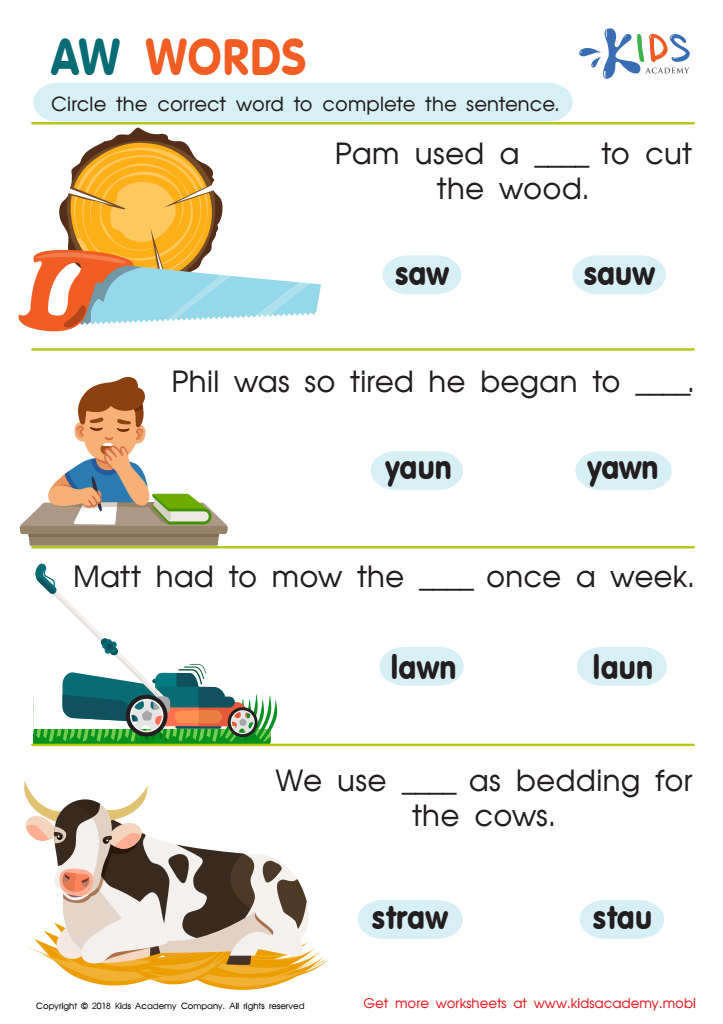
Reading: AW Words Worksheet
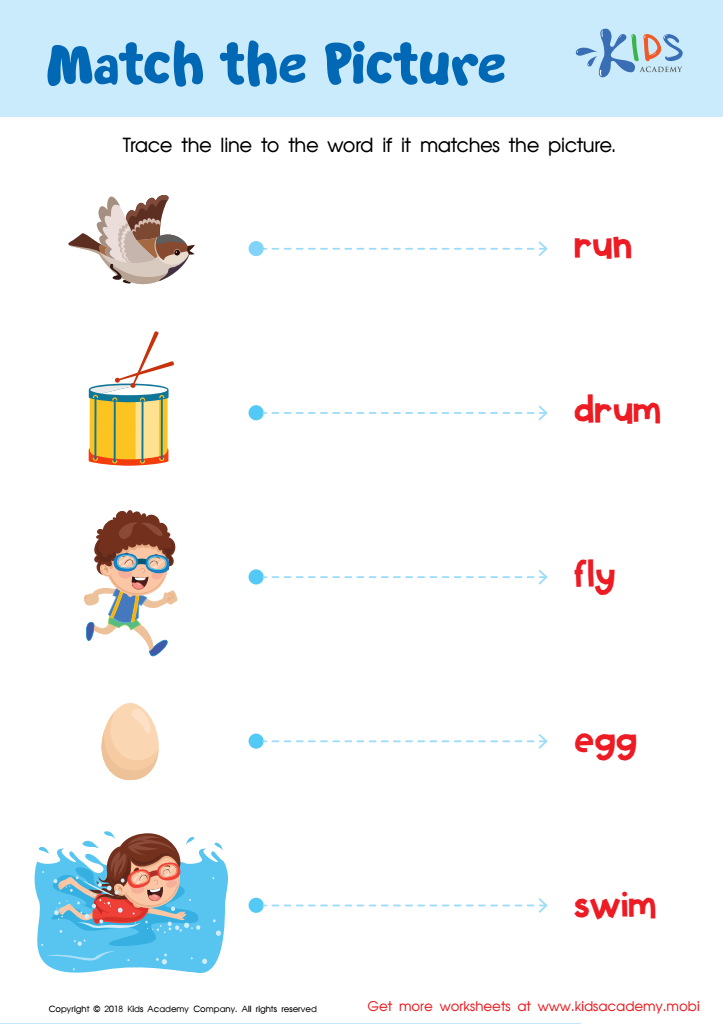
Match the Picture Worksheet
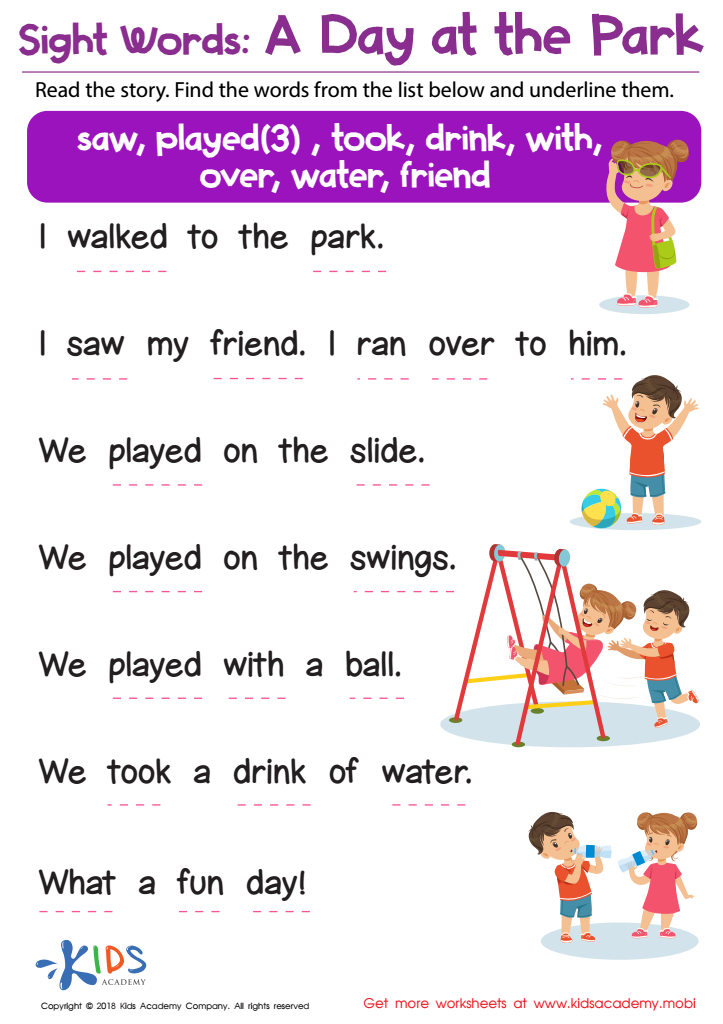
Sight Words: A Day at the Park Worksheet
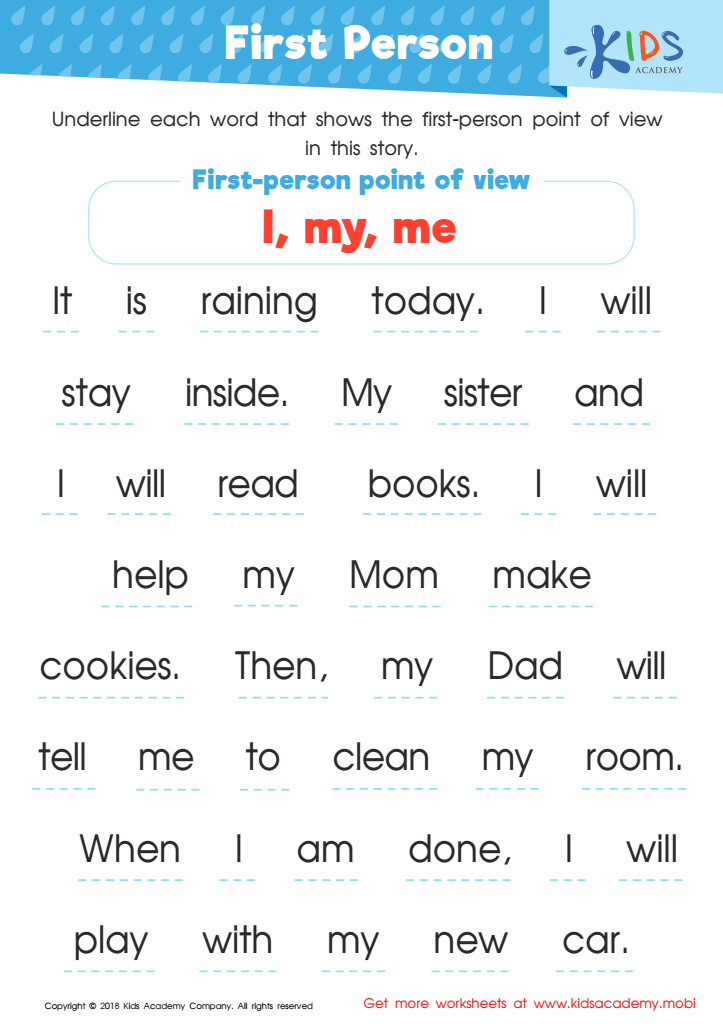
First Person Worksheet
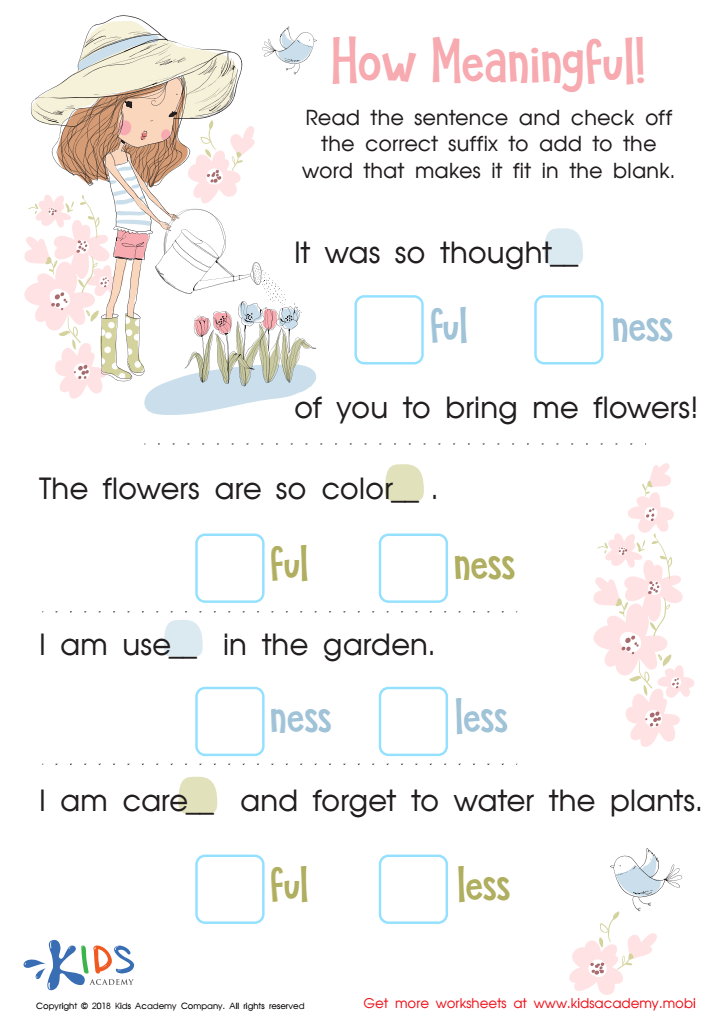
How Meaningful! Worksheet
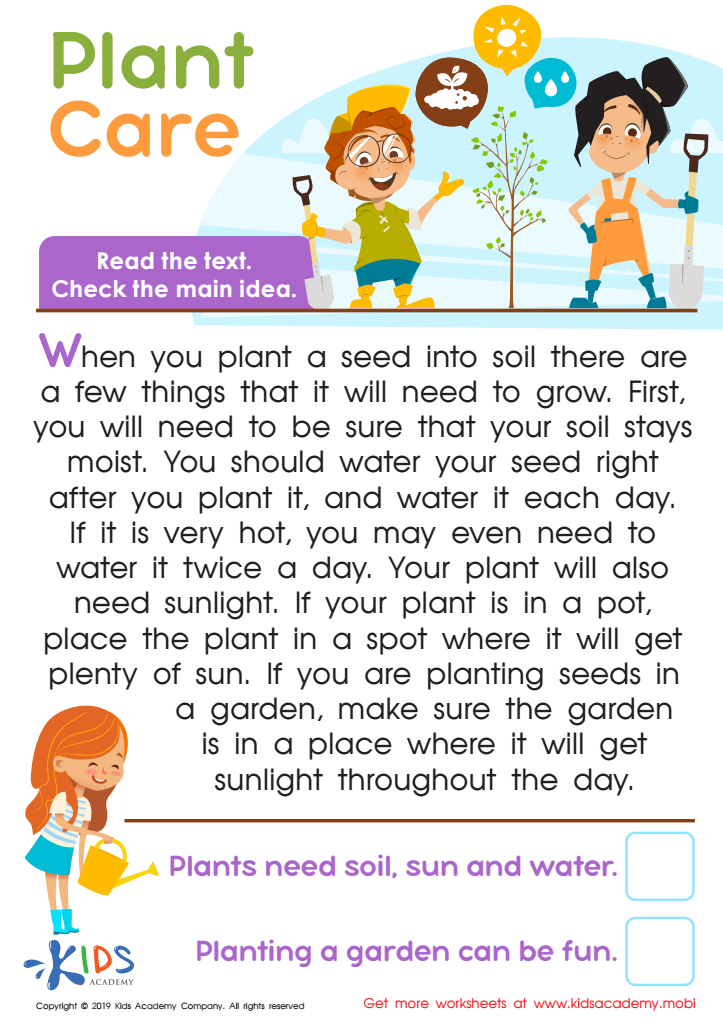
Plant Care Worksheet
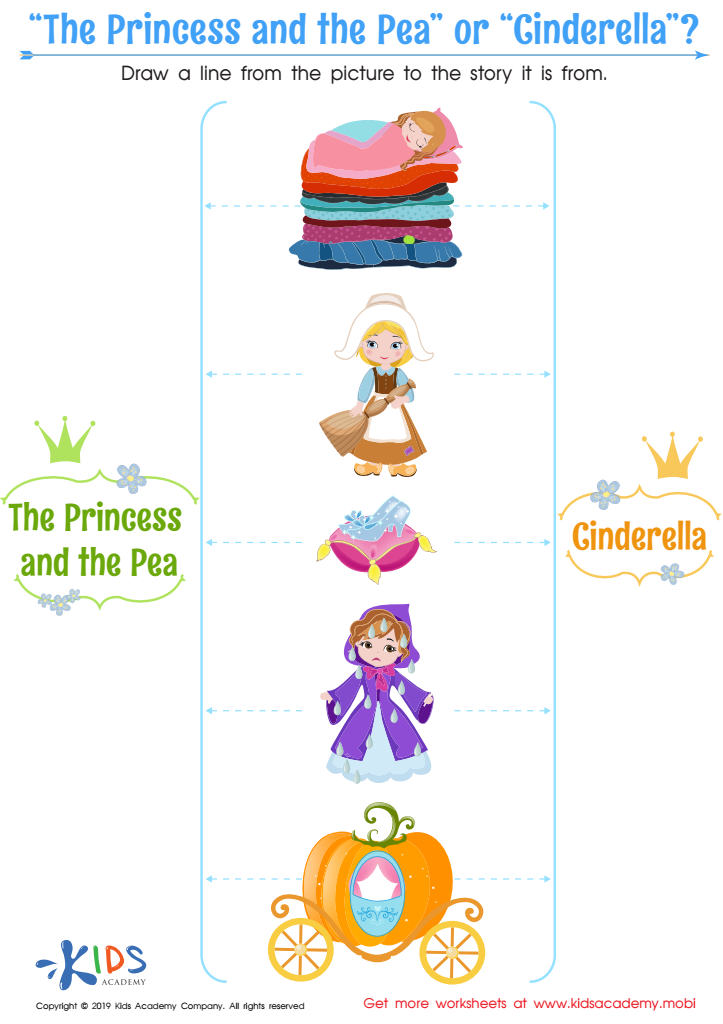
“The Princess and the Pea” or “Cinderella” Worksheet
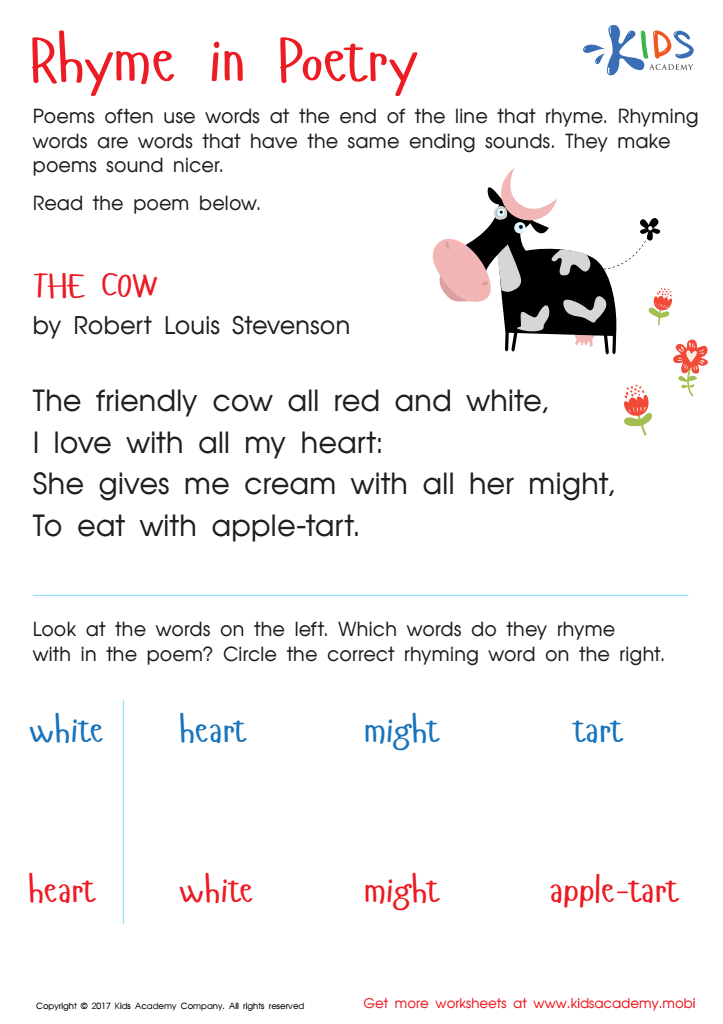
Rhyme In Poetry Worksheet
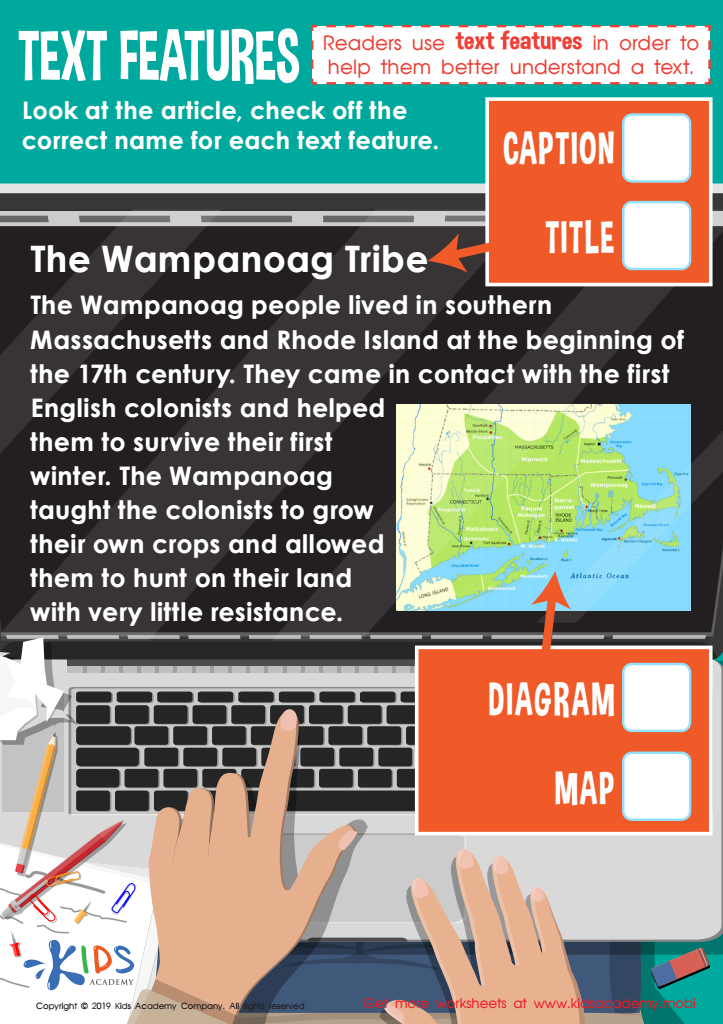
Text Features Worksheet

Chinese Word Tracing: Ni Hao Worksheet
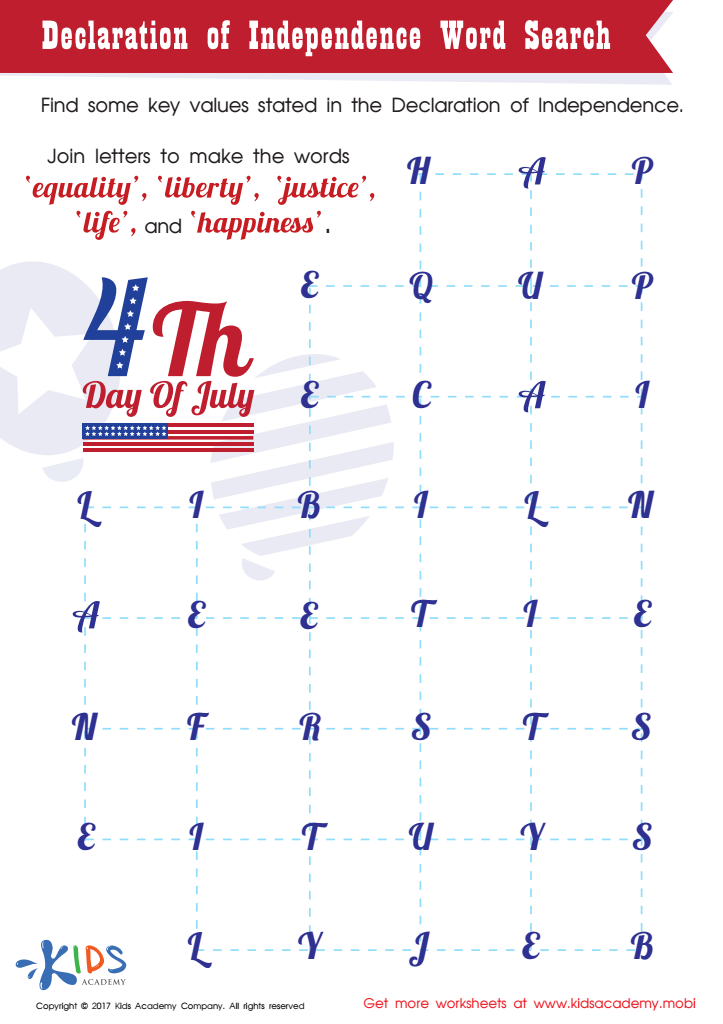
Declaration of Independence Word Search Printable
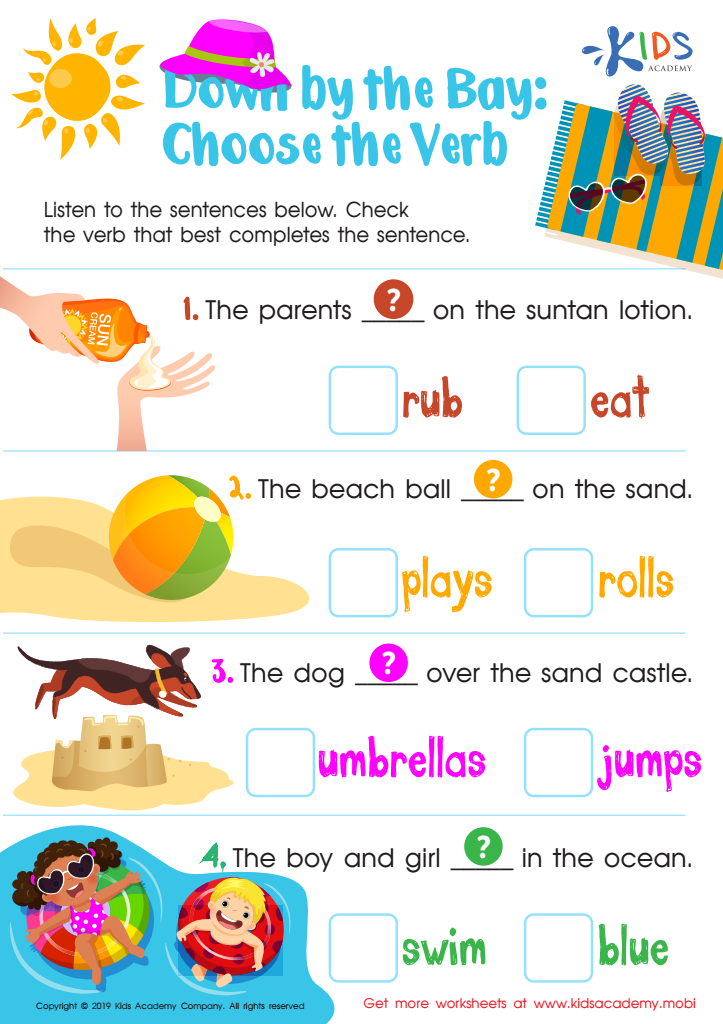
Down by the Bay: Choose the Verb Worksheet
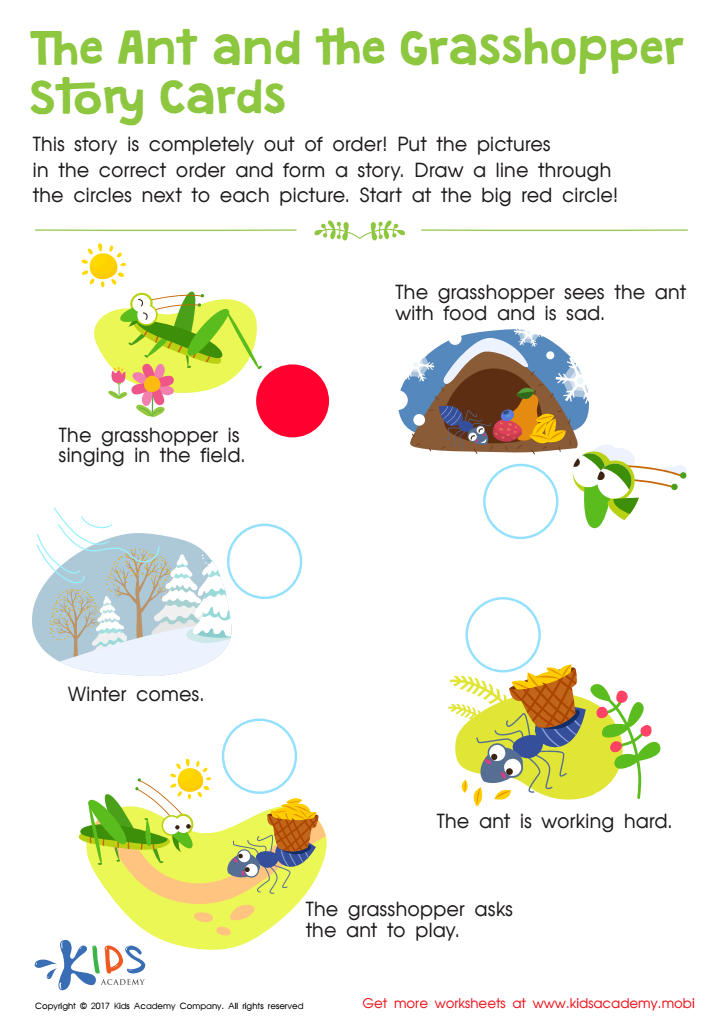
The Ant and The Grasshopper Worksheet
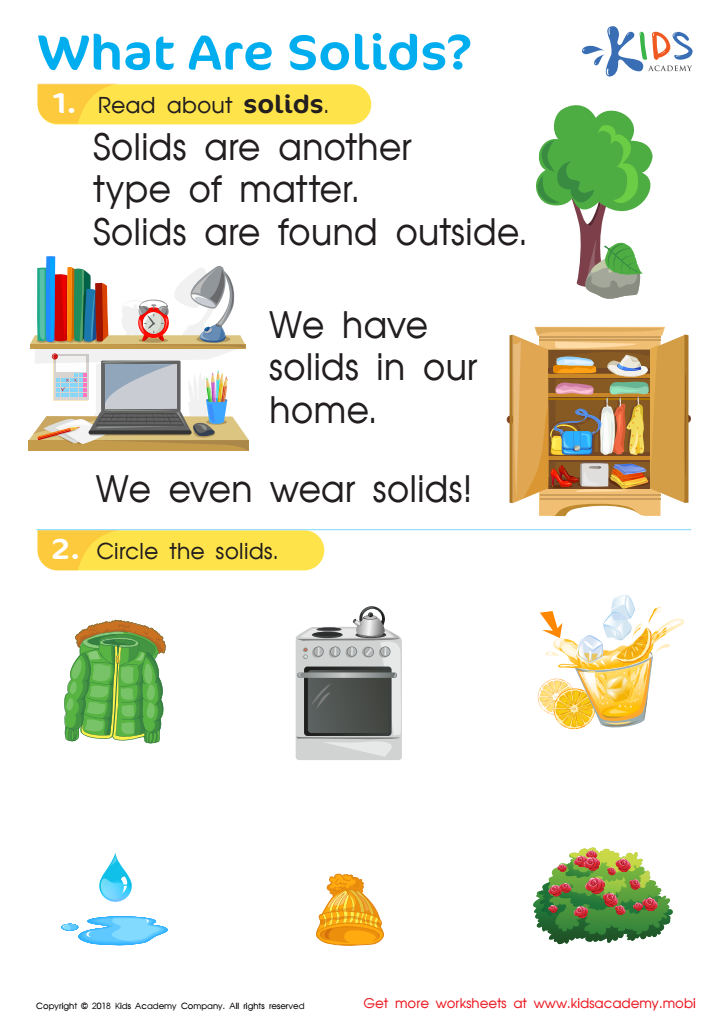
What Are Solids? Worksheet
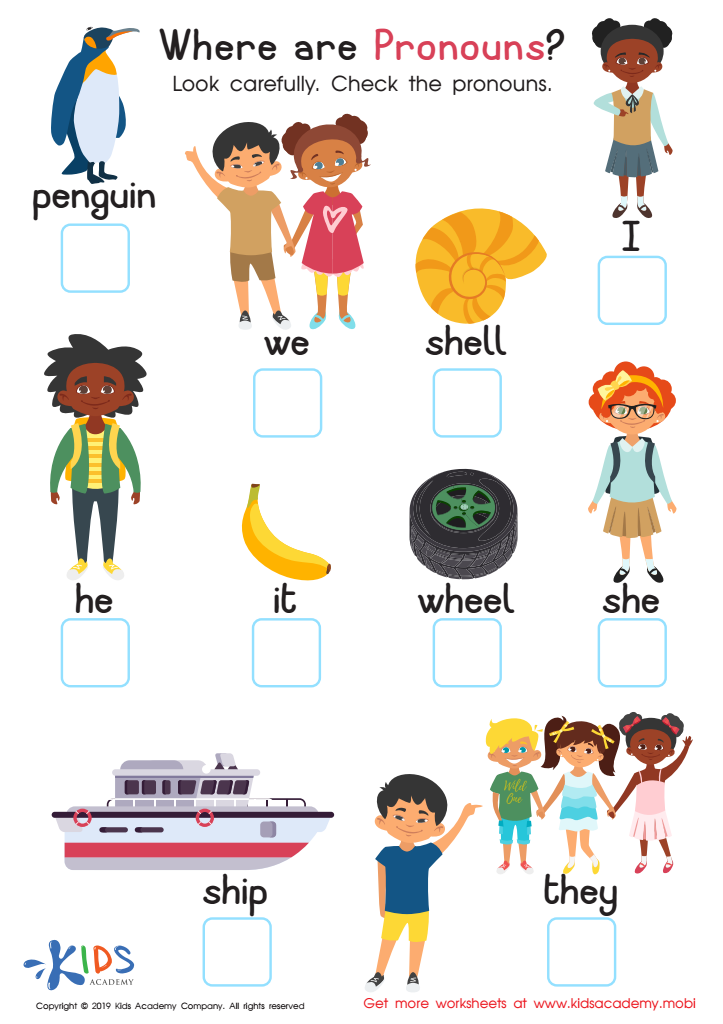
Where Are Pronouns? Worksheet








Normal reading development for children ages 3-9 is crucial for foundational literacy skills and overall academic success. During these formative years, children are eager to explore language, shapes, sounds, and stories, making it an ideal time for parents and teachers to engage them in reading. Early exposure to reading cultivates a love for books, enhances vocabulary, and improves comprehension skills. Studies show that children who read regularly in these formative years perform better in school and develop critical thinking abilities, which are essential for success in later grades.
Moreover, reading fosters emotional and social development. Stories introduce children to diverse cultures, experiences, and perspectives, teaching empathy and emotional intelligence. Understanding narrative structures also supports their ability to express themselves better and communicate effectively.
Parents and teachers should care about normal reading milestones and ensure children achieve them, as each child's reading journey differs. Monitoring progress allows for early intervention if a child struggles, thereby preventing future challenges in learning. Ultimately, nurturing a child’s reading skills during ages 3-9 lays the ground for lifelong learning and personal growth, making it an important focus for both family and educational environments.








