Normal World Around Us Worksheets for Ages 3-9 - Page 3
70 filtered results
-
From - To
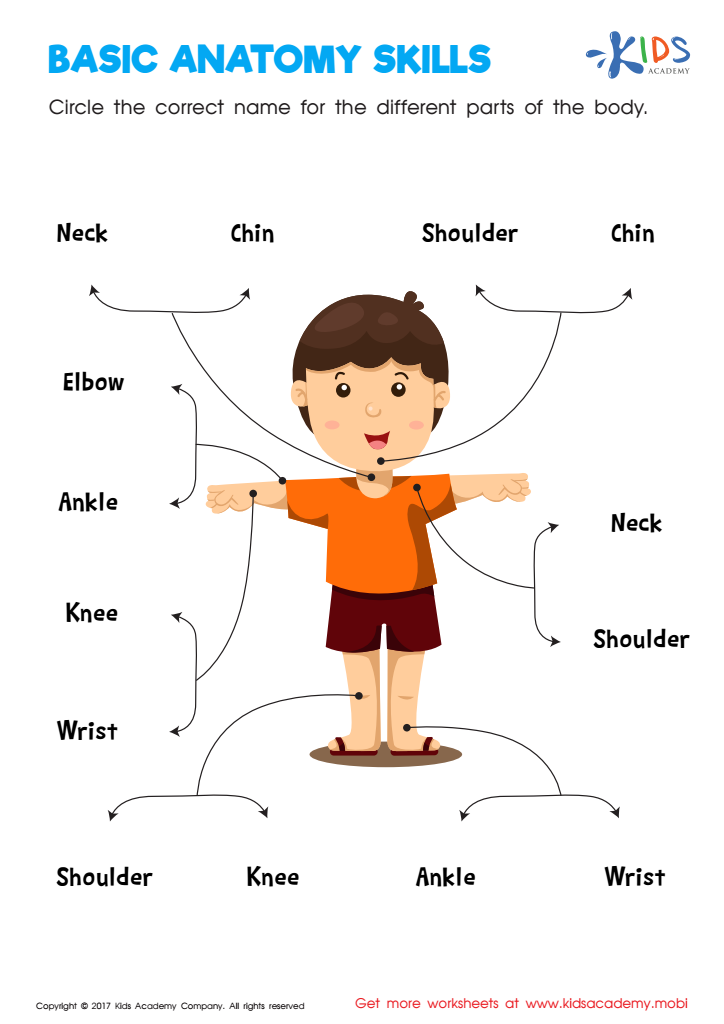
Basic Anatomy Skills Printable
 Assign to My Students
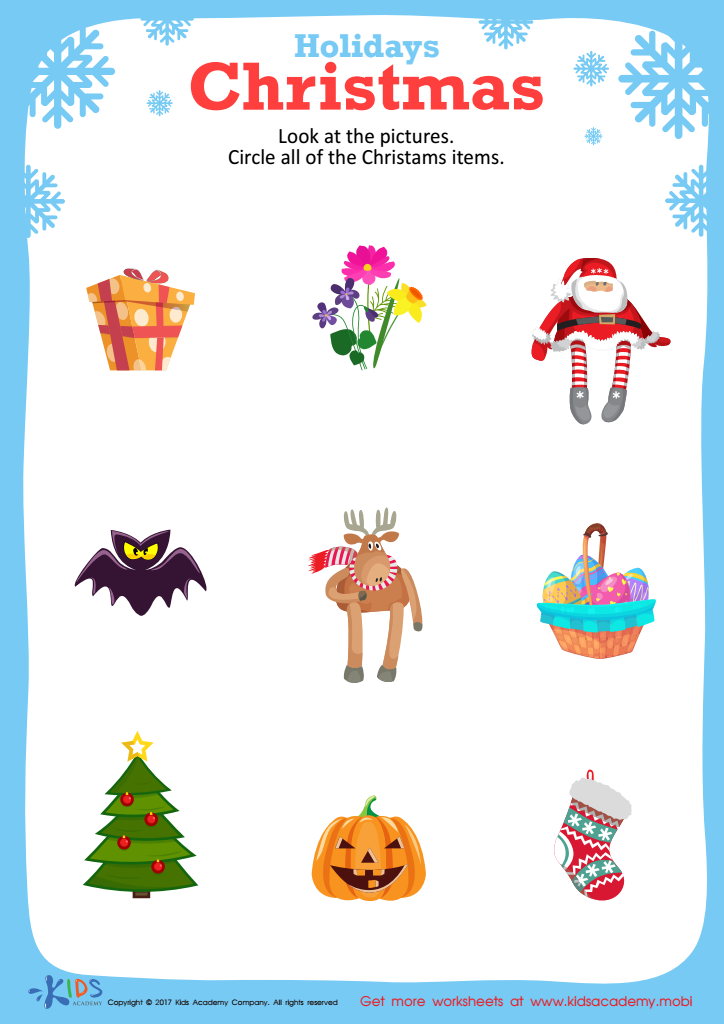
Christmas Holiday Worksheet
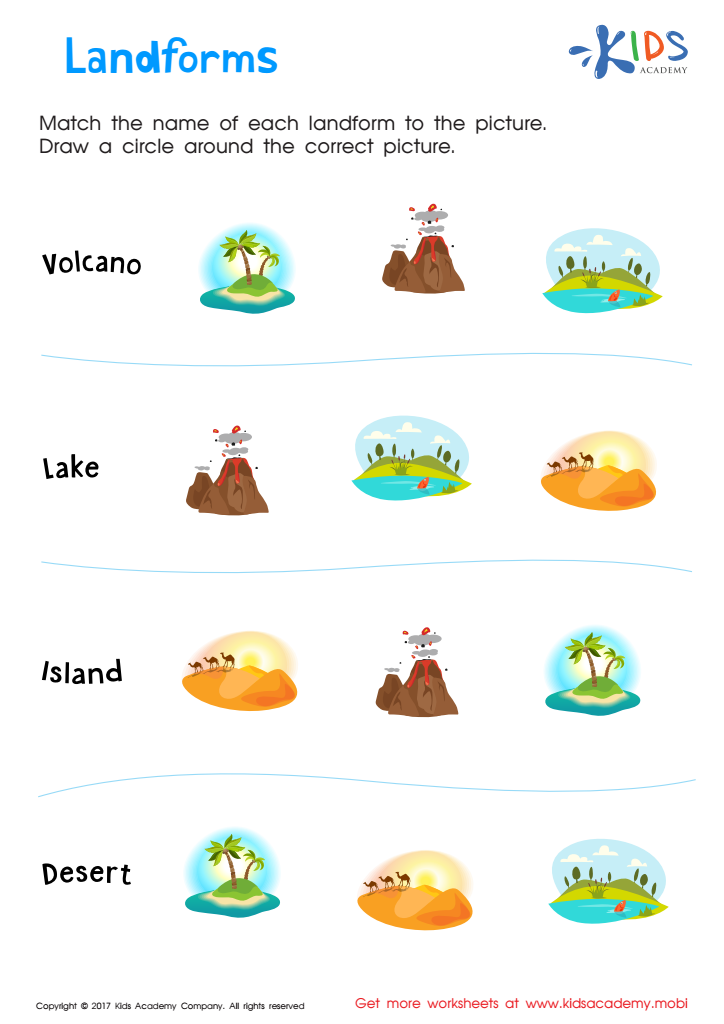
Landforms Printable
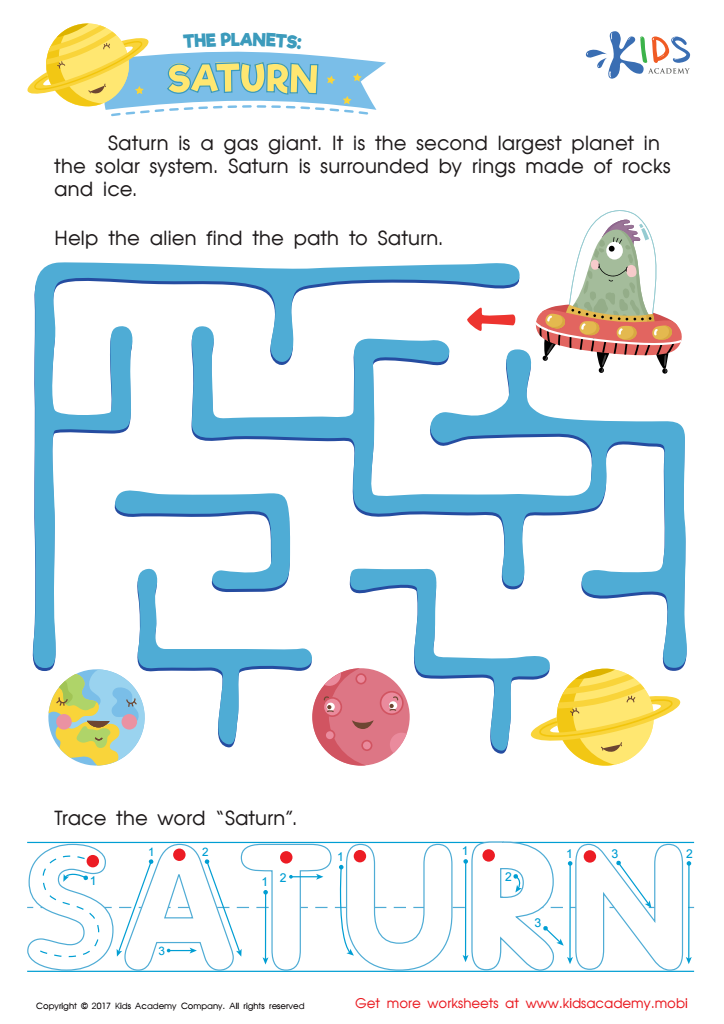
The Planets: Saturn Printable
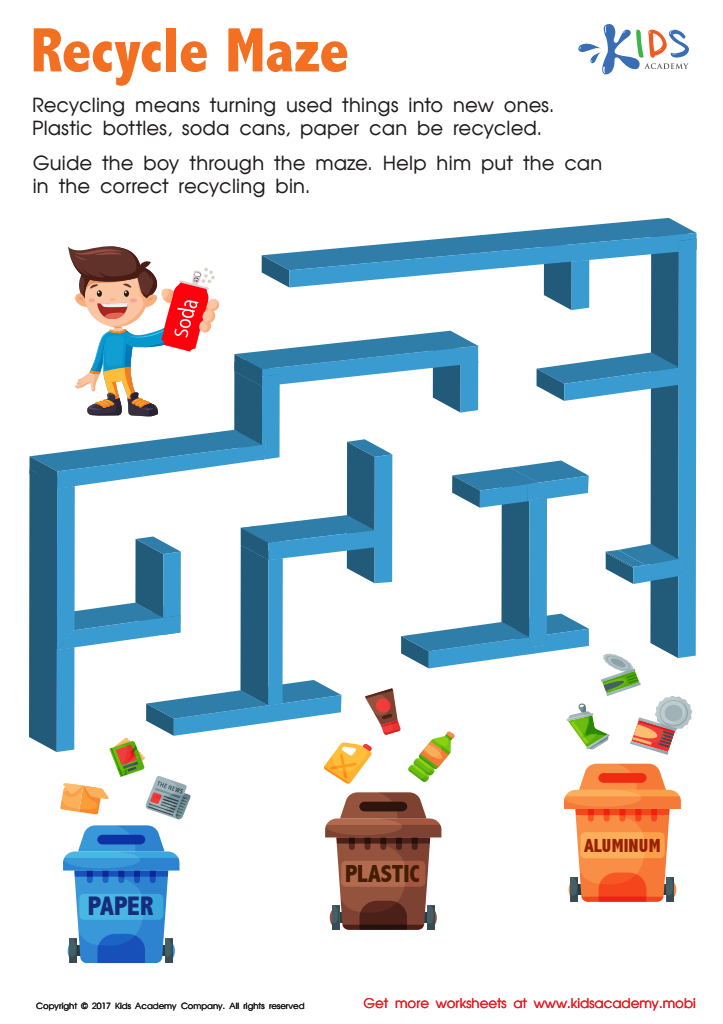
Recycle Maze Worksheet
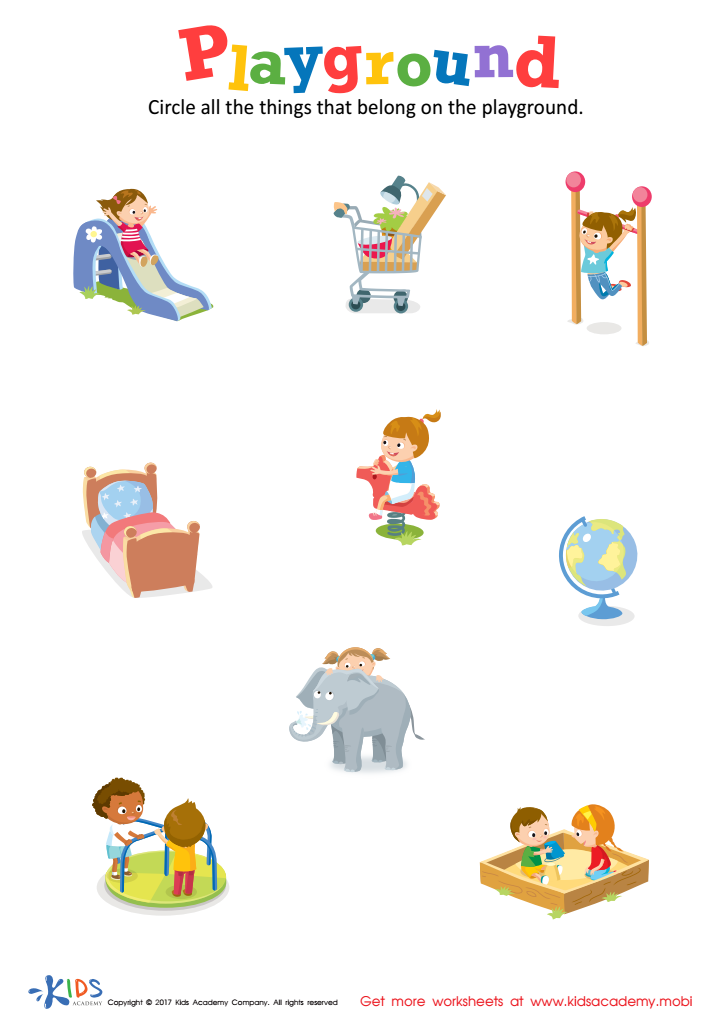
Playground Worksheet
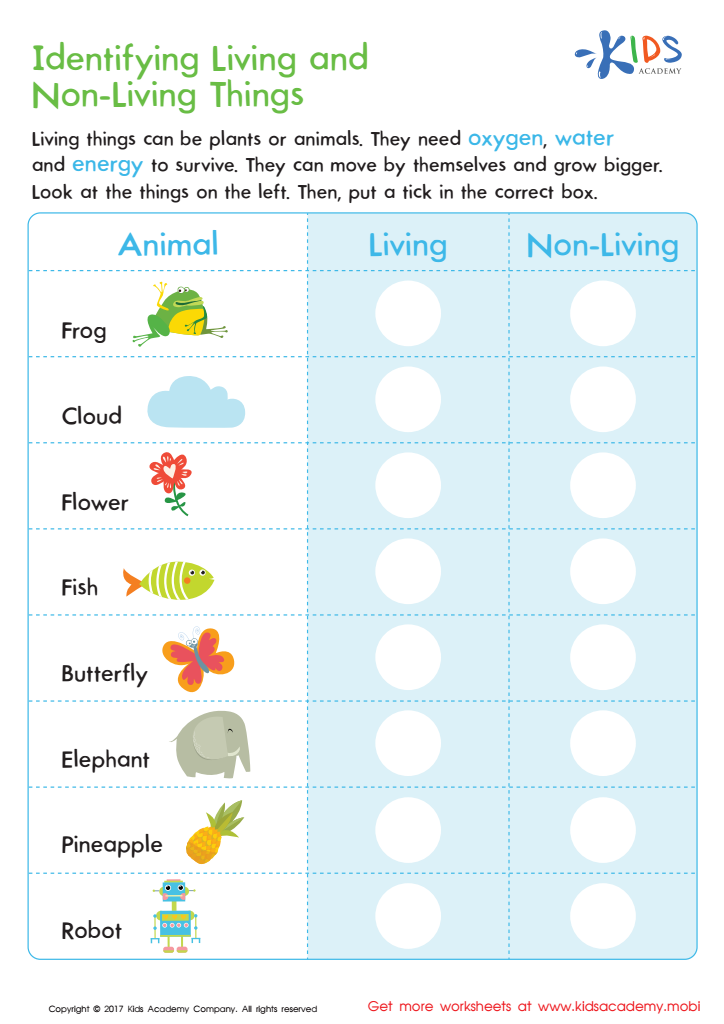
Identifying Living or Non–living Worksheet
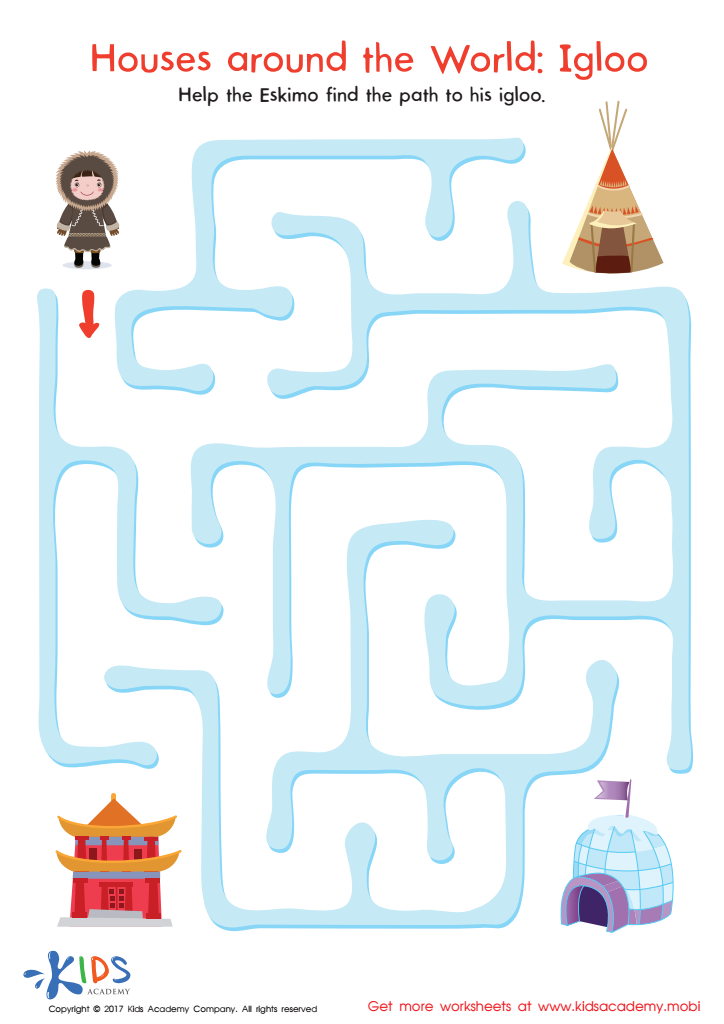
Houses Around the World: Igloo Printable
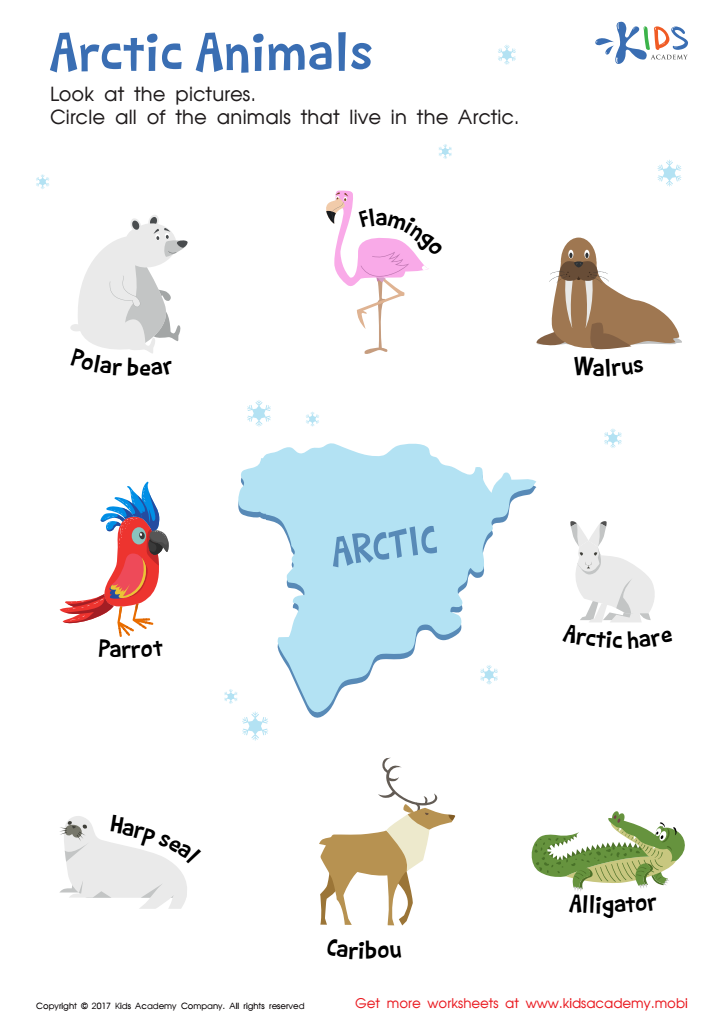
Arctic Animals Worksheet
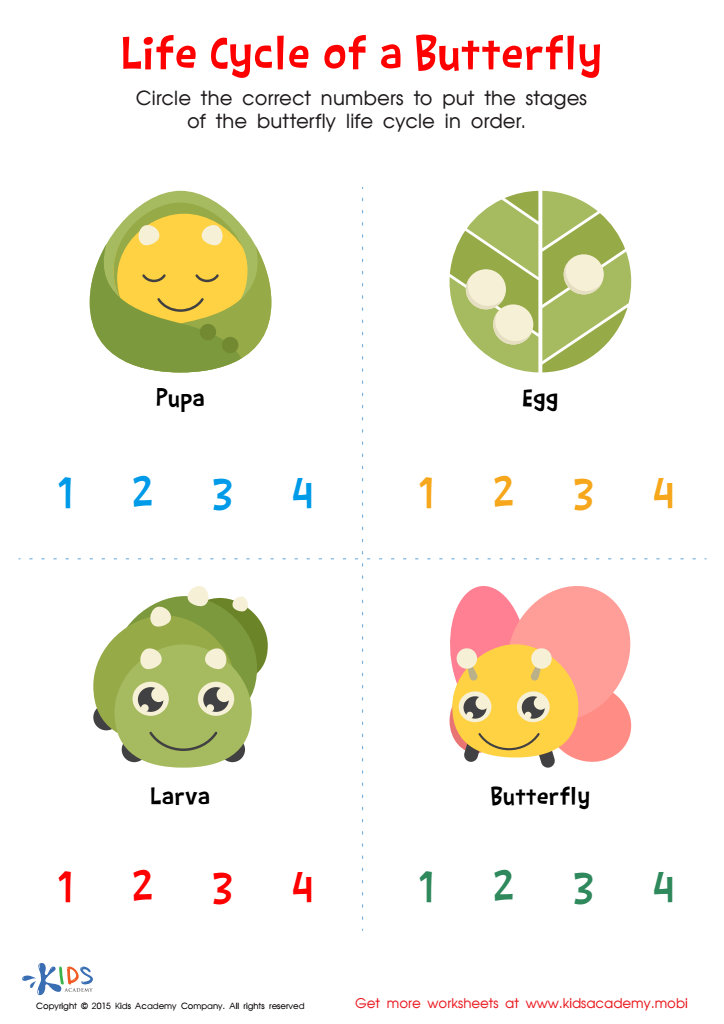
Life Cycle of Butterfly Printable

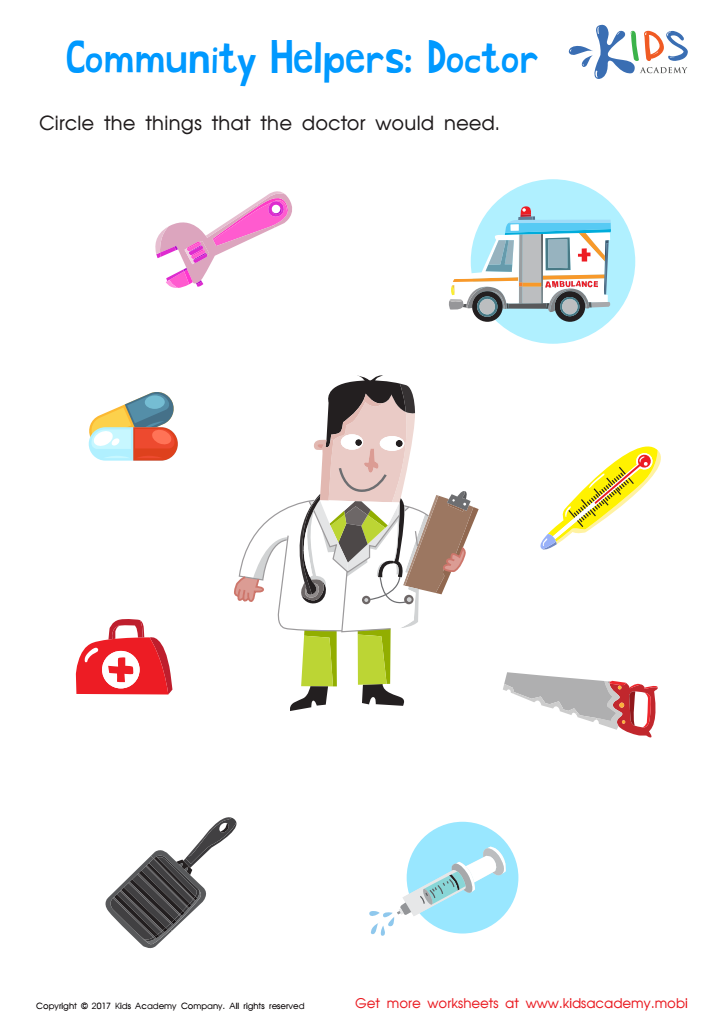
See Your Doctor (Part 2) Printable
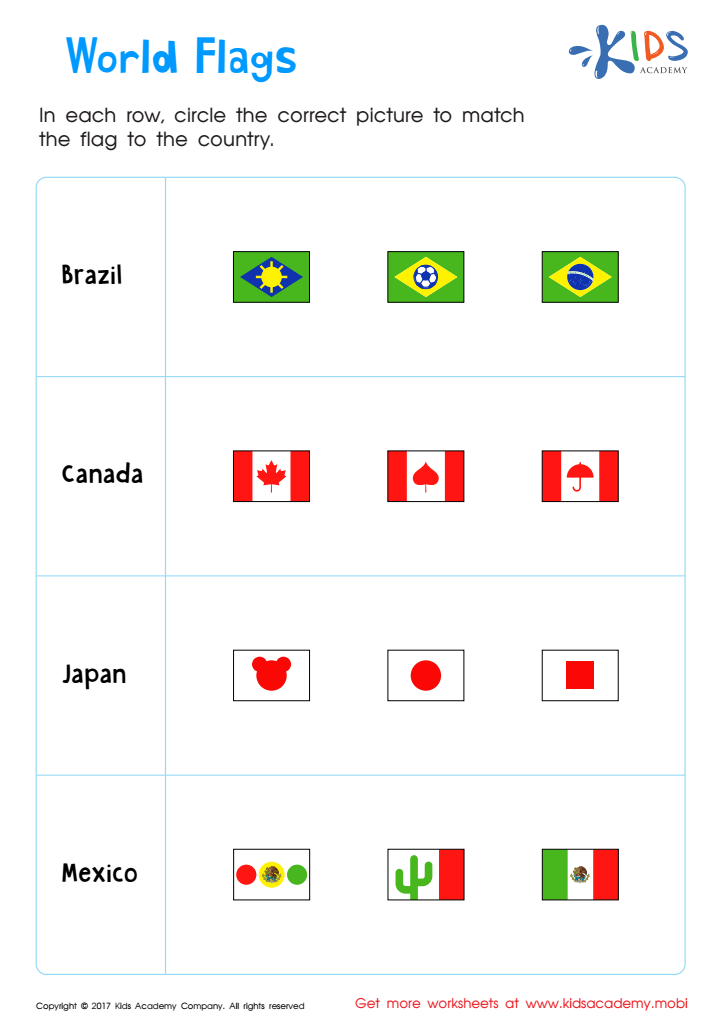
World Flags Printable
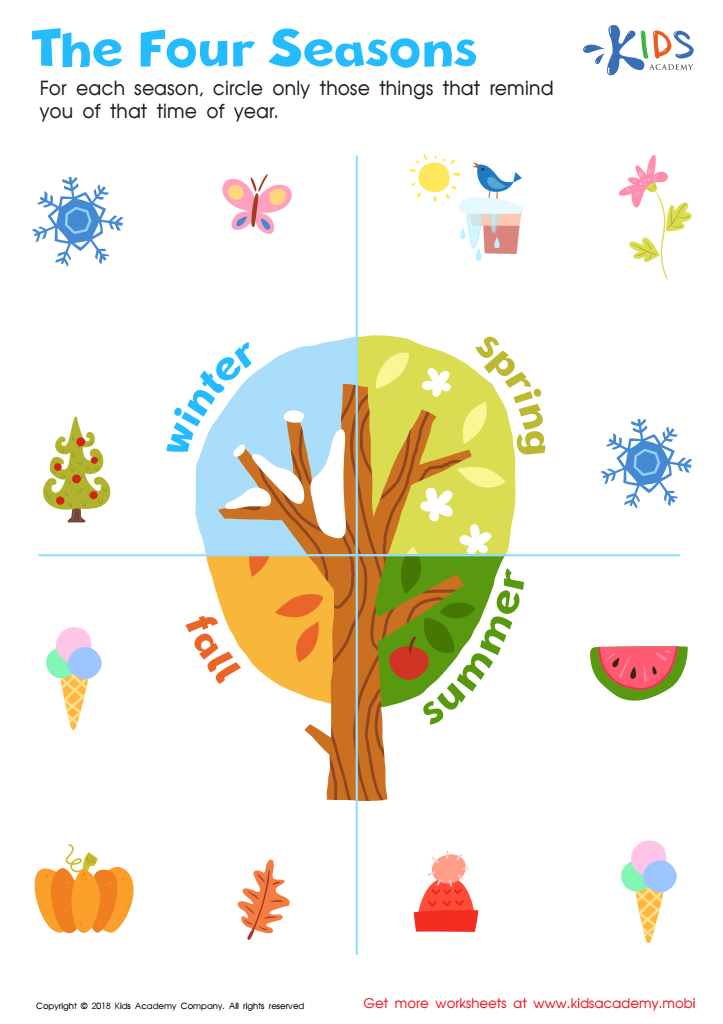
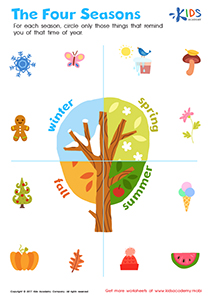
The Four Seasons Worksheet
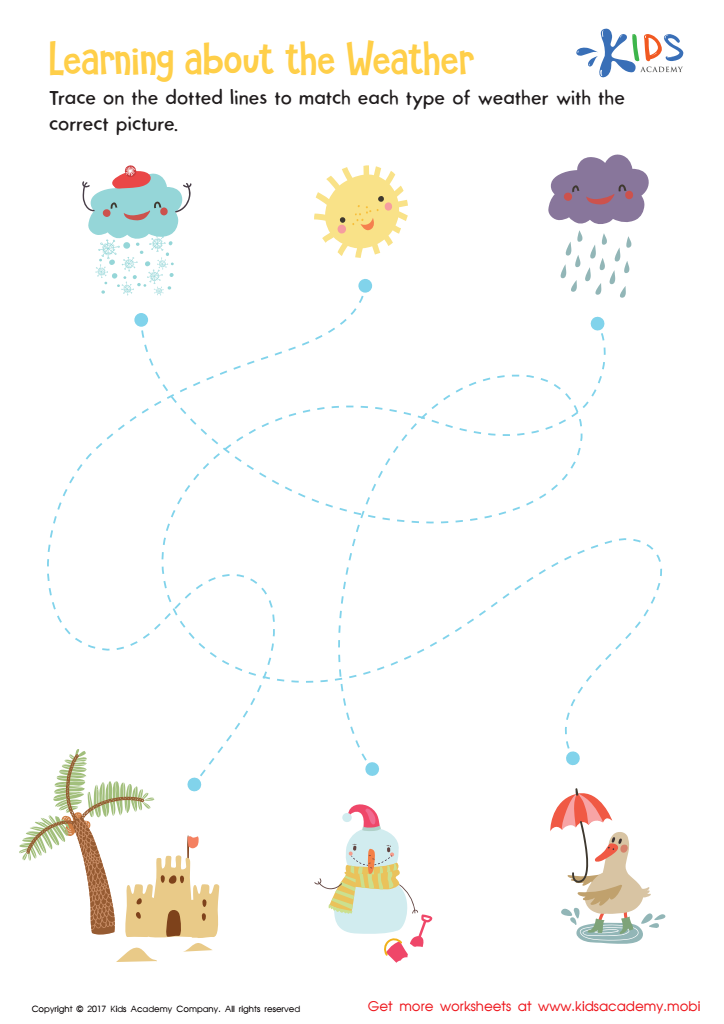
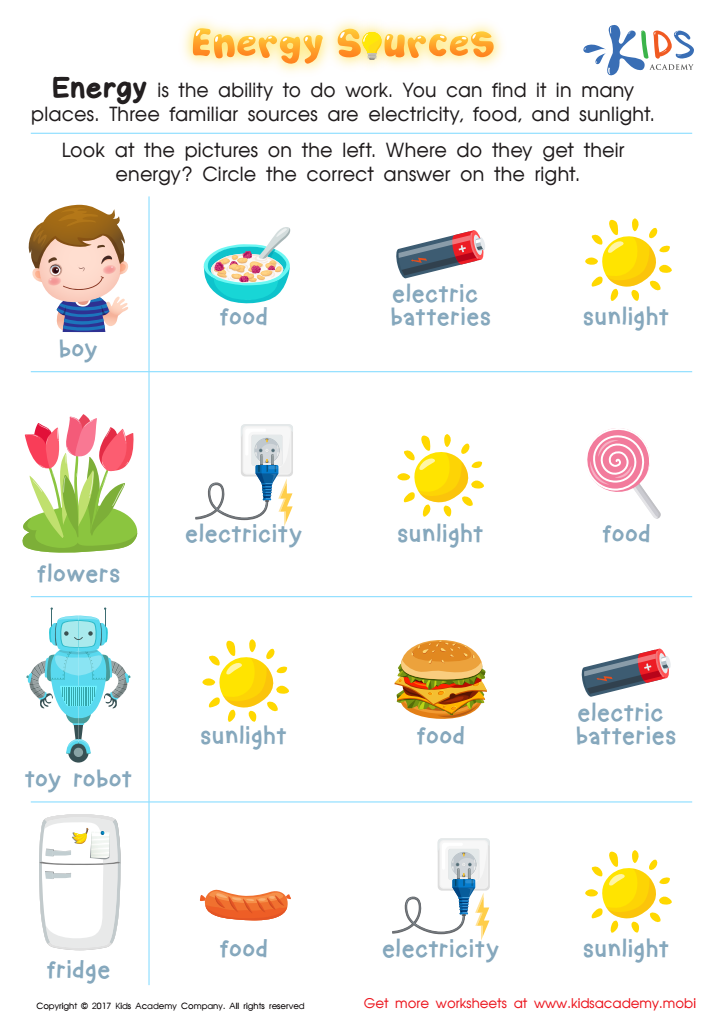
Energy Sources Printable
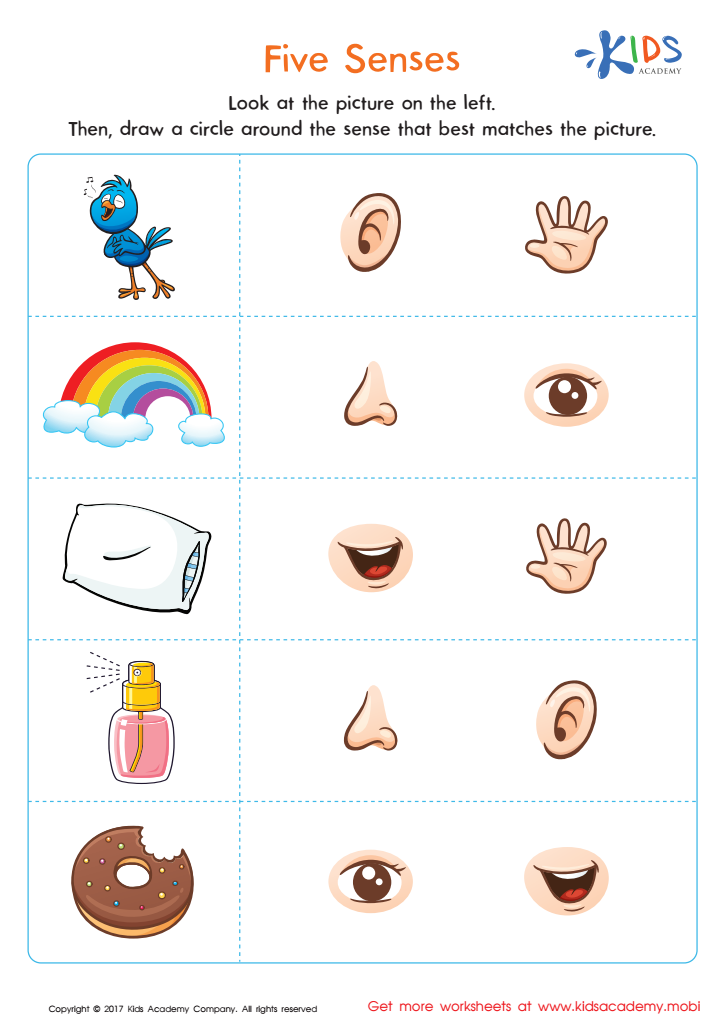
Five Senses Printable

See Your Doctor (Part 1) Printable
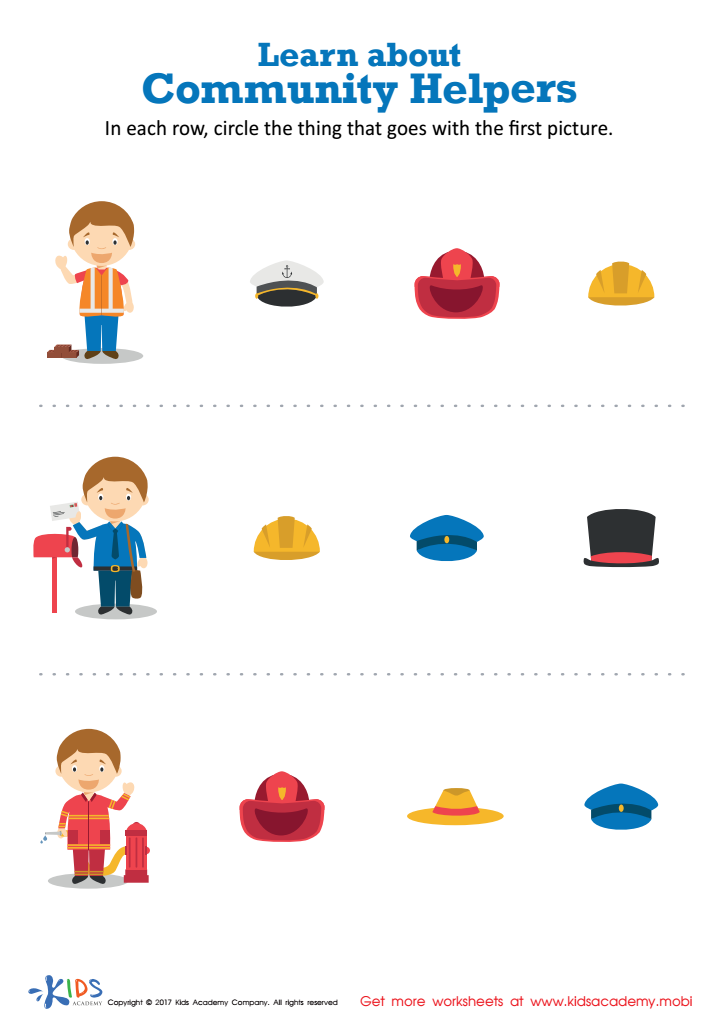
Learn about Community Helpers Printable
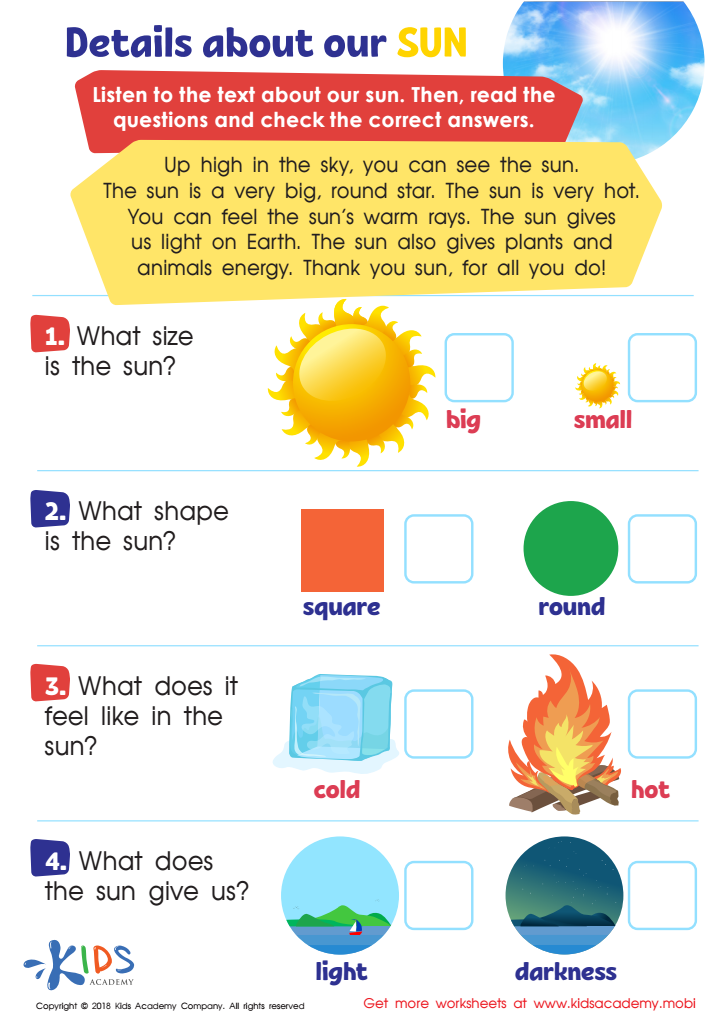
Details About Our Sun Worksheet
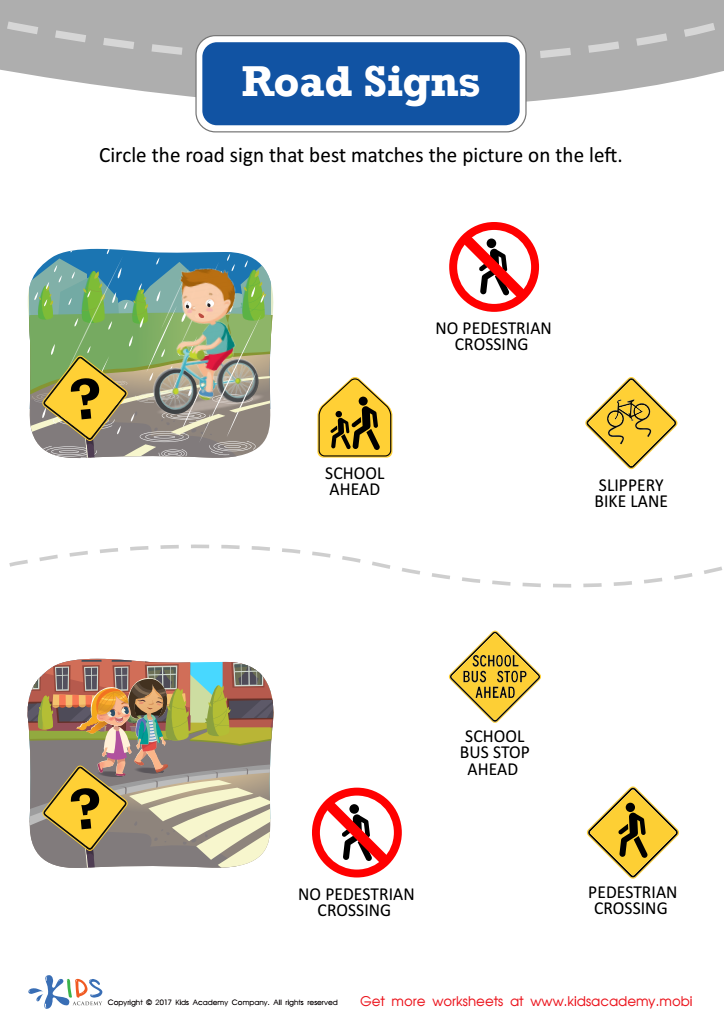
Road Signs (Part 2) Printable





Parents and teachers should prioritize teaching children about the "Normal World Around Us" for ages 3-9 because it lays the groundwork for their understanding of the environment, society, and daily life. This early foundation helps develop critical thinking, curiosity, and empathy in young learners, essential skills for navigating the complexities of the world as they grow.
At this age, children are naturally inquisitive and eager to explore their surroundings. Introducing them to concepts about nature, community roles, and daily routines enhances their cognitive development and promotes a sense of belonging. By understanding basic elements of their world—such as weather patterns, plant life, and family dynamics—children gain context for their experiences, sparking a lifelong interest in learning.
Moreover, knowledge of the "Normal World Around Us" encourages creativity and problem-solving. Activities that involve exploring their surroundings help children build observational skills and enhance their communication abilities. This education fosters a sense of responsibility toward their community and environment, nurturing future citizens who respect and care for their world.
Overall, focusing on the Normal World is vital for holistic development, empowering children with the tools to engage actively, thoughtfully, and compassionately with their surroundings as they grow.